Fore Street Restaurant


Fore Street Restaurant has anchored Portland's Old Port dining scene for decades. The wood-burning oven, grill, and turnspit visible from the dining room are not theatrical props but working infrastructure that defines how ingredients are cooked.900 reviews reflects the kind of sustained local trust that outlasts trend cycles.
Pearl is the En Primeur Club membership app — saves, bookings, and concierge access live there. Same editors, same standards.
- Address
- 288 Fore St, Portland, ME 04101
- Phone
- (207) 775-2717
- Website
- forestreet.biz
- Directions
- Get directions
 Saves & bookings on Pearl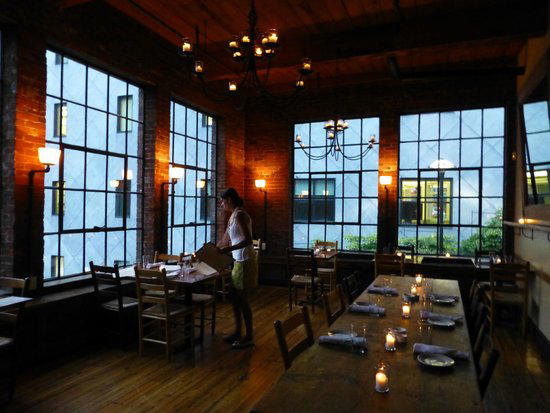
Fire, Wood, and the Old Port
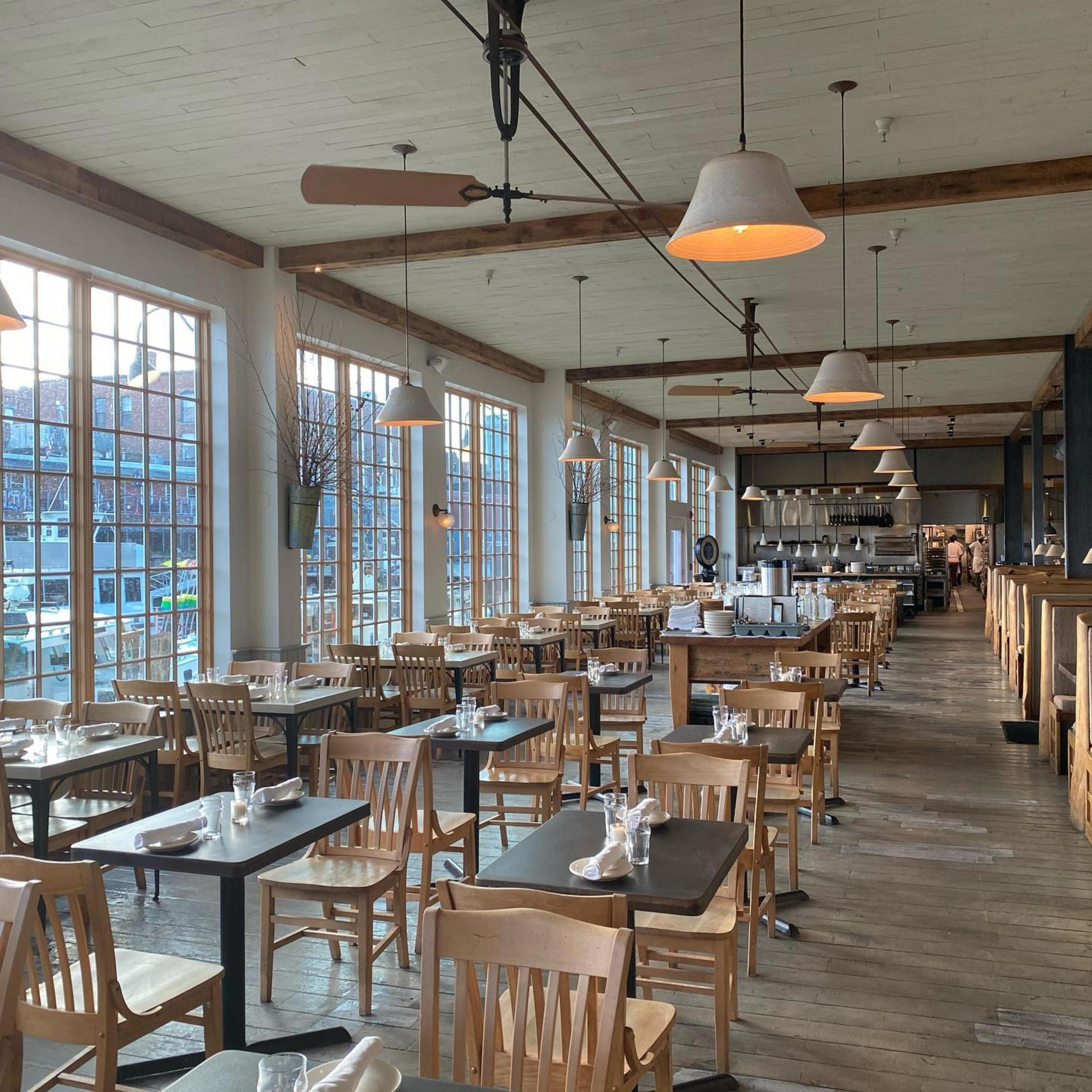
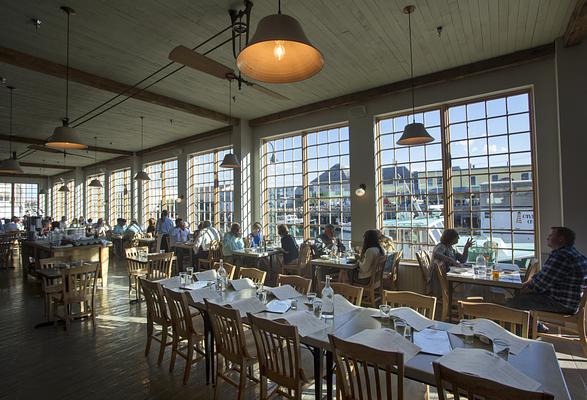
Walking into 288 Fore Street, the first thing that registers is the heat and the smell: hardwood smoke drifting from an open kitchen where a wood-burning oven, grill, and turnspit operate as the kitchen's central infrastructure rather than its decorative backdrop. Portland's Old Port District carries the architectural character of a nineteenth-century working waterfront, and Fore Street fits that grain, occupying a converted warehouse space where the high ceilings and raw brick create a room that feels earned rather than designed. This is the physical baseline for understanding what kind of restaurant Fore Street is and why its approach reads differently from the polished farm-to-table formats that have replicated across American cities.
The fire-cooking model here precedes most of the trend. Where newer American restaurants adopted live-fire cooking as an aesthetic statement, Fore Street has used it as a production system for long enough that it no longer reads as a statement at all. The wood-burning apparatus governs temperature, timing, and flavour development across the menu in ways that gas or induction kitchens cannot replicate, and the daily-changing menu exists partly because the kitchen's capacity responds to what the fire allows and what Maine's farms and waters provide that week.
A Menu Built Around Maine's Seasons, Not a Fixed Concept
The structure of New England's seasonal calendar shapes what appears on the menu at Fore Street more directly than any fixed culinary concept. Maine's agricultural and fishing seasons compress and intensify relative to warmer-climate states: the window for specific produce, shellfish, and forage ingredients is narrower, which means a daily-changing format is less a marketing gesture and more a practical response to how suppliers actually operate here. Restaurants along this coast that commit to local sourcing tend to reflect the season with unusual fidelity, and Fore Street's model is among the more disciplined examples of that approach in the region.
Chef Tony Pastor runs the kitchen with a focus that keeps the menu from drifting into novelty for its own sake. The daily-changing format functions as a constraint as much as a freedom: it requires consistent relationships with local producers and a kitchen team capable of adjusting technique to whatever arrives rather than rehearsing a fixed repertoire. Within the broader Portland dining scene, this positions Fore Street alongside restaurants such as Kann and Berlu, which each operate with their own ingredient-forward frameworks, though the cooking styles and cultural references differ considerably.
The Wine Program in Context
American restaurants that anchor their kitchens around live-fire cooking tend to develop wine programs along one of two trajectories: either the list skews toward high-acid, smoke-compatible Old World bottles, or it takes a more eclectic approach that mirrors the seasonal flexibility of the menu. At Fore Street, the wine program aligns with the ethos of the kitchen, drawing on producers whose work reflects restraint and place rather than extraction and formula.
New England's proximity to serious wine culture in New York and Boston means that Portland restaurants serving at this level have access to importing relationships and allocations that smaller markets might not. The list at a restaurant of this format functions as an extension of the daily menu logic: pairings shift as the food shifts, and a list built for flexibility, across regions and styles, serves that dynamic better than one organized around prestige appellations. For guests accustomed to the cellar depth at The French Laundry in Napa or the sommelier-driven programs at Le Bernardin in New York City, Fore Street operates on a different register, one where the wine serves the food rather than competing with it for attention.
That orientation suits the broader New England restaurant character. The region has historically produced dining rooms where the relationship between the kitchen and the cellar is collaborative rather than hierarchical. Bottle counts matter less than whether the selections at any given price point work across the range of preparations that a fire-cooking kitchen produces on a given evening.
Portland's Dining Scene and Where Fore Street Sits
Portland, Maine punches considerably above its population size in restaurant density and quality, a pattern driven by its position as a regional food destination drawing visitors from across the Northeast. The Old Port concentrates much of the city's serious dining, and the street-level mix of seafood specialists, wood-fired formats, and immigrant-influenced kitchens has made it one of the more credible urban dining districts in the country relative to its scale.
Fore Street occupies the upper tier of that scene. For comparison, pizza-focused neighbours like Ken's Artisan Pizza and Nostrana operate in a different price band and format category, while Langbaan represents the kind of specialist tasting-menu model that has become a distinct tier within the city's dining options. Fore Street sits between these formats: more accessible than a fixed tasting-menu counter, more serious in its sourcing and technique than a neighbourhood bistro.
The New England destination restaurant category, of which Fore Street is a documented example, tends to attract visitors who build a trip around the restaurant rather than treating it as an incidental stop. That pattern distinguishes Portland from cities where destination dining is concentrated in a single well-known district. Here, Fore Street is part of the reason travellers make the trip north in the first place. For those structuring a broader food-focused visit, our full Portland restaurants guide maps the city's options across formats and neighbourhoods, alongside resources for hotels, bars, wineries, and experiences.
Nationally, Fore Street sits in a cluster of American restaurants that have built sustained reputations around sourcing integrity and open-fire technique rather than tasting-menu spectacle. That cluster includes Lazy Bear in San Francisco, Single Thread Farm in Healdsburg, and, at the more conceptually ambitious end, Alinea in Chicago. Fore Street's version of that positioning is distinctly New England: less ornate, more direct, and shaped by what a Maine winter actually requires of a kitchen. For a looser American dining comparison, Hilda and Jesse in San Francisco and Selby's in Atherton operate in the contemporary American register, as does Emeril's in New Orleans, though the culinary contexts differ considerably.
Planning a Visit
Fore Street is located at 288 Fore Street in Portland's Old Port District, a walkable neighbourhood with dense restaurant and bar options within a few blocks. Given the restaurant's standing as a regional destination, reservations should be secured well in advance, particularly for weekend evenings. The daily-changing menu means there is no fixed dish to research before arrival, which makes it worth arriving without firm expectations and letting the kitchen's seasonal focus drive the meal. For visitors extending the trip into the broader city, the Portland dining scene rewards methodical exploration across multiple evenings.
What to Order at Fore Street
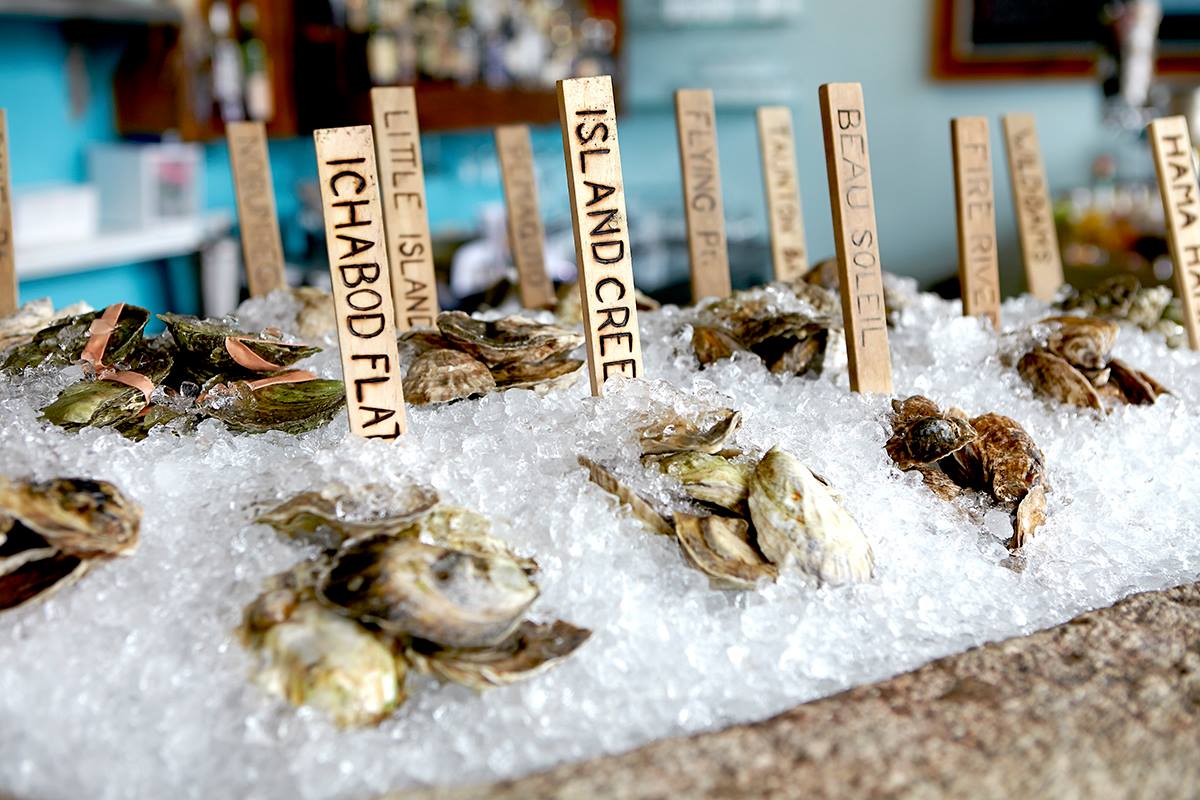
Because Fore Street operates a daily-changing menu driven by seasonal Maine sourcing and live-fire cooking across wood oven, grill, and turnspit, no single dish stays on the menu long enough to qualify as a permanent signature. The consistent principle is to follow preparations that take advantage of the fire: proteins cooked on the turnspit or grill carry smoke and char that are specific to the kitchen's method and not replicable elsewhere. Seafood sourced from the Maine coast, when available, tends to reflect both the kitchen's local relationships and the region's particular strengths. The wine list is built to work across the range of preparations, so asking the floor team for guidance on pairings on the night of your visit is more reliable than pre-selecting bottles based on a menu you haven't seen.
Where the Accolades Land
Comparable venues nearby, for context on price, style, and recognition.
| Venue | Cuisine | Price | Awards | Notes |
|---|---|---|---|---|
| Fore Street RestaurantThis venue — the venue you are viewing | Maine Farm-to-Table Wood-Fired | $$$ | James Beard | Not listed |
| Standard Baking | Artisanal French-Inspired Bakery | $$ | James Beard | Old Port |
| Duck Fat | Belgian Frites & American Paninis | $$ | Not listed | Portland |
| Scales | Modern Maine Seafood | $$$ | James Beard | Waterfront |
| Holy Donut | Maine Potato Donuts | $ | Not listed | Park Ave |
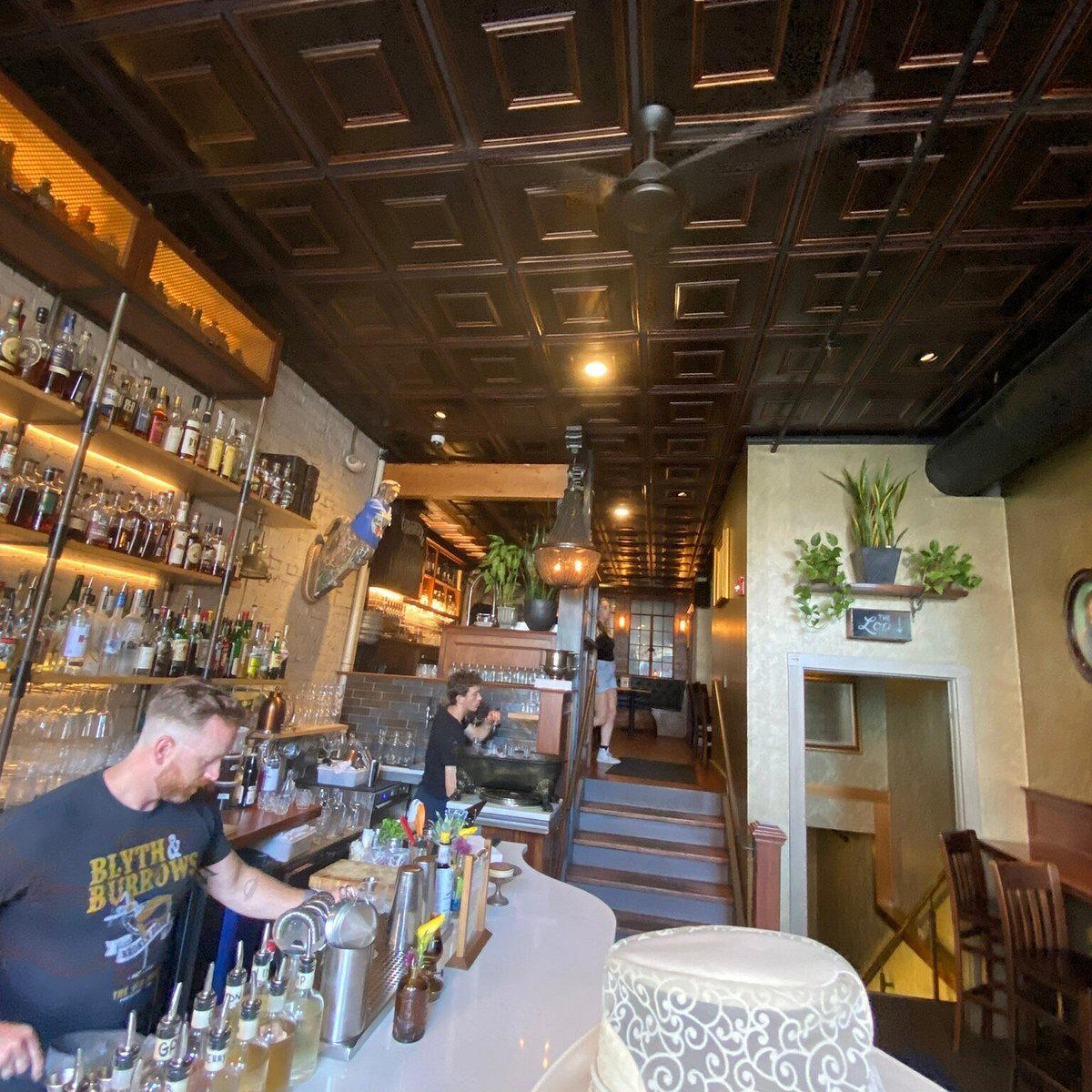
| Blyth & Burrows | American Seafood Bar with Asian Influences | $$ | Not listed | Old Port |
Recognition history
Dated appearances from independent guides and award organizations, with the underlying list record or original source where available.
James Beard Award Nominee
James Beard Award
James Beard Award Semi Finalist
James Beard Award
James Beard Award Outstanding Restaurateur
James Beard Award
OpenTable Top 100 Restaurants
OpenTable
At a Glance
- Rustic
- Cozy
- Elegant
- Intimate
- Special Occasion
- Date Night
- Business Dinner
- Open Kitchen
- Craft Cocktails
- Farm To Table
- Local Sourcing
Current opening hours
- Monday
- 4:30–10 PM
- Tuesday
- 4:30–10 PM
- Wednesday
- 4:30–10 PM
- Thursday
- 4:30–10 PM
- Friday
- 4:30–10 PM
- Saturday
- 4:30–10 PM
- Sunday
- 4:30–10 PM
Hours can change for holidays and private events. Last verified .
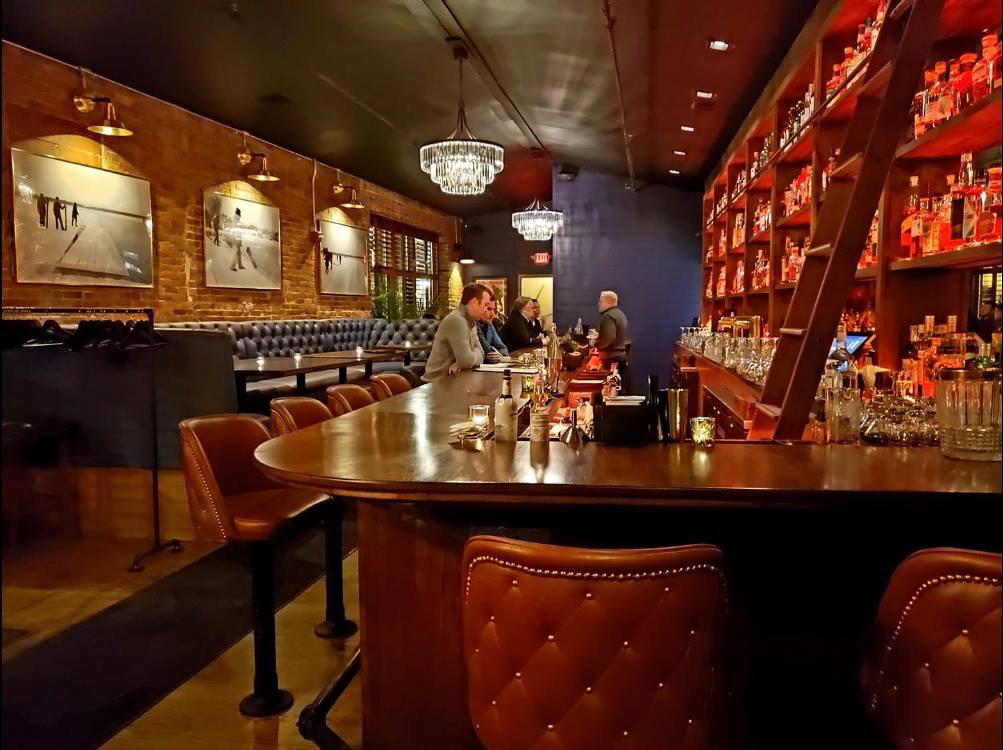
Warm and rustic with brick walls, open kitchen, wood smoke aromas, cozy lighting, and convivial energy.