Misirizzi
Our verdict
Misirizzi occupies a specific address in Manhattan's NoHo at 36 E 4th St, sitting within a neighbourhood that has long attracted serious independent restaurants. The venue operates in a city where Italian-rooted dining traditions compete across a wide spectrum of formats and price points, from neighbourhood trattorie to Michelin-decorated tasting counters.

Pearl is the En Primeur Club membership app, where members save venues, book tables and use the concierge.

The menu
What to order
- Mafaldine Carbonara
- Strozzapreti Bolognese
- Burrata
- Carciofi Fritti
- Misirizzi Burger
Southern Italian Cooking in a City That Rewards Specificity
New York's Italian restaurant scene has never been short of ambition, but the most durable entries in that scene tend to be the ones that commit to a regional argument rather than a pan-Italian survey. The Mezzogiorno tradition, Basilicata, Calabria, Campania, the deep south of the Italian peninsula, has historically been underrepresented in Manhattan's fine dining tier, where northern Italian and Tuscan idioms have long dominated the conversation. Misirizzi, located at 36 E 4th St in NoHo, enters that gap. The name itself signals its positioning: misirizzi is a Calabrian and southern Italian term, rooted in dialect, that carries the cultural weight of a specific geography rather than a generic Italian identity.
That kind of specificity matters in a city where diners at the upper tier are comparing notes across venues that include Le Bernardin, Per Se, and Masa. Those rooms compete on different registers, French technique, Japanese precision, but they share a common demand: that the cuisine explain itself with authority. Regionally grounded southern Italian cooking, executed at a serious level, offers a different but equally rigorous argument.
NoHo as a Setting for Independent Dining
The East 4th Street address places Misirizzi in a part of lower Manhattan that has functioned for decades as an incubator for independent restaurant ambition. NoHo sits at the convergence of the West Village's culinary density, the East Village's more experimental register, and the SoHo corridor's appetite for international influence. Unlike the Midtown blocks where Per Se or Le Bernardin operate within a formal fine-dining geography, NoHo tends to reward formats that feel discovered rather than announced. Restaurants in this pocket have historically attracted a neighbourhood-adjacent clientele that values depth of cooking over ceremony of service.
That context shapes expectation. Diners arriving at 36 E 4th St are not navigating the pre-theatre logistics of Midtown or the tourist-heavy foot traffic of the Meatpacking District. The neighbourhood asks for more genuine engagement with what's on the plate, and venues that hold that attention tend to do so through the specificity and consistency of the food itself.
The Southern Italian Reference Point
Southern Italian cooking as a culinary tradition carries a different weight than its northern counterpart. The cucina povera lineage, cooking built from dried legumes, preserved fish, foraged greens, and preserved chili, produces dishes that are technically less about refinement and more about transformation: taking ingredients with a long shelf life and producing something with significant structural and flavour complexity. Pasta formats from the south, including the hand-rolled forms associated with Basilicata and Calabria, require technique that is largely manual and time-intensive, distinct from the egg-rich pasta traditions of Emilia-Romagna that more commonly anchor Italian fine dining in the United States.
The broader American Italian dining scene has seen a shift in recent years toward this southern register. What was once considered rustic or home-style has been reclassified as technically demanding and historically interesting, particularly as chefs with Italian training bring back the specificity of regional products, 'nduja from Spilinga, Tropea onions, Amalfi lemon, that had previously been flattened into generic Italian-American representations.
How Misirizzi Sits Within New York's Italian Tier
New York's serious Italian restaurants occupy a relatively well-defined spectrum. At one end, the neighbourhood trattoria operates on volume and familiarity. At the other, a smaller group of destination restaurants pursues tasting-menu formats or highly edited à la carte lists with clear sourcing commitments and wine programs that reflect specific Italian regions rather than a general cellar. Misirizzi's East Village-adjacent address and its name's southern Italian etymology suggest it belongs closer to the latter category: a venue built around a specific cultural argument, not a broad Italian canvas.
Internationally, the southern Italian model has gained institutional credibility. Venues anchored in the Mezzogiorno tradition have earned Michelin recognition in Italy, and the model has influenced Italian restaurants in markets from London to Hong Kong, where 8 1/2 Otto e Mezzo Bombana demonstrates that Italian fine dining can carry weight in non-European contexts. In the United States, the venues at the top of the recognition tier, including comparisons to the country's most decorated rooms, from The French Laundry in Napa to Addison in San Diego, tend to be French or contemporary American in orientation, which makes a credible, serious Italian room with genuine regional specificity relatively rare at the upper end of the market.
Practical Notes for Visiting
Misirizzi is located at 36 E 4th St, New York, NY 10003, in NoHo, within walking distance of the Broadway-Lafayette and Bleecker Street subway stations. NoHo's restaurant density means there are strong supporting options in the immediate area, which makes the neighbourhood a viable anchor for a longer evening rather than a single-stop destination. For broader context on where Misirizzi sits within the city's dining options, the full New York City restaurants guide provides comparative framing across formats and cuisines, including the Korean tasting-menu tier anchored by Atomix and Jungsik New York, which operate in the same city but in a different competitive register entirely.
Frequently asked questions
What's the signature dish at Misirizzi?
How hard is it to get a table at Misirizzi?
What has Misirizzi built its reputation on?
Is Misirizzi good for vegetarians?
Does Misirizzi justify its prices?
What makes Misirizzi distinct from other Italian restaurants in New York's East Village and NoHo area?
Style and Standing
Comparable venues nearby, for context on price, style, and recognition.
| Venue | Cuisine | Price | Notes |
|---|---|---|---|
| MisirizziThis venue (the venue you are viewing) | Traditional Italian Trattoria | $30–50 | Not listed |
| Gigino Trattoria | Classic Italian Trattoria | $30–50 | Tribeca-Civic Center |
| Fragole | Classic Italian | $30–50 | Carroll Gardens-Cobble Hill-Gowanus-Red Hook |
| Lucali | Brick-Oven Neapolitan Pizza | $30–50 | Carroll Gardens-Cobble Hill-Gowanus-Red Hook |
| Corto | Seasonal Italian Pasta | $30–50 | Bedford-Stuyvesant (West) |
| Patsy's Pizza | Traditional New York Coal-Oven Pizza | $20–30 | East Harlem (North) |
Continue exploring
More in New York City
Restaurants in New York City
All restaurants in New York City →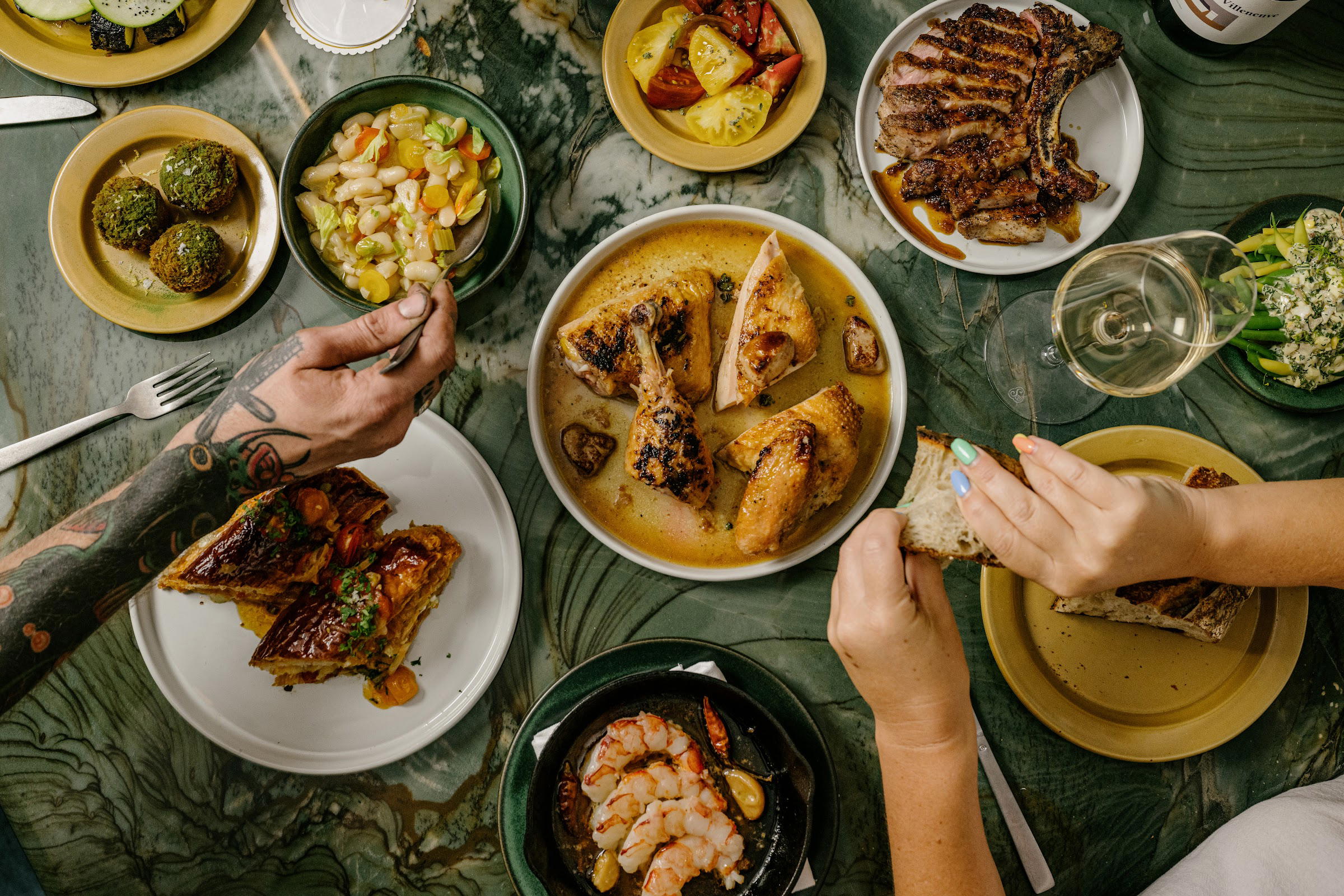
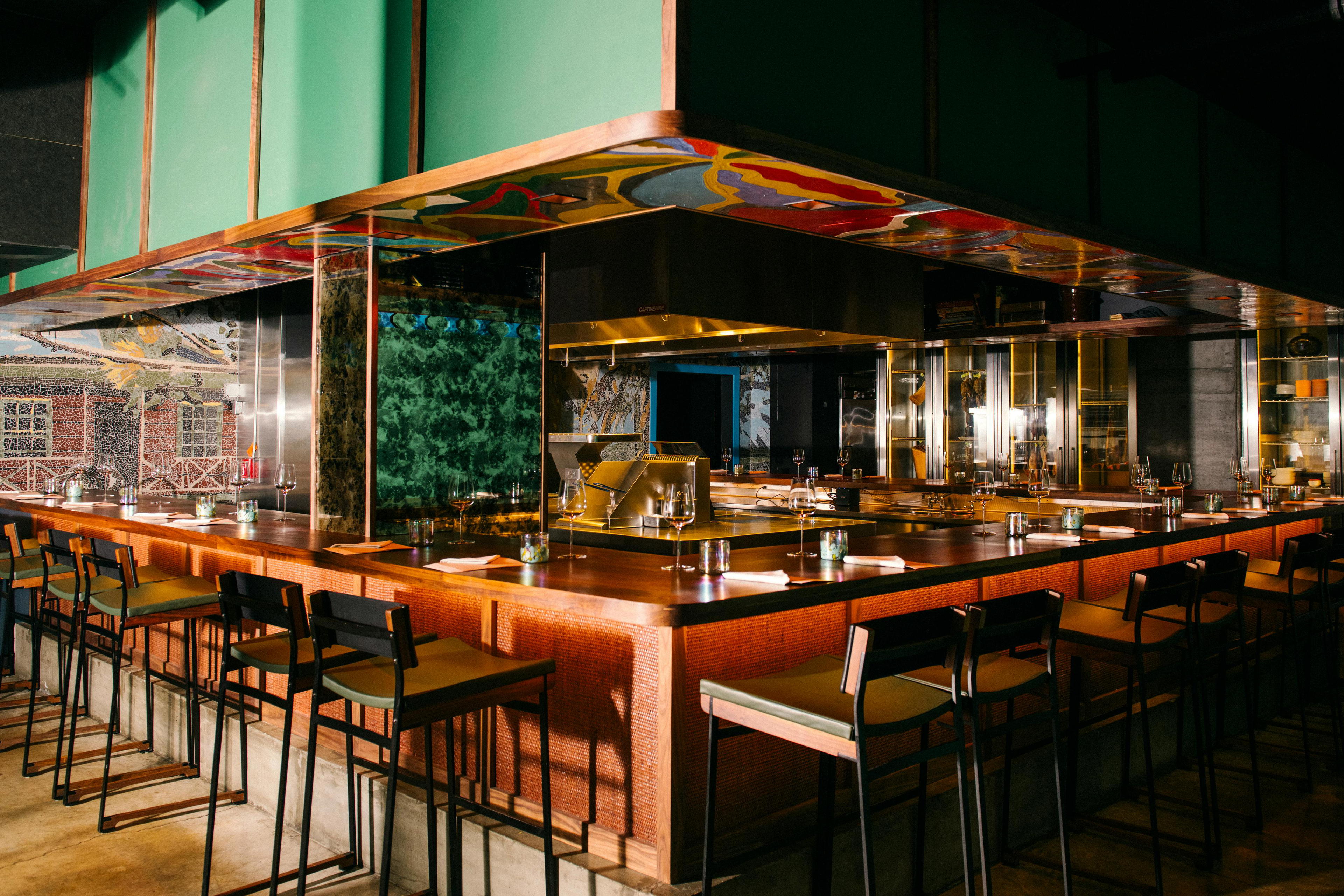
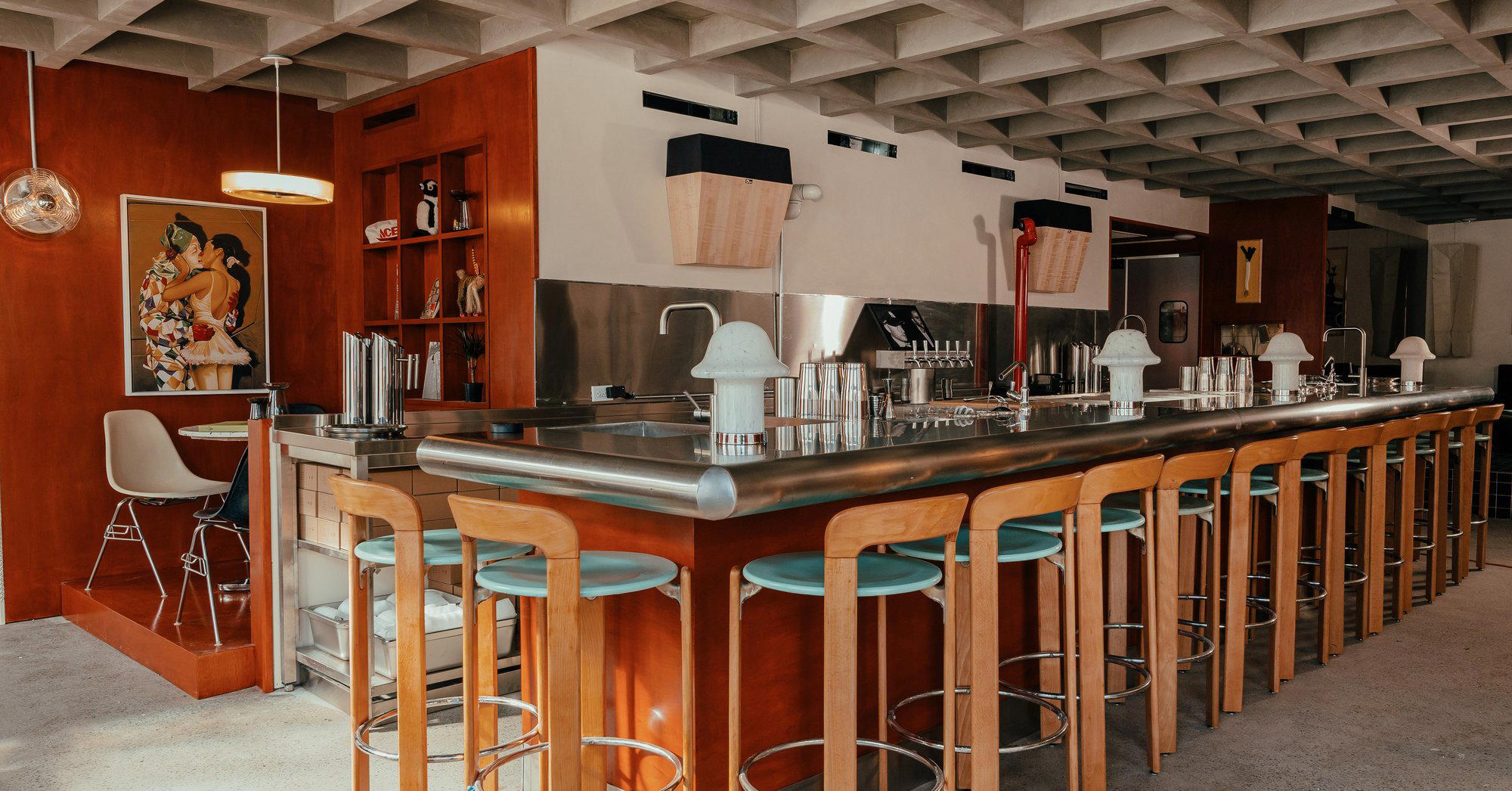
Bars in New York City
All bars in New York City →


Details
- Lively
- Cozy
- Intimate
- Trendy
- Casual Hangout
- Group Dining
- Brunch
- After Work
- Standalone
- Craft Cocktails
- A La Carte
- Family Style
- Cocktails
- Wine
- Aperitivo
- Vegetarian Friendly
- Vegan Options
Current opening hours
- Monday
- 5–10 PM
- Tuesday
- 5–10 PM
- Wednesday
- 5–10 PM
- Thursday
- 5–10 PM
- Friday
- 5–11 PM
- Saturday
- 12–11 PM
- Sunday
- 12–9 PM
Hours can change for holidays and private events. Hours as of .
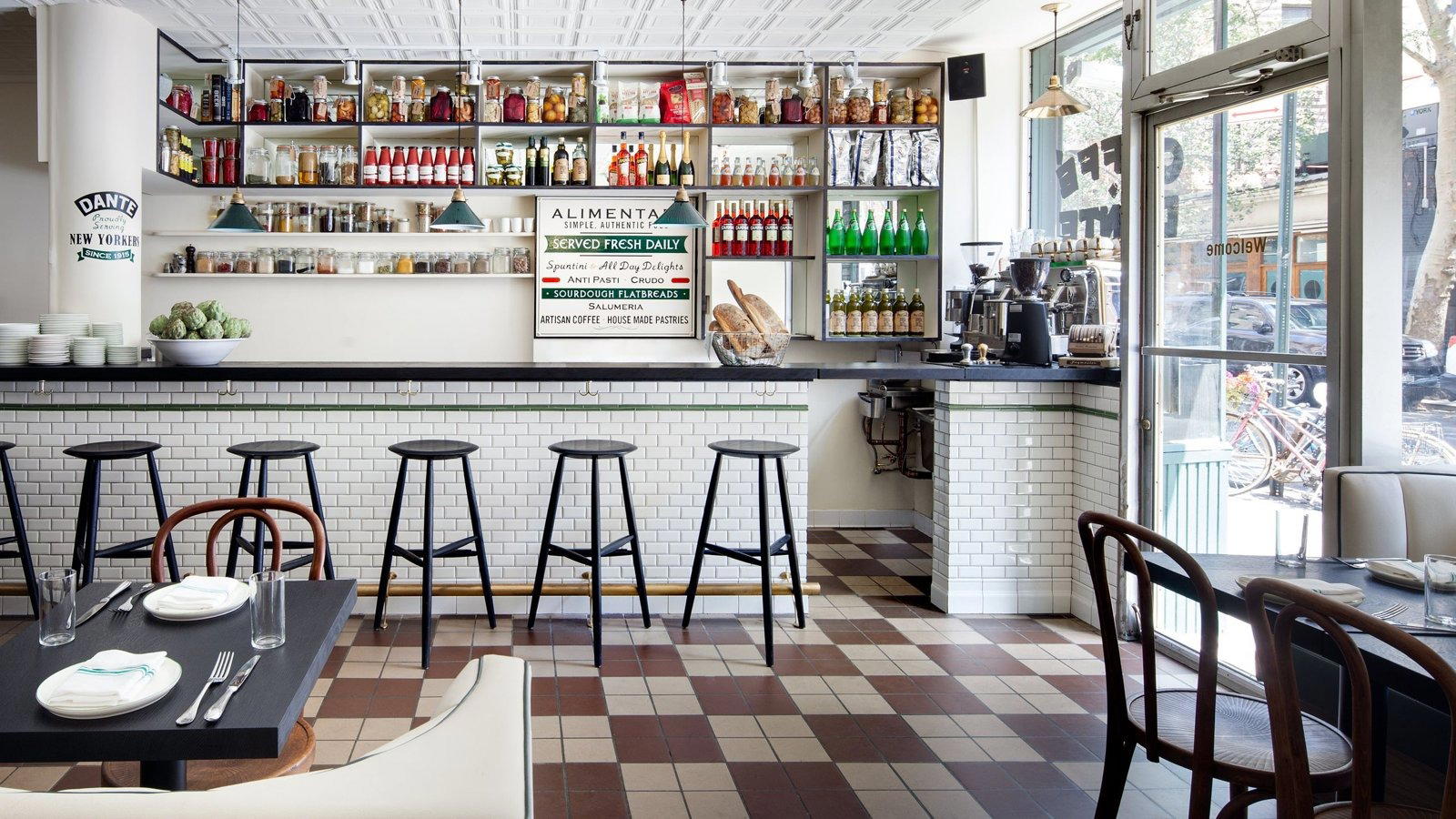
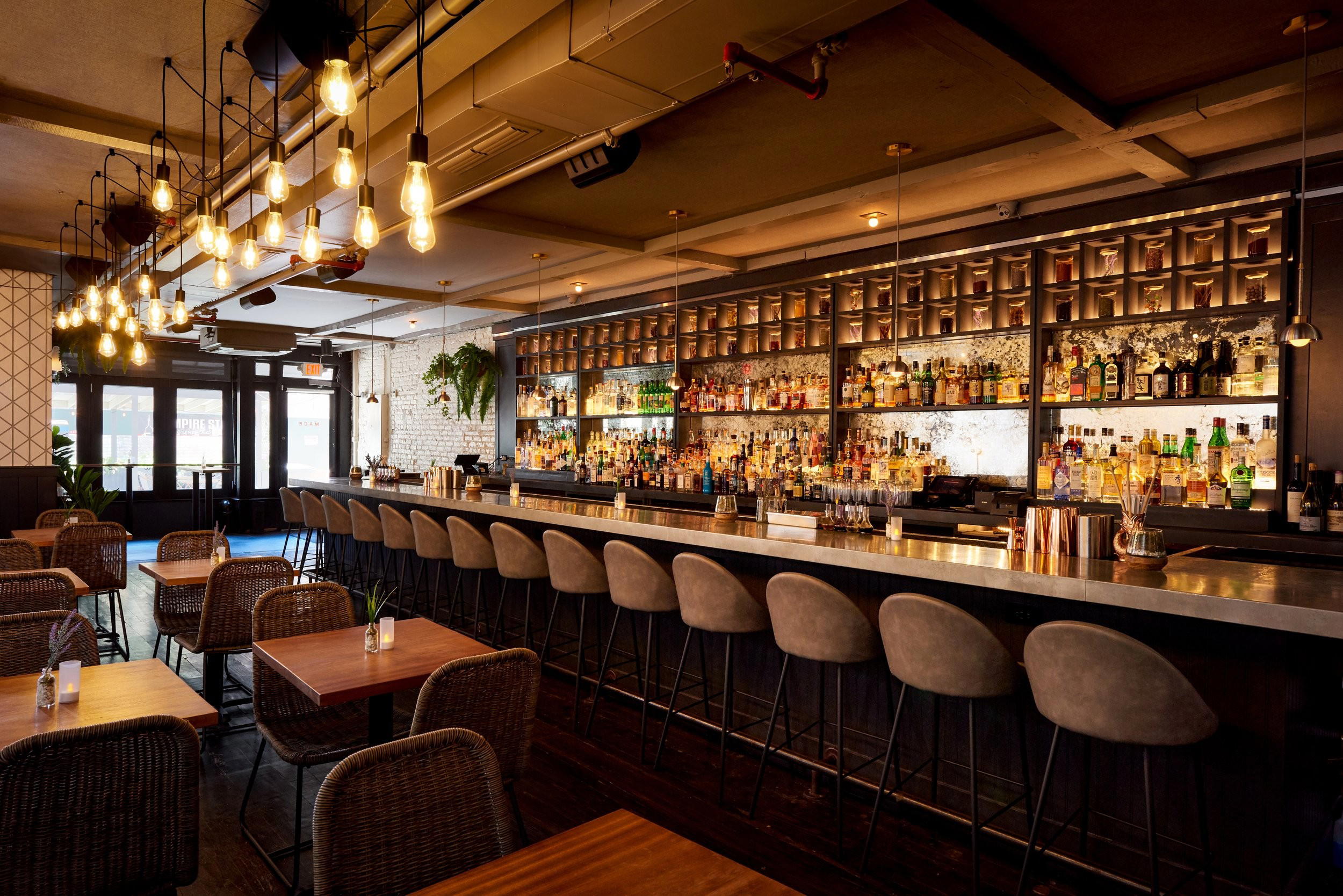
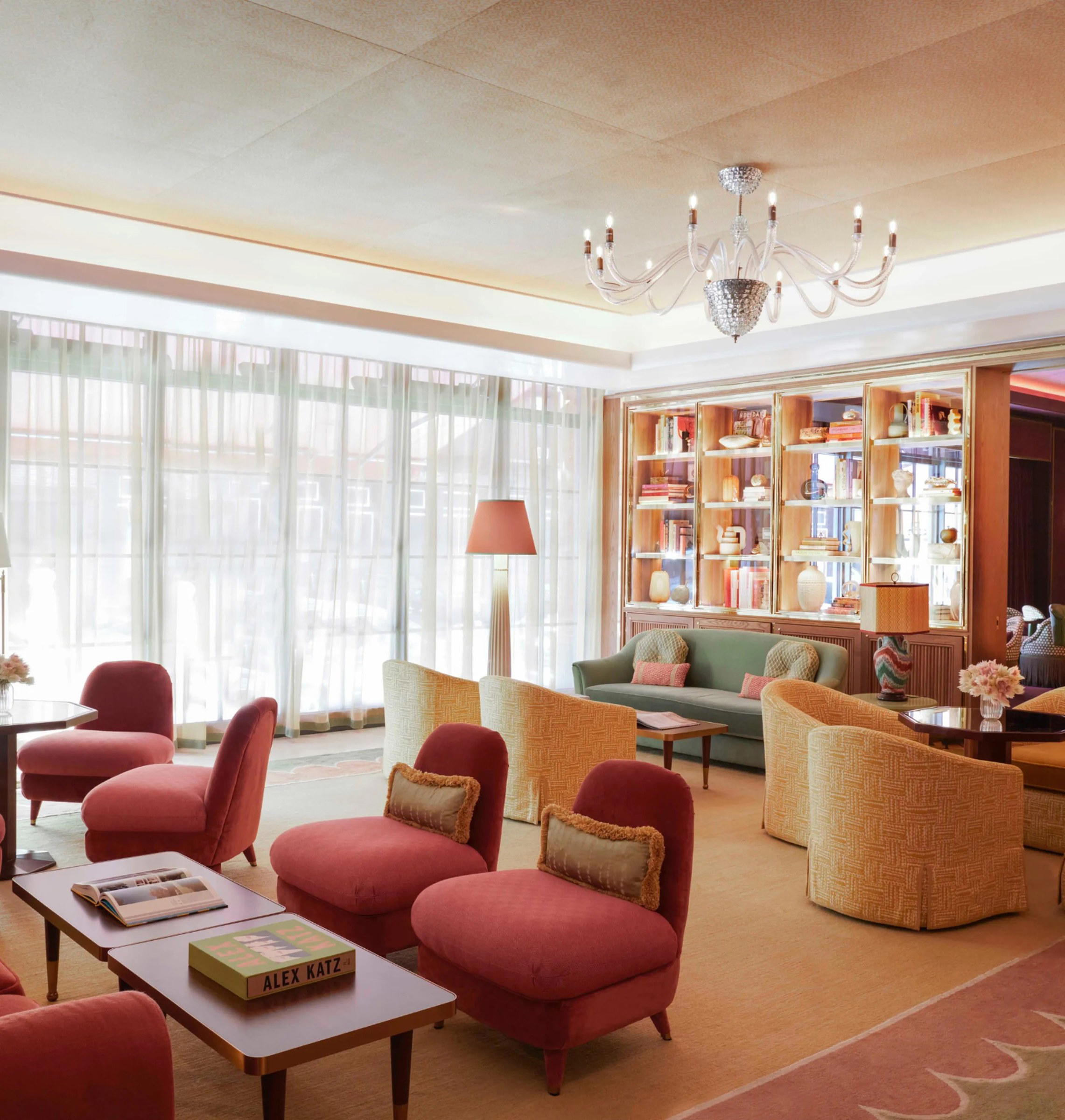
Bright, welcoming atmosphere with a small, lovely space that feels intimate and energetic; described as playful and charming by guests.