Our verdict
Mirou occupies a Mühlenkamp address in Hamburg's Winterhude district, placing it inside a neighbourhood that has gradually accumulated serious dining ambition alongside its canal-side residential character. The restaurant sits in the mid-to-upper tier of Hamburg's evolving fine dining scene, where questions of reinvention and culinary direction have become as relevant as any single dish on the menu.

Pearl is the En Primeur Club membership app — saves, bookings, and concierge access live there. Same editors, same standards.
- Address
- Mühlenkamp 9, 22303 Hamburg, Germany
- Phone
- +494069454477
- Hours
- Mon–Fri 12–11 PMSat 1–11 PMSun 1–10 PM
- Website
- mirou-hamburg.de
- Directions
- Get directions
- Booking
- Book on the venue's website

Winterhude's Quiet Accumulation of Dining Ambition
Mühlenkamp is not where Hamburg's restaurant press typically starts its story. That narrative usually opens at the Alster's edge or in HafenCity's converted warehouses, where glass and water provide the visual shorthand for ambition. Winterhude works differently. The neighbourhood has built a dining identity through gradual accumulation rather than a single landmark arrival, and Mirou at Mühlenkamp 9 sits inside that slower, more considered pattern. The street-level approach here is residential Hamburg at its least performative: canal proximity, lime-tree canopies, the particular quiet of a district that has money without needing to announce it.
That context matters for how you read a venue like Mirou. Hamburg's fine dining scene has spent the past decade sorting itself into tiers with increasing clarity. At the leading, places like Restaurant Haerlin and The Table Kevin Fehling operate inside the Michelin-starred bracket with international recognition and price points to match. Below that, a more interesting middle tier has formed, where kitchens are working through questions of identity, cuisine direction, and whether the Hamburg diner will support genuine creative risk. Mirou belongs to this conversation.
The Evolution Question: What a Restaurant Becomes
The editorial angle most useful for understanding a venue like Mirou is not where it started, but where it is pointing. Hamburg's restaurant scene has undergone a visible shift since roughly 2018, when a cluster of openings began pushing beyond the city's historically conservative appetite for northern European classics. That shift created space for venues that could not easily be categorised by a single cuisine label, and it placed a premium on kitchens willing to revise their offer in response to a more mobile, more internationally experienced Hamburg diner.
Reinvention in the mid-tier is not always legible from outside. It shows up in menu restructuring, in shifts between à la carte and tasting format, in the way a restaurant repositions its price signalling relative to peers. Hamburg's competitive set for a venue in Winterhude includes both the €€€€ anchors of the Alster belt and the more accessible creative kitchens — places like 100/200 Kitchen — that have found audiences by committing hard to a format rather than hedging across multiple price points. Where Mirou positions itself within that range is the operative question for anyone deciding whether an evening there is the right call.
Germany's broader fine dining movement offers useful reference points. The country's three-Michelin-star kitchens, Aqua in Wolfsburg, Schwarzwaldstube in Baiersbronn, Victor's Fine Dining in Perl, share a commitment to technical depth and long-form tasting menus that filters down through the tier below them. Mid-tier Hamburg kitchens that want to signal serious intent borrow from that vocabulary while adapting to a diner base that is less willing to commit three hours and a four-figure bill on a Tuesday. The tension between those two pressures has shaped a number of Winterhude-area openings.
How Hamburg's Neighbourhood Dining Has Changed
Winterhude's food identity has shifted from neighbourhood bistro dependence toward something with more range. Ten years ago, the Mühlenkamp corridor was defined by a handful of dependable middle-European tables where regulars expected seasonal German cooking and a wine list that didn't require much negotiation. That model has not disappeared, but it now shares the street with venues that are working harder on kitchen identity. The comparison venue data for Hamburg shows the €€€€ tier extending well beyond the obvious HafenCity and Blankenese addresses: bianc with its modern Mediterranean positioning and Lakeside with its German lakeside format both occupy that upper bracket, suggesting the city's premium dining appetite is more geographically distributed than the Alster-centric narrative implies.
For Mirou, this neighbourhood context is a structural asset. A Winterhude address means a local clientele that returns regularly rather than the expense-account and tourist traffic that sustains the centre. Regular guests reward consistency and penalise formula; they also notice when a kitchen has sharpened its focus or quietly changed direction. That audience dynamic tends to produce restaurants with stronger editorial identity over time than venues dependent on one-visit visitors.
Placing Mirou in the German Fine Dining Network
Hamburg sits within a German fine dining network that includes some of Europe's most technically accomplished kitchens. The reference set is worth articulating: Vendôme in Bergisch Gladbach, JAN in Munich, ES:SENZ in Grassau, and Schanz in Piesport define the tier of kitchens that operate with Michelin recognition and have committed to a specific culinary language. CODA Dessert Dining in Berlin and Waldhotel Sonnora in Dreis show how German restaurants have developed niche formats with international followings. Bagatelle in Trier demonstrates that serious kitchens are not confined to Germany's headline cities.
For international reference, the structural ambitions of venues like Le Bernardin in New York City, which has held its three-star position for decades through disciplined focus on a single product category, and Atomix in New York City, which has built critical authority through a tasting counter format with strong curatorial identity, illustrate the different routes to sustained recognition. Hamburg's mid-tier venues are, implicitly, making choices about which of those models to approximate at their own scale.
Mirou's Winterhude position gives it access to a dining public that cross-references Berlin, Munich, and international city experience. That reference base raises expectations in ways that neighbourhood tables in smaller German cities do not face.
Know Before You Go
- Address: Mühlenkamp 9, 22303 Hamburg, Germany
- Neighbourhood: Winterhude, Hamburg
- Price range: Not confirmed at time of publication; peer venues in Hamburg's upper mid-tier range from €€€ to €€€€
- Full Hamburg dining context: Our full Hamburg restaurants guide
Frequently asked questions
What's Mirou's location?
Mirou is located at Mühlenkamp 9, 22303 Hamburg, Germany, Hamburg.
How does Mirou fit into Hamburg's Winterhude dining corridor compared to neighbouring streets?
Mühlenkamp 9 places Mirou at the commercial spine of Winterhude, a strip that has shifted over the past decade from standard bistro dependence toward kitchens with more deliberate culinary positioning. The corridor sits within easy reach of the Alster lakes without carrying the tourist pricing pressure of waterfront addresses. Among Hamburg restaurants operating outside the Michelin-starred tier, Winterhude addresses have increasingly drawn comparison to Eppendorf as the city's two most credible neighbourhood dining districts.
What should I order at Mirou?
What is consistent across Hamburg's quality-conscious neighbourhood tier, particularly at Winterhude addresses like Mühlenkamp, is a focus on seasonal sourcing and relatively compact menus that change with market availability. Ask the floor team what is driving the kitchen on the night you visit.
Should I book Mirou in advance?
Winterhude runs on a return-visit diner base rather than tourist footfall, which means tables at addresses like Mühlenkamp 9 fill through regulars and word of mouth rather than online visibility. That pattern typically compresses weekend availability faster than the venue's profile might suggest. Booking ahead by at least several days is the practical approach, particularly for Friday and Saturday evenings.
What do critics highlight about Mirou?
Hamburg's review culture tracks neighbourhood venues primarily through local German-language outlets such as Hamburger Abendblatt and Falstaff Deutschland rather than international guides, which means strong local standing rarely translates into the English-language press coverage that would reach an international reader. Checking Hamburg-focused platforms closer to your visit will give a more current picture.
Can Mirou handle vegetarian requests?
Across Hamburg's serious neighbourhood kitchens, vegetarian flexibility has become a baseline expectation rather than an exception over the past several years, with most kitchens at the Winterhude and Eppendorf level building accommodation into the menu structure by default. Contacting Mirou directly before your reservation remains the reliable way to confirm specifics.
Is Mirou overpriced or worth every penny?
The relevant frame for a Mühlenkamp address in Winterhude is Hamburg's mid-tier, where the benchmark sits roughly between the city's approachable bistros and its Michelin-tracked rooms. Venues in this bracket that hold a loyal neighbourhood following typically do so because the price-to-execution ratio holds up over repeat visits, not because of a single standout occasion.
Price and Positioning
Comparable venues nearby, for context on price, style, and recognition.
| Venue | Cuisine | Price | Notes |
|---|---|---|---|
| MirouThis venue — the venue you are viewing | Israeli Mezze Bar | $20–30 | Not listed |
| Azeitona | Lebanese Vegetarian Falafel | $10–20 | Sternschanze, Lebanese Vegetarian Falafel |
| Kebab for Friends | Middle Eastern Kebab Shop | $10–20 | Alstertal, Middle Eastern Kebab Shop |
| Restaurant Fardi | Modern Syrian | $30–50 | Barmbek, Modern Syrian |
| Restaurant Békaa | Modern Lebanese | $20–30 | Rotherbaum, Modern Lebanese |
| Mazza Poppenbüttel | Modern Syrian | $30–50 | Neu Lokstedt, Modern Syrian |
Continue exploring
More in Hamburg
Restaurants in Hamburg
Browse all →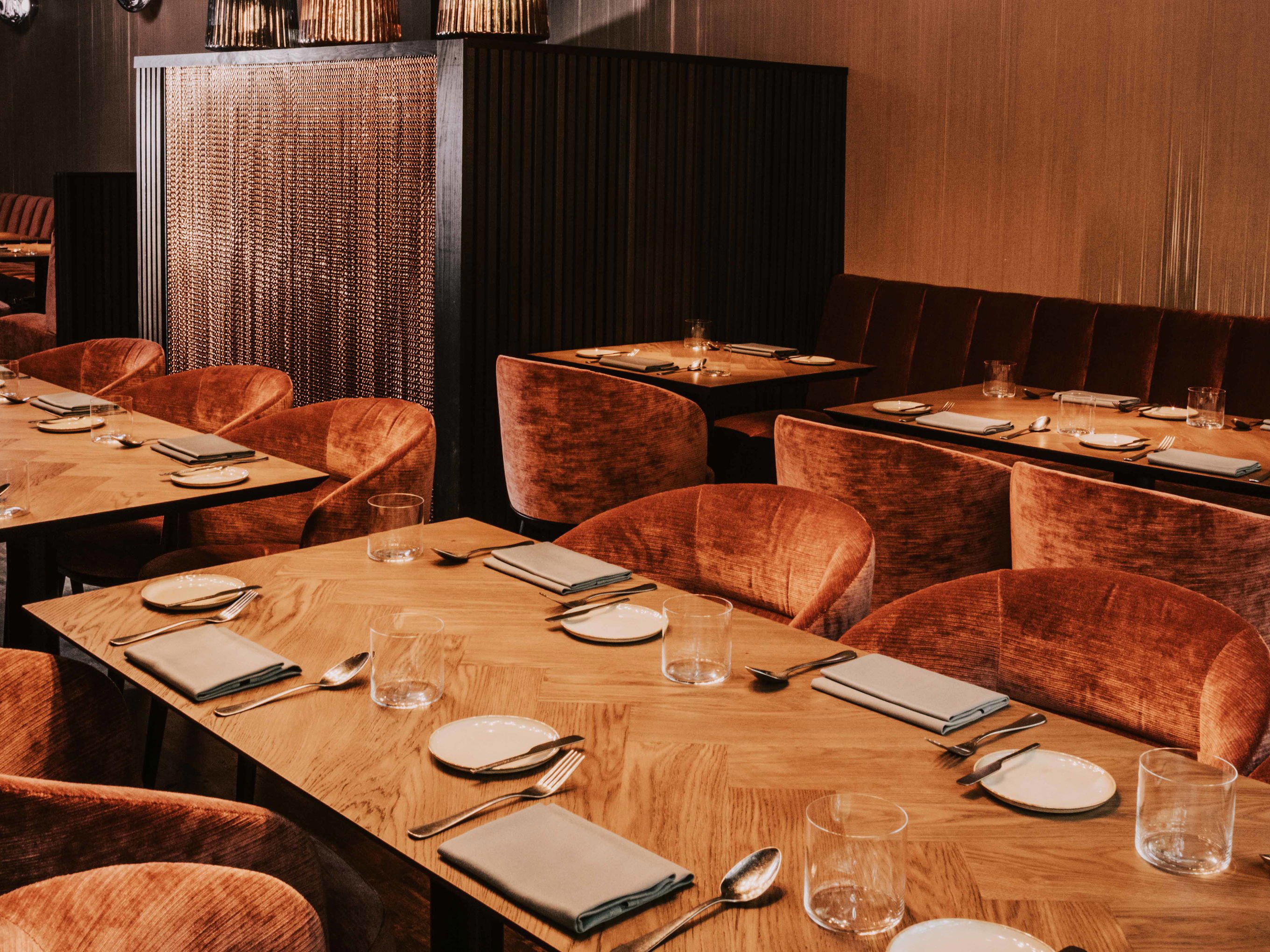
Bars in Hamburg
Browse all →
Hotels in Hamburg
Browse all →
Wineries in Hamburg
Browse all →
Details
- Lively
- Trendy
- Cozy
- Casual Hangout
- Group Dining
- Open Kitchen
- Small Plates
- A La Carte
- Vegetarian Friendly
- Vegan Options
Current opening hours
- Monday
- 12–11 PM
- Tuesday
- 12–11 PM
- Wednesday
- 12–11 PM
- Thursday
- 12–11 PM
- Friday
- 12–11 PM
- Saturday
- 1–11 PM
- Sunday
- 1–10 PM
Hours can change for holidays and private events. Last verified .
Lively and trendy atmosphere popular with young crowds, featuring close table seating and nice indoor styling, though outdoor area faces a busy road.