Miranda occupies a measured position in Ixelles's mid-tier dining scene, where the neighbourhood's density of independent restaurants rewards those who look past the obvious. Set on Rue du Page in the heart of the commune, it sits within walking distance of several of Brussels's more discussed independent tables, making it a natural reference point for anyone mapping the area's quieter dining options.
Pearl is the En Primeur Club membership app — saves, bookings, and concierge access live there. Same editors, same standards.
- Address
- Rue du Page 38, 1050 Ixelles, Belgium
- Phone
- +3225440008
- Website
- mirandacucinaitaliana.be
- Directions
- Get directions
 Saves & bookings on Pearl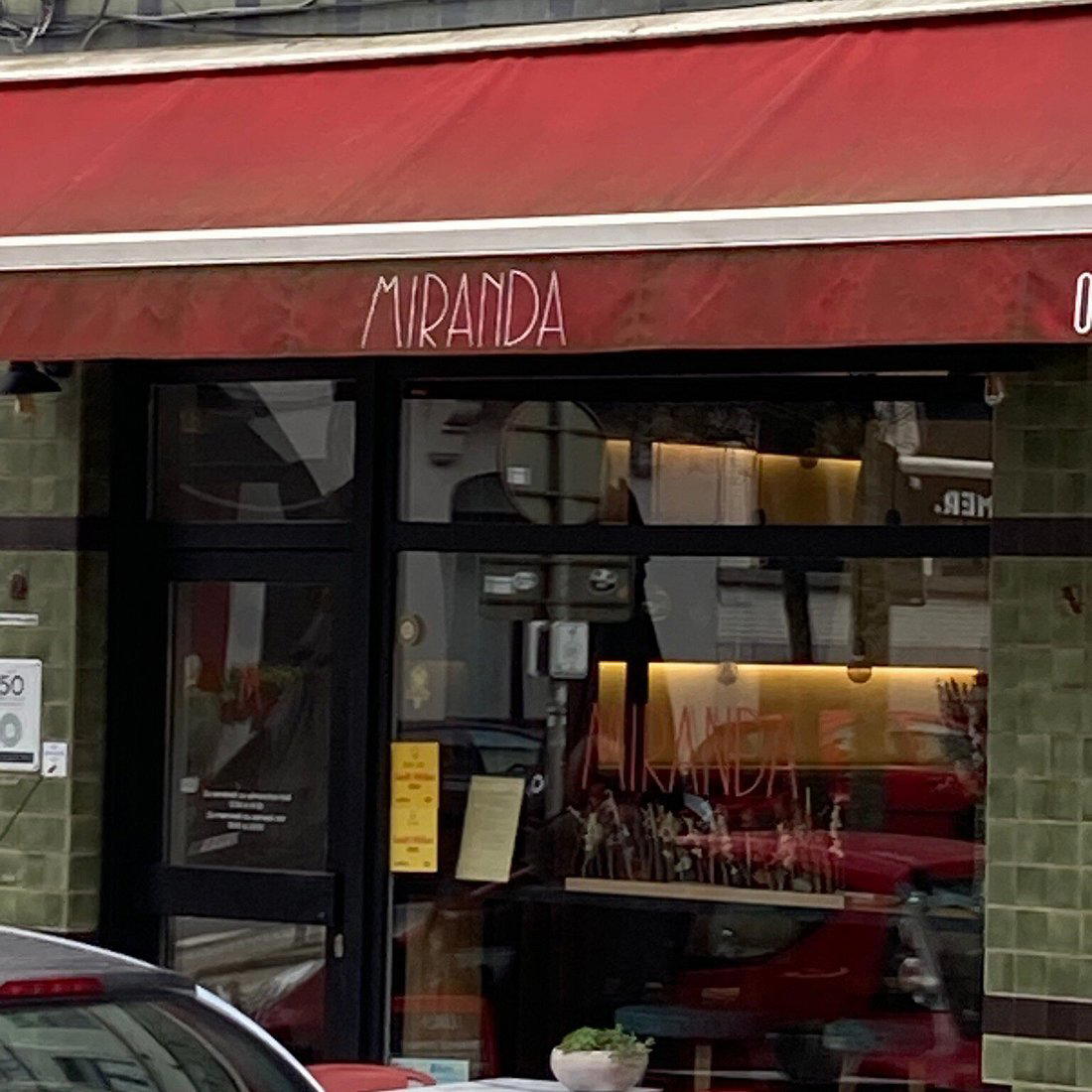
Rue du Page and the Shape of Ixelles Dining
Miranda is a restaurant in Ixelles, Brussels, serving authentic Southern Italian cuisine from Basilicata. Unlike the Grand Place corridor, which tilts heavily toward tourism, or the Sablon, which trades on antique-market prestige, Ixelles has accumulated its restaurants through a slower process: independent operators taking leases on residential side streets, building regulars from the surrounding apartments rather than passing footfall. Rue du Page, where Miranda sits at number 38, belongs to that pattern. The street runs through a part of the commune where the buildings are narrow and close, the pavements are used by locals rather than sightseers, and the restaurants that survive tend to do so by earning repeat visits rather than destination noise.
That context matters when placing Miranda. It is not positioning itself against the kind of high-format tables that have put Belgian cooking on international maps, venues like Hof van Cleve in Kruishoutem, Boury in Roeselare, or Zilte in Antwerp. Nor does it operate in the register of urban destination dining represented by Bozar Restaurant in Brussels. Miranda belongs to a different tier: the neighbourhood table that functions as infrastructure for a community rather than a destination in the travel-editorial sense.
The Physical Container: Reading the Space on Rue du Page
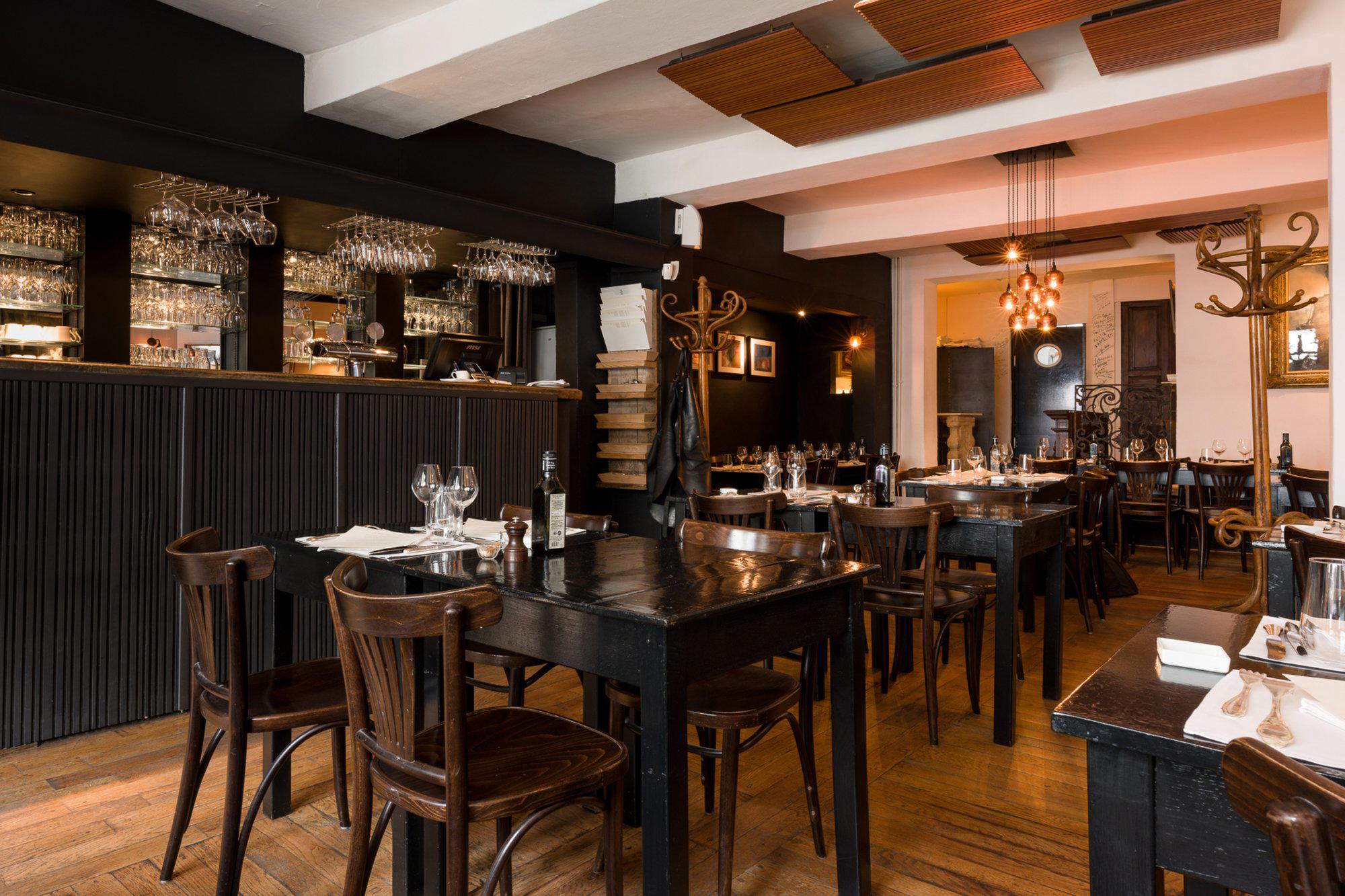
In Ixelles, interior architecture tends to follow the building stock. The commune is largely made up of late-nineteenth and early-twentieth century townhouses, narrow-fronted and deep, which gives restaurants a particular physical grammar: a relatively tight facade opening into a longer interior, often with a single main dining room that runs toward a kitchen at the rear. The spatial logic rewards a certain kind of intimacy. Tables are close enough that the room feels populated at half capacity, and the proportions tend to discourage the kind of wide-open floor plans that larger brasserie formats require.
This is the physical container that defines the dining experience at addresses like Rue du Page 38. The architecture does a significant amount of the atmospheric work before any food arrives. Rooms in this mould tend toward lower ceilings, which contain sound and create a register of conversation rather than performance. Lighting becomes important in that context: the difference between a room that feels warm at eight in the evening and one that feels underlit is often just a matter of source placement and temperature. The leading operators in this format understand that the space is doing as much work as the kitchen, and they manage the two in parallel.
Humus x Hortense operates in a creative format where the counter and the open kitchen make the cooking itself part of the visual experience. Kamo uses a Japanese register where precision of arrangement extends from the plate to the room. Amen sits in a farm-to-table idiom where the material choices of the interior signal the sourcing philosophy of the kitchen. Each of those spaces is making a legible argument. The neighbourhood restaurant format, by contrast, tends to make a quieter one: that the room should recede and let the occasion take precedence.
Where Miranda Sits in the Ixelles comparable set
Ixelles's mid-tier independent restaurant scene is more competitive than it looks from outside the commune. The concentration of residents with disposable income and strong dining habits means that a neighbourhood table has to earn its regulars against real alternatives. The presence of those options frames the decision a diner makes when choosing Miranda: it is a choice made in a market with real alternatives, not in a vacuum.
Belgium's broader dining culture has produced a remarkably deep bench of serious cooking at all price points. Tables like Willem Hiele in Oudenburg, Bartholomeus in Heist, Castor in Beveren, d'Eugénie à Emilie in Baudour, De Jonkman in Sint-Kruis, and L'air du temps in Liernu represent a national scene where high technical ambition coexists with strong local identity. That culture creates a floor of expectation even at the neighbourhood level: Belgian diners eating locally are not eating below their standards, they are applying the same standards to a different format.
For those who want to benchmark Miranda against international reference points in the neighbourhood-restaurant category, it is worth noting how different the expectations are in major dining cities. In New York, a table at the level of Le Bernardin or Atomix operates in an entirely different register of formality, price, and booking pressure. The Ixelles neighbourhood table is a European format with its own logic, and it should be read on those terms.
Planning a Visit: What to Know Before You Go
Miranda's address on Rue du Page puts it in a walkable part of Ixelles, accessible from the broader Brussels public transport network and within reasonable distance of the Ixelles ponds area. For visitors building a broader Ixelles itinerary, the full Ixelles restaurants guide maps the commune's dining options across formats and price points, which is the more efficient way to plan an evening that might include drinks before or after.
Miranda is recommended for reservations and opens Tuesday to Thursday from 7 to 10 PM, Friday and Saturday from 12 to 2 PM and 7 to 10 PM, and is closed Monday and Sunday. The neighbourhood format generally operates without the months-long booking windows that destination tables require, but specific availability will depend on the day and format of service.
The Quick Read
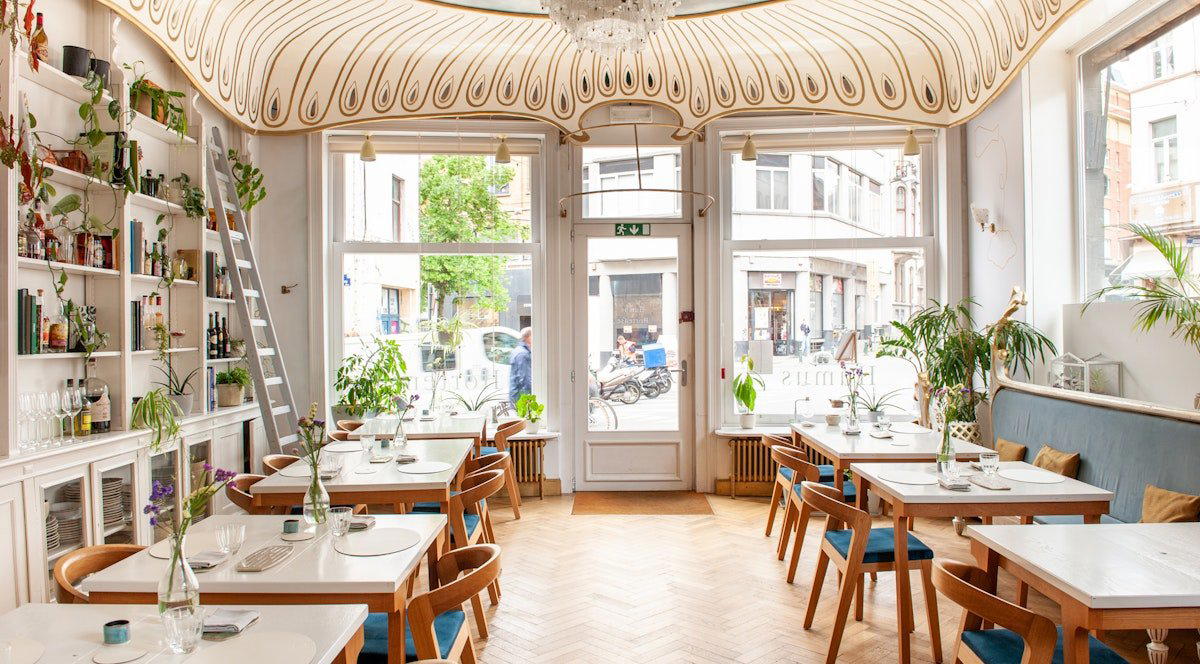
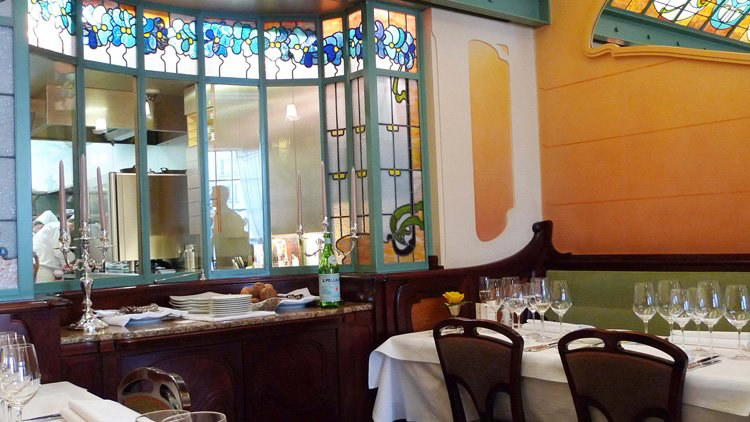
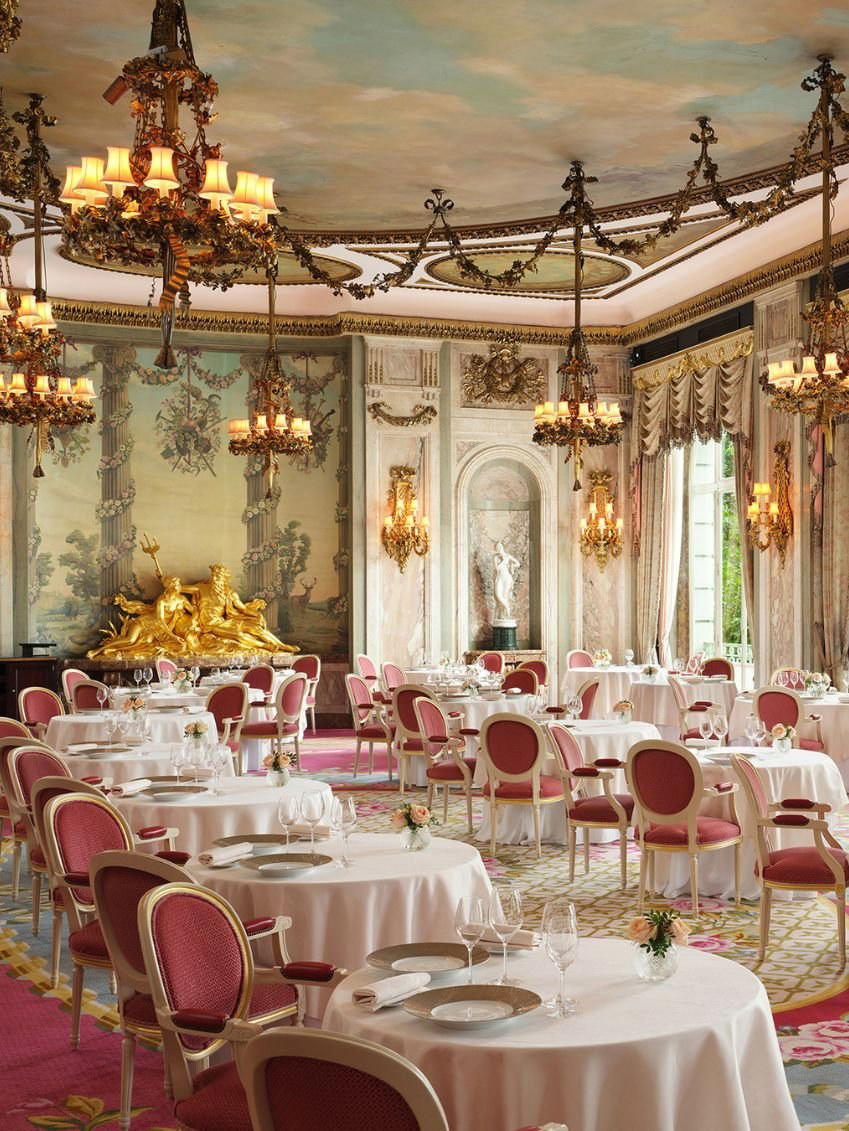
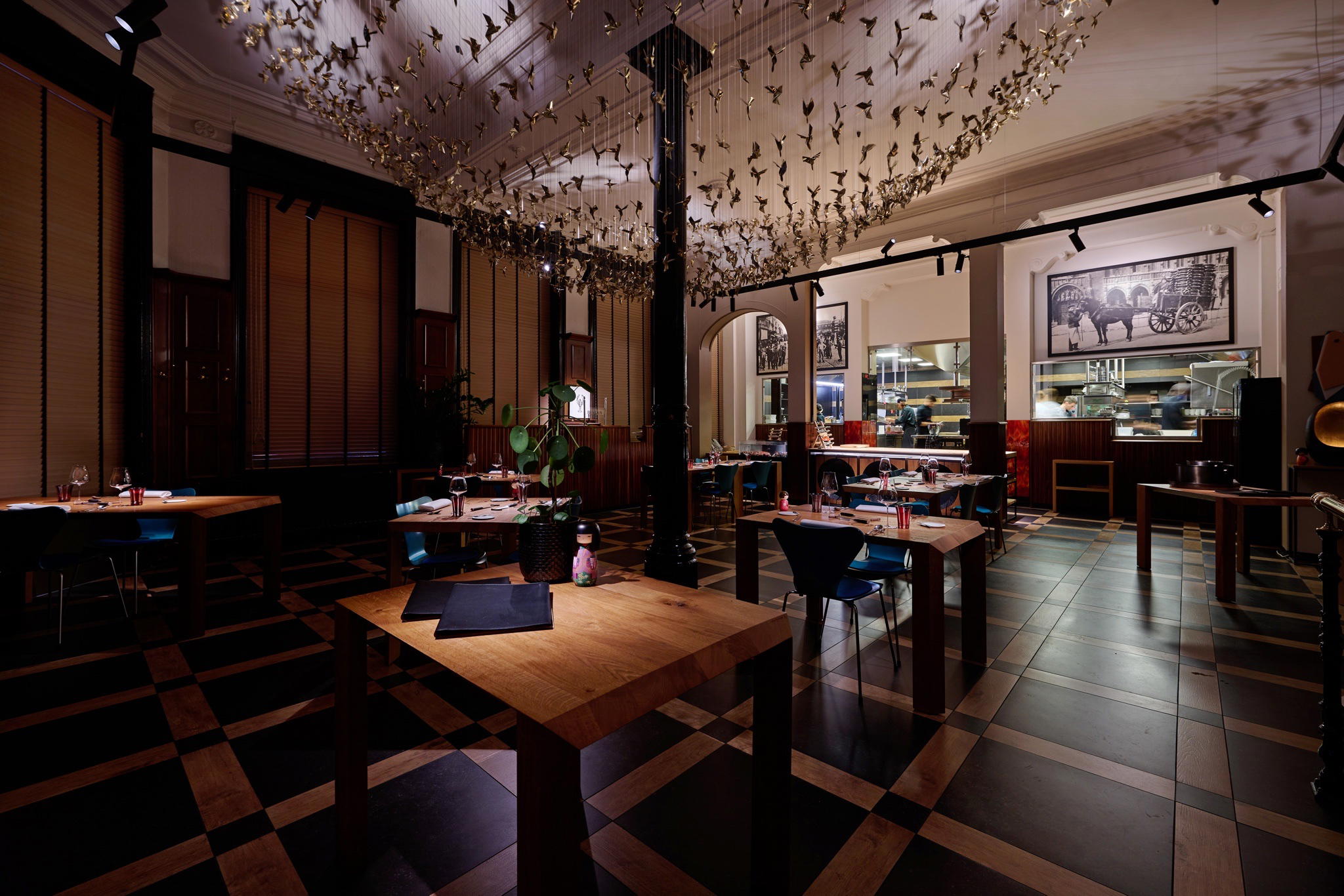
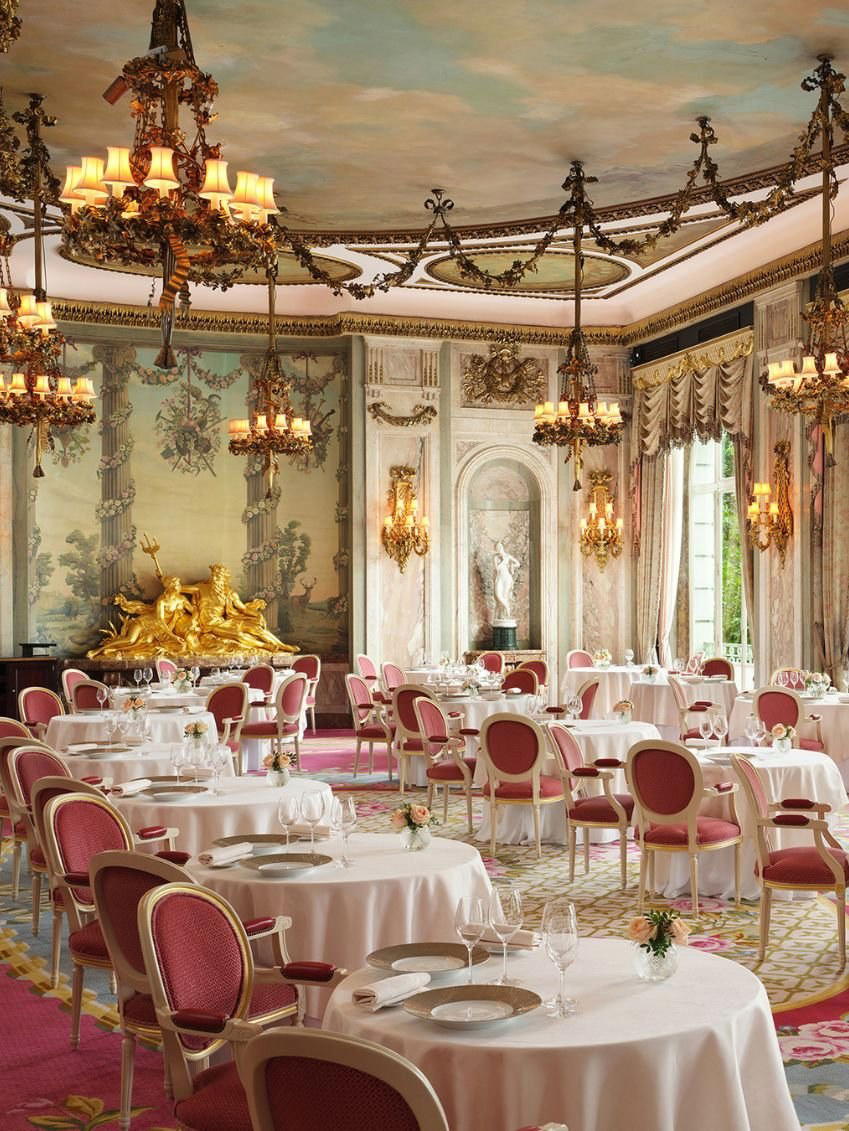
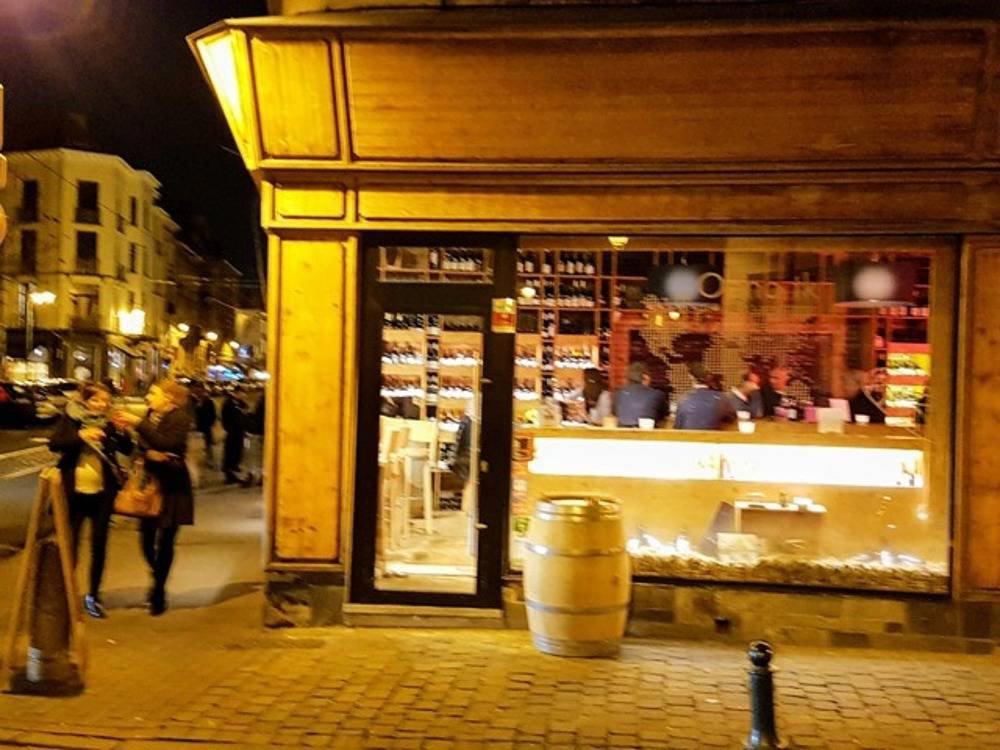
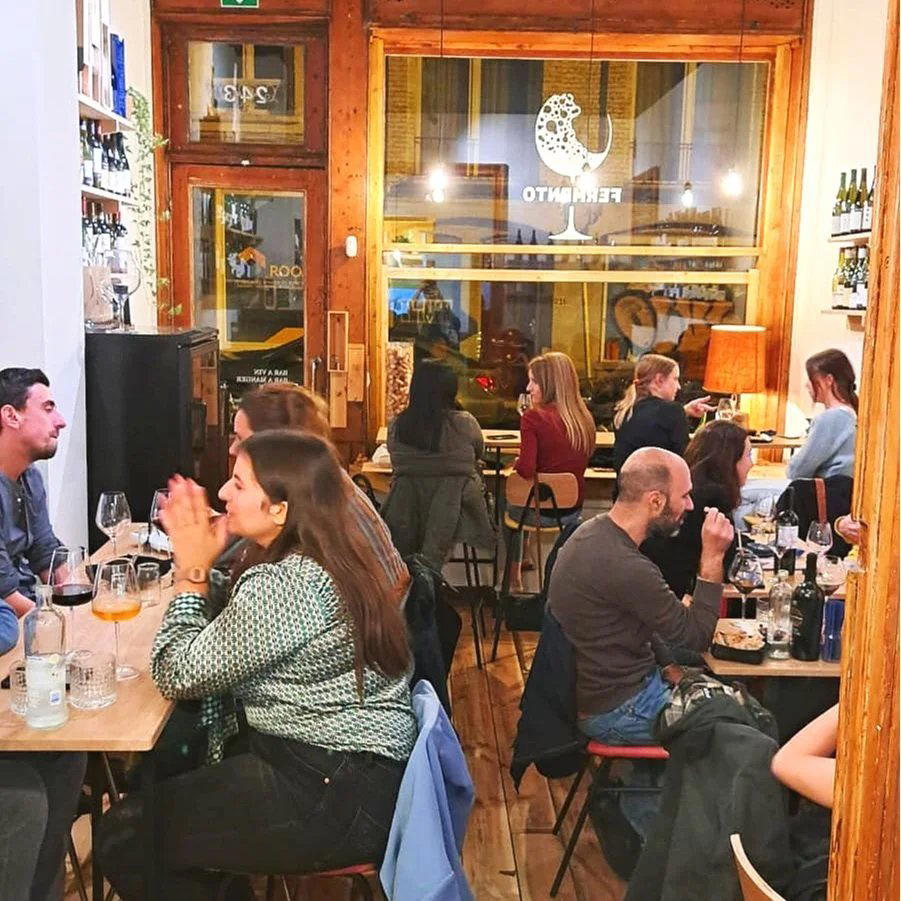
Comparable venues nearby, for context on price, style, and recognition.
At a Glance
- Cozy
- Intimate
- Date Night
- Special Occasion
- Extensive Wine List
Current opening hours
- Monday
- Closed
- Tuesday
- 7–10 PM
- Wednesday
- 7–10 PM
- Thursday
- 7–10 PM
- Friday
- 12–2 PM, 7–10 PM
- Saturday
- 12–2 PM, 7–10 PM
- Sunday
- Closed
Hours can change for holidays and private events. Last verified .
Cozy and inviting atmosphere with friendly family service.