Miramare sits on Isabella Island off the Poreč coast, placing it among a small set of Croatian dining destinations where the approach by water is as considered as the meal itself. The island setting shapes everything from the rhythm of service to the way the kitchen engages with local Adriatic produce. For visitors to Istria's busiest resort town, it represents a distinct register from the mainland dining scene.
Pearl is the En Primeur Club membership app — saves, bookings, and concierge access live there. Same editors, same standards.
- Address
- Isabella Island, 52440, Poreč, Croatia
- Phone
- +38552406036
- Website
- miramareporec.com
- Directions
- Get directions
 Saves & bookings on Pearl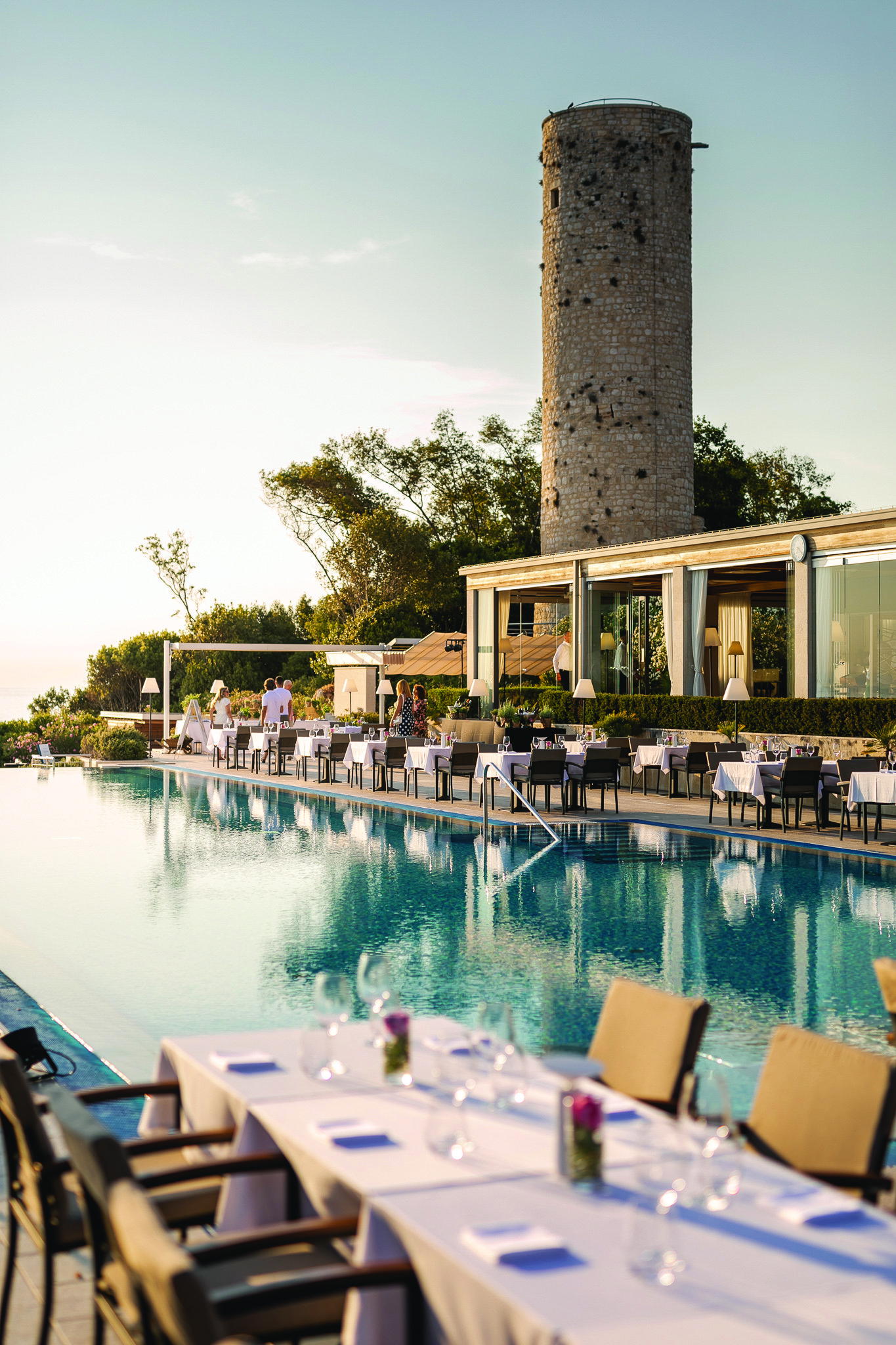
An Island Approach, Literally
Getting to Miramare requires a boat crossing to Isabella Island, just off the Poreč waterfront. That logistical fact alone separates it from the broader Poreč dining scene: the journey is part of the frame. In a coastal town where most restaurants sit along the old town promenade or in converted stone buildings near the Euphrasian Basilica, a restaurant accessed by water operates at a different pace from the moment you leave the dock. Arrival by boat means you commit to the experience before you sit down. There is no casual drop-in, no walking past and deciding to stop. The reservation policy is recommended.
That physical separation is not incidental to how island dining works in Istria more broadly. Along the Adriatic coast, the cluster of inhabited and semi-inhabited islands near resort towns has long supported a tier of restaurants that combine dramatic setting with proximity to serious seafood supply chains. The water around the Poreč archipelago feeds directly into what reaches the kitchen. For visitors comparing options in Istria's busiest resort town, understanding this geography is the first editorial point: Miramare's address is its primary differentiator within the local competitive set.
Where the Menu Architecture Begins: The Adriatic as Starting Point
Croatian coastal kitchens at this tier tend to structure their menus around the same foundational logic: what the sea offers on a given day shapes what the kitchen commits to. In the northern Adriatic specifically, that means a supply of scampi, sea bass, dentex, and cephalopods that benchmarks against some of the cleaner cold-water Mediterranean sourcing available anywhere on the continent. Restaurants in Istria that operate at the higher end of the market signal that commitment through minimal intervention on the primary ingredient, letting the quality of the catch carry the dish rather than masking it with complexity.
That approach connects to a broader pattern visible across Istria's premium dining tier, from Agli Amici Rovinj in Rovinj to LD Restaurant in Korčula: when sourcing is the editorial statement, the menu architecture tends to be spare. Fewer courses, stronger ingredients, shorter preparation windows. Island restaurants in this mould resist the tasting-menu arms race that has shaped fine dining in urban Croatian centres like Zagreb, where restaurants such as Dubravkin Put in Zagreb compete on technique and sequence. On the coast, the argument is different.
Miramare's island position reinforces that logic. When the kitchen is a boat ride from mainland supply networks, the menu tends to reflect what is accessible locally rather than what is expedient to import. That constraint, in practice, is a form of editorial curation: the menu tells you what the island's waters and nearby land can reliably produce at this moment in the season.
Poreč Dining in Context
Poreč draws a large volume of summer tourism, the majority of it concentrated between June and September when the old town is at full capacity and waterfront tables are competitive. Within the town's dining scene, the range runs from casual tavernas serving grilled fish to restaurants with more deliberate kitchen programs. Artha, Divino, Fora Le Porte, Hrast, and Konoba aba each represent different positions in that spread.
Miramare operates outside that mainland cluster by geography. An island restaurant in peak season has a natural capacity ceiling: the number of guests is limited by the number of seats the boat transfers can support within a service window. That ceiling is not a weakness in the positioning; it is what keeps the experience coherent. High-volume island dining rarely sustains quality. The model only works when seat count and kitchen capacity are in proportion to each other.
Across Croatia, the restaurants that have built the strongest reputations tend to be those that understood their physical constraints early and built around them rather than against them. Pelegrini in Sibenik uses its medieval stone setting as a structural argument for a certain kind of service pace. Boskinac in Novalja works its own estate produce into a self-contained narrative. Nebo by Deni Srdoč in Rijeka and Krug in Split represent the urban fine dining pole of the same national conversation. Miramare's island isolation puts it in a different bracket from all of them, closer in spirit to the destination-as-argument model than the technique-as-argument model.
Planning a Visit
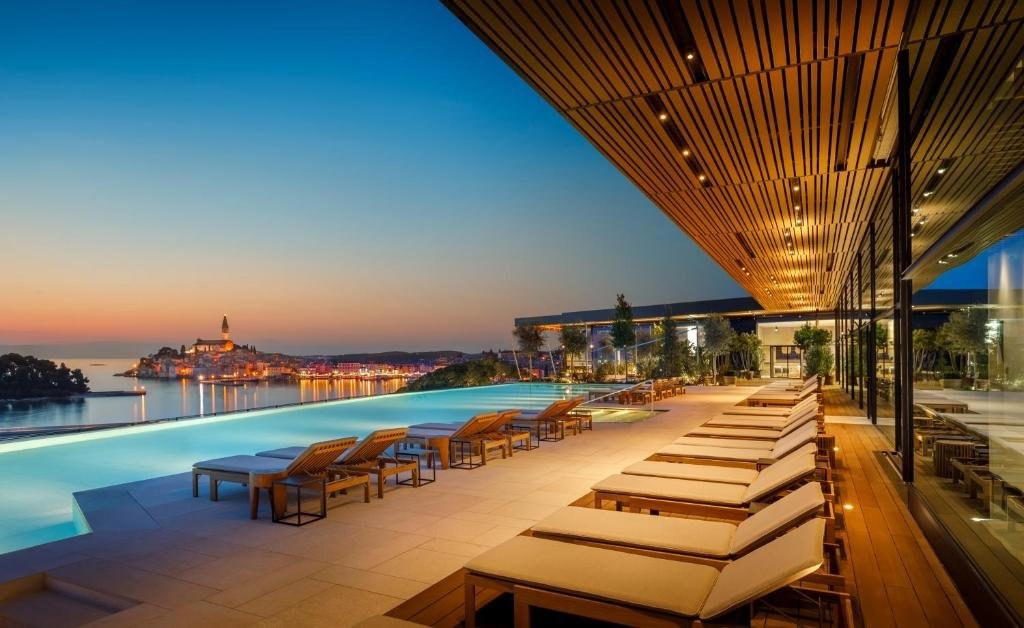
Isabella Island sits a short boat transfer from the Poreč waterfront. The practical implication is that dinner here is a planned evening rather than a flexible one: weather, tides, and transfer logistics make spontaneity difficult. Booking ahead is recommended. For guests staying in Poreč itself, the island is visible from the main promenade, which gives the arrival a particular quality: you can see where you are going before you make the crossing.
Visitors who want to map Miramare against the broader Croatian fine dining register should note that the strongest comparison points nationally are restaurants like Alfred Keller in Mali Losinj and Restaurant 360 in Dubrovnik, both of which operate in coastal settings where location and kitchen quality are meant to reinforce each other. Internationally, the logic of destination seafood dining with minimal intervention finds its clearest European parallel in places like Le Bernardin in New York City or the more architecturally refined end of the Adriatic scene represented by Atomix in New York City in terms of how tasting formats can be built around a single sourcing argument. Korak in Jastrebarsko provides an inland Istrian counterpoint worth understanding for context.
Standing Among Peers
Comparable venues nearby, for context on price, style, and recognition.
| Venue | Cuisine | Price | Awards | Notes |
|---|---|---|---|---|
| MiramareThis venue — the venue you are viewing | Mediterranean and Italian Fine Dining by Fratelli Cerea | $$$$ | Not listed | Not listed |
| Artha | Istrian Vegan & Vegetarian Bistro | $$ | Not listed | Old Town Porec |
| Peterokutna Kula | Modern Istrian Seafood | $$ | Not listed | Old Town |
| Fora Le Porte | Modern Istrian Bistro | $ | Not listed | city center |
| Špadiči | Italian Pizza and Seafood | $$ | Not listed | Spadici |
| Spinnaker | Creative Mediterranean Fine Dining | $$$$ | Michelin Plate | Poreč waterfront |
Continue exploring
More in Porec
Restaurants in Porec
Browse all →
Bars in Porec
Browse all →
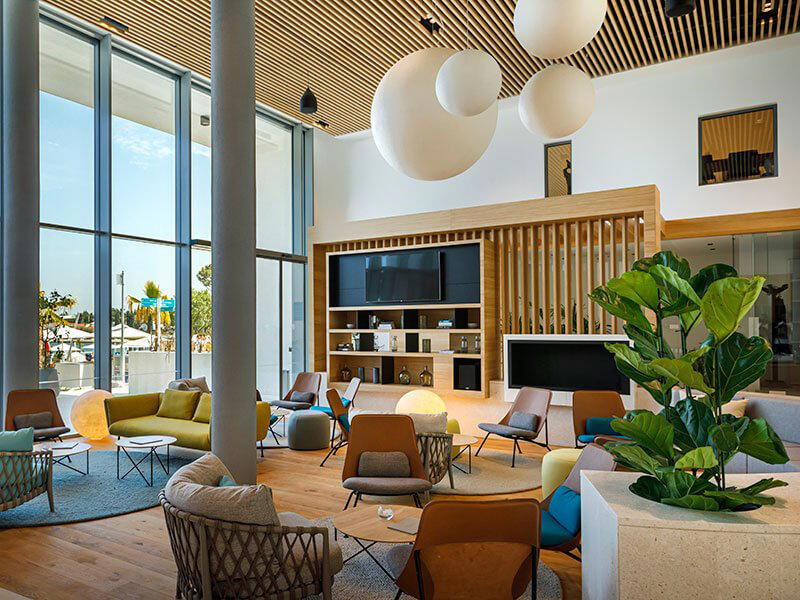
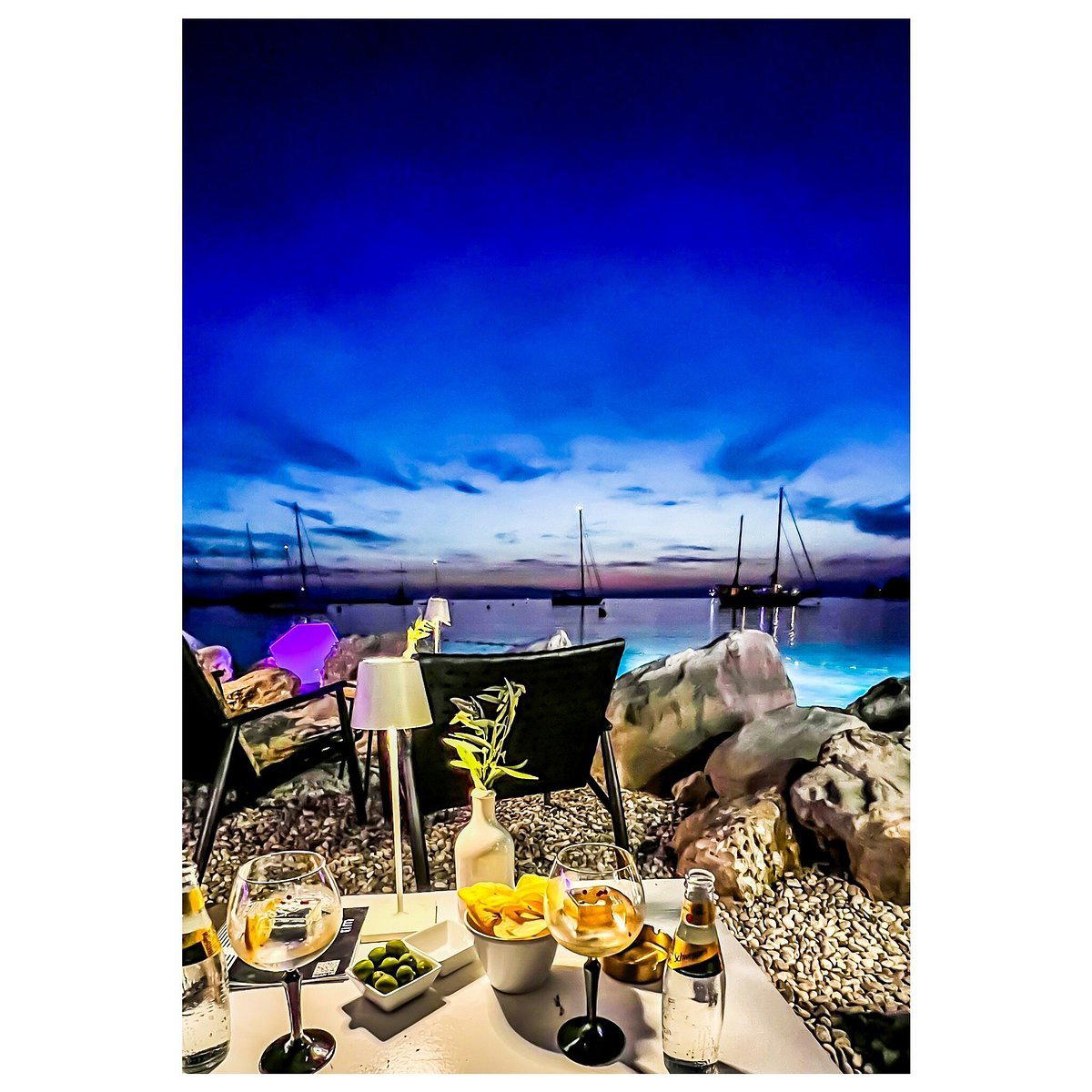
Hotels in Porec
Browse all →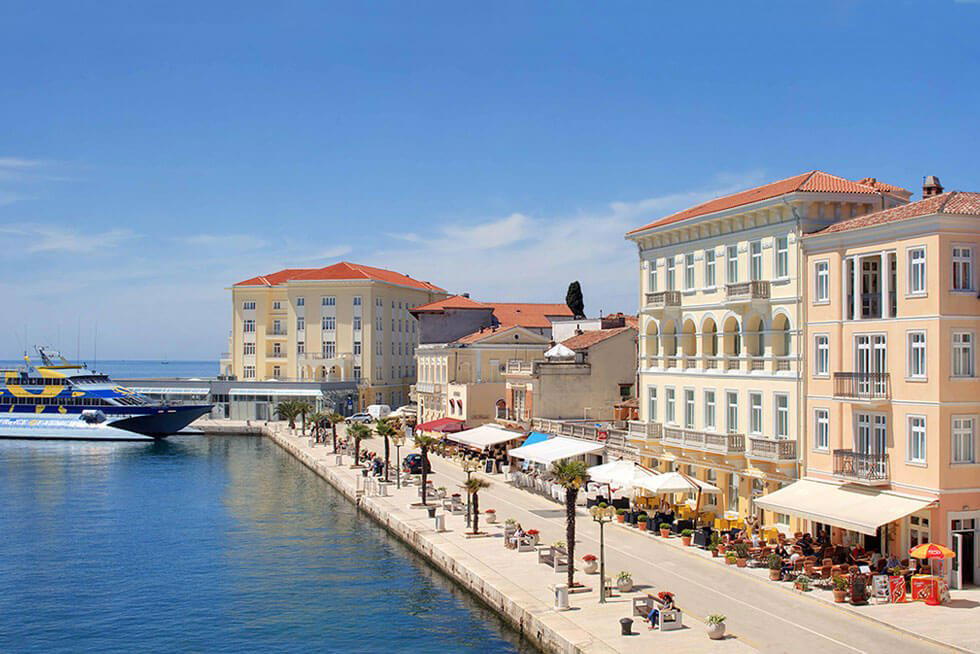

At a Glance
- Elegant
- Sophisticated
- Scenic
- Romantic
- Date Night
- Special Occasion
- Waterfront
- Terrace
- Extensive Wine List
- Waterfront
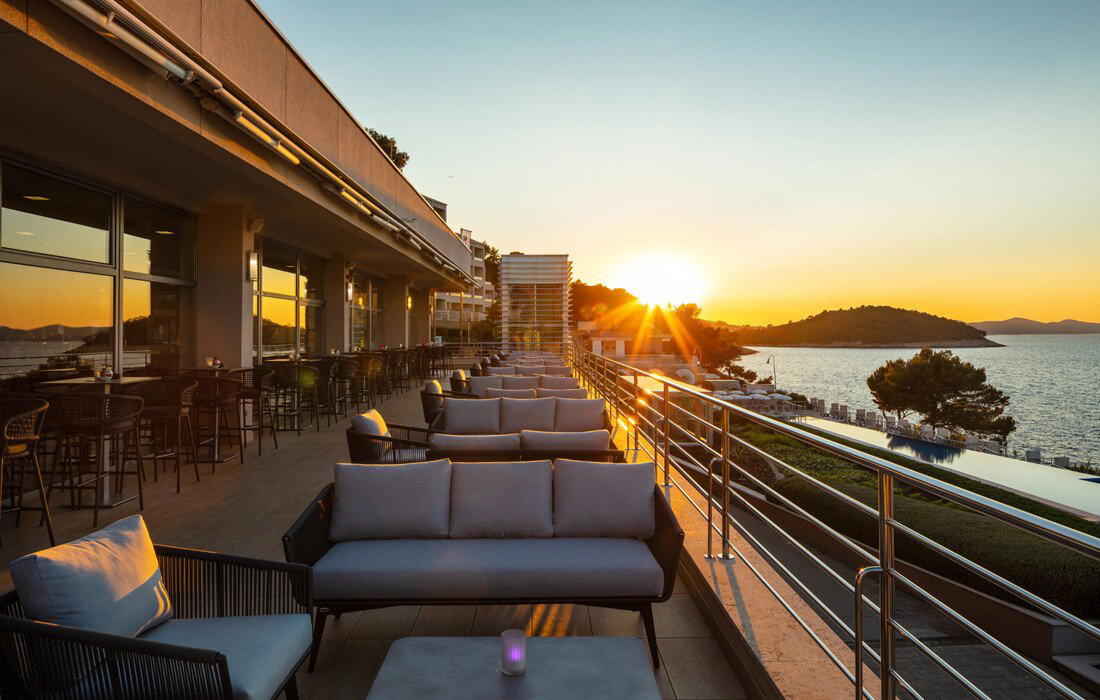
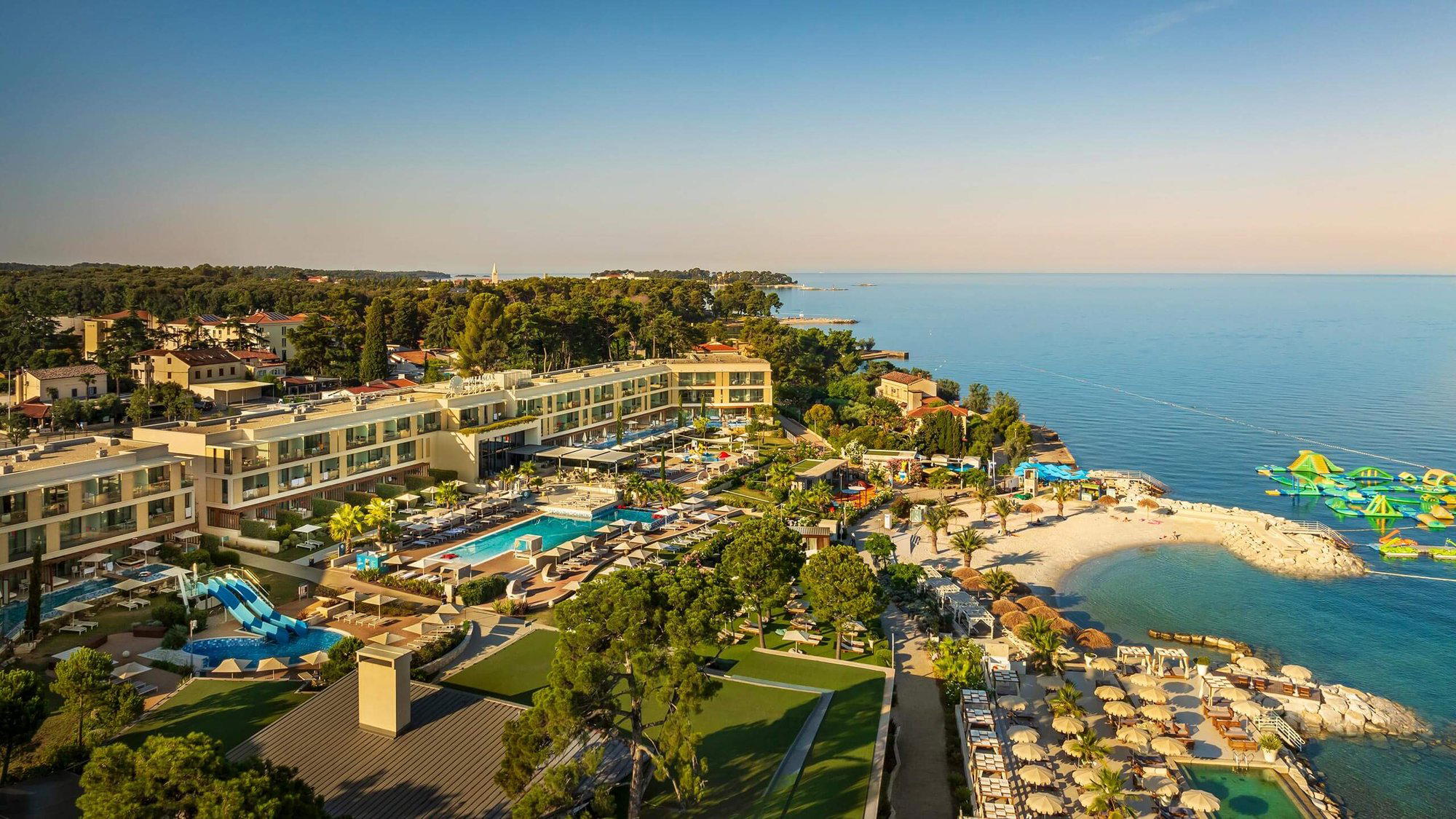
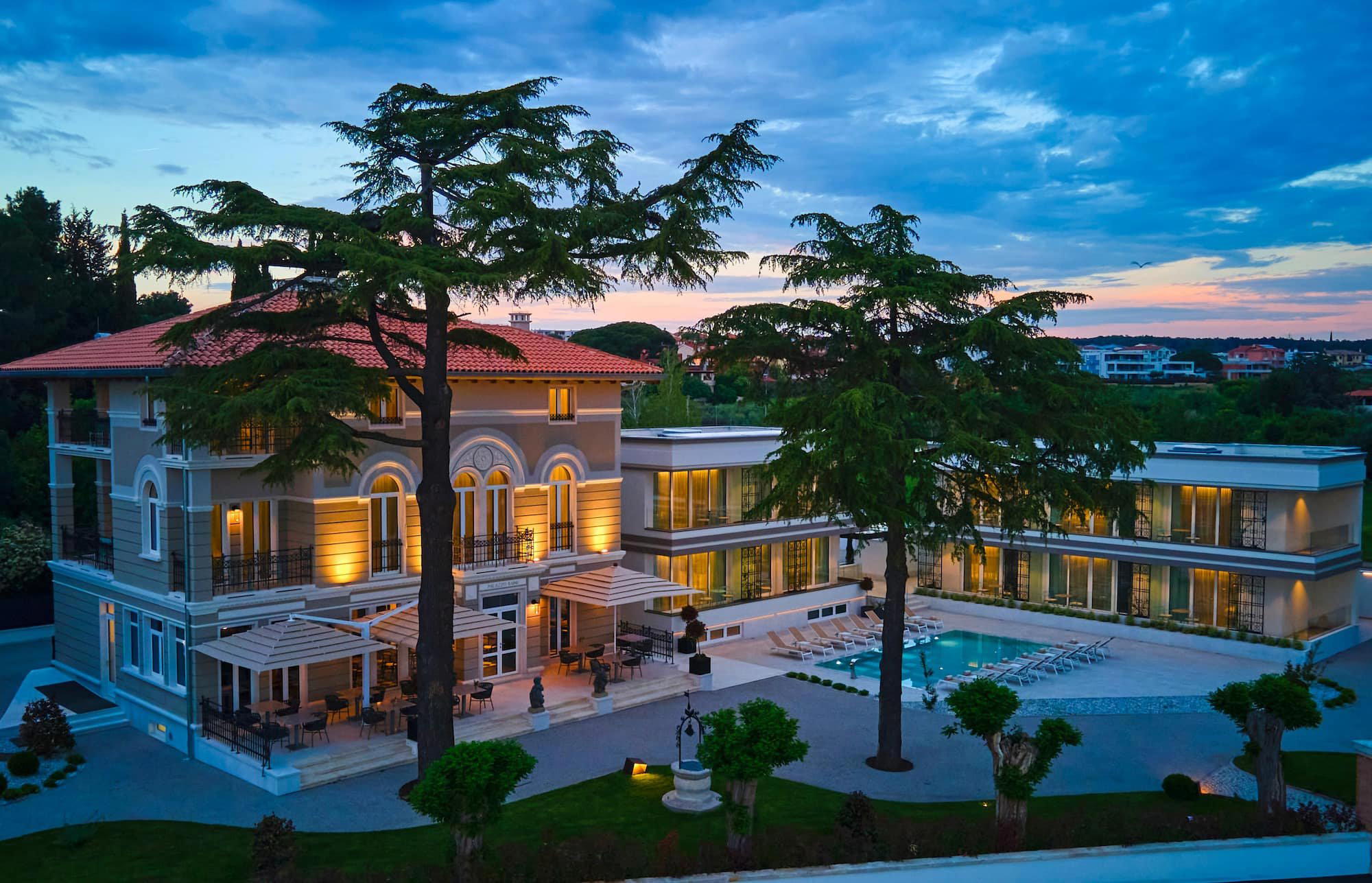
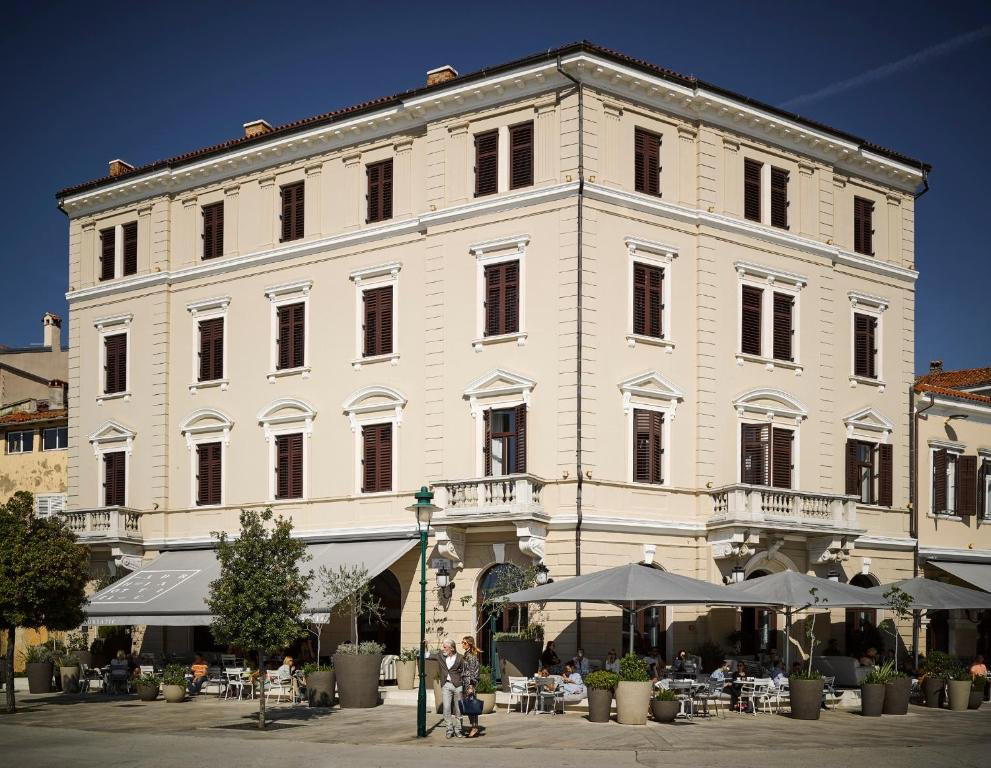
Elegant atmosphere with terrace seating offering spectacular sea views, next to the infinity pool and historic castle in a quiet resort setting.