Artha sits on Ul. Jože Šuran in Poreč's dining corridor, where Istrian ingredient culture, truffles, olive oil, wild herbs, and Adriatic catch, sets the terms of what lands on the plate. The restaurant positions itself within a local scene that takes provenance seriously, placing it alongside a broader conversation about how Istrian kitchens use the land and sea around them.
Pearl is the En Primeur Club membership app — saves, bookings, and concierge access live there. Same editors, same standards.
- Address
- Ul. Jože Šuran 10, 52440, Poreč, Croatia
- Phone
- +38552435495
- Website
- facebook.com
- Directions
- Get directions
 Saves & bookings on Pearl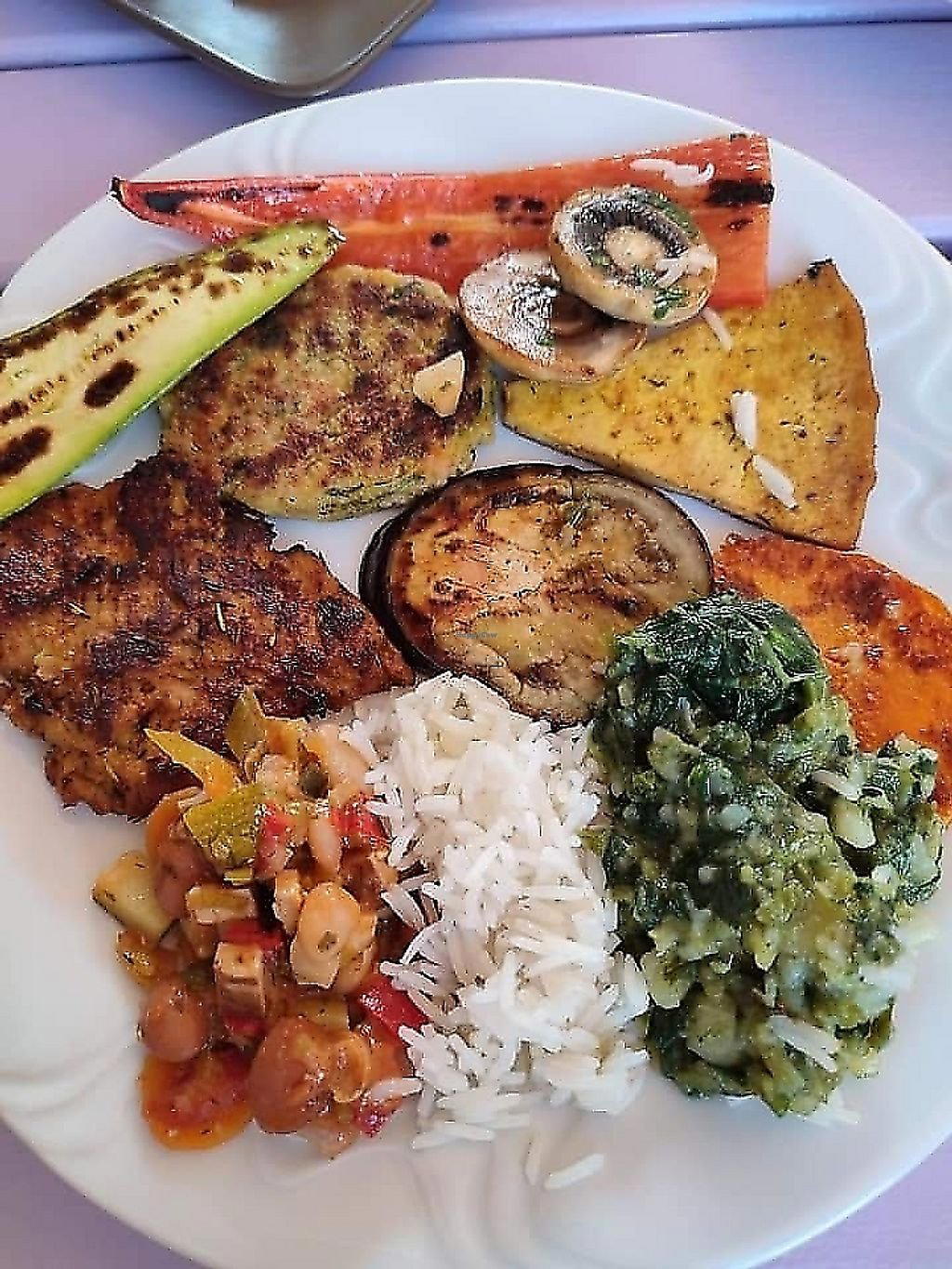
Where Istrian Ingredient Culture Sets the Agenda
Poreč sits at the western edge of Istria, a peninsula that has spent the last two decades building one of Central Europe's more credible fine-dining identities on the back of what grows, grazes, and swims nearby. Truffles from the Motovun forest interior, olive oil pressed from indigenous Buža and Istarska Bjelica cultivars, wild asparagus in spring, and Adriatic fish pulled from the Kvarner waters to the south, these are the raw materials that have allowed Istrian restaurants to compete with coastal dining scenes further south in Croatia. Artha, located at Ul. Jože Šuran 10 in the heart of Poreč, operates inside this tradition. Artha is an Istrian Vegan & Vegetarian Bistro in Poreč, Croatia, with a casual dress code, walk-in-friendly service, and an average price of about $18 per person. Understanding the venue requires understanding the region first.
The Physical Setting on Jože Šuran
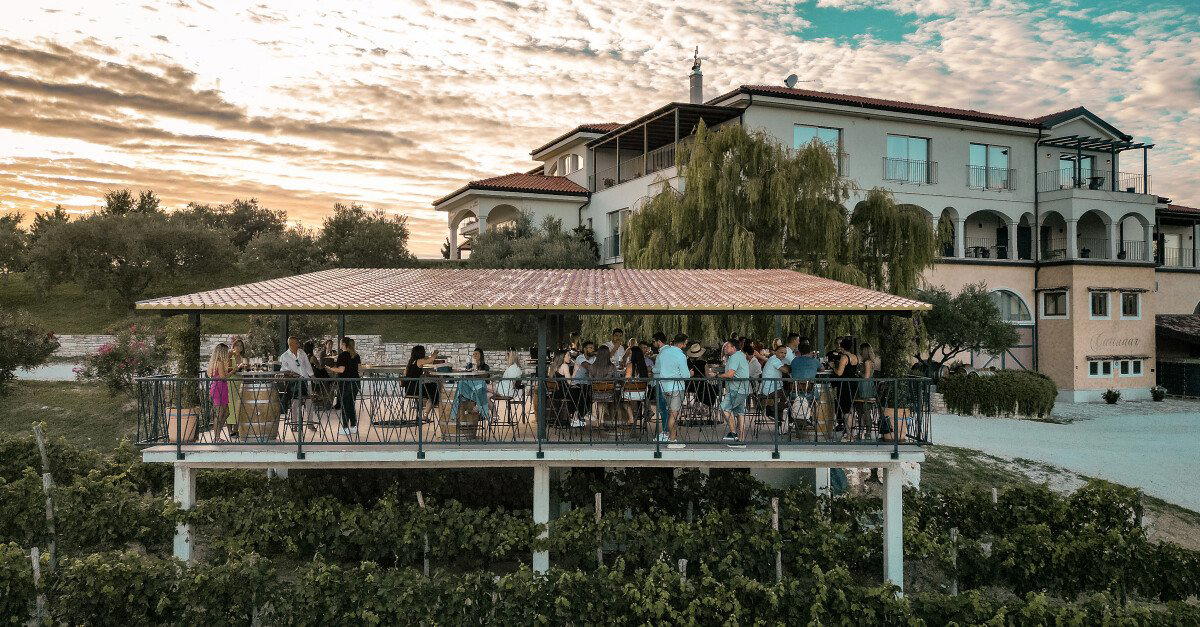
Jože Šuran is a street that runs through the residential and dining fabric of central Poreč, distinct from the heavily touristed seafront promenade that dominates the town's summer identity. Restaurants along this corridor tend to draw a more considered crowd, guests who have come specifically to eat rather than those looking for the nearest available table after a day at the marina. The physical approach is quieter than the old town's limestone alleys, which means the shift in register is noticeable. What you encounter is a dining context in which the room's atmosphere is shaped more by who is eating than by architectural spectacle.
Poreč's dining scene has expanded significantly since Croatia's 2013 EU accession opened the country to greater international scrutiny and investment. The town now holds a range of formats, from konoba-style houses serving slow-cooked lamb and hand-rolled pasta to more structured tasting formats. Artha operates in a town where its immediate peers include Divino, Fora Le Porte, Hrast, Konoba aba, and Konoba Ćakula, a comparable set that covers traditional Istrian konoba formats through to more modern Mediterranean cooking. That range gives Poreč more dining depth than many comparably sized Adriatic towns.
Istrian Sourcing and Why It Matters Here
Istria's strength as a culinary region rests on proximity and density. The truffle grounds near Buzet and Motovun are within an hour's drive of most of the peninsula's coast, which means that the truffle relationship in Istrian kitchens is not a luxury import, it is a local supply chain. The same logic applies to olive oil: Istrian producers have collected significant international recognition since the early 2000s, and oil pressed in the peninsula has placed in global competitions that were previously dominated by Italian and Spanish producers. These are not background details; they are the reason that restaurants in towns like Poreč can credibly anchor their identity in ingredient sourcing without that framing feeling like marketing.
For a restaurant like Artha, sitting inside this geography means operating with a raw material baseline that is already higher than most European coastal towns of similar size. The Adriatic is a smaller, less industrially fished sea than the Atlantic, and Istrian fishing communities still operate short supply chains into local restaurant kitchens. Seasonal wild herbs, including the prized wild asparagus that appears in Istrian dishes from March through May, shift the menu's character across the year in ways that reflect actual seasonal change rather than constructed menu rotation. This is the editorial frame through which Artha should be read: a restaurant whose sourcing context is set by one of Croatia's most ingredient-specific regions.
The Broader Istrian Restaurant Conversation
To understand where Poreč's dining sits within Croatia, it helps to map the country's restaurant scene more broadly. The Michelin-recognised tier includes Agli Amici Rovinj in Rovinj and Nebo by Deni Srdoč in Rijeka to the northeast, while further along the coast, Pelegrini in Sibenik and Restaurant 360 in Dubrovnik have established the Dalmatian case for fine dining recognition. Inland Croatia contributes venues like Korak in Jastrebarsko and Dubravkin Put in Zagreb, while island cooking has produced serious restaurants including Alfred Keller in Mali Lošinj, LD Restaurant in Korčula, and Boskinac in Novalja. Split contributes Krug to that list.
Within this national map, Istria and Poreč specifically occupy a position shaped by tourism volume and ingredient quality. The peninsula receives large numbers of visitors from Germany, Austria, and Slovenia, markets with relatively high baseline expectations around food, which has driven Poreč's restaurant tier upward over the past decade. Artha exists within that upward pressure, in a town where the dining conversation is more competitive than a coastal population of roughly 17,000 permanent residents might suggest.
For international context, the format of ingredient-led, regionally sourced dining that defines Istrian restaurants at this level connects to a European tradition that includes producers-first kitchens across northern Italy and southern France. The comparison is not to venues like Le Bernardin in New York City or Lazy Bear in San Francisco, where technical ambition or format experimentation drives the editorial story, but to a quieter tradition in which sourcing discipline and seasonal fidelity carry most of the weight.
Planning a Visit to Artha
Poreč is accessible by road from Trieste in approximately 90 minutes and from Rijeka in around 90 minutes heading south, making it a practical dining destination from both directions. The town's main tourist season runs from June through September, when tables across the better restaurants in the area fill quickly. Visiting outside peak season, particularly in May, when wild asparagus is still in supply, or in early autumn, when truffle season opens in October, shifts the dining experience in ways that a summer visit cannot replicate. Artha is located at Ul. Jože Šuran 10, in the central residential quarter of Poreč;
Fast Comparison
Comparable venues nearby, for context on price, style, and recognition.
| Venue | Cuisine | Price | Notes |
|---|---|---|---|
| ArthaThis venue — the venue you are viewing | Istrian Vegan & Vegetarian Bistro | $$ | Not listed |
| Peterokutna Kula | Modern Istrian Seafood | $$ | Old Town |
| Konoba aba | Authentic Istrian Seafood & Truffle | $$ | Porec Old Town |
| Špadiči | Italian Pizza and Seafood | $$ | Spadici |
| Konoba Ćakula | Istrian Seafood & Mediterranean | $$ | Poreč |
| Hrast | Mediterranean Seafood | $$ | Poreč Old Town |
Continue exploring
More in Porec
Restaurants in Porec
Browse all →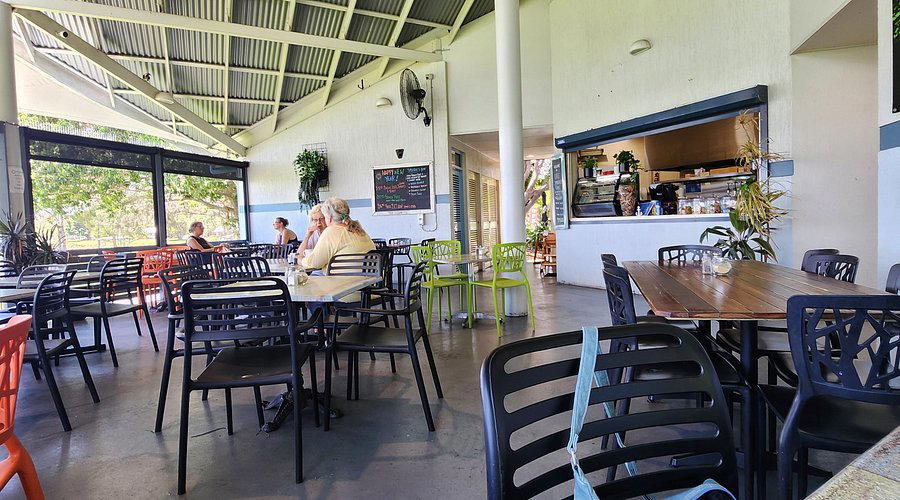
Bars in Porec
Browse all →
Hotels in Porec
Browse all →

At a Glance
- Cozy
- Bohemian
- Casual Hangout
- Group Dining
- Family
- Standalone
- Local Sourcing
- Organic
Current opening hours
- Monday
- 10 AM–2 PM
- Tuesday
- Closed
- Wednesday
- 10 AM–2 PM
- Thursday
- 10 AM–2 PM
- Friday
- 10 AM–2 PM
- Saturday
- 12–3 PM
- Sunday
- 12–3 PM
Hours can change for holidays and private events. Last verified .
Simple, welcoming bistro atmosphere tucked away in a side street near the city market; friendly staff and casual dining environment.