Divino sits on Poreč's waterfront promenade at Obala Maršala Tita 20, placing it squarely in the Adriatic dining corridor where the town's older konoba tradition meets a more contemporary restaurant format. The address alone signals intent: this is a venue that positions itself within Poreč's established dining scene rather than away from it. Visitors planning an evening on the Istrian coast should place it alongside the town's broader table of options.
Pearl is the En Primeur Club membership app — saves, bookings, and concierge access live there. Same editors, same standards.
- Address
- Obala Maršala Tita 20, 52440, Poreč, Croatia
- Phone
- +38552453030
- Website
- divino.hr
- Directions
- Get directions
 Saves & bookings on Pearl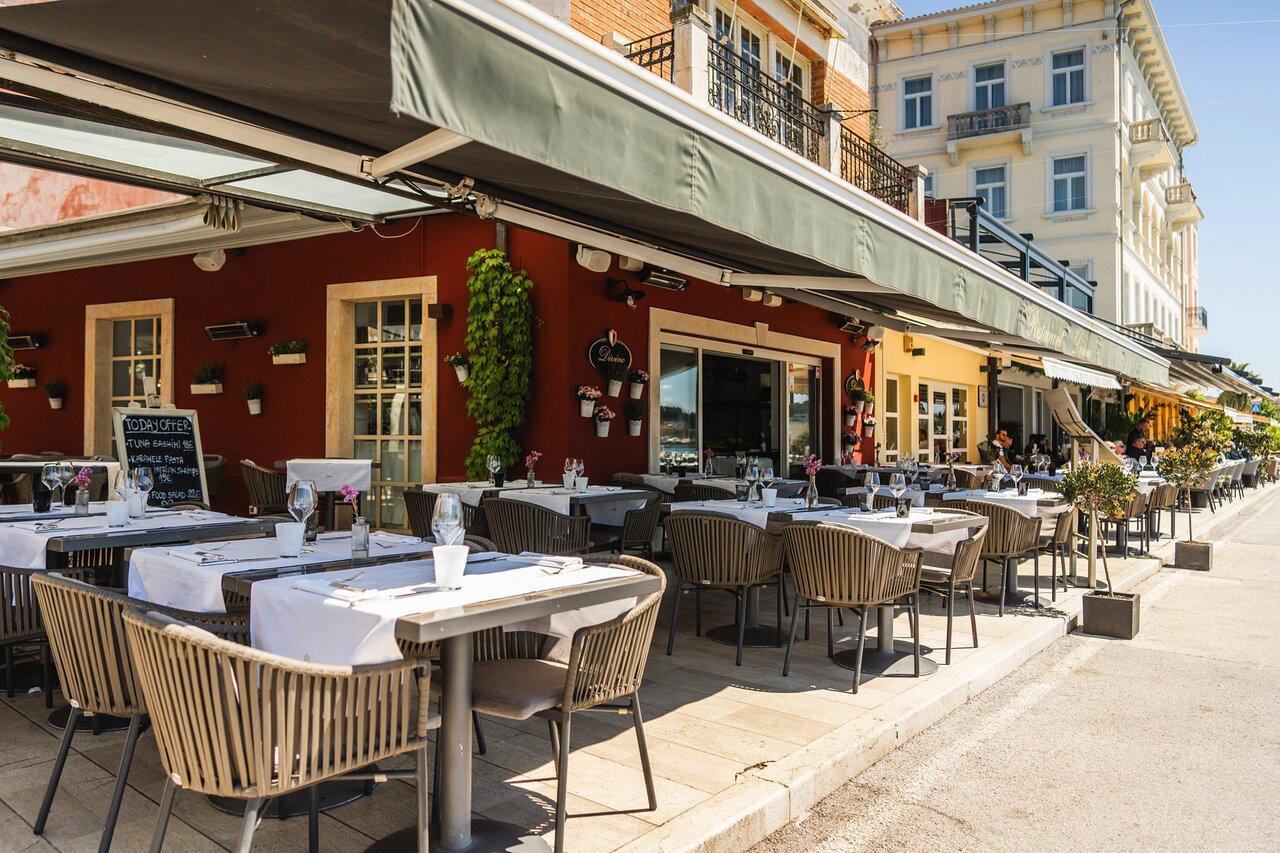
Where the Adriatic Promenade Sets the Scene
Divino is a restaurant in Poreč, Croatia, on Obala Maršala Tita 20. Poreč operates on a dining logic that most Adriatic towns share: the waterfront promenade concentrates particularly visible restaurants, drawing foot traffic from the old town's Roman-grid streets toward the water's edge. Obala Maršala Tita is that promenade, and Divino's address at number 20 places it in direct conversation with the sea. Arriving in the early evening, when the Adriatic light turns low and orange against the sixth-century Euphrasian Basilica's campanile visible from the waterfront, is one instructive moment to understand what this stretch of Poreč is actually doing: it is serving a town that has been a Mediterranean port for two millennia, and whose dining culture carries that layered history.
That history matters when reading any restaurant on this strip. Istria's cuisine sits at a convergence point, Venetian trade routes, Habsburg administrative influence, and the indigenous Istrian pastoral tradition all left marks on what appears on local tables. Truffles from the Motovun forest, olive oils pressed in the Lim Valley, and Adriatic catch from waters shared with the Italian Marche coast form the backbone of regional cooking. Venues on Obala Maršala Tita, including Divino, position themselves within that context whether explicitly or not, because the setting makes the argument before the menu does.
Istrian Cuisine and Its Competitive Frame
Poreč's restaurant scene divides roughly into two registers. The first is the konoba format: lower-key, often family-run, anchored in traditional Istrian cooking with an emphasis on slow-cooked meat, house wine, and pasta shapes like fuži and pljukanci. Konoba aba and Konoba Ćakula represent that register locally, and they set a particular expectation: unpretentious rooms, generous portions, and prices that reflect the format. The second register is the more contemporary dining room, oriented toward a tourist clientele willing to spend more for a polished experience, often with Adriatic seafood as the headline. Divino operates on the promenade, which places it by geography in the second register, competing for the same evening reservation as Artha, Fora Le Porte, and Hrast.
Croatia's broader fine-dining reference points are worth holding in mind. Along the coast, Agli Amici Rovinj in Rovinj operates at the summit of Istria's recognized dining tier, with a format and ambition that few local restaurants match. Further south, Pelegrini in Sibenik and Restaurant 360 in Dubrovnik define what Adriatic fine dining looks like when it is operating at a nationally recognized level. LD Restaurant in Korčula and Boskinac in Novalja anchor the island end of that conversation. Inland, Dubravkin Put in Zagreb and Korak in Jastrebarsko hold the continental side, while Nebo by Deni Srdoč in Rijeka and Alfred Keller in Mali Lošinj sit in the middle ground between Istria and Dalmatia. Krug in Split rounds out the Dalmatian end. Poreč's promenade restaurants are better suited to a relaxed evening than a destination meal.
The Cultural Weight of Eating by the Sea in Istria
Dining on the Adriatic waterfront carries expectations that are partly sensory and partly historical. The tradition of eating simply-prepared fish on a terrace facing the sea is one of the oldest in Mediterranean culture, and in Istria it takes on additional texture because of the peninsula's complicated modern history. Transferred between Italian and Yugoslav administrations through the twentieth century, Poreč's food culture absorbed Italian influences at a granular level: in the preference for olive oil over butter, in the pasta shapes, in the approach to antipasto. A meal on Obala Maršala Tita in 2024 is, in small ways, eating through that history, even when the restaurant makes no explicit claim to it.
That depth of context is part of what makes the Istrian coast interesting to serious travellers. The region has many restaurants that sell the view without engaging the tradition. The more considered venues on this promenade use Istrian ingredients in ways that reflect where they come from: white truffles shaved at the table in autumn, Malvazija Istarska poured alongside fish dishes, and olive oils with enough character to be worth noting on a menu. The promenade address places it in a scene where that standard is the relevant benchmark.
Planning Your Evening: What to Know Before You Go
Poreč's dining season concentrates heavily between June and September, when the town's population multiplies with Adriatic tourism and promenade tables fill reliably by 8pm. Reservations for waterfront restaurants during peak summer weeks are worth making several days in advance, if not longer. Outside high season, particularly in May and October, the promenade quiets considerably and walk-in dining becomes more realistic. Divino's address at Obala Maršala Tita 20 is walkable from the old town's centre; the Euphrasian Basilica, Poreč's primary landmark, sits roughly ten minutes on foot. For visitors building a multi-day itinerary around serious eating, the broader scene across formats and price points includes the konoba tier, which offers a different lens on Istrian cooking. For those extending the trip to explore what Croatia's dining scene looks like at higher levels of ambition, venues like Agli Amici Rovinj, a 45-minute drive south into Rovinj, represent a meaningful step up in format and recognition.
- Hlap (Slipper Lobster)
- Škampi na Buzaru (Scampi in Garlic White Wine Sauce)
- Salt-Crusted Fish
- Tuna Carpaccio
- Boškarin Steak
- Truffle Risotto with Prawns
Cost and Credentials
Comparable venues nearby, for context on price, style, and recognition.
| Venue | Cuisine | Price | Awards | Notes |
|---|---|---|---|---|
| DivinoThis venue — the venue you are viewing | Not listed | $$$$ | Not listed | Not listed |
| Fora Le Porte | city center, Modern Istrian Bistro | $ | Not listed | Not listed |
| Hrast | Poreč Old Town, Mediterranean Seafood | $$ | Not listed | Not listed |
| Spinnaker | Not listed | $$$$ | Michelin Plate | Poreč waterfront, Creative Mediterranean Fine Dining |
| Artha | Not listed | $$ | Not listed | Old Town Porec, Istrian Vegan & Vegetarian Bistro |
| Miramare | Not listed | $$$$ | Not listed | Island Sv. Nikola, Mediterranean and Italian Fine Dining by Fratelli Cerea |
Continue exploring
More in Porec
Restaurants in Porec
Browse all →
Bars in Porec
Browse all →
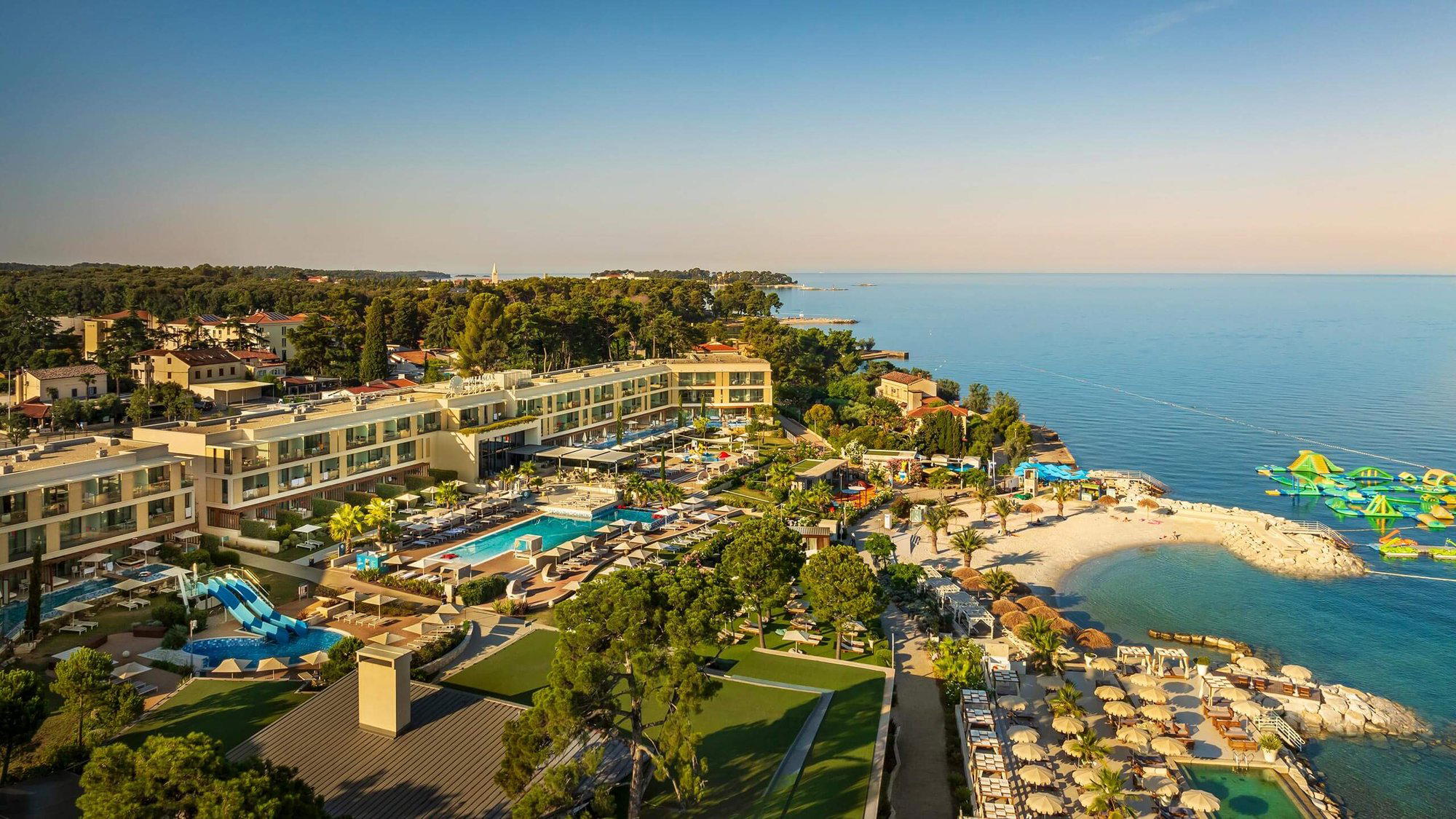
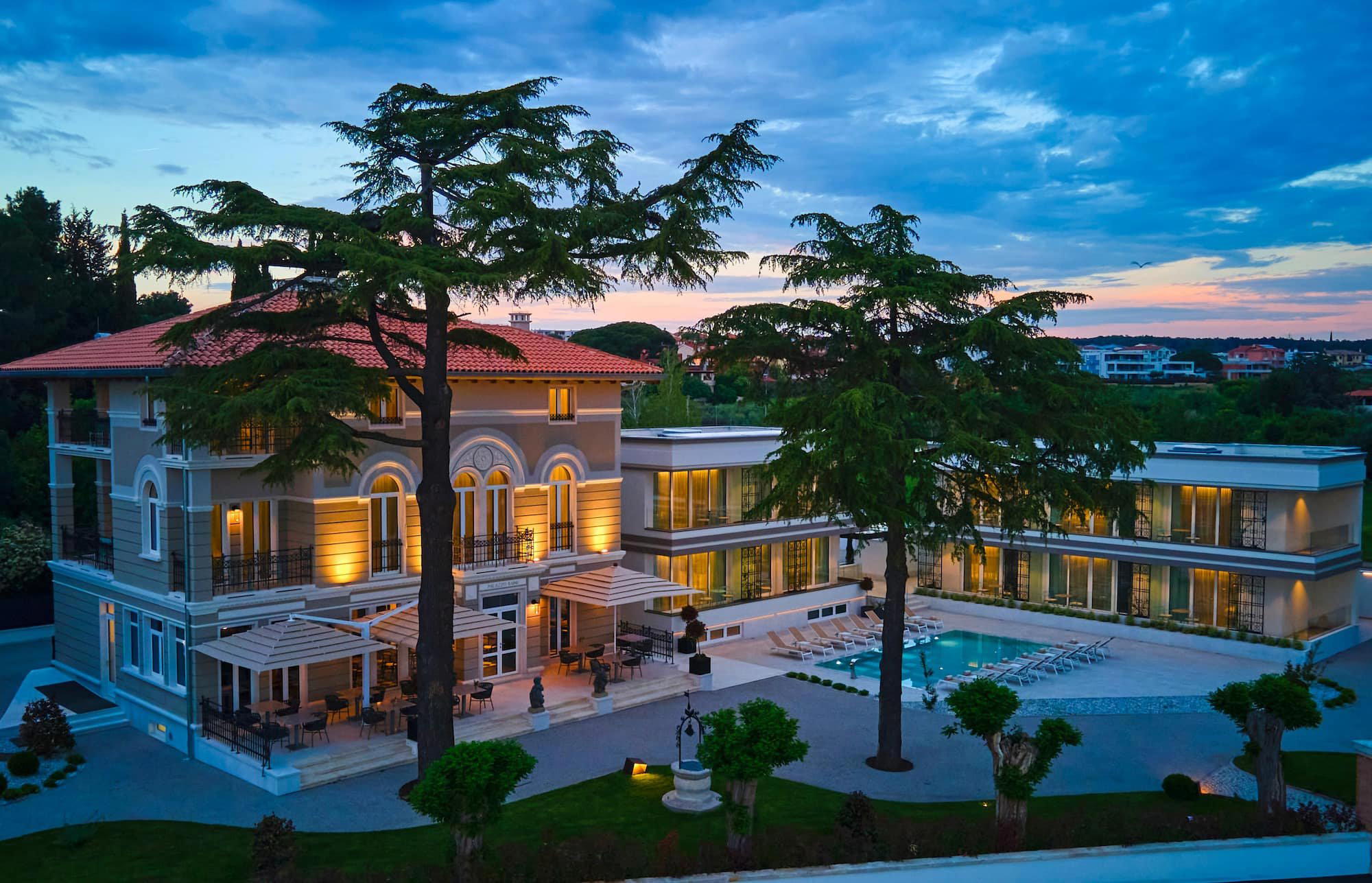
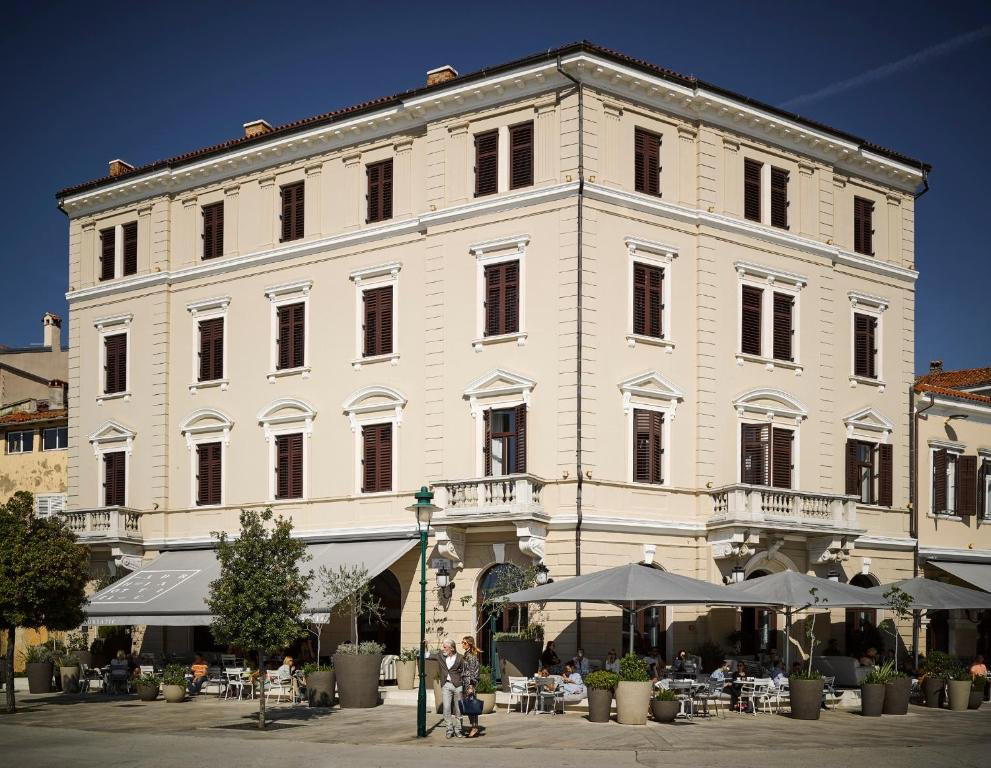
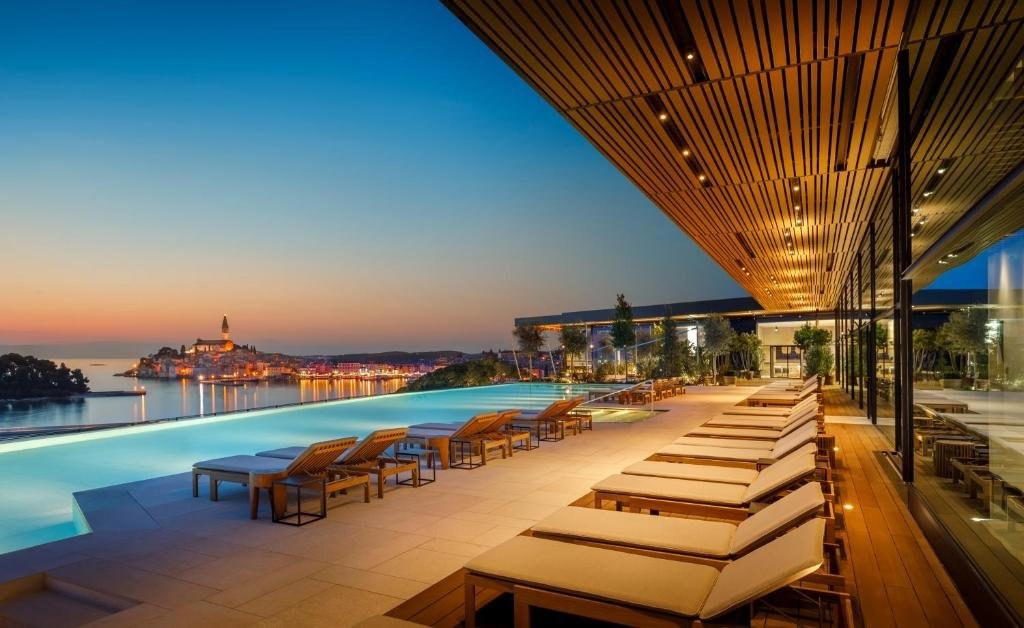
Hotels in Porec
Browse all →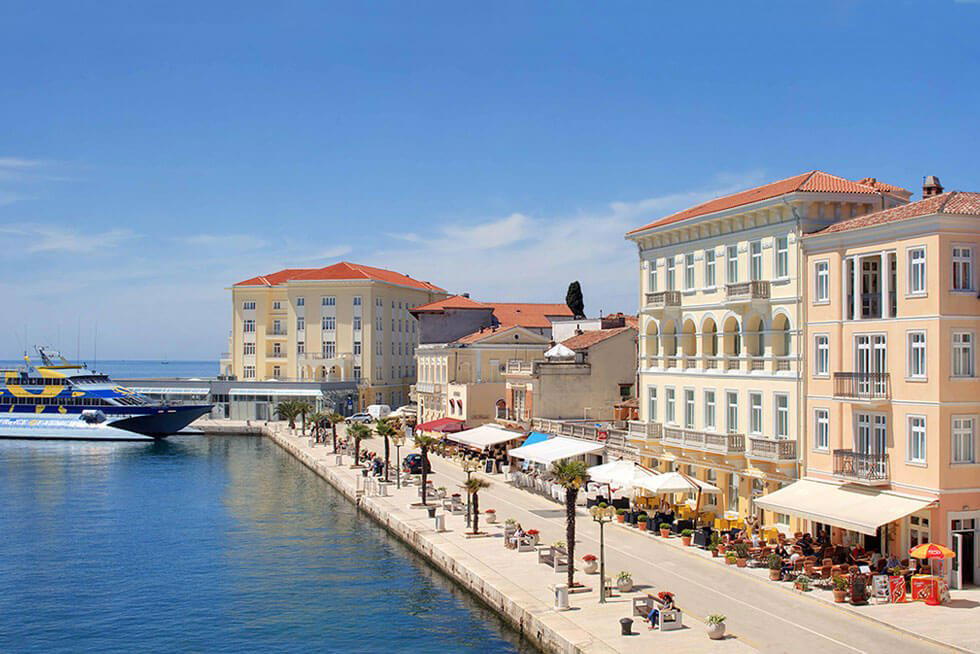

At a Glance
- Romantic
- Elegant
- Scenic
- Sophisticated
- Date Night
- Special Occasion
- Family
- Celebration
- Waterfront
- Terrace
- Panoramic View
- Extensive Wine List
- Sommelier Led
- Local Sourcing
- Sustainable Seafood
- Waterfront
Current opening hours
- Monday
- 11 AM–10 PM
- Tuesday
- 11 AM–10 PM
- Wednesday
- 11 AM–10 PM
- Thursday
- 11 AM–10 PM
- Friday
- 11 AM–10 PM
- Saturday
- 11 AM–10 PM
- Sunday
- 11 AM–10 PM
Hours can change for holidays and private events. Last verified .
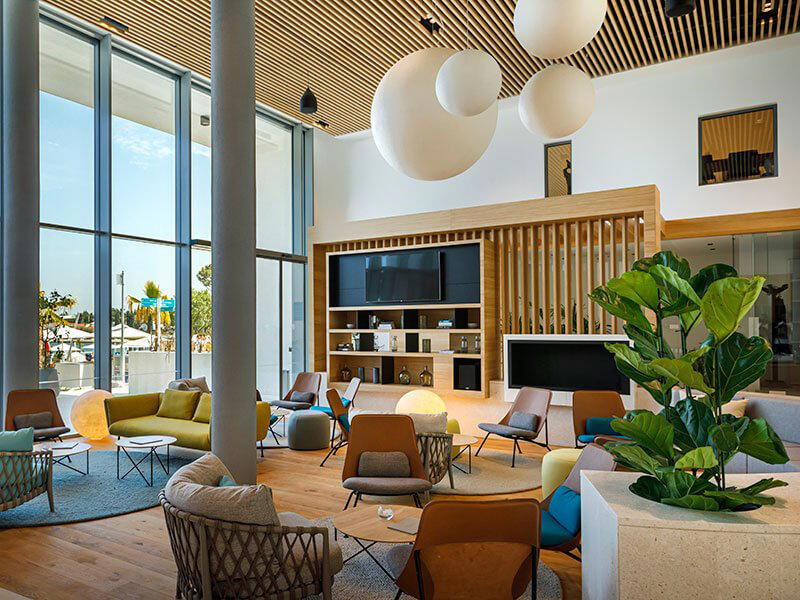
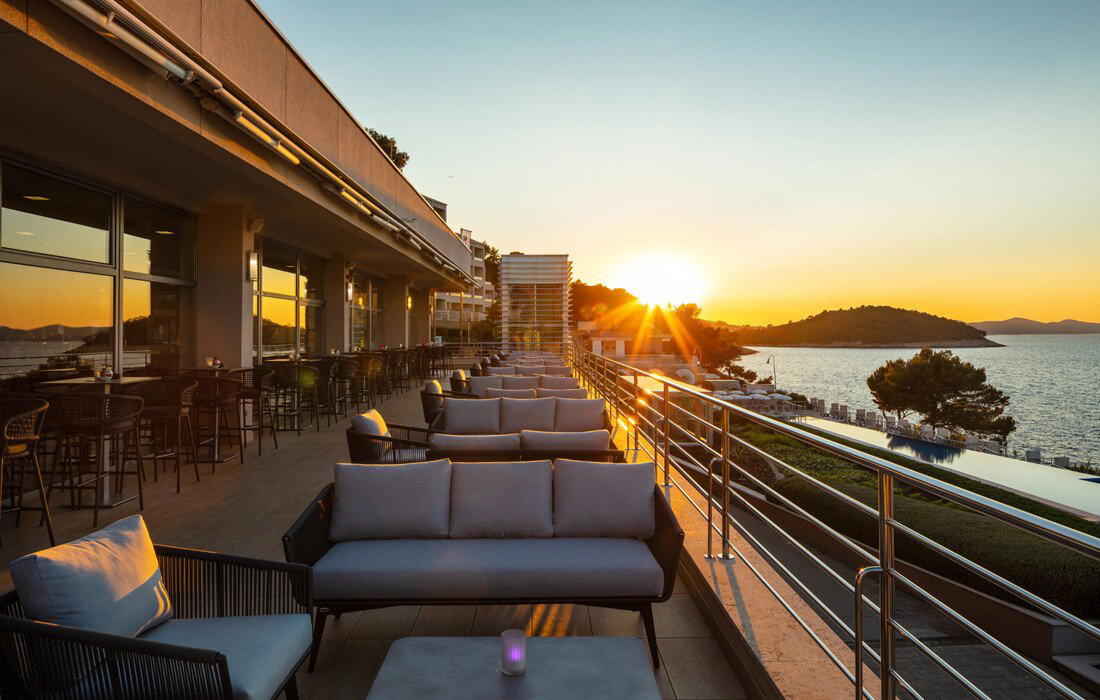
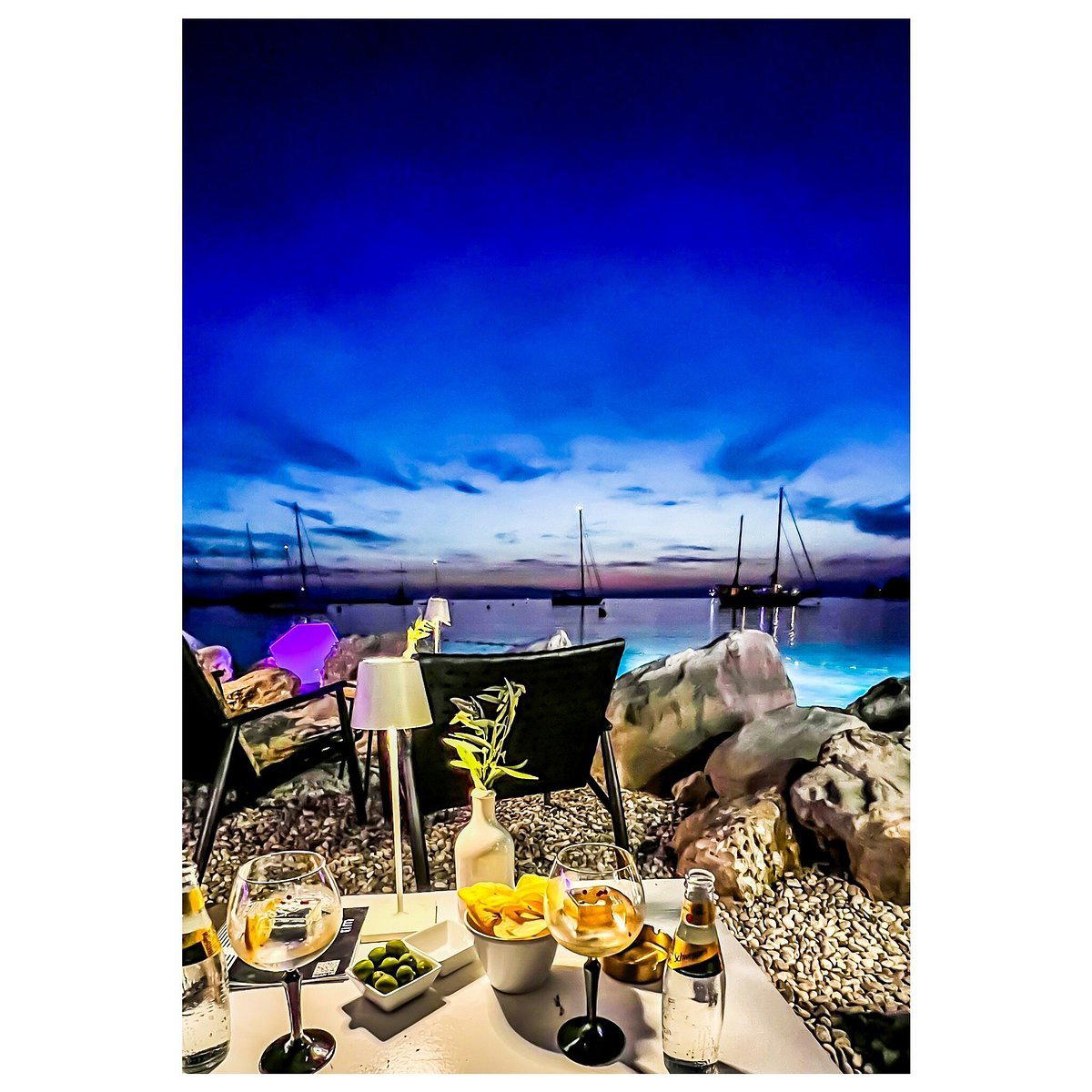
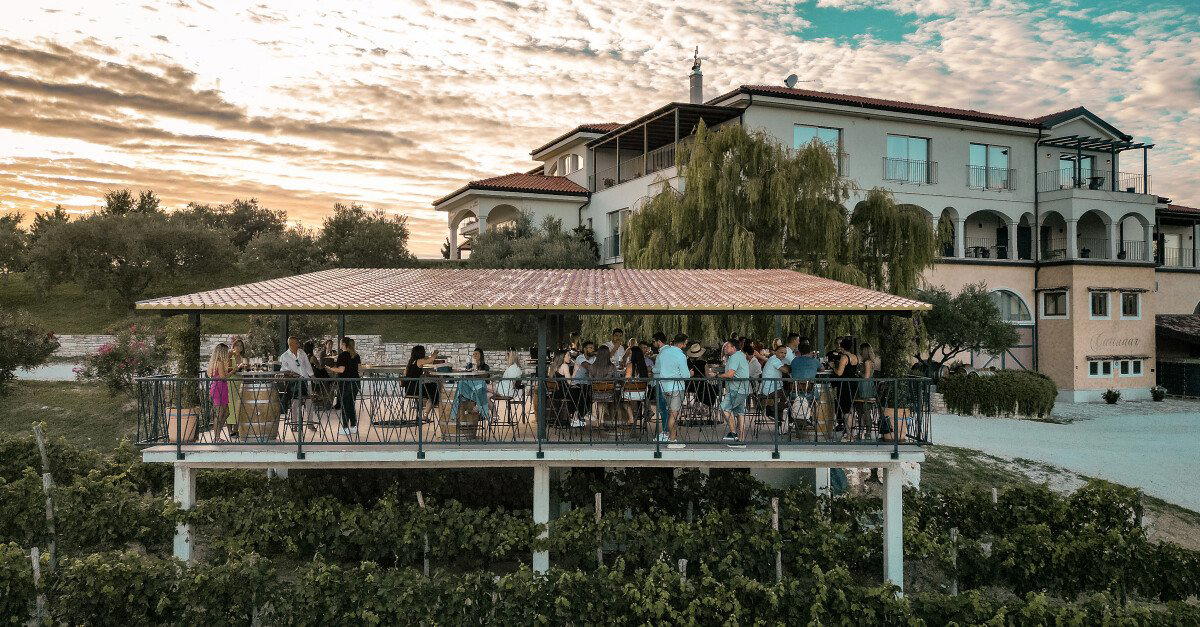
Elegant and refined with soft lighting, sea breezes, and carefully curated table settings designed to sharpen the dining experience; combines modern Mediterranean aesthetics with traditional Istrian charm.