Our verdict
A konoba-style dining address on Ul. Nikole Tesle in the heart of Porec, Hrast sits within a local dining tradition that prizes slow meals, regional produce, and Istrian wine over spectacle. The format here follows the rhythm of the Adriatic coast: unhurried, produce-led, and shaped by the conventions of Croatian table culture rather than the pressures of tourist-season turnover.

Pearl is the En Primeur Club membership app, where members save venues, book tables and use the concierge.

The menu
What to order
- Seafood starters plate
- Fresh Adriatic fish
- Oysters
- Tiramisu
The Rhythm of the Istrian Table
In Istria, the meal is not an event with a start and finish time so much as a ceremony with its own internal clock. Dishes arrive when they arrive. Bread comes early. Wine is poured before anyone asks. The pace is dictated by the kitchen and the season, not by the hour. Hrast, on Ul. Nikole Tesle 13 in central Porec, operates inside that tradition, a dining address shaped by the conventions of Croatian konoba culture, where the ritual of eating together carries more weight than any single dish on the menu.
Porec itself sits at the northern end of the Istrian coast, a town whose Roman grid and Byzantine mosaics attract considerable summer traffic but whose dining culture, at its more grounded end, remains anchored in local habits. The restaurants that hold local loyalty through multiple seasons tend to be the ones that don't deviate from the Istrian script: slow cooking, regional ingredients, an honest wine list weighted toward the peninsula's own producers. Hrast occupies that register. For a broader orientation to where it sits among Porec's dining options, the our full Porec restaurants guide maps the full range.
What the Istrian Dining Ritual Looks Like Here
The structure of a meal at a konoba-adjacent address like this one follows a logic that visitors from northern European dining cultures sometimes misread as disorganised. It isn't. The antipasto course in Istria carries real weight, cured meats, pickled vegetables, olive oil from local groves, perhaps a wedge of aged Istrian cheese, and it is meant to be eaten slowly, with wine, before anything else arrives. Rushing past it to get to the main is a category error. The kitchen at Hrast works within that same framework, and the pacing of service reflects it.
Istrian cuisine sits at the intersection of Croatian coastal cooking and Italian influence, a result of the peninsula's long history of shifting borders and overlapping culinary cultures. Truffles from the Motovun forest, seafood from the Adriatic, and olive oil pressed from indigenous Buza and Leccino varieties are the reference points that serious kitchens across the region work from. In the broader Croatian dining scene, the restaurants drawing the most attention, Agli Amici Rovinj in Rovinj, Pelegrini in Sibenik, or Restaurant 360 in Dubrovnik, have pushed that regional produce into ambitious tasting menu formats. Hrast operates at a different register: closer to the everyday rhythm of Istrian eating than to that aspirational tier.
That positioning is worth understanding before you arrive. This is not the kind of address where a lengthy tasting menu with wine pairings is the primary format. It sits closer to the tradition of the local konoba: a place where the meal's structure is familiar and the quality is expressed through sourcing and execution rather than theatrical presentation. Comparable addresses in the Porec eating-out scene, Konoba aba, Konoba Cakula, occupy the same general tradition, while Artha, Divino, and Fora Le Porte each represent different angles on what Porec dining looks like when it pushes toward a more contemporary format.
Porec's Place in Croatia's Wider Dining Picture
Croatia's restaurant culture has developed in uneven layers over the past two decades. The coastal cities, Split, Dubrovnik, Rovinj, attract the headline investment, the Michelin attention, and the international press. Inland and in smaller towns, the tradition of slow, produce-led cooking continues largely outside that spotlight. Istria has benefited from both currents: its truffle economy and olive oil culture give it genuine ingredient credentials, while addresses like Boskinac in Novalja and Nebo by Deni Srdoc in Rijeka demonstrate what the region can do when ambition and technique align at the higher end. Dubravkin Put in Zagreb and Korak in Jastrebarsko show how the same produce-first philosophy plays out in the continental interior.
Against that backdrop, Porec's mid-range dining addresses serve a function that the headline restaurants don't: they are where locals eat on a Tuesday in October, when the summer crowds have cleared and the town returns to its own pace. That seasonal rhythm matters for understanding when and why to visit. High summer in Porec brings volume and noise; the shoulder months of May, June, September, and October bring a different atmosphere, one where the dining ritual plays out closer to its original form.
Planning a Meal
Hrast's address, Ul. Nikole Tesle 13, Porec, places it within walking distance of the old town peninsula, which means it sits in a neighbourhood that gets meaningful foot traffic through the summer months. Whether the kitchen takes reservations in advance or accommodates walk-in guests depends on the time of year and the volume of covers being turned; in peak summer, arriving without a booking at any address in central Porec carries more risk than in the quieter months. Visiting in September or early October, when Istrian truffle season is beginning and the tourist pressure has eased, tends to produce the most coherent experience of what this kind of cooking actually is.
For travellers comparing notes with restaurants in other Croatian cities, Krug in Split, LD Restaurant in Korcula, and Alfred Keller in Mali Losinj each offer a useful point of comparison for what Croatian coastal dining looks like when it moves toward a more curated format. Hrast is not that. It is closer to the ground level of Istrian eating, which, on the right evening, is precisely what makes it worth considering. For reference points further afield, the produce-led formalism of Le Bernardin in New York City or the menu architecture of Atomix in New York City show how far formal dining has moved from this kind of grounded, unhurried tradition, and why, occasionally, the simpler register is the one worth seeking out.
Frequently asked questions
Where do I go for Hrast?
Hrast is located at Ul. Nikole Tesle 13, 52440, Poreč, Croatia, Porec.
Is Hrast in Poreč a good option for a traditional Istrian meal close to the old town?
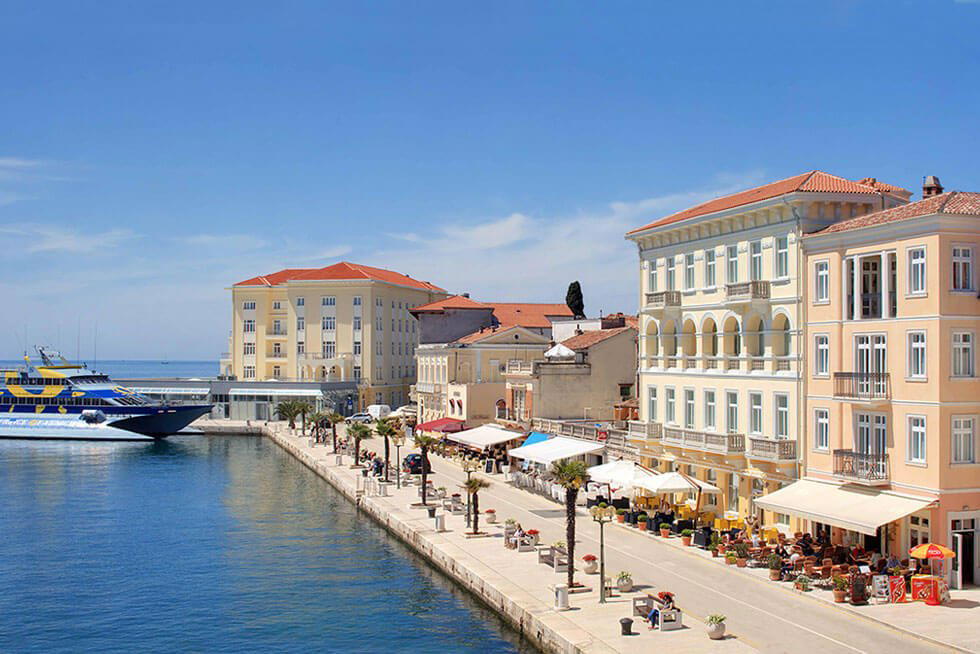
Hrast's address on Ul. Nikole Tesle 13 places it within walking distance of the Euphrasian Basilica and the old town peninsula, making it one of the more accessible konoba-adjacent addresses in central Poreč. Istrian dining culture in this neighbourhood follows a slow-table format, extended meals, locally sourced ingredients, and a wine list that draws from the surrounding peninsula's production. For visitors looking to move beyond the tourist-facing restaurants on the waterfront promenade, this street-level address offers a more grounded point of entry into the regional dining tradition.
What do people recommend at Hrast?
Hrast sits within the konoba tradition that anchors Istrian dining, where the kitchen drives the menu rather than the other way around. Dishes follow seasonal and local produce logic, the pattern across Porec's old town neighbourhood restaurants leans toward house-prepared pastas, grilled fish, and local wine pairings. Without a current published menu on record, the safest approach is to ask the staff what arrived that day, which is consistent with how konoba-adjacent kitchens in this part of Istria operate.
Do they take walk-ins at Hrast?
Nikole Tesle 13, Poreč. In practice, restaurants in this part of the old town peninsula run at capacity during the summer season, particularly July and August, when Poreč draws heavy visitor traffic. Arriving early, before 19:00, improves your chances at walk-in tables; later in the evening, a reservation made earlier in the day by phone or in person is the more reliable approach.
What It’s Closest To
Comparable venues nearby, for context on price, style, and recognition.
| Venue | Cuisine | Price | Notes |
|---|---|---|---|
| HrastThis venue (the venue you are viewing) | Mediterranean Seafood | $30–50 | Not listed |
| Konoba aba | Authentic Istrian Seafood & Truffle | $20–30 | Porec Old Town |
| Peterokutna Kula | Modern Istrian Seafood | Not listed | Old Town |
| Fora Le Porte | Modern Istrian Bistro | Not listed | city center |
| Konoba Ćakula | Istrian Seafood & Mediterranean | $30–50 | Poreč |
| Špadiči | Italian Pizza and Seafood | $20–30 | Spadici |
Continue exploring
More in Porec
Restaurants in Porec
All restaurants in Porec →
Bars in Porec
All bars in Porec →

Details
- Romantic
- Scenic
- Elegant
- Date Night
- Family
- Casual Hangout
- Special Occasion
- Waterfront
- Terrace
- Panoramic View
- Standalone
- Extensive Wine List
- Local Sourcing
- Sustainable Seafood
- Waterfront
- A La Carte
- Local Wines
- Premium Wines
- Pescatarian Friendly
Current opening hours
- Monday
- 12–10 PM
- Tuesday
- 12–10 PM
- Wednesday
- 12–10 PM
- Thursday
- 12–10 PM
- Friday
- 12–10 PM
- Saturday
- 12–10 PM
- Sunday
- Closed
Hours can change for holidays and private events. Hours as of .
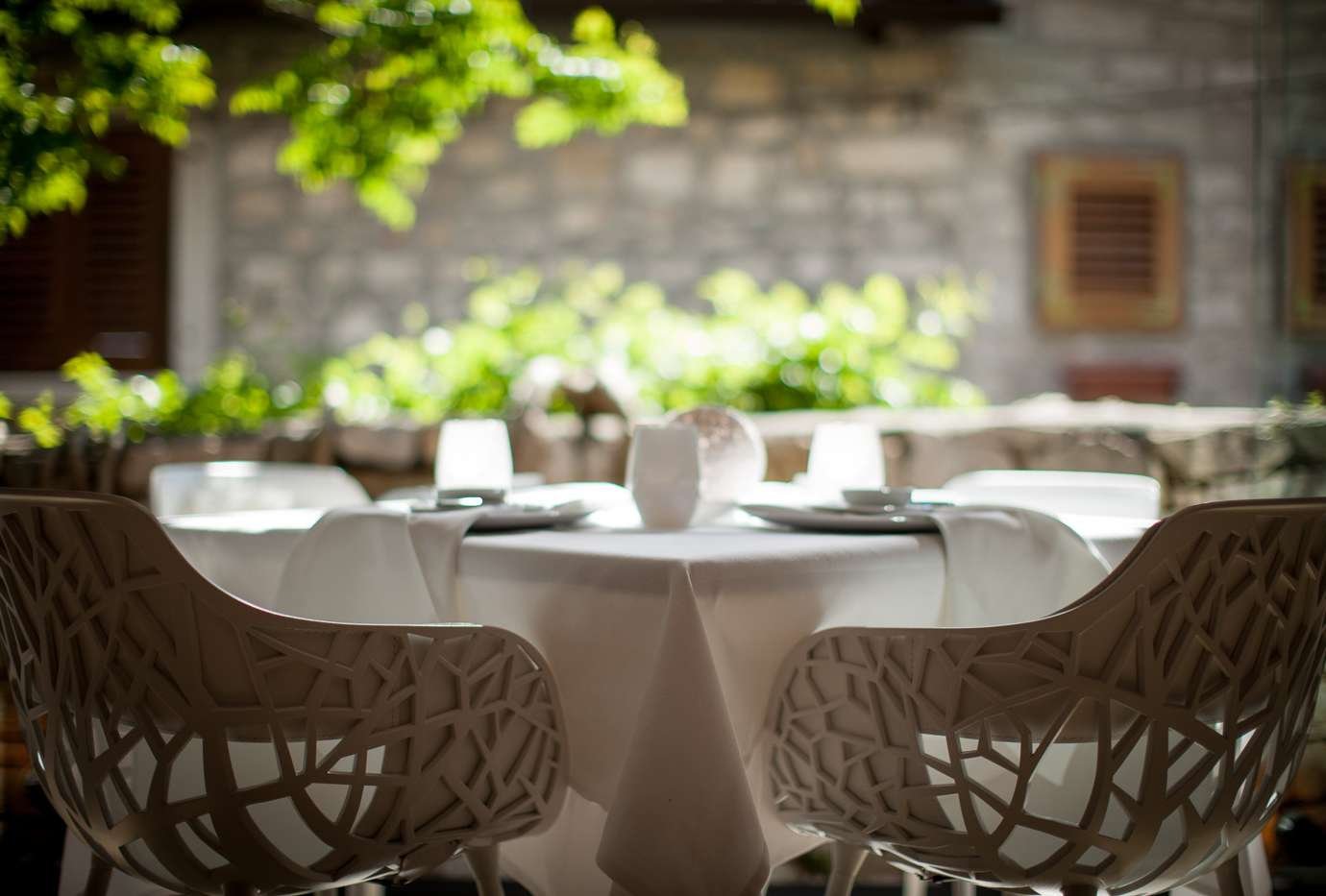
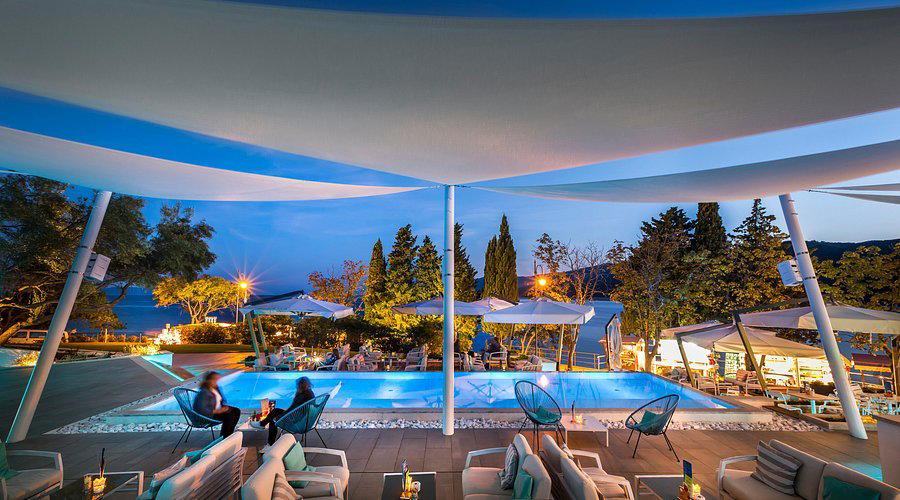
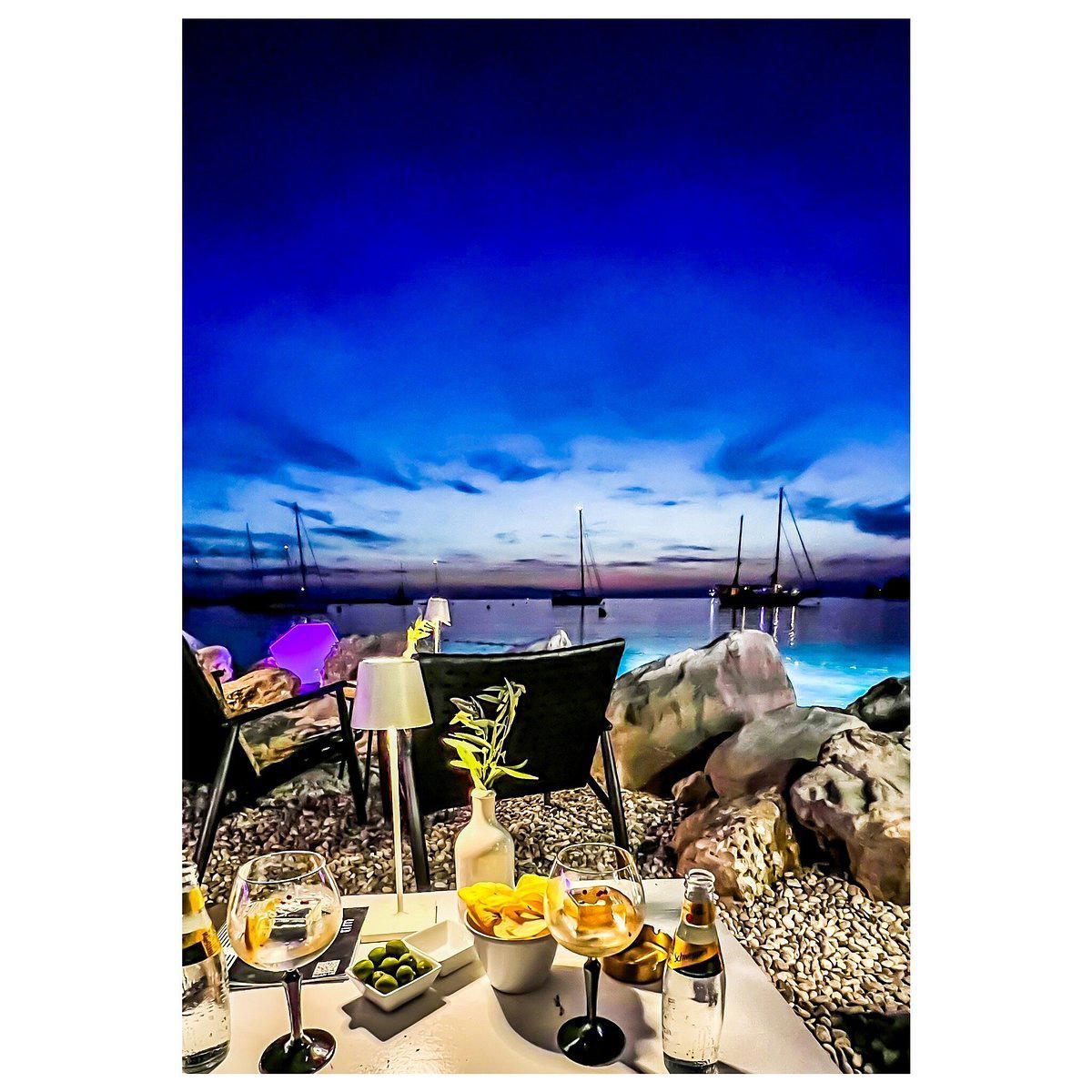
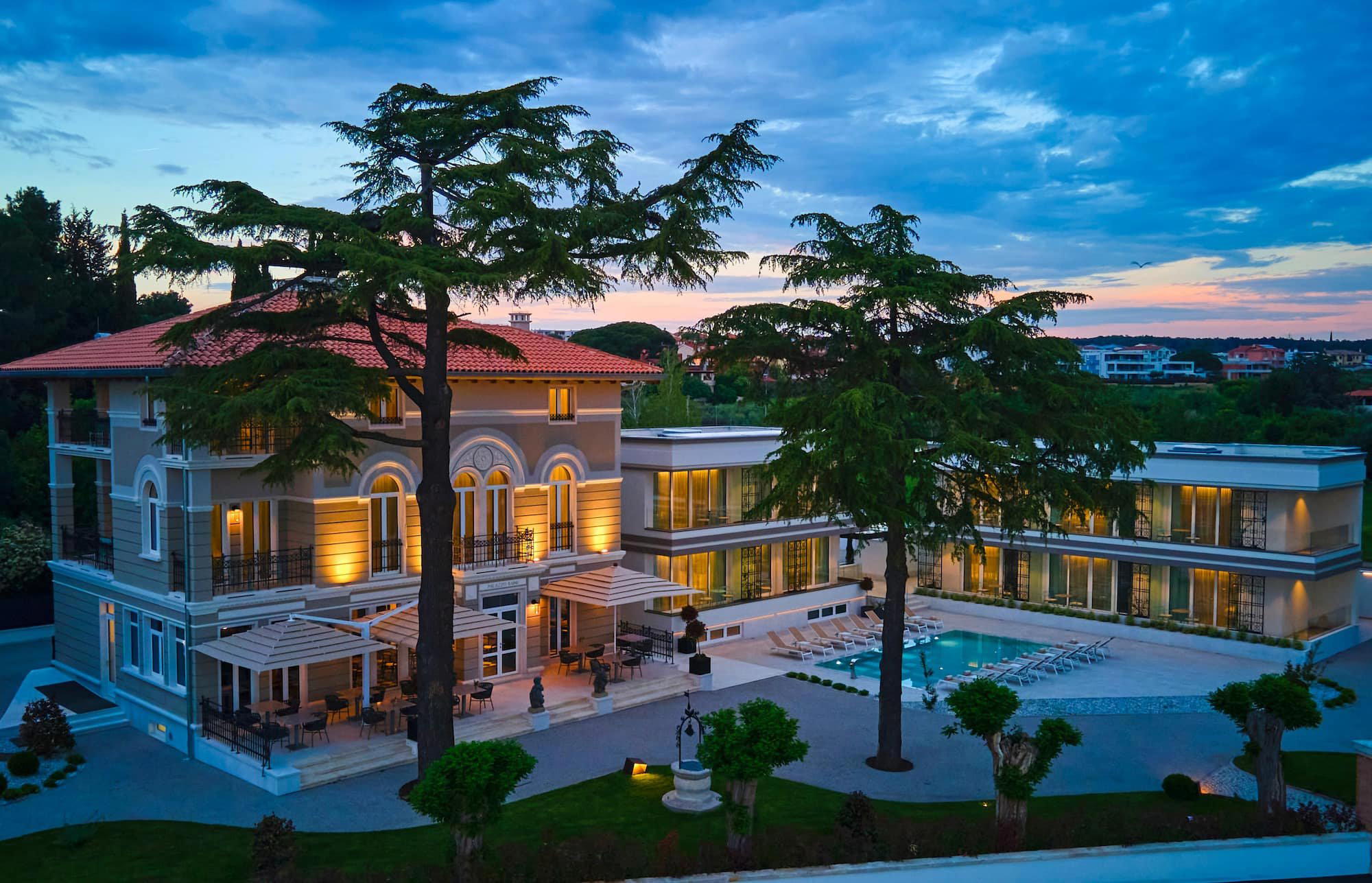
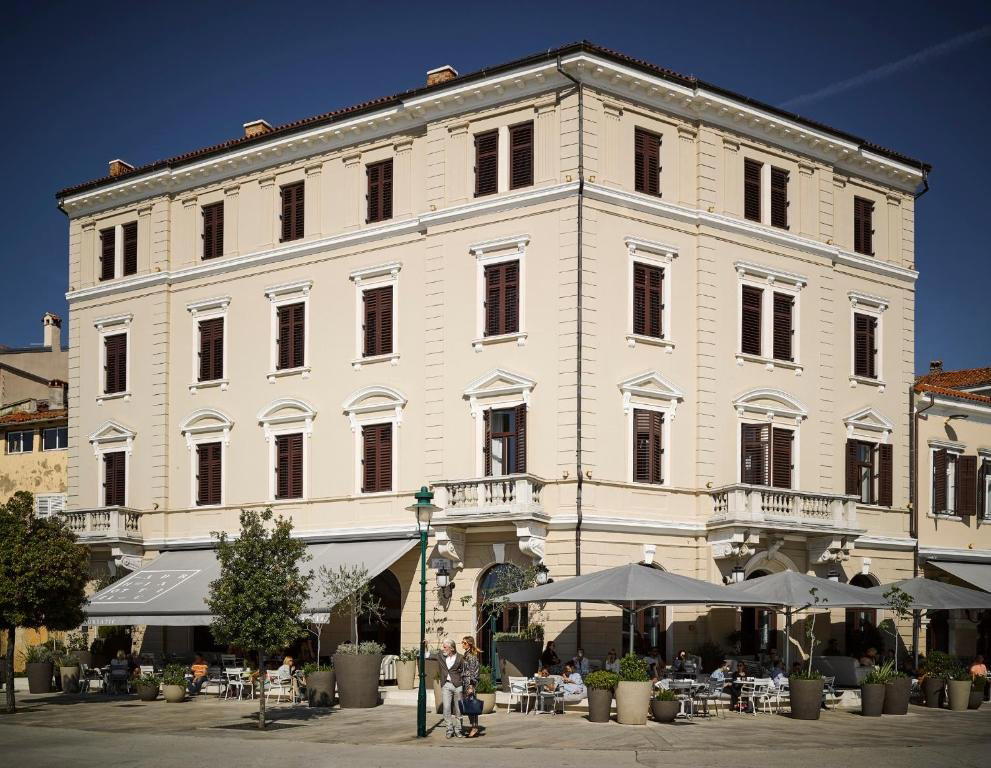
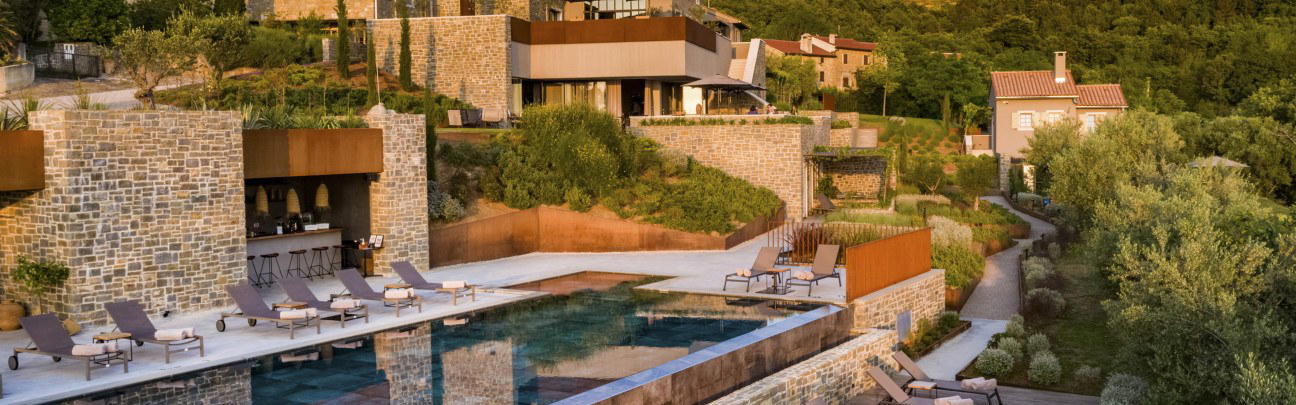
Warm and inviting with elegant terrace seating; intimate dining with soft natural light from waterfront views; refined yet homely atmosphere.