Our verdict
Mirai Japanese Restaurant occupies a compact address on Palmer Street in Darlinghurst, sitting inside Sydney's growing tier of neighbourhood Japanese dining that trades on ingredient provenance rather than ceremony. The kitchen's focus on sourcing places it in a quieter bracket than the CBD omakase circuit, making it a useful reference point for how Japanese cuisine has embedded itself into inner-city Sydney dining culture.

Pearl is the En Primeur Club membership app — saves, bookings, and concierge access live there. Same editors, same standards.
- Address
- 107/248 Palmer St, Darlinghurst NSW 2010, Australia
- Phone
- +61422370066
- Hours
- Mon 5–9:30 PMTue ClosedWed 5–9:30 PMThu–Sat 5–10 PMSun 5–9:30 PM
- Website
- miraijapaneserestaurant.com
- Directions
- Get directions
- Booking
- Book on OpenTable
The menu
What to order
- Sashimi Tacos
- Volcano Roll
- Pork Chashu
Palmer Street, Darlinghurst, and the Quiet Consolidation of Japanese Dining in Sydney
Darlinghurst has always operated at the intersection of ambition and informality. The suburb sits close enough to the CBD to attract serious diners, yet maintains the kind of street-level density where a well-run neighbourhood restaurant can hold its own without the machinery of a hotel dining room or a celebrity kitchen behind it. In that context, the address at 107/248 Palmer Street is instructive. It is not a destination in the way that a harbour-view room or a Rocks heritage building is a destination. It is a working dining address in a neighbourhood that rewards regulars and curious visitors equally.
Sydney's Japanese dining scene has matured considerably over the past decade. The city now supports multiple tiers simultaneously: high-commitment omakase counters in the CBD and Surry Hills, broader izakaya formats in the inner west, and a quieter middle register of neighbourhood restaurants where technique is present but the format is accessible. Mirai Japanese Restaurant occupies territory in that middle register, on a Palmer Street strip that also supports 10 William St and 1021 Mediterranean within walking distance, giving the immediate area a density of considered, ingredient-focused dining that punches above what its postcode might suggest.
Where the Food Comes From: Ingredient Provenance in Japanese Cooking
The most interesting pressure on Japanese restaurants operating outside Japan is the sourcing question. Authentic Japanese cuisine is deeply tied to specific regional producers: particular rice strains, aged soy from specific prefectures, seasonal seafood windows that are almost impossible to replicate at the same price point internationally. Australian Japanese restaurants solve this differently. Some import heavily, absorbing the cost into premium pricing. Others work with local producers who have spent years developing Japanese-adjacent crops and aquaculture. The better Sydney kitchens tend to do both, drawing on the country's strong seafood infrastructure while importing the preserved and fermented goods that cannot be locally approximated.
Australia's seafood access is, in fact, a structural advantage for Japanese cooking here. Southern bluefin tuna from Port Lincoln, Ora King salmon from New Zealand's King Country, Tasmanian abalone, and Queensland scampi are all ingredients that appear across Sydney's Japanese dining scene with genuine provenance behind them. The question for any kitchen in this space is not whether the raw material exists, but whether it is handled with enough precision to justify the comparison to Japanese sourcing standards. That comparison is the editorial challenge, and the most serious Japanese restaurants in Sydney's inner suburbs are increasingly willing to engage with it directly.
This sourcing discipline connects Mirai to a broader movement visible across Australian fine dining. Restaurants like Saint Peter have made local seafood provenance their entire editorial identity, and that has raised the baseline expectation for any restaurant in Sydney working with fish and marine ingredients. Rockpool, across its long history, built a reputation partly on the discipline of sourcing dry-aged beef and premier-grade seafood at a time when that was not standard practice. The expectation those kitchens established filters down through the dining culture, and any neighbourhood Japanese restaurant operating in their city inherits that ambient standard.
How Darlinghurst Fits Into Sydney's Dining Geography
Understanding Mirai requires understanding Darlinghurst as a dining suburb rather than just a postcode. Unlike the CBD, where restaurants compete for expense-account business and tourist footfall, Darlinghurst supports its restaurants through a combination of local loyalty and word-of-mouth from the broader inner east. The suburb's dining density means that longevity itself becomes a credential: restaurants that survive here do so because a community has decided they are worth sustaining.
Within Sydney, the restaurant scenes in suburbs like Darlinghurst, Surry Hills, and Newtown function as the city's testing ground for formats that later move into wider recognition. bills in Bondi Beach followed a similar trajectory, building a loyal local base before expanding. Bayly's Bistro in Kirribilli and Johnny Bird in Crows Nest operate in comparable neighbourhood registers on the north side of the harbour. The pattern holds: serious cooking in un-showy rooms, sustained by local demand rather than review cycles.
For context on how Japanese dining has evolved at the serious end of the Australian spectrum, it is worth noting what has happened in Melbourne, where Attica and Brae have each, in different ways, demonstrated that ingredient provenance and local sourcing can anchor a restaurant's entire identity. Internationally, the comparison points are sharp: Atomix in New York City represents the high end of Korean fine dining built on similar sourcing principles, while Le Bernardin in New York City has long demonstrated that a kitchen's relationship with its seafood supplier is as important as anything that happens at the stove.
Planning Your Visit
Darlinghurst's Palmer Street is accessible by foot from Kings Cross and Taylor Square, with bus connections along Oxford Street. Street parking in the area is limited during evening service, so public transport or rideshare is the practical option for most diners arriving from other parts of the city. The strip rewards exploration before and after dinner, with several wine bars and small-format restaurants in the immediate vicinity.
For broader context on Sydney's dining options, including venues across price tiers and neighbourhoods, see our full Sydney restaurants guide. Readers planning a wider inner-city itinerary may also find 10 Pounds a useful addition to the same evening's programme.
How Mirai Compares to Nearby Alternatives
| Venue | Suburb | Cuisine Focus | Format |
|---|---|---|---|
| Mirai Japanese Restaurant | Darlinghurst | Japanese | Neighbourhood dining room |
| Rockpool | CBD | Australian Cuisine | Full-service, heritage room |
| Saint Peter | Paddington | Australian Seafood | Ingredient-led, chef-driven |
| 1021 Mediterranean | Darlinghurst | Mediterranean | Neighbourhood, accessible |
| 10 William St | Paddington | Italian-Australian wine bar | Wine-led, small plates |
Frequently asked questions
How do I find Mirai Japanese Restaurant?
Mirai Japanese Restaurant is located at 107/248 Palmer St, Darlinghurst NSW 2010, Australia, Sydney.
What makes Mirai Japanese Restaurant different from other Japanese options in the Darlinghurst and Surry Hills area?
Mirai operates out of a specific address on Palmer Street in Darlinghurst, a suburb that sits between the CBD density of the city and the looser, chef-driven dining culture of Surry Hills. That positioning attracts a local repeat-diner crowd rather than purely tourist traffic, which tends to shape how Japanese restaurants in the area approach their menus and service cadence.
What's the must-try dish at Mirai Japanese Restaurant?
For current menu details, visiting Mirai in person at 107/248 Palmer Street, Darlinghurst, or checking at the door is the most reliable approach. Japanese restaurants in this tier of the Darlinghurst dining scene tend to rotate offerings seasonally, so what's available changes.
Is Mirai Japanese Restaurant reservation-only?
No booking policy is documented for Mirai at this time. The restaurant is located at 107/248 Palmer Street, Darlinghurst — contacting them directly in person or via any listed contact will give the clearest answer on walk-in availability versus advance bookings.
What do critics highlight about Mirai Japanese Restaurant?
Darlinghurst as a whole has attracted serious food press attention as one of Sydney's most competitive dining precincts, which sets a high bar for any Japanese restaurant operating on Palmer Street.
How does Mirai Japanese Restaurant handle allergies?
Given the precision-driven nature of Japanese cooking — where soy, sesame, and shellfish appear across many preparations — it is worth raising dietary requirements directly with staff at 107/248 Palmer Street, Darlinghurst, before ordering.
Comparison Snapshot
Comparable venues nearby, for context on price, style, and recognition.
| Venue | Cuisine | Price | Notes |
|---|---|---|---|
| Mirai Japanese RestaurantThis venue — the venue you are viewing | Modern Japanese Fusion | $50–100 | Not listed |
| Touka Parramatta | Japanese Yakiniku | $50–100 | Parramatta |
| Osaka Trading Co. | Modern Japanese Izakaya | $50–100 | Glebe |
| Sushi Jones | Casual Japanese Sushi & Izakaya | $30–50 | Alexandria |
| Shinmachi Newtown | Japanese Ramen and Tapas | $20–30 | Newtown |
| Wagyuto | Modern Japanese | Not listed | Clovelly |
Continue exploring
More in Sydney
Restaurants in Sydney
Browse all →
Bars in Sydney
Browse all →
Hotels in Sydney
Browse all →


Details
- Modern
- Trendy
- Date Night
- Group Dining
- Open Kitchen
- Sake Program
- A La Carte
- Small Plates
- Sake Program
Current opening hours
- Monday
- 5–9:30 PM
- Tuesday
- Closed
- Wednesday
- 5–9:30 PM
- Thursday
- 5–10 PM
- Friday
- 5–10 PM
- Saturday
- 5–10 PM
- Sunday
- 5–9:30 PM
Hours can change for holidays and private events. Last verified .
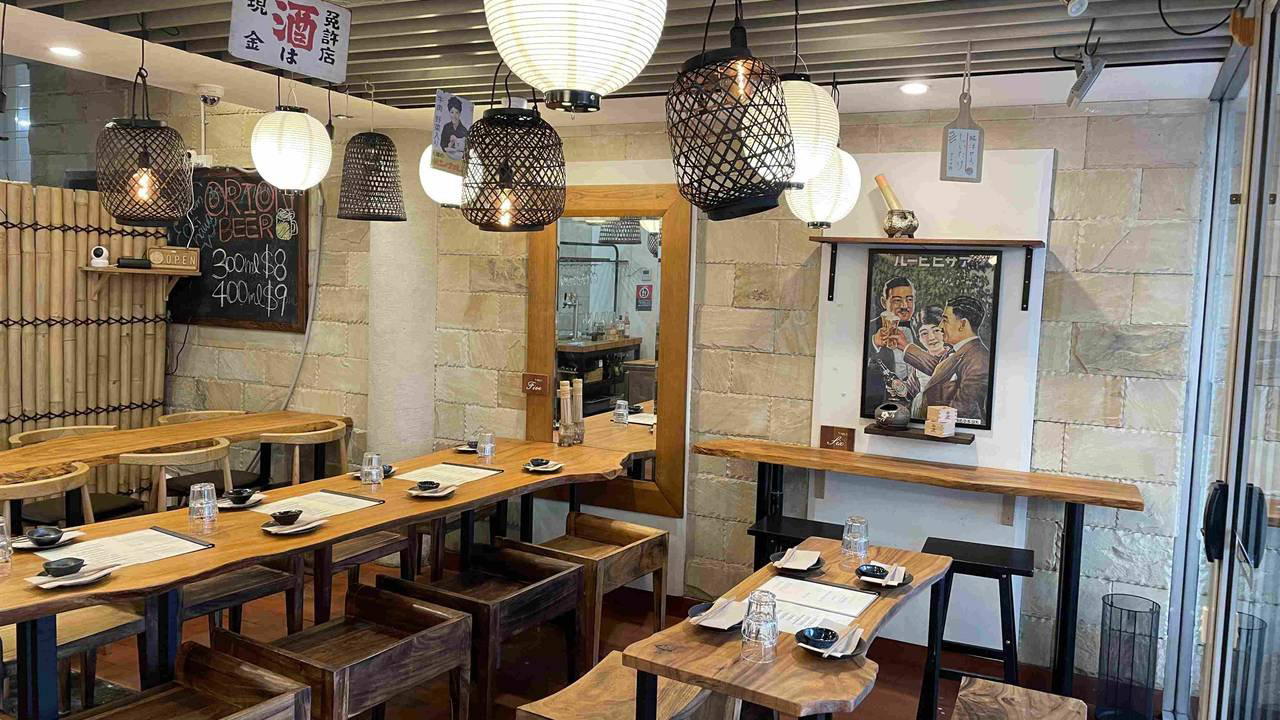
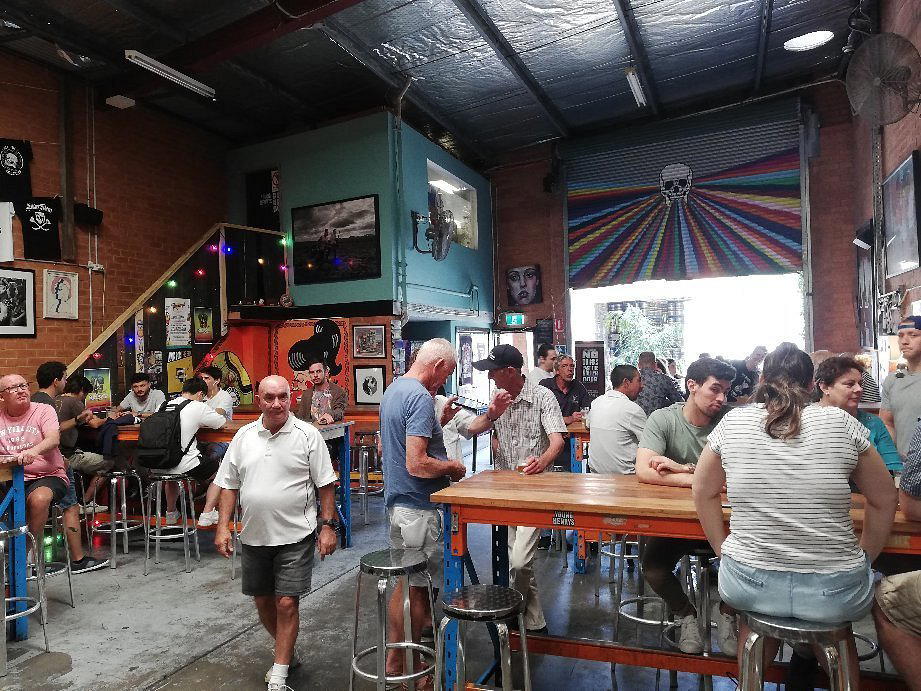
Modern and lively atmosphere with freshly prepared dishes in a trendy Darlinghurst setting.