MingHin
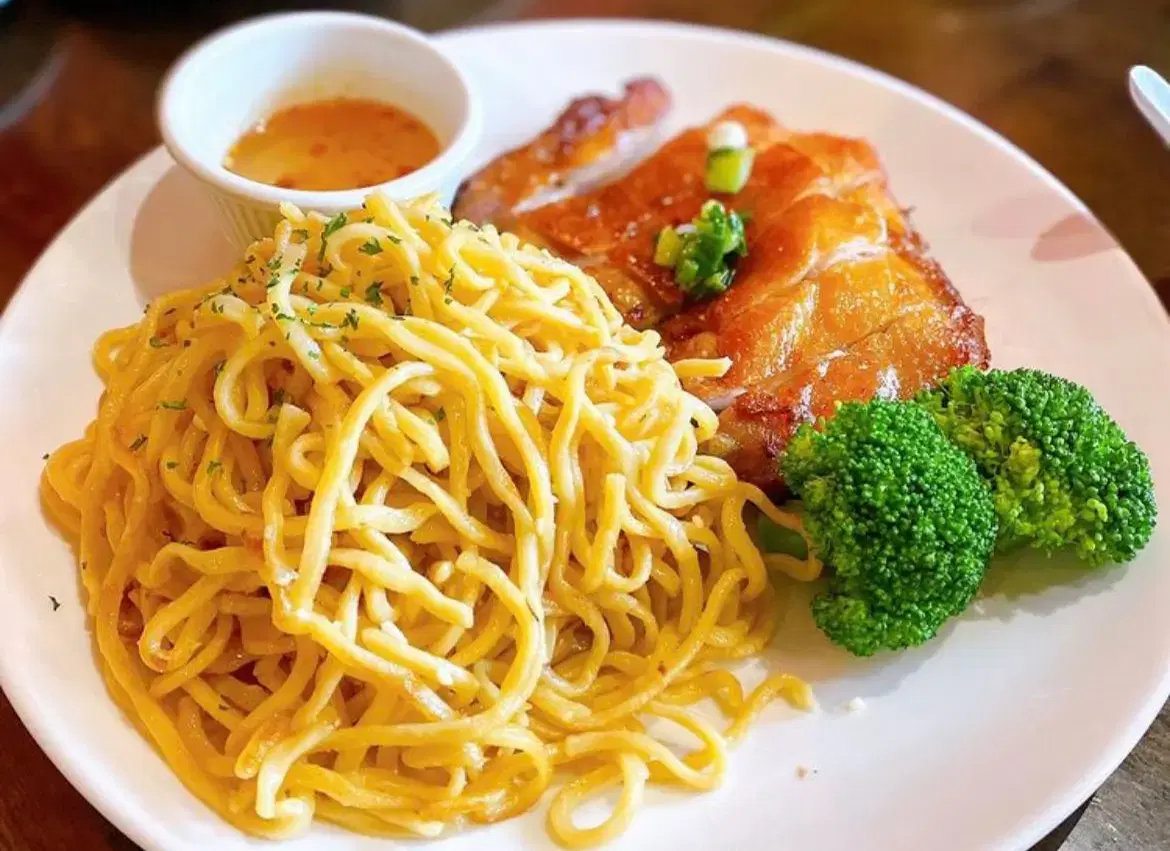
MingHin sits on South Archer Avenue in the heart of Chicago's Chinatown, representing the neighborhood's tradition of large-format dim sum served at high volume without ceremony. The dining room draws multigenerational Chinese-American families alongside a growing contingent of visitors from across the city, making it one of Chinatown's most reliably busy addresses on weekend mornings.
Pearl is the En Primeur Club membership app — saves, bookings, and concierge access live there. Same editors, same standards.
- Address
- 2168 S Archer Ave, Chicago, IL 60616
- Phone
- +13128081999
- Website
- minghincuisine.com
- Directions
- Get directions
 Saves & bookings on Pearl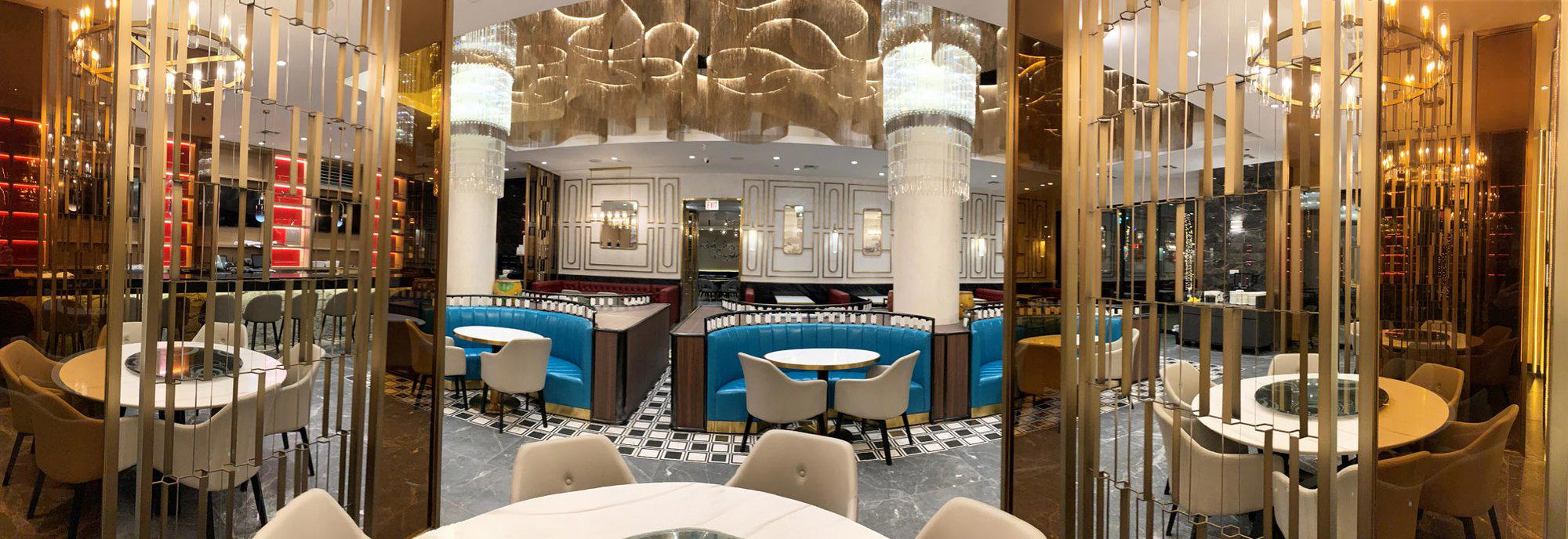
Chinatown's South Corridor and What It Produces
South Archer Avenue functions as the commercial spine of Chicago's Chinatown, a stretch where the priorities of the neighborhood are legible in the storefronts themselves: herbalists, roast-meat counters, bakeries, and at the northern end of the drag, the large dining rooms that have anchored the area's reputation for Cantonese cooking for decades. MingHin is a Cantonese dim sum restaurant in Chicago's Chinatown at 2168 S Archer Ave. MingHin is a neighborhood anchor, and its logic flows from the street outside rather than from any individual kitchen ambition.
Chicago's Chinatown is one of the few in the Midwest with genuine residential density behind its commercial face. The community it serves is not primarily a tourist demographic, and the restaurants that succeed here do so by satisfying regulars across generations before they court any outside attention. That dynamic shapes everything about how a venue like MingHin operates: scale, service pace, menu breadth, and the expectation that the room will be full before any reservation system could be said to matter.
The Dim Sum Tradition on This Block
Cantonese dim sum, at its most functional, is a form of communal eating designed around the yum cha tradition, the practice of drinking tea alongside small, shared plates that arrive in continuous rotation. In Hong Kong, the format has evolved across the full spectrum from street-level teahouses to the kind of refined service you find at addresses like 8 1/2 Otto e Mezzo Bombana in the broader luxury dining tier of that city. Chicago's Chinatown occupies a different register entirely. The dim sum houses here compete on throughput, variety, and price accessibility, not on refinement signals. The room at MingHin reflects that: large tables built for groups, a pace calibrated to turn over, and a menu broad enough to serve families whose members span four decades of taste preference in one sitting.
That breadth is actually one of the more demanding things to execute well. A dim sum kitchen managing dozens of active preparations simultaneously, from har gow and siu mai to turnip cake and egg tarts, is a logistically complex operation that receives less critical attention than the tasting-menu format that dominates Chicago's fine-dining conversation. The dim sum kitchen's challenge runs in the opposite direction: maintaining quality across a wide and simultaneous range.
Where MingHin Sits Against Its Chinatown Peers
Chicago's Chinatown has a short list of large-format dim sum houses, and MingHin competes within that specific cohort rather than against the broader city dining scene. The relevant comparison is not with the progressive American restaurants that dominate national coverage of Chicago eating, but with the other Cantonese dining rooms on and around Archer Avenue. Within that set, volume capacity and weekend wait times are the primary signals of where a venue stands. MingHin draws consistent weekend crowds, and arrival time correlates directly with wait length; this is a room that fills early and stays full through the late-morning service window.
| Venue | Format | Price Tier | Booking Logic |
|---|---|---|---|
| MingHin | Cantonese dim sum, large-format | Accessible | Walk-in dominant; arrive early on weekends |
| Kasama | Filipino, tasting menu + daytime bakery | $$$$ | Advance reservation essential |
| Alinea | Progressive American, tasting menu | $$$$ | Ticketed; books weeks to months ahead |
| Next Restaurant | American, rotating concept tasting menu | $$$$ | Ticketed system |
| Smyth | Progressive American, contemporary | $$$$ | Advance reservation recommended |
The Neighbourhood as Context for the Meal
Arriving at MingHin from outside Chinatown means passing through a neighborhood that does not bend its character toward visitors. The signage on Archer Avenue is predominantly Chinese, the bakeries are oriented toward a regular clientele, and the rhythm of the street on a Sunday morning is the rhythm of families and older residents on a weekly routine. That is the environment MingHin belongs to, and it shapes the experience in practical terms: the room operates at the pace the neighborhood expects, the menu is comprehensive enough to function as a weekly household staple, and the price point keeps it accessible to the demographic it has always served.
For visitors approaching from Chicago's better-documented dining neighborhoods, this is worth framing against the broader city context. MingHin exists in the second category, and the case for going is precisely that it makes no accommodation to the expectations of the first.
MingHin in American Dim Sum Context
Large-format Cantonese dim sum in American cities has historically clustered in a handful of major Chinatowns: San Francisco, Los Angeles, New York, and Chicago among them. The format Chicago inherited differs from the cart-service tradition still active in some older East Coast venues; MingHin, like several of its Chinatown peers, operates on an order-sheet or direct-order system, which allows for more efficient kitchen management and reduces the variance in dish temperature that cart service can introduce. That operational detail matters to the quality of what arrives at the table, even if it removes some of the theatrical element older visitors may associate with the format. For reference on how the fine-dining end of American Chinese-adjacent cooking has developed in a different direction, the trajectory visible at venues like Atomix in New York represents a separate and much more recent evolution in how Asian culinary traditions translate into the American tasting-menu format.
Planning Your Visit
Practical Notes
MingHin is at 2168 S Archer Ave in Chicago's Chinatown. Weekend mornings are the peak service window for dim sum in this format; arriving before 11am substantially reduces wait times. The venue operates in a walk-in dominant model, consistent with the norms of large-format Chinatown dim sum houses across American cities. Street parking on Archer is available but fills quickly on weekends; the CTA Red Line's Cermak-Chinatown stop places you within a short walk.
A Minimal comparable set
Comparable venues nearby, for context on price, style, and recognition.
| Venue | Cuisine | Price | Notes |
|---|---|---|---|
| MingHinThis venue — the venue you are viewing | Chinatown, Cantonese Dim Sum | $$ | Not listed |
| Nan Xiang Soup Dumplings | River North, Shanghainese Soup Dumplings | $$ | Not listed |
| Phoenix | Chinatown, Authentic Cantonese Dim Sum | $$ | Not listed |
| MCCB | Chinatown, Modern Sichuan & Cantonese | $$ | Not listed |
| Little Wok - Wicker Park | Not listed | $$ | Wicker Park, Asian Fusion (Chinese, Japanese, Thai) |
| Sze Chuan Cuisine | Chinatown, Authentic Szechuan | $$ | Not listed |
At a Glance
- Lively
- Classic
- Group Dining
- Brunch
- Family
- Private Dining
- Sake Program
Current opening hours
- Monday
- 9 AM–12 AM
- Tuesday
- 9 AM–12 AM
- Wednesday
- 9 AM–12 AM
- Thursday
- 9 AM–12 AM
- Friday
- 9 AM–12 AM
- Saturday
- 8 AM–12 AM
- Sunday
- 8 AM–12 AM
Hours can change for holidays and private events. Last verified .
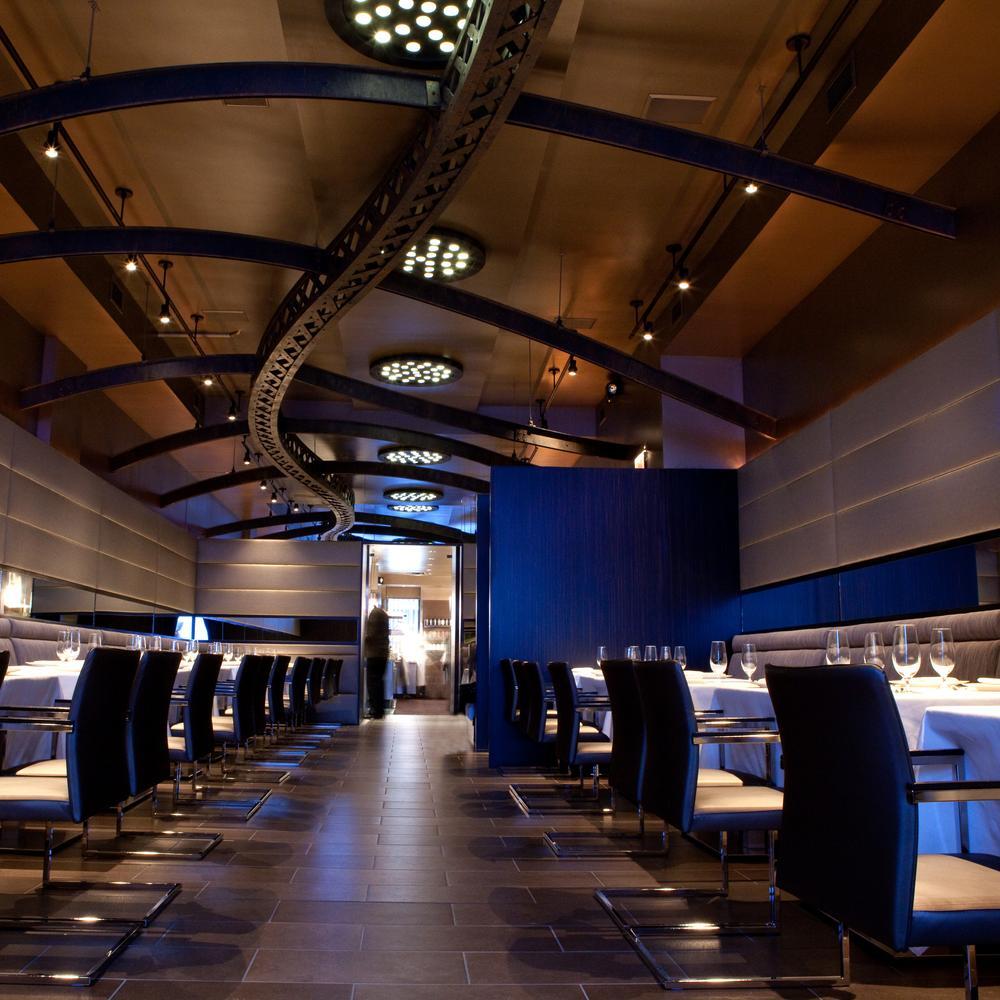
Spacious and bustling atmosphere ideal for dim sum dining with a refined Cantonese touch.