Google: 4.6 · 927 reviews

Mine Wine sits on Meinekestraße in Berlin's Charlottenburg district, holding a 3-Star Accreditation from the World of Fine Wine & Lifestyle Awards. The address places it within one of the city's more composed, old-money wine-bar corridors, where serious list depth and considered service set the tone. For visitors tracking Berlin's evolving wine culture, it warrants attention alongside the city's Michelin-credentialed dining circuit.

Charlottenburg's Wine Bar Moment
Berlin's wine culture has gone through a recognisable arc over the past decade. The city that once treated natural wine as countercultural provocation has matured into something more pluralist: a scene where minimal-intervention bottles share shelf space with classic European producers, and where the format of a wine bar now competes seriously with the restaurant proper. Charlottenburg, long outpaced by Mitte and Prenzlauer Berg in dining press coverage, has quietly assembled some of the city's most considered drinking rooms. Meinekestraße 10 sits inside that quieter story.
Mine Wine occupies a stretch of Charlottenburg that runs closer in character to Vienna or Munich than to the rawer registers of Kreuzberg. The surrounding streets carry a particular density of independent wine retail, private dining, and hotel bars oriented toward international travellers with unhurried itineraries. In that setting, a wine bar that holds a 3-Star Accreditation from the World of Fine Wine & Lifestyle Awards is not anomalous — it is the expected ceiling of what the neighbourhood aspires to produce.
What a 3-Star Accreditation Signals in Practice
The World of Fine Wine & Lifestyle Awards accreditation system operates on a tiered model that rewards list construction, service knowledge, and cellar depth rather than celebrity or concept novelty. A 3-Star result places Mine Wine in the upper tier of that framework. Across Germany, accreditations at this level cluster around a relatively small number of addresses: establishments with serious buyer relationships, meaningful back-vintage access, and front-of-house staff who can navigate producers across multiple European appellations without reaching for a tablet.
That credential matters as a comparative reference. Berlin's Michelin-credentialed restaurant circuit — places like Rutz, Nobelhart & Schmutzig, FACIL, and CODA Dessert Dining , invests heavily in wine programming as an extension of the kitchen's ambitions. A standalone wine bar holding the same calibre of list accreditation is operating in a different economy of attention: the wine itself is the primary event, not the supporting structure for a tasting menu. That distinction shapes everything about how an evening at Mine Wine is likely to unfold. See also Restaurant Tim Raue for Berlin's Chinese-inflected fine dining reference point, where the wine list's role is equally deliberate but formally different.
The Evolution of Berlin's Wine Bar Tier
A decade ago, Berlin's independent wine scene was dominated by low-intervention producers poured in rooms that deliberately resisted comfort. The aesthetic was corrugated metal and natural light; the list was built around skin-contact Georgian orange and Jura Savagnin. That moment produced a genuine cultural shift in how Berliners related to wine, but it also created a reaction: a quieter cohort of operators who wanted the rigour of serious European viticulture without the ideological framing.
The addresses that emerged from that second wave tend to work differently. They carry both sides of the stylistic divide , natural and conventional , and invest in staff who can explain why a particular Burgundy producer shifted winemaking approach across a decade rather than simply whether a label is certified organic. Mine Wine's 3-Star accreditation suggests it belongs to this more technically grounded tier, where the list is evaluated on breadth, sourcing intelligence, and service depth rather than tribal affiliation.
That evolution mirrors what has happened in more established European wine-bar cities. In London, Paris, and Vienna, the most durable independent wine bars of the past five years are neither cave à manger operations nor hotel sommeliers moonlighting , they occupy a middle register where the list is serious enough to attract collectors but the format is accessible enough to hold a regular neighbourhood trade. Berlin is still building that middle register, and the Charlottenburg cluster represents one of its more coherent expressions.
Planning a Visit: Address, Timing, and Context
Mine Wine is at Meinekestraße 10, 10719 Berlin, in the Charlottenburg district. The address is a short walk from Kurfürstendamm and served by the Spichernstraße U-Bahn station, making it reachable without significant navigation from most central Berlin hotels. Charlottenburg's wine-focused corridor is most rewarding visited in the early evening before a late dinner reservation elsewhere, or as a destination in its own right for visitors who prefer a wine-led format over a fixed tasting menu.
Berlin's wine bar scene concentrates activity from Thursday through Saturday, when the city's hospitality traffic peaks and list-driven venues see their highest throughput. Visiting on a quieter midweek evening tends to allow for more substantive conversation with staff about the list , an asset at any accredited venue where service knowledge is part of the proposition. Contact and booking details are not confirmed in our current data; checking directly via search before a visit is advisable.
For visitors building a broader Berlin itinerary, the EP Club guides to Berlin restaurants, Berlin bars, Berlin hotels, Berlin wineries, and Berlin experiences cover the fuller circuit.
Mine Wine in the German Wine Bar Context
Germany's premium wine bar tier has expanded considerably since 2015, with serious independent addresses now operating in Munich, Hamburg, Cologne, and the wine-growing regions of the Rhineland and Baden. The strongest German comparators for list ambition tend to cluster around cities with existing fine dining infrastructure: Aqua in Wolfsburg, JAN in Munich, Schwarzwaldstube in Baiersbronn, Vendôme in Bergisch Gladbach, ES:SENZ in Grassau, and Restaurant Haerlin in Hamburg all operate wine programs with accreditation-level depth, but as components of full restaurant experiences. Mine Wine's standalone format is comparatively rare at the 3-Star accreditation tier within Germany.
Internationally, the standalone wine bar holding equivalent list credentials competes against restaurant dining as a format, not just as a category. Le Bernardin in New York City and Emeril's in New Orleans represent the kind of institutional wine seriousness that develops inside a full-service kitchen environment. Mine Wine's achievement is making a comparable case without the restaurant scaffolding around it.
Comparable Spots
A quick comparison pulled from similar venues we track in the same category.
| Venue | Cuisine | Price | Notes |
|---|---|---|---|
| Mine Wine | This venue | ||
| CODA Dessert Dining | Creative | €€€€ | Creative, €€€€ |
| Rutz | Modern European, Modern Cuisine | €€€€ | Modern European, Modern Cuisine, €€€€ |
| Nobelhart & Schmutzig | Modern German, Creative | €€€€ | Modern German, Creative, €€€€ |
| FACIL | Contemporary European, Creative | €€€€ | Contemporary European, Creative, €€€€ |
| Horváth | Modern Austrian, Creative | €€€€ | Modern Austrian, Creative, €€€€ |
At a Glance
- Elegant
- Cozy
- Modern
- Intimate
- Sophisticated
- Date Night
- Business Dinner
- Special Occasion
- Wine Cellar
- Private Dining
- Extensive Wine List
- Sommelier Led
- Biodynamic
- Street Scene
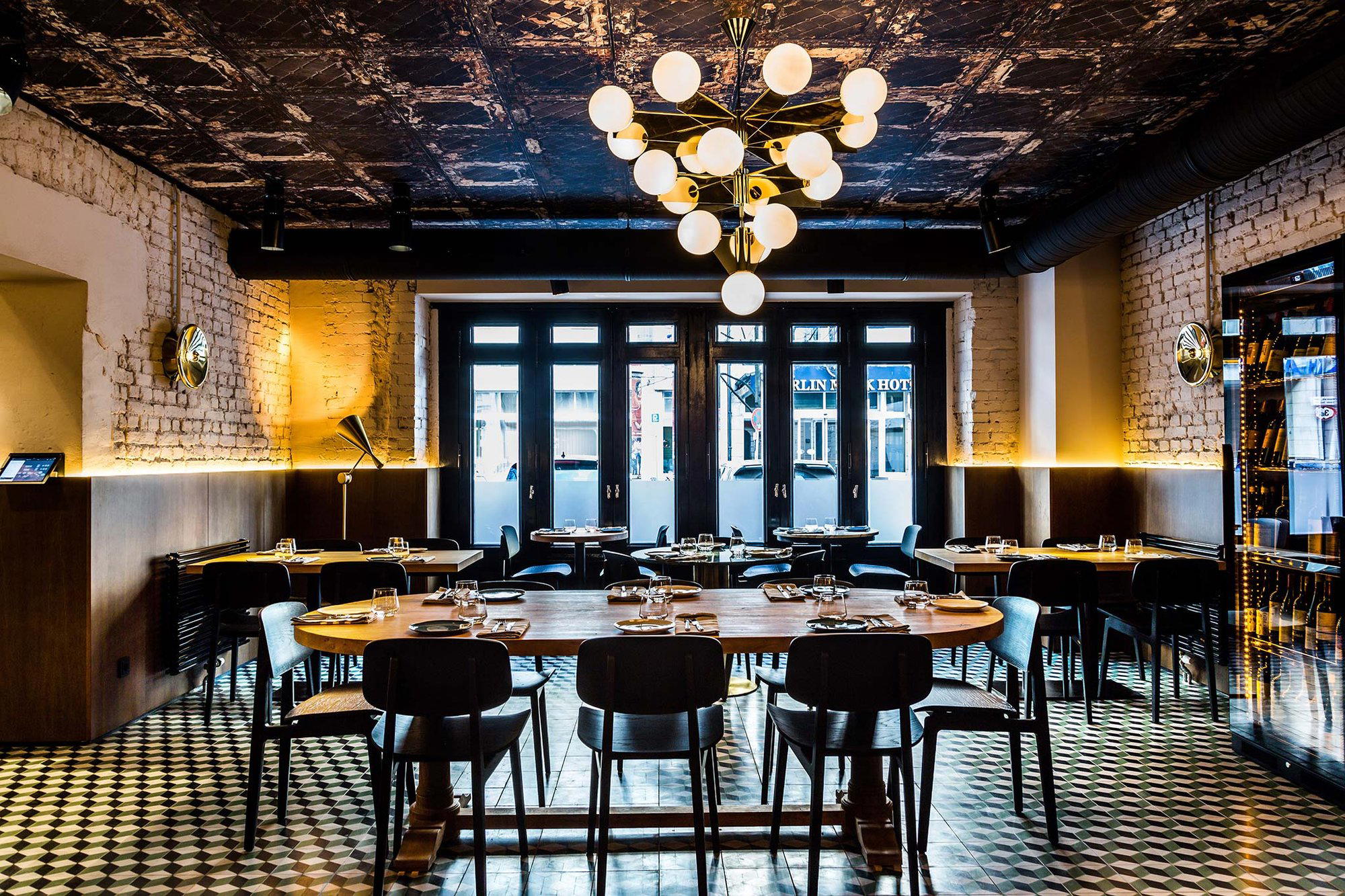
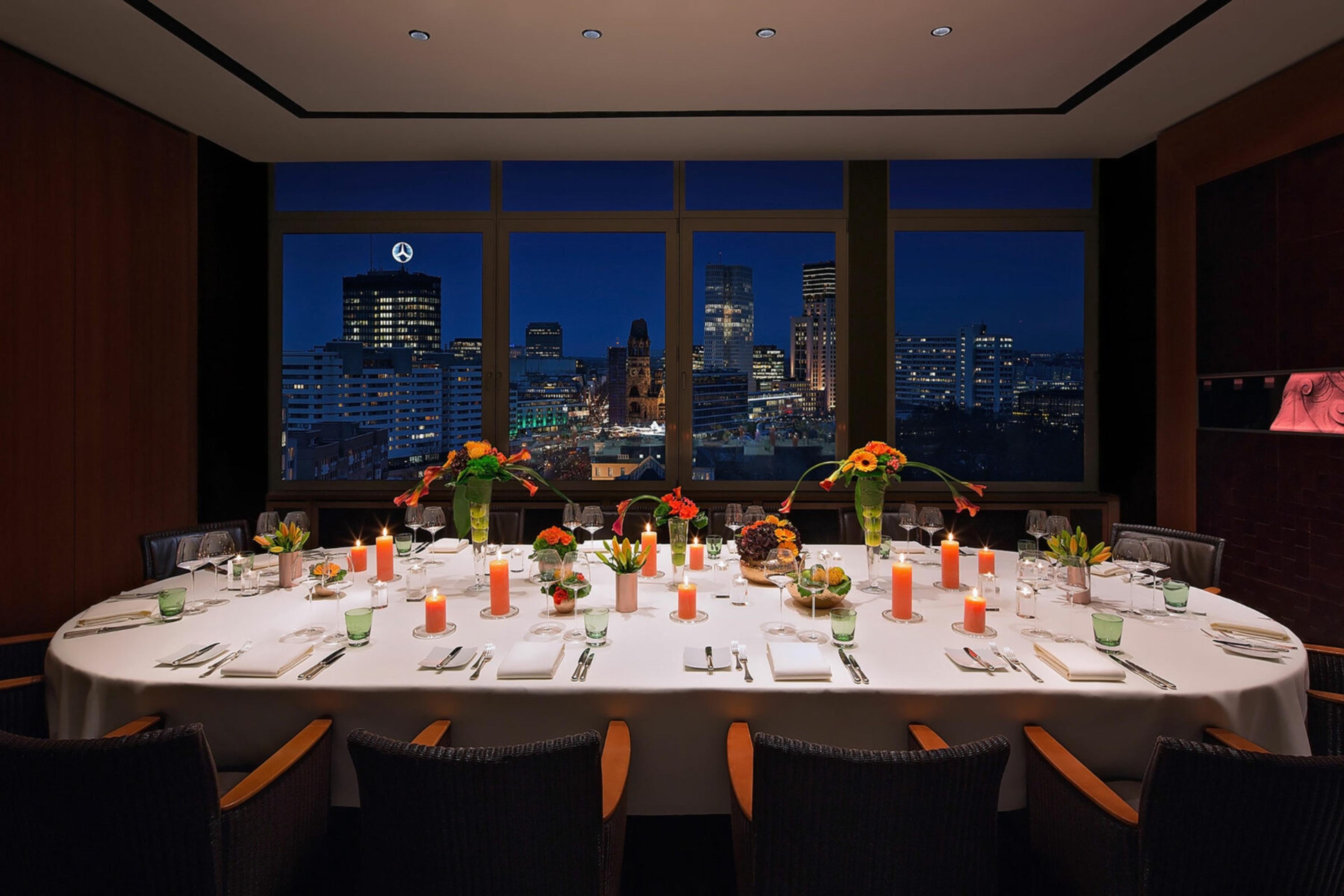
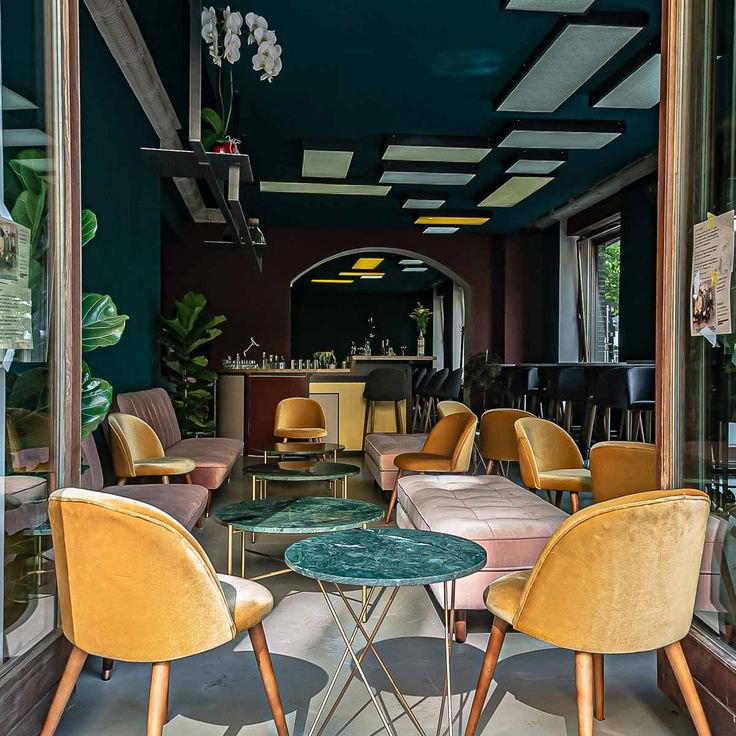
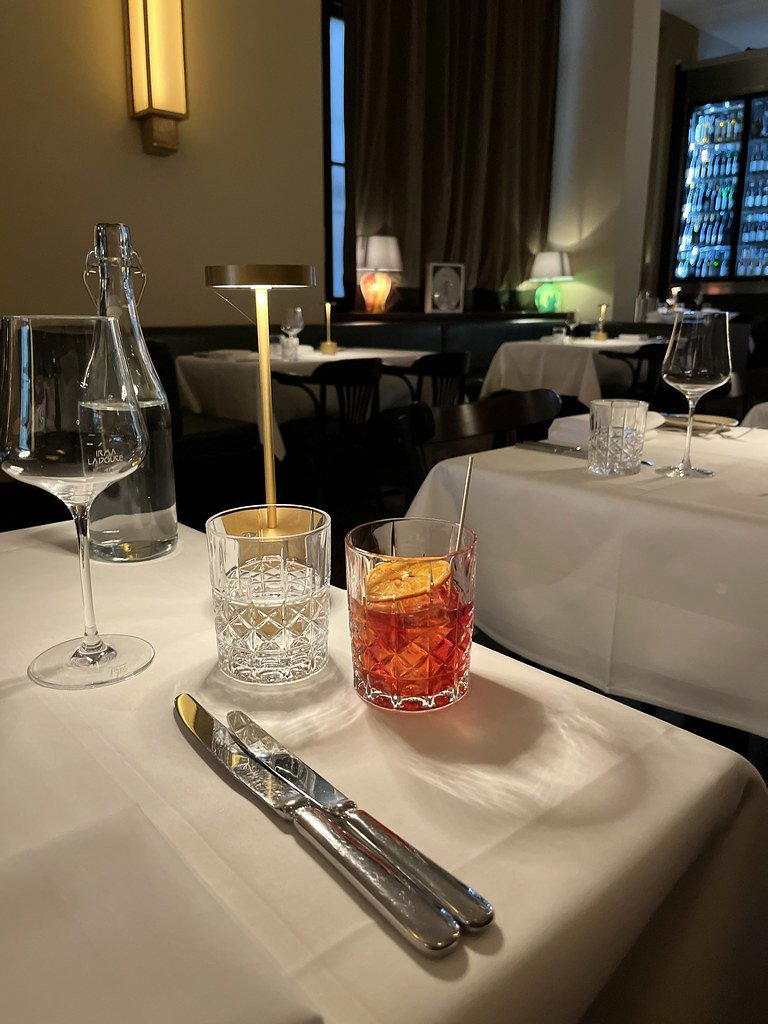
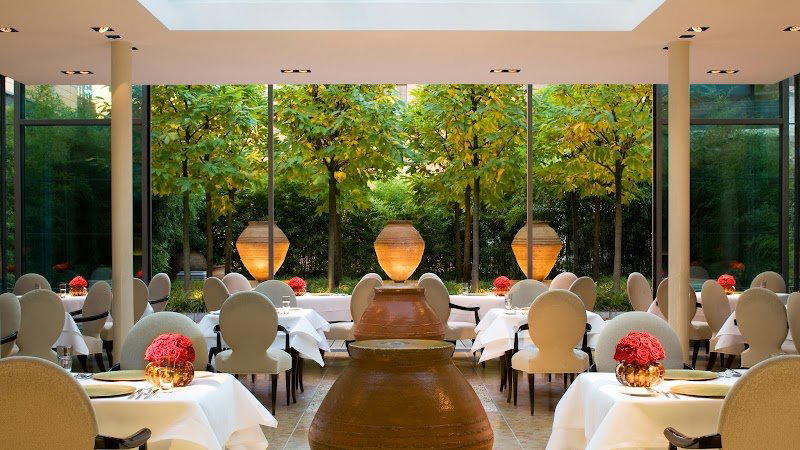
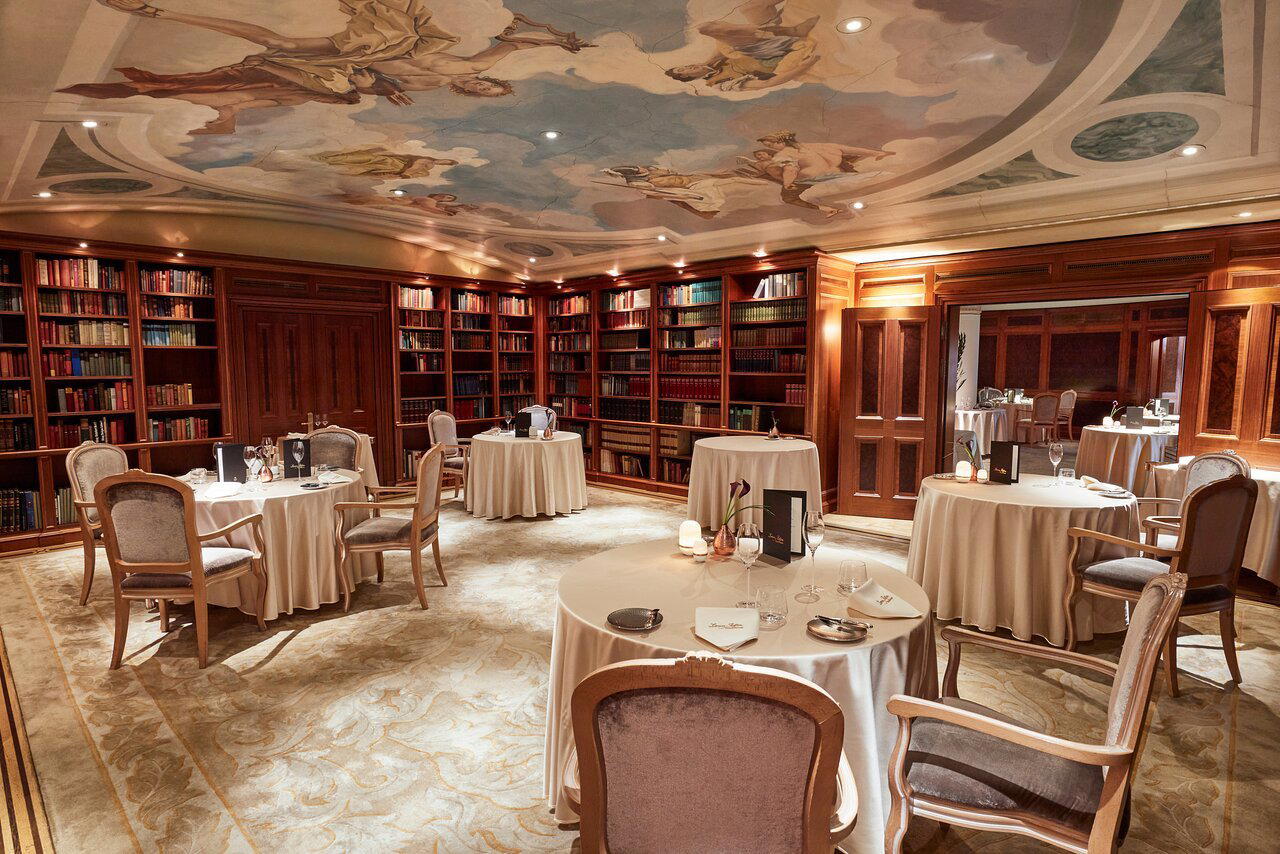
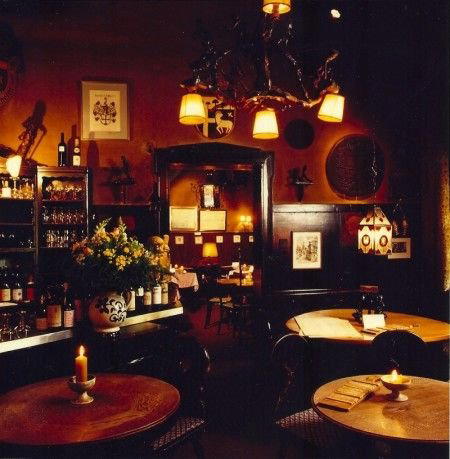
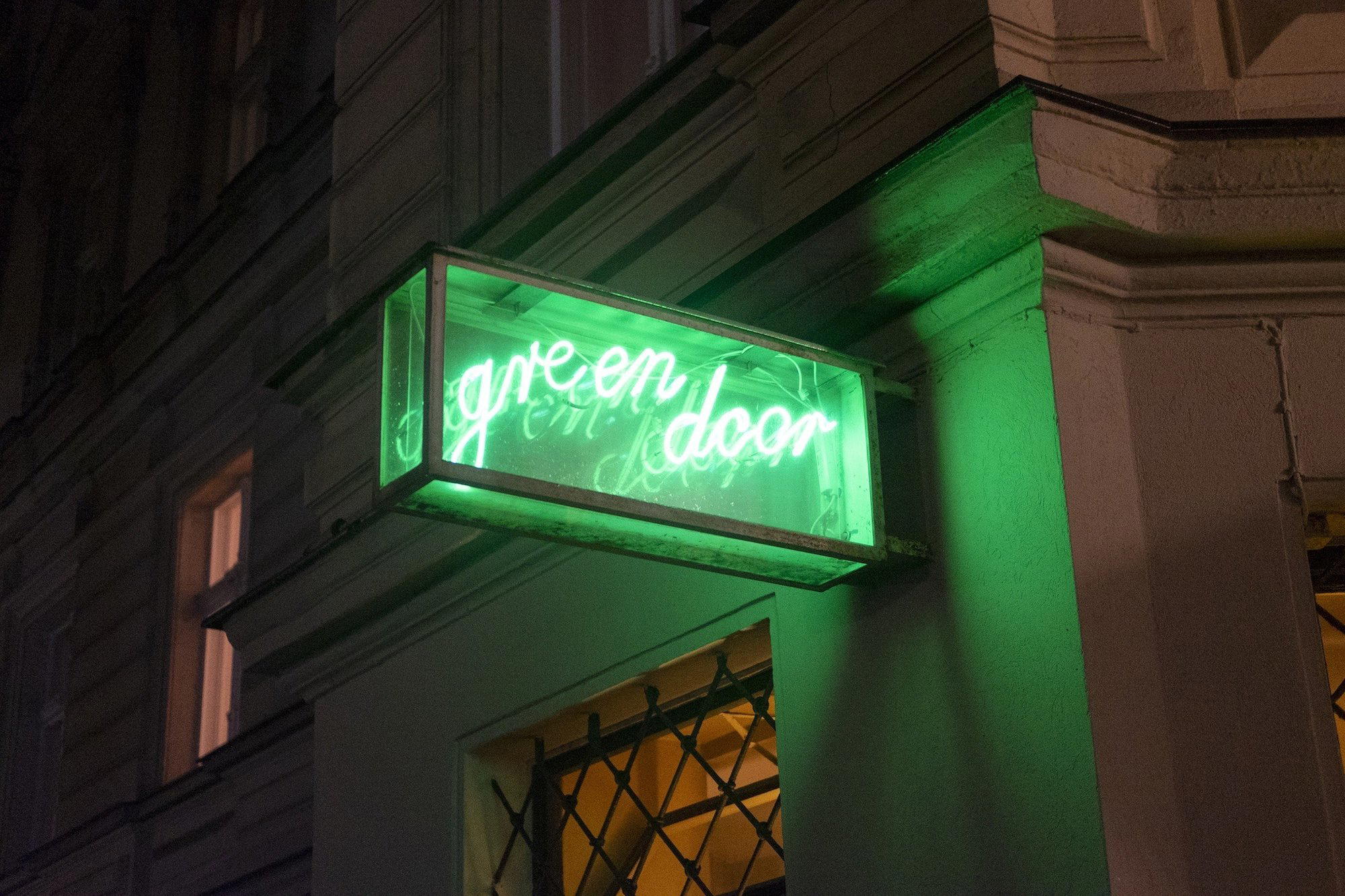
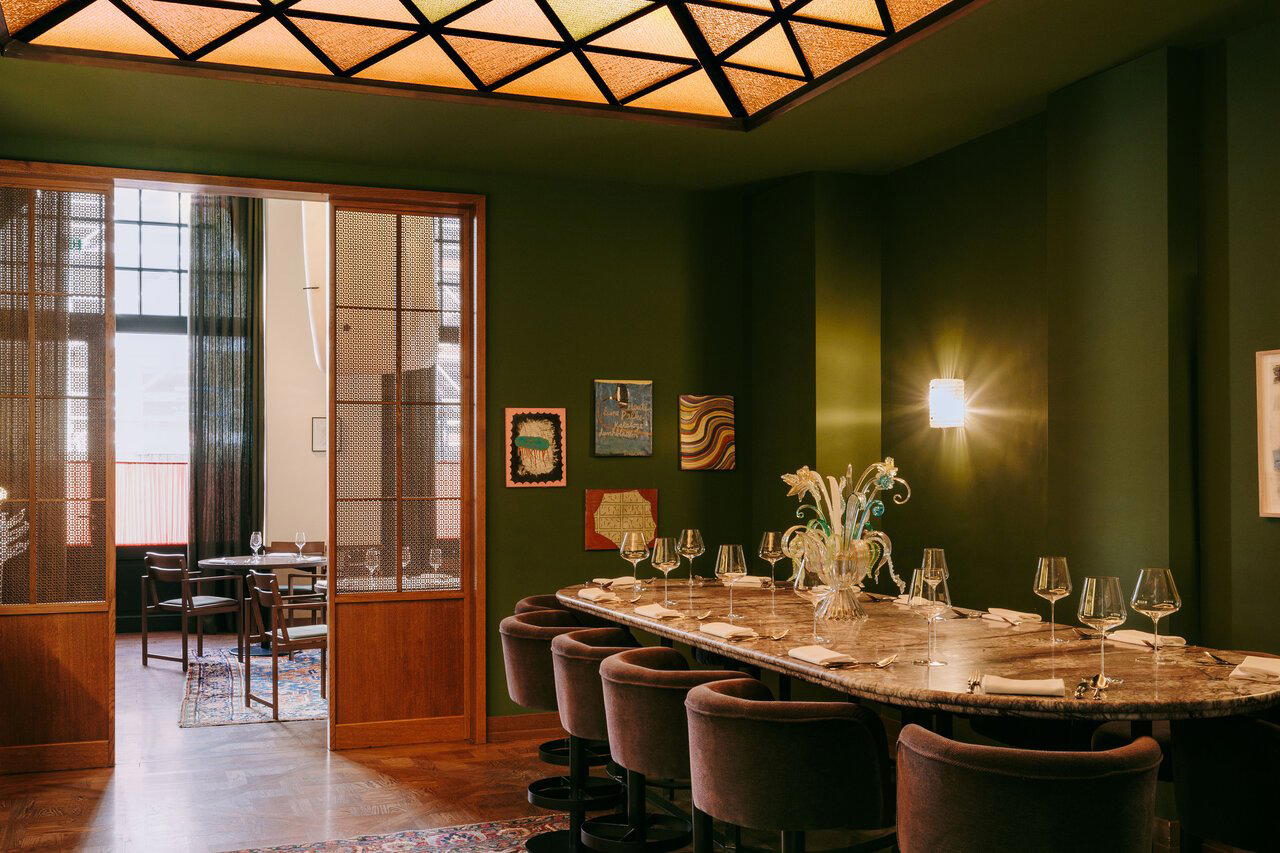
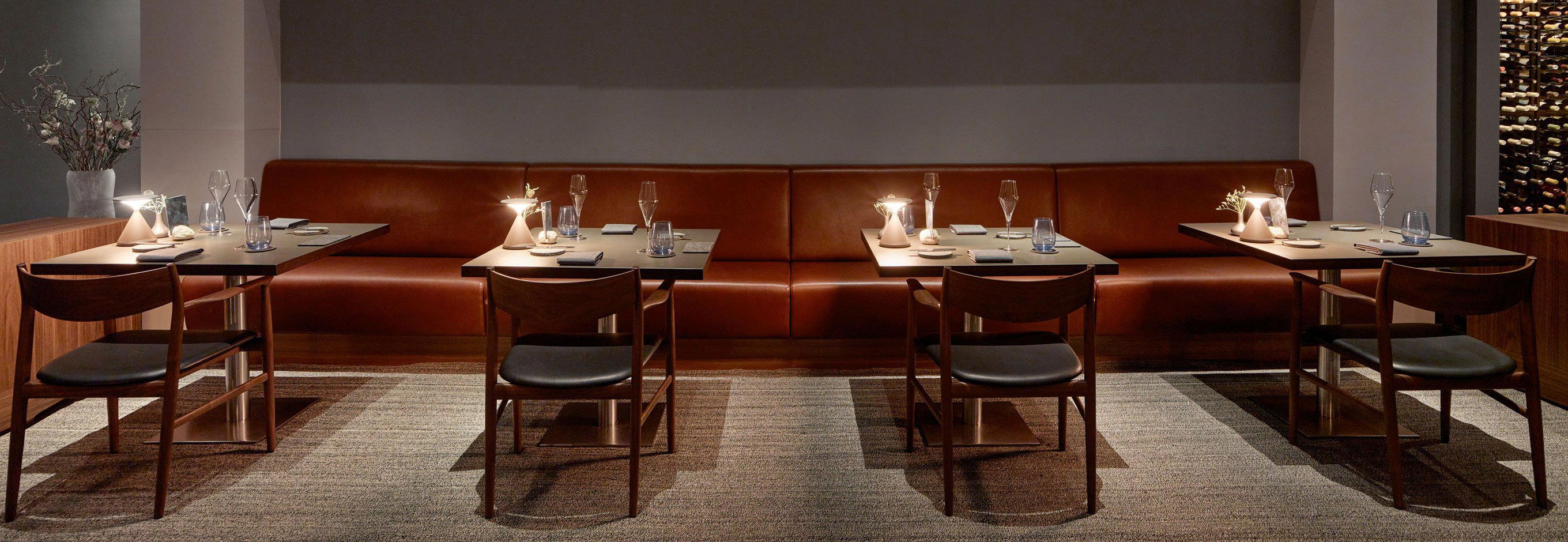
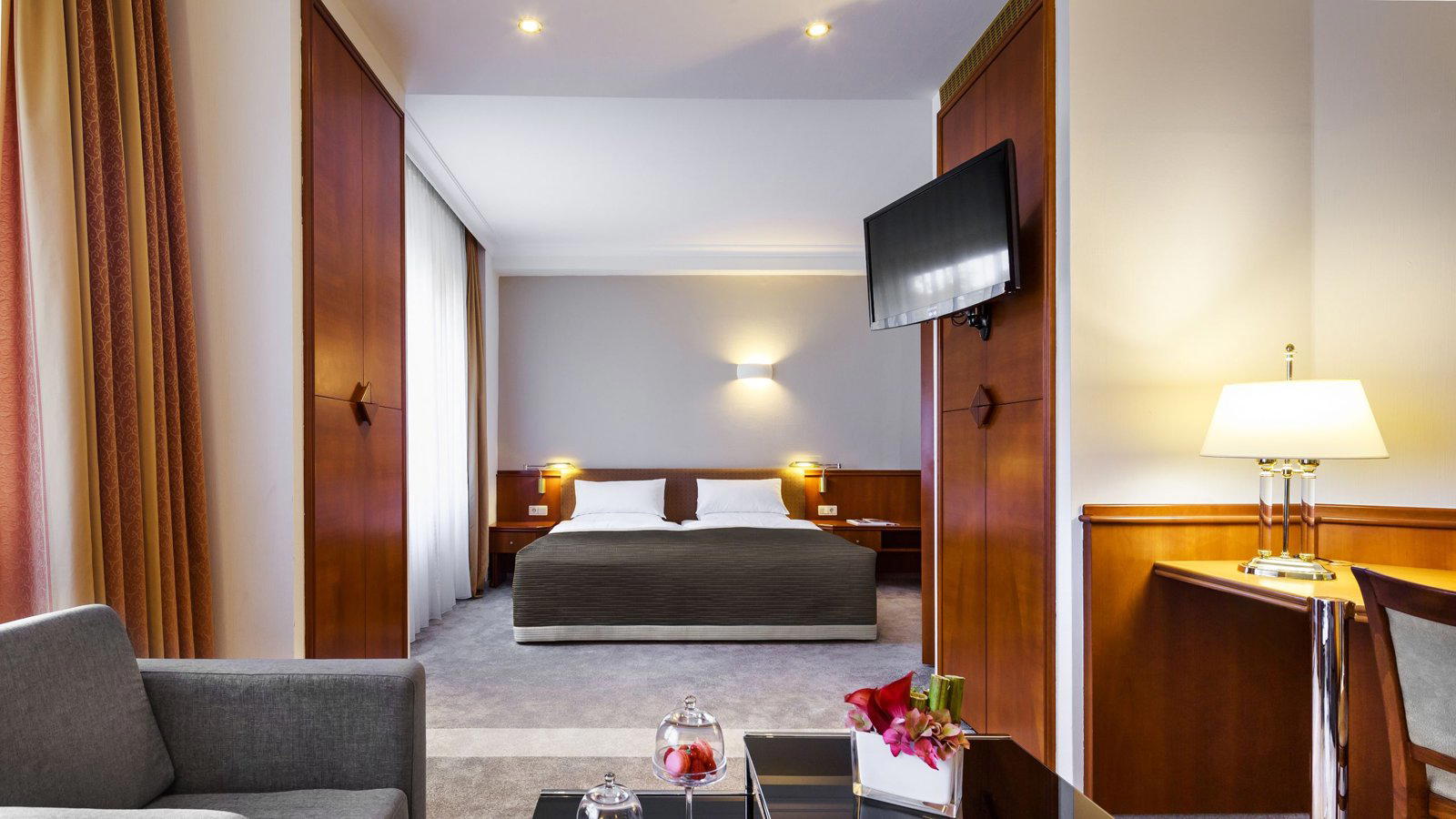
Chic and cozy with stylish simplicity and elegance, warm lighting, and an intimate atmosphere enhanced by large open glass doors offering street views.