
Bardele brings Italian contemporary cooking to Auguststraße in Berlin's Mitte district, earning a Michelin Plate in 2025 under chef Tyler Hanse. The kitchen works within a tradition that prizes ingredient provenance and seasonal restraint, a counterpoint to Berlin's heavier northern European dining scene. At the €€€ price tier, it occupies a deliberate middle ground between accessible neighbourhood Italian and the city's upper-bracket creative tables.
Pearl is the En Primeur Club membership app — saves, bookings, and concierge access live there. Same editors, same standards.
- Address
- Auguststraße 36, 10119 Berlin, Germany
- Phone
- +49 30 44013678
- Website
- bardeleberlin.com
- Directions
- Get directions
 Saves & bookings on Pearl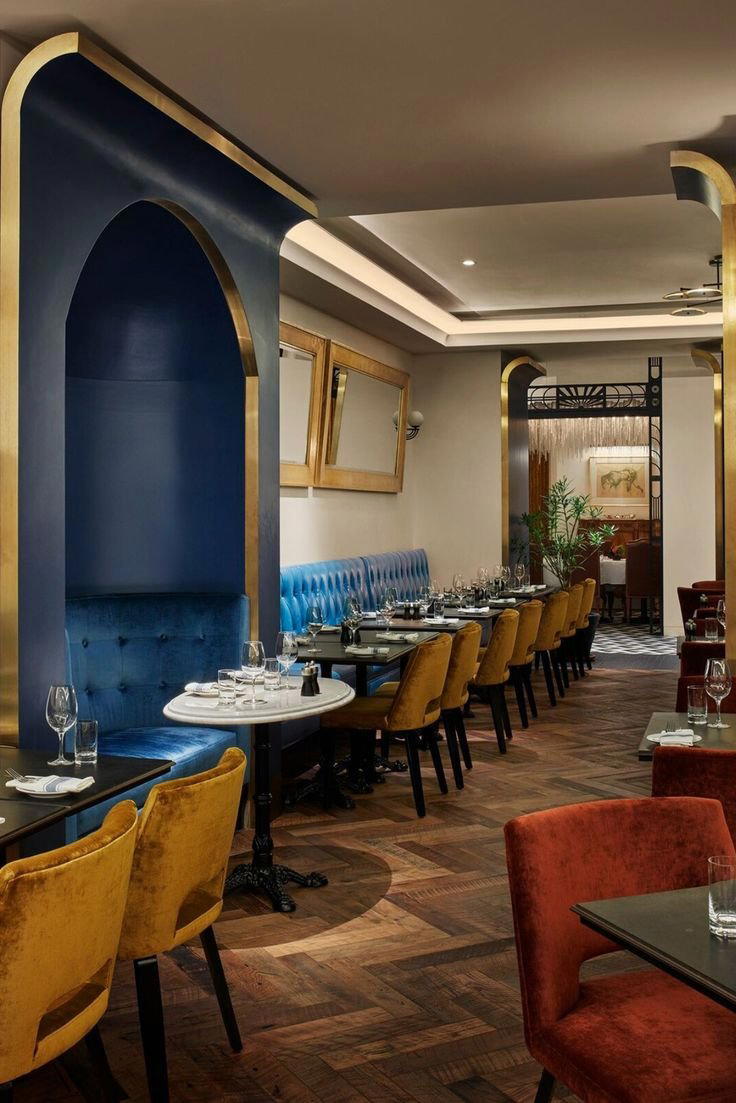
Italian Provenance in a Northern European City
Auguststraße runs through one of Berlin's most architecturally layered streets, gallery spaces, and converted courtyards. The dining culture along this stretch has historically skewed creative and international, which makes it a plausible address for a kitchen that operates from Italian contemporary principles without the self-consciousness that sometimes comes with transplanting a cuisine into unfamiliar territory.
Italian contemporary, as a category, has moved well beyond the red-sauce and pasta conventions that once defined Italian cooking abroad. In its current form, it tends to organise itself around DOP-designated ingredients, strict seasonal windows, and a supply chain that traces back to named producers, a philosophy that sits closer to Italian alta cucina than to the casual trattoria tradition. Bardele works within this framework.
Where Bardele Sits in Berlin's Dining Order
Berlin's Michelin-recognised restaurant tier includes kitchens working in modern European and creative German idioms. Rutz, operating at three Michelin stars, represents the upper ceiling of that tradition. FACIL and CODA Dessert Dining each hold two stars and operate at the €€€€ price tier. Nobelhart & Schmutzig, with one star, has built its reputation specifically around regional German sourcing with a rigour that made it a reference point in the city's provenance conversation.
Bardele's Michelin Plate in 2025 places it inside that recognised tier without competing directly against the city's starred tables. At €€€, it also prices below the €€€€ bracket that FACIL, CODA, and Rutz occupy, which puts it in a different access tier for the reader.
Italian contemporary in Berlin operates in a relatively small category. The city's most ambitious Italian-aligned kitchens are fewer in number than their counterparts in Frankfurt or Munich, which means Bardele is not competing in a crowded local Italian field. Across Germany more broadly, Italian contemporary has found its most prominent expressions in different contexts: Agli Amici in Rovinj and L'Olivo in Anacapri represent the form at its most geographically embedded, where proximity to Italian producers removes the logistical friction that kitchens in northern Europe must work harder to overcome.
The Provenance Argument on a Berlin Plate
The editorial angle that matters most when reading Bardele's positioning is ingredient provenance. Italian contemporary, when it is operating at its most serious, is essentially an argument about raw material quality, the idea that a DOP-certified Parmigiano Reggiano aged to a specific month, or a Sicilian extra-virgin oil from a named estate, or a Ligurian anchovy from a specific producer, changes what a dish can communicate. The cooking becomes a delivery mechanism for the ingredient rather than a transformation of it.
This approach creates a particular challenge for Italian kitchens operating outside Italy. The supply chain for genuine artisan Italian ingredients, not the commodified versions that appear in wholesale catalogues under Italian-sounding names, but the actual small-producer goods, requires relationships, minimum orders, and logistics that add cost and complexity. Kitchens that get this right tend to signal it through their sourcing vocabulary: named producers, specific regions of origin, varietals and aging windows rather than generic category descriptions.
Chef Tyler Hanse working within this framework at Auguststraße 36 helps situate Berlin's appetite for ingredient-led Italian cooking. A Michelin Plate in 2025 confirms the guide's acknowledgement that the kitchen is executing at a recognised level. For readers building an itinerary that includes Italian contemporary, Bardele represents the entry point into that category within Berlin's Michelin-acknowledged tier.
Booking and Planning
Bardele is located at Auguststraße 36 in the 10119 postcode, which puts it in the heart of Berlin Mitte, within walking distance of the Hackescher Markt S-Bahn station and the gallery cluster that extends along the street. The Mitte neighbourhood rewards early evenings on foot, the light along Auguststraße in summer holds long after dinner service begins, and the neighbourhood's density of independent spaces makes it a sensible base for a wider evening. At the €€€ price tier, Bardele represents a meaningful but not prohibitive spend by Berlin standards, sitting below the four-symbol brackets of the city's starred tables while occupying a position above the casual end of the dining spectrum.
Italian Contemporary Across Germany
Readers with interest in Italian contemporary cooking across the German-speaking region will find the category approached differently at other kitchens. JAN in Munich and Aqua in Wolfsburg represent the upper end of fine dining in their respective cities, while the southern German and Baden-Württemberg scene, including Schwarzwaldstube in Baiersbronn and Vendôme in Bergisch Gladbach, shows how classical French-influenced fine dining and German haute cuisine intersect. For Italian contemporary with strong provenance credentials in its home geography, ES:SENZ in Grassau and Restaurant Haerlin in Hamburg offer adjacent reference points. The Berlin wineries guide covers the regional wine context for those building a fuller picture of the city's drinking scene alongside its dining one.
Comparable Venues
Comparable venues nearby, for context on price, style, and recognition.
| Venue | Cuisine | Price | Awards | Notes |
|---|---|---|---|---|
| BardeleThis venue — the venue you are viewing | Italian Contemporary Trattoria | $$$ | Michelin Plate | Not listed |
| MINA Ristorante | Modern Italian with Levantine influences | $$$ | Not listed | Friedrichshain |
| Caravaggi Bistro | Contemporary Italian Bistro with Natural Wines | $$$ | Not listed | Prenzlauer Berg |
| Standard | Neapolitan Pizza | $$ | Not listed | Prenzlauer Berg |
| Cecconi's Berlin | Northern Italian | $$$ | Not listed | Prenzlauer Berg |
| Crackers | Modern Fusion Bistro | $$$ | Michelin Plate | Mitte |
Recognition history
Dated appearances from independent guides and award organizations, with the underlying list record or original source where available.
Michelin Plate
Michelin
Michelin Plate
Michelin
At a Glance
- Elegant
- Sophisticated
- Cozy
- Trendy
- Date Night
- Special Occasion
- Open Kitchen
- Extensive Wine List
- Local Sourcing
Current opening hours
- Monday
- 6–11 PM
- Tuesday
- 6–11 PM
- Wednesday
- 6–11 PM
- Thursday
- 6–11 PM
- Friday
- 6–11 PM
- Saturday
- 6–11 PM
- Sunday
- Closed
Hours can change for holidays and private events. Last verified .
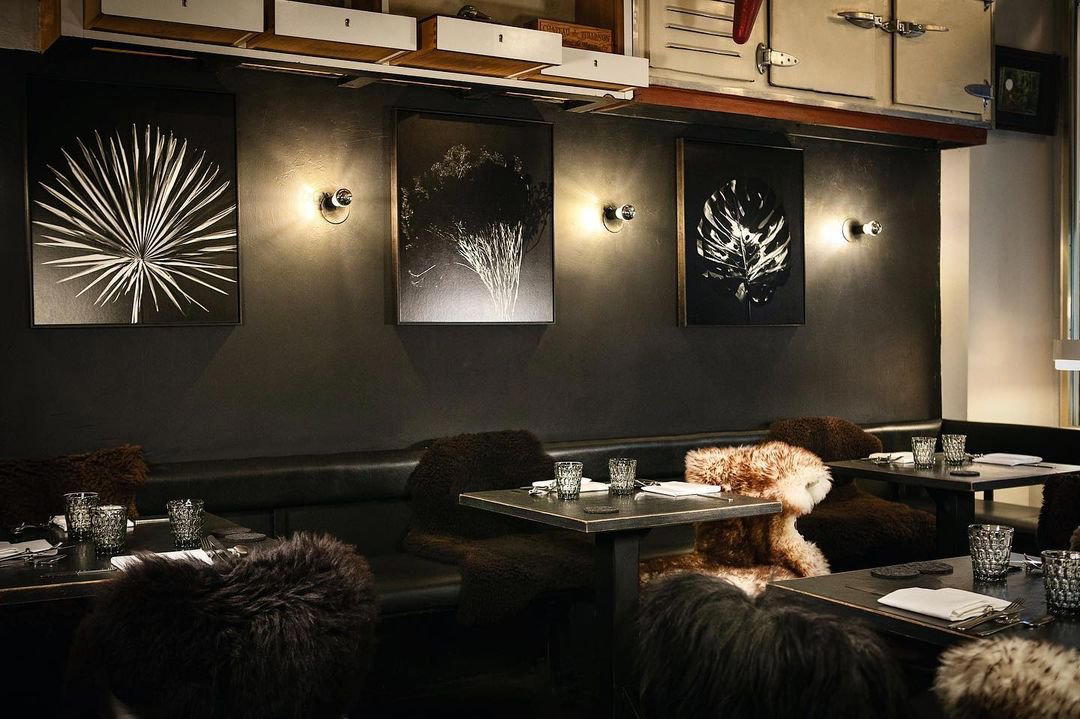
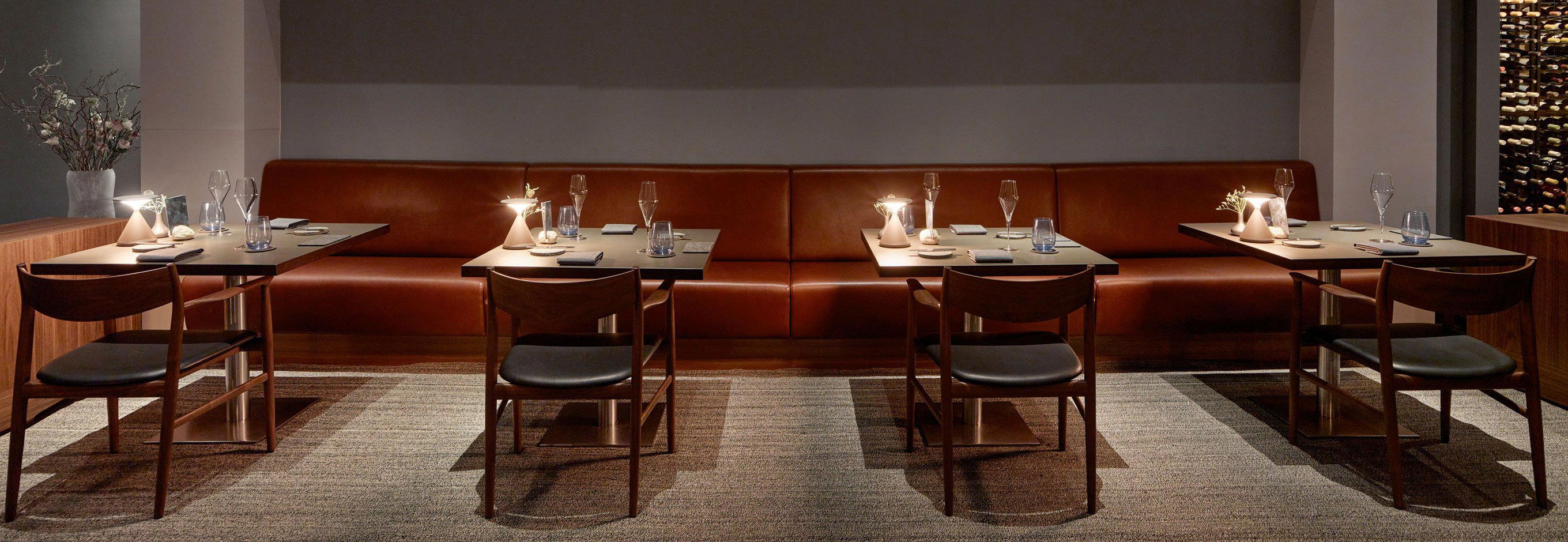
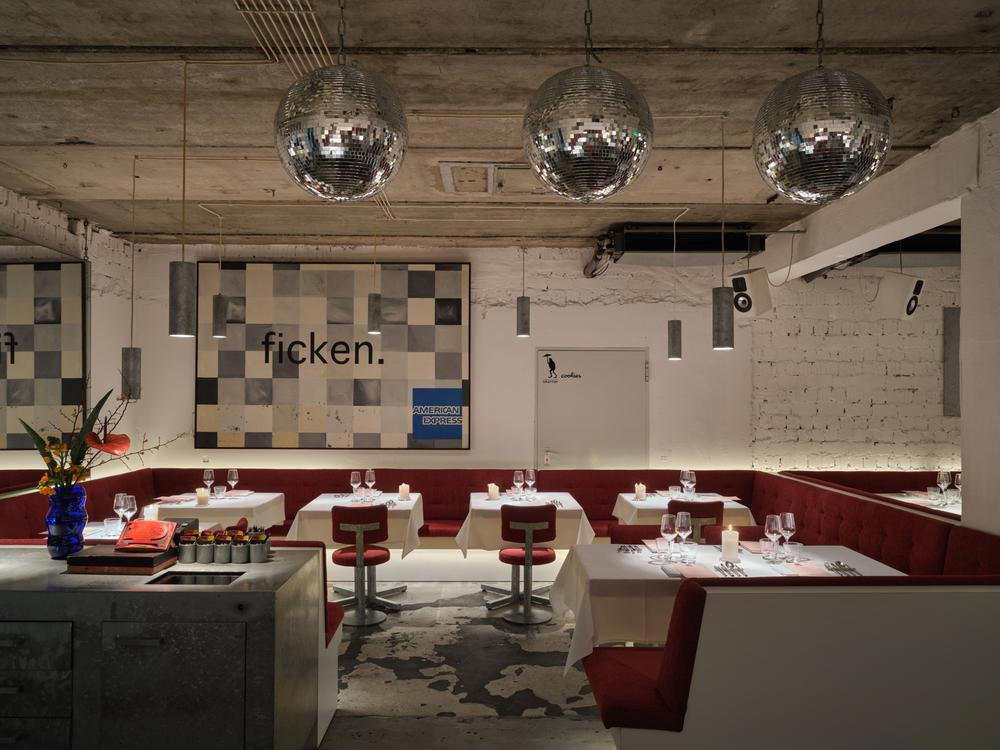
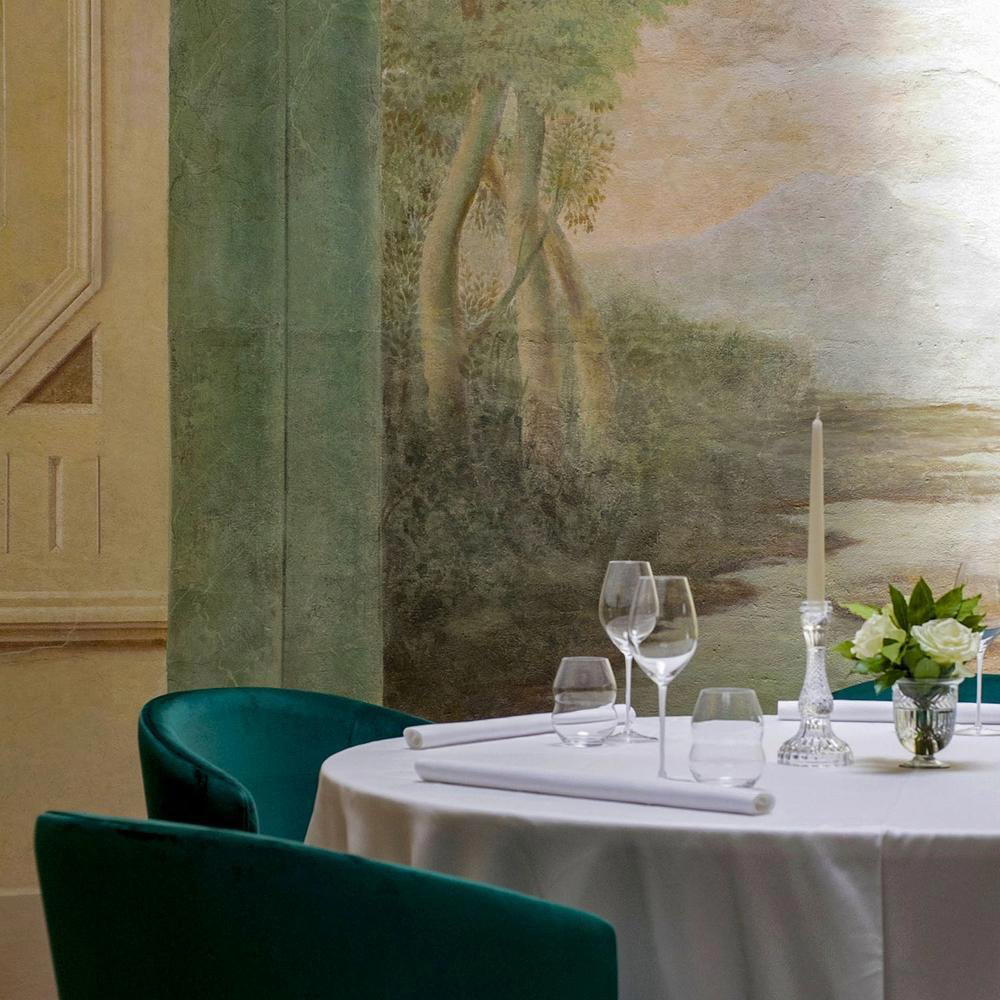
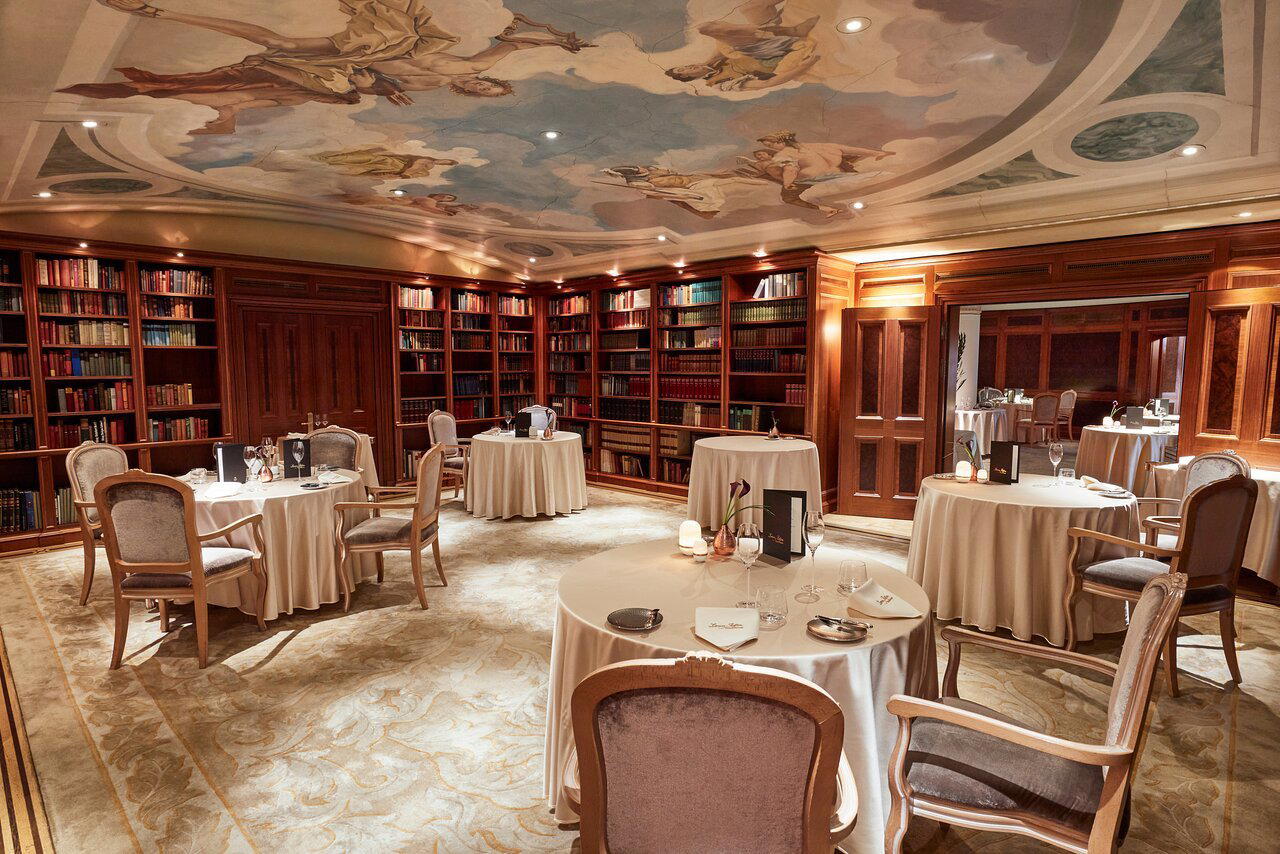
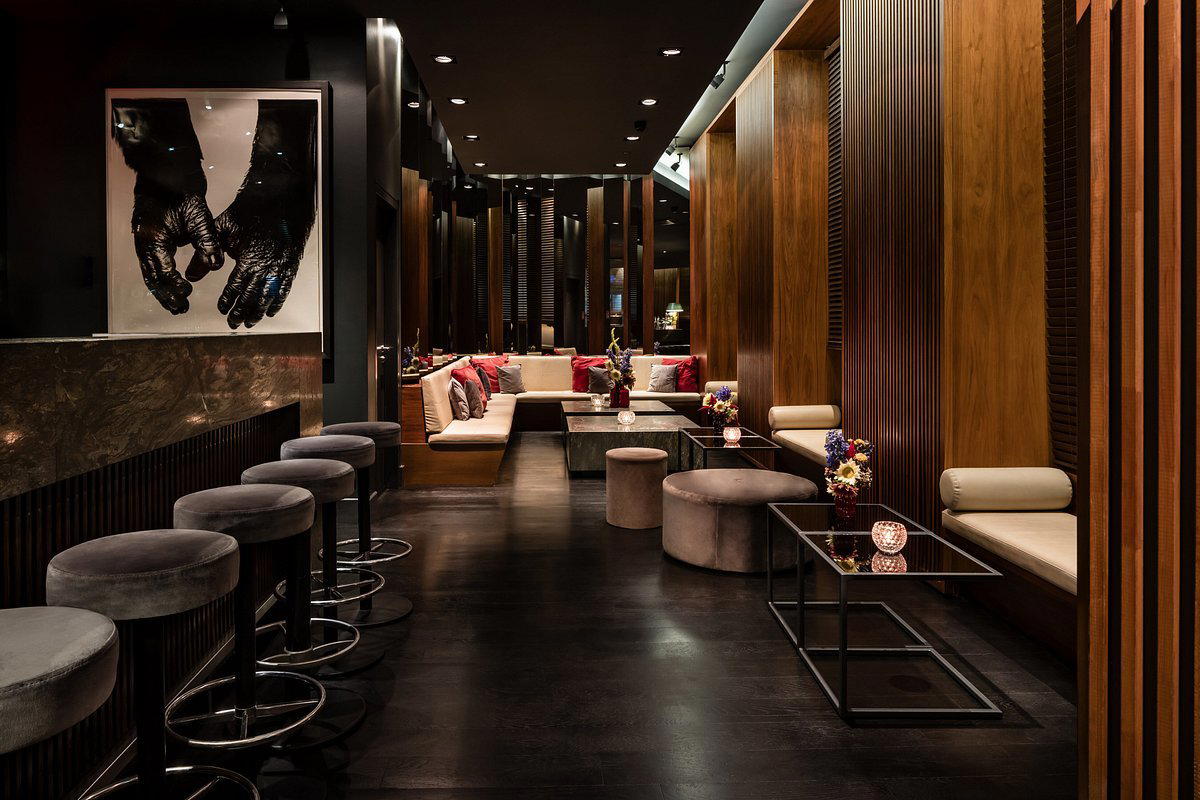
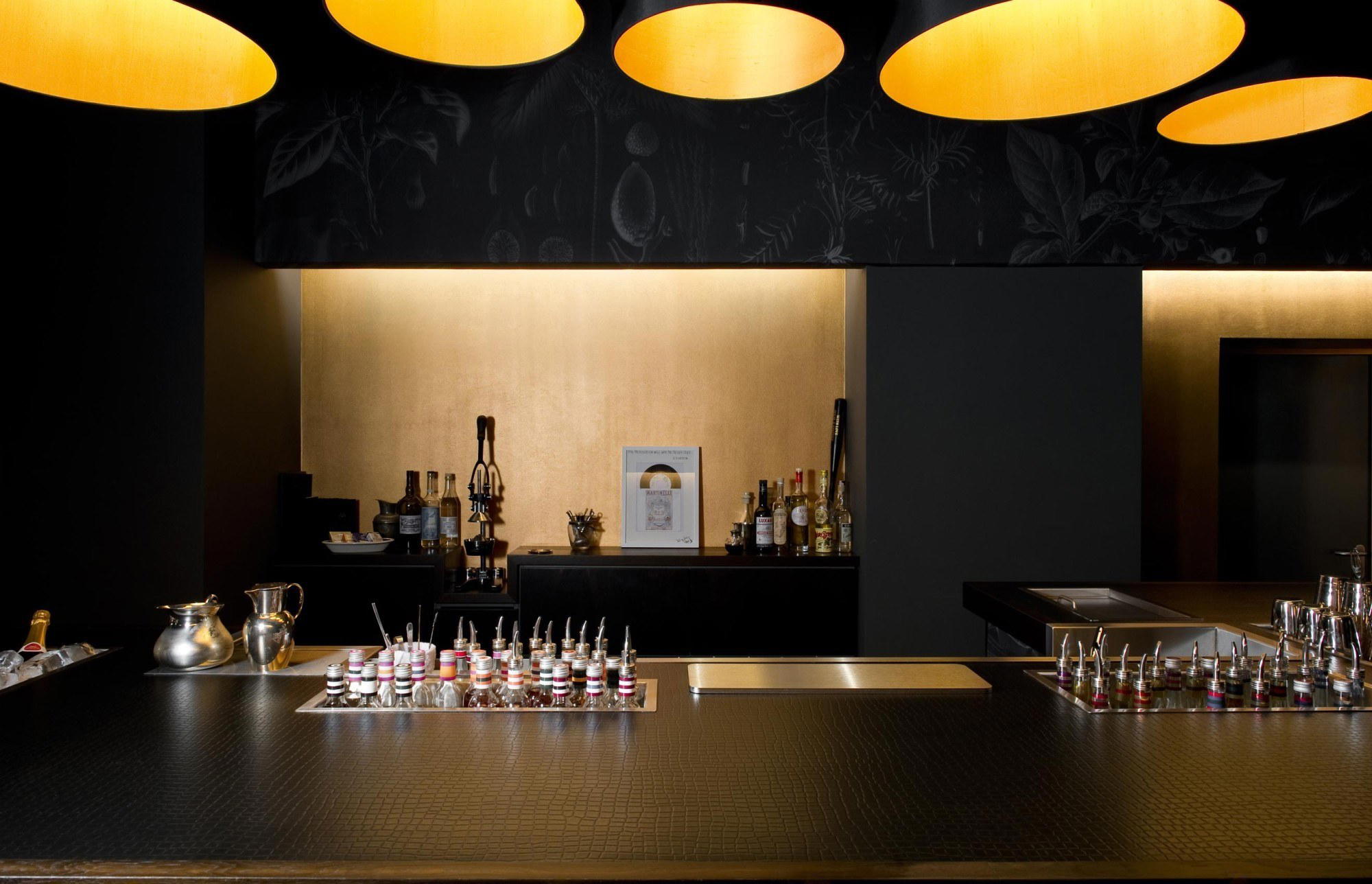
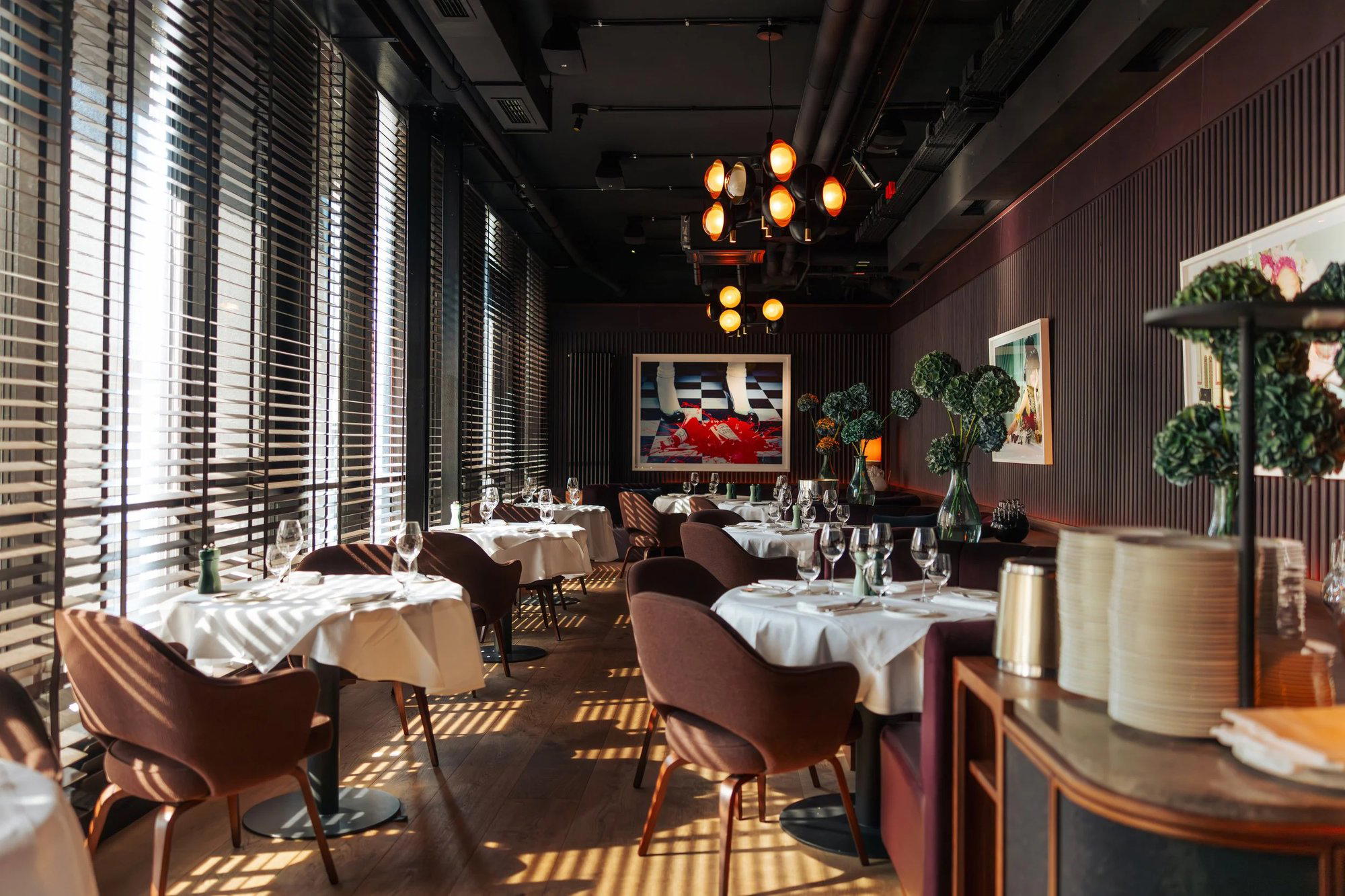
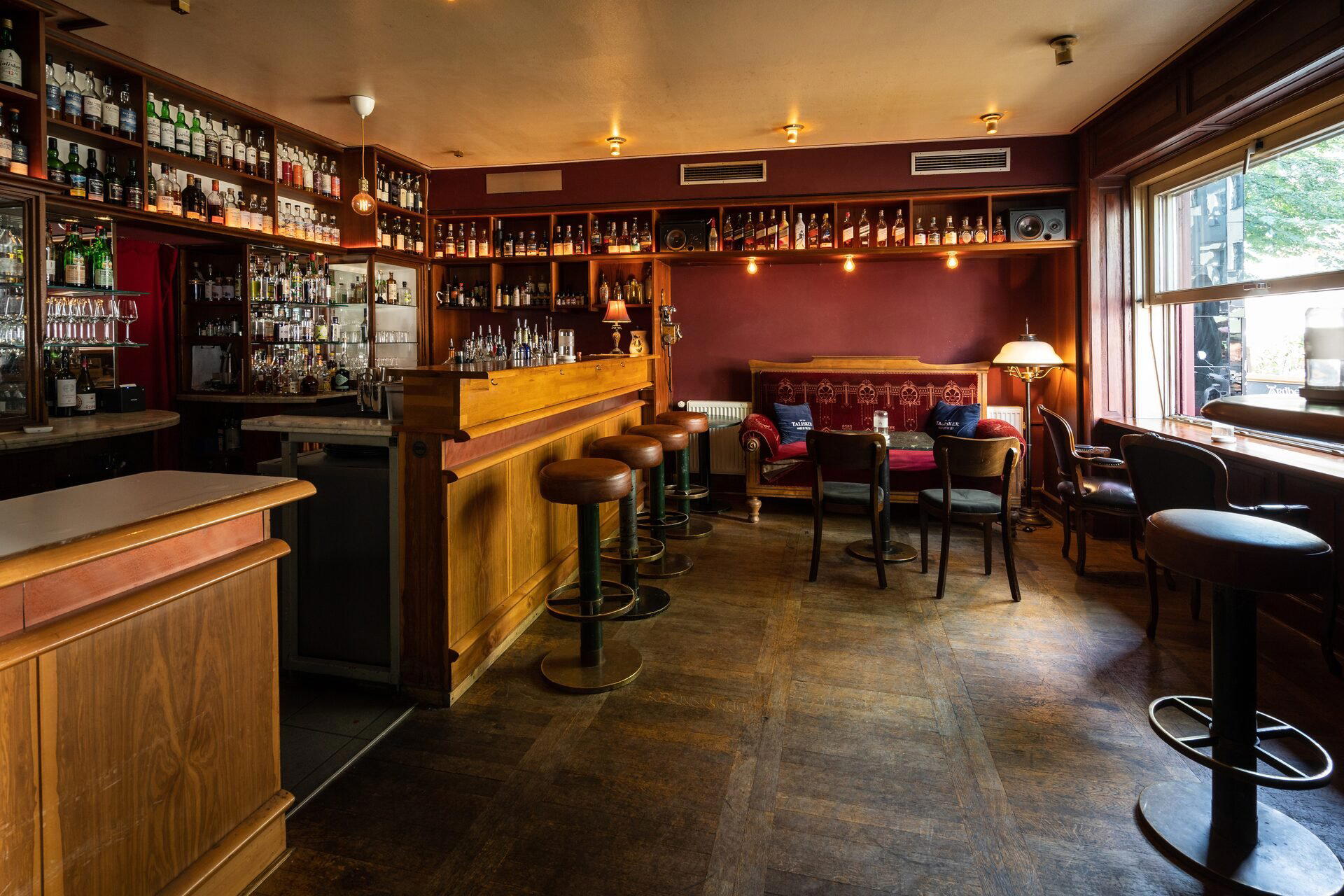
Classic interior reminiscent of a traditional norditalienischer Trattoria with modern designer touches, warm decor, white tablecloths, and a pleasingly lively atmosphere.