Where the Atlantic Trade Routes Once Ran, a Different Kind of Exchange Now Happens
Badagry is the kind of town that carries more history than its current population would suggest. As one of the oldest ports in West Africa, it processed both commodities and, far darker, human cargo during the transatlantic slave trade. That weight hasn't left. The town's monuments, its narrow market lanes, the brackish creeks that meet the ocean just south of the main road, they all remind you that this place was once a node in a global network. Eating here, then, is never entirely separate from that context. Food has always moved through Badagry: cassava, palm oil, dried fish, the grains that fed both local populations and ships making long ocean crossings.
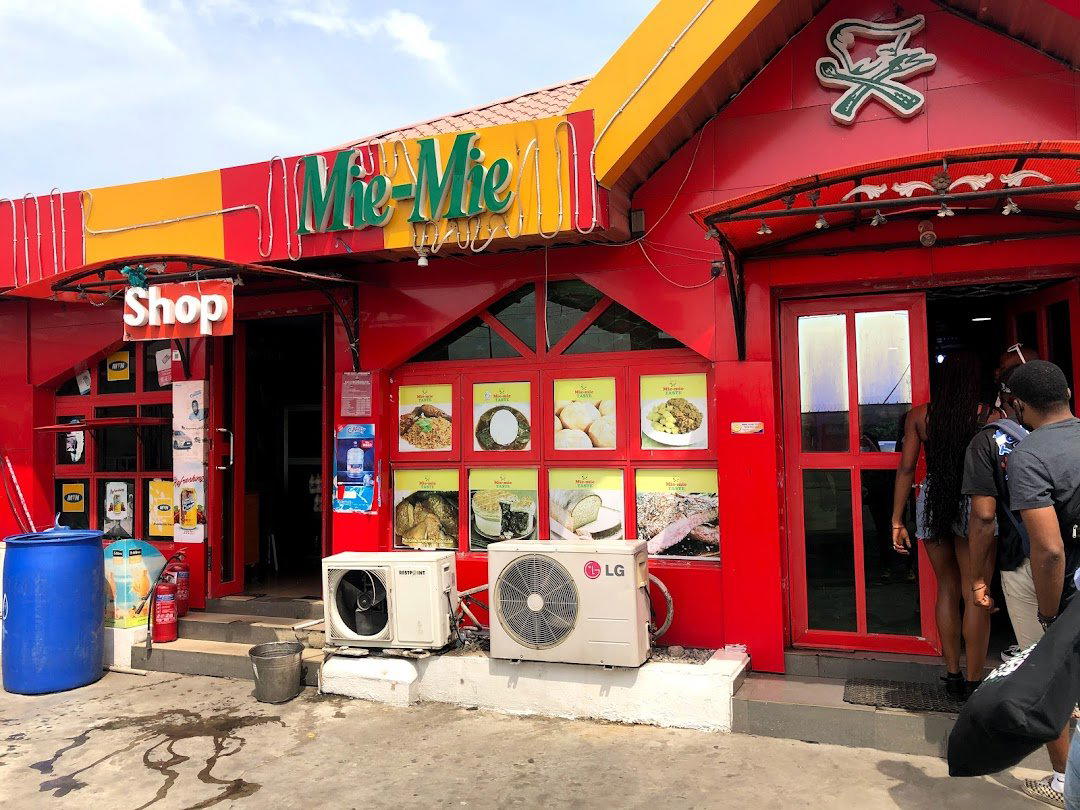
Mie Mie Taste operates in this town, on the Lagos side of Badagry proper, within a regional food culture that has never needed external validation to know its own worth. The surrounding Awori and Egun communities have maintained culinary traditions connected tightly to the creeks, the farmland behind them, and the Atlantic-facing coast. Those traditions emphasize ingredients that travel short distances from source to fire: freshwater fish from the lagoon system, land crabs from the mangrove edges, crayfish dried and ground as a baseline flavouring in most dishes, leafy vegetables grown in the alluvial soil just outside town.
The Sourcing Logic of a Coastal Nigerian Kitchen
In Nigeria's broader culinary conversation, Lagos tends to dominate coverage. Restaurants like Ìtàn Test Kitchen and NOK by Alara, along with newer entrants in the Victoria Island and Ikoyi corridors, have drawn attention to Nigerian modern cuisine built on premium local sourcing. What that Lagos-centric framing often misses is that the ingredient supply chains those kitchens depend on frequently run through towns like Badagry. The smoked crayfish arriving at Ikoyi counters often originates in the delta markets and creek communities that Badagry borders. Eating in Badagry, rather than in Lagos, shortens that chain considerably.
The editorial angle worth holding when thinking about a place like Mie Mie Taste is not the restaurant itself as a destination in the Lagos fine-dining sense, but rather what it represents about cooking close to source. Coastal West African cuisine, from the Senegalese thieboudienne tradition through Ghanaian kontomire stew and into the Yoruba soups of southwest Nigeria, draws its identity from proximity to specific ecosystems. The Badagry lagoon system provides a different ingredient set than the open ocean further east, and a kitchen grounded in that system produces food that cannot be cleanly replicated in a city-centre restaurant, however well-resourced that restaurant might be. For context on what ambitious ingredient-focused cooking looks like at the extreme end of the global spectrum, venues like Arpège in Paris or Aponiente in El Puerto de Santa María have built entire reputations on similarly tight relationships between kitchen and primary producer. The philosophical logic is the same, even if the price tier and global profile differ by orders of magnitude.
Badagry's Food Scene and Where a Local Spot Fits
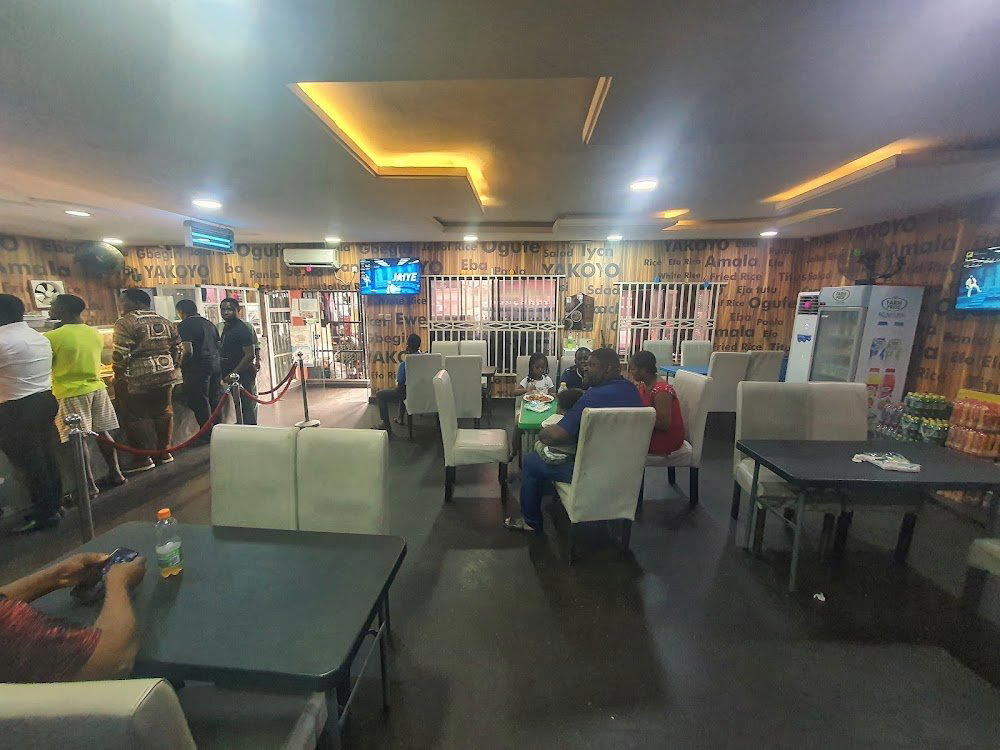
Badagry does not have a developed restaurant scene in the sense that Lagos or Abuja does. It has a food culture: market stalls, pepper soup joints along the creek banks, mama-put operations serving eba and soup to workers and traders. That context matters when reading any Badagry address. Visitors arriving from Lagos along the Badagry Expressway, a route that takes between 90 minutes and three hours depending on traffic conditions leaving the city, will find a different register of hospitality here than they would at a Lagos tasting menu restaurant. The comparison set is local in the leading sense: places like Iya-Eba Restaurant and Bar and Danfo Bistro operate in a similar neighbourhood register, where function and familiarity take precedence over presentation theatre.
What distinguishes local kitchens in this part of Lagos State is a reliance on fresh, unprocessed primary ingredients that larger city establishments often replace with more convenient alternatives. Uziza leaf, properly sourced and used at the right stage of a soup's development, tastes fundamentally different from the dried or frozen equivalent. Freshly cracked palm kernels produce a different banga base than processed palm cream from a tin. These distinctions matter to anyone who has eaten Nigerian food long enough to notice the difference, and they tend to be more reliably maintained in smaller towns closer to production than in urban centres where supply chain compromises accumulate.
Planning a Visit to Badagry
Badagry is most naturally visited as a day trip from Lagos or as a stop en route to the Benin Republic border at Seme. The Lagos-Badagry Expressway remains the primary access road, and travel time from Lagos Island or the mainland corridors varies considerably with traffic. Travellers with a specific interest in the town's history will want to allow time for the Point of No Return monument and the Brazilian Baracoon slave history museum before or after eating. For those building a wider picture of Nigerian dining, our full Badagry restaurants guide maps the town's food options with more granular neighbourhood detail.
This is not unusual for smaller independent operations in secondary Nigerian towns, where social media presence sometimes substitutes for a formal web footprint. Arriving without a booking is plausible given the format, but verifying current hours before a long drive from Lagos is worth the effort.
For broader regional comparisons within the Lagos dining orbit, Leading Shawarma in Lagos, Mega Chicken in Ikeja, and Shawarma Heaven in Abeokuta represent different price tiers and formats across the southwest Nigerian corridor. At the international reference end of the spectrum, venues like Le Bernardin in New York City, Atomix in New York City, Lazy Bear in San Francisco, Alinea in Chicago, Emeril's in New Orleans, 8 1/2 Otto e Mezzo Bombana in Hong Kong, Alain Ducasse Louis XV in Monte Carlo, Alléno Paris au Pavillon Ledoyen, Amber in Hong Kong, Aqua in Wolfsburg, Arzak in San Sebastián, and Atelier Crenn in San Francisco illustrate the global range of what ingredient-led dining has produced in other contexts.