Our verdict
Shawarma Heaven sits in Abeokuta, Ogun State, where the city's appetite for fast, satisfying street food meets the West African tradition of sourcing close to home. The venue draws on the shawarma format that has taken root across Nigerian cities, serving a crowd that knows the difference between something assembled with care and something thrown together. A practical stop in the Abeokuta food scene.

Pearl is the En Primeur Club membership app, where members save venues, book tables and use the concierge.
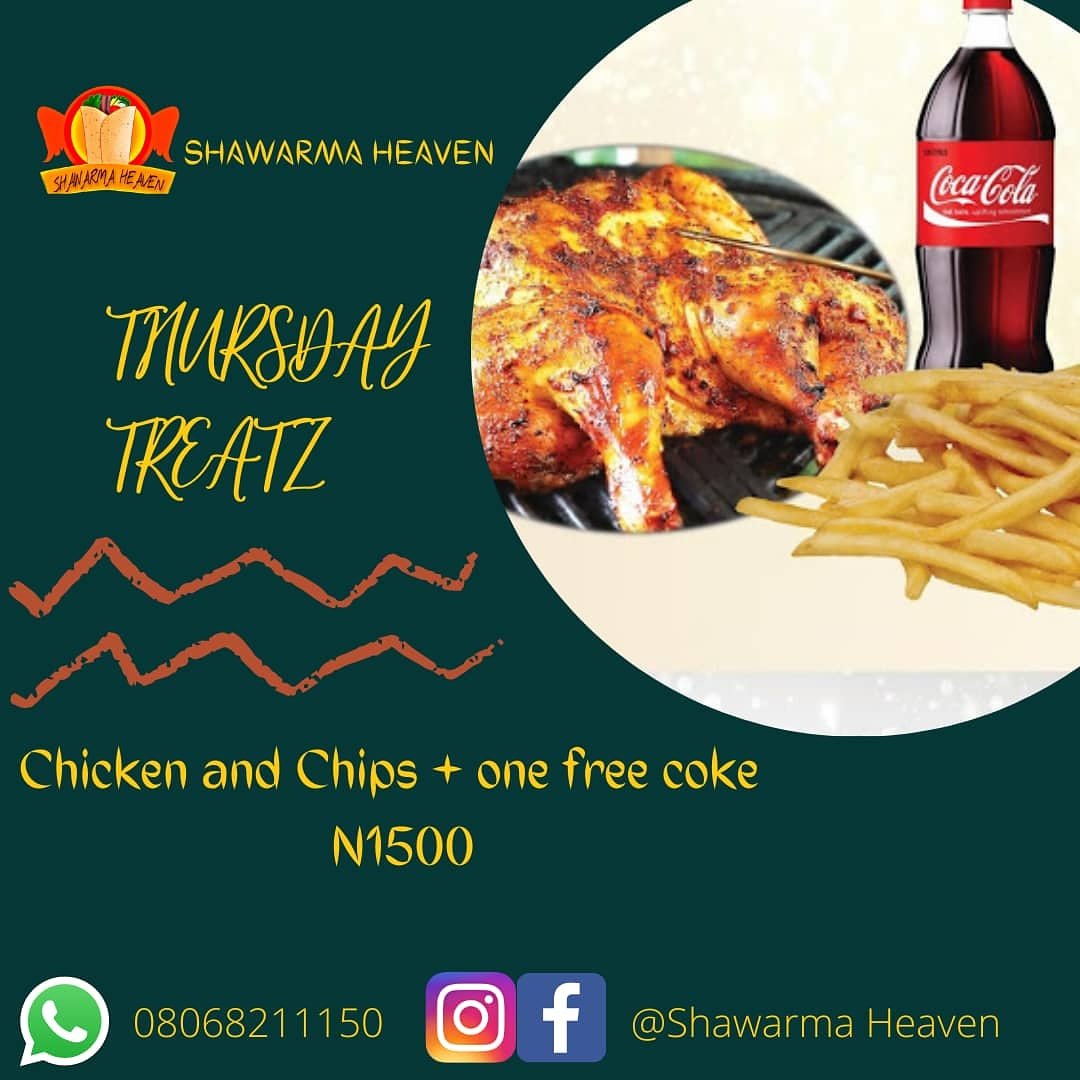
Abeokuta's Street Food Appetite and the Shawarma Format
Across Nigerian cities, the shawarma has completed a journey that few imported food formats manage: it has become genuinely local. What arrived as a Middle Eastern street food staple has, over roughly two decades, been absorbed into the daily eating rhythms of Lagos, Ibadan, Abuja, and the secondary cities that follow their lead. Abeokuta, sitting about 80 kilometres north of Lagos in Ogun State, belongs to that second tier, a city large enough to sustain a real food culture but compact enough that word travels fast when a spot earns consistent trust. Shawarma Heaven occupies a position inside that pattern. For context on how the shawarma category has developed across the wider Southwest, see our Leading Shawarma in Lagos guide, which maps the fuller competitive field.
The shawarma format works in Abeokuta for the same reasons it works in Nigerian cities generally: it is fast, filling, relatively affordable, and adaptable enough to absorb local flavour preferences. Nigerian iterations of the dish tend to run heavier on the sauces and fillings than their Levantine counterparts, and the bread choice shifts depending on what local suppliers reliably stock. That variability, which might look like inconsistency to a purist, is actually the mechanism by which the format has survived and grown in a market where supply chains can be unpredictable and consumer preferences shift quickly.
Sourcing in Context: Why Ingredients Define This Category
The shawarma category in Nigerian cities lives and dies by ingredient sourcing in a more immediate way than most restaurant formats. The proteins at stake, typically chicken, beef, or a combination, are subject to daily market pricing and availability. A venue that has built reliable relationships with consistent suppliers sits in a structurally different position from one that sources opportunistically. In Abeokuta's food environment, that distinction matters: the city's market infrastructure, anchored by Lafenwa and Kuto markets, gives food businesses access to fresh produce and proteins, but converting that access into consistent output requires real operational discipline.
Vegetables that accompany shawarma fillings in the Nigerian style, cabbage, carrots, lettuce, and tomatoes, are largely sourced through these same local market channels across the Southwest. Ogun State's agricultural belt means fresh produce is geographically closer here than in Lagos, where supply chains run through longer distribution networks. That proximity is a structural advantage for any food business operating out of Abeokuta, though it does not automatically translate into quality. The kitchen's relationship with its suppliers, how often it sources, what it prioritises, and how it stores, determines whether that geographical advantage actually reaches the plate.
Shawarma venues that hold their position in Nigerian secondary cities tend to do so because they have solved the sourcing problem in a way that customers recognise, even if they cannot articulate it. Freshness in the bread, moisture retention in the protein, and a sauce that has not been stretched past its leading are the markers that separate a reliable venue from a transient one. This is the tier where Shawarma Heaven competes. For a comparison point in a neighbouring area, Mie Mie Taste in Badagry shows how similar quick-service formats operate across the Ogun-Lagos corridor.
The Abeokuta Food Scene: Where This Venue Sits
Abeokuta's dining culture is shaped by its dual identity as a historically significant Yoruba city and a commuter satellite of Lagos. The Olumo Rock area draws visitors, and the broader city sustains a population that travels regularly to Lagos, bringing back expectations sharpened by exposure to a denser, more competitive food market. That dynamic tends to push Abeokuta venues toward reliability over experimentation. Customers returning from Lagos on a weekday evening are not looking for novelty; they are looking for something that delivers on its premise without drama.
Quick-service formats including shawarma spots, suya joints, and fast-casual chicken counters form the backbone of Abeokuta's everyday eating market. Sit-down restaurants with broader menus occupy a smaller share of the city's food spend. The Nigerian modern cooking conversation that venues like Ìtàn Test Kitchen and NOK by Alara are pursuing in Lagos has not yet found its anchor in Abeokuta in the same form, which means the competitive pressure within the city operates mostly within category, not across cuisine types. Shawarma Heaven's frame of reference is other shawarma and quick-service operations in the city, not a cross-category fine dining field.
For readers interested in how the broader Southwest Nigeria dining scene maps against the rest of the country's food culture, our full Abeokuta restaurants guide covers the city's categories with more granularity. Further up the quick-service chain in terms of scale and infrastructure, Mega Chicken in Ikeja represents the point at which this category intersects with national chain economics.
Planning a Visit
Frequently asked questions
Is Shawarma Heaven suitable for children?
The shawarma format is broadly accessible for children, wraps can typically be simplified to suit younger preferences. Abeokuta's street food venues of this type generally operate in open, informal settings that accommodate families without ceremony or dress codes.
What should I expect atmosphere-wise at Shawarma Heaven?
Shawarma counters in Nigerian cities like Abeokuta operate as high-turnover, walk-up or quick-sit environments. Expect an informal, fast-paced setting shaped by the street food culture that defines this format across Ogun State rather than a sit-down dining room.
How does Shawarma Heaven fit into Abeokuta's food culture compared to Lagos options?
Abeokuta sits roughly 90 minutes from central Lagos along the Lagos-Abeokuta Expressway, and its street food scene operates at a different pace than the Lagos fast-casual market. Shawarma Heaven serves a city shaped by Yoruba heritage and commuter traffic, where street food stops function as practical daily eating rather than destination dining, a context that informs the format and pricing expectations distinct from Lagos equivalents.
What's the best thing to order at Shawarma Heaven?
The shawarma itself is the defining item at any venue carrying this name in Nigeria. In the local format, proteins are typically wrapped with coleslaw, peppered sauces, and chips, elements that distinguish the Nigerian adaptation from its Middle Eastern origin.
What part of town is Shawarma Heaven in?
Shawarma Heaven is located at Abeokuta, Ogun State, Abeokuta.
What's the best way to book Shawarma Heaven?
No booking contact or reservation system is currently documented for Shawarma Heaven in Abeokuta. Street food venues of this format in Nigerian cities typically operate on a walk-in basis; visiting during off-peak hours is the most reliable way to avoid a queue.
What has Shawarma Heaven built its reputation on?
In Abeokuta's food scene, shawarma spots earn followings through consistency of filling, speed of service, and the quality of their pepper sauce and coleslaw ratios, details that regulars track closely. No formal awards are currently documented for Shawarma Heaven, but its position in Ogun State's growing street food circuit reflects the broader Nigerian appetite for localised fast-casual formats.
Comparison Snapshot
Comparable venues nearby, for context on price, style, and recognition.
| Venue | Cuisine | Price | Notes |
|---|---|---|---|
| Shawarma HeavenThis venue (the venue you are viewing) | Shawarma | Not listed | Not listed |
| Best Shawarma | Shawarma | $10–20 | Surulere |
| Z Kitchen | Modern Lebanese-Inspired Fusion | $20–30 | Victoria Island |
| Yakoyo Abula Joint | Authentic Nigerian Abula (Amala Joint) | $1–10 | Lekki Phase I |
| SOUTH Eatery & Social House | New Orleans-Inspired Southern American Gastropub | Not listed | Victoria Island |
| Iya-Eba Restaurant & Bar | Traditional Nigerian Yoruba | Not listed | Lagos Island |
Details
- Casual Hangout
- A La Carte