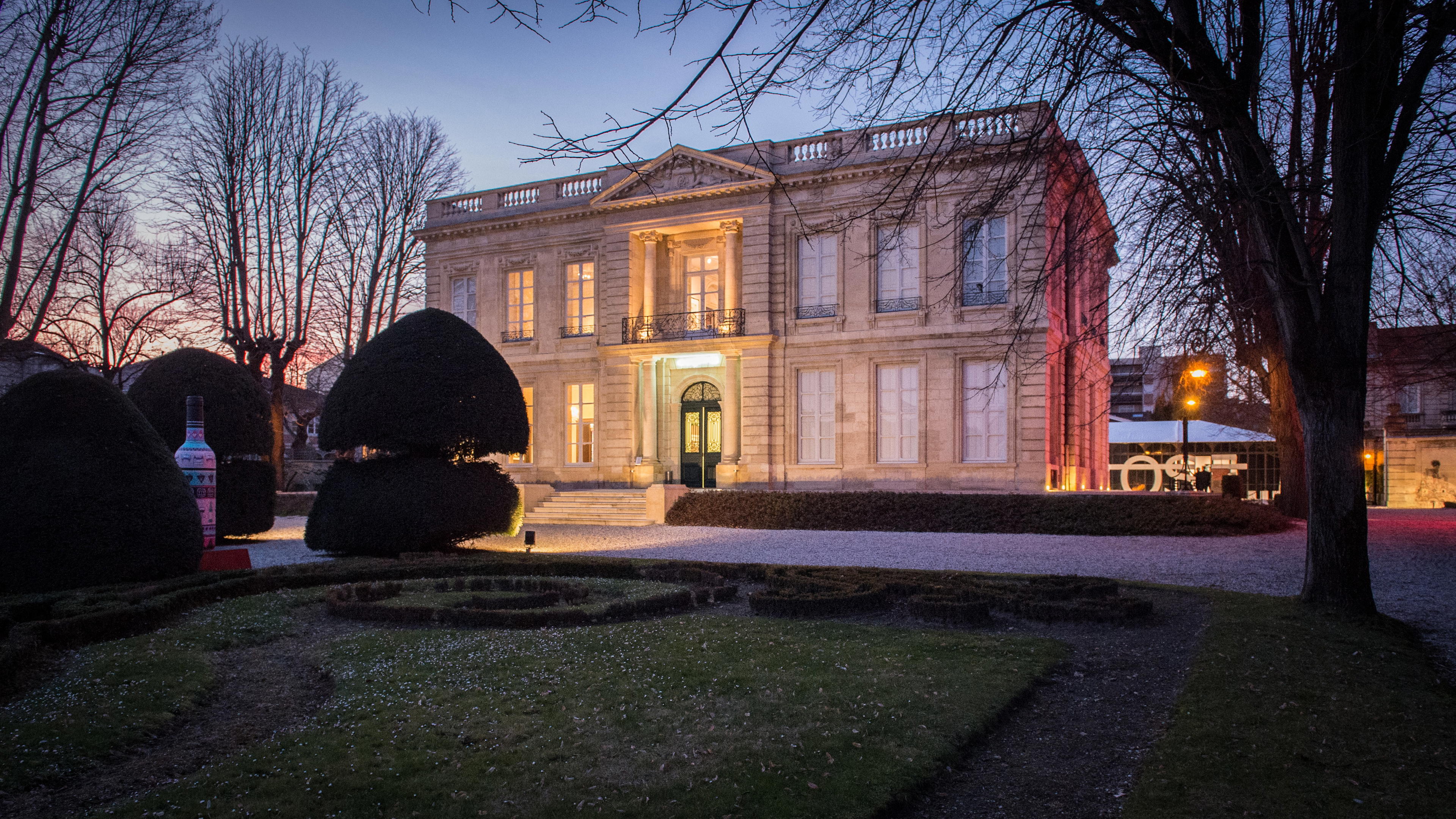
On the Cours de la Somme in Bordeaux's left-bank neighbourhood, Memes'tra occupies a quieter tier of the city's dining scene than the grand-château establishments along the Garonne. Where Bordeaux's most prominent addresses trade on wine-country ceremony, this address signals a different set of priorities — one shaped by the broader French conversation around sourcing discipline and reduced waste.
Pearl is the En Primeur Club membership app — saves, bookings, and concierge access live there. Same editors, same standards.
- Address
- 249 Cr de la Somme, 33800 Bordeaux, France
- Phone
- +33556755572
- Website
- restaurant-memestra.fr
- Directions
- Get directions
 Saves & bookings on Pearl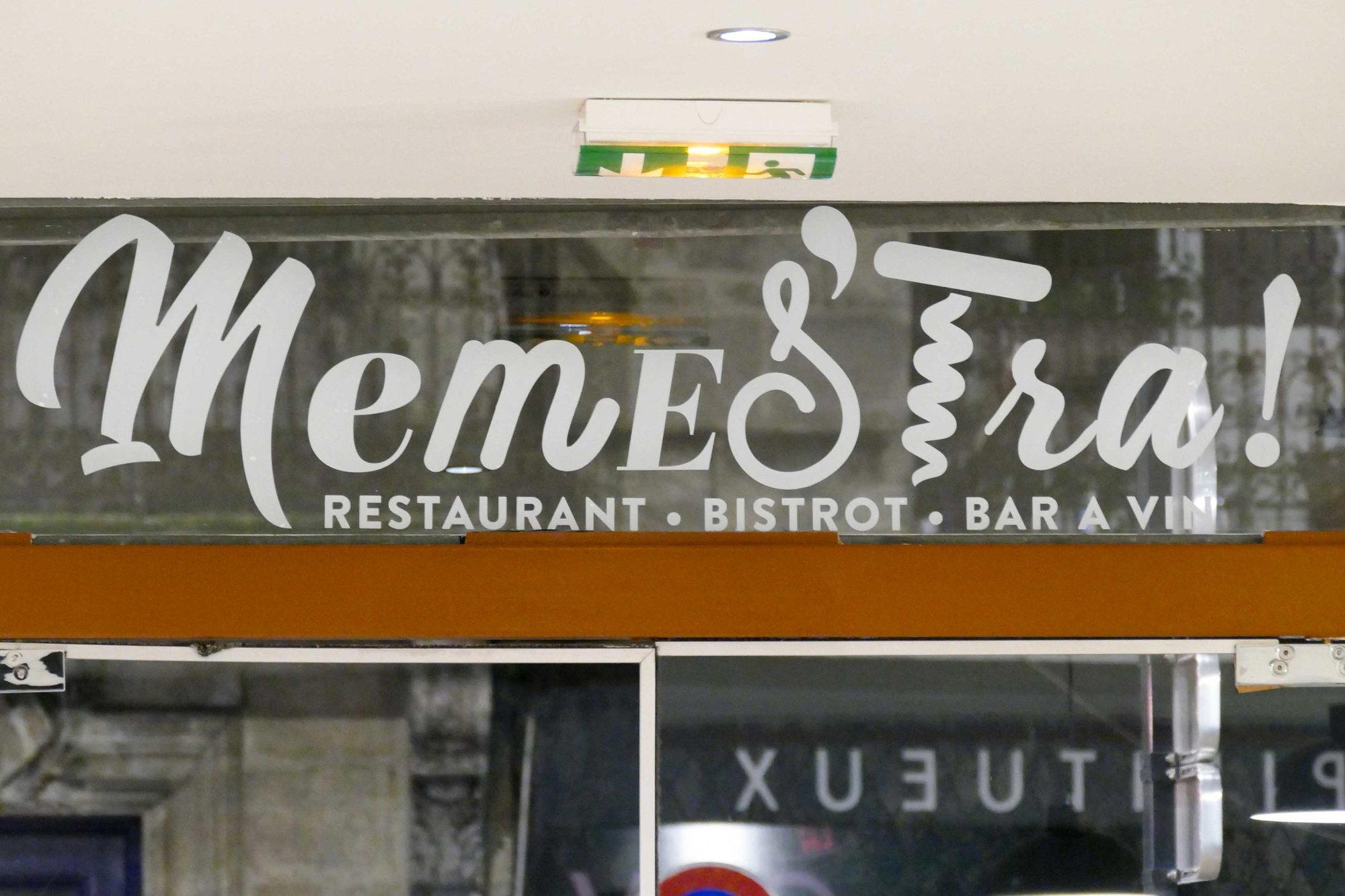
Cours de la Somme and the Question of Where Bordeaux Eats
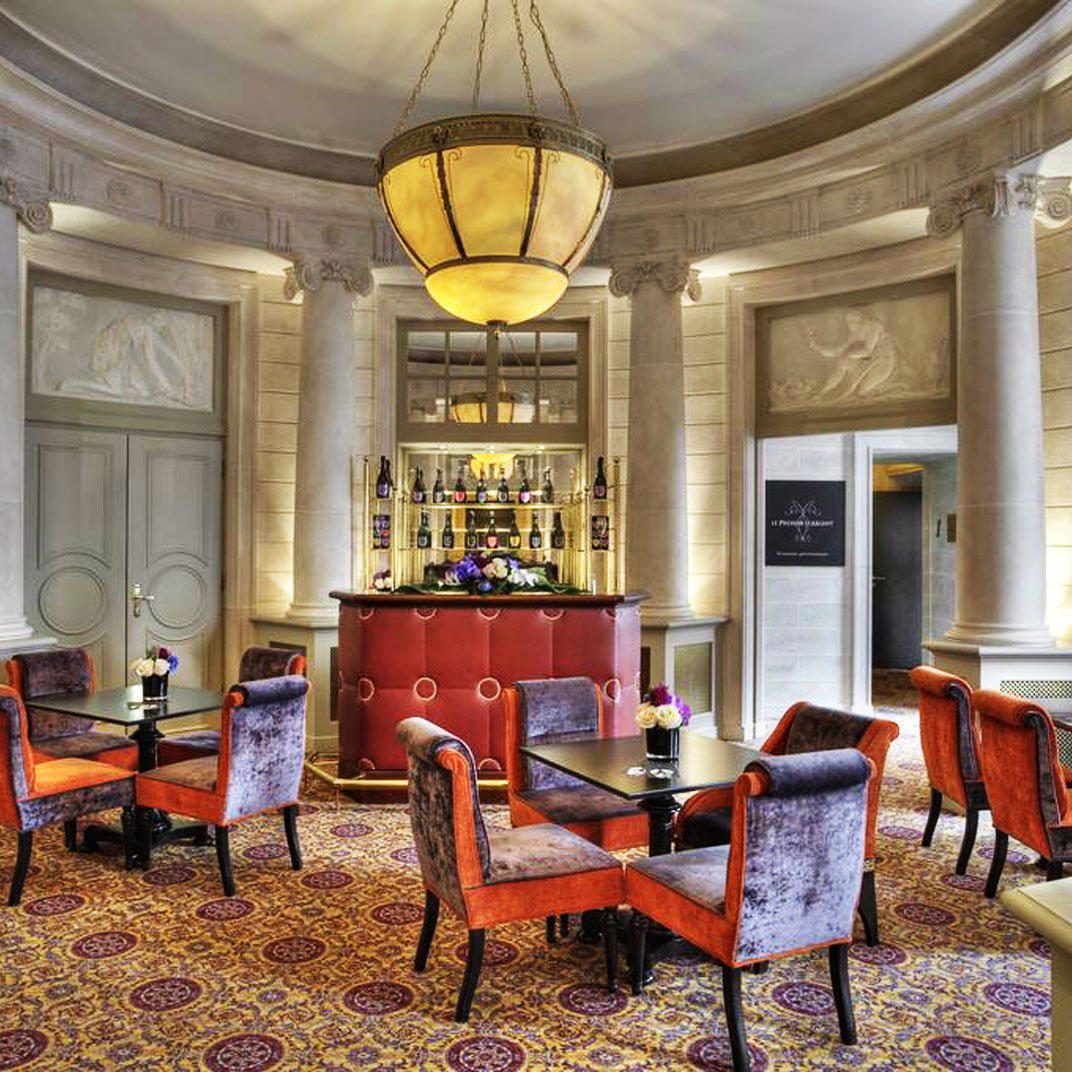
Bordeaux's restaurant geography has a familiar hierarchy: the riverfront tables at addresses like L'Observatoire du Gabriel or the cellar-weight prestige of Le Pressoir d'Argent command the most column space, while the city's southern arrondissements — including the Cours de la Somme corridor in the 33800 postcode — operate at a different register. That register is not lesser, but it does carry different expectations. Venues here tend to draw a local clientele over a tourist one, and the menus reflect that: fewer concessions to international palates, more attention to what is in season and accessible from the surrounding Aquitaine basin. Memes'tra sits at 249 Cours de la Somme inside that geography, and understanding that address is the first step to calibrating what the meal is likely to be.
Sourcing Discipline as the Central Logic
Across France's mid-tier dining scene, the conversation around sustainability has shifted from a marketing position to an operational one. The older model, in which a chef announced seasonal sourcing and left it at that, has given way to something more granular: relationships with specific producers, documented traceability, and menu structures that change not on a seasonal calendar but in response to actual availability. This is the model that has shaped places like Mirazur in Menton, where biodynamic garden cycles dictate the tasting menu, or Bras in Laguiole, whose sourcing from the Aubrac plateau is documented in detail. These are the credential-bearing addresses at the top of that conversation. Below them, across dozens of French cities, younger or less-decorated tables are working through the same logic at a smaller scale, and the Cours de la Somme neighbourhood in Bordeaux is exactly the kind of district where that work tends to happen quietly.
Memes'tra's positioning within Bordeaux's scene connects to this broader shift. The city already has its formal anchors: Maison Nouvelle and L'Oiseau Bleu operate at the modern-cuisine tier, and Amicis works the creative-cuisine bracket at the leading price point. Memes'tra's address and neighbourhood suggest a table that is not competing in that upper tier but is instead part of a different, more locally anchored layer of Bordeaux dining, the kind that sustains a city's food culture between the headline addresses.
The Aquitaine Sourcing Context
Bordeaux's position at the intersection of Atlantic, Pyrenean, and inland Gascon supply lines gives any chef working here an unusually broad larder. The Bay of Arcachon delivers oysters and sea bass. The Landes forest to the south produces some of France's most distinctive poultry. The Périgord, within day-trip distance, means duck, foie gras, and walnut oil are local rather than imported luxuries. The Gironde estuary itself supplies lamprey in late winter and shad in spring, both hyper-regional products that rarely appear on menus outside this corridor.
This supply depth is why sustainability-framed cooking in Bordeaux looks different from the same conversation in Paris. At a Paris address like Alléno Paris au Pavillon Ledoyen, sourcing credentials require deliberate construction: relationships with distant producers, logistics, documentation. In Bordeaux, the raw material is already local by default. The discipline lies in using it with minimal waste, in the whole-animal and whole-vegetable approaches that define the more serious end of French provincial cooking. That approach, when applied at a neighbourhood scale rather than a tasting-menu-and-press-kit scale, is exactly what the Cours de la Somme address suggests.
Where This Table Sits Among Bordeaux's Options
The Bordeaux dining map in 2024 presents a reasonably clear segmentation. At the leading, a handful of addresses carry formal recognition: Le Pressoir d'Argent holds the Gordon Ramsay brand and a four-euro-sign price point. Le Chapon Fin, one of the city's oldest fine-dining rooms, sits in the three-euro-sign bracket with a French-modern menu. Below those, the city's creative mid-range has expanded considerably, with addresses drawing on both the Basque culinary influence to the south and the broader French bistronomie movement. Memes'tra's Cours de la Somme location places it in the latter territory geographically and, by inference, editorially.
For readers planning a Bordeaux itinerary, this matters for sequencing. The city rewards a split approach: one or two meals at the formal addresses (see our full Bordeaux restaurants guide for the complete picture), and at least one meal in the neighbourhoods south of the historic centre where the cooking tends to be more direct and the rooms less designed for the en primeur wine-buyer crowd. The Cours de la Somme sits in that second category.
French Provincial Cooking and Its Ethical Turn
The sustainability conversation in French restaurant cooking has a longer lineage than the current terminology implies. Michel Bras's gargouillou, first served at Bras in Laguiole in the 1980s, was a zero-waste vegetable composition before that language existed. The Troisgros family, now at Le Bois sans Feuilles in Ouches, has operated its own kitchen garden for decades. Flocons de Sel in Megève sources almost exclusively from the Alpine terroir surrounding the property. What has changed is not the practice but the visibility: younger kitchens now foreground what the older generation did quietly.
At the institutional end of French cooking, this is well-documented. Auberge de l'Ill in Illhaeusern, Paul Bocuse's Auberge du Pont de Collonges, and Assiette Champenoise in Reims all operate within regional supplier networks as a matter of institutional practice. At the neighbourhood level, the same logic applies without the documentation. Memes'tra's Cours de la Somme address places it in that neighbourhood register, a table working within the same French provincial ethic at a scale that does not require a Michelin citation to validate it.
Planning a Visit
The Cours de la Somme runs through Bordeaux's 33800 zone, south of the city centre, and is reachable by tram from the central Saint-Jean station or on foot from the historic Victoire quarter. Memes'tra's address at number 249 places it along the lower stretch of the boulevard, away from the tourist-facing restaurant clusters near the Quais.
Readers who track the sustainability conversation in French cooking across formats, from the three-star discipline of AM par Alexandre Mazzia in Marseille to the New York expressions of French technique at Le Bernardin or the cross-cultural precision at Atomix, will recognise Memes'tra's neighbourhood positioning as part of a continuous spectrum. The ambition scales differently at each point on that spectrum, but the underlying logic, local supply, reduced waste, cooking that reflects where it is, runs through all of them.
How Memes'tra Bordeaux compares with similar nearby venues.
| Venue | Cuisine | Price |
|---|---|---|
| Panaille | Modern Cuisine | €€ |
| Kedem | Middle Eastern | €€ |
Continue exploring
More in Bordeaux
Restaurants in Bordeaux
Browse all →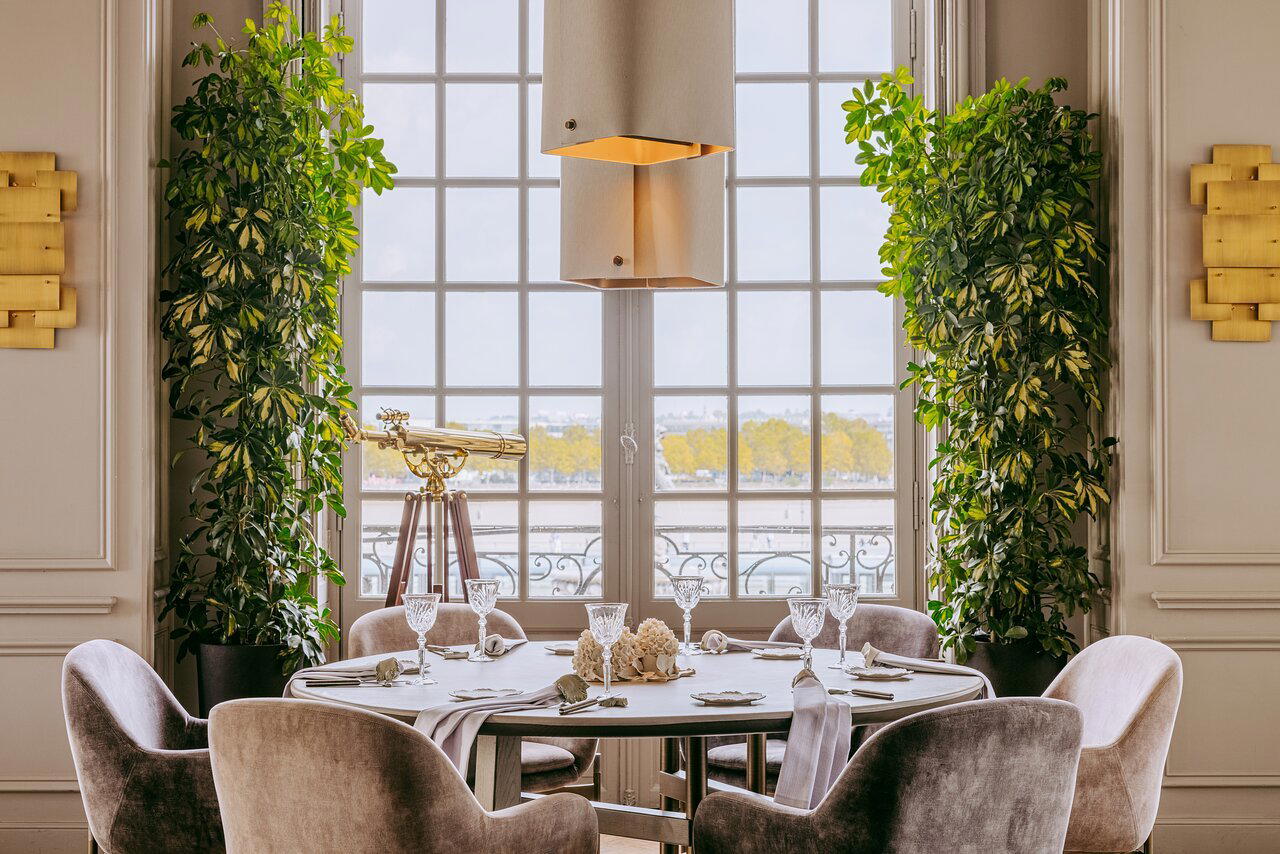
Bars in Bordeaux
Browse all →
Hotels in Bordeaux
Browse all →
At a Glance
- Cozy
- Modern
- Intimate
- Date Night
- Business Dinner
- Casual Hangout
- Open Kitchen
- Natural Wine
- Sommelier Led
- Local Sourcing
Current opening hours
- Monday
- 12:15–1:30 PM, 7:35–9:30 PM
- Tuesday
- 12:15–1:30 PM, 7:35–9:30 PM
- Wednesday
- 12:15–1:30 PM
- Thursday
- 12:15–1:30 PM, 7:35–9:30 PM
- Friday
- 12:15–1:30 PM, 7:35–9:30 PM
- Saturday
- Closed
- Sunday
- Closed
Hours can change for holidays and private events. Last verified .
Pure and warm decoration with a friendly, simple, multi-generational neighborhood atmosphere.
Know Before You Go
- Getting there
- 249 Cr de la Somme, 33800 Bordeaux, France