Melba's


Melba's at 300 W 114th Street has anchored Harlem's soul food scene for years, serving Southern classics that read as a direct expression of the neighborhood's culinary identity. From eggnog waffles paired with bronzed fried chicken to spring rolls stuffed with black-eyed peas and collards, the menu draws on the African American food traditions that shaped Upper Manhattan.
Pearl is the En Primeur Club membership app — saves, bookings, and concierge access live there. Same editors, same standards.
- Address
- 300 W 114th St, New York, NY 10026
- Phone
- (212) 864-7777
- Website
- melbasrestaurant.com
- Directions
- Get directions
 Saves & bookings on Pearl
Harlem's Southern Table: A Neighborhood in Every Dish
Harlem's relationship with Southern food is not coincidental. The Great Migration of the early and mid-twentieth century brought hundreds of thousands of African Americans from the South to New York, and the cooking they carried with them became the dominant culinary identity of Upper Manhattan. The food that arrived with those families, fried chicken, waffles, collards, black-eyed peas, cobbler, did not survive as nostalgia. It became infrastructure, encoded into the neighborhood's restaurants, church suppers, and home kitchens. Melba's, at 300 West 114th Street, operates squarely inside that tradition.
That grounding matters in a city where Southern food often gets filtered through a fine-dining lens. At the $$ price point, Melba's sits in a different register entirely: a neighborhood restaurant where the food is meant to be recognizable rather than surprising, and where fidelity to the source material is the point. Melba's is closer in spirit to the original community-centered model those restaurants reference.
What the Menu Reveals About the Sourcing Tradition
The dishes at the restaurant trace specific agricultural and culinary lineages that connect the American South to the West African diaspora. Black-eyed peas, collard greens, and cheddar cheese stuffed inside spring rolls, a format that may read as fusion, actually follow a long tradition of African American cooks adapting available ingredients and borrowed techniques to carry familiar flavors forward. The cobbler, made with fruit and finished to a golden-brown crust, descends from a baking tradition that Black cooks developed under conditions of scarcity, using whatever seasonal fruit was accessible. These are not decorative references; they are the dishes themselves.
The pairing of Southern fried chicken with eggnog waffles is the menu's most discussed combination, and it earns that attention. The chicken arrives darkly bronzed, with a crust that carries both sweetness and salt, a balance that depends on brine time, flour seasoning, and frying temperature, not on any single exotic ingredient. The eggnog waffles add a dairy-rich, spiced counterpoint that references the Southern and African American baking canon directly. Auntie B's mini-burgers, slathered with a smoky-sweet sauce, follow the same logic: the sauce formula belongs to a regional tradition of slow-cooked, molasses-adjacent condiments that pre-dates American barbecue's current commercial moment by generations.
The kitchen is not treating Southern food as monolithic. The grilled vegetable format acknowledges a health-conscious strain within African American cooking that often gets overlooked in favor of the fried and slow-cooked dishes that photograph better. That balance between indulgence and restraint is a more honest representation of how people in the South actually ate than most Southern restaurant menus allow.
Where Melba's Sits in Harlem's Southern Dining Tier
Harlem supports a cluster of Southern-focused restaurants that reflect the neighborhood's food identity. Amy Ruth's occupies a similar register, known particularly for its waffle combinations named after civil rights figures. Miss Mamie's Spoonbread Too leans into the spoonbread and soul food tradition with a slightly more homestyle format. Pies & Thighs in Brooklyn offers a downtown-adjacent version of the same Southern fried chicken and baked goods canon. The restaurant competes most directly with the Harlem group, where the neighborhood context is part of the offering and owner identity carries weight with regulars.
The distinction between the restaurant and New York's high-ticket tasting menu restaurants clarifies what each is doing. Restaurants like Le Bernardin operate at $$$$ and deliver a fundamentally different contract with the diner: seasonal sourcing made visible, technique foregrounded, service choreographed. The restaurant at $$ is not in conversation with that tier, and the comparison is not useful for anyone trying to decide where to eat. It is, however, useful context for understanding how Southern food functions in New York's broader restaurant ecosystem: it sustains neighborhood dining culture in a way that prix-fixe formats structurally cannot, at a price point that keeps it accessible to the community it represents. For perspective on what fine dining looks like at the other end of the price spectrum, Alinea in Chicago, The French Laundry in Napa, and Lazy Bear in San Francisco each represent a different expression of high-investment tasting formats. Single Thread Farm in Healdsburg and Providence in Los Angeles add further range to that picture, as does Emeril's in New Orleans, which approached Southern ingredients from a fine-dining frame. None of those comparisons diminish what the restaurant does; they simply clarify the different jobs each format is built to perform.
High-volume ratings at this level of consistency, across a multi-year sample, are a more reliable signal than many individual critic assessments. The restaurant delivers what it promises at a high rate of repetition. Sweetbriar offers another point of comparison within the New York Southern dining conversation for readers building out an itinerary.
Know Before You Go
- Address
- 300 W 114th St, New York, NY 10026
- Neighbourhood
- Harlem, Upper Manhattan
- Cuisine
- Southern
- Price range
- $$ (mid-range; accessible for neighbourhood dining)
- Google rating
- 4.3 / 5 (4,410 reviews)
- Booking
- Reservations are recommended.
- Getting there
- Closest subway stops include the B/C at Cathedral Parkway (110th St) and the 2/3 at 116th St.
Cuisine and Awards Snapshot
Comparable venues nearby, for context on price, style, and recognition.
| Venue | Cuisine | Price | Awards | Notes |
|---|---|---|---|---|
| Melba'sThis venue — the venue you are viewing | Harlem Soul Food | $$ | Michelin Plate | Not listed |
| Breads Bakery | Artisan Bakery Café | $$ | Not listed | Murray Hill-Kips Bay |
| Miss Mamie's Spoonbread Too | Southern Soul Food | $$ | Michelin Plate | Upper West Side-Manhattan Valley |
| Joseph Leonard | American Gastropub | $$ | Not listed | West Village |
| Van Leeuwen Ice Cream | Artisan Ice Cream | $$ | Not listed | Williamsburg |
| Amy Ruth’s | Southern Soul Food | $$ | Not listed | Harlem (South) |
Recognition history
Dated appearances from independent guides and award organizations, with the underlying list record or original source where available.
James Beard Award Semi Finalist
James Beard Award
Michelin Plate
Michelin
Continue exploring
More in New York City
Restaurants in New York City
Browse all →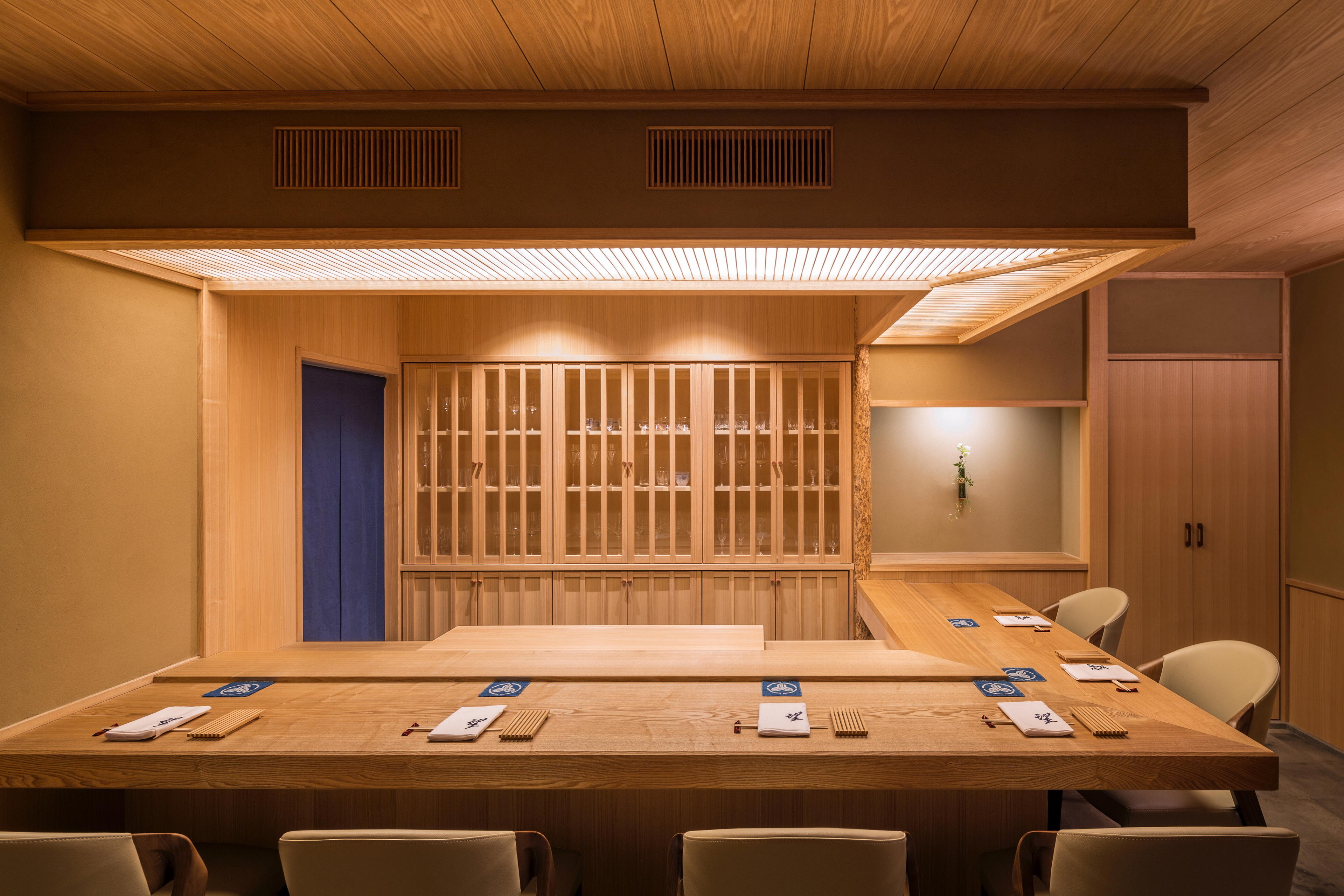
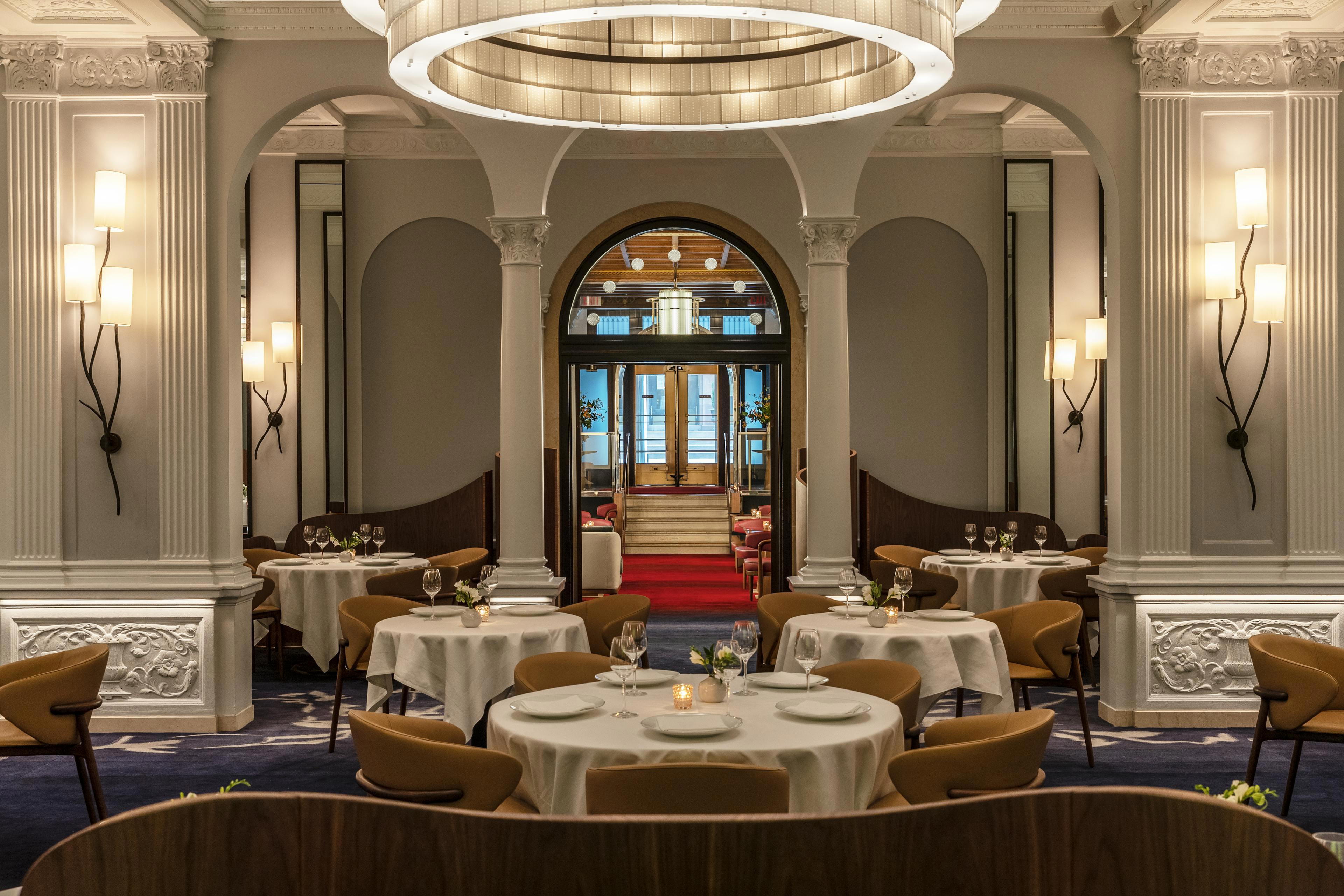
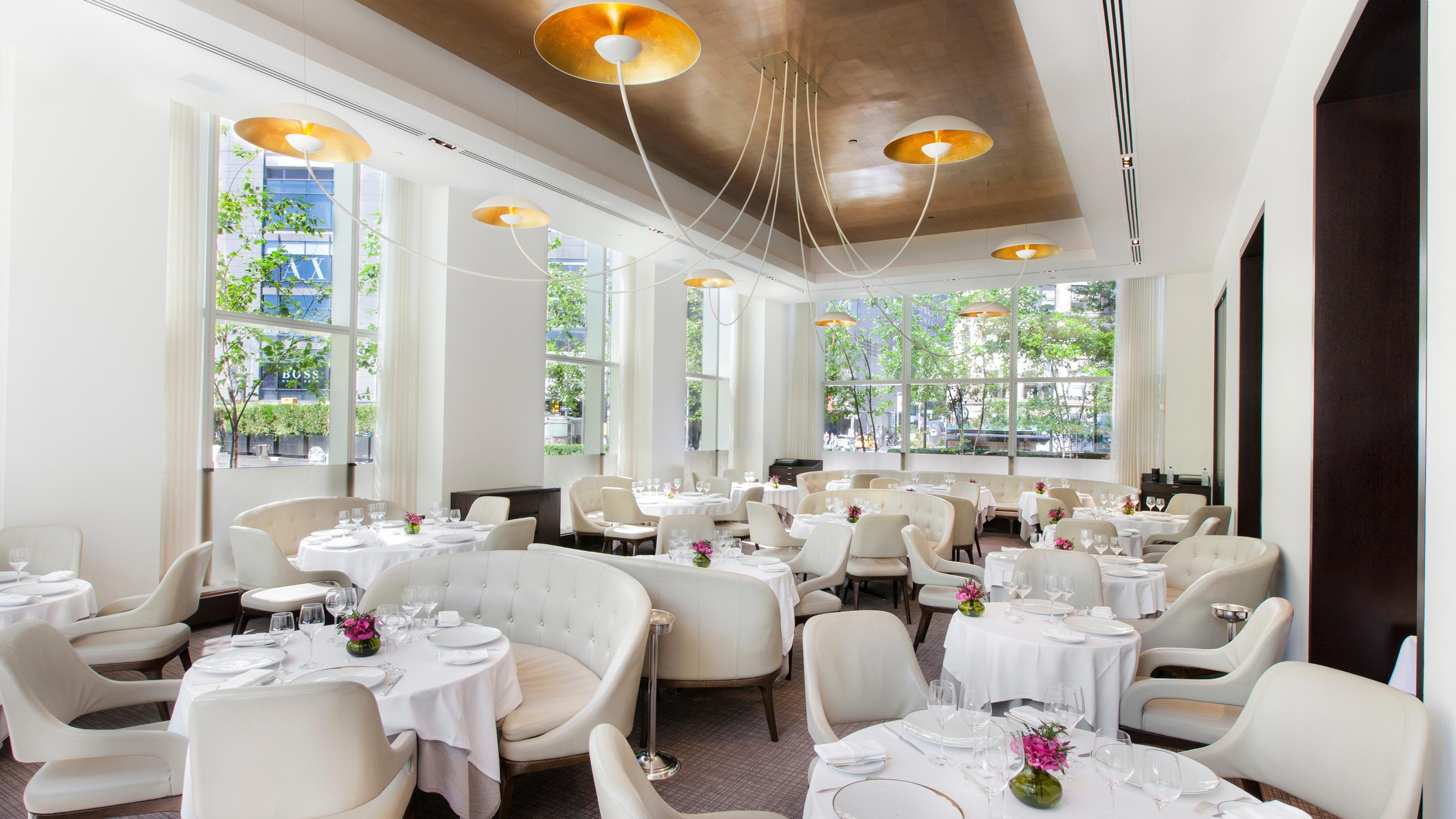
Bars in New York City
Browse all →
Hotels in New York City
Browse all →







At a Glance
- Cozy
- Lively
- Classic
- Brunch
- Family
- Group Dining
- Casual Hangout
- Live Music
- Craft Cocktails
Current opening hours
- Monday
- 11 AM–10 PM
- Tuesday
- 11 AM–10 PM
- Wednesday
- 11 AM–10 PM
- Thursday
- 11 AM–11 PM
- Friday
- 11 AM–11 PM
- Saturday
- 10 AM–11 PM
- Sunday
- 10 AM–11 PM
Hours can change for holidays and private events. Last verified .
Comfortable and charming with colorful spirit, dimly lit options, and a welcoming neighborhood feel that turns lively at night.