Ariari

Michelin Plate
Our verdict
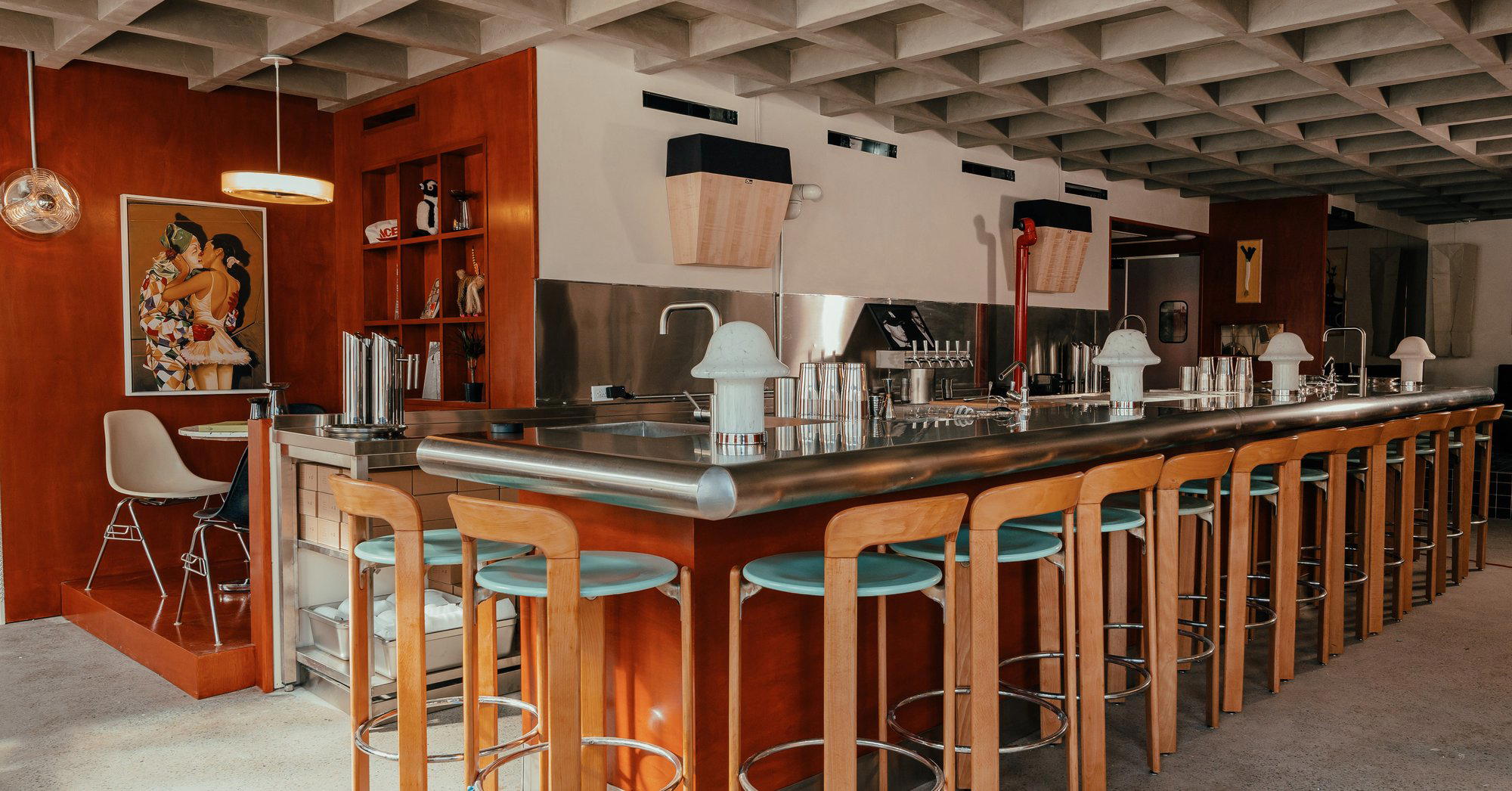
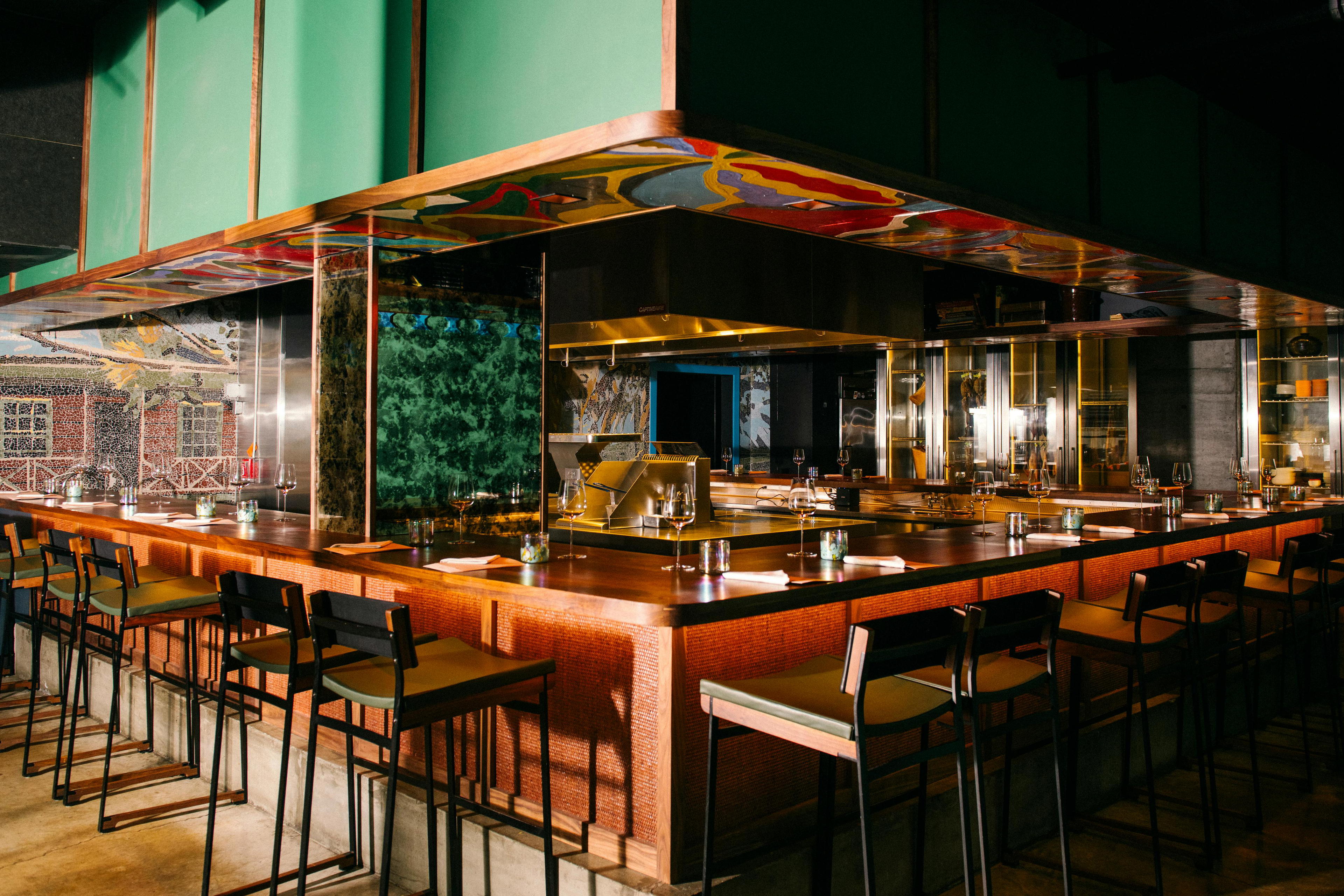
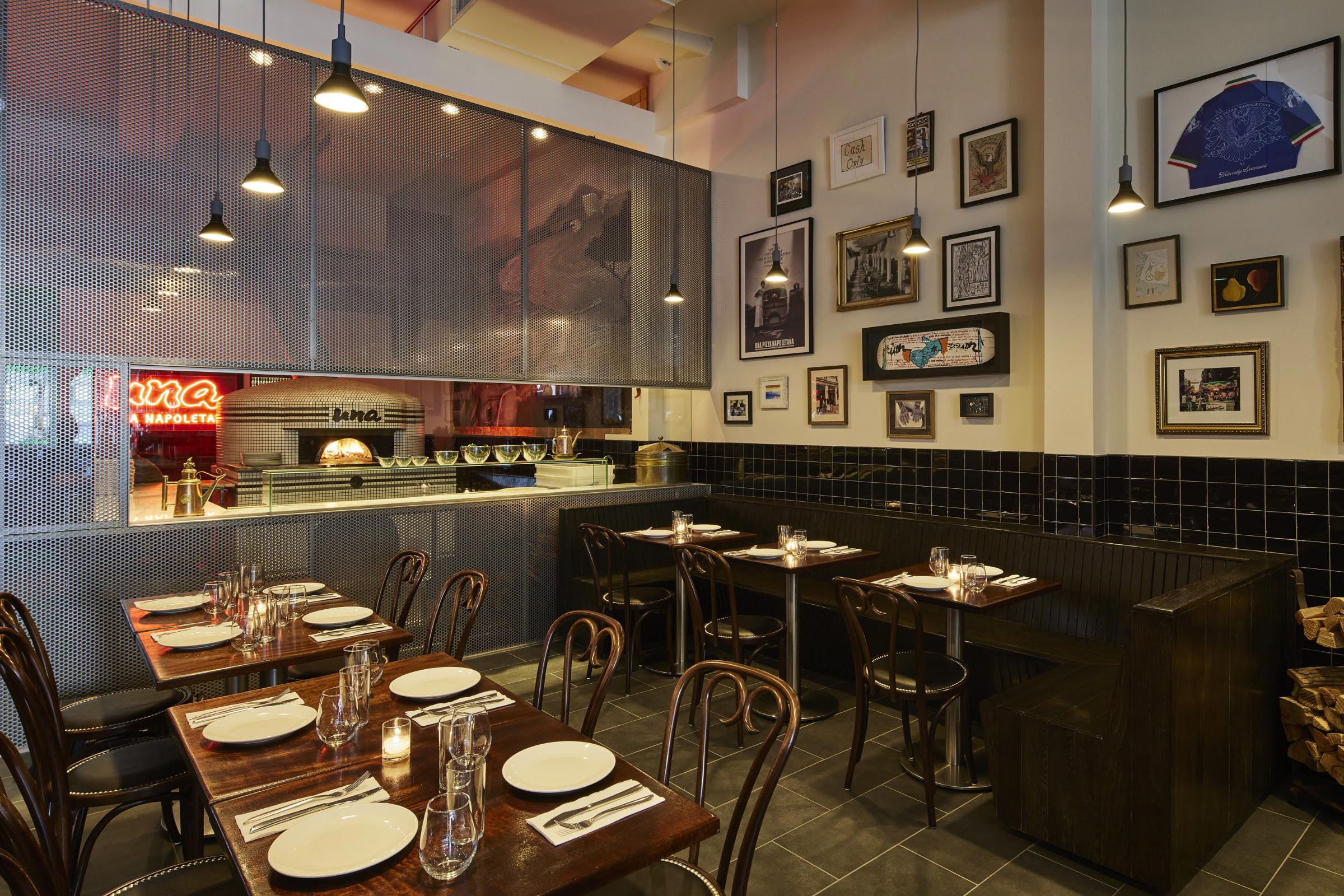
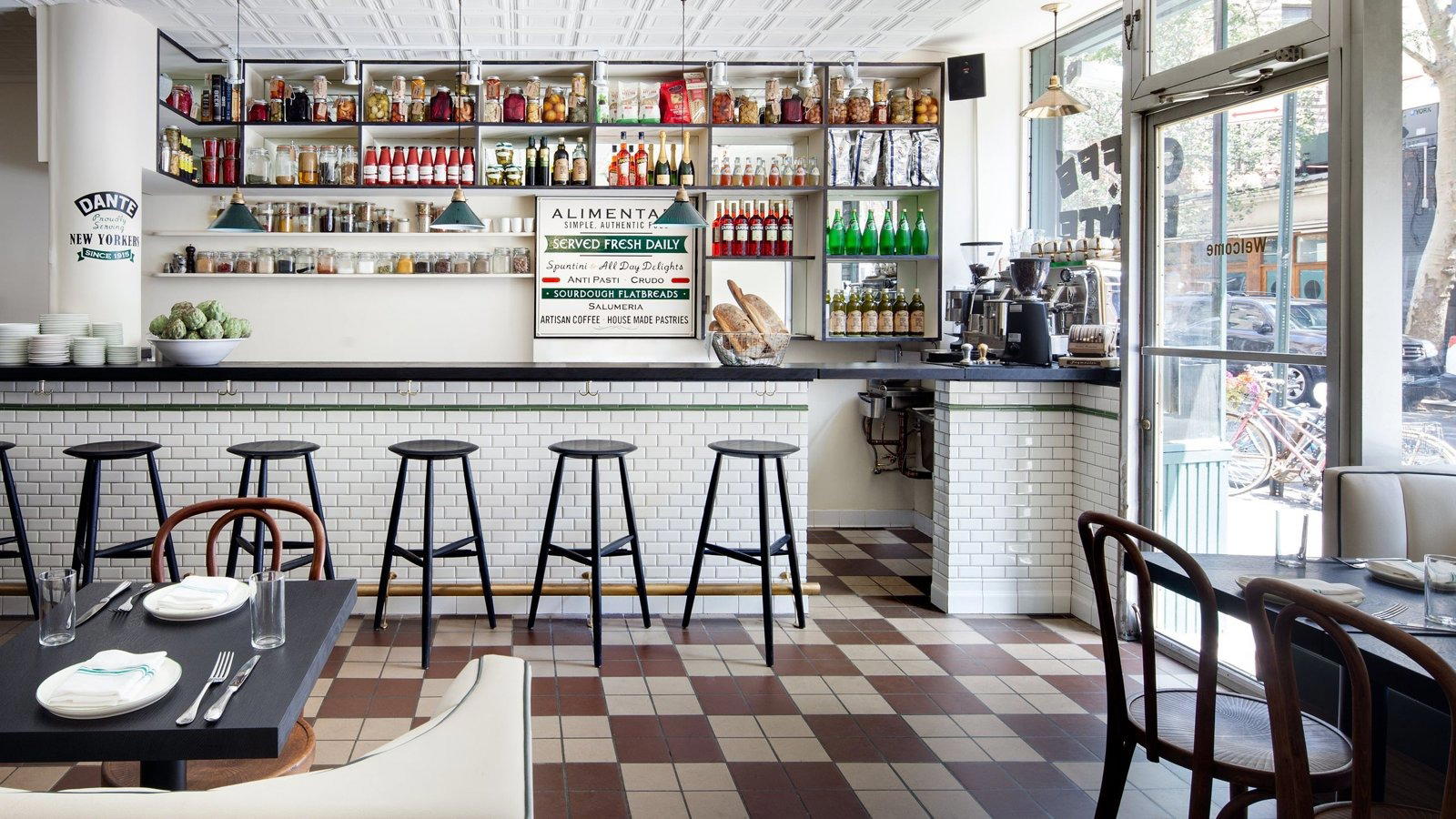
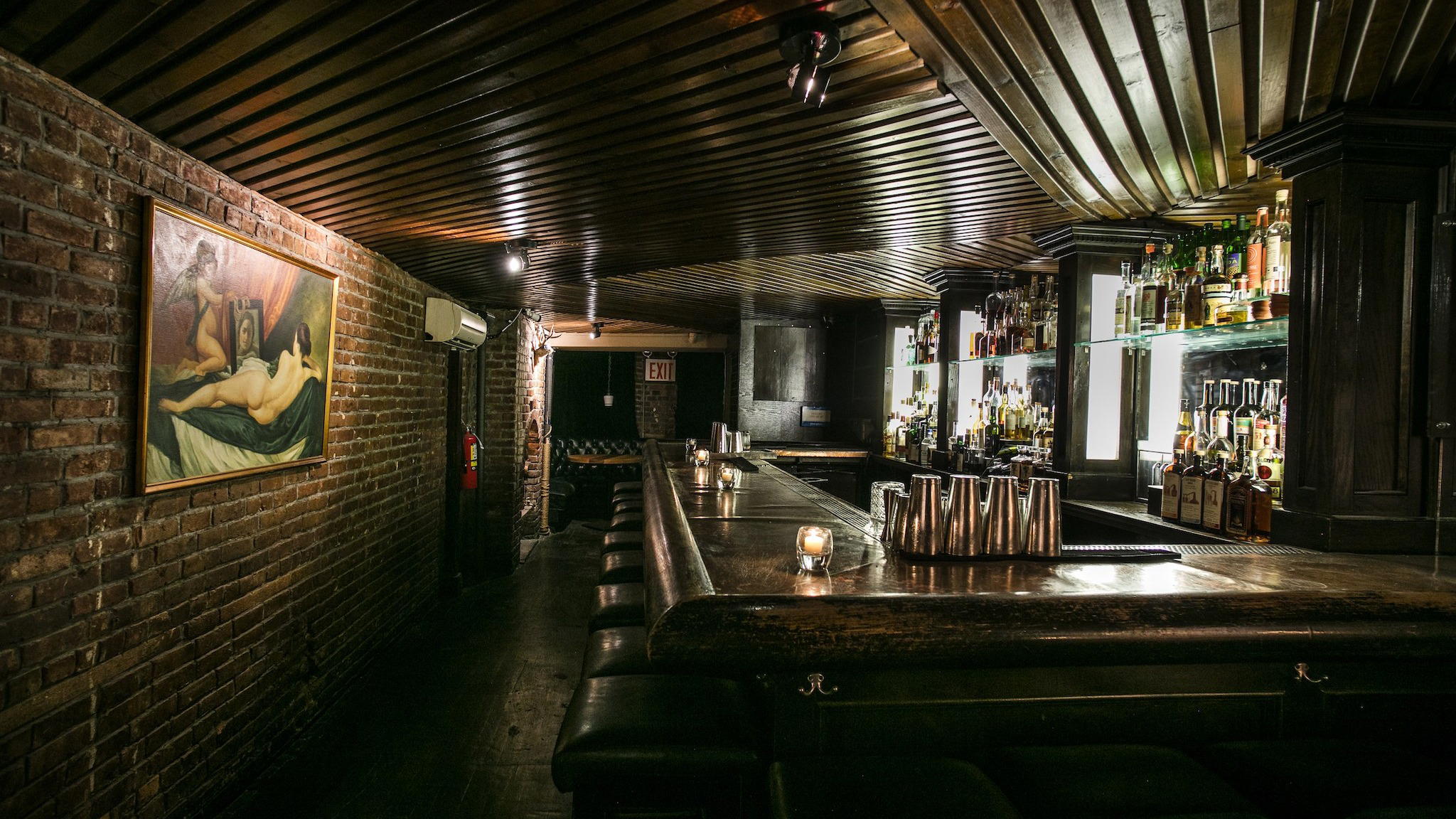
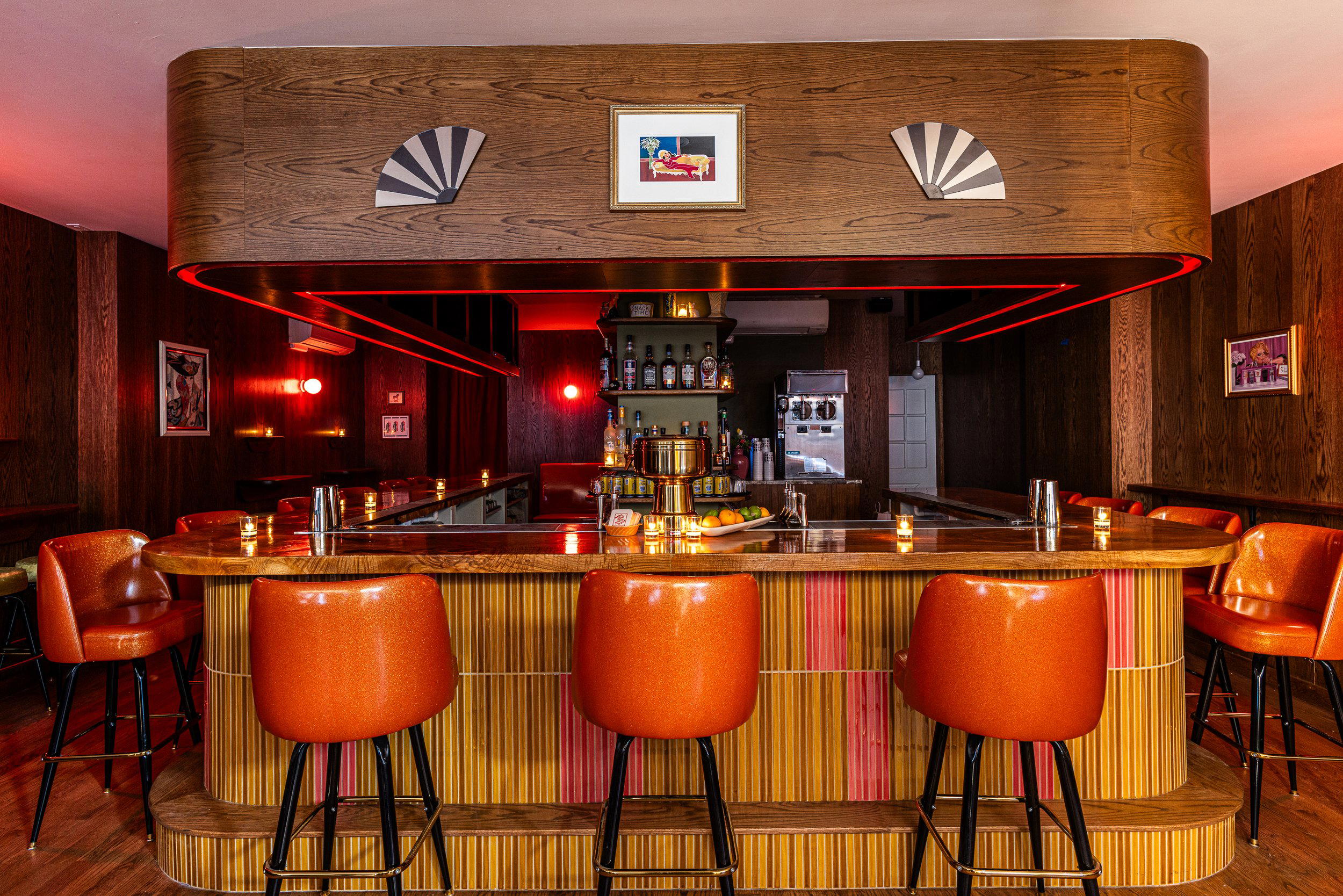
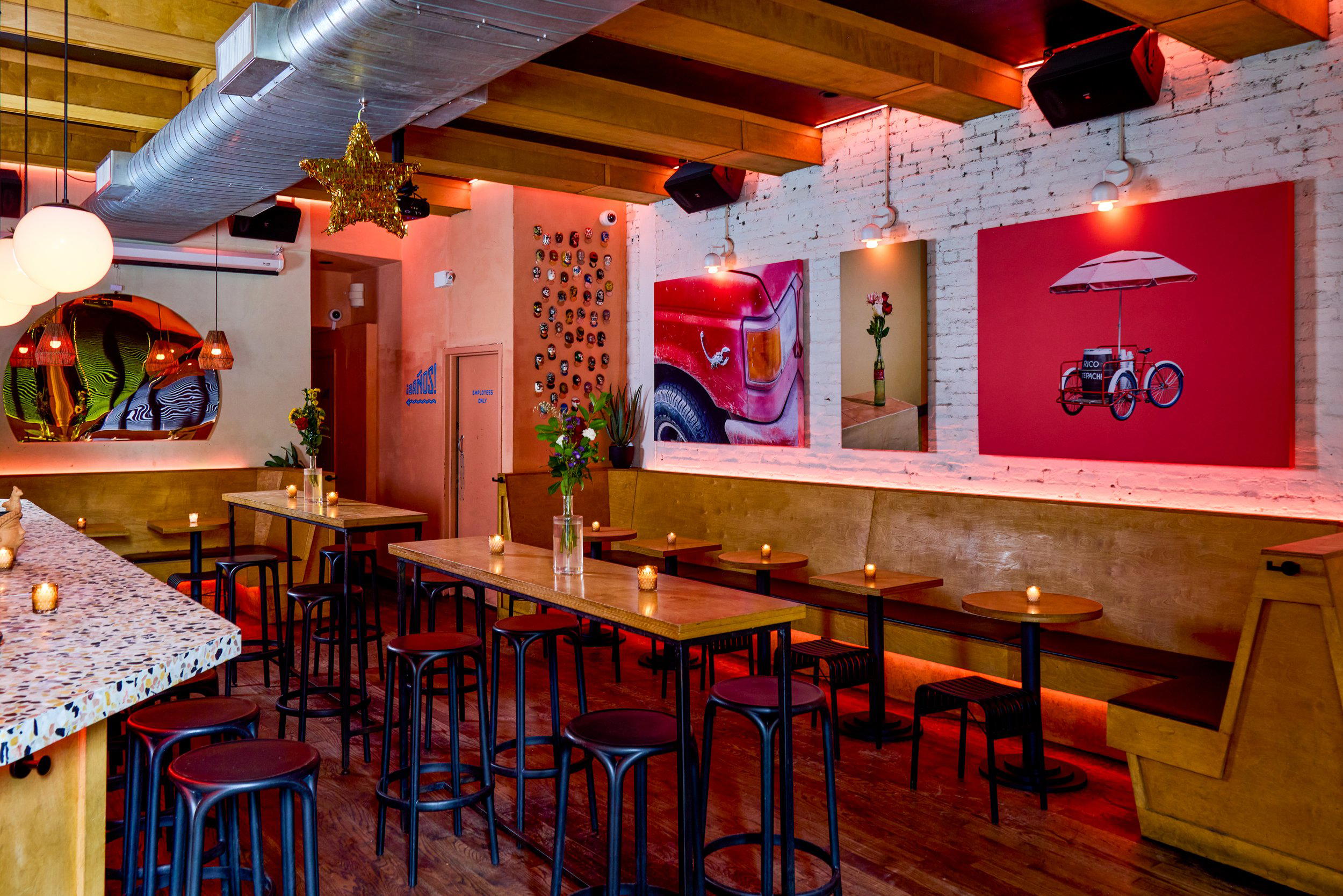
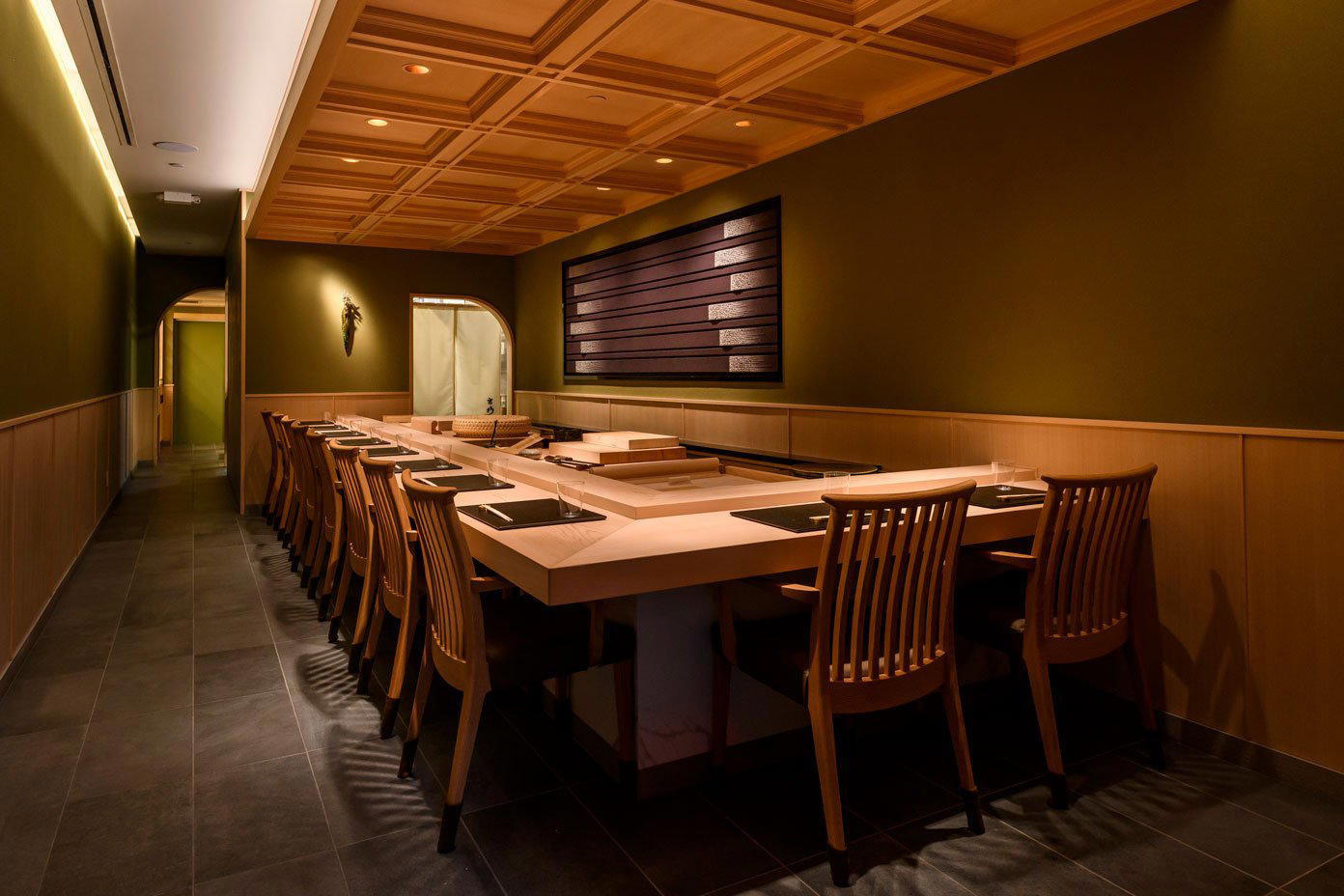
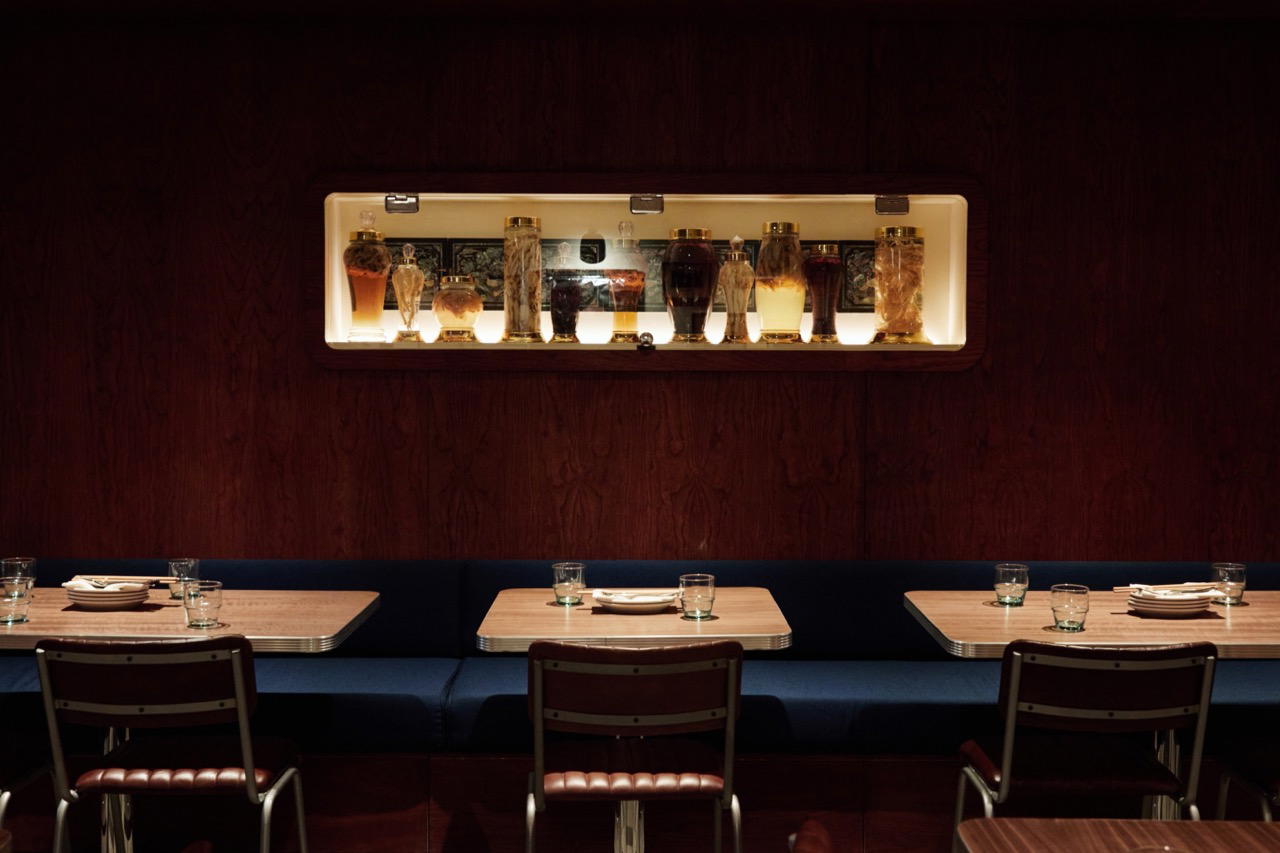
Ariari brings the seaport city of Busan to the East Village through a seafood-forward shared plates menu with a vintage coastal aesthetic. Wood paneling, banquette seating, and maritime-themed artwork set the scene for dishes that range from DIY scallop gimbap to uni cream bibimbap.

Pearl is the En Primeur Club membership app, where members save venues, book tables and use the concierge.
The menu
What to order
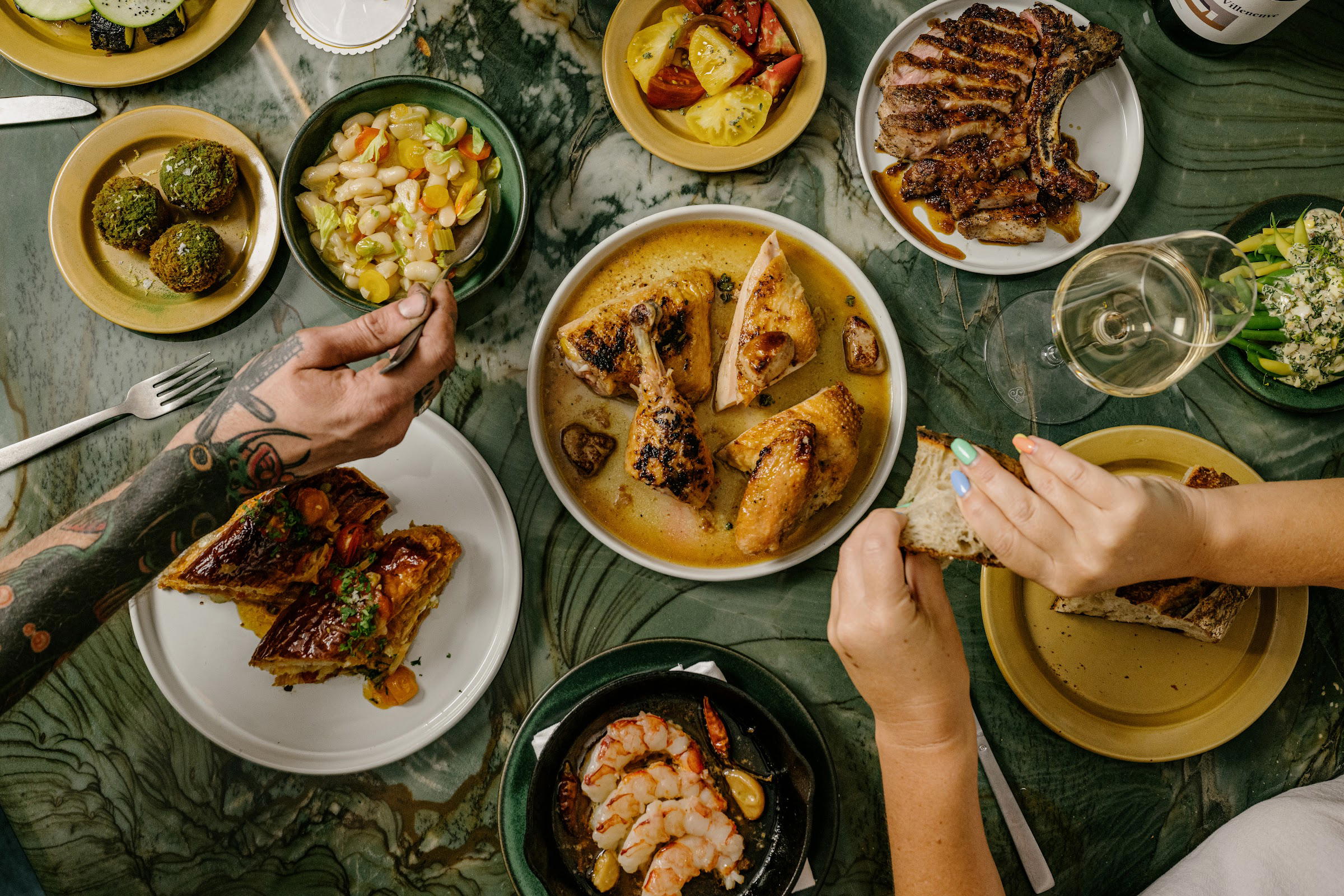
- Seafood Butter-Gui
- Scallop DIY Gimbap
- Fried Soft-Shell Crab
- Seafood Pancake
- Duck Bulgogi
Busan at the Table: How Ariari Reframes Korean Seafood in New York
Walk into 119 First Avenue on a weeknight and the room does something that few East Village restaurants manage: it reads immediately. Wood paneling runs the length of the walls, banquette seating lines the perimeter, and framed maritime artwork anchors a visual identity that signals the concept before a single dish arrives. This is not the generalised Korean-American dining room that proliferated across Manhattan in the early 2010s. The reference point is specific, Busan, South Korea's second-largest city and its most significant port, a place where proximity to the sea shapes not just what people eat but how they eat it.
That specificity matters. New York's Korean restaurant scene has broadened considerably over the past decade, moving from a Koreatown-centred model built on barbecue and stew formats into a more distributed network of regional and technique-led restaurants spread across multiple boroughs. Atomix operates at the tasting-menu end, while places like bōm and Jeju Noodle Bar have staked ground in more focused, casual registers. Ariari sits somewhere between those poles, a shared-plates format at a mid-range price point ($$$ on a scale that tops out at $$$$), with a menu discipline anchored to coastal Busan cuisine rather than to a generalist Korean-American framework.
The Busan Tradition Behind the Menu
Busan's food culture is inseparable from its geography. The city sits on Korea's southeastern tip, where the Korea Strait meets the South Sea, and has historically functioned as the country's primary commercial port. That maritime identity produces a culinary tradition that runs on raw fish, fermented seafood (jeotgal), and preparations that preserve and intensify oceanic flavour rather than masking it. In Busan's Jagalchi fish market, the largest in Korea, vendors have sold live and salted seafood since the mid-twentieth century, and the city's restaurant culture evolved directly from that trading tradition.
Ariari's menu reads as a considered translation of that tradition for a downtown New York audience. Seafood appears across every section rather than being siloed into a dedicated category, which is the Busan way: the sea is the baseline, not a specialty. The bibimbap made with uni cream is a useful marker of the kitchen's approach, a form deeply familiar to Korean-American diners, reworked through an ingredient (sea urchin) that signals both luxury and coastal specificity. Uni has become something of a prestige shorthand in New York dining generally, appearing on menus from Japanese to Italian, but anchoring it inside a bibimbap format grounds it in Korean culinary logic rather than treating it as a cosmopolitan flourish.
The Dishes That Define the Format
The scallop DIY gimbap is among the more considered constructions on the menu. Thinly sliced raw scallops arrive alongside squid jeotgal, scallion mayo, apple kimchi, and crispy gim squares for assembly at the table. The format is interactive without being gimmicky, gimbap is already a portable, assembled food in Korean tradition, so the DIY structure extends that logic rather than imposing novelty onto it. The squid jeotgal (salt-fermented squid) is the element that grounds the dish culturally: jeotgal is a fermentation category as central to Korean coastal cooking as miso is to Japanese cuisine, and its appearance here signals kitchen seriousness about the source material.
The corn crème brûlée with shaved white chocolate demonstrates a different register, a dessert that moves between savoury and sweet rather than landing cleanly in either. Corn appears as both a dessert and a savoury ingredient across several East Asian food traditions, and this preparation acknowledges that ambiguity rather than resolving it. It is the kind of dish that works better as a final note in a shared-plates progression than it would as a standalone dessert order, which is consistent with how the format is designed to be used.
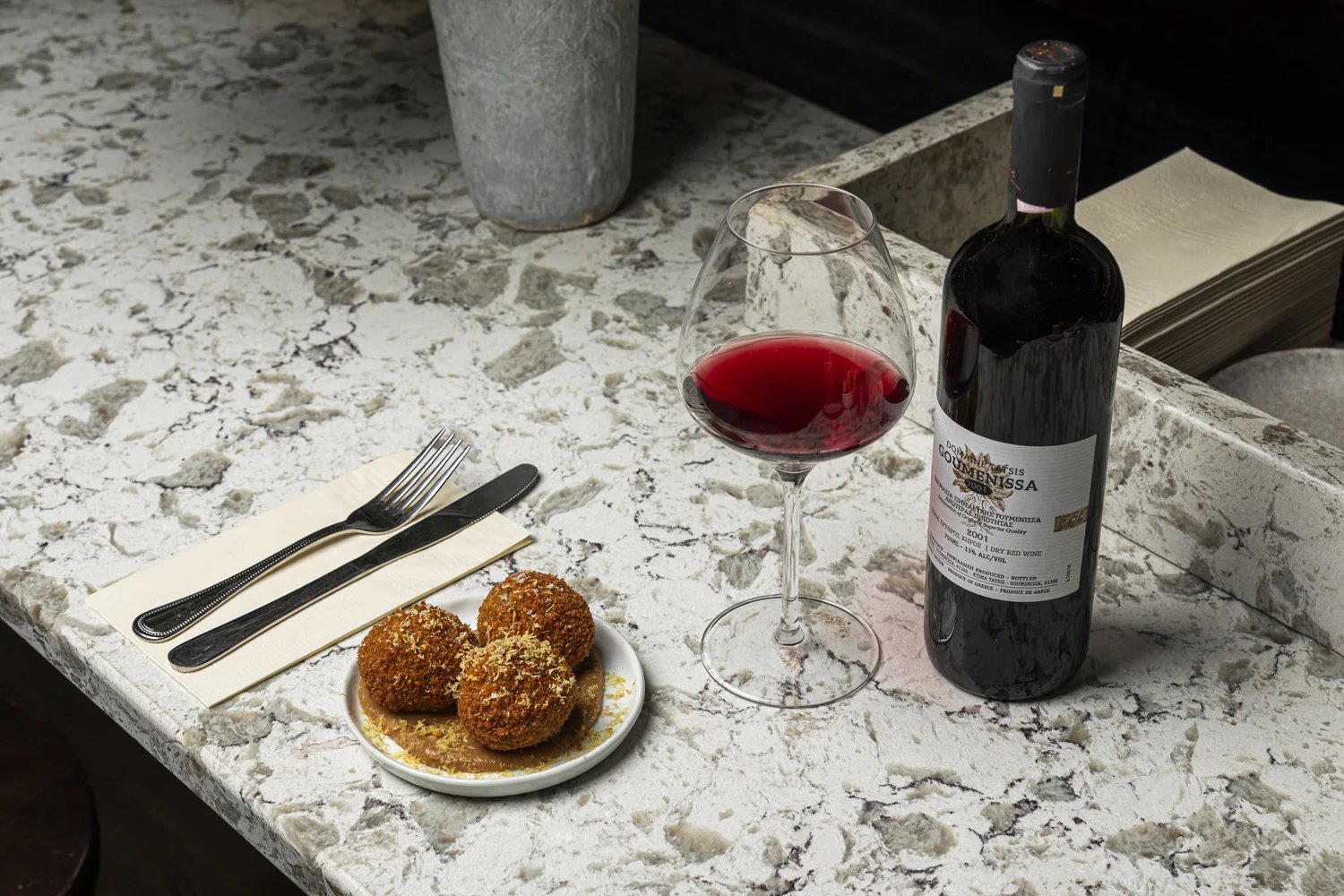
Cocktail program is worth treating as part of the meal rather than a preamble to it. For a restaurant at this price point and format, the drinks appear to hold their own as a category, a meaningful distinction in a city where mid-range restaurants frequently under-invest in bar programs relative to kitchen output. For a broader read on where to drink in the city, our full New York City bars guide maps the range from neighbourhood spots to serious cocktail programs.
Where Ariari Fits in New York's Korean Scene
New York's Korean dining tier has developed distinct cohorts over the past several years. At the leading end, Jua and Meju work in refined Korean frameworks with higher price points and more formal structures. 8282 occupies a different register entirely. Ariari's Michelin Plate recognition in 2024 places it within the acknowledged tier of the city's Korean restaurant ecosystem without the formality or cost barrier of the starred cohort, a useful marker for readers calibrating expectations across the range.
For comparison, the Seoul end of this tradition is represented by restaurants like Mingles and Kwonsooksoo, both of which operate at a considerably higher formality and price point within Korean fine dining. Ariari is not attempting that register; it is working in a more accessible, convivial format that suits East Village foot traffic and the shared-plates dining rhythm that dominates the neighbourhood.
At the East Village's competitive mid-range, that kind of volume and consistency suggests a dining room that delivers reliably rather than peaking for critics and fading for regulars, a distinction that matters when planning a visit rather than chasing a reservation.
Planning Your Visit
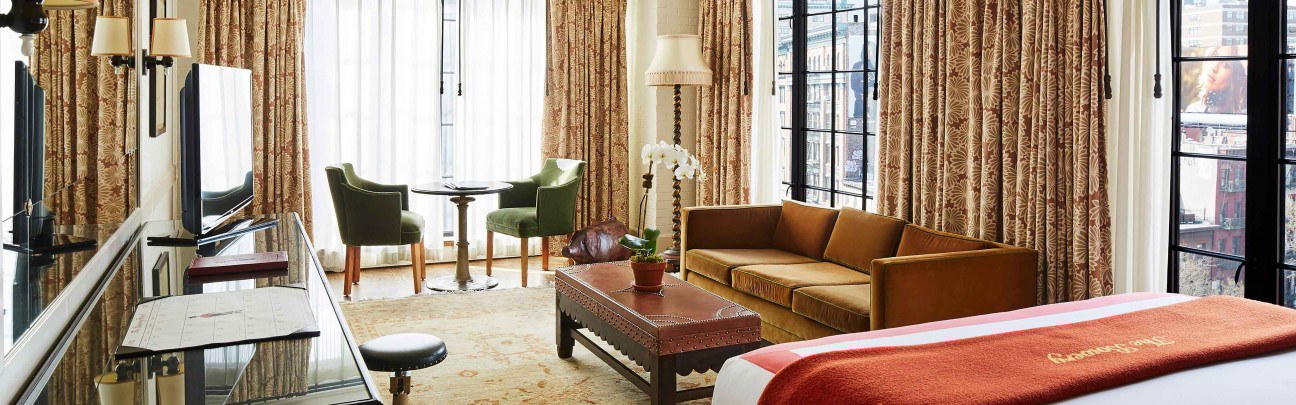
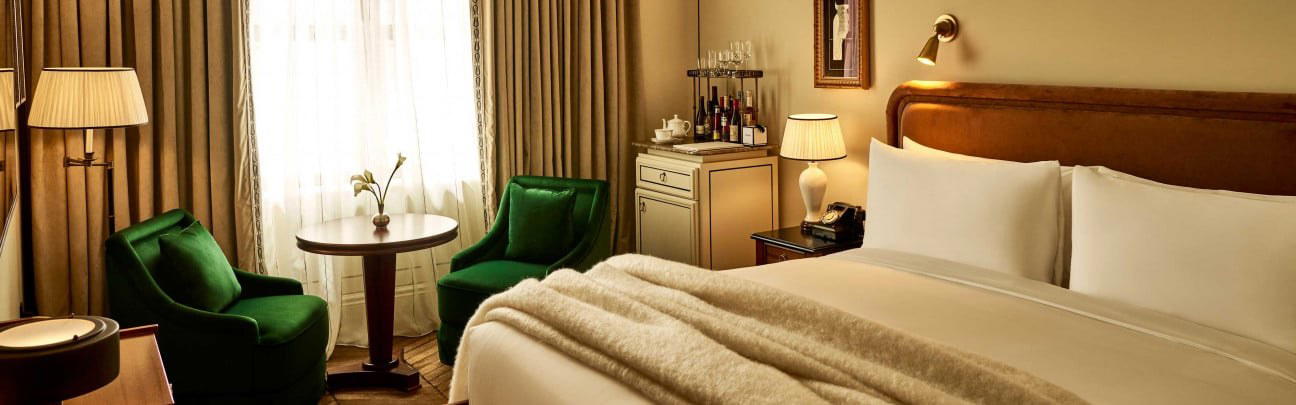
Ariari is located at 119 First Avenue in the East Village, a neighbourhood with a dense concentration of independent restaurants at the $$-$$$ price range. The shared-plates format rewards groups of three or four who can work through multiple sections of the menu; solo diners and pairs can still cover meaningful ground, but the Busan-style progression works well with table coverage across the seafood-forward dishes, the assembled gimbap, and the cocktail list simultaneously. For a wider picture of where Ariari sits within the city's restaurant ecosystem, our full New York City restaurants guide covers the range across all price points and neighbourhoods. If you are building a longer stay around the visit, our full New York City hotels guide, bars guide, wineries guide, and experiences guide extend the planning further. For reference on what the American fine dining circuit looks like at its upper tier, The French Laundry, Alinea, Lazy Bear, Single Thread Farm, Providence, and Emeril's represent the broader landscape against which Ariari's accessible, regionally focused model reads as a deliberate alternative.
Frequently asked questions
What distinctions does Ariari have?
Ariari has received recognition including: This Korean spot has a cool, vintage vibe that comes complete with wood paneling and banquette seating. Framed artwork highlights a maritime theme which comes as no surprise since this contemporary, shared plates-style menu zeroes in on the….
How much does it cost to eat at Ariari?
Pricing at Ariari is listed as $$$.
What should I order at Ariari?
The scallop DIY gimbap is the clearest expression of what Ariari does: thinly sliced raw scallops arrive with squid jeotgal, scallion mayo, apple kimchi, and crispy seaweed sheets for self-assembly. The uni cream bibimbap is worth ordering for its combination of traditional format and coastal Busan ingredients. Finish with the corn crème brûlée with shaved white chocolate, a savory-sweet riff on the classic that holds up as more than a novelty.
What cuisine category does Ariari fall under?
What part of town is Ariari in?
Ariari is located at 119 1st Ave, New York, NY 10003, New York City.
Should I book Ariari in advance?
Ariari sits in the $$$ tier on First Avenue, a stretch of the East Village with high foot traffic and strong local demand for this price point. Booking ahead is advisable, particularly for weekends, given its Michelin Plate recognition in 2024 and the relatively intimate room with banquette seating.
What has Ariari built its reputation on?
Ariari earned a Michelin Plate in 2024 on the back of a menu anchored to Busan, Korea's major southeastern seaport city, with seafood running through every section of a shared-plates format. The kitchen draws on coastal Korean traditions, including fermented seafood preparations like jeotgal, rather than the broader Korean-American idiom more common in New York. That geographical specificity, paired with an approachable $$$ price range, gives it a distinct position in the city's Korean dining tier.
Accolades, Compared
A quick snapshot of similar venues for side-by-side context.
| Venue | Cuisine | Price | Awards | Notes |
|---|---|---|---|---|
| AriariThis venue (the venue you are viewing) | Busan-inspired Korean seafood | $30–50 | Michelin Plate | Not listed |
| Le Bernardin | French Seafood Fine Dining | $300–500 | 3 Michelin Stars · World's 50 Best #13 | French, Seafood |
| Atomix | Modern Korean Tasting Menu | $300–500 | 2 Michelin Stars · World's 50 Best #7 | Modern Korean, Korean |
| Masa | Seasonal Hokkaido Tempura Omakase | $150–200 | Tabelog 100 #34 | Sushi, Japanese |
| Per Se | French Fine Dining Tasting Menu | $300–500 | 3 Michelin Stars · World's 50 Best #40 | French, Contemporary |
| Eleven Madison Park | Contemporary Plant-Based Fine Dining | $300–500 | 3 Michelin Stars · World's 50 Best #4 | French, Vegan |
Recognition history
Dated appearances from independent guides and award organizations, with the underlying list record or original source where available.
Michelin Plate
Michelin
Full recognition history (2 entries)
Michelin Plate
Michelin