Our verdict
Filterhaus sits on Adolf-Damaschke-Straße in Werder (Havel), a small Brandenburg town better known for its fruit orchards and Havel riverbanks than for a developed dining scene. With limited published data, it occupies a quiet tier of the local restaurant map, worth tracking for visitors who want to eat beyond the water-facing terraces that dominate the town's visitor economy.

Pearl is the En Primeur Club membership app, where members save venues, book tables and use the concierge.

The menu
What to order
- Rumpsteak vom Wołowina Rind
- Beelitzer weißer Spargel
- Diverse meats from the grill
Werder's Orchard Belt and What It Means for the Table
Werder (Havel) sits roughly 30 kilometres southwest of Berlin, and its culinary identity has long been shaped by geography rather than gastronomy. The town is surrounded by some of Brandenburg's most productive fruit-growing land: cherry and plum orchards cover the slopes around the Havel island, and the annual Baumblütenfest (Blossom Festival) draws hundreds of thousands of visitors each spring, making Werder one of the few German towns where seasonal agricultural rhythms are still visible and commercially meaningful. That agricultural context matters when reading any restaurant in the area, because the supply chain that most Berlin or Hamburg restaurants have to engineer artificially exists here as a structural fact of the landscape.
Filterhaus is located at Adolf-Damaschke-Straße 56, in a part of Werder that sits away from the heavily touristed waterfront. That positioning places it in a different relationship to the town's visitor economy than the lakeside and river-facing spots that dominate first searches. Dining in Werder broadly splits between water-view terraces drawing day-trippers from Berlin and quieter, less publicised addresses that serve a more local constituency. Filterhaus falls into the latter category, which in a town this size carries its own logic: the audience is less seasonal, the calculus around provenance and price tends to be more grounded, and the connection to the surrounding orchard and agricultural belt can be more direct when there is no premium attached to a harbour view.
The Brandenburg Sourcing Context
Brandenburg's food production profile is underappreciated relative to its proximity to a city of 3.7 million people. The state supplies Berlin's restaurant market with asparagus from the Spreewald, fish from the Havel lake system, cherries and plums from the Werder growing zone, and rye and root vegetables from the broader agricultural plain. For restaurants operating in Werder itself, the logistics of that supply chain are considerably shorter than for their Berlin counterparts, and the cost of accessing genuinely regional ingredients is lower. The question, for any Werder restaurant worth attention, is whether that structural advantage is converted into something on the plate.
This is the frame through which Filterhaus is most usefully read. Brandenburg's orchard and lake geography offers an ingredient logic that does not require importing the vocabulary of Alpine or coastal German cuisine. Havel perch and pike have a culinary lineage in this region going back centuries. Fermented and preserved fruit products from the Werder growing belt represent a category that is local in a way that few urban restaurants can genuinely claim.
Werder's Restaurant Tier and Where Filterhaus Sits
Werder does not operate at the price or recognition tier of Germany's fine-dining circuit. For reference, the country's high-end table is represented by addresses such as Schwarzwaldstube in Baiersbronn, Aqua in Wolfsburg, Vendôme in Bergisch Gladbach, and Waldhotel Sonnora in Dreis, venues operating with full tasting-menu formats, Michelin recognition, and national-level critical attention. At a different register, concept-driven addresses like CODA Dessert Dining in Berlin and JAN in Munich show how smaller German cities and their near suburbs can generate restaurant culture that operates outside the conventional fine-dining bracket.
Werder's own most prominent address in that direction is Alte Überfahrt, which operates at the €€€€ tier with a modern cuisine format and represents the clearest reference point for what ambitious cooking looks like in this town. mein.werder and Trattoria Bella Vista fill out a local scene that, taken together, reflects a town serving a mixed audience of Berlin weekenders, local residents, and orchard-season visitors. Filterhaus, based on its address and available information, occupies a position in that local tier rather than challenging Alte Überfahrt's price point. For the broader Werder restaurants picture, those distinctions matter when planning a visit.
Internationally, restaurants with a strong regional-sourcing identity and a deliberately local orientation have found recognition at venues like Lazy Bear in San Francisco, where the format is built explicitly around produce sourcing and seasonal specificity, or at Le Bernardin in New York City, where ingredient origin and handling are the editorial logic of the menu. Those are distant comparators in price and format, but they illustrate a broader shift in how sourcing-led restaurants communicate their identity, a shift that reaches smaller regional towns with a time lag but does reach them.
Within Germany's mid-tier regional scene, L.A. Jordan in Deidesheim, Schanz in Piesport, Bagatelle in Trier, Restaurant Haerlin in Hamburg, ES:SENZ in Grassau, and Victor's Fine Dining by Christian Bau in Perl show the range of serious cooking available in non-Berlin Germany. Werder's scene is more modest than any of those, but modest does not mean without interest.
Planning a Visit
Filterhaus is at Adolf-Damaschke-Straße 56 in Werder (Havel), accessible from Berlin by regional train to Werder station in under 40 minutes on the RE1 line, with the address reachable on foot or by local transport from there. Werder rewards visits in two distinct windows: the spring blossom season (April into May), when the orchard belt is at its most visible and the town draws its largest crowds, and the quieter shoulder months when the day-trip pressure eases and the local restaurant scene operates at a less pressured pace.
Frequently asked questions
Can I bring kids to Filterhaus?
Werder (Havel) as a town runs family-oriented, particularly through orchard season and along the waterfront, so the broader environment is accommodating. Filterhaus is at Adolf-Damaschke-Straße 56, away from the busiest tourist corridors, which typically means a calmer setting than riverfront venues.
What's the vibe at Filterhaus?
Adolf-Damaschke-Straße 56 places Filterhaus off Werder's main waterfront strip, which tends to produce a neighbourhood-facing atmosphere rather than a tourist-facing one. In a town of Werder's scale, that positioning usually means fewer walk-in crowds and a more settled pace than harbour-side spots.
Is Filterhaus worth the trip from Berlin, and how do you get there?
Filterhaus is at Adolf-Damaschke-Straße 56 in Werder (Havel), reachable from Berlin by regional train in under 40 minutes on the RE1 line to Werder station. That journey time puts it within practical range for a lunch or dinner outing without needing a car. Werder's position in Brandenburg's orchard belt gives the surrounding area enough daytime draw to make the trip viable beyond the restaurant itself.
What should I eat at Filterhaus?
Werder (Havel) is Brandenburg's most recognised fruit-growing zone, and restaurants in the area frequently work with local orchard produce, freshwater fish from the Havel, and seasonal vegetables from the surrounding agricultural belt. Contacting Filterhaus directly before visiting is the most reliable way to understand current offerings.
How It Stacks Up
Comparable venues nearby, for context on price, style, and recognition.
| Venue | Cuisine | Price | Awards | Notes |
|---|---|---|---|---|
| FilterhausThis venue (the venue you are viewing) | Regional German Grill | $30–50 | Not listed | Not listed |
| mein.werder | Modern Regional German Tapas | $50–100 | Not listed | Marktplatz |
| Trattoria Bella Vista | Italian Trattoria | Not listed | Not listed | Werder upon Havel |
| Alte Überfahrt | Modern Seasonal Vegetable Cuisine | $100–150 | 1 Michelin Star | Werder (Havel) |
| Ei-12437-B Restaurant | Modern German Beer Garden | Not listed | Not listed | Plänterwald |
| Gut Kerkow Bio-Metzgerei | Organic German Butcher Lunch | $10–20 | Not listed | Mitte |
Continue exploring
More in Werder
Restaurants in Werder
All restaurants in Werder →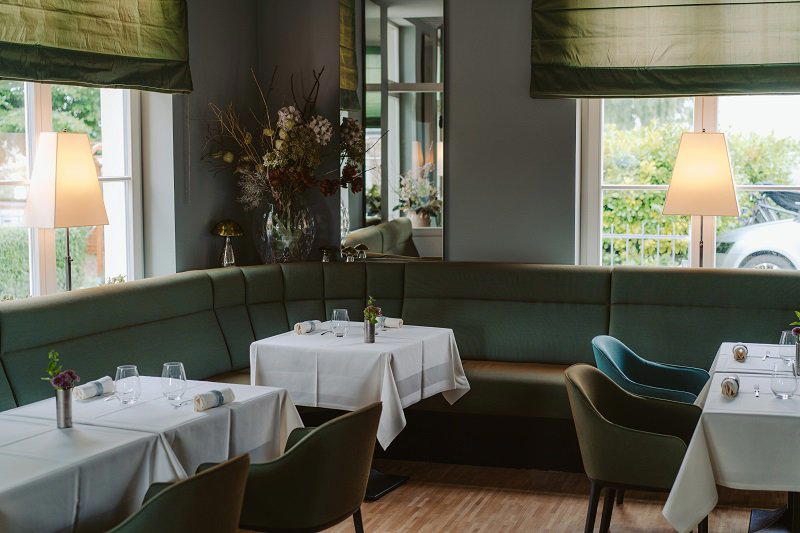
Bars in Werder
Browse all →

Details
- Cozy
- Group Dining
- Business Dinner
- Open Kitchen
- Beer Program
- Local Sourcing
- A La Carte
- Beer
- Wine
- Vegetarian Friendly
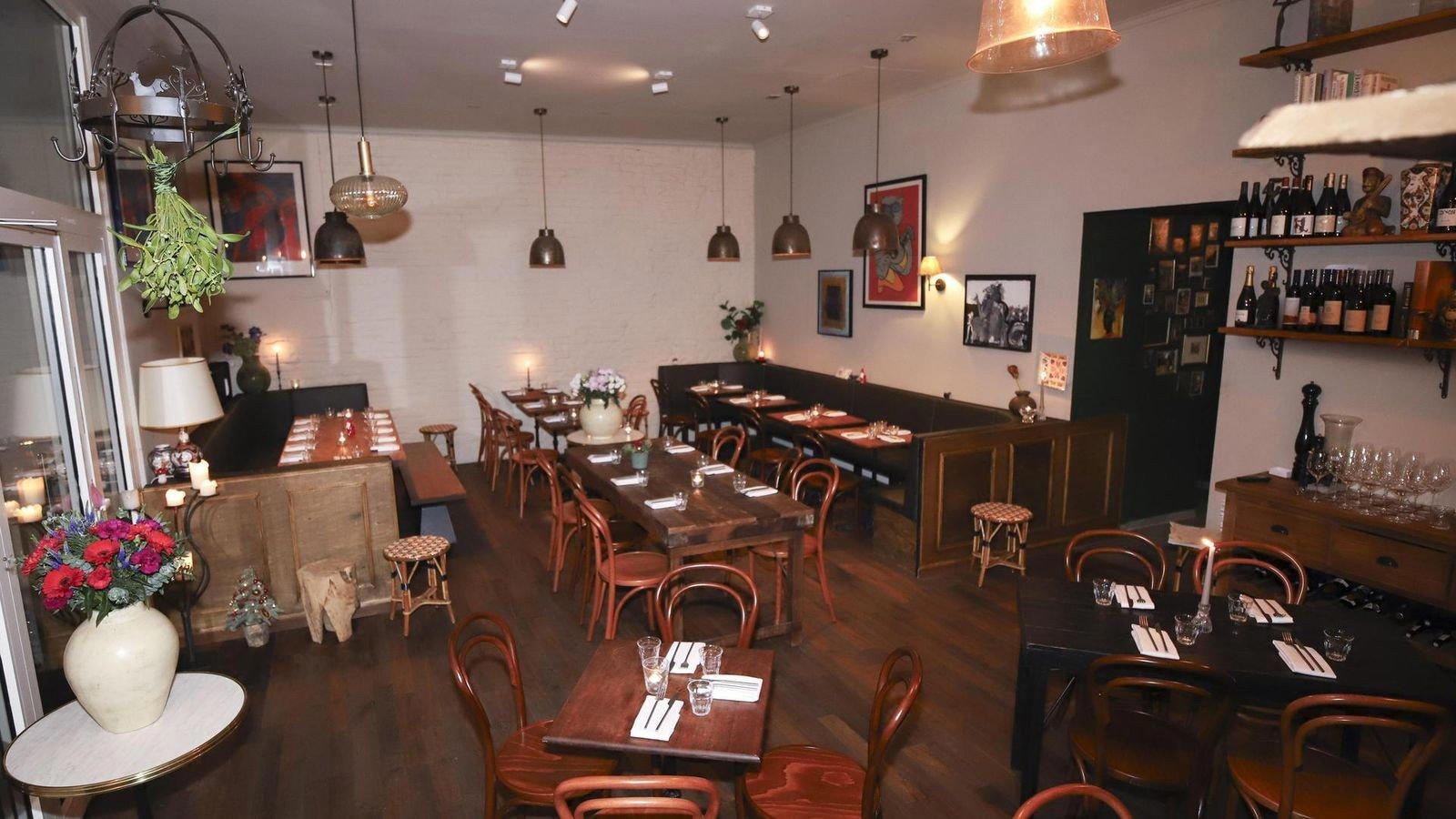
Warm and inviting atmosphere praised for excellent service and well-suited arrangement of courses.