
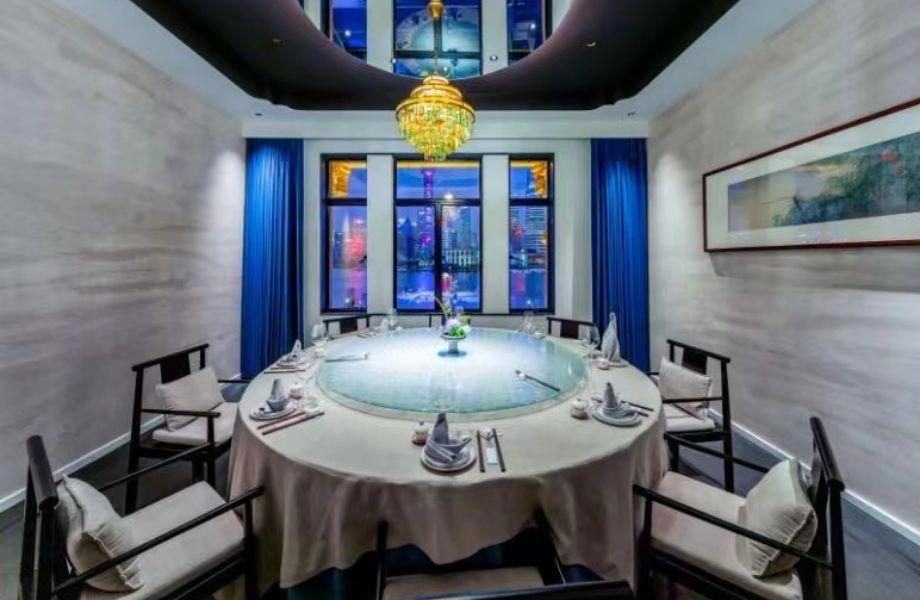
Meet the Bund (Zhongshan Dong Er Road) belongs to the polished Bund Finance Center dining circuit, where Shanghai’s riverfront appetite for ceremony meets mall-level convenience. The room’s brass ceiling panels and chandeliers set the tone: formal, urban, and built for guests who want the Bund’s visual grammar without leaving the controlled rhythm of a luxury commercial complex.
Pearl is the En Primeur Club membership app — saves, bookings, and concierge access live there. Same editors, same standards.
- Address
- S301, 3F, South Mall, The Bund Finance Center, 600 Zhongshan Dong Er Road, Huangpu
- Phone
- +86 21 6377 7668
- Directions
- Get directions
 Saves & bookings on Pearl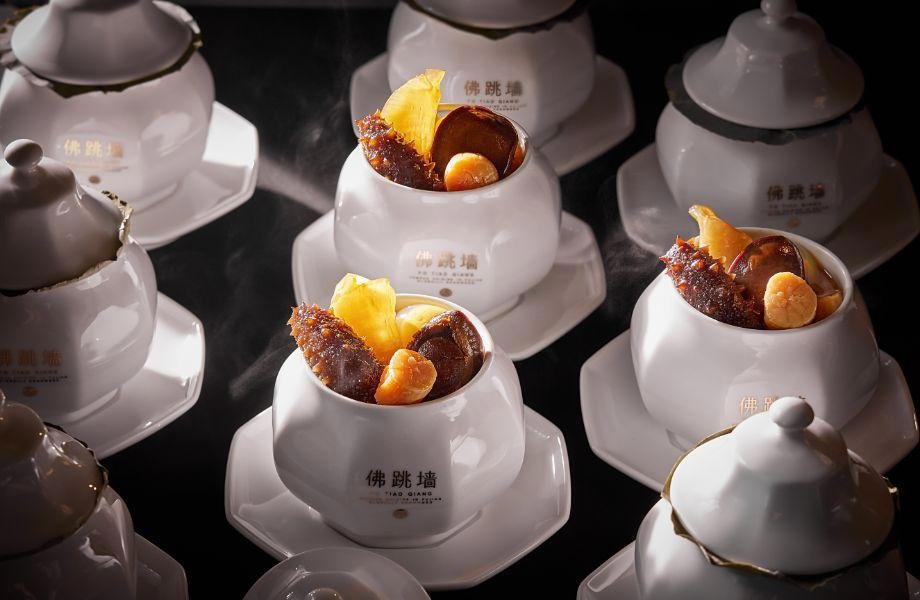
Brass ceiling panels and chandeliers set the tone before the menu has to argue its case. Shanghai has a long habit of turning dining rooms into civic theatre, and the polished end of the city’s restaurant culture often begins with the room: controlled lighting, high ceilings, a sense that the table is part of a larger social performance. Meet the Bund (Zhongshan Dong Er Road) sits in that category, where the experience is built around a formal room and the expectation that dinner carries more weight than a quick meal between appointments.
The Shanghai dining scene is not one single tradition. It pulls together business dining, regional Chinese cooking, polished service cues, and a taste for rooms that photograph well without needing to become nightlife. That matters because Shanghai’s premium restaurants compete on more than cuisine. They compete on occasion: who is hosting, how formal the table feels, how much privacy the room allows, and whether the kitchen has enough authority to keep the meal from becoming decor with dinner attached.
Shanghai's polished dining rooms put ceremony before casualness
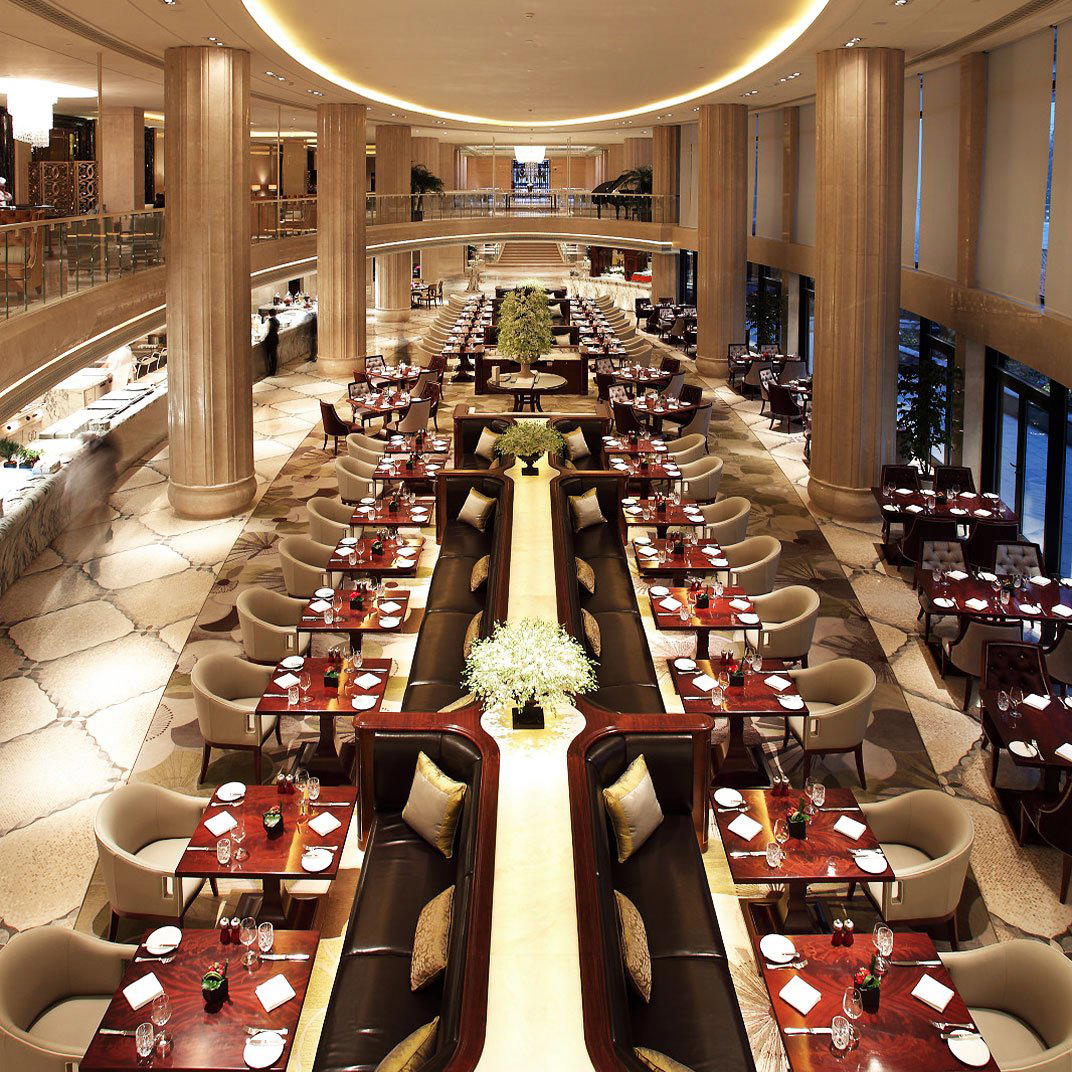
In this part of the market, atmosphere is not a garnish. It is part of the format. The brass and chandelier language signals a restaurant designed for seated, composed dining rather than counter spontaneity or quick-turn noodle culture. That places it closer to Shanghai’s formal dining rooms than to the city’s leaner specialist addresses, and it asks to be judged accordingly: by pacing, room control, kitchen consistency, and the degree to which the cooking gives shape to the experience.
The room is the useful anchor here. Its design provides a concrete credential in a category where many restaurants lean heavily on location and interior finish. The more interesting reading is not design for its own sake, but how a grand room changes the expectations of dinner. Shanghai has many restaurants with expensive fit-outs; the stronger ones attach the setting to a meal with enough force to make the cooking central to the evening.
That distinction becomes clearer when set against the broader city map. Other Shanghai dining rooms speak to the city’s appetite for business dining and clearly defined premium formats. More formal Chinese restaurants point toward the city’s layered dining grammar, where regional identity and room style carry equal weight. Other international-format restaurants show the opposite logic: familiar codes that make the decision easy before anyone opens the menu.
The room gives the restaurant its formal spine
The dining-room angle matters because Shanghai rewards restaurants that can translate polish into a repeatable dining format. Design alone is not enough; the room has to make its authority legible without turning the meal into an interiors showcase. Here, the useful point is structural: the brass ceiling panels and chandeliers give the restaurant a visual credential inside a setting that could otherwise be read mainly through its address. The result belongs to the polished end of dining in Shanghai, not to the improvisational, street-level side of the city’s food culture.
That contrast is part of Shanghai’s appeal. The same city can hold formal dining rooms, tightly focused noodle shops, and regional specialists without forcing them into the same ranking logic. Yangzhou Fan Dian (Huangpu) occupies a different lane from Lao Di Fang Mian Guan. Numata Sou, The Drawing Room, and Celestial Court add further proof that Shanghai’s restaurant culture is not a single hierarchy; it is a set of formats with different rules. Meet the Bund (Zhongshan Dong Er Road) should be read through the rules of occasion dining: the room, the service rhythm, and the expectation of a composed evening.
For travellers building a wider China food itinerary, the comparison becomes even sharper outside Shanghai. Other dining rooms across China sit inside different city traditions, and each city expresses formality in its own way. Shanghai’s version of formality is less about one regional canon than about the collision of status dining, design, and professionalized service culture.
How to place it in a Shanghai dining plan
This is a dinner to position as the formal anchor of a Shanghai stay, not the casual meal between museum time and a late bar. The city rewards contrast: pair a room-led restaurant with a simpler lunch elsewhere, then use the evening for a slower table and a more deliberate pace. If the itinerary is food-heavy, this is the kind of booking that makes sense after lighter, sharper formats earlier in the day.
The surrounding EP Club map helps sort that decision. Our full Shanghai restaurants guide gives the restaurant context within the city’s dining field, while our full Shanghai hotels guide is useful for matching the meal with the right base. Drinking and after-dinner planning belong in our full Shanghai bars guide, with broader trip-building through our full Shanghai experiences guide. Wine-focused travellers can also cross-check our full Shanghai wineries guide, though Shanghai’s strength remains restaurants and bars rather than vineyard proximity.
International comparison is less useful than format comparison, but it can still sharpen the reader’s instinct. Specialist drinks addresses or compact casual formats play a different game entirely: lower ceremony, narrower product focus, and less dependence on the room. Shanghai’s grand dining rooms ask for a different measure. Judge them by whether the setting, service rhythm, and cooking form one coherent evening. On that basis, this address belongs on the formal side of the city’s dining ledger.
A Lean Comparison
Comparable venues by cuisine and price in the same metro.
| Venue | Cuisine | Price |
|---|---|---|
| Meet the Bund (Zhongshan Dong Er Road)This venue — the venue you are viewing | Lan Ni Du, Modern Fujianese Fine Dining | $$$$ |
| Lei Garden (Pudong) | Da Pu Qiao, Michelin-Starred Cantonese | $$$$ |
| Fu 1088 | Jing An Si, Shanghainese | $$$$ |
| Sole | Zhoujiaqiaq, High-end Cantonese | $$$$ |
| T’ang Court (Shanghai) | Lao Ximen, Classic Cantonese Fine Dining | $$$$ |
| Obscura | Hongkou, Modern Innovative Chinese | $$$$ |
Recognition history
Dated appearances from independent guides and award organizations, with the underlying list record or original source where available.
Michelin 1 Star
Michelin
Continue exploring
More in Shanghai
More from Chef Chen Zhiping
Browse all →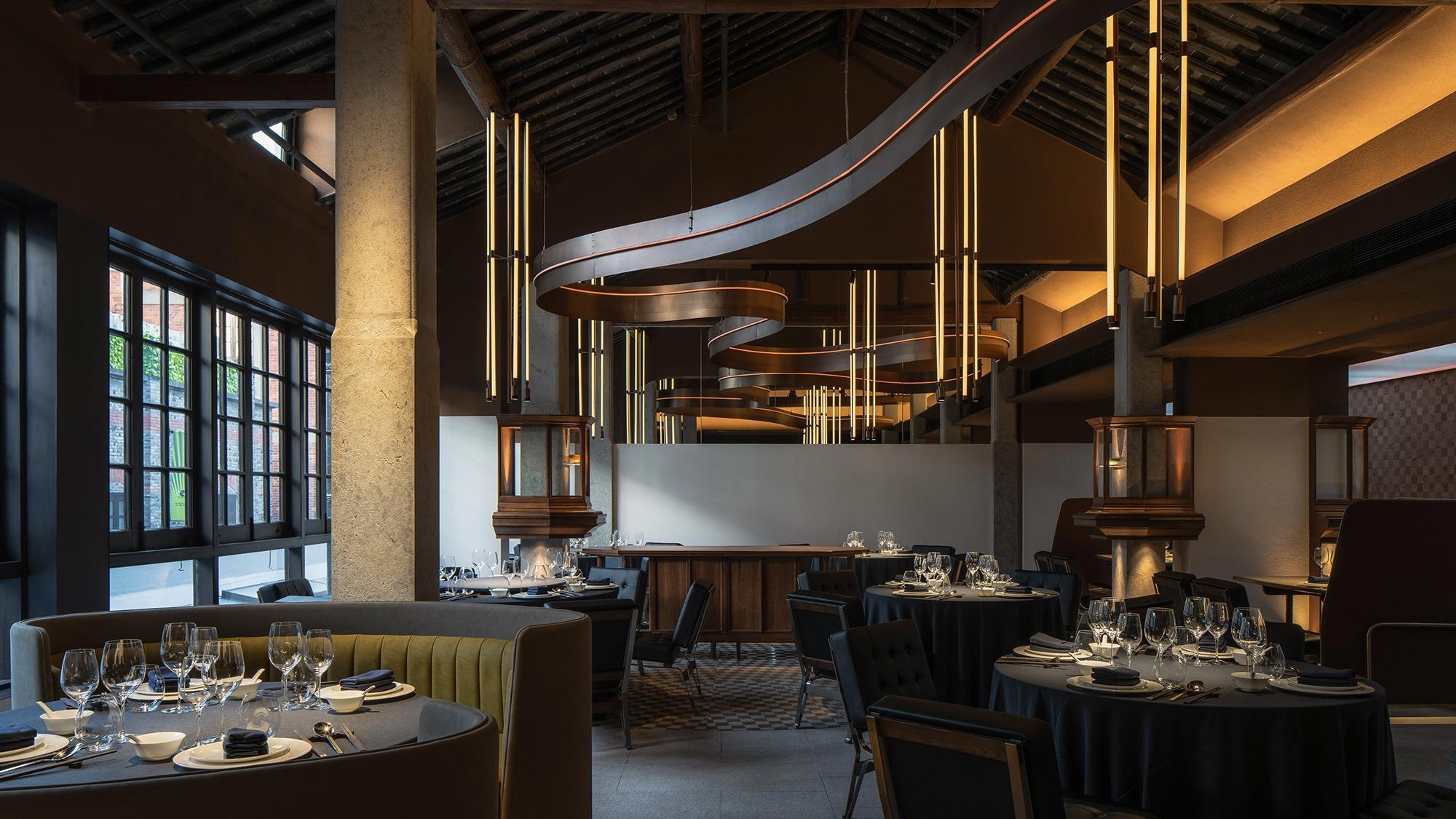
Restaurants in Shanghai
Browse all →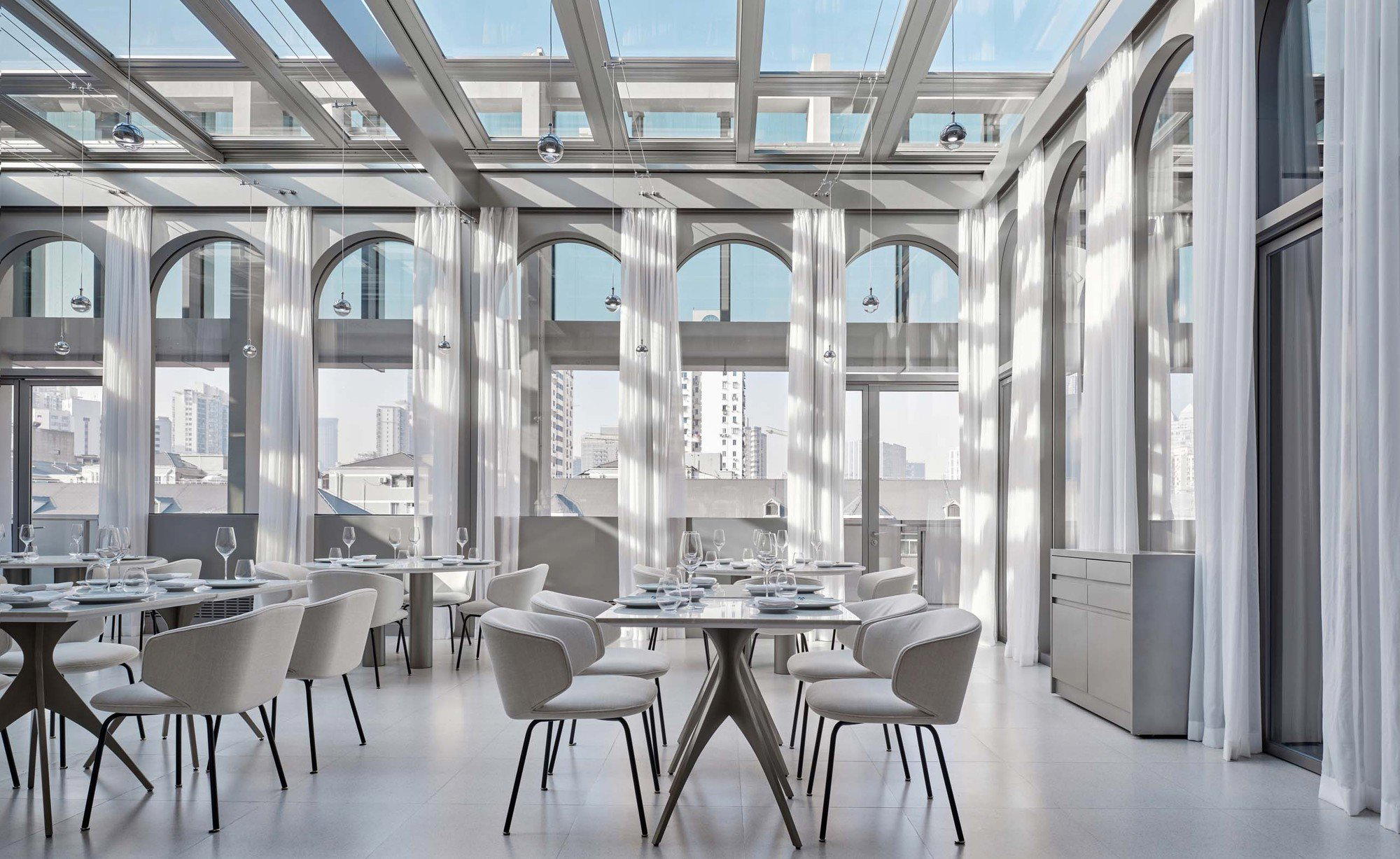
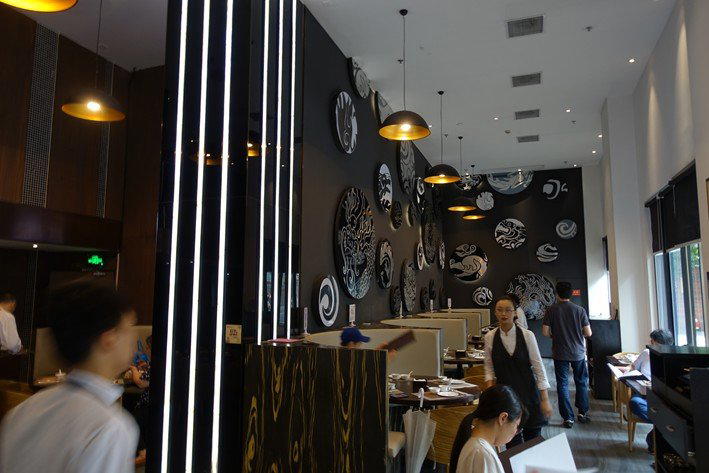
Bars in Shanghai
Browse all →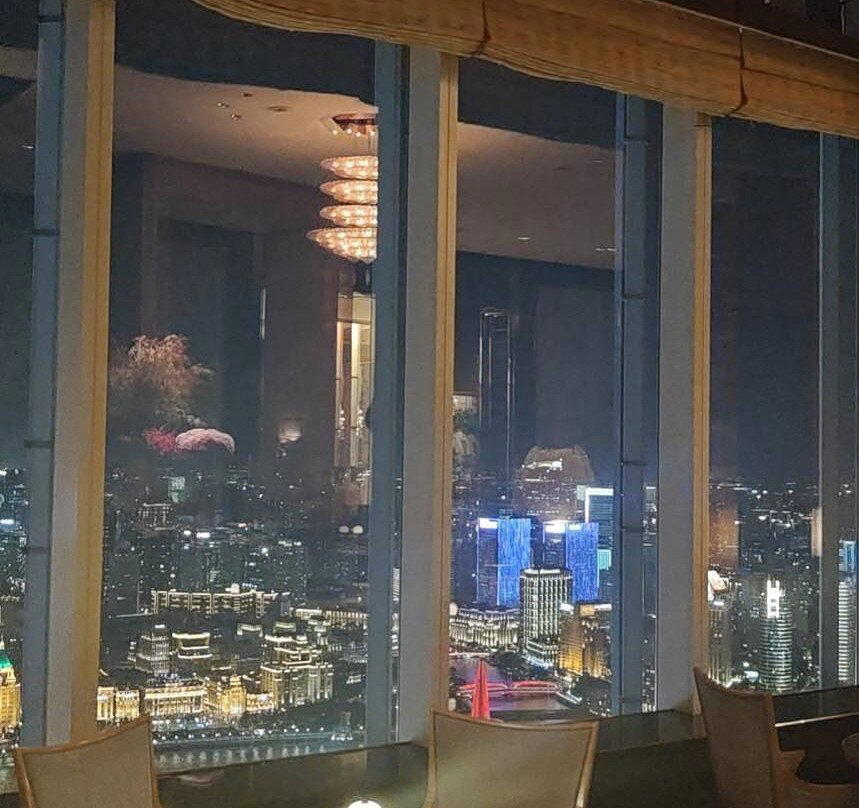
At a Glance
- Elegant
- Sophisticated
- Modern
- Intimate
- Business Dinner
- Special Occasion
- Date Night
- Panoramic View
- Private Dining
- Open Kitchen
- Sake Program
- Sustainable Seafood
- Skyline
- Street Scene
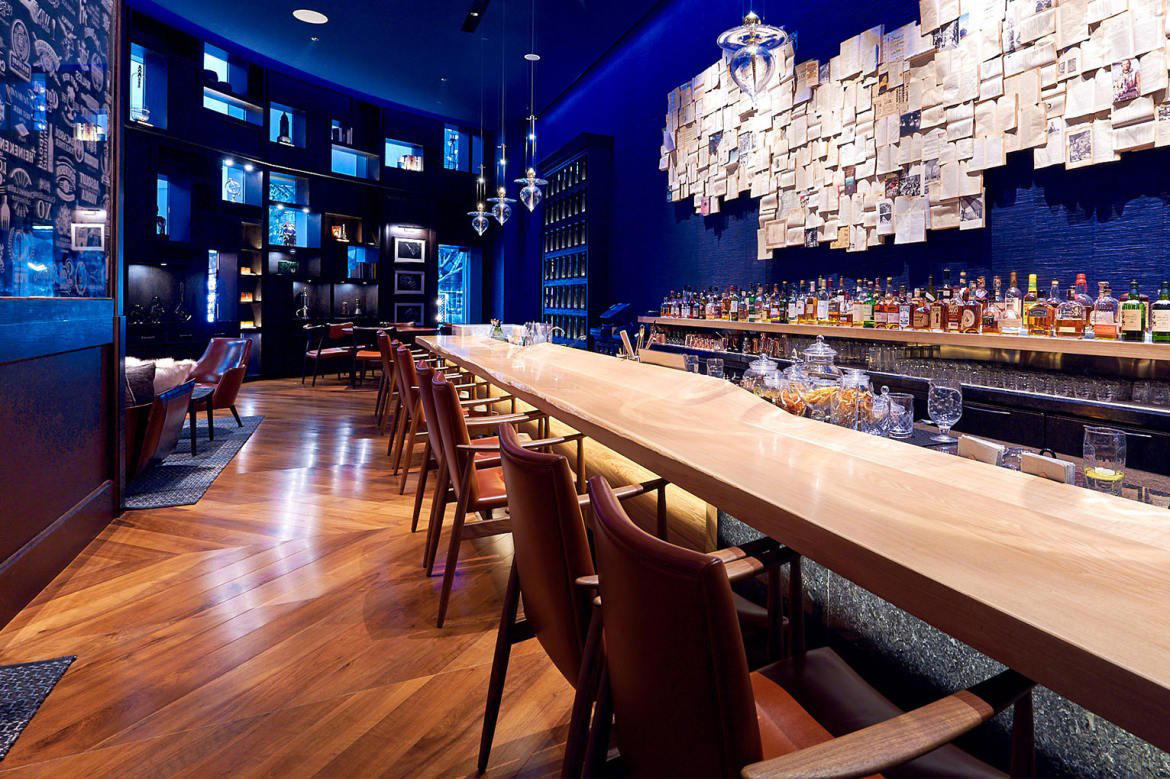
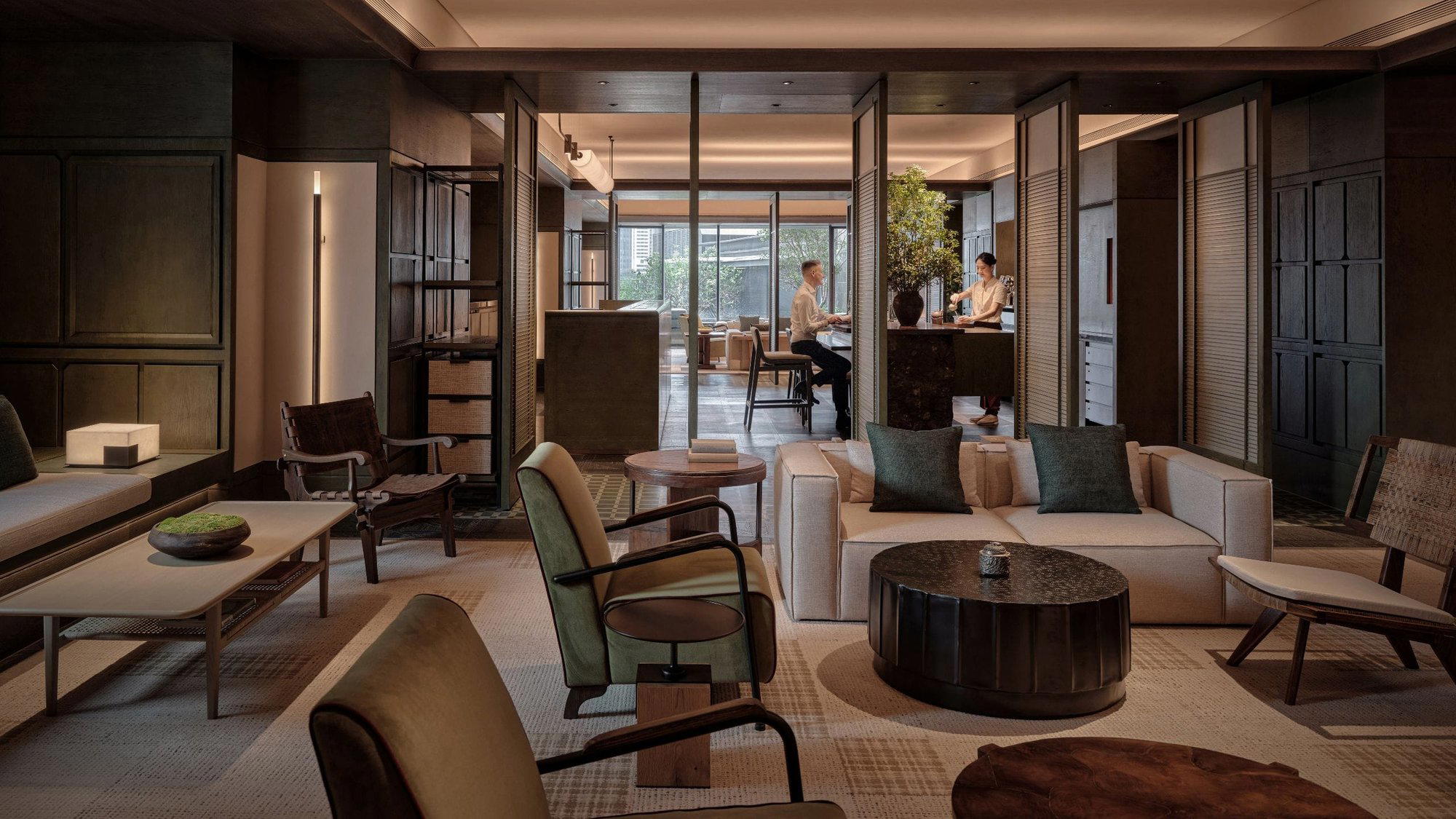
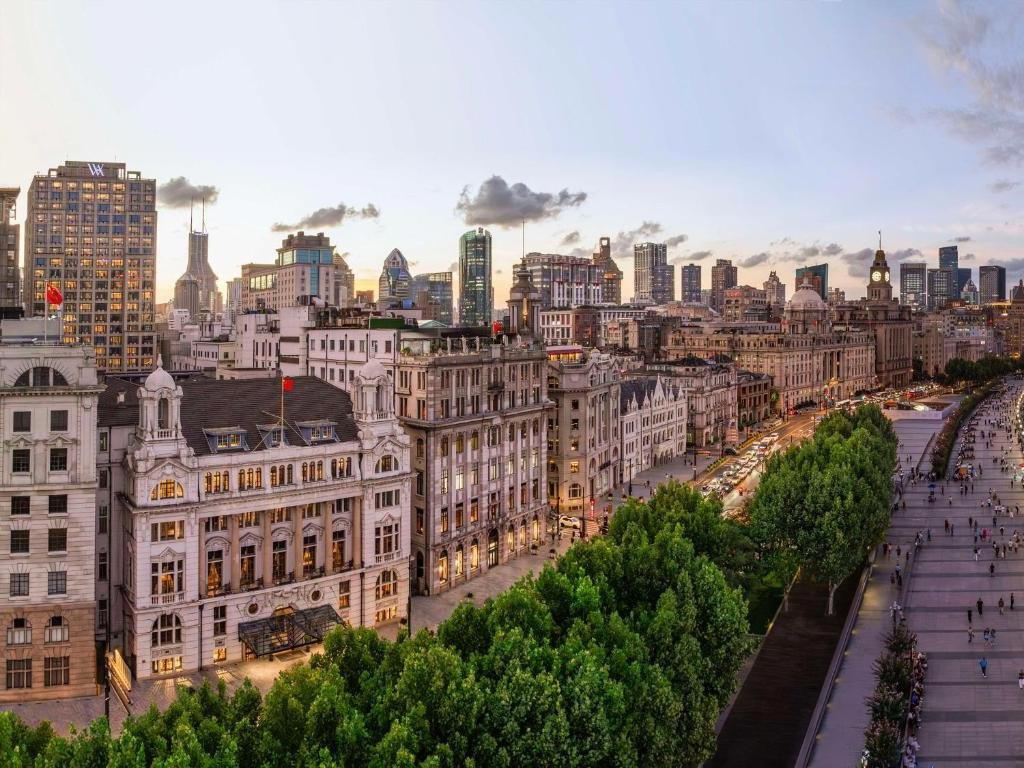
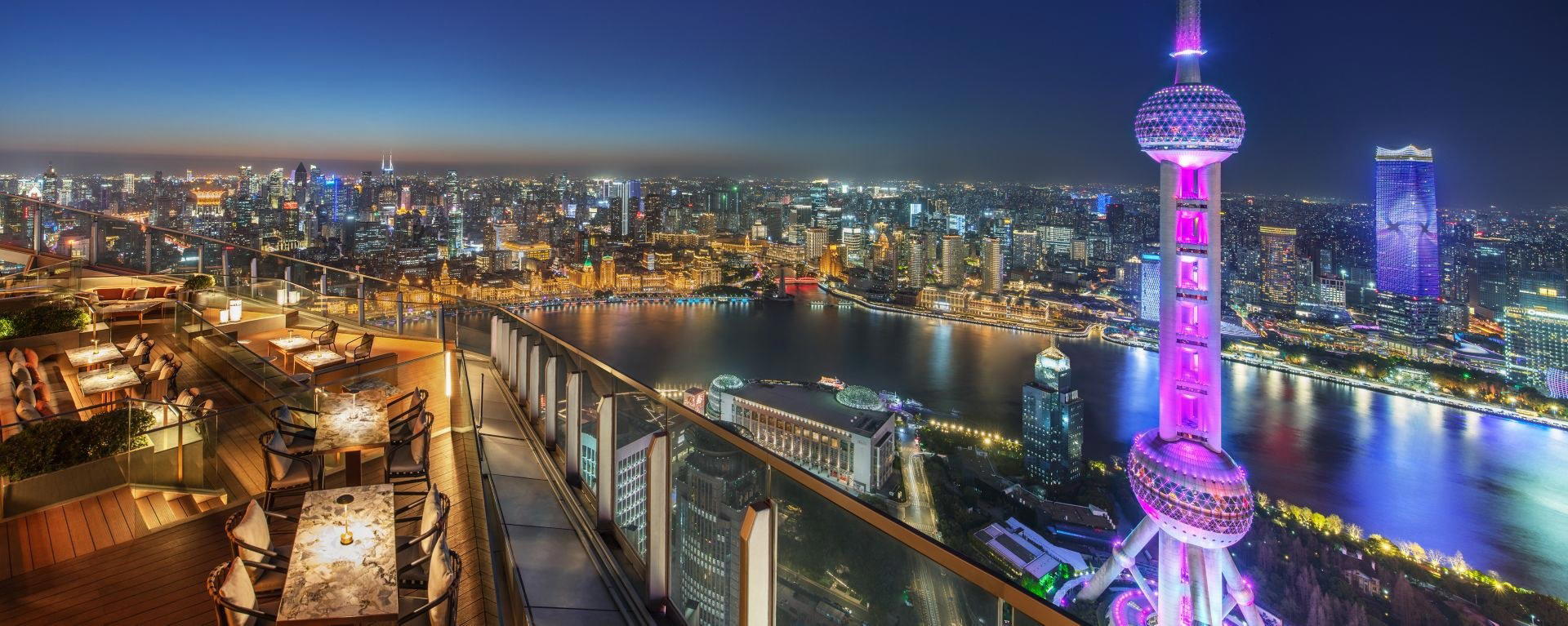
Modern dining room with brass ceiling panels, chandeliers for nostalgic elegance, dim lighting, and floor-to-ceiling windows offering skyline views; intimate private rooms with polished, serene atmosphere.