
Mediamanga Barcelona revolutionizes Mediterranean dining through Chef Manuel Martín's transparent kitchen concept, where inventive fusion dishes like deep-fried prawns with smoked kimchi unfold before diners' eyes. This acclaimed Eixample restaurant combines art-deco elegance with open culinary theater, featuring over 150 wines and sharing plates that celebrate Catalan tradition with global influences.
Pearl is the En Primeur Club membership app — saves, bookings, and concierge access live there. Same editors, same standards.
- Address
- Carrer d'Aribau, 13, Eixample, 08011 Barcelona, Spain
- Phone
- +34 938 32 56 94
- Website
- mediamanga.es
 Saves & bookings on Pearl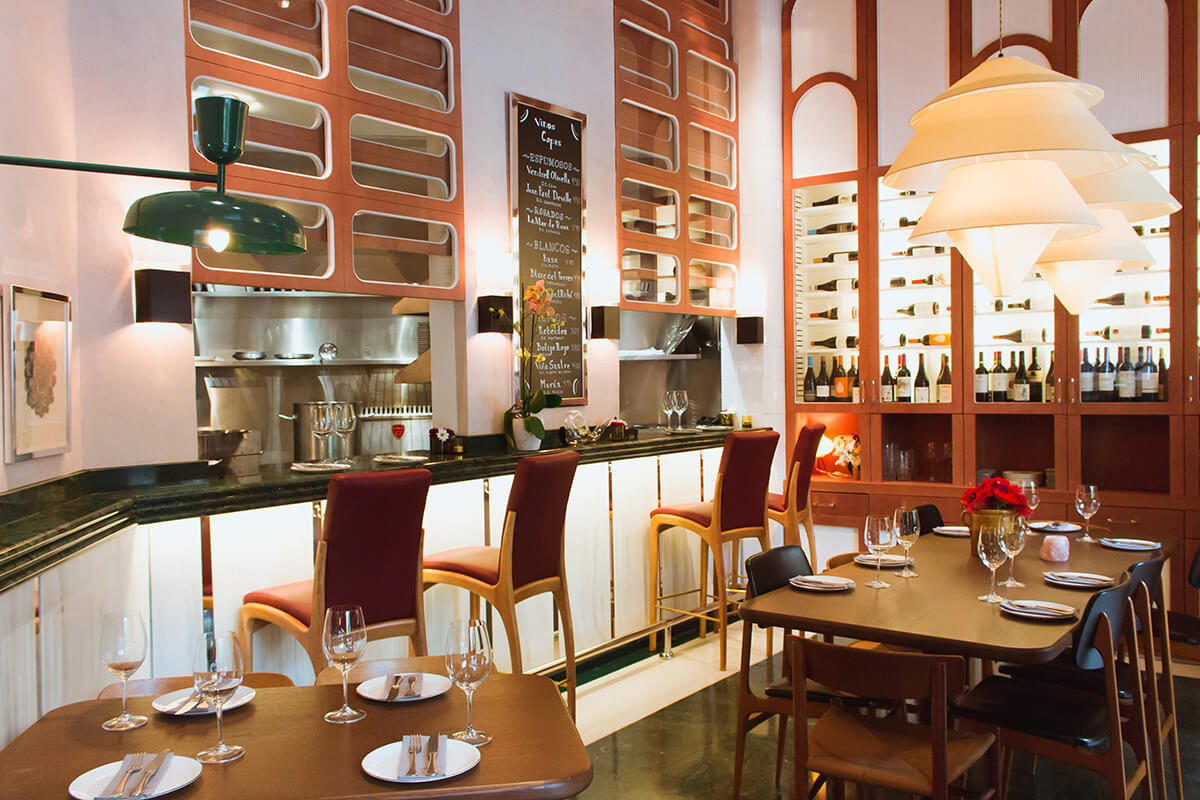
Where Eixample Meets the Mediterranean Coast on a Plate
Carrer d'Aribau cuts through the left side of Eixample with the methodical geometry that defines Cerdà's grid: wide pavements, chamfered corners, a rhythm of mid-century facades and ground-floor commerce that shifts in register from block to block. Mediamanga occupies a spot on this corridor in Eixample, Barcelona. That register carries through to the room itself, where the pace is set by the kitchen rather than by ambient theatre. Wednesday, Friday, Saturday, and Sunday, the doors open twice: lunch from 1:15 to 3:30 pm and dinner from 7 to 10:30 pm. Monday and Tuesday are dinner only, from 7 to 10:30 pm. Thursday is dinner only, from 7 to 10:30 pm. Mondays and Sundays are dark.
The Mediterranean Seafood Tradition in a Barcelona Context
Barcelona's relationship with fish and shellfish is older than its restaurant culture by several centuries. The city grew facing the sea, and Catalan cooking absorbed that proximity into something practical and specific: salt cod worked into esqueixada, rice cooked with squid ink in shallow pans, shellfish arriving live to the Boqueria and leaving cooked within hours. That tradition is not decorative nostalgia. It remains the structural logic behind the Catalan-Mediterranean kitchen, and Mediamanga works within it. Chef Fran Agudo's approach to the cuisine treats the Mediterranean's seasonal seafood calendar as the natural spine of the menu rather than an occasional feature.
Across the Mediterranean basin, the coastal kitchen divides roughly into two camps: the high-intervention school, where product is transformed through technique into something far removed from its origin, and the product-led school, where the argument is made through sourcing and precision rather than elaboration. Spain has produced major proponents of both. At the highest tier of the Spanish avant-garde, restaurants like Disfrutar, Cocina Hermanos Torres, and Enigma operate in a register of technical invention that places product transformation at the center. Further south, Aponiente in El Puerto de Santa María has built an entire culinary argument around neglected marine species and zero-waste thinking. Mediamanga occupies a different position in this conversation: Catalan-Mediterranean in its foundations, with the kind of technique that sharpens product rather than replaces it.
Recognition and Where It Places the Restaurant
Opinionated About Dining included Mediamanga among its recommended new restaurants in Europe in 2023. By 2024, it had entered the ranked list at number 472. In 2025, it moved to number 539, a slight positional shift in a list where movement reflects the density of competition as much as any change in quality. Ranking movement in the OAD system is frequently the result of new entrants to the list rather than decline at the restaurant itself. The more significant signal is the trajectory from recommended newcomer in 2023 to a ranked position within two years: a pattern that points to consistent quality rather than a single strong review cycle.
For context, Barcelona's highest-ranked addresses on comparable lists include Lasarte and ABaC at the progressive Spanish and creative end of the spectrum, both operating at considerably higher price points and with multi-Michelin-starred profiles. Mediamanga's OAD recognition places it in a different tier of the market: critically acknowledged but not positioned against the city's tasting-menu flagships. That is not a limitation. It reflects a different offer and a different kind of ambition.
The Google score of 4.4 from 934 reviews adds a separate data point. Volume at that score level, in a city with Barcelona's competition density, is a reasonable proxy for consistent execution.
Fran Agudo and the Broader Barcelona Creative Tradition
Chef Fran Agudo's presence in the Barcelona conversation is relevant not because of personal biography but because it connects Mediamanga to the city's broader web of culinary lineage. Barcelona has functioned for two decades as a generator of chefs whose training ripples outward into the wider Spanish dining scene. The city's most influential kitchens, the same ones that fed into what became El Celler de Can Roca in Girona and the coastal Valencian tradition of Quique Dacosta in Dénia, have trained generations of cooks who now run their own rooms. Agudo is part of that ecosystem. The significance is less about individual trajectory and more about what that lineage signals for the kitchen's technical fluency.
Spain's northern coast adds another layer of context. The Basque influence on Spanish fine dining, visible at Arzak in San Sebastián and running through to Azurmendi in Larrabetzu, has always maintained a different relationship with seafood than the Catalan tradition: more sauce-led, more formal in plating, operating within a distinct product geography. The Catalan-Mediterranean approach at Mediamanga draws from a different sea and a different set of culinary references, which is precisely the kind of distinction that matters when placing a restaurant within Spain's remarkably varied regional cooking traditions.
Internationally, the serious seafood-first approach that Mediamanga practices has high-profile peers in places like Le Bernardin in New York City, where fish cookery is treated as a discipline requiring the same depth of specialization as any other form of haute cuisine. The comparison is not about equivalence in scale or format but about a shared conviction: that the Mediterranean or the Atlantic provides sufficient creative material without requiring heavy culinary intervention to make it interesting.
Placing Mediamanga in the Barcelona Dining Week
Barcelona's restaurant week divides along roughly predictable lines. The city's tasting-menu destinations, Disfrutar and its peers, require advance planning measured in months and charge prices that reflect their three-Michelin-star standing. A parallel tier, which includes DiverXO in Madrid at the national level, operates as spectacle as much as meal. Mediamanga sits outside both of those registers. The lunch format, 1 to 3 pm on weekdays, places it within the tradition of the serious Spanish midday meal: a window that Barcelona's professional dining culture still honours and that rewards visitors who organise their day around it. The evening service from 8 to 10:30 pm fits the city's natural rhythm, where dinner before 8 pm is generally a concession to jet lag rather than local custom.
Know Before You Go
- Address: Carrer d'Aribau, 13, Eixample, 08011 Barcelona, Spain
- Cuisine: Catalan-Mediterranean
- Chef: Fran Agudo
- Hours: Tuesday to Saturday, Lunch 1:00 to 3:00 pm, Dinner 8:00 to 10:30 pm; Monday and Sunday closed
- Awards: Opinionated About Dining Leading Restaurants in Europe #539 (2025); #472 (2024); Recommended New Restaurant (2023)
- Google Rating: 4.4 from 893 reviews
- Neighbourhood: Eixample (left side), well-connected by metro and walkable from central Barcelona accommodation
Cuisine and Awards Snapshot
Comparable venues nearby, for context on price, style, and recognition.
| Venue | Cuisine | Price | Awards | Notes |
|---|---|---|---|---|
| MediamangaThis venue — the venue you are viewing | Modern Mediterranean Tapas | $$$ | ||
| Brugarol Barcelona | Mediterranean Tapas with Japanese Izakaya Soul | $$$ | Michelin Plate | Barri Gotic |
| Mirabe | Modern Mediterranean with Panoramic Views | $$$ | , | Sant Gervasi - la Bonanova |
| 2254 restaurant | Mediterranean Tapas with Italian, French & Spanish Influences | $$$ | , | la Dreta de l'Eixample |
| Petit Hipica | Rustic Catalan Grill | $$$ | , | el Poble Sec |
| Santo Paladar | Modern Mediterranean Gastropub | $$$ | , | Sant Andreu |
Continue exploring
More in Barcelona
More from Chef Fran Agudo
Browse all →
Restaurants in Barcelona
Browse all →
Bars in Barcelona
Browse all →
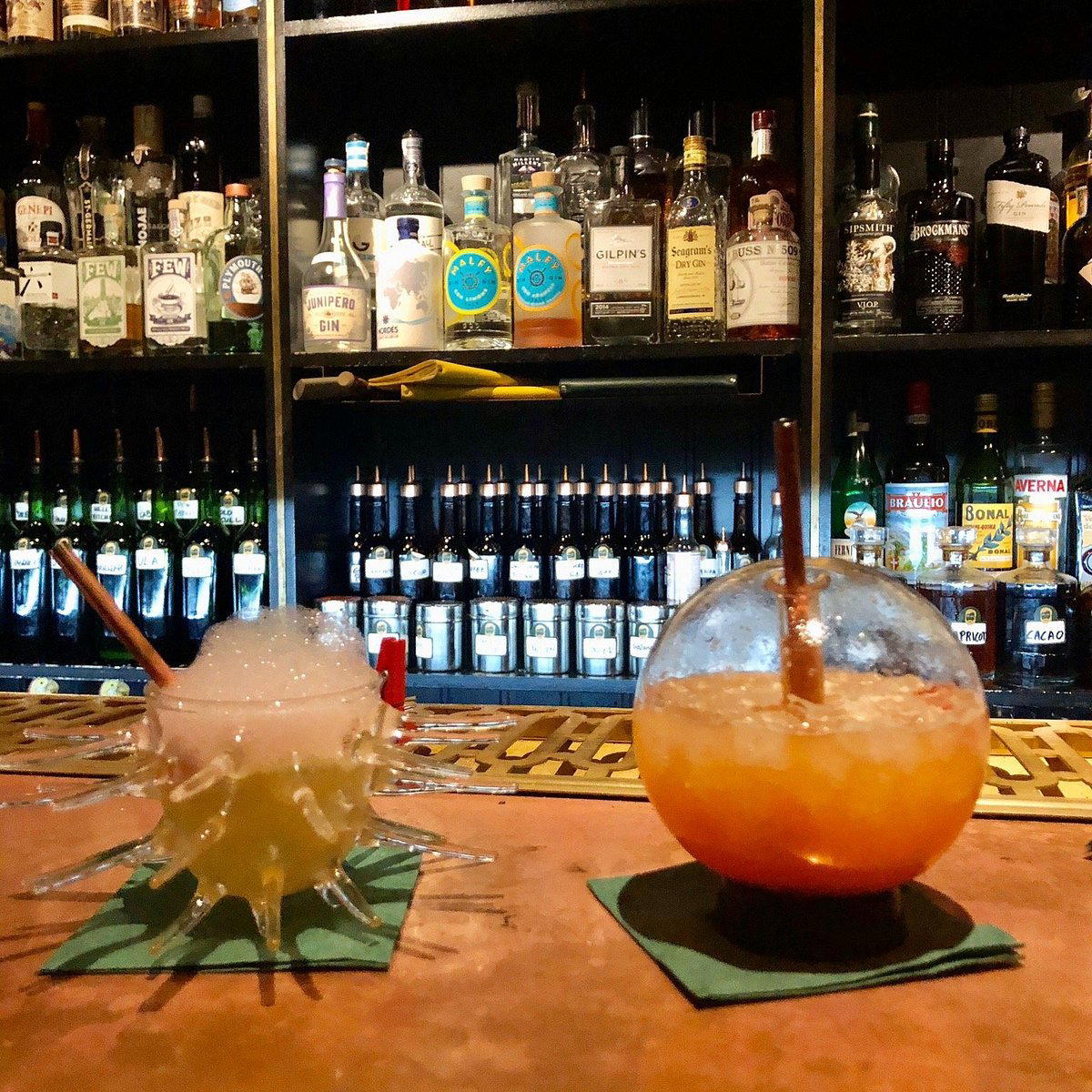
Hotels in Barcelona
Browse all →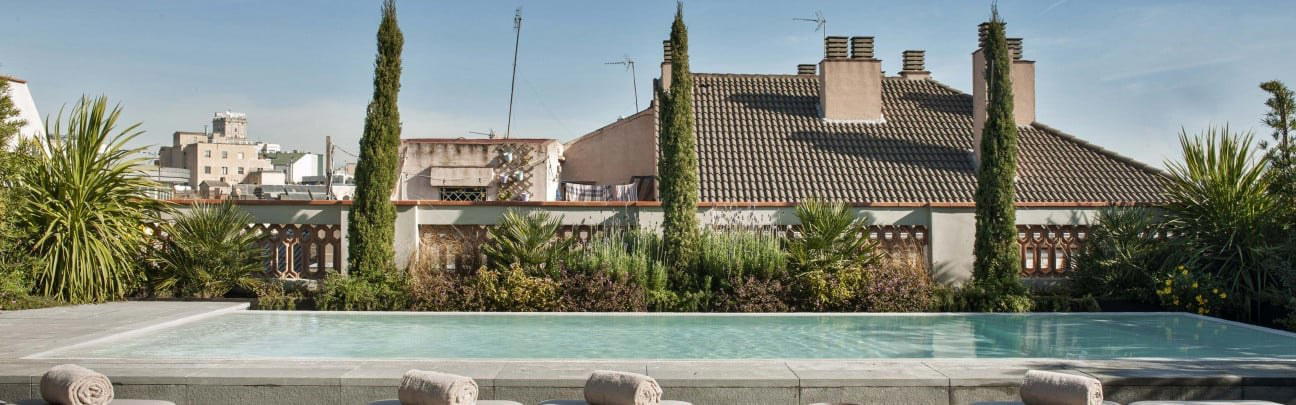
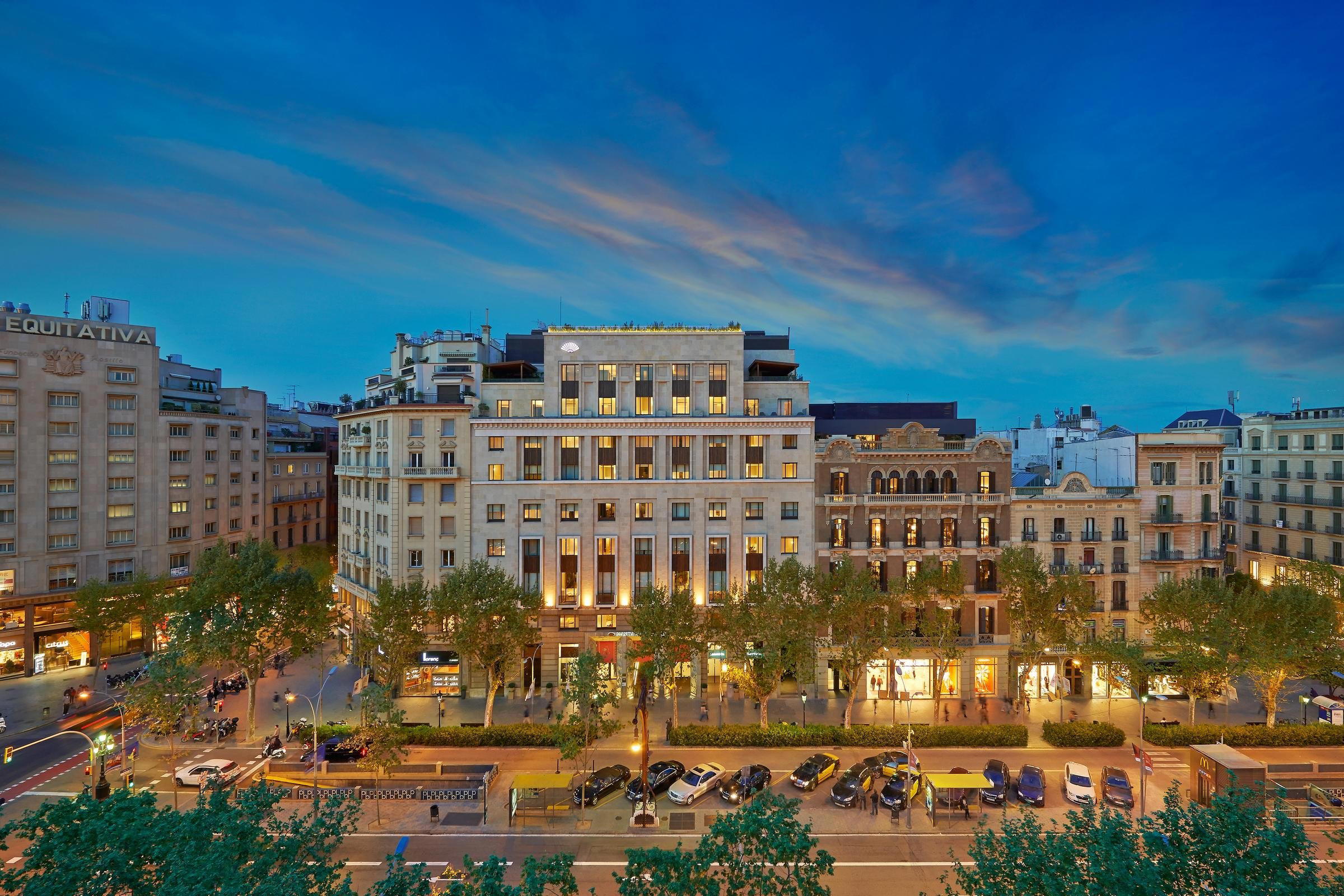
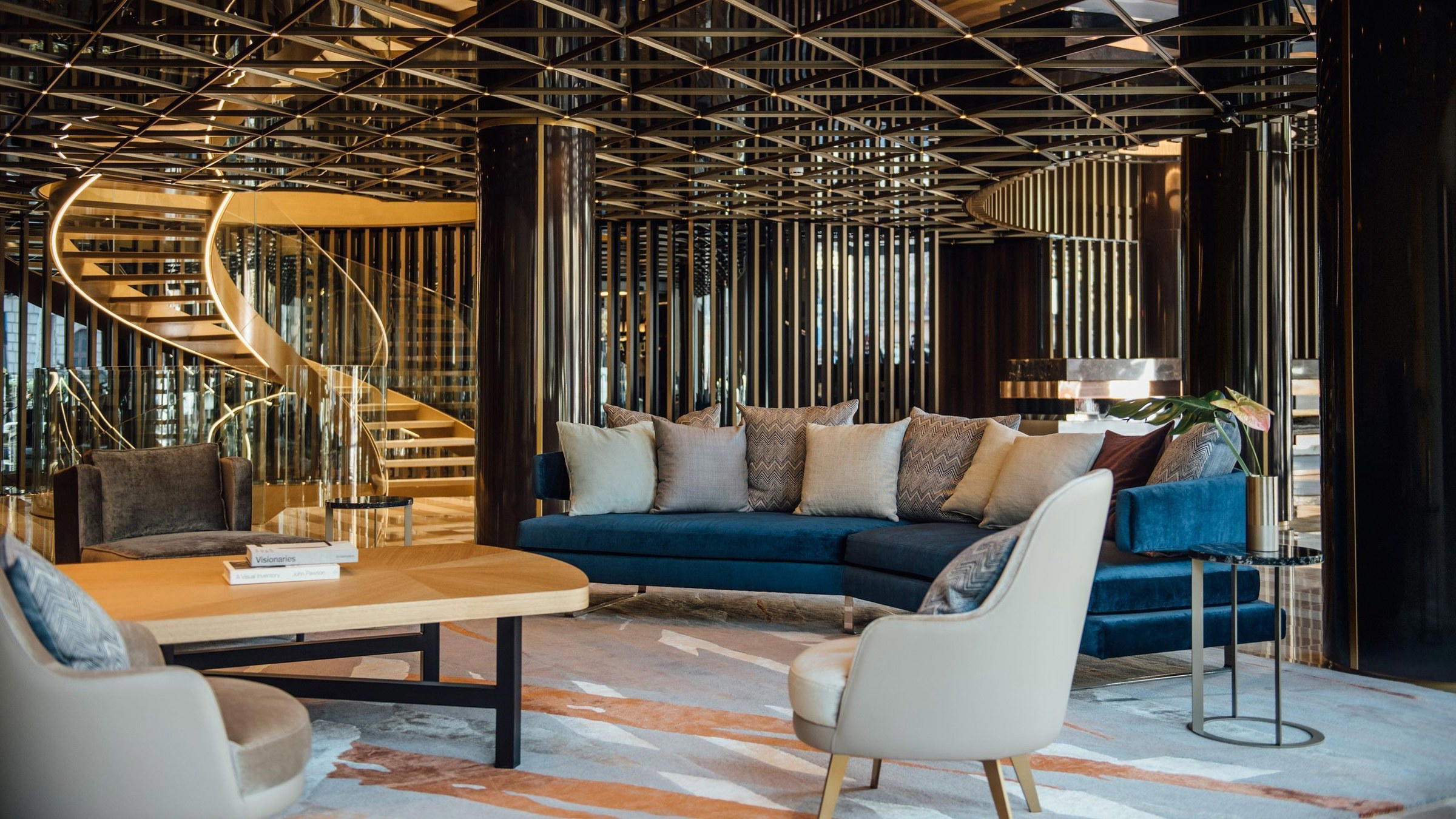
At a Glance
- Lively
- Cozy
- Modern
- Elegant
- Trendy
- Date Night
- Group Dining
- Special Occasion
- Open Kitchen
- Extensive Wine List
- Local Sourcing
Inviting and dynamic atmosphere with good music, wood-dominated interior, modernist touches, and an open kitchen that engages the senses.