MC Kitchen
Our verdict
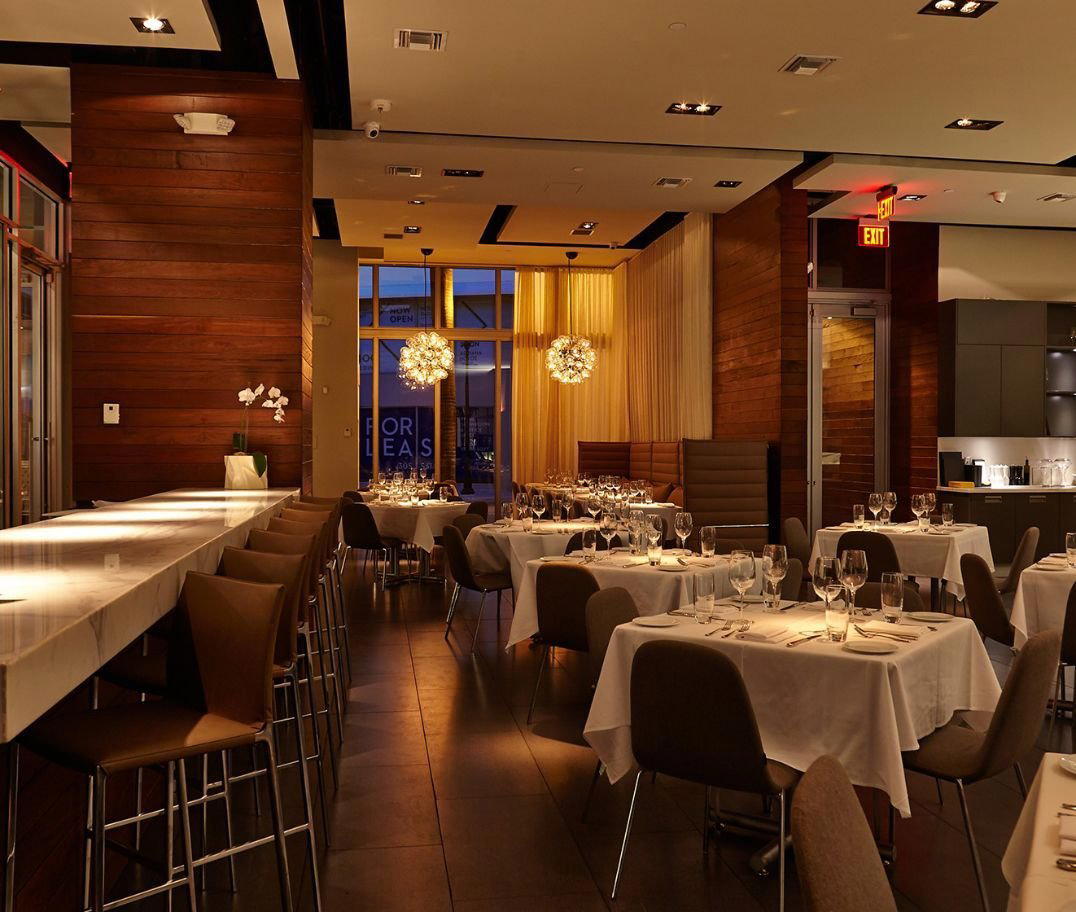
MC Kitchen occupies a mid-century-inflected space on NE 2nd Avenue in Miami's Design District, a neighborhood that has repositioned itself as the city's most concentrated address for considered dining. The restaurant operates within a broader Miami shift toward ingredient-led, European-influenced cooking that sits between the city's louder steakhouse circuit and its more austere tasting-menu tier.

Pearl is the En Primeur Club membership app — saves, bookings, and concierge access live there. Same editors, same standards.
- Address
- 4141 NE 2nd Ave, Miami, FL 33137
- Phone
- (305) 456-9948
- Hours
- Mon–Thu 11:30 AM–9 PMFri–Sat 11:30 AM–10 PMSun 11:30 AM–5 PM
- Website
- mckitchenmiami.com
- Directions
- Get directions
- Booking
- Book on OpenTable
The menu
What to order
- Garganelli Bolognese
- Fiocchi Di Formaggio e Pera
- Truffle Fries
Design District Dining and the Italian-American Thread
Miami's Design District arrived at its current dining identity through a particular sequence: luxury retail first, then restaurants that matched the neighborhood's visual ambition. NE 2nd Avenue, where MC Kitchen holds its address at 4141, runs through that corridor and carries the character of a street that takes food seriously without treating it as theater. The block draws a crowd that skews toward residents and design-industry regulars rather than tourists tracking nightlife, which shapes the register of every room along it.
Within American fine dining, the Italian-American kitchen occupies a specific and underappreciated position. It is neither the austere tasting-menu format associated with places like Alinea in Chicago or The French Laundry in Napa, nor the direct red-sauce tradition of an earlier generation. It draws instead on a European commitment to ingredient quality and technique, filtered through an American context that values accessibility and directness. Coastal cities with strong Italian communities — New York, San Francisco, Miami — have produced the most coherent versions of this approach, and Miami's warmer climate adds a seasonal logic that pushes the kitchen toward lighter preparations and produce-forward plates.
What the Design District Asks of Its Kitchens
The Design District's dining scene operates under a particular pressure: the neighborhood's retail identity, anchored by high-end fashion houses and galleries, sets a visual and experiential expectation that restaurants either meet or work against consciously. Rooms here tend toward considered interiors, and the dining that performs well in this context generally combines visual coherence with food that can hold its own as the main event rather than as background to the setting.
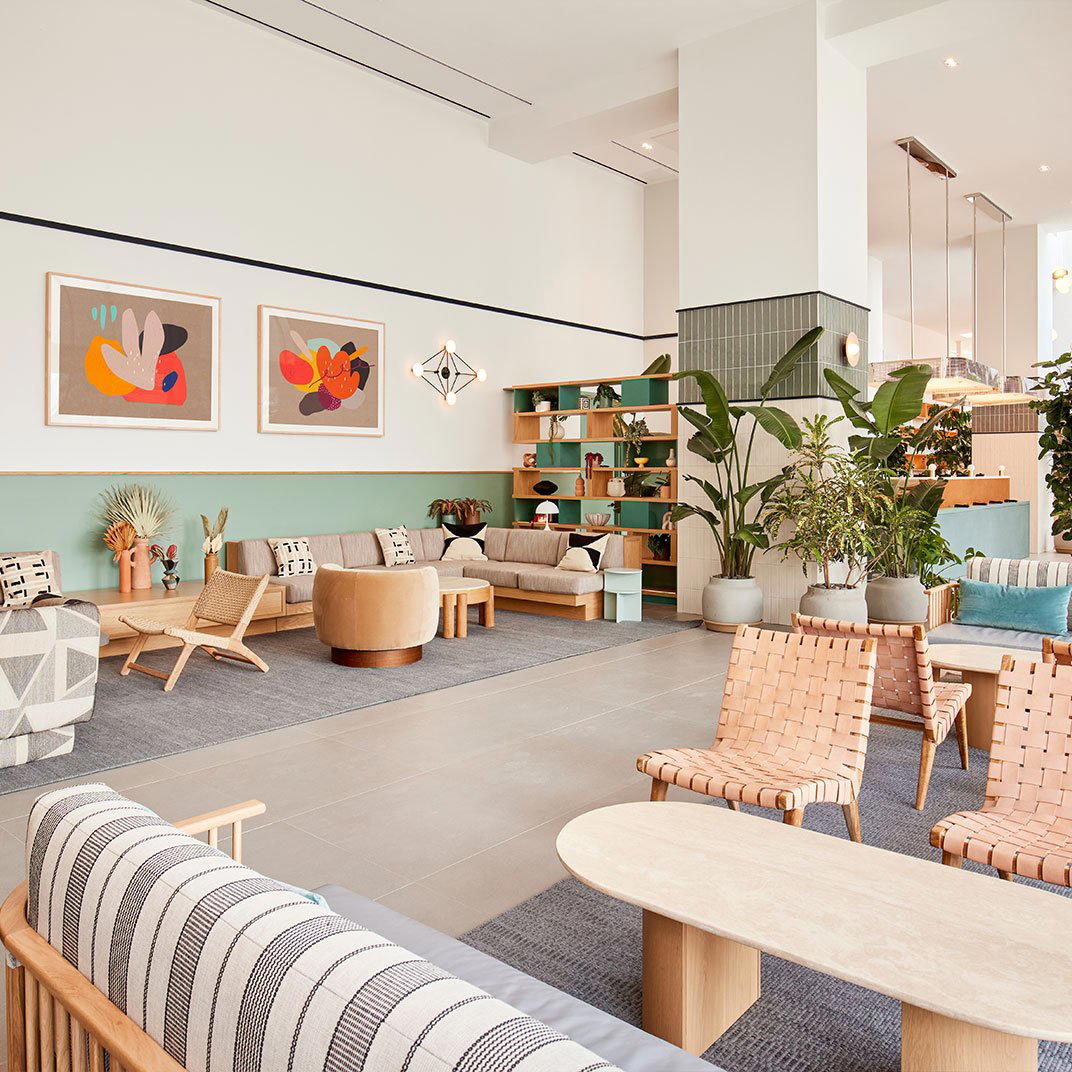
MC Kitchen's position on NE 2nd Avenue places it within that expectation. The space itself carries the design-forward character the district selects for, without subordinating the food to the room. This balance, familiar from comparable urban dining districts in other American cities, is harder to maintain than it looks: the neighborhoods that get it right over time are the ones where the kitchen disciplines remain primary.
For reference points elsewhere in the country, the European-technique-meets-American-ingredient approach appears in different registers at Le Bernardin in New York City and Providence in Los Angeles, though those operate at a more formal tier. Closer to MC Kitchen's register are restaurants like Lazy Bear in San Francisco, where the emphasis on seasonal produce and technique coexists with a room that feels inhabited rather than stiff.
Miami's Mid-Tier Fine Dining and Where MC Kitchen Sits
Miami's premium dining has separated into two broad tiers over the past decade. The upper bracket includes serious tasting-menu operations and ambitious flagship rooms: L'Atelier de Joël Robuchon Miami sits in that category, as does the more locally rooted Ariete in Coconut Grove, which has built a following on Modern American cooking with a strong sense of place. Below that, but above the casual Italian-American trattoria tier, sits a more interesting middle ground: restaurants with genuine culinary ambition and European technique references, but without the formality or price point of the tasting-menu format.
MC Kitchen occupies that middle ground. In a city where the loudest rooms often attract the most coverage, these mid-tier fine dining addresses tend to build their reputations through repeat local custom rather than destination visitors.
That pattern is worth understanding for anyone planning a visit. The Design District's leading restaurants fill on reputation and word of mouth among Miami residents; the room at peak service on a Thursday or Friday tends to be local, which creates a different energy than the tourist-facing rooms along South Beach. Booking several days ahead for weekend service is advisable, and midweek visits often offer a more settled pace.
Cultural Roots of the Italian-American Kitchen in a Tropical City
The Italian-American dining tradition in coastal American cities has always adapted to local ingredient availability. In Miami, that means a kitchen that can draw on year-round produce, access to Gulf and Atlantic seafood, and a climate that makes heavier preparations feel out of place for much of the year. The result, at the better addresses in the city, is an Italian-inflected cooking style that is lighter and more produce-forward than its northeastern American counterparts, without abandoning the pasta and antipasto architecture that gives the cuisine its structure.
This adaptation has precedent in other warm-weather cities. The Italian kitchen in Los Angeles operates differently from the one in New York, just as southern Italian cooking differs from northern in the source country. Miami's version sits closer to the coastal southern Italian model: seafood prominent, olive oil rather than butter as the dominant fat, vegetables treated as primary rather than supporting. At restaurants operating at MC Kitchen's level, this means a menu that changes with real seasonal intent, even in a city where the temperature differentials between seasons are modest compared to northern markets.
For context on how American kitchens with European training and seasonal discipline operate at the highest end, the farm-to-table format practiced at Blue Hill at Stone Barns in Tarrytown or the precision sourcing at Single Thread Farm in Healdsburg represents one pole. MC Kitchen and its Design District peers represent a more urban, accessible version of the same underlying commitment to ingredient quality.
Planning a Visit
MC Kitchen is located at 4141 NE 2nd Avenue in Miami's Design District, accessible by car with street and garage parking in the surrounding blocks, and roughly a twenty-minute drive from Miami Beach. The neighborhood is most active from late afternoon onward, with dinner the primary service mode at this address. Miami's peak dining season runs from November through April, when the city's population swells with seasonal residents and the weather holds at its most comfortable; visiting during this window means fuller rooms and a more animated scene, while summer visits offer easier reservations and a more local crowd.
For anyone building a broader Miami itinerary around serious food, the Design District pairs naturally with Wynwood to the south and the Upper East Side to the northeast. A fuller picture of the city's dining options appears in our full Miami restaurants guide, which maps the city's neighborhoods and price tiers. Elsewhere in the country, comparable European-technique addresses worth knowing include Addison in San Diego, The Inn at Little Washington, Atomix in New York City, and Emeril's in New Orleans. For Miami-specific Peruvian at a high level, ITAMAE offers a strong contrast in cuisine and format. And for a non-American point of reference on what Italian technique at the upper end can look like, 8 1/2 Otto e Mezzo Bombana in Hong Kong is the clearest international benchmark.
Frequently asked questions
What dish is MC Kitchen famous for?
What is the ideal way to book MC Kitchen?
What has MC Kitchen built its reputation on?
Is MC Kitchen allergy-friendly?
How does MC Kitchen compare to other Italian-focused restaurants in Miami's Design District neighborhood?
Similar Picks
Comparable venues nearby, for context on price, style, and recognition.
| Venue | Cuisine | Price | Awards | Notes |
|---|---|---|---|---|
| MC KitchenThis venue — the venue you are viewing | Modern Italian | $50–100 | Not listed | Not listed |
| Sofia - Design District | Modern Italian Fine Dining | $30–50 | Wine Spectator Award of Excellence | Design District |
| Ferraro's Kitchen | Traditional Italian | $50–100 | Not listed | Shorecrest |
| Rosaluna | Authentic Italian | $30–50 | Not listed | Downtown |
| Mister 01 Extraordinary Pizza | Extraordinary Star-Shaped Pizza | $20–30 | Not listed | Miami Riverwalk |
| 'O Munaciello Coral Way | Authentic Neapolitan Pizza & Italian | $30–50 | Not listed | Coral Way |
Continue exploring
More in Miami
Restaurants in Miami
Browse all →
Details
- Modern
- Trendy
- Sophisticated
- Date Night
- Business Dinner
- Casual Hangout
- Open Kitchen
- Extensive Wine List
- Local Sourcing
- A La Carte
- Small Plates
- Vegetarian Friendly
- Vegan Options
- Gluten Free Options
Current opening hours
- Monday
- 11:30 AM–9 PM
- Tuesday
- 11:30 AM–9 PM
- Wednesday
- 11:30 AM–9 PM
- Thursday
- 11:30 AM–9 PM
- Friday
- 11:30 AM–10 PM
- Saturday
- 11:30 AM–10 PM
- Sunday
- 11:30 AM–5 PM
Hours can change for holidays and private events. Last verified .
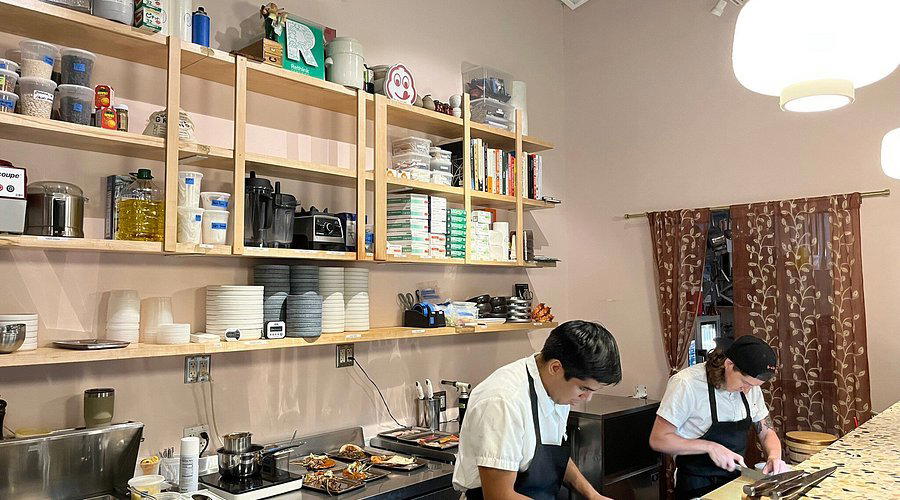
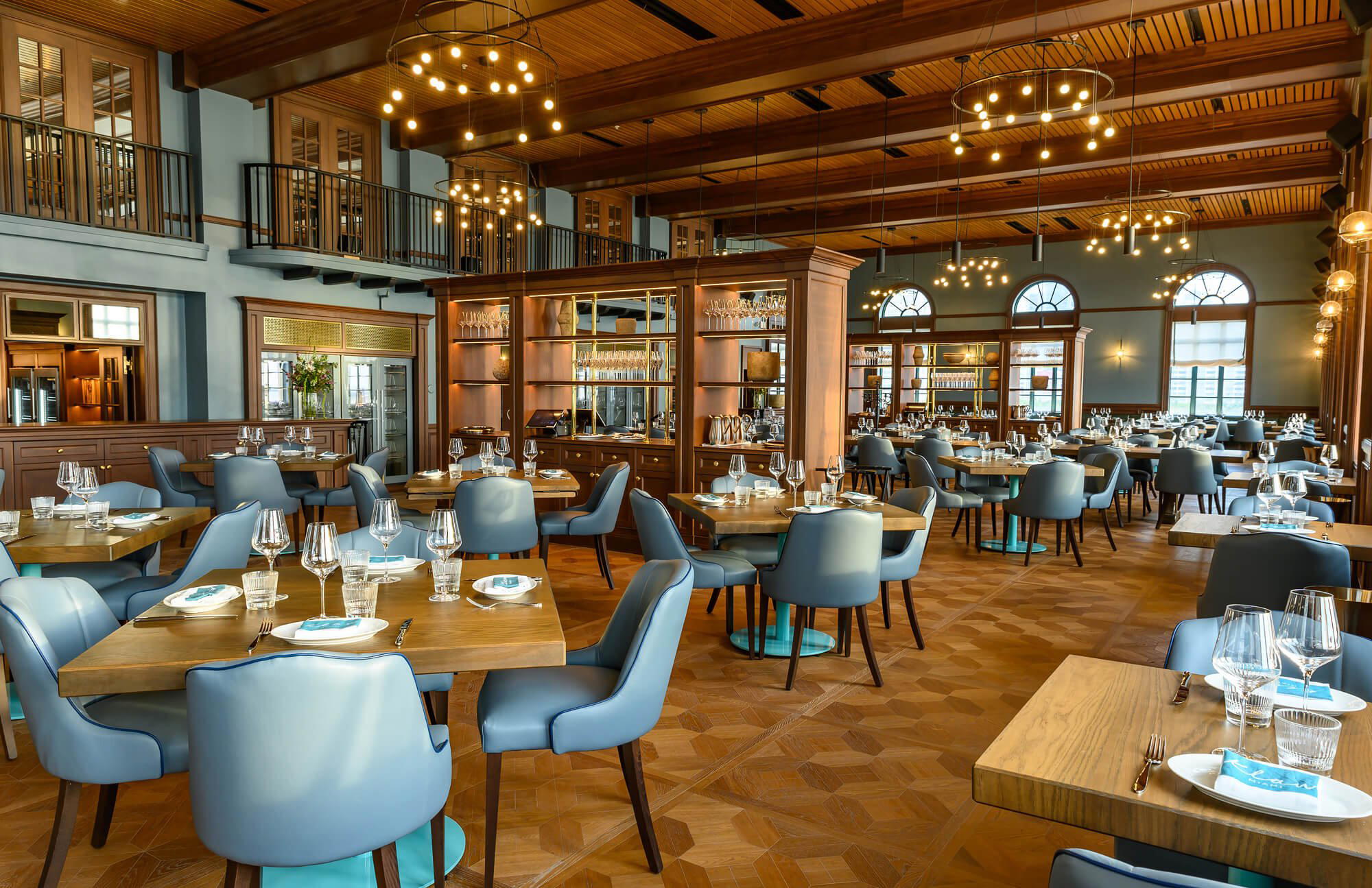
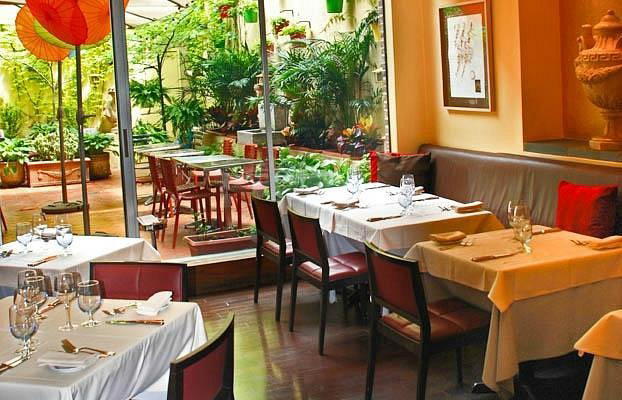
Lively and stylish atmosphere reflecting the artistic spirit of the Miami Design District with a chic, sophisticated feel.