Mazu Szechuan Cuisine
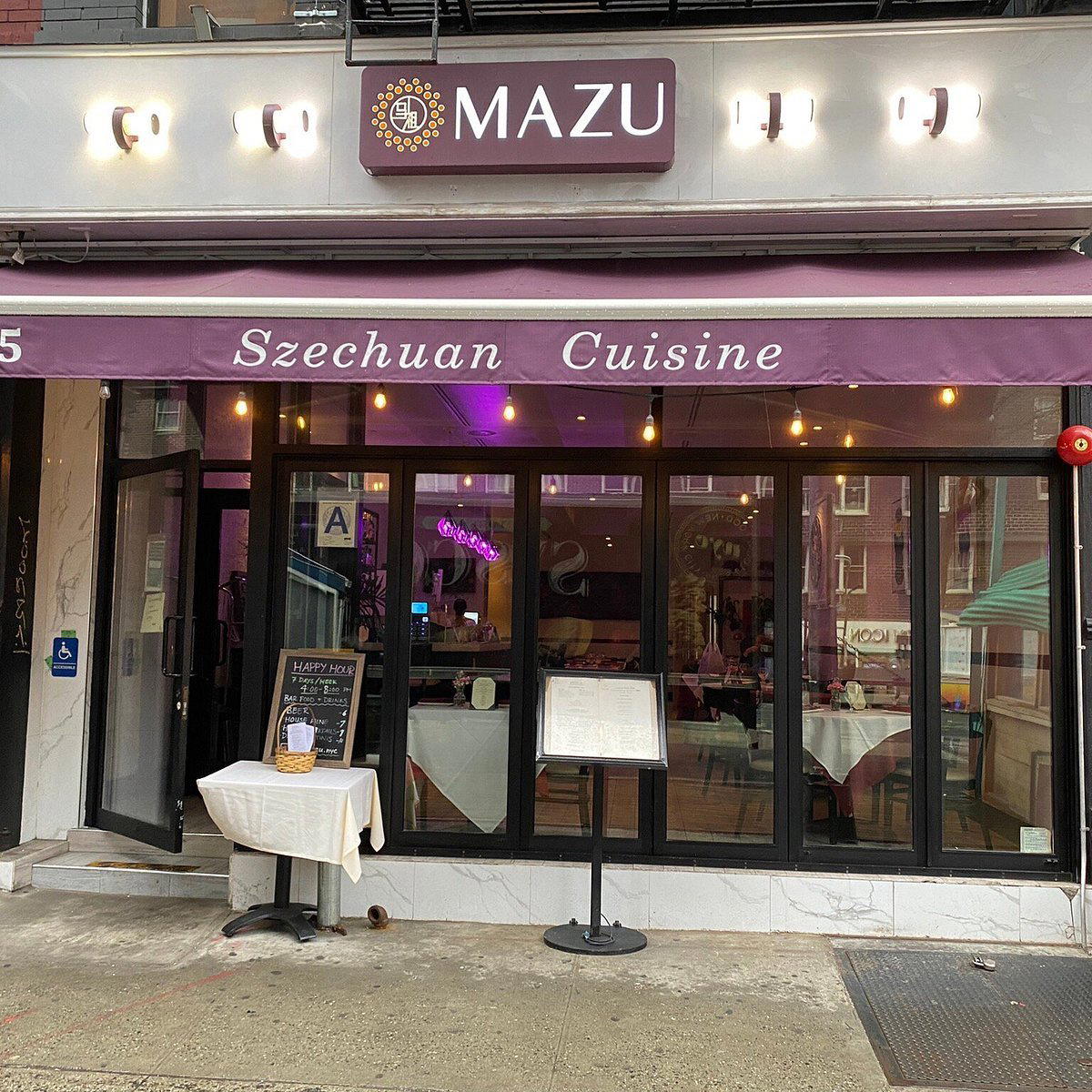
Mazu Szechuan Cuisine at 495 Third Avenue brings the heat-forward cooking tradition of China's Sichuan province to Murray Hill, where the neighbourhood's density of Asian dining options makes comparison easy and tolerance for mediocrity low. For a celebratory meal grounded in bold, numbing spice and communal format, it occupies a distinct position among New York's expanding roster of regional Chinese specialists.
- Address
- 495 3rd Ave, New York, NY 10016
- Phone
- +16466093388
- Website
- mazuasian.com
- Directions
- Get directions
Sichuan Cooking in New York: A Tradition That Demands Attention
New York's Chinese restaurant scene has shifted considerably over the past two decades. Where Cantonese cooking once dominated the city's perception of Chinese cuisine, regional styles have carved out serious followings. Sichuan, with its defining combination of dried chillies and huajiao (Sichuan peppercorn) that produces the distinctive mala numbing heat, has attracted particularly committed dining audiences in the city. That shift isn't incidental: Sichuan cooking is inherently theatrical, communal, and built for the kind of meal that marks an occasion. The format suits a celebration better than most.
Mazu Szechuan Cuisine at 495 Third Avenue sits inside this broader movement, occupying a spot in Murray Hill where the local dining density gives diners plenty of comparative reference. The neighbourhood's position between Koreatown to the north and the Flatiron's more heavily trafficked restaurant rows to the west means it draws a consistent, food-aware clientele rather than the tourist foot traffic that can distort quality signals elsewhere in the city.
The Occasion Case for Regional Chinese Dining
When New Yorkers think of milestone meals, birthdays, promotions, family gatherings that require a table rather than a counter, the reflex often runs toward the French dining rooms or the omakase counters that anchor the city's top tier. Le Bernardin, Per Se, and Masa represent that upper bracket, priced and formatted for formal celebration. But there is a separate and equally serious tradition of the banquet-style Chinese meal as occasion dining, one with deeper historical roots in how communities mark significant moments. A Sichuan spread, multiple dishes arriving in sequence, heat levels calibrated across the table, conversation structured around sharing, carries its own ceremonial logic.
The communal format is particularly well suited to groups. Unlike tasting-menu formats where the kitchen dictates the pace, a Sichuan meal at a full table allows participants to negotiate the experience: which dishes anchor the spread, how aggressively to build the spice progression, whether to lean into the cold preparations that balance the hot ones. That negotiation is itself part of the occasion.
New York's progressive Korean restaurants like Atomix and Jungsik New York have demonstrated the appetite for Asian fine dining in the city at the upper price tier. Regional Chinese cooking, including Sichuan specialists, occupies a different but parallel track, less about the chef-as-auteur model and more about the depth and accuracy of a regional tradition executed well.
What the Sichuan Tradition Brings to the Table
Sichuan cooking draws on one of China's Eight Great Cuisines, a classification that reflects genuine culinary complexity rather than marketing language. The mala flavour profile, the combination of numbing (ma) from Sichuan peppercorn and spicy (la) from dried chillies, is not simply about heat tolerance. It is a precisely calibrated sensory register that good Sichuan kitchens use to move through a meal's arc. A well-ordered Sichuan banquet typically balances the intensely spiced against the cool, the oily against the clean, the braised against the fresh.
Dishes that appear across serious Sichuan menus in New York, mapo tofu, twice-cooked pork, dan dan noodles, fish-fragrant aubergine, cold dishes dressed in chilli oil, have enough visibility in the city's food conversation that informed diners arrive with reference points. The question a specific restaurant must answer is whether its execution carries the depth of the tradition or stops at the surface-level heat that satisfies the less attentive diner. For those planning an occasion meal, that distinction matters: a group that has come to celebrate expects the kitchen to deliver something with authority.
Across the United States, the benchmark for occasion dining at the highest level runs through restaurants like Alinea in Chicago, The French Laundry in Napa, and Single Thread Farm in Healdsburg. Regional Chinese specialists operate in a different price register and format but serve a comparable social function: the meal as the reason to gather.
Murray Hill as a Dining District
Third Avenue through Murray Hill is a working restaurant corridor rather than a destination dining strip. That is not a disadvantage. Restaurants here compete on cooking rather than on the halo effect of a high-profile address, and the customer base, largely residential, with a significant proportion of Asian-American diners who apply specific expectations to regional cooking, provides honest feedback. A Sichuan restaurant that survives and builds a following in this environment does so on the quality of its food rather than on novelty or location premium.
The neighbourhood sits close enough to Midtown for post-work gatherings and far enough from the tourist circuits that the room tends toward groups with a specific purpose: family dinners, friend reunions, the kind of occasion that benefits from a table that can hold a full spread. For diners accustomed to planning occasion meals at venues like Blue Hill at Stone Barns or Providence in Los Angeles, the register is different but the intent is the same: a meal with a reason behind it.
Cuisine and Awards Snapshot
Comparable venues nearby, for context on price, style, and recognition.
| Venue | Cuisine | Price | Notes |
|---|---|---|---|
| Mazu Szechuan CuisineThis venue — the venue you are viewing | Polished Szechuan Cuisine | $$ | Not listed |
| The Corner Chinese | Authentic Chinese with Szechuan Flavors | $$ | Hell's Kitchen |
| Tim Ho Wan East Village | Hong Kong Style Dim Sum | $$ | East Village |
| Szechuan Mountain House | Authentic Sichuan | $$ | East Village |
| Chongqing Lao Zao | Authentic Chongqing Hot Pot | $$ | Flushing-Willets Point |
| Baohaus | Taiwanese Gua Bao & Street Food | $$ | East Village |
Continue exploring
More in New York City
Restaurants in New York City
Browse all →
Bars in New York City
Browse all →
Hotels in New York City
Browse all →





At a Glance
- Modern
- Trendy
- Casual Hangout
- Open Kitchen
- Craft Cocktails
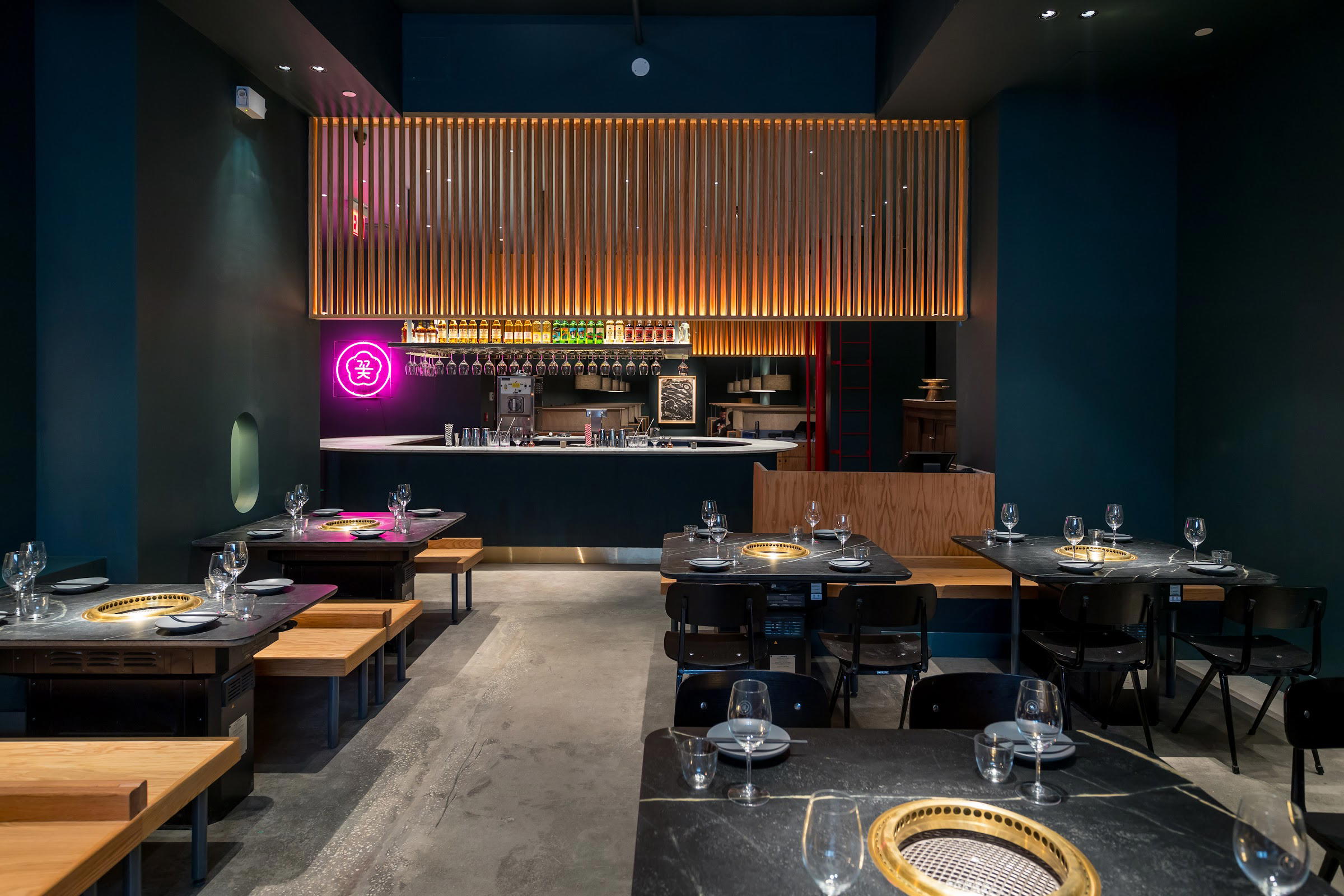
Modern and welcoming atmosphere suitable for lunch and dinner with attentive service.