
Michelin Plate
Our verdict
A Michelin Plate-recognised Japanese restaurant in Itaim Bibi, Maza holds consecutive Michelin Plate distinctions for 2024 and 2025, placing it among São Paulo's acknowledged mid-tier Japanese addresses. Located on Rua Manuel Guedes at the $$$ price point, it draws.

Pearl is the En Primeur Club membership app, where members save venues, book tables and use the concierge.

The menu
What to order
- Karasumi
- Ussuzukuri
- Wagyu_tataki
- Shake_butter
- Sushi
- Sashimi
- Temaki
Japanese Dining in Itaim Bibi: Where Maza Sits in the City's Hierarchy
São Paulo runs one of the largest Japanese diaspora communities outside Japan, and that demographic history has produced a dining tier that is dense, competitive, and unusually sophisticated. The city's Japanese restaurants span cheap neighbourhood sushi counters through mid-range contemporary houses and on to a small cluster of Michelin-starred omakase rooms. Maza occupies the middle of that range, at the $$$ price point and with back-to-back Michelin Plate distinctions in 2024 and 2025, which positions it clearly: recognised by the Guide but not yet at starred level, priced above casual but below the city's most expensive Japanese counters.
That positioning matters because it defines the room's character before a single dish arrives. Itaim Bibi, the neighbourhood on Rua Manuel Guedes where Maza operates, is one of São Paulo's most competitive dining corridors. Upscale restaurants cluster here because the residential and corporate money does. For context: Jun Sakamoto, widely regarded as São Paulo's most serious sushi address, operates at the same $$$ tier nearby; Kinoshita, with two Michelin stars, sets the ceiling for what Japanese cooking achieves in this city. Maza sits between those coordinates.
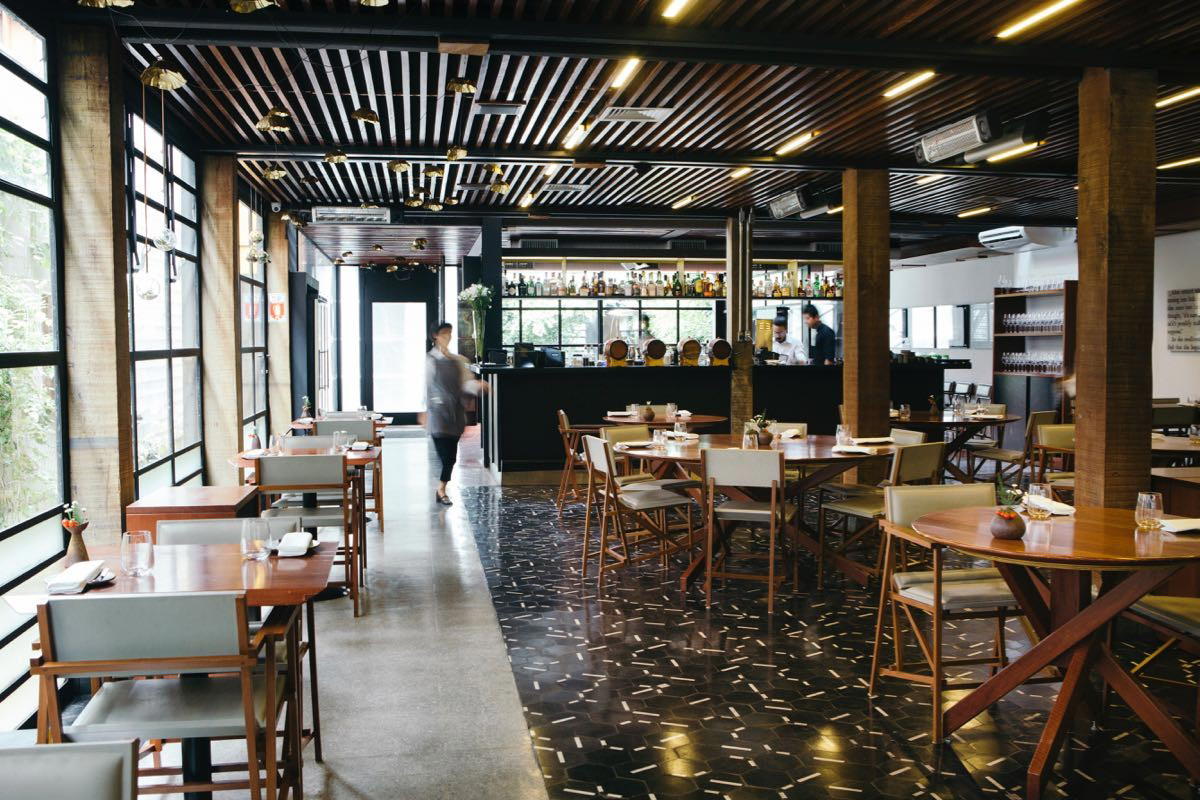
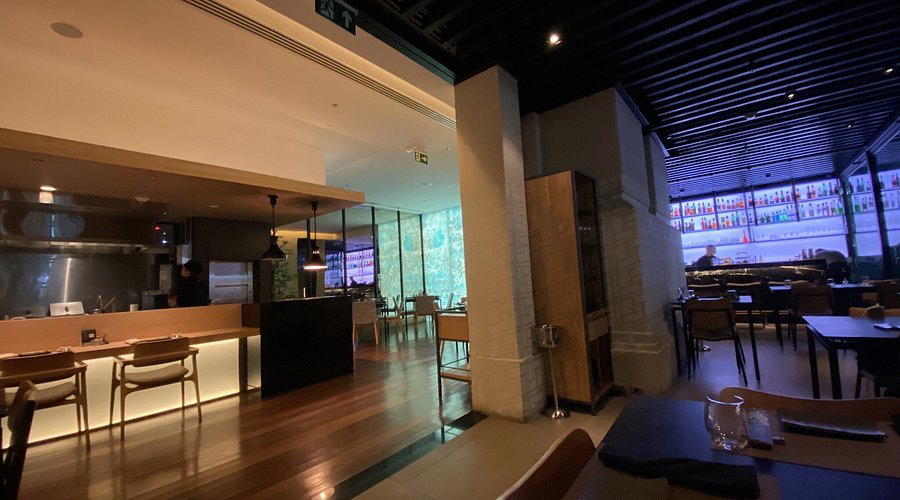
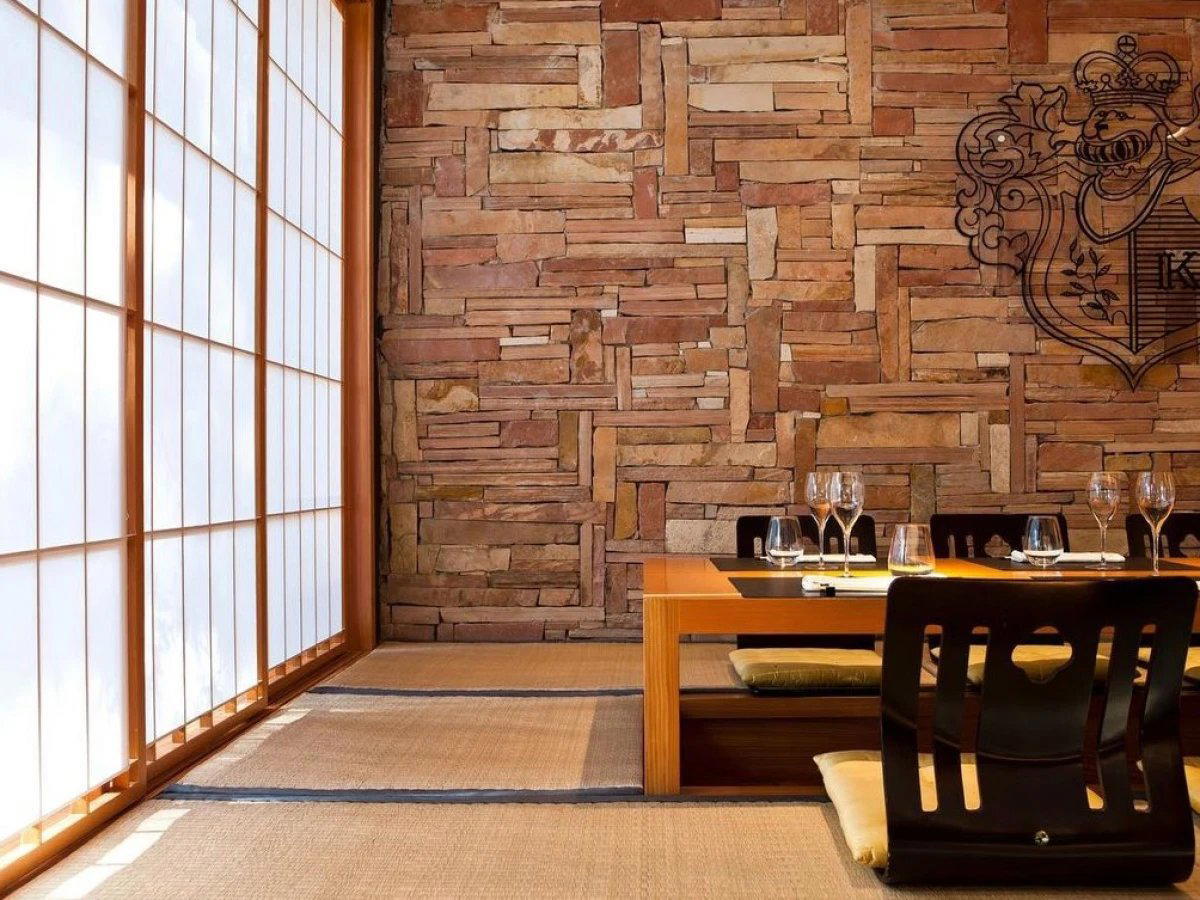
The Physical Container: What the Space Communicates
Japanese restaurant design in São Paulo has followed a recognisable arc over the past decade. The early generation leaned on lacquered screens, dim lantern lighting, and dense table arrangements that prioritised capacity over atmosphere. The current tier of recognised houses has moved away from that, favouring cleaner material palettes, natural wood, stone surfaces, considered acoustic treatment, that allow the food to carry the register. Where a restaurant sits on that spectrum is, itself, an editorial statement about its intentions.
The address on Rua Manuel Guedes places Maza in a street-level Itaim Bibi setting, the kind of mid-block restaurant position that, in this neighbourhood, typically means a compact footprint with a contained dining room rather than a sprawling multi-room operation. Spaces that fail at their own ambitions tend to produce polarised scores; a steady 4.6 points to alignment between expectation and delivery.
In the Itaim Bibi context, that physical read matters to planning. The neighbourhood draws business lunches, neighbourhood regulars, and deliberate destination diners in roughly equal measure. A restaurant at the $$$ tier here is competing for all three audiences simultaneously, and the design of the space usually reflects that: professional without being corporate, warm without being casual.
Maza Among São Paulo's Japanese Tier
The Brazilian Michelin Guide has been increasingly attentive to Japanese cooking in São Paulo, and the Plate designation, awarded to restaurants the inspectors consider worth visiting even without a star, has become a meaningful signal in the mid-market. Maza's consecutive Plates in 2024 and 2025 indicate that the Guide's inspectors returned, found consistency, and kept the recognition current. That is not a minor distinction: many restaurants receive a Plate once and lose it the following year as inspectors cycle through a deeper pool of candidates.
For comparison: Huto, Kan Suke, KANOE, and Kuro are among the other Japanese addresses active in São Paulo's competitive set. The city's Japanese restaurant pool is large enough that Guide recognition at any tier requires a restaurant to differentiate on more than format alone. The Michelin Plate signals that Maza has cleared that bar, though the specific differentiation, whether through a particular technical approach to Japanese cuisine, a distinctive spatial character, or service model, is a question that currently sits outside publicly verified data.
Beyond Japanese, São Paulo's Michelin-recognised tier at the $$$ price point includes restaurants like Maní, which works Brazilian-international creative cooking at the same price bracket. Maza sits in a different cuisine category but a comparable prestige band, which is useful context when a traveller is calibrating how to distribute evenings across a São Paulo visit. For anyone building a broader Brazil itinerary, it is worth noting how SP's mid-tier restaurant density compares with recognised addresses in other cities: Lasai in Rio de Janeiro and Manga in Salvador represent the kind of serious regional cooking that makes multi-city Brazil trips increasingly justifiable from a dining standpoint.
For those with Japan-specific reference points, São Paulo's mid-tier Japanese houses operate in a different register than Tokyo's omakase ceiling: restaurants like Myojaku or Azabu Kadowaki define what starred Japanese cooking looks like in Japan. São Paulo's recognised Japanese tier, Maza included, answers a different question: what does Japanese cuisine in diaspora, at serious mid-tier level, produce when it has decades of local ingredient access and a local palate shaped by both traditions?
Planning a Visit: What to Know Before You Go
Maza is located at Rua Manuel Guedes, 243, in Itaim Bibi, one of São Paulo's most accessible upscale neighbourhoods for taxis and ride-shares. The $$$ price point places a meal here in the range that most visitors to São Paulo's better addresses would budget without strain, above a neighbourhood casual, below a full tasting menu at a starred house. Phone and booking method details are not currently listed publicly, so the most reliable approach is a direct visit to the restaurant's address or a check through dining aggregators used in the São Paulo market.
The Michelin Plate recognition running through 2025 is current; the Guide's 2025 edition reflects inspections conducted in the preceding cycle, so this is live rather than historical status.
For a full picture of where Maza sits within the city's dining scene, see our full São Paulo restaurants guide. Visitors planning a wider stay can also reference our São Paulo hotels guide, bars guide, wineries guide, and experiences guide. Those extending travel beyond SP will find further Michelin-recognised options at Mina in Campos do Jordão, Primrose in Gramado, Castelo Saint Andrews in Gramado, and Orixás North Restaurant in Itacaré.
Frequently asked questions
What is the signature dish at Maza?
No specific signature dishes are listed in verified public sources for Maza. The restaurant's cuisine type is Japanese, and its consecutive Michelin Plate distinctions (2024 and 2025) indicate a kitchen that inspectors consider consistently worth visiting. For current menu specifics, contact the restaurant directly or check current listings on São Paulo dining platforms. Among São Paulo's Japanese addresses at the $$$ tier, the range typically runs from sushi-led formats through cooked Japanese courses, though Maza's exact format has not been confirmed in available data.
Does Maza take walk-ins?
In Itaim Bibi at the $$$ price point and with Michelin Plate recognition, most comparable addresses recommend reservations, particularly for dinner. Given the neighbourhood's dining competition, walk-in availability likely varies by night and service, midweek lunch slots are generally more accessible at this tier than weekend dinner across São Paulo's recognised Japanese restaurants.
What makes Maza worth visiting over other Japanese restaurants in São Paulo?
Consecutive Michelin Plate recognition in 2024 and 2025 indicates the Guide's inspectors found quality consistent enough to return and reconfirm. Within São Paulo's Japanese tier, that places Maza above casual neighbourhood sushi and below the starred operations like Kinoshita. For a traveller who wants Guide-acknowledged Japanese cooking at the mid-tier price point in a well-located Itaim Bibi setting, Maza occupies a specific and useful position in that competitive set.
A Pricing-First Comparison
| Venue | Cuisine | Price | Awards | Notes |
|---|---|---|---|---|
| MazaThis venue (the venue you are viewing) | Modern Japanese with Korean Influences | Not listed | Michelin Plate | Not listed |
| Evvai | Modern Italian-Brazilian Fusion | $200–300 | 3 Michelin Stars · World's 50 Best #95 | Contemporary Italian, Modern Cuisine |
| D.O.M. | Modern Brazilian Amazonian Fine Dining | $150–200 | 2 Michelin Stars · World's 50 Best #74 | Modern Brazilian, Creative |
| Maní | Modern Creative Brazilian | $50–100 | 1 Michelin Star · World's 50 Best #67 | Brazilian - International, Creative |
| Jun Sakamoto | Japanese Omakase | $100–150 | 1 Michelin Star · La Liste Top Restaurants | Sushi, Japanese |
| A Casa do Porco | Modern Brazilian Pork-Centric | $30–50 | Michelin Bib Gourmand · World's 50 Best #25 | Regional Brazilian, Brazilian |
Recognition history
Dated appearances from independent guides and award organizations, with the underlying list record or original source where available.
Michelin Plate
Michelin
Full recognition history (3 entries)
Michelin Plate
Michelin
Michelin Plate
Michelin
Continue exploring
More in São Paulo
Restaurants in São Paulo
All restaurants in São Paulo →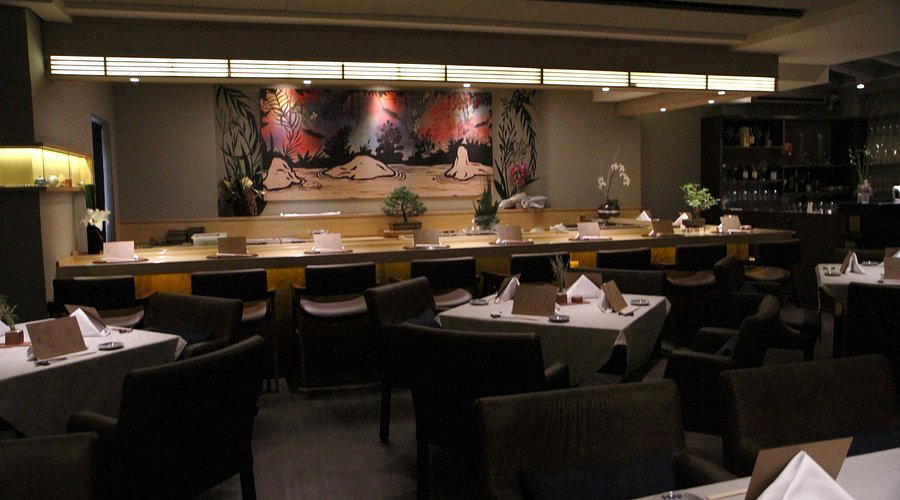
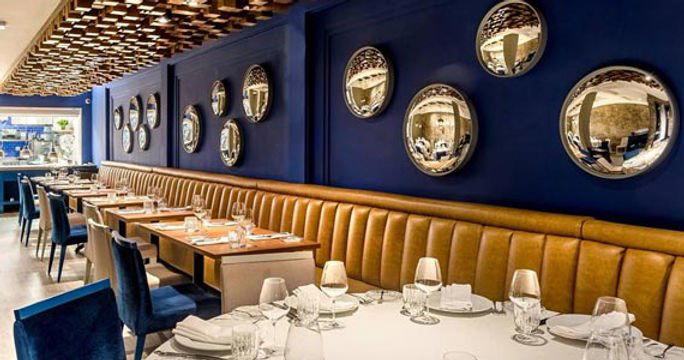
Bars in São Paulo
All bars in São Paulo →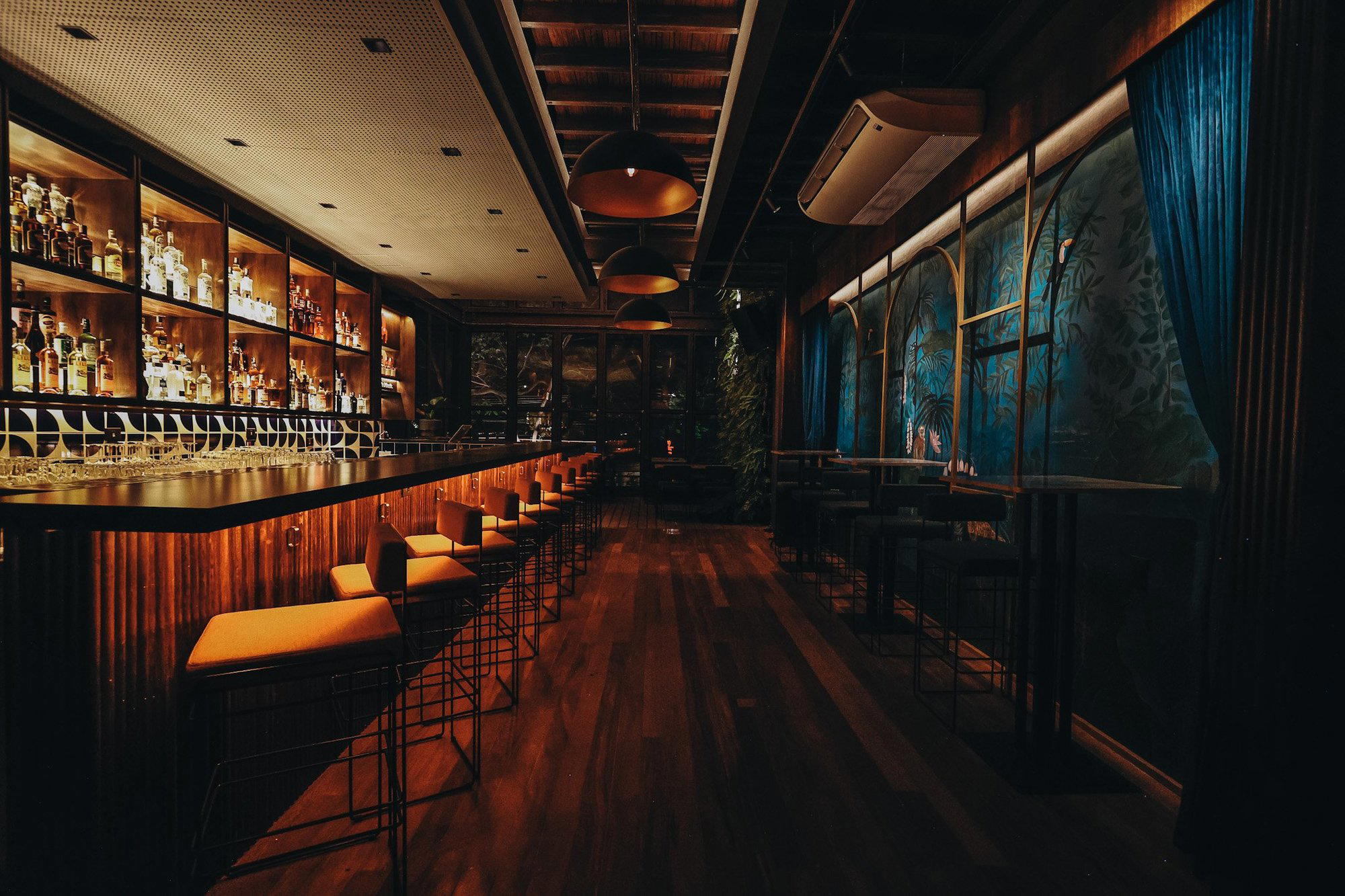
Details
- Intimate
- Elegant
- Cozy
- Modern
- Sophisticated
- Date Night
- Special Occasion
- Chefs Counter
- Sake Program
- Local Sourcing
- Tasting Menu
- Omakase
- A La Carte
- Sake
- Cocktails
Current opening hours
- Monday
- 12–3 PM, 7–11 PM
- Tuesday
- 12–3 PM, 7–11 PM
- Wednesday
- 12–3 PM, 7–11 PM
- Thursday
- 12–3 PM, 7–11 PM
- Friday
- 12–3 PM, 7 PM–12 AM
- Saturday
- 12:30–4 PM, 7 PM–12 AM
- Sunday
- Closed
Hours can change for holidays and private events. Hours as of .
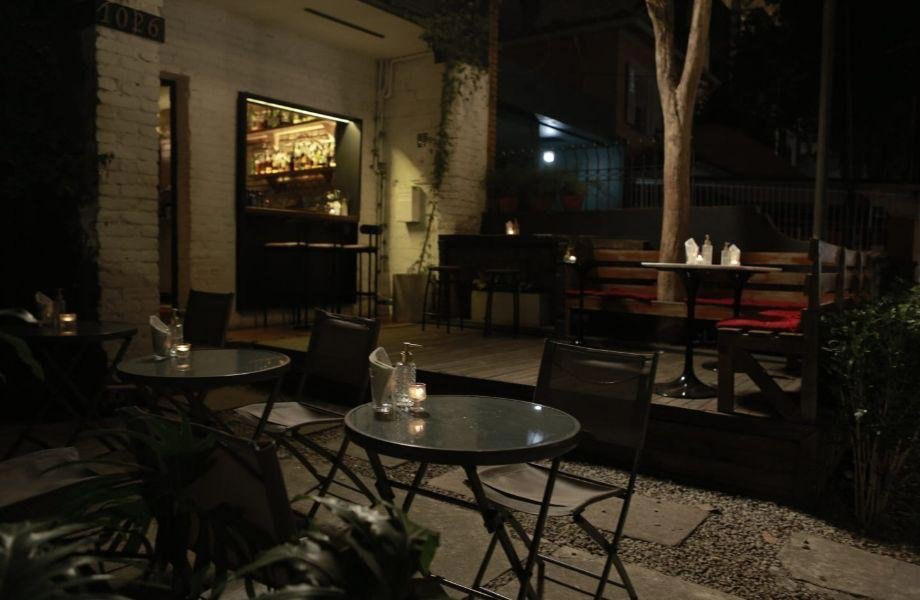
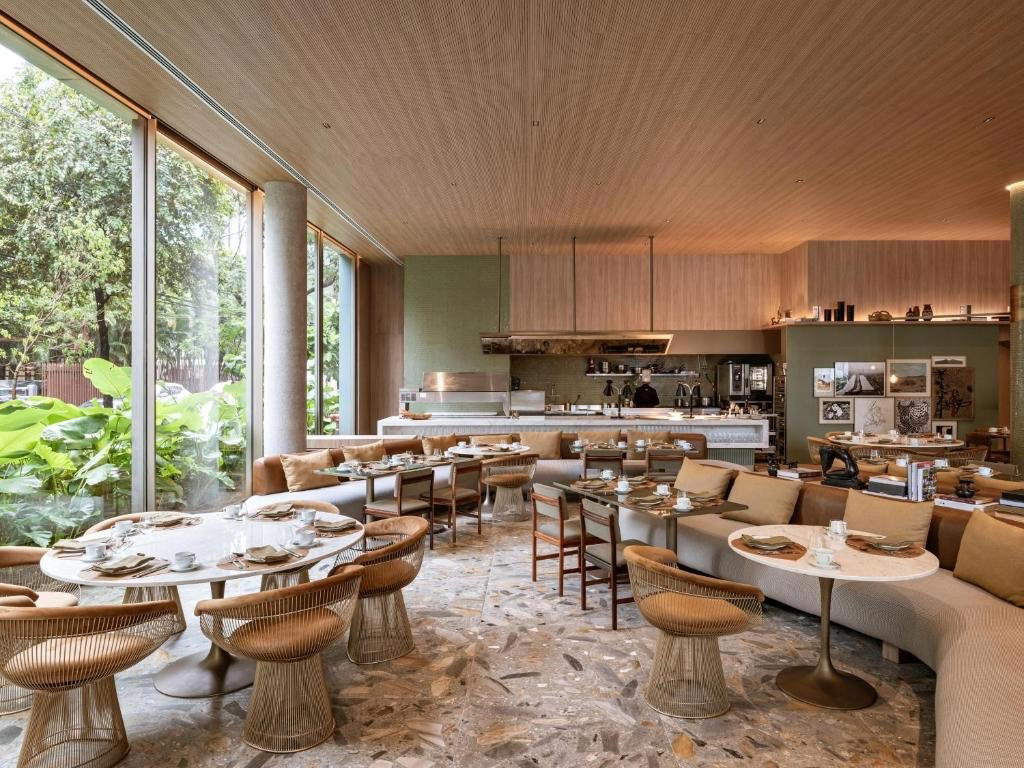
Relaxing and welcoming with wood and soft tones, embellished by a beautiful cherry tree creating a calm, refined sanctuary.