On Rue de Longchamp in Paris's 16th arrondissement, Mayfair Garden occupies a quiet residential address that sits at some distance from the more theatrical dining rooms of the 8th. The restaurant draws visitors looking for measured, unhurried dining in a neighbourhood better known for its proximity to the Trocadéro and the Bois de Boulogne than for culinary density.
Pearl is the En Primeur Club membership app — saves, bookings, and concierge access live there. Same editors, same standards.
- Address
- 33 Rue de Longchamp, 75116 Paris, France
- Phone
- +33142569192
- Website
- mayfairgarden-paris.fr
- Directions
- Get directions
 Saves & bookings on Pearl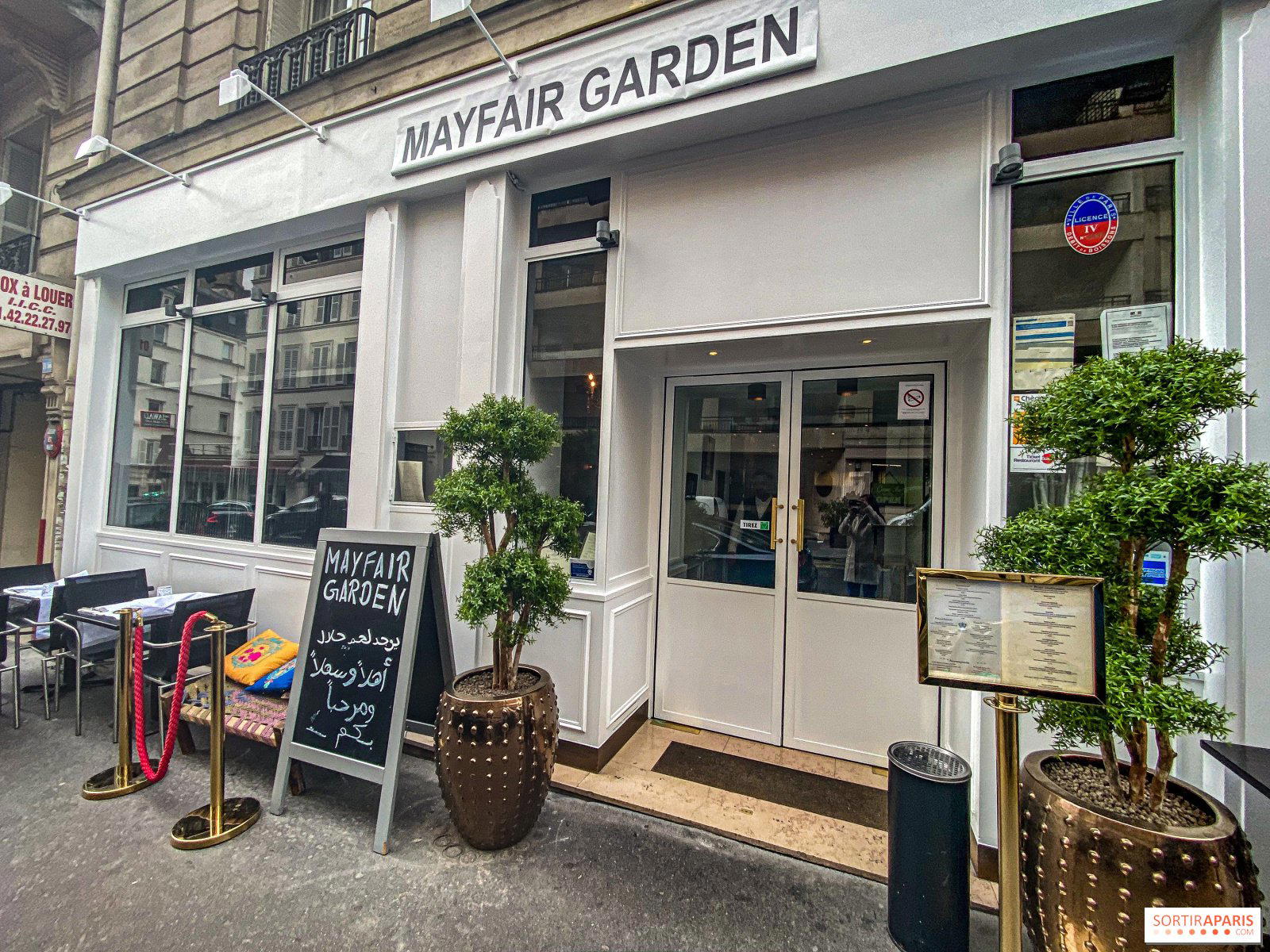
A Quieter Corner of Paris Fine Dining
The 16th arrondissement has never been Paris's most competitive dining district. Where the 8th concentrates its energy around places like Le Cinq at the Four Seasons Hôtel George V and Alléno Paris au Pavillon Ledoyen, the 16th tends toward residential calm. Rue de Longchamp, which runs between the Trocadéro and the Bois de Boulogne, is lined with Haussmann-era façades and the kind of low-traffic atmosphere that makes a restaurant address feel more like a private appointment than a public destination. Mayfair Garden sits inside that context: an address that announces itself through restraint rather than footfall.
That positioning matters when you consider how Paris fine dining has evolved. The city's upper-tier restaurants have largely consolidated around a handful of trophy addresses, leaving quieter arrondissements to a smaller set of rooms that compete on atmosphere, consistency, and a particular kind of neighbourhood loyalty rather than on spectacle. Paris rewards this kind of specificity, and the 16th has historically attracted the sort of diner who prefers a considered room to a crowded one.
The Physical Space as Editorial Subject
In Paris, the design language of a dining room carries as much weight as the menu. The city has a long tradition of rooms that communicate their ambitions entirely through spatial choices: ceiling height, material palette, the ratio of table spacing to total covers. At the upper end of the market, venues like L'Ambroisie on the Place des Vosges have built reputations as much on their physical containers as on their plates, with interiors drawn from 18th-century decorative traditions that make the room itself an argument for the price.
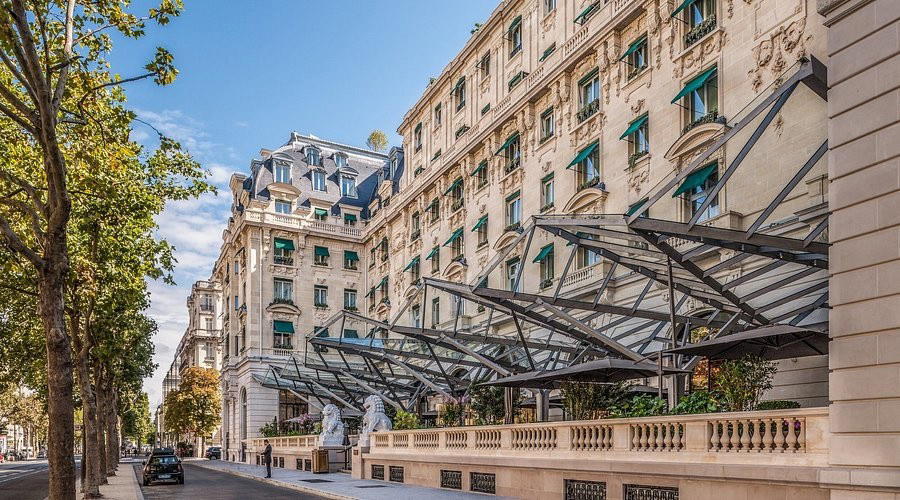
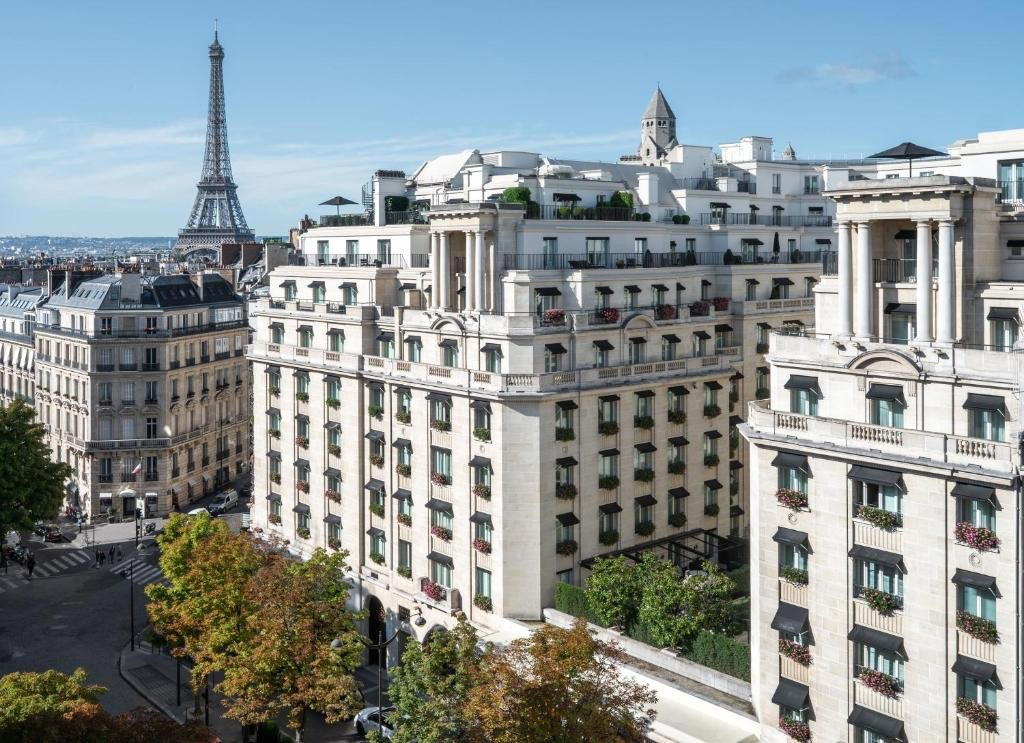
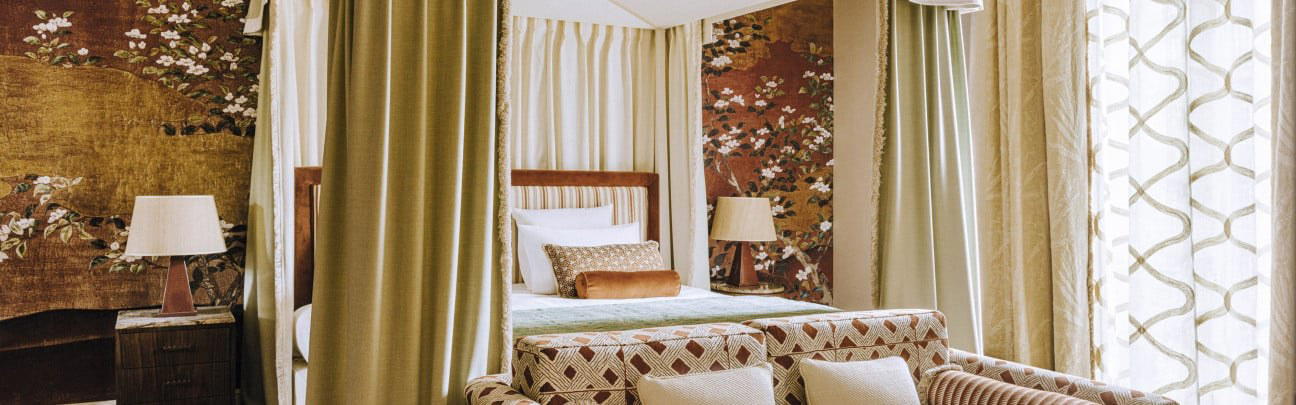
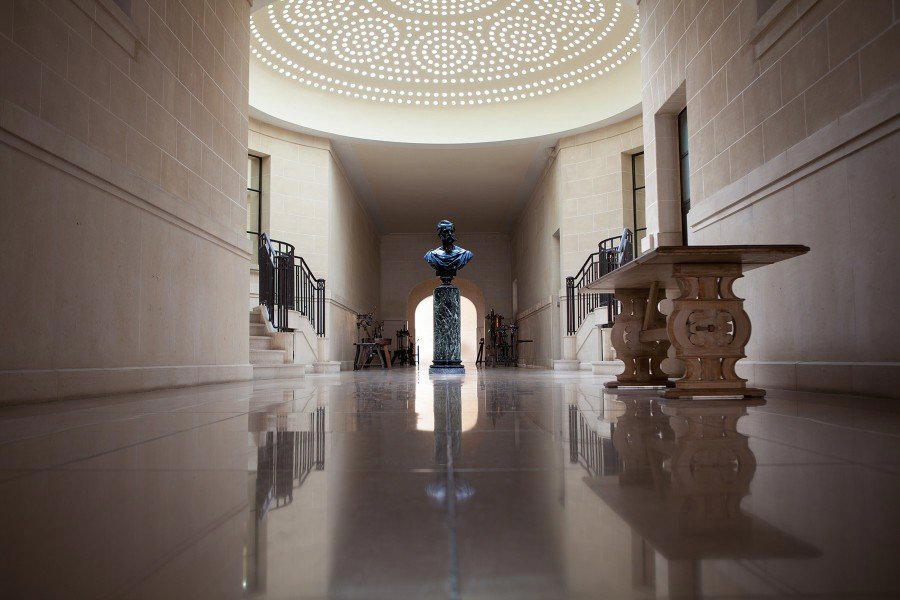
The Rue de Longchamp address places Mayfair Garden in a neighbourhood where building stock leans toward the late 19th and early 20th century. Haussmann's planning grid, which dominates this part of the 16th, produces a particular kind of interior logic: rooms with high ceilings, generous windows that face onto tree-lined streets, and a stone-and-plaster material vocabulary that resists the kind of aggressive renovation that strips period character. Restaurants operating in this stock tend to work with rather than against those proportions, producing dining rooms that feel settled rather than designed-for-impact.
What this means practically is that the spatial experience at an address like this should be evaluated differently from a purpose-built restaurant in a newer arrondissement. The measure is not dramatic intervention but the quality of curation within existing bones. How tables are spaced, how light is handled in the evenings, how acoustic treatment has been managed in a room with hard surfaces, these are the details that separate a well-considered room from one that merely occupies a good building.
Where This Address Sits in the Paris Dining Picture
Understanding any restaurant in Paris requires placing it against the full range of what the city offers. At one end sit the heavily decorated, destination-dining rooms: Kei, which brings Japanese technique into the French classical canon, and Arpège, where the vegetable-centred menu has become among the more-discussed formats in European fine dining. These are rooms where the culinary argument is explicit and the physical environment is designed to support a specific gastronomic position.
At the other end sits a broader tier of neighbourhood restaurants that operate without the awards infrastructure but with strong local followings and a clear sense of what they are. The 16th has historically been home to this second category: rooms that serve a well-heeled residential clientele who eat out regularly rather than occasionally, and who value reliability over revelation.
France's regional fine dining offers a useful comparison set. Houses like Flocons de Sel in Megève, Mirazur in Menton, and Troisgros in Ouches have built their identities around a specific relationship between place and plate. The long-standing traditions of Auberge de l'Ill in Illhaeusern, Bras in Laguiole, and Paul Bocuse in Collonges-au-Mont-d'Or demonstrate that sustained French dining reputations are built over decades, not seasons. Compared to that regional depth, a Paris address on a quieter street in the 16th occupies a different kind of proposition: urban convenience and residential discretion over destination-driven pilgrimage.
Even at the international level, restaurants like Le Bernardin in New York and Atomix demonstrate how the physical room encodes the restaurant's ambitions, Le Bernardin's restrained, hotel-adjacent formality; Atomix's counter-and-card format that makes the space itself part of the storytelling. A Paris restaurant on a quiet residential street sends a different signal: it asks the guest to come to it rather than advertising itself to passing trade.
Elsewhere in France, restaurants at the level of AM par Alexandre Mazzia in Marseille, Assiette Champenoise in Reims, Au Crocodile in Strasbourg, and Auberge du Vieux Puits in Fontjoncouse have used regional distinctiveness as their primary competitive signal. A Paris address, by contrast, can rely on the city itself as context, but that reliance cuts both ways. Paris diners have access to a deep field of alternatives.
Planning Your Visit
Rue de Longchamp in the 16th arrondissement is accessible from Trocadéro on the 6 and 9 lines, and from Rue de la Pompe on line 9, placing the address within direct reach of central Paris. The 16th is a low-density neighbourhood by Paris standards, which means street-level parking and quieter arrivals than the heavily trafficked 8th or 1st. For visitors combining the meal with other itinerary points, the Trocadéro gardens and the Palais de Chaillot are within a short walk, and the Bois de Boulogne is accessible on foot.
As with any restaurant in the 16th's mid-to-upper tier, reservations are advisable rather than optional, particularly for weekend evenings when the neighbourhood's residential dining culture concentrates demand.
Quick reference: 33 Rue de Longchamp, 75116 Paris. Nearest metro: Trocadéro (lines 6, 9).
Cuisine and Credentials
Comparable venues nearby, for context on price, style, and recognition.
| Venue | Cuisine | Price | Notes |
|---|---|---|---|
| Mayfair GardenThis venue — the venue you are viewing | Contemporary Indian-Pakistani Fine Dining | $$$ | Not listed |
| Flora Danica | Danish Scandinavian Brasserie | $$$ | Étoile |
| Soon | Modern Korean Grill | $$$ | Champs-Élysées |
| Les Éléphants | French Bistro with Market-Driven Cuisine | $$$ | Batignolles-Monceau |
| Le Minet Galant | Traditional French Bistro | $$$ | Opéra |
| Circonstances | Modern French Bistro | $$$ | 2e Arrondissement |
Continue exploring
More in Paris
Restaurants in Paris
Browse all →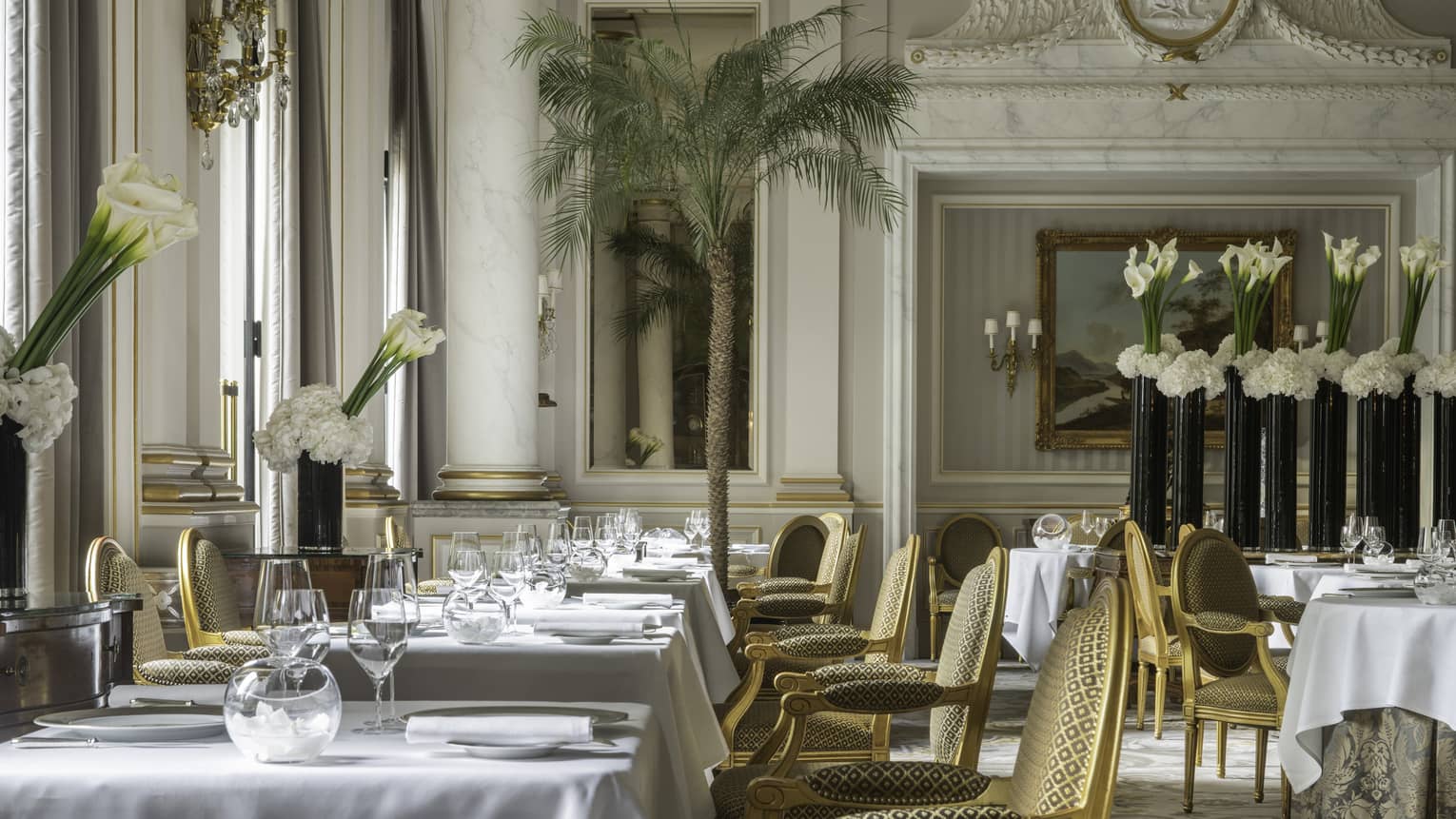

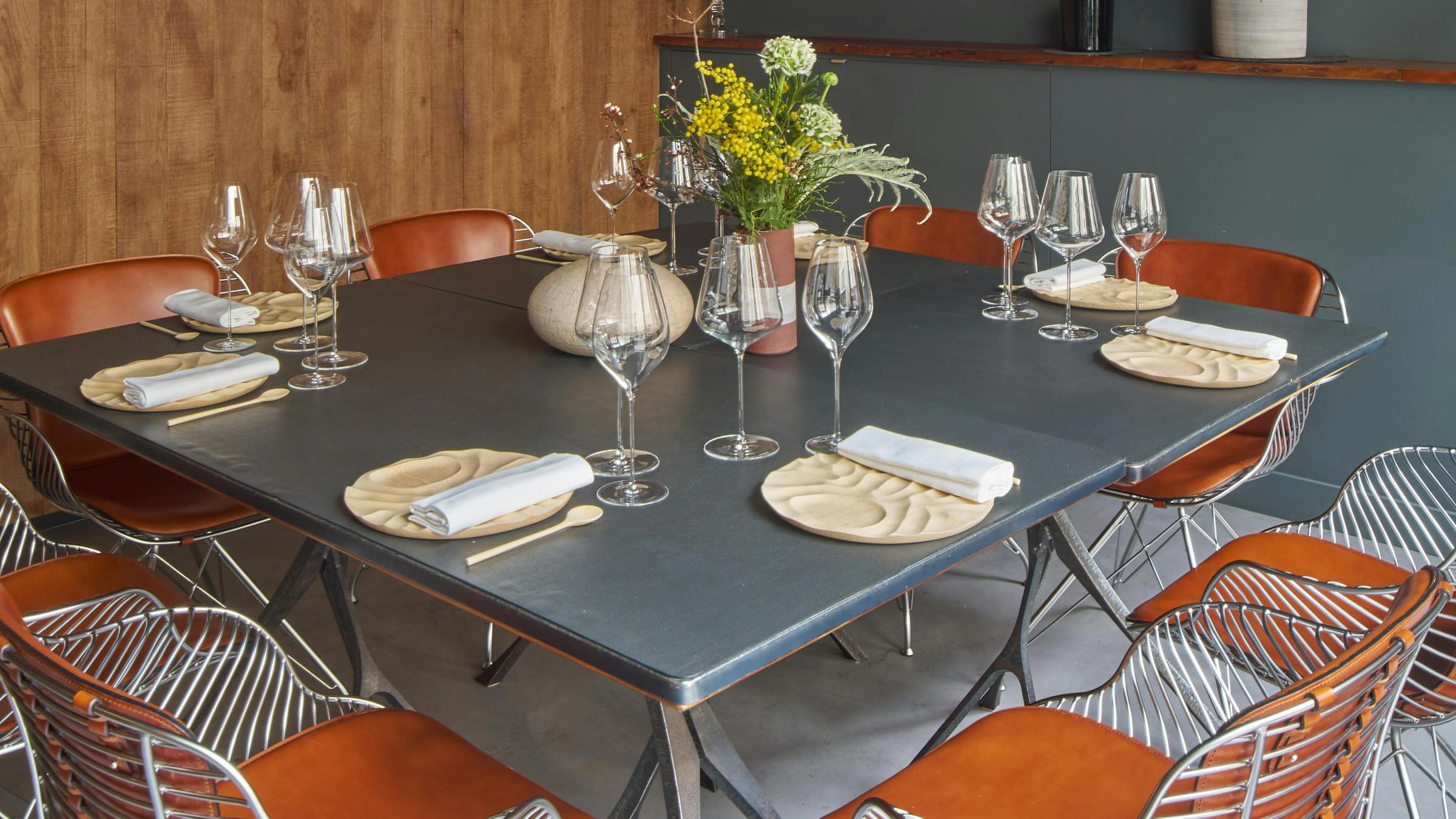
Bars in Paris
Browse all →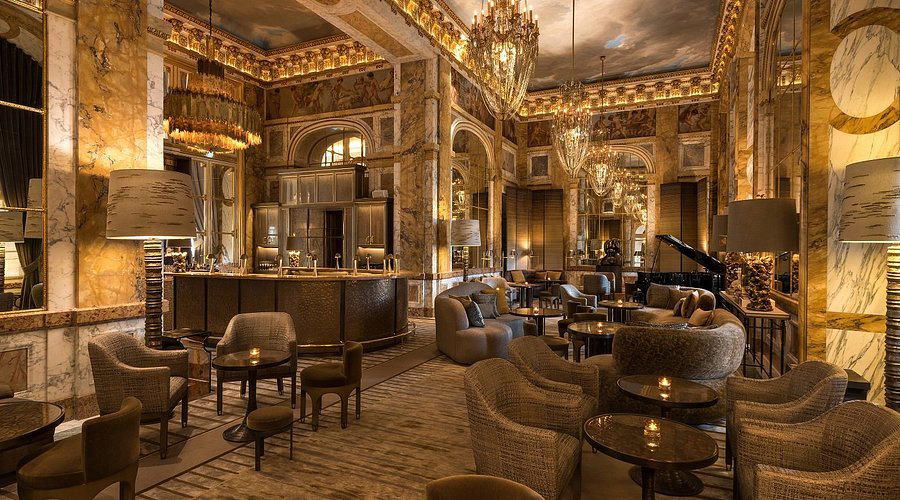
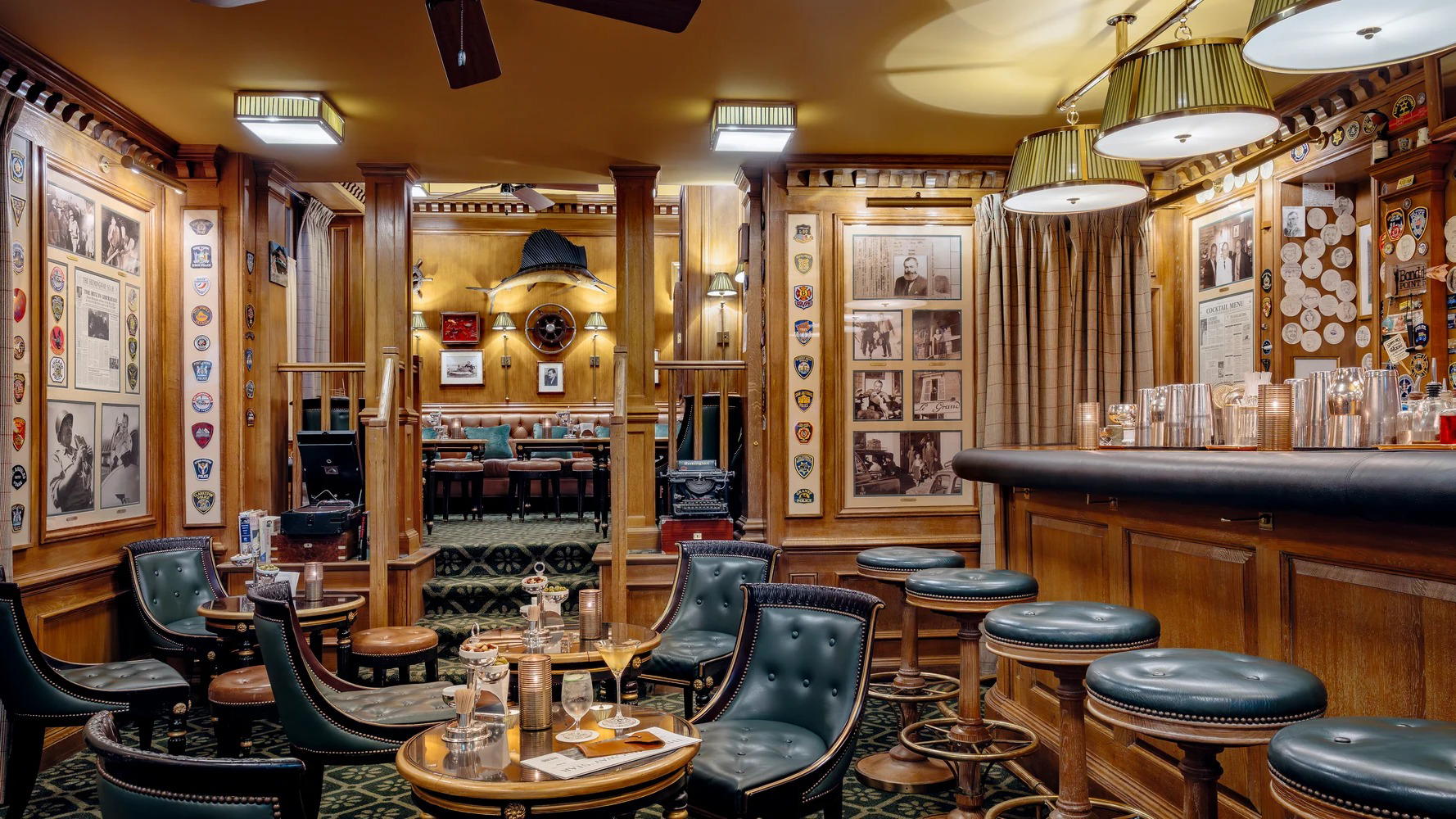

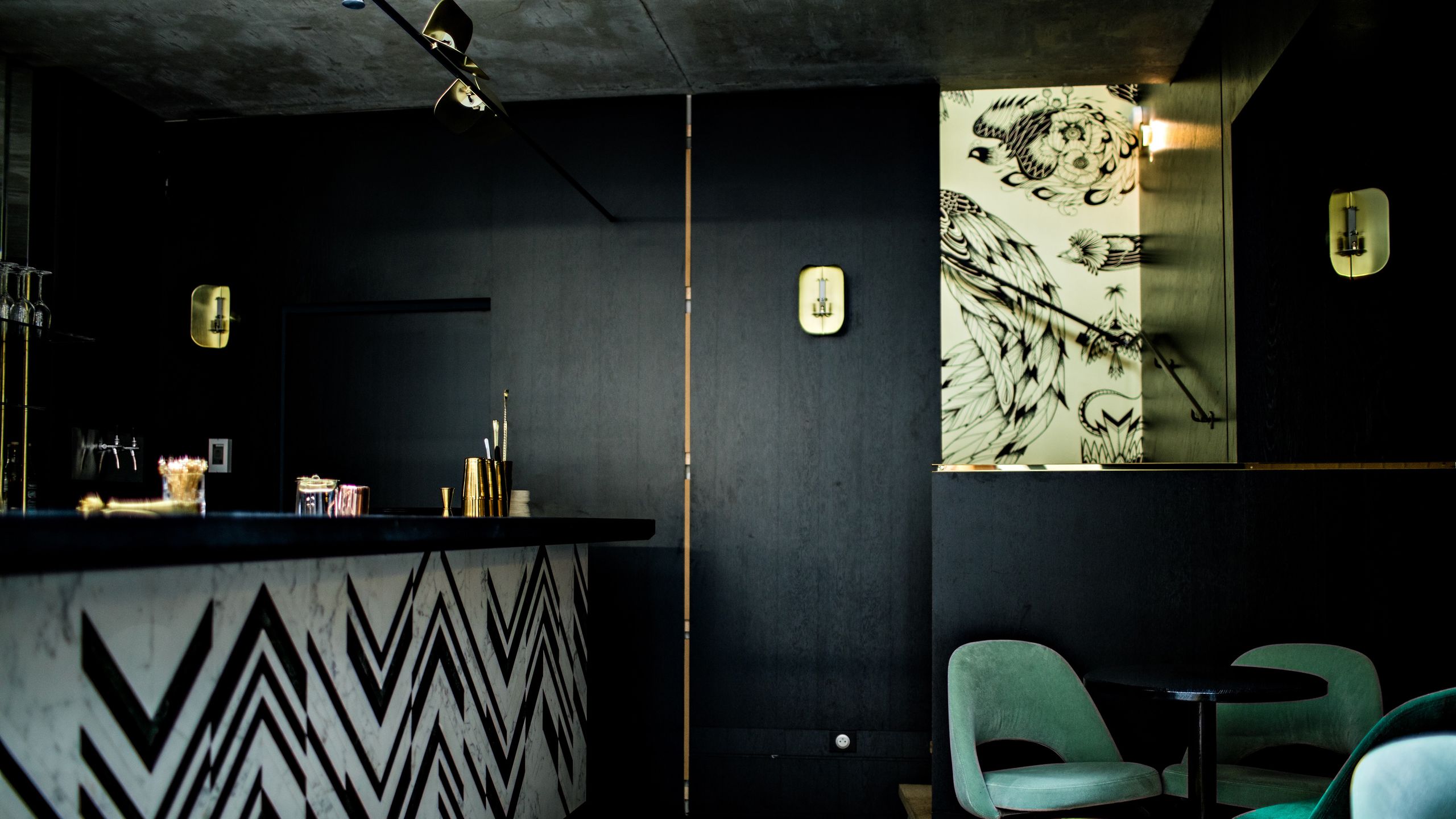
Hotels in Paris
Browse all →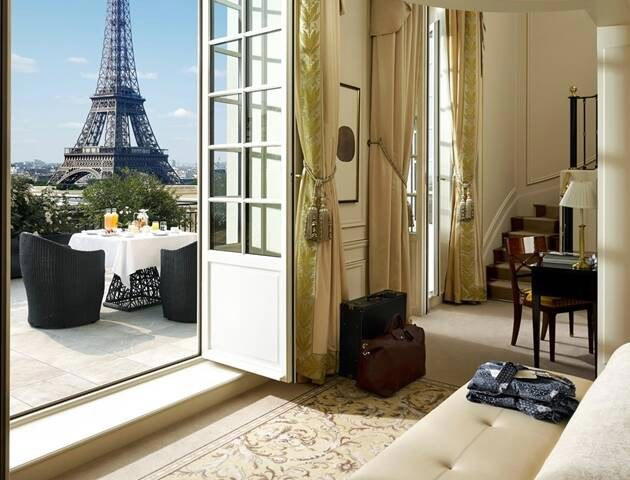



At a Glance
- Elegant
- Modern
- Sophisticated
- Date Night
- Business Dinner
- Celebration
- Special Occasion
- Terrace
- Open Kitchen
- Craft Cocktails
- Beer Program
Current opening hours
- Monday
- Closed
- Tuesday
- 12–2:15 PM, 6:30–10:30 PM
- Wednesday
- 12–2:15 PM, 6:30–10:30 PM
- Thursday
- 12–2:15 PM, 6:30–10:30 PM
- Friday
- 12–2:15 PM, 6:30–10:45 PM
- Saturday
- 12–2:15 PM, 6:30–10:45 PM
- Sunday
- 12–2:15 PM, 6:30–10:15 PM
Hours can change for holidays and private events. Last verified .
Contemporary and refined with lively atmosphere, combining authentic Indian elegance with Parisian sophistication.