Our verdict
Flora Danica occupies a singular position on the Champs-Élysées, bringing Scandinavian culinary tradition to the heart of Paris's most recognisable avenue. The restaurant has long served as an outpost of Danish food culture in France, offering a counter-point to the classical French dining that dominates the 8th arrondissement. For visitors seeking something outside the Parisian mainstream, it represents a deliberate detour.

Pearl is the En Primeur Club membership app — saves, bookings, and concierge access live there. Same editors, same standards.
The menu
What to order
- Gilbert Becaud salmon
- Smorrebrod
- Reindeer steak
An Avenue Built for Grand Gestures
The Champs-Élysées has never been a street that rewards the uncommitted. At 142 Avenue des Champs-Élysées, Flora Danica has occupied its address long enough to have watched the avenue cycle through multiple identities: imperial promenade, postwar tourist corridor, luxury retail strip. The restaurant's founding was itself a statement of Danish cultural presence in Paris, established as an extension of the Danish Cultural Institute to serve as a formal ambassador of Nordic cuisine on French soil. That origin distinguishes it from the wave of New Nordic restaurants that appeared across European capitals after 2010 — Flora Danica predates that movement by decades.
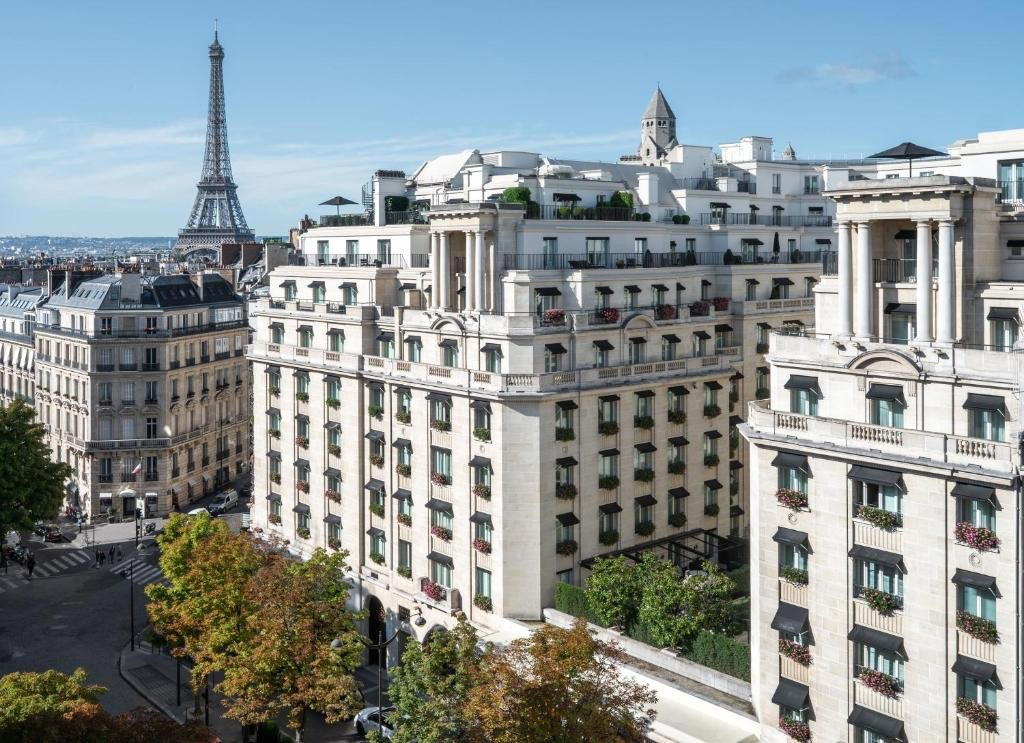
To understand what Flora Danica means in the context of the 8th arrondissement, it helps to map the dining geography around it. Le Cinq at the Four Seasons Hôtel George V sits a few minutes' walk away, anchoring the neighbourhood's appetite for formal French modernism. Alléno Paris au Pavillon Ledoyen draws from the same high-spending visitor base. Flora Danica operates in a different register entirely — its Scandinavian identity sets it apart from the French classical and modern French creative tables that define the arrondissement's Michelin-star cluster.
Scandinavian Cooking on French Terms
Nordic cuisine's international profile has shifted considerably since the early 2000s. The success of Copenhagen's restaurant scene, and its ripple effects across Stockholm, Helsinki, and Oslo, changed the reference points that European diners bring to Scandinavian food. Smoked fish, cured meats, rye bread, and dairy-forward preparations were once considered austere by French standards; today, those same techniques carry credibility in markets that prize restraint and provenance.
Flora Danica sits at the intersection of those two frames. Its menu draws on Danish culinary tradition, herring preparations, open-faced sandwiches in their more formal guise, salmon treated with the precision that French kitchens apply to their own river fish, while operating within a Parisian service context that expects a certain ceremony. The result is a dining register that doesn't map neatly onto either Nordic informality or French grandeur, which is precisely where it finds its character. For comparison, consider how Kei in the 1st arrondissement navigates the space between Japanese technique and French classical form, both restaurants occupy positions that make more sense when understood as cultural negotiations rather than pure cuisine categories.
France's own regional restaurant traditions show how deeply place-rooted cooking can coexist with Parisian sophistication. Auberge de l'Ill in Illhaeusern and Les Prés d'Eugénie in Eugénie-les-Bains both demonstrate how a strong regional identity, Alsatian in one case, Gascon in the other, can sustain a serious restaurant for generations without needing to move toward generic fine dining. Flora Danica applies a similar logic, using Danish identity as both anchor and differentiator rather than a novelty.
Location as Argument
The Champs-Élysées address is double-edged. The avenue draws enormous foot traffic, which means Flora Danica is never invisible in the way that a quiet Left Bank restaurant might be. But the same address carries associations that serious diners sometimes resist: tourist density, retail noise, a certain transience in the street's atmosphere. The restaurant has to work against those associations while benefiting from the visibility they provide.
What the location does offer is genuine accessibility. The avenue is served by multiple Métro lines, making Flora Danica easier to reach from across Paris than tables tucked into residential side streets. For visitors staying in the triangle formed by the Arc de Triomphe, the Madeleine, and the Grand Palais, a zone thick with luxury hotels, the restaurant is within walking distance. That matters when the alternative is adding a taxi ride to what is already a considered evening out.
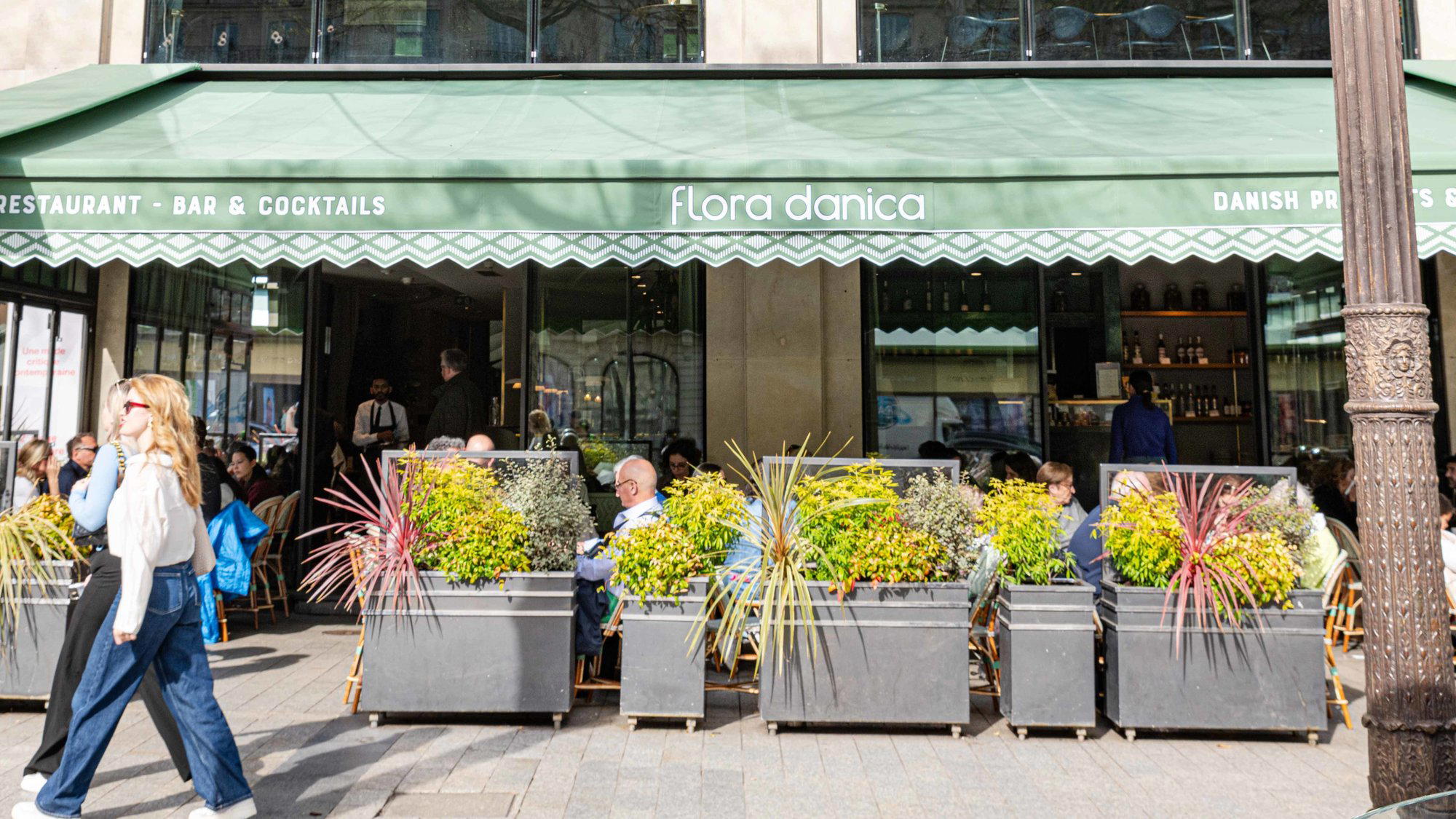
The terrace, when weather allows, positions diners on one of the most-watched streets in Europe. That is a specific experience, distinct from the enclosed grandeur of a restaurant like L'Ambroisie on the Place des Vosges, where the courtyard setting creates enclosure and stillness. Flora Danica's terrace is participatory, you are on the avenue, not insulated from it.
Where Flora Danica Sits in the Broader Paris Picture
Paris's restaurant scene has long accommodated foreign culinary embassies, from the Japanese kaiseki tables of the 6th to the Lebanese establishments of the 17th. Flora Danica belongs to an older generation of that tradition, restaurants that arrived not as trend-following but as formal cultural representations. That gives it a different standing than a chef-driven Nordic pop-up or a Scandinavian-inspired bistro opened by a French team after a Copenhagen stage.
For readers building a broader picture of serious French dining, the restaurant maps usefully against the country's destination tables. The cooking philosophy that prizes provenance and restraint, found at Bras in Laguiole or Flocons de Sel in Megève, shares more with Nordic priorities than it does with the butter-and-reduction tradition of classical French cooking. Flora Danica operates in that more restrained register, which means readers who respond well to those regional French addresses will likely find the sensibility familiar.
For a fuller survey of where Flora Danica fits within the Paris dining map, see our full Paris restaurants guide, which covers the city's major clusters from the Palais-Royal corridor to the Left Bank's established addresses.
Planning Your Visit
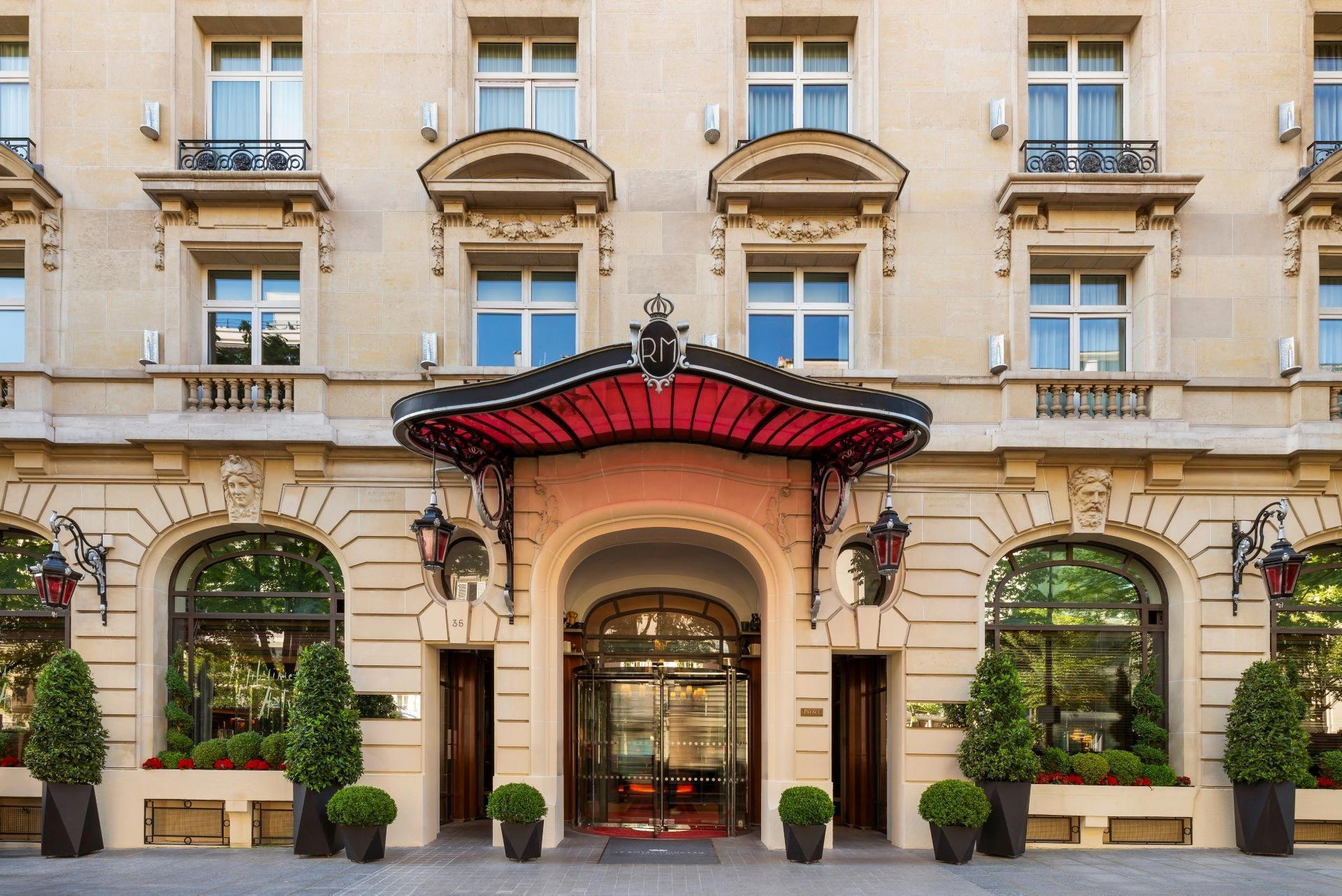
The restaurant sits at 142 Avenue des Champs-Élysées, in the 8th arrondissement, directly on the main avenue and reachable from the George V or Charles de Gaulle, Étoile Métro stations. Given its Champs-Élysées location and the consistent tourist pressure on the surrounding area, booking ahead is advisable for dinner, particularly on weekends and during peak Paris seasons, late spring and the September-October period when the city fills with fashion week visitors and returning Parisians from summer. Lunch reservations tend to be more available, and the midday light on the terrace is worth factoring into your timing if outdoor seating is a priority.
Frequently asked questions
Does Flora Danica work for a family meal?
On the Champs-Élysées, where most dining options skew toward either fast casual or formal French, Flora Danica sits closer to the formal end, which means it works for families comfortable with a sit-down, table-service format, but is probably not the right call if you need a flexible, child-paced environment.
What's the vibe at Flora Danica?
If you come in expecting a buzzy French brasserie, the Scandinavian register will feel considered and quieter by comparison. The tone shifts depending on context: a Champs-Élysées terrace table at lunch reads differently from a dinner inside, where the Danish cultural identity of the space becomes more prominent. Without Michelin recognition on the level of nearby addresses like Le Cinq, the formality is dialled back, which suits guests who want a substantive meal without the ceremony of a full Michelin progression.
What's the signature dish at Flora Danica?
Go expecting the Nordic canon rather than a single showpiece dish. Herring preparations and cured salmon have anchored Danish restaurant menus for generations, and Flora Danica's kitchen works within that tradition.
How hard is it to get a table at Flora Danica?
The Champs-Élysées location generates consistent walk-in demand from the avenue's foot traffic, and the restaurant does not have the capacity constraints of a small counter-format table, but it is not a venue where showing up without a reservation on a Saturday evening is a reliable strategy.
What's the standout thing about Flora Danica?
Its founding purpose separates it from every other restaurant on the avenue. This is a restaurant that exists as a cultural institution first, with a Danish mandate that precedes the New Nordic trend by decades, which gives it a coherence that concept-driven Scandinavian restaurants rarely achieve.
Is Flora Danica worth visiting if you're already planning to eat at Paris's leading French tables?
The two categories serve different purposes. Tables like Arpège or L'Ambroisie sit at the apex of the French fine dining tradition; Flora Danica operates as a counterpoint rather than a competitor to that tradition. If your Paris itinerary is already weighted toward high-formality French dining, Flora Danica's Danish identity makes it a useful change of register, particularly for a lunch rather than a competing dinner slot.
Standing Among Peers
Comparable venues nearby, for context on price, style, and recognition.
| Venue | Cuisine | Price | Notes |
|---|---|---|---|
| Flora DanicaThis venue — the venue you are viewing | Danish Scandinavian Brasserie | $50–100 | Not listed |
| LE 8 CLOS | Thai-French Fusion | $50–100 | 16th arrondissement |
| Le Café des Ternes | Traditional French Brasserie | $50–100 | Ternes |
| Momen | Modern French Bistronomy | $50–100 | Paris 08 |
| Sébastien Gaudard | Classic French Patisserie & Café | $30–50 | 9th Arrondissement |
| Le Voltaire | Classic French Brasserie | $50–100 | 7e Arr. – Palais Bourbon |
Continue exploring
More in Paris
Restaurants in Paris
All restaurants in Paris →

Bars in Paris
All bars in Paris →
Details
- Lively
- Warm
- Elegant
- Cozy
- Brunch
- Group Dining
- Business Dinner
- Terrace
- Private Dining
- Hotel Restaurant
- Street Scene
- Garden
- A La Carte
- Buffet
- Vegetarian Friendly
Current opening hours
- Monday
- 8 AM–11 PM
- Tuesday
- 8 AM–11 PM
- Wednesday
- 8 AM–11 PM
- Thursday
- 8 AM–11 PM
- Friday
- 8 AM–11 PM
- Saturday
- 8 AM–11 PM
- Sunday
- 8 AM–11 PM
Hours can change for holidays and private events. Last verified .
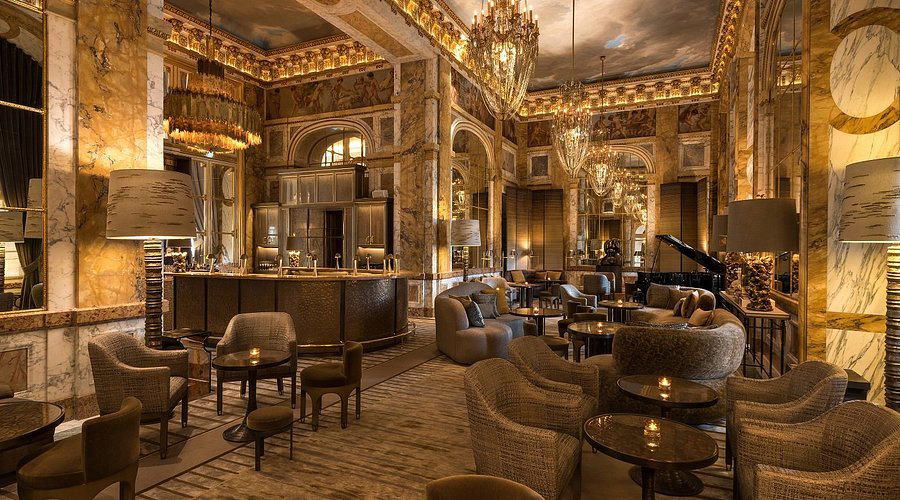
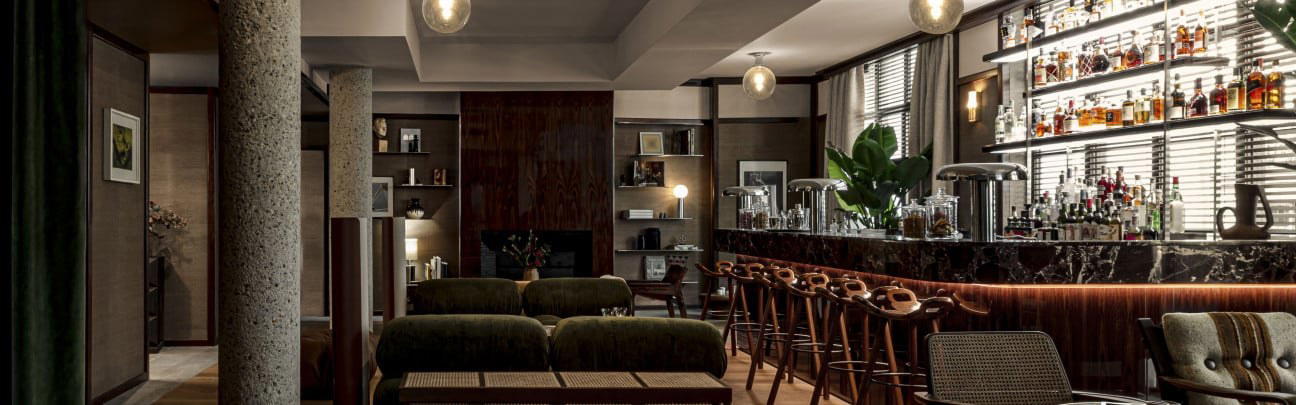
Warm and lively Scandinavian atmosphere with light woods, green marble, lush plants, and garden-inspired décor.