Maya Grill
Maya Grill sits on Disney's hotel row in Lake Buena Vista, drawing a crowd that extends well beyond resort guests looking for a convenient dinner. The restaurant operates in a corner of Orlando's dining scene where theme-park proximity and serious kitchen ambition occasionally occupy the same address. Reservations are advised, particularly during peak Florida travel months.
Pearl is the En Primeur Club membership app — saves, bookings, and concierge access live there. Same editors, same standards.
- Address
- 1001 W Buena Vista Dr, Lake Buena Vista, FL 32830
- Phone
- +14079395277
- Website
- disneyworld.com
- Directions
- Get directions
 Saves & bookings on Pearl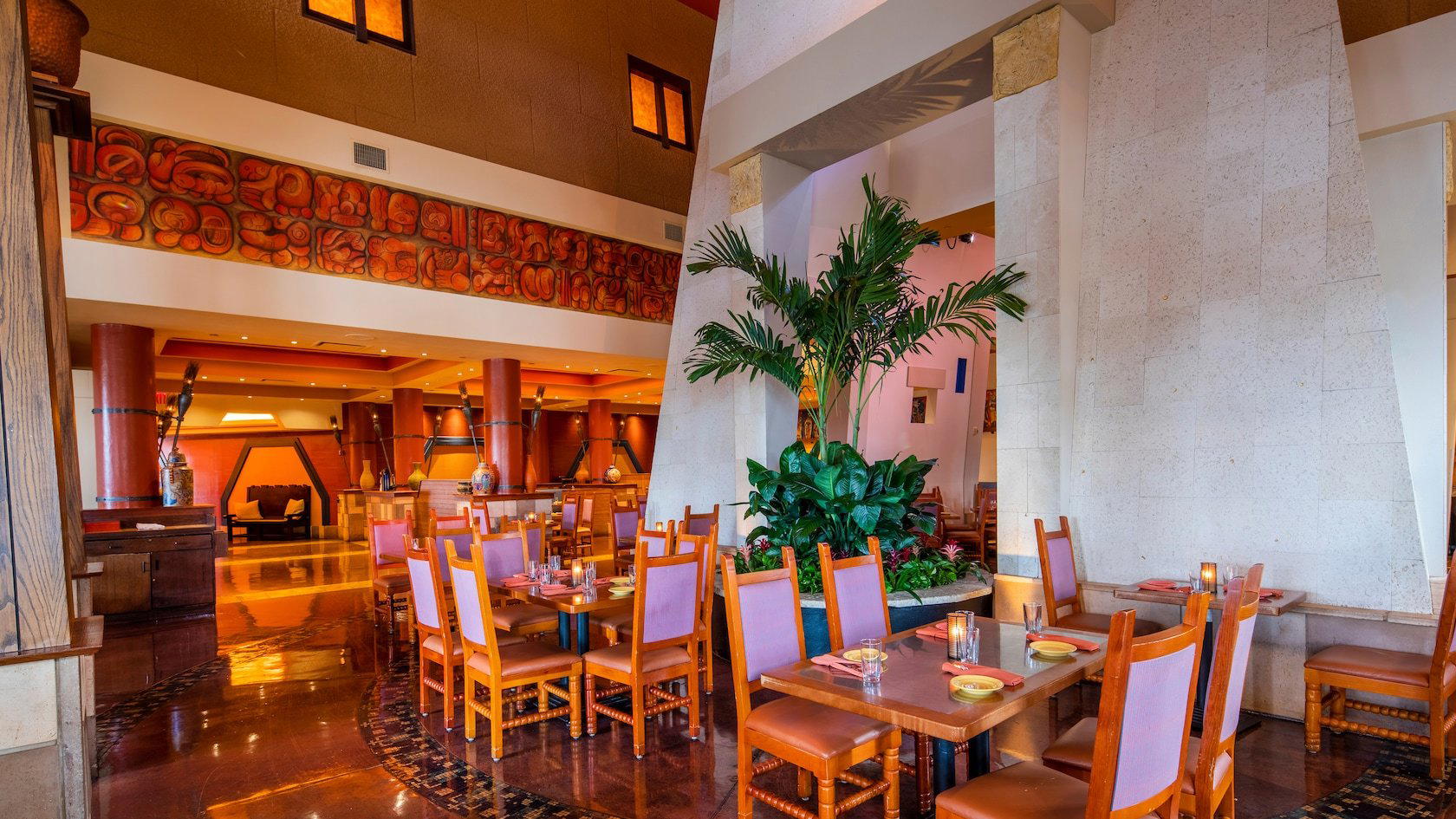
Where Resort Dining Meets the Wider Orlando Scene
The stretch of hotel addresses along West Buena Vista Drive carries a particular gravitational pull in Orlando. Guests arrive from the theme parks expecting convenience, and many of the restaurants along this corridor have historically delivered exactly that: reliable, inoffensive, and forgettable. What makes a handful of properties in this zone worth a second look is the recognition, growing across Orlando's broader dining conversation, that proximity to Disney does not have to mean the lowest common denominator. Maya Grill is a casual Nuevo Latino Mexican restaurant in Lake Buena Vista, with a $30 per-person price point and 4.0 stars on Google. Maya Grill, at 1001 West Buena Vista Drive inside the Coronado Springs Resort, sits at that intersection.
Florida's Gulf and Atlantic coasts have long supported serious restaurant culture, but Orlando's inland position and its identity as a tourist destination have historically kept it in a secondary tier when food critics sketch the state's dining geography. That picture has shifted measurably over the last decade. Venues like Capa (Steakhouse) at the Four Seasons Orlando and omakase-led operations such as Kadence (Japanese) and Sorekara (Japanese) have raised the ceiling on what the city's dining scene can sustain. Maya Grill operates in a different register from those specialists, but the broader shift in Orlando's ambitions provides context for understanding its position.
The Collaborative Architecture of a Hotel Kitchen
In premium hotel dining, the gap between a room that functions and one that actually works comes down to coordination between the kitchen, the floor, and the wine program. This is where resort restaurants most often stumble: the kitchen may be capable, but siloed operations produce service that feels mechanical, and wine lists that read as afterthoughts to a procurement team rather than considered pairings. The editorial angle on the restaurant that matters most, given what the Lake Buena Vista hotel corridor demands of its properties, is whether the front-of-house and kitchen operate as a coherent unit or as separate departments sharing a postcode.
That question is especially pointed at a property with the footprint of Coronado Springs, which accommodates a large conference and leisure clientele simultaneously. The pressure on kitchen and floor teams to serve across wildly different guest expectations, from families returning from a full park day to corporate groups with dinner budgets, is a challenge that well-run hotel restaurants handle through well-briefed staff and a menu architecture that does not force false choices. Orlando's hotel dining tier, which now includes strong competition from Natsu (Japanese) and Camille (Vietnamese), has raised expectations for what that coordination should look like.
Latin-Inflected Cooking in an American Resort Context
Across the United States, the appetite for Latin American cooking at the premium tier has grown considerably, and the leading examples, whether in Miami, Houston, or New York, are defined by specificity rather than generality. The restaurants that hold attention are those with a clear regional point of view, whether that means the coastal seafood traditions of Peru, the fire-driven cooking of Argentina, or the complex mole traditions of Oaxaca, rather than a pan-Latin menu that samples without committing. The restaurant's cuisine positioning, which draws on these Latin influences, places it in a conversation that extends well beyond its resort address.
The strongest Latin-inflected kitchens in the American hotel context are those where the kitchen team has a defined perspective on sourcing and technique, and where the front-of-house can articulate that perspective to guests who may be encountering the cuisine for the first time. Compare, in a different price bracket, how properties like Single Thread Farm in Healdsburg or Blue Hill at Stone Barns in Tarrytown use floor staff as part of the editorial voice of the kitchen, connecting sourcing decisions to the guest's experience. At the luxury end of the American dining spectrum, venues like Le Bernardin in New York City, Alinea in Chicago, and The French Laundry in Napa have built service cultures in which every team member functions as an interpreter of the kitchen's intent. That model filters down to regional hotel dining in varying degrees of fidelity.
Further context from across the country: operations such as Lazy Bear in San Francisco, Providence in Los Angeles, Addison in San Diego, Atomix in New York City, The Inn at Little Washington, and Emeril's in New Orleans all demonstrate, in different ways, that American dining at the premium hotel or destination tier increasingly relies on the convergence of kitchen discipline and floor intelligence. Internationally, that convergence is visible at operations like 8 1/2 Otto e Mezzo Bombana in Hong Kong. The standard has been set clearly enough that guests arriving at the restaurant with exposure to any of these rooms will arrive with calibrated expectations.
Orlando's Hotel Dining Tier and Where Maya Grill Sits Within It
The reference point for hotel restaurant quality in Orlando has shifted upward, and the comparison set is no longer limited to other resort-corridor addresses. Victoria and Albert's at Disney's Grand Floridian represents the formal fine-dining ceiling of the on-property market, operating at a price point and intimacy of scale that puts it in a different category entirely. Below that, the competition among hotel restaurants is genuine and getting sharper. The guest deciding between dinner at the restaurant and the drive to a standalone destination like Kadence or Sorekara in the city's independent dining core is making a real choice, and the hotel properties that retain those guests are the ones whose kitchen-to-floor execution justifies the convenience premium.
For practical planning: the restaurant operates within the Coronado Springs Resort, which gives it a built-in guest base but also means the dining room is subject to the rhythms of convention season and park crowd patterns. Florida's peak travel windows, broadly December through April and the summer school-holiday months, correspond with Orlando's busiest hotel periods, and securing a table at preferred times during those windows benefits from advance planning. Guests staying off-property should factor in the resort parking or transportation logistics.
Comparable Venues
Comparable venues nearby, for context on price, style, and recognition.
| Venue | Cuisine | Price | Notes |
|---|---|---|---|
| Maya GrillThis venue — the venue you are viewing | Nuevo Latino Mexican | $$ | Not listed |
| El Patron Restaurante Mexicano | Traditional Mexican with Artisan Tacos | $$ | Lake Buena Vista |
| Amor y Chile Mexican Restaurant | Authentic Mexican | $$ | Crossroads |
| Wall Street Cantina | Casual Mexican Cantina | $$ | Downtown Orlando |
| Ceiba | Sophisticated Regional Mexican | $$$$ | Cypress Walk |
| Lisbon Portuguese Cuisine | Authentic Portuguese Cuisine | $$ | The Rialto |
At a Glance
- Lively
- Energetic
- Family
- Group Dining
- Casual Hangout
- Live Music
- Hotel Restaurant
- Waterfront
Current opening hours
- Monday
- 5–10 PM
- Tuesday
- 5–10 PM
- Wednesday
- 5–10 PM
- Thursday
- 5–10 PM
- Friday
- 5–10 PM
- Saturday
- 5–10 PM
- Sunday
- 5–10 PM
Hours can change for holidays and private events. Last verified .
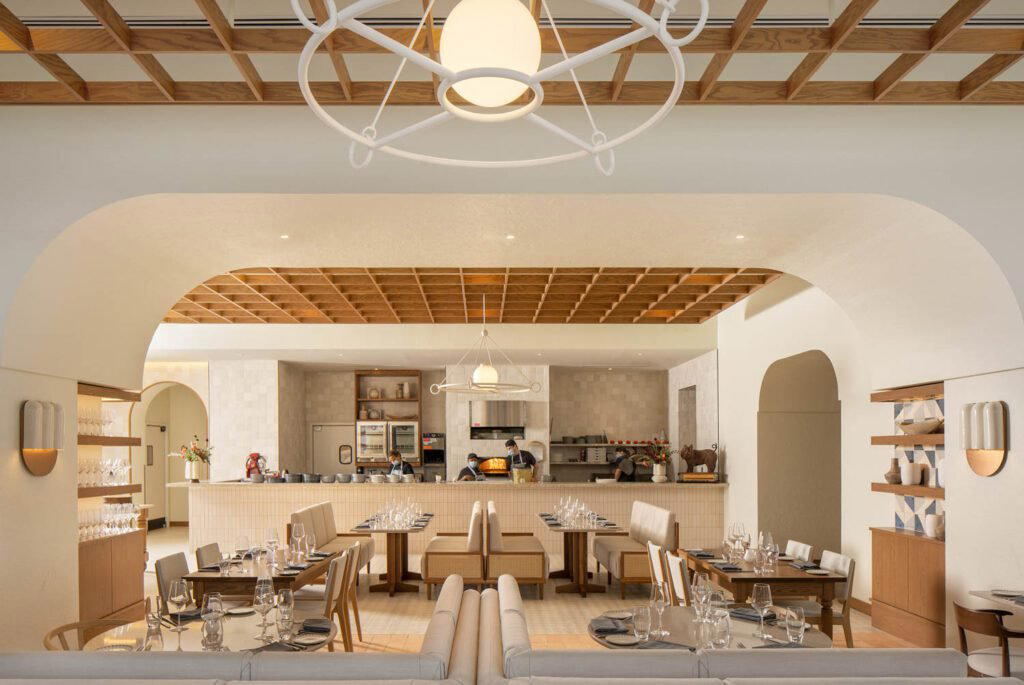
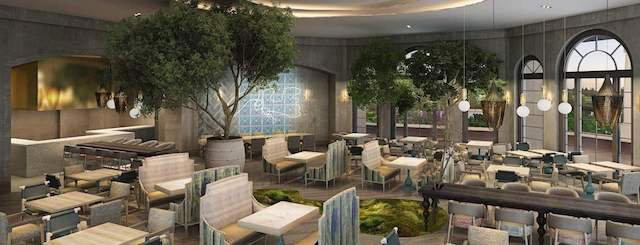
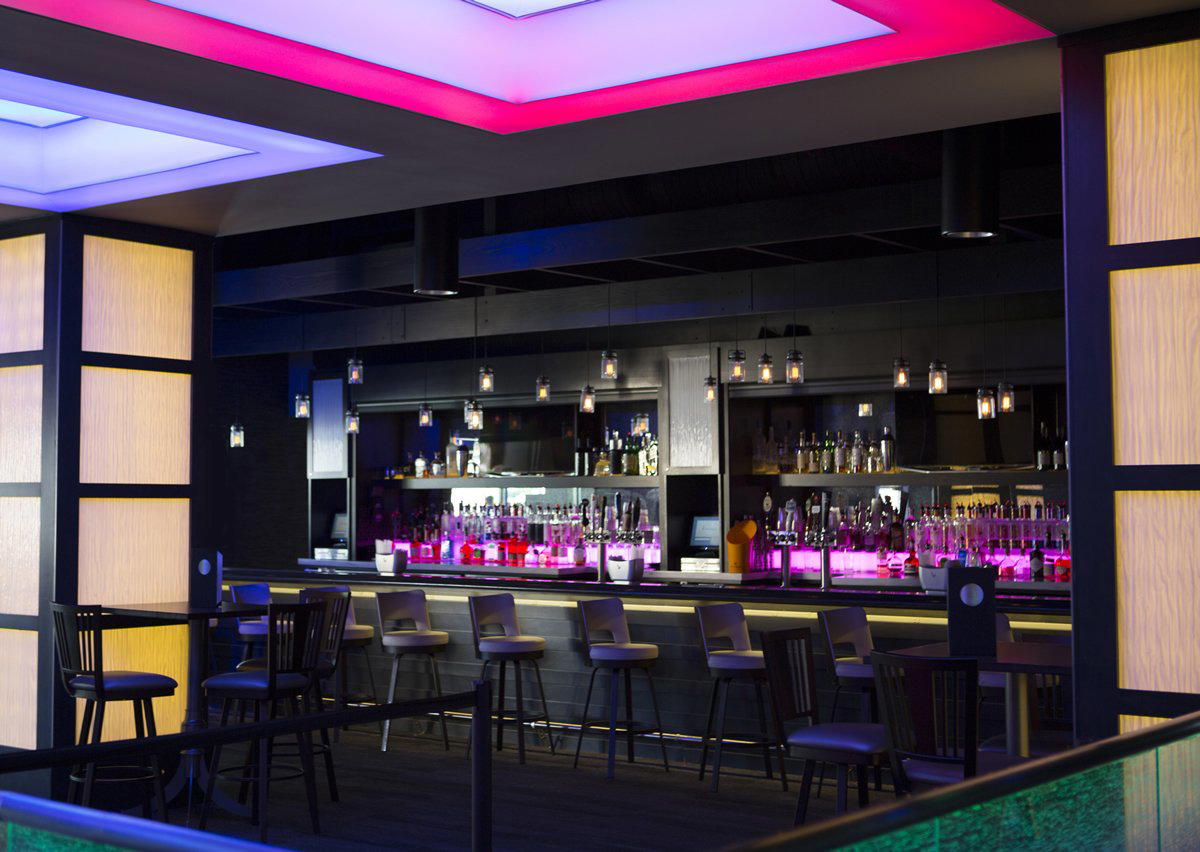
Warm and welcoming dining room with Mayan motifs of fire, sun, and water, enhanced by live music and a lively atmosphere.