Ceiba

Ceiba sits at 1500 Eastbeach Way in Orlando's Lake Buena Vista corridor, a address that places it within one of the city's most competitive dining corridors. The name itself, drawn from the ancient tropical hardwood tree sacred across Latin American cultures, signals an orientation toward place and provenance. For diners working through Orlando's upper tier, it belongs in the same conversation as the city's more established fine-dining options.
Pearl is the En Primeur Club membership app — saves, bookings, and concierge access live there. Same editors, same standards.
- Address
- 1500 Eastbeach Wy, Orlando, FL 32836
- Phone
- +14073872000
- Website
- ceibaorlando.com
- Directions
- Get directions
 Saves & bookings on Pearl
Where Orlando's Ingredient-Forward Dining Is Heading
Orlando's fine-dining tier has spent the better part of a decade reorganizing itself around sourcing credentials. The city's most serious kitchens, from Japanese counters like Kadence and Sorekara to steakhouse programs like Capa, have shifted emphasis away from spectacle and toward the harder, quieter work of knowing where their ingredients originate. Ceiba, at 1500 Eastbeach Wy in Orlando, is a restaurant serving sophisticated regional Mexican cuisine with a price tier of 4 and an average price of about $75 per person. That is not incidental branding. It establishes an orientation.
In American fine dining broadly, the sourcing-forward model has matured past its farm-to-table marketing phase into something more demanding: kitchens are now expected to have actual relationships with growers, to name them, to adjust menus around what those relationships produce rather than what a distributor can guarantee year-round. Operations like Blue Hill at Stone Barns in Tarrytown and Single Thread Farm in Healdsburg helped define what that looks like at its most complete: the farm and the restaurant as a single integrated system. Most urban kitchens cannot replicate that model directly, but they can align with its logic, building supplier networks that reflect real geographic and ecological specificity rather than marketing language.
The Address and What It Implies
The Lake Buena Vista corridor, where Ceiba's Eastbeach Way address sits, carries particular significance for Orlando dining. It is close enough to the resort district to attract international visitor traffic, but the address suggests a property oriented toward a more deliberate dining experience than the resort adjacencies typically deliver. Ceiba is open Wednesday through Sunday for dinner. In a city where tourism volume can flatten culinary ambition, the restaurants that have sustained serious reputations, including Natsu and Camille, have generally done so by building a local following that insulates them from the volatility of visitor-only demand. How Ceiba positions itself within that dynamic matters as much as what appears on the plate.
The ceiba tree's geographic range covers precisely the regions whose culinary traditions remain most underrepresented in American fine dining: the Caribbean basin, coastal Central America, the tropical zones of South America. At their most rigorous, kitchens working in these traditions have access to ingredient profiles, achiote, breadfruit, calabaza, scotch bonnet, plantain at multiple stages of ripeness, that European-rooted fine dining has largely ignored. When those ingredients are sourced with the same discipline applied to, say, heritage breed pork or single-origin chocolate, the results can be genuinely distinct rather than novelty. The name Ceiba implies an intention to operate in that register.
How This Compares to the National Ingredient-Forward Tier
Restaurants that have most fully realized the sourcing-driven model in American fine dining share certain structural features. Smyth in Chicago built its reputation on a root cellar and a preservation program that shapes the menu over months, not days. The French Laundry in Napa maintains its own garden as a supply source. Addison in San Diego has used Southern California's year-round agricultural depth as a competitive advantage. Even Le Bernardin in New York, despite its classical French framework, has pushed its seafood sourcing toward traceable, sustainability-certified supply chains. The pattern across these programs is that sourcing is not a talking point, it is a constraint that shapes everything else: menu structure, portion logic, preservation technique, seasonal rotation.
For a Florida kitchen with access to Gulf seafood, tropical produce, and Caribbean agricultural networks, the sourcing opportunity is substantive. Gulf red snapper, Florida stone crab, locally grown cassava, and Caribbean varieties of banana pepper represent a genuine regional pantry that the leading Florida kitchens have only partially mapped. Operations like Emeril's in New Orleans and Providence in Los Angeles have demonstrated what it looks like when a kitchen commits to its geographic seafood and produce identity at the program level rather than the dish level. That is the standard against which ingredient-forward claims are now measured.
Placing Ceiba in Orlando's Upper Tier
Orlando's premium dining options span a range of formats and price points, but the upper tier, where Victoria and Albert's operates on one end and Japanese counter formats anchor another, is defined by a combination of sourcing discipline, tasting menu structure, and the kind of advance booking behavior that indicates genuine local demand. Internationally, particularly rigorous sourcing programs, from Atelier Moessmer Norbert Niederkofler in Brunico to Atomix in New York, have used ingredient identity as the foundation for a coherent culinary point of view, rather than as a feature layered onto an otherwise conventional format.
Ceiba's positioning within Orlando's competitive set depends on how consistently that sourcing commitment translates into menu decisions. In cities where diners have access to the full national range of ingredient-forward dining, from Lazy Bear in San Francisco to The Inn at Little Washington, the bar for what counts as serious sourcing is high. Orlando is not those cities, but it is not isolated from them either. The resort corridor brings diners who have eaten at those rooms and who calibrate their expectations accordingly.
Reservations are essential, especially for Friday and Saturday seatings.Reputation Context
Comparable venues nearby, for context on price, style, and recognition.
| Venue | Cuisine | Price | Notes |
|---|---|---|---|
| CeibaThis venue — the venue you are viewing | Sophisticated Regional Mexican | $$$$ | Not listed |
| Hollywood Brown Derby | Classic American Fine Dining | $$$$ | Hollywood Studios |
| Christinis Ristorante Italiano | Northern Italian Fine Dining | $$$$ | The Rialto |
| Wall Street Cantina | Casual Mexican Cantina | $$ | Downtown Orlando |
| Cantina Catrina Orlando | Traditional Mexican Scratch Kitchen | $$ | The Florida Mall area |
| California Grill | Modern California Coastal Fine Dining | $$$$ | Contemporary Resort |
Recognition history
Dated appearances from independent guides and award organizations, with the underlying list record or original source where available.
Wine Spectator Best of Award of Excellence
Wine Spectator






At a Glance
- Sophisticated
- Elegant
- Scenic
- Date Night
- Special Occasion
- Private Event
- Rooftop
- Private Dining
- Open Kitchen
- Craft Cocktails
- Local Sourcing
- Waterfront
Current opening hours
- Monday
- Closed
- Tuesday
- Closed
- Wednesday
- 5–10 PM
- Thursday
- 5–10 PM
- Friday
- 5–11 PM
- Saturday
- 5–11 PM
- Sunday
- 5–10 PM
Hours can change for holidays and private events. Last verified .
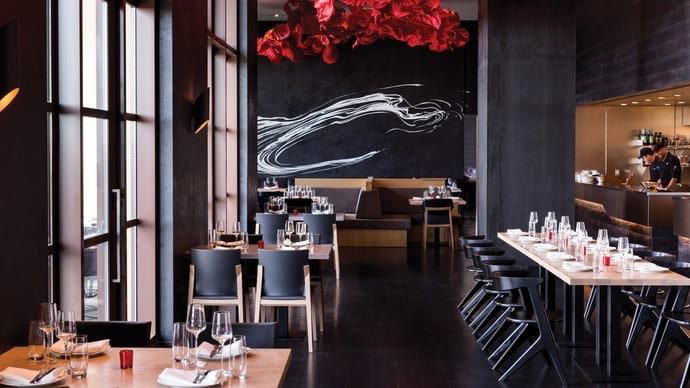
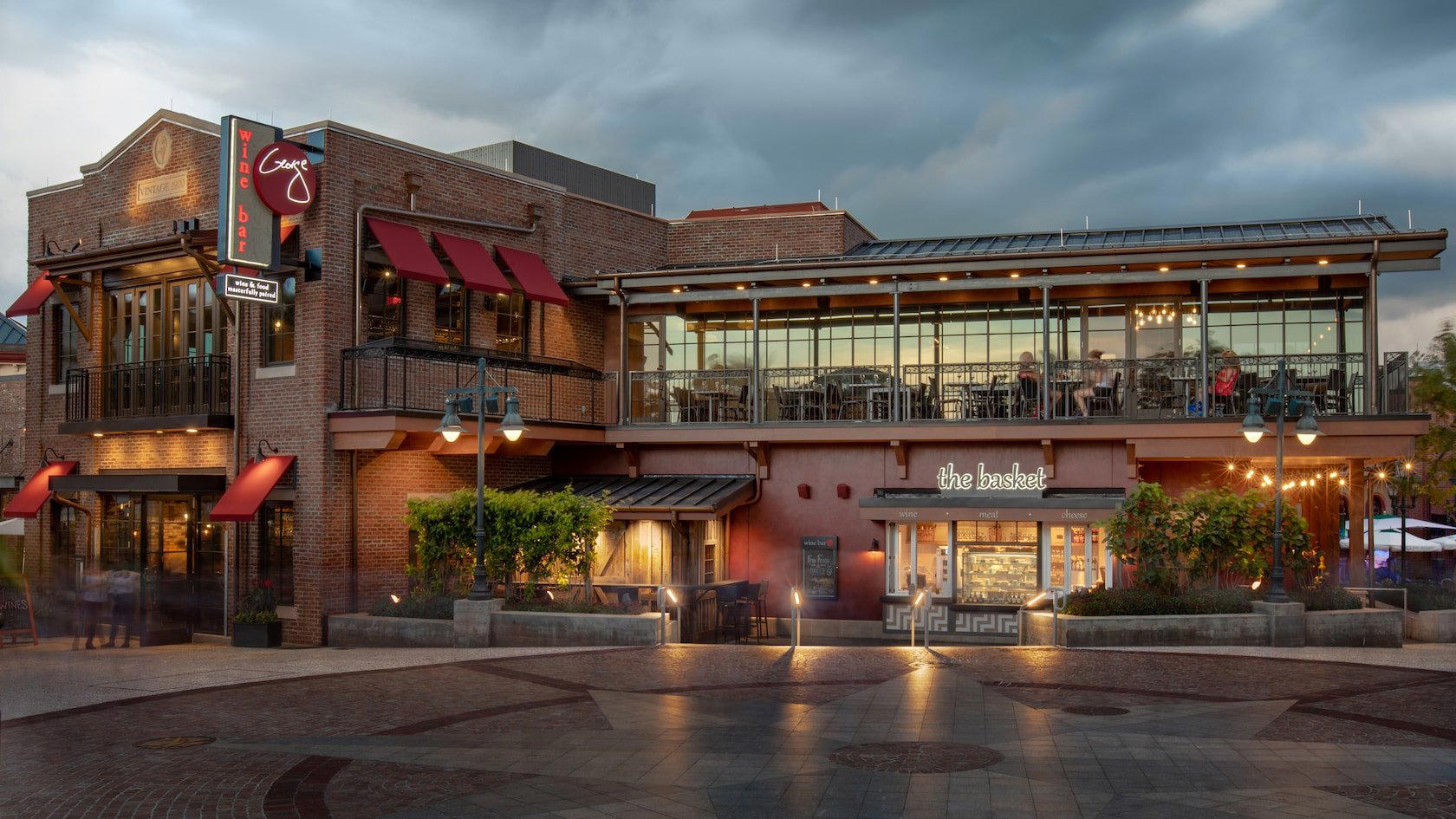
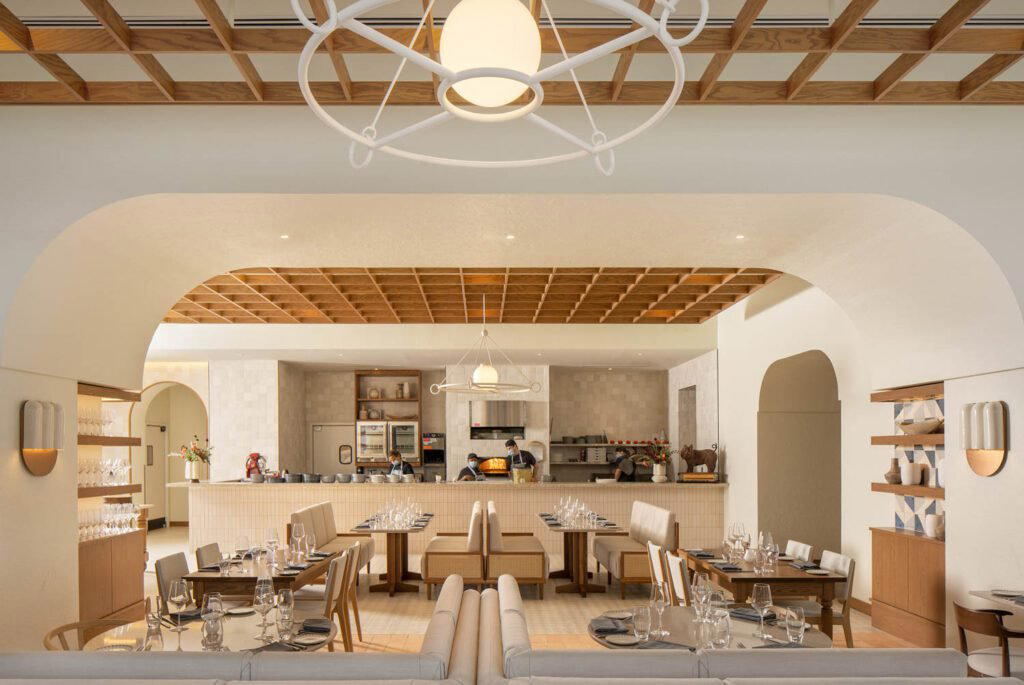
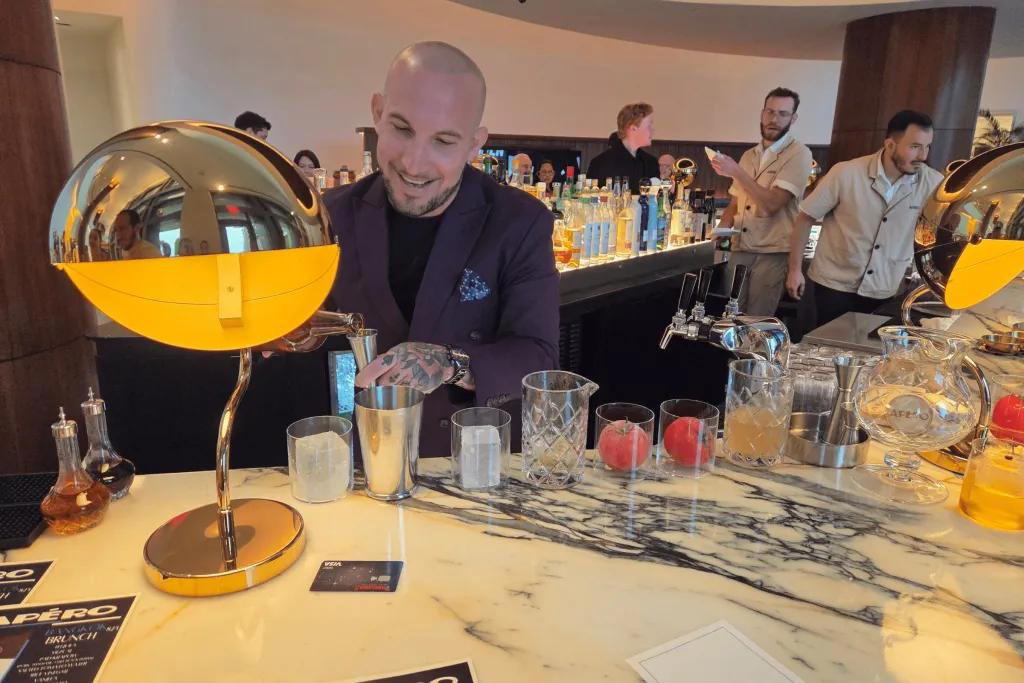
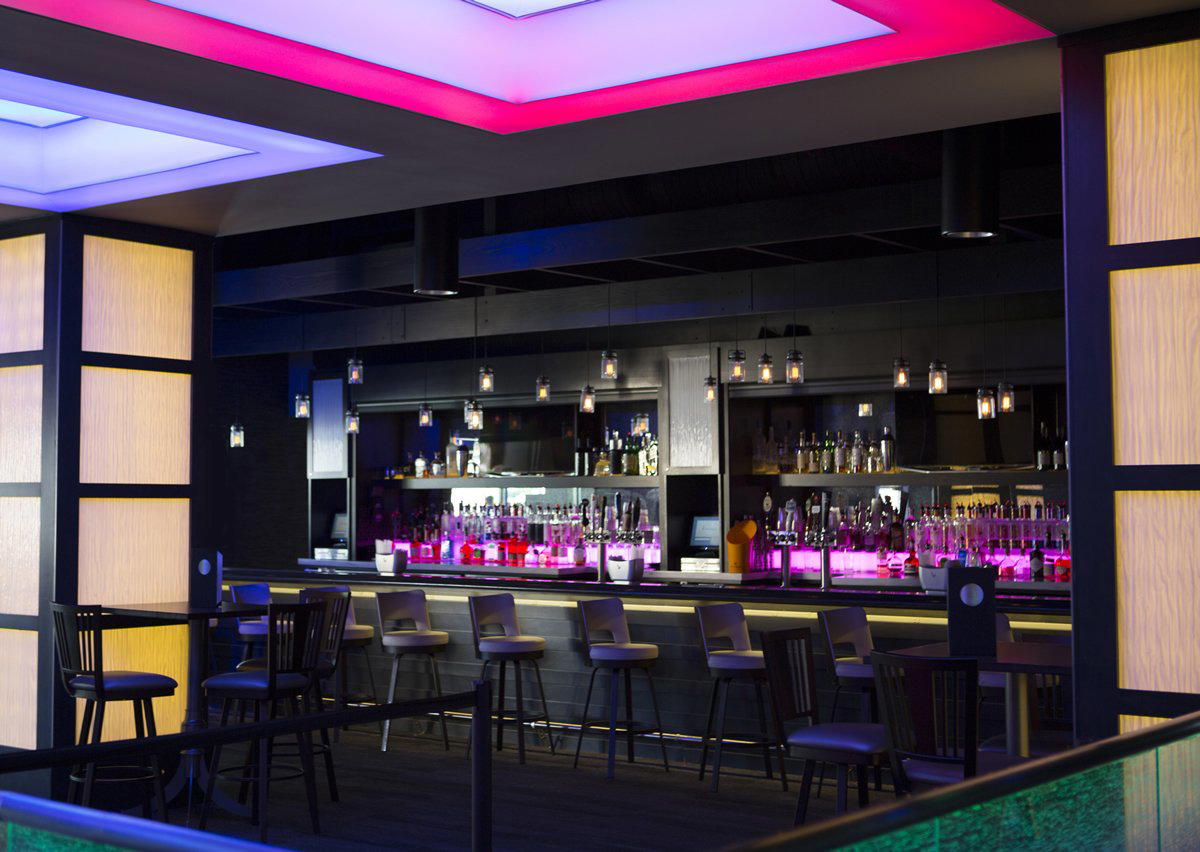
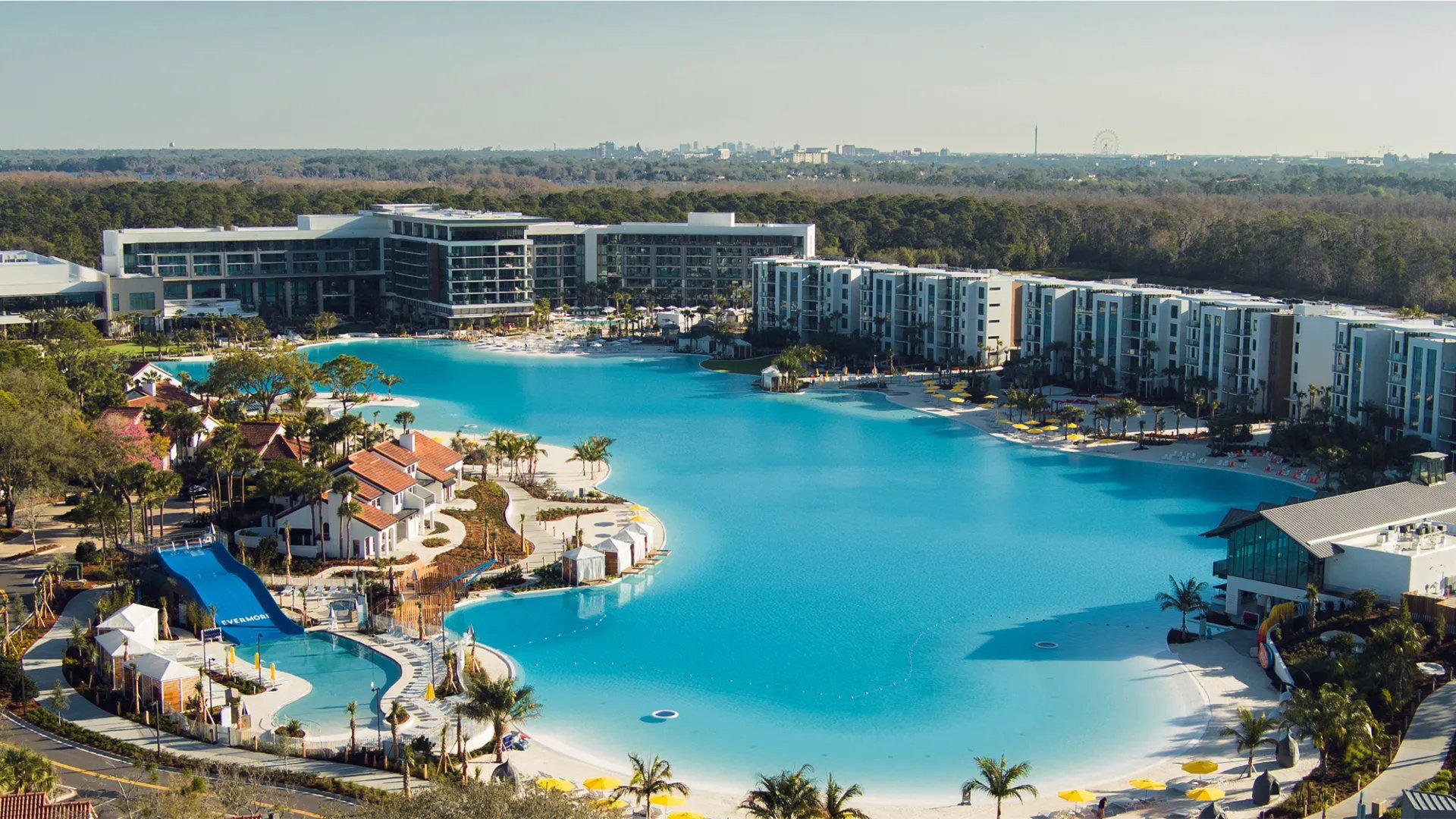
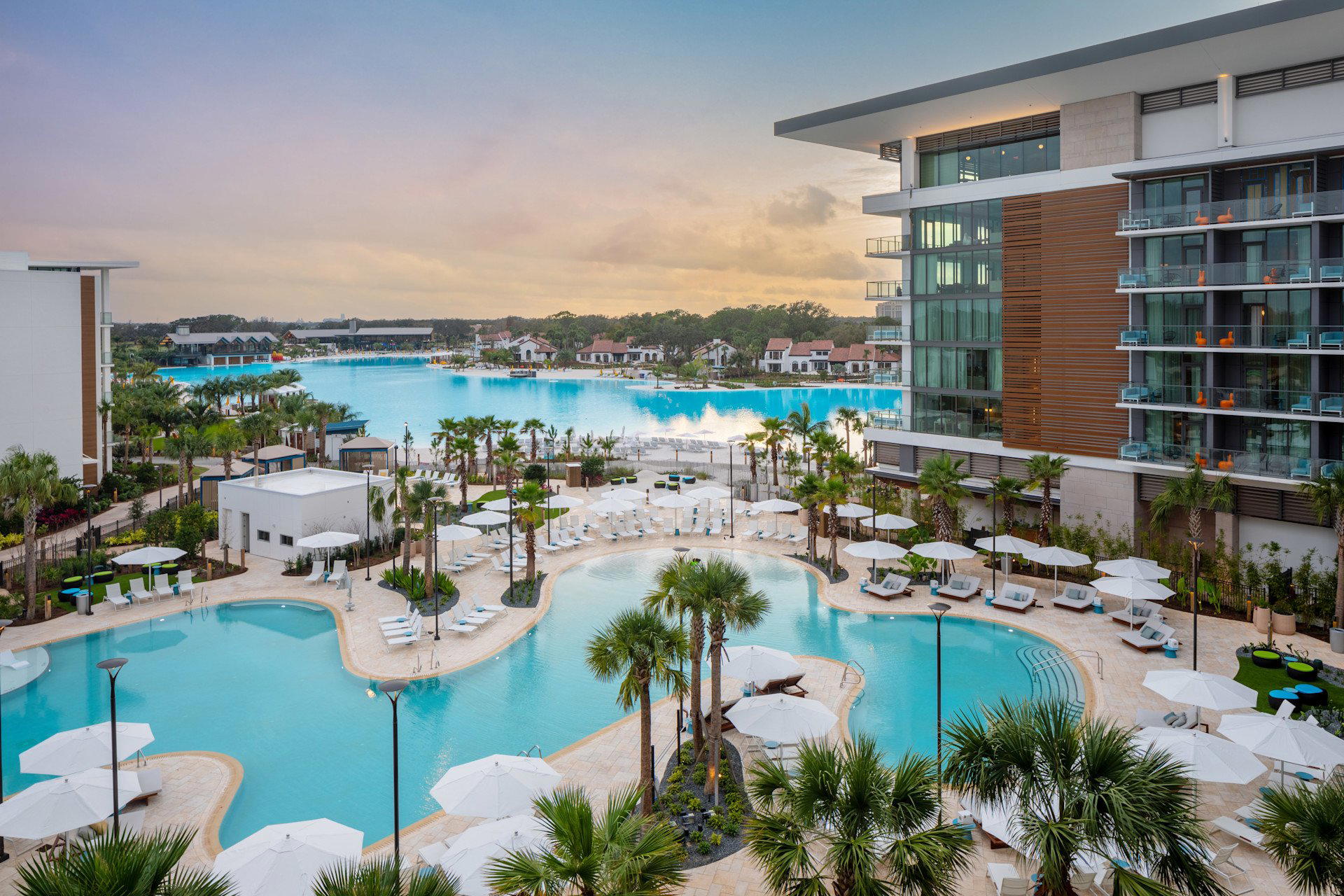
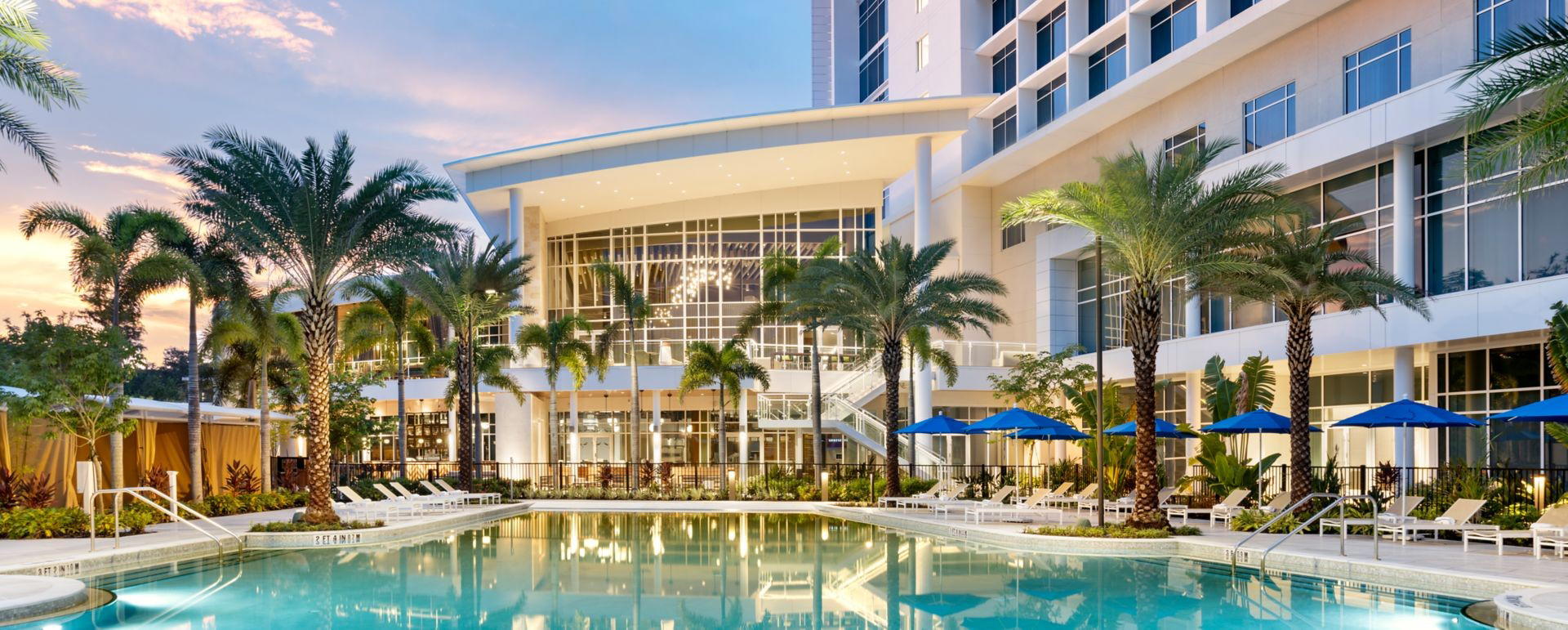
Refined rooftop atmosphere with dramatic sunset views, dark ambient lighting in bar and dining areas, and a focus on intimate celebrations.