
Tonikaku Matsudo honten belongs to Matsudo’s serious ramen circuit: counter-only, no-reservation, and repeatedly selected for Tabelog Ramen EAST “Tabelog 100” from 2017 through 2025. The draw is not luxury ritual but concentration: ramen, tsukemen, abura-soba, and maze-soba handled in a compact format that suits diners reading Chiba through noodles rather than fine-dining ceremony.
Pearl is the En Primeur Club membership app — saves, bookings, and concierge access live there. Same editors, same standards.
- Address
- Japan, 〒271-0077 Chiba, Matsudo, Nemoto, 462 比嘉ビル 1F
- Phone
- +81 47-361-4667
- Website
- tonikaku.co.jp
 Saves & bookings on Pearl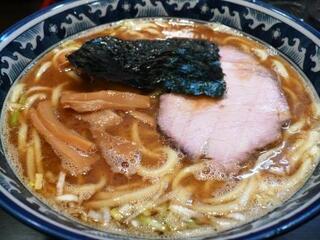
Approaching a ramen counter in Matsudo differs from chasing dinner in central Tokyo. The rhythm is suburban, expectations sharper, and the room tells the truth quickly: counter seats, a short decision window, and a kitchen built for turnover rather than theatre. Tonikaku Matsudo honten fits that idiom, a compact noodle address defined less by décor than by proximity to the bowl, staff, and regulars who know exactly what they came for.
Matsudo is useful for reading eastern Japan’s ramen culture because it rewards specialization without fine-dining prices or destination-restaurant etiquette. Around the station, the category spans ramen, tsukemen, abura-soba, maze-soba, curry, tonkatsu, bakeries, and casual Western-leaning dining. In that mix, noodle shops carry unusual editorial weight: everyday restaurants judged with scrutiny usually reserved for far costlier rooms.
Matsudo's noodle culture runs on concentration, not ceremony
Ramen in Chiba and eastern Tokyo lives in the tension between speed and obsession. A bowl can be eaten in minutes, but the work lies in stock management, noodle texture, tare balance, oil, toppings, and how each component holds up between kitchen and counter. Tsukemen adds a test: dipping noodles separate broth intensity from noodle chew, making weakness easier to read. Abura-soba and maze-soba push the logic further, relying on seasoning, fat, and mixing structure rather than soup volume.
That range matters at Tonikaku Matsudo honten because the restaurant is categorized across ramen, tsukemen, abura-soba, and maze-soba rather than one narrow lane. Without inventing a house style or naming dishes not publicly specified here, the signal is clear: this is a counter for diners who understand noodles as related formats, not a single order. Ingredient sourcing here is less about farm names than disciplined base materials that can carry several noodle expressions. Flour, stock components, seasoning bases, fats, and aromatics must behave differently depending on whether the bowl is soup-led, dipping-led, or mixed at the table.
The repeated Tabelog Ramen EAST “Tabelog 100” selections from 2017 through 2025 give that consistency a public frame. Tabelog’s ramen lists are not casual popularity badges; in Japan’s restaurant culture, they help filter shops drawing sustained attention from serious local diners. Tonikaku Matsudo honten’s 2025 selection places it in a competitive eastern-Japan field, while the multi-year run suggests steadiness rather than one season of online heat.
Where it sits among Matsudo's everyday specialists
The useful Matsudo comparison is not ramen versus haute cuisine, but different kinds of everyday precision. Matsudo Chuka Soba Tomita Shokudo works in a similar price band and noodle universe, while Tonkatsu Tomita shifts the same local seriousness toward breaded pork at a higher spend. Flying pig Matsudo Honten and Curry House MUMBAI Matsudo ten show the city’s casual range moving from meat-led meals to curry within the everyday bracket. Trattoria Il Regalo sits in a more expensive dinner category, making the ramen counter more pointed: the value is not breadth of service, but intensity of format.
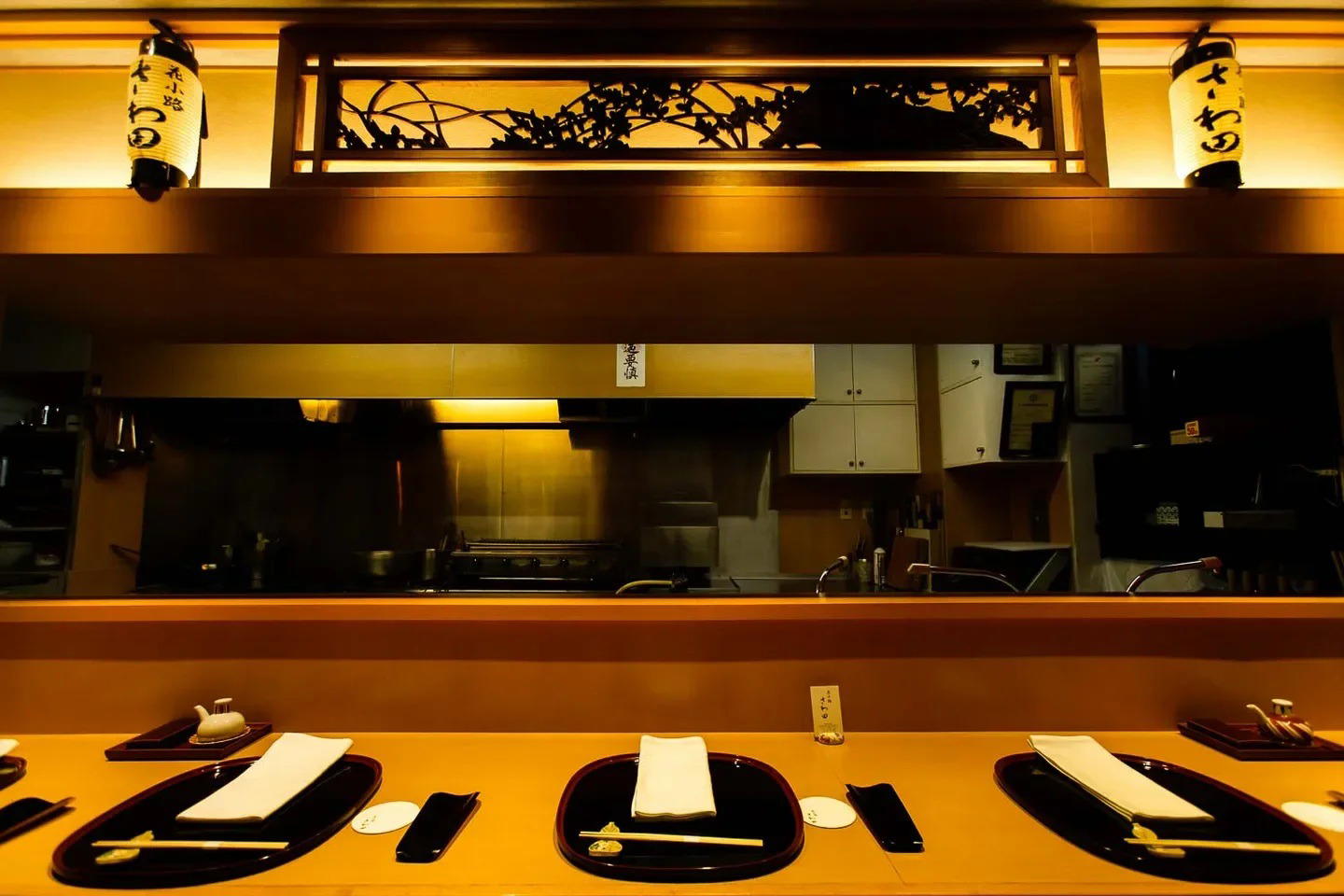
Counter-only setup is therefore not minor. Fifteen seats create a room where pacing, ordering, and eating are part of the craft. Ramen suffers when it waits. Tsukemen and mixed noodles also change as temperature, starch, fat, and seasoning move through the bowl. A small counter keeps the diner close to the kitchen and shortens the distance between assembly and consumption. In premium travel terms, this is not a long lunch with linen and wine service; it shows how Japan’s casual restaurants compress technical work into an accessible meal.
No-reservation format also changes the decision. This is a place to fold into a Matsudo food day, not anchor an elaborate tasting-menu itinerary. The station-area location supports that, especially for travellers following Chiba’s noodle map or pairing Matsudo with other eastern Tokyo and Joban Line stops. It keeps expectations honest: the reward is the bowl and counter rhythm, not a private-room occasion.
How to read the experience before choosing a bowl
Overseas diners often underread Japanese ramen menus because the category looks simple from afar. The smarter approach is to decide by format first. Soup ramen foregrounds broth integration and timing. Tsukemen asks whether noodles hold structure against a concentrated dip. Abura-soba and maze-soba put seasoning and fat at the centre, usually rewarding diners comfortable mixing thoroughly rather than treating the bowl as fixed composition. The restaurant’s listed range makes that choice the main act.
Payment and planning are part of the same cultural reading. Cash-only restaurants remain common in Japan’s casual dining world, especially small specialist shops, and the absence of private rooms or private-use service keeps the format democratic. Children are welcomed, notable for travellers balancing serious eating with family logistics, but the counter configuration works better when everyone can handle a focused, quick-paced dining room.
For a broader Matsudo itinerary, this stop pairs naturally with other category specialists rather than one blowout meal. Nearby editorial context includes Chuka Soba Maruki, Chuka Soba Yanagi, Ajitokoro Musashino, Backstube Zopf, and baga tokidoki youshokutei. For wider planning, see Our full Matsudo restaurants guide, Our full Matsudo hotels guide, Our full Matsudo bars guide, Our full Matsudo wineries guide, and Our full Matsudo experiences guide.
Travellers building a Japan-wide food file can compare how casual formats express local habits: -Grilled beef Sukiyaki- KAMAKURA TANUKIAN 鎌倉 たぬき庵 in Kamakura. 鮪と炭火焼き うお炭 秋葉原店 in Tokyo.cafe in Osaka.know in Kumamoto, (Shoku) Vietnam in Kawasaki, [Curry Senmon Ten] Maruyama Kyoju. in Sapporo, Jōdo Saké Bar in Los Angeles, and Onigiri Time in Pasadena.
The critical point is restraint of expectation. The restaurant is not trying to turn ramen into luxury dining. Its strength lies in a mature local model: a small counter, focused noodle vocabulary, and sustained recognition that justify the detour for diners who want Matsudo’s food culture at its most direct.
In Context: Similar Options
Comparable venues by cuisine and price in the same metro.
| Venue | Cuisine | Price | Notes |
|---|---|---|---|
| Tonikaku Matsudo honten | Ramen, tsukemen & abura soba | $$ | Matsudo |
| Chuka Soba Yanagi | Ramen / Chuka Soba | $ | Kita-Kogane |
| Matsudo Chuka Soba Tomita Shokudo | Ramen & tsukemen shop | $$ | Matsudo |
| Ramen Tomita | Traditional Japanese Tsukemen | $$ | Matsudo |
| Tonkatsu Tomita | Specialist Tonkatsu (Japanese Pork Cutlet) | $$ | Matsudo |
| Trattoria Il Regalo | Seasonal Italian Trattoria & Neapolitan Pizza | $$ | Matsudo |
Recognition history
Dated appearances from independent guides and award organizations, with the underlying list record or original source where available.
Tabelog 100 #42 · No. 42
Tabelog · Tabelog 100 - Ramen - EAST - 2025







At a Glance
- Lively
- Cozy
- Solo
- Casual Hangout
- After Work
- Group Dining
- Late Night
- Standalone
Current opening hours
- Monday
- 11 AM–10 PM
- Tuesday
- 11 AM–10 PM
- Wednesday
- 11 AM–10 PM
- Thursday
- 11 AM–10 PM
- Friday
- 11 AM–10 PM
- Saturday
- 10 AM–10 PM
- Sunday
- 10 AM–10 PM
Hours can change for holidays and private events. Last verified .