Matador Redmond
Matador Redmond brings a Tex-Mex and Latin-inflected menu to Leary Way, sitting within a Redmond dining corridor that spans steakhouses, Japanese kitchens, and Indian restaurants. The format leans casual and social, with a bar program that draws as much foot traffic as the food side. It occupies the mid-tier of Redmond's restaurant scene, where the emphasis is on approachable formats rather than tasting-menu ambition.
Pearl is the En Primeur Club membership app — saves, bookings, and concierge access live there. Same editors, same standards.
- Address
- 7824 Leary Wy, Redmond, WA 98052
- Phone
- +14258832855
- Website
- matadorrestaurants.com
- Directions
- Get directions
 Saves & bookings on Pearl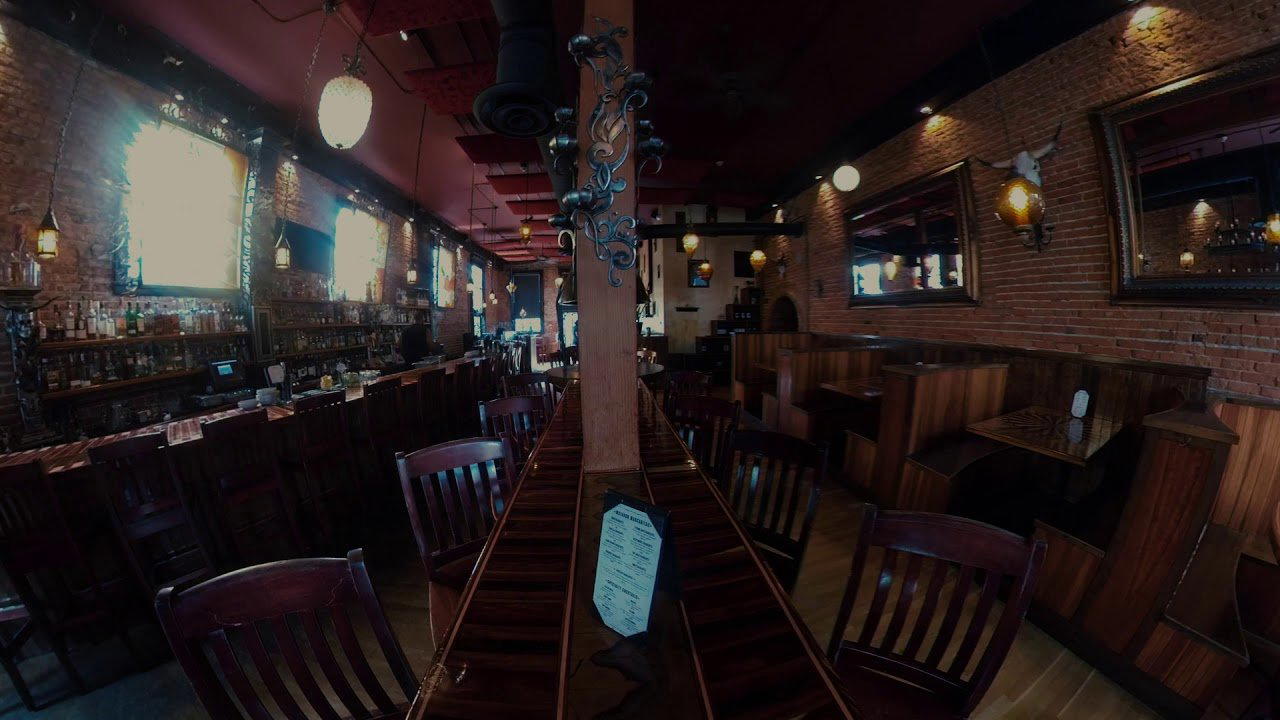
Leary Way and the Shape of Redmond Dining
Redmond's restaurant strip along Leary Way includes steakhouses, Japanese kitchens, Indian restaurants, and barbecue counters sitting within blocks of each other. Matador Redmond, at 7824 Leary Way, occupies a position in that corridor where the format is broadly Latin-inflected, tending toward the Tex-Mex end of things, with a bar program that operates as a structural co-equal to the food side rather than an afterthought. In cities like Seattle and its satellite communities, this category of venue serves multiple occasions: post-work drinks, weekend group dinners, and late-week solo bar visits can all happen at the same address.
The address itself matters for context. Leary Way is not a destination dining street in the way that Capitol Hill or Ballard are for Seattle proper, but it functions as the working backbone of Redmond's accessible restaurant tier. Venues like Fuji Steak House, Jack's BBQ - Redmond, Kanishka Cuisine of India, Miah's Kitchen, and Momiji Redmond collectively define what the neighborhood expects from a sit-down restaurant: consistency, reasonable value, and formats that reward repeat visits. Matador slots into that framework as the Latin-bar hybrid in the mix.
How the Menu Is Built
The menu centers on tacos, with shareable starters, rice and grain-based bowls, and a margarita and tequila list that anchors the bar side. This architecture is deliberate. By keeping tacos as the fixed centerpiece, the kitchen can move volume without sacrificing consistency, and the table-sharing format encourages ordering across multiple categories rather than defaulting to a single entree. That kind of menu design fits group sizes, tolerates dietary variation, and supports a longer stay than a traditional entree-and-sides structure.
Bar program is not incidental to that architecture. Margarita-forward cocktail lists work as pacing mechanisms in this type of venue: they come quickly, they're familiar enough not to require explanation, and they keep a table engaged while food arrives in stages. In the broader American casual-dining market, venues that have invested in tequila and mezcal programs since roughly 2015 have seen that investment pay off as both spirits moved from niche to mainstream. Matador's positioning within that shift is structural rather than artisanal; the goal is accessibility and throughput rather than the kind of single-origin agave depth that defines a dedicated mezcaleria.
Where This Sits in the Broader American Casual Dining Market
To calibrate expectations: Matador operates in a different lane from the high-commitment tasting formats that define the upper tier of American restaurant culture. Venues like Le Bernardin in New York City, Alinea in Chicago, The French Laundry in Napa, or Lazy Bear in San Francisco represent a mode of dining where the menu is the argument and the guest is expected to surrender agenda. Providence in Los Angeles, Blue Hill at Stone Barns in Tarrytown, Addison in San Diego, Single Thread Farm in Healdsburg, The Inn at Little Washington, Atomix in New York City, Emeril's in New Orleans, and 8 1/2 Otto e Mezzo Bombana in Hong Kong each operate with a fundamentally different logic: scarcity, formality, and a single long meal as the product. Matador is not competing with any of those. Its competitive set is the neighborhood bar-restaurant market, where the question is whether the margarita arrives before the chips run out.
That distinction changes how you evaluate the experience. Consistency and pace matter more than novelty here. A kitchen that delivers the same taco correctly on a Tuesday night and a crowded Friday is doing its job better than a kitchen that experiments unpredictably. The mid-tier casual market rewards reliability in ways that fine dining does not.
Planning a Visit
Matador Redmond is at 7824 Leary Wy, Redmond, WA 98052, walkable from downtown Redmond's core and accessible by bus along the Leary Way corridor. Hours are Mon through Thu and Sun, 11 AM to 12 AM; Fri and Sat, 11 AM to 2 AM. Reservations are recommended. The format does not typically require advance reservations for smaller parties on weeknights, though Friday and Saturday evenings can be busier for groups of four or more. Dress expectations are casual throughout.
Standing Among Peers
Comparable venues nearby, for context on price, style, and recognition.
| Venue | Cuisine | Price | Notes |
|---|---|---|---|
| Matador RedmondThis venue — the venue you are viewing | Modern Tex-Mex | $$ | Not listed |
| Teapot Vegetarian House | Pan-Asian Vegan | $$ | Redmond |
| Fuji Steak House | Japanese Hibachi Teppanyaki | $$ | Redmond Town Center |
| Miah's Kitchen | Authentic Xi'an Chinese Noodles | $$ | Redmond |
| Jack's BBQ - Redmond | Central Texas BBQ | $$ | Bel-Red |
| Momiji Redmond | Modern Japanese Sushi & Grilled Dishes | $$$ | Downtown Redmond |
Continue exploring
More in Redmond
Restaurants in Redmond
Browse all →
Bars in Redmond
Browse all →
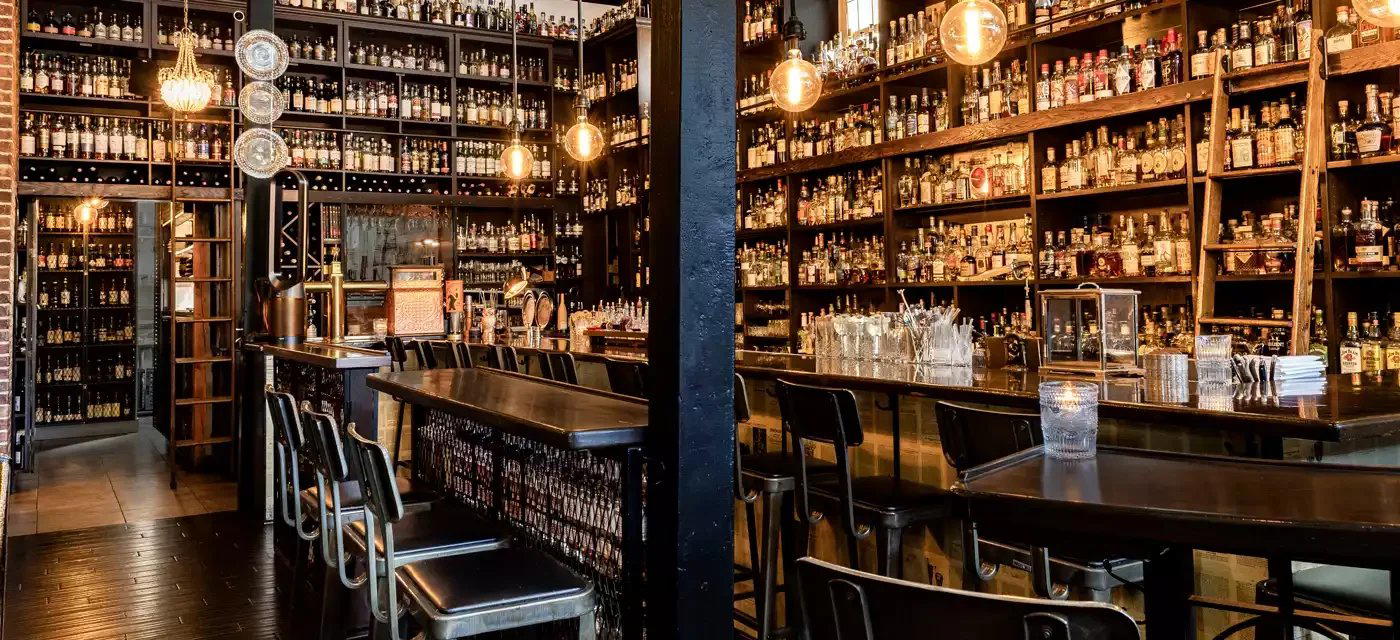
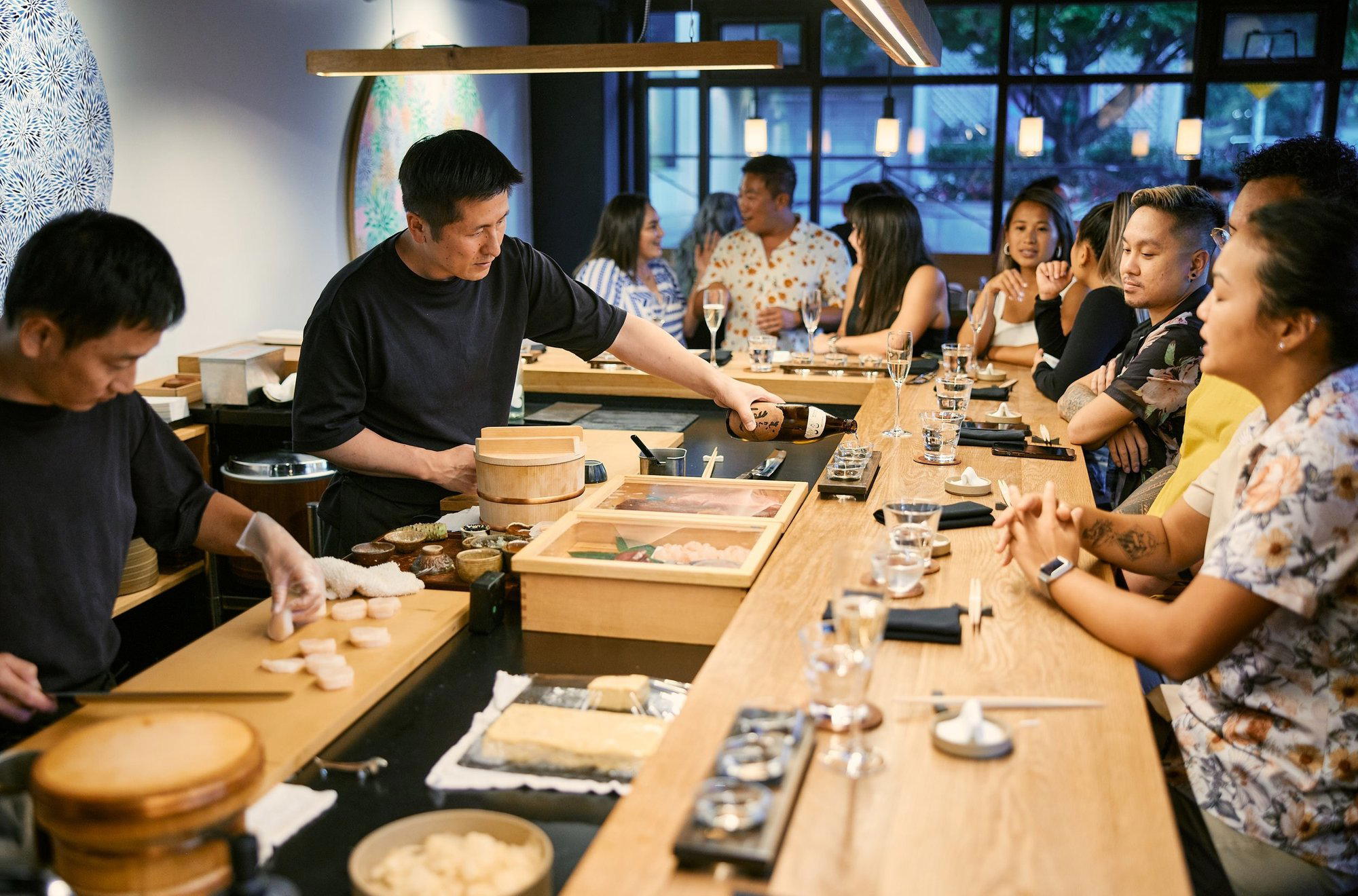
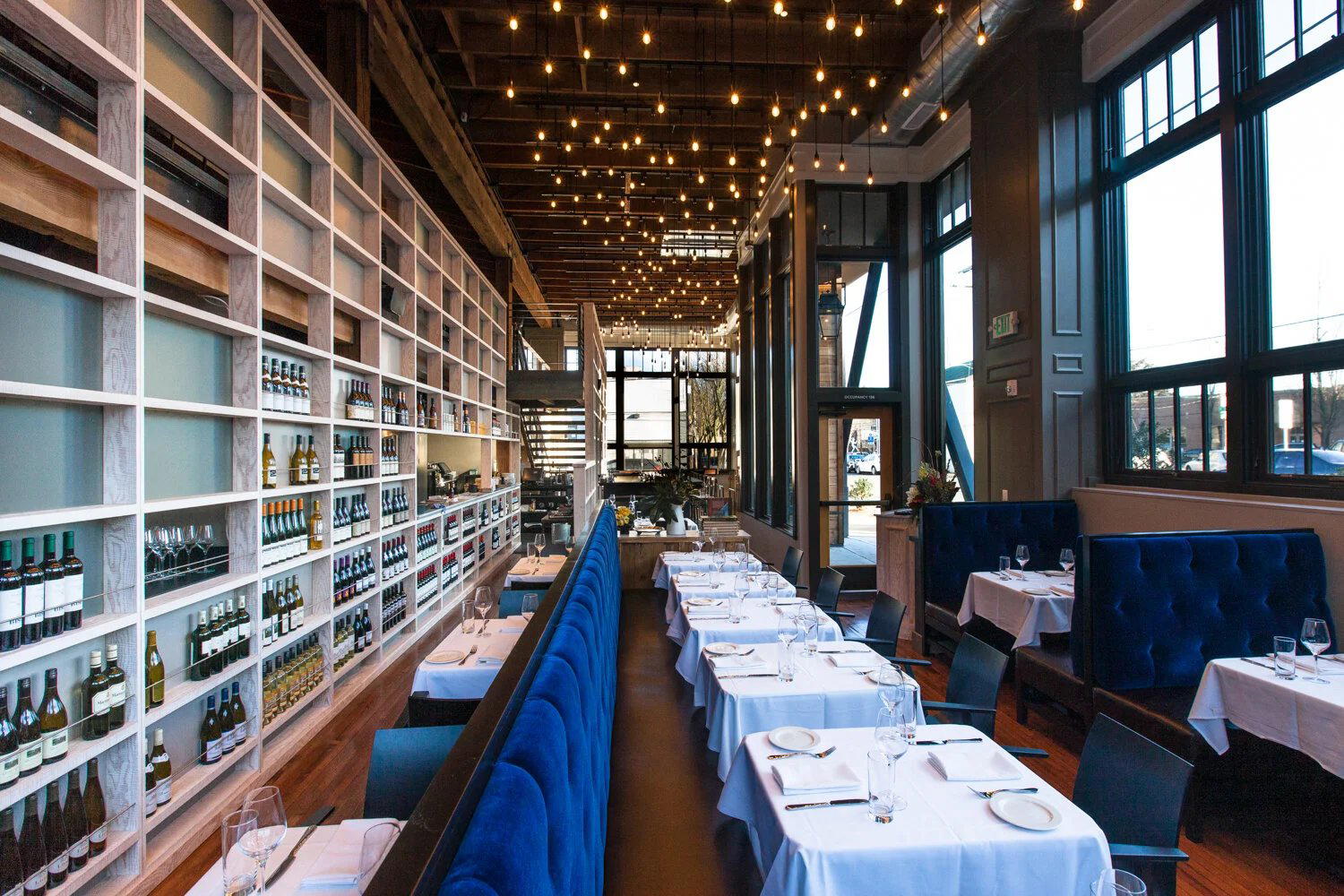
Hotels in Redmond
Browse all →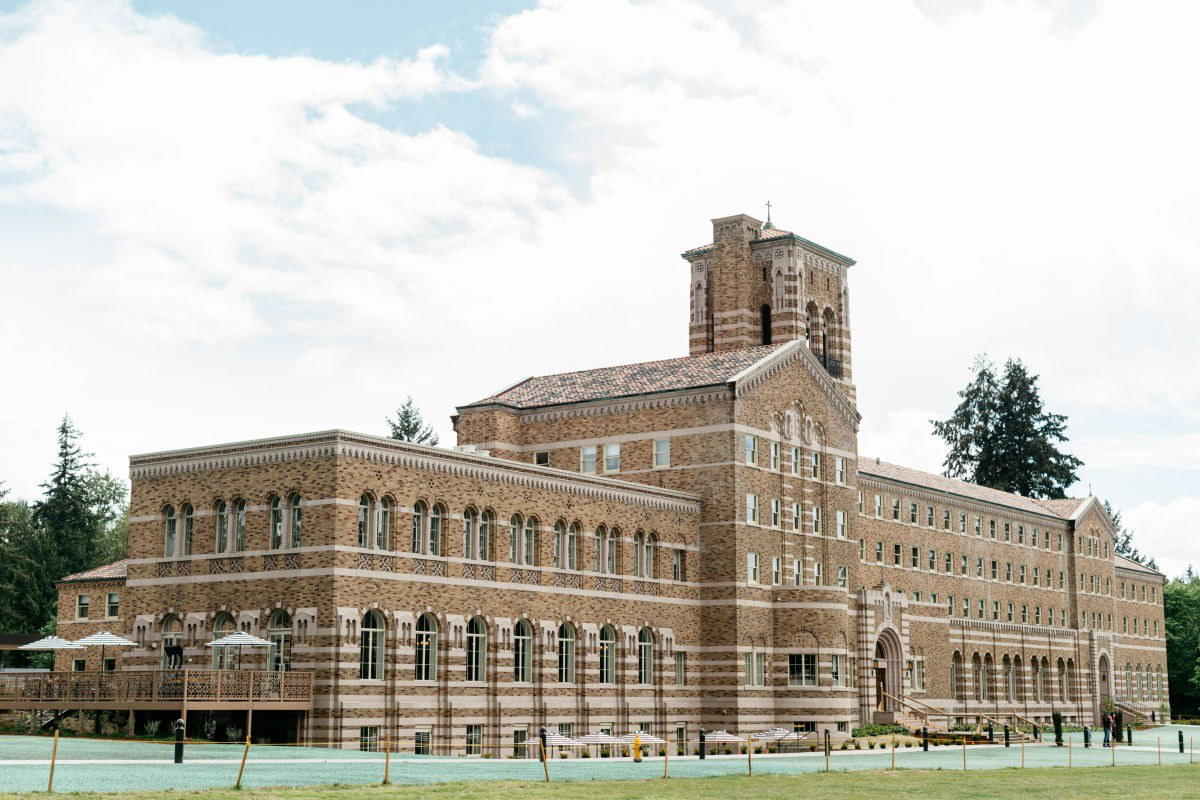
At a Glance
- Lively
- Trendy
- Cozy
- Group Dining
- Casual Hangout
- Late Night
- Historic Building
- Open Kitchen
- Craft Cocktails
- Local Sourcing
Current opening hours
- Monday
- 11 AM–12 AM
- Tuesday
- 11 AM–12 AM
- Wednesday
- 11 AM–12 AM
- Thursday
- 11 AM–12 AM
- Friday
- 11 AM–2 AM
- Saturday
- 11 AM–2 AM
- Sunday
- 11 AM–12 AM
Hours can change for holidays and private events. Last verified .
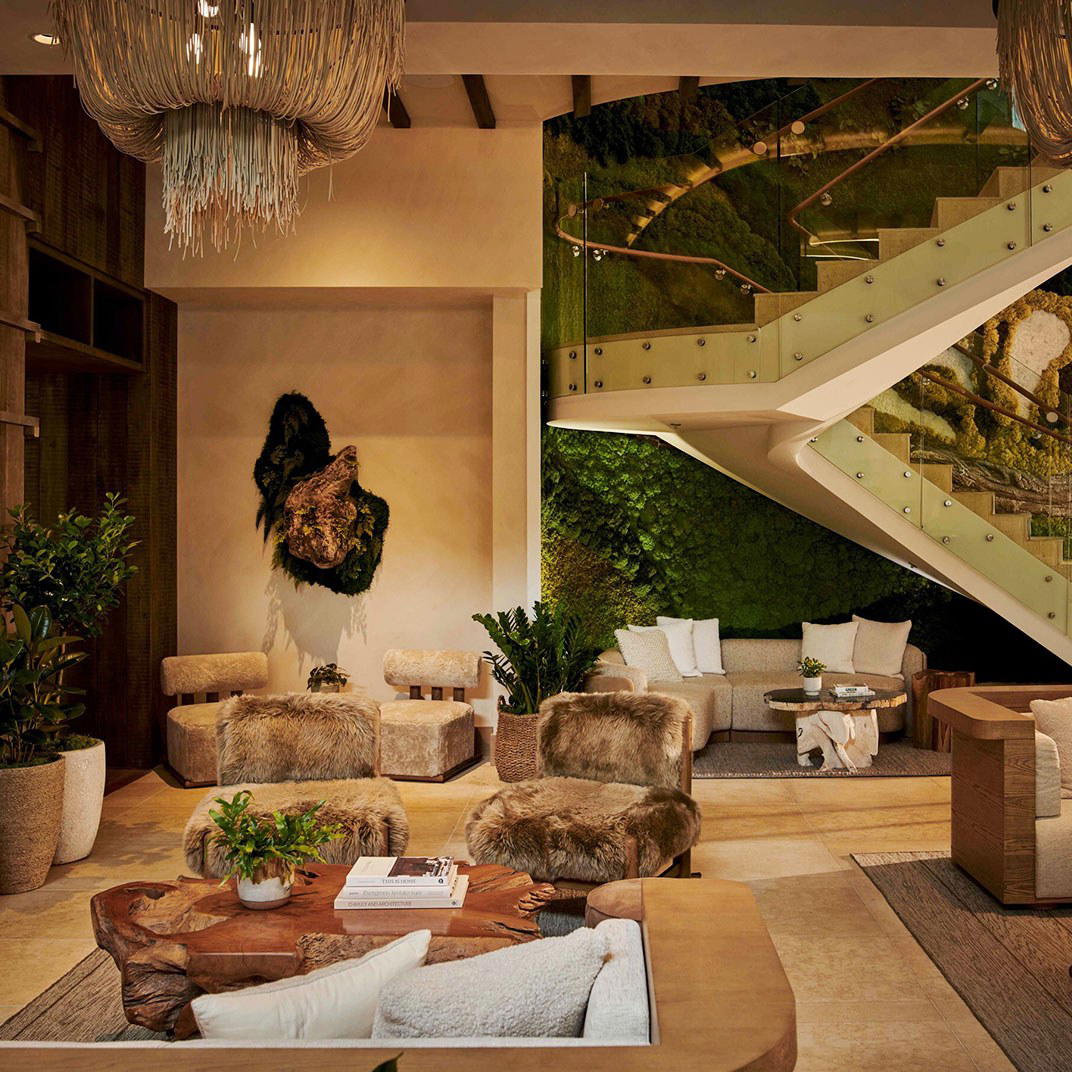
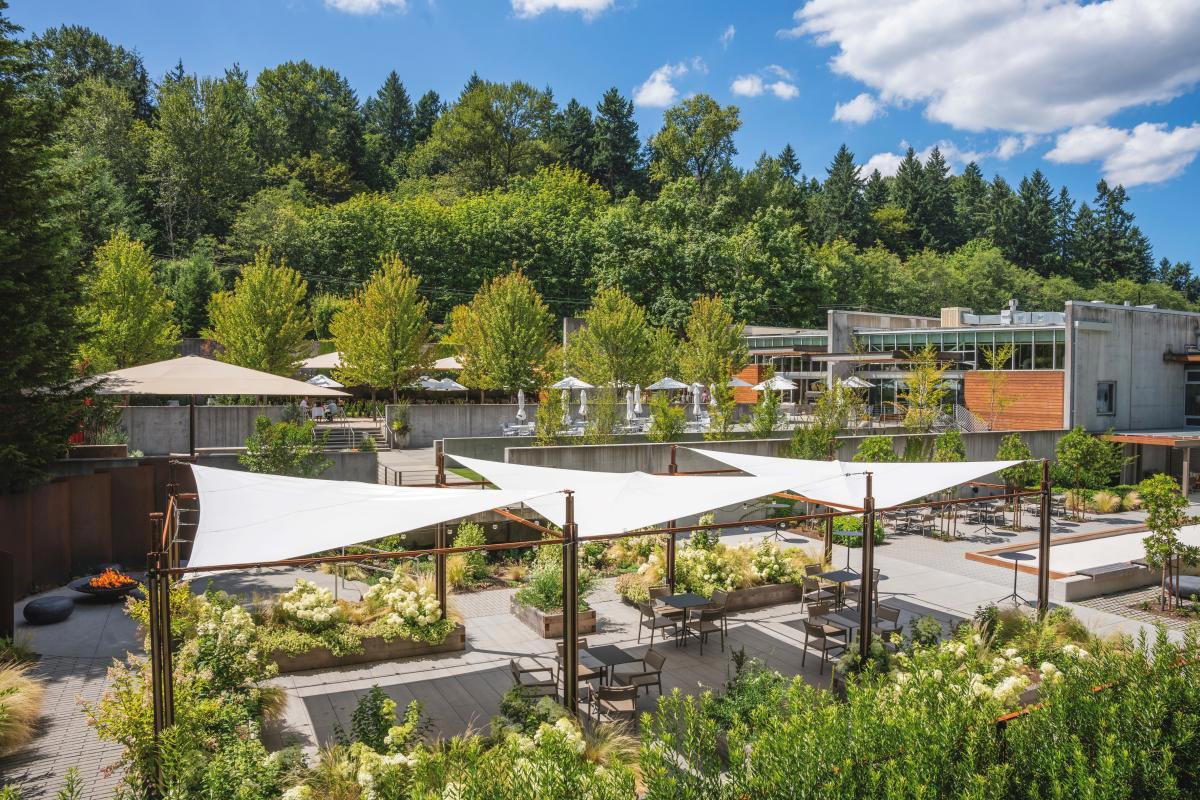
Inviting social atmosphere with amber lighting and distinctive hacienda-inspired decor.