Kanishka Cuisine of India
Our verdict
Kanishka Cuisine of India operates in central Redmond at 16651 Redmond Way, positioned within a suburban Eastside market that has developed a knowledgeable South Asian dining community. The kitchen engages a format where regional depth and spice honesty matter as much as familiarity, serving a neighborhood that expects more than a diluted greatest-hits register from its Indian restaurants.

Pearl is the En Primeur Club membership app — saves, bookings, and concierge access live there. Same editors, same standards.
- Address
- 16651 Redmond Wy Ste 180, Redmond, WA 98052
- Phone
- (425) 869-9182
- Hours
- Daily 11 AM–10 PM
- Website
- kanishkaredmond.com
- Directions
- Get directions
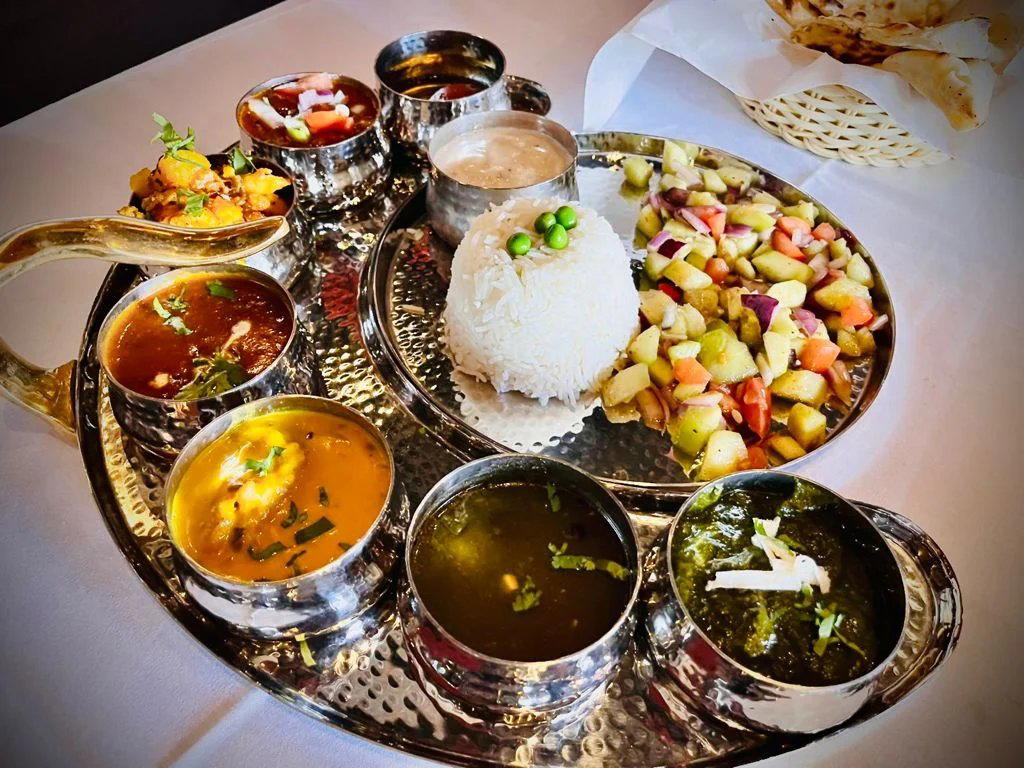
The menu
What to order
- Butter Chicken
- Chicken Tikka Masala
- Lamb Briyani
Indian Dining in Redmond's Eastside Corridor
Redmond's dining strip along Redmond Way has become a reliable cross-section of the Eastside's appetite: Japanese teishoku at Momiji Redmond, smoke-forward American at Jack's BBQ - Redmond, and the kind of casual Tex-Mex that suits a tech-campus lunch at Matador Redmond. Kanishka Cuisine of India occupies a suite in that same commercial corridor at 16651 Redmond Way, positioned within a neighborhood where the demand for South Asian cooking has grown alongside the area's significant Indian-origin professional population. That demographic context matters: it shapes expectations around spice calibration, regional breadth, and the degree to which a kitchen will dilute its food for a generalist audience.
Indian restaurants in American suburbs have long navigated a familiar tension. The question is whether a kitchen defaults to a greatest-hits register, butter chicken and naan serving as reliable anchors for every table, or whether it operates with enough confidence to introduce diners to the regional diversity that defines the subcontinent's cooking traditions. The Redmond-Bellevue corridor, with its concentration of technology workers from across India, has produced a consumer base with the palate and the expectation to support the latter approach. Kanishka sits within that context.
The Structure of an Indian Meal
The ritual of an Indian restaurant meal, particularly in the subcontinental tradition rather than its Anglicised export form, operates on a logic that differs from European tasting menus or Japanese omakase sequences. Rather than a linear progression from lighter to heavier, the Indian table tends toward simultaneity: dal alongside a dry vegetable preparation alongside a protein curry alongside rice and bread, with each component modulating the others. Chutneys and pickles function as palate pivots, not garnishes. Raita cools. A good bread service, whether paratha, laccha roti, or a puffed poori, is a structural element of the meal, not a supporting act.
This matters for how a diner approaches a menu at a place like Kanishka. Ordering one curry and a side of rice misreads the format. The more instructive approach is to build a table that replicates the composition of a home meal: a lentil preparation, a vegetable dish, a main protein, and the bread of your choosing, with accompaniments that create contrast across the meal. This is the dining ritual that rewards patience and a willingness to order more than feels strictly necessary at first glance.
Indian restaurants at comparable price points across major American cities, from the Punjabi-dominant kitchens of Jackson Heights to the South Indian specialists of Sunnyvale, tend to differentiate most sharply at the level of spice honesty and ingredient sourcing. For a broader sense of how fine dining kitchens engage with Indian culinary traditions at a different price tier, the approach at Atomix in New York City or the produce sourcing philosophy at Blue Hill at Stone Barns in Tarrytown illustrate how ingredient traceability reframes a diner's expectations across categories.
Regional Depth and What to Order
Indian cooking is not a single cuisine. It is a loose confederation of regional traditions that share certain structural principles but diverge sharply in flavor profile, technique, and primary ingredient. A menu that spans North Indian curries, South Indian rice preparations, and street-food-adjacent snacks is making an editorial claim about ambition and reach. The execution across those categories is where a kitchen reveals its actual depth. Snack-format dishes like chaat, which depend on precise textural contrast between crisp, soft, tangy, and sweet elements arriving simultaneously, are a reliable early indicator of a kitchen's technical attention.
For diners building a table at Kanishka, the approach that tends to yield the most complete picture of a kitchen is to anchor around one dish from a category you know well enough to judge, then extend outward. If North Indian curries are your reference point, a dal makhani or a nihari-style preparation will signal how the kitchen manages slow heat and fat. If South Indian is your frame, a sambar or rasam will tell you about sourness calibration and tamarind use. Bread quality, as noted, is never incidental: a well-made paratha with even lamination and a slight char on the griddle is a kitchen expressing care at the margin.
Kanishka in the Redmond Dining Set
Redmond's restaurant set is anchored by a handful of independent operators and a growing number of suburban chain outposts. The independent restaurants that have held the most consistent local standing include Fuji Steak House and Miah's Kitchen, each serving a defined demographic with a consistent format. Kanishka operates in a niche that the Redmond market can sustain: a South Asian restaurant with enough regional ambition to attract both the Indian-origin community seeking familiar cooking and the curious diner looking beyond the usual suburban Indian shorthand. For a full picture of where it sits among the area's options, our full Redmond restaurants guide maps the broader set by cuisine and format.
By comparison, the Indian cooking that has reached fine dining recognition in the United States, including the work being done at tasting-menu format restaurants in New York and San Francisco, operates at a price and ambition tier well above what a suburban Eastside restaurant is positioning for. Venues like Le Bernardin in New York City, Lazy Bear in San Francisco, or Alinea in Chicago represent a different register entirely, one defined by prix-fixe formats, extended reservation windows, and a fundamentally different dining ritual.
Planning Your Visit
Kanishka Cuisine of India is located at 16651 Redmond Way, Suite 180, Redmond, WA 98052, in the commercial strip that runs through central Redmond. The suite-format address means the space sits within a larger retail complex, which is typical of how independent Indian restaurants establish themselves in Eastside suburban markets, where standalone buildings at accessible price points are scarce. For the most current hours, booking policy, and menu information, checking directly with the restaurant before arrival is the reliable approach, as suite-format independent operators in this corridor do adjust hours seasonally and around holidays. Walk-in availability tends to be stronger on weekday evenings than on weekend dinner service, when South Asian family dining and group tables typically fill the room earlier. Nearby alternatives for different meal occasions include Jack's BBQ - Redmond and Matador Redmond for those exploring the broader Redmond Way strip.
Frequently asked questions
What's the address for Kanishka Cuisine of India?
Kanishka Cuisine of India is located at 16651 Redmond Wy Ste 180, Redmond, WA 98052, Redmond.
How does Kanishka Cuisine of India compare to other Indian restaurants on the Seattle Eastside?
Kanishka operates on Redmond Way in the 98052 corridor, positioning it within the Eastside's growing base of independent Indian operators rather than the chain-heavy suburban restaurant parks. Redmond's dining strip has developed enough critical mass that diners now have meaningful choice across multiple cuisines, making independent operators like Kanishka a reference point for residents seeking cooking outside the standardised format. Specific comparisons on menu depth or regional coverage require current menu data, which is best sourced directly from the restaurant.
What's the must-try dish at Kanishka Cuisine of India?
Indian restaurants operating in the subcontinental tradition rather than the Anglicised export model typically center their menu on regional preparations, so asking staff what regional specialties are available that day is a practical first move. At Kanishka's Redmond Way location, that conversation will orient you faster than any pre-visit list.
How far ahead should I plan for Kanishka Cuisine of India?
For a suburban strip restaurant in Redmond's commercial corridor, walk-in availability is common on weekday evenings, while weekend dinner service at popular independent operators on Redmond Way tends to fill earlier. Contacting the restaurant directly before a peak-hour visit is advisable.
What's Kanishka Cuisine of India best at?
Kanishka sits within Redmond's independent restaurant set on Redmond Way, where it represents one of the Eastside's options for Indian cooking that moves beyond the standardised curry-house format. The restaurant's positioning in a corridor that includes Japanese teishoku and other regional cuisines suggests an operator addressing the Eastside's appetite for substantive, non-chain dining. Specific culinary strengths are best assessed on visit at the 98052 address.
Can Kanishka Cuisine of India accommodate dietary restrictions?
Indian cooking as a tradition has substantial infrastructure for vegetarian and vegan diets, given the subcontinental prevalence of plant-based preparations across most regional traditions. Confirming specific allergies or restrictions directly with the Redmond Way location before visiting is the reliable approach.
Is Kanishka Cuisine of India worth the price?
Within Redmond's independent dining set, Indian restaurants in the suburban Eastside corridor generally sit at moderate price points relative to Seattle proper. The value question is better answered by the regional specificity of what's on the menu than by price tier alone.
Cuisine-First Comparison
Comparable venues nearby, for context on price, style, and recognition.
| Venue | Cuisine | Price | Notes |
|---|---|---|---|
| Kanishka Cuisine of IndiaThis venue — the venue you are viewing | Northern Indian with Fusion | $20–30 | Not listed |
| Matador Redmond | Modern Tex-Mex | $20–30 | Old Town |
| Teapot Vegetarian House | Pan-Asian Vegan | $10–20 | Redmond |
| Miah's Kitchen | Authentic Xi'an Chinese Noodles | $10–20 | Redmond |
| Village Square Cafe | Classic American Diner | $10–20 | Not listed |
| Jack's BBQ - Redmond | Central Texas BBQ | $20–30 | Bel-Red |
Continue exploring
More in Redmond
Restaurants in Redmond
Browse all →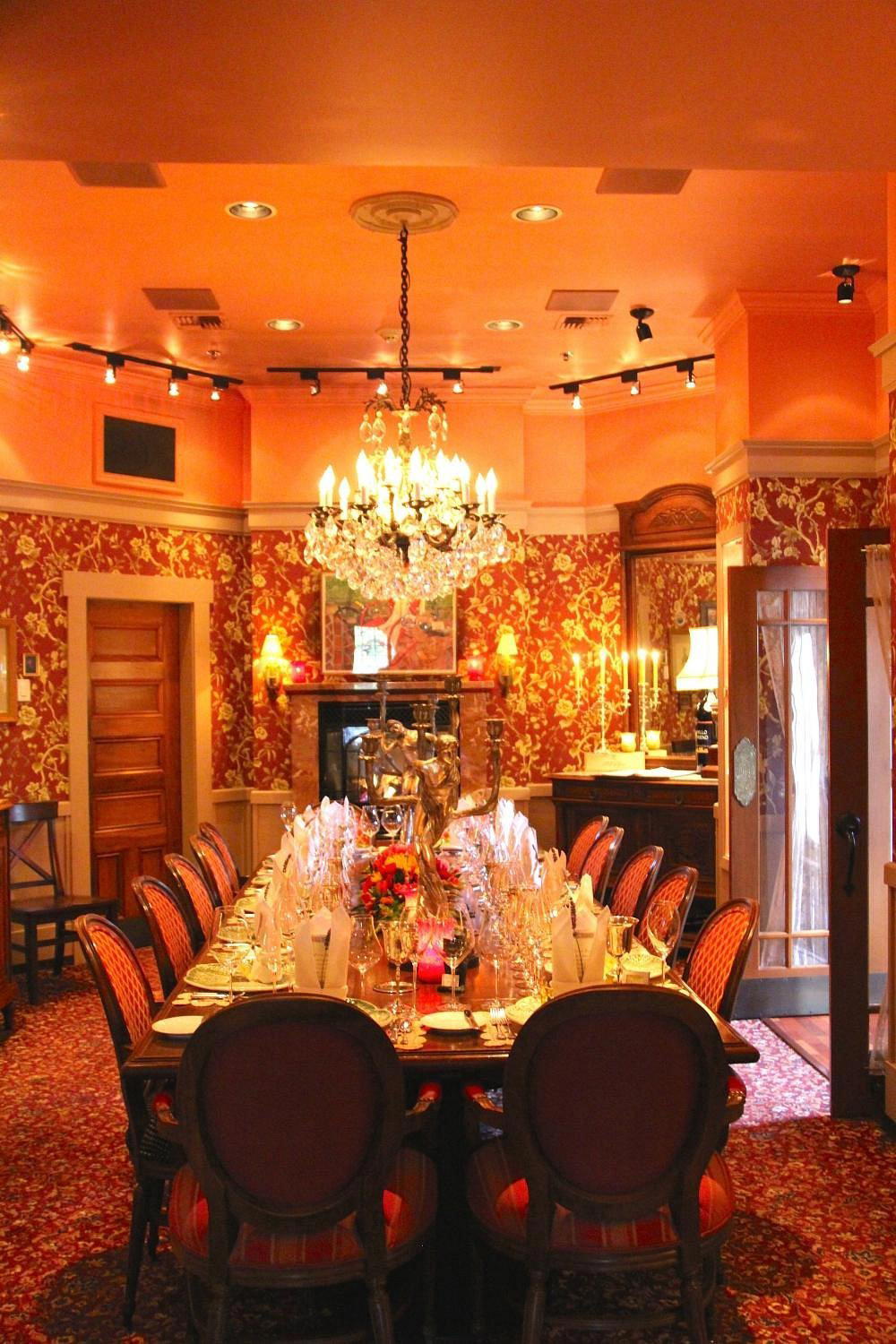
Bars in Redmond
Browse all →
Hotels in Redmond
Browse all →
Details
- Elegant
- Group Dining
- Family
- A La Carte
- Vegetarian Friendly
Current opening hours
- Monday
- 11 AM–10 PM
- Tuesday
- 11 AM–10 PM
- Wednesday
- 11 AM–10 PM
- Thursday
- 11 AM–10 PM
- Friday
- 11 AM–10 PM
- Saturday
- 11 AM–10 PM
- Sunday
- 11 AM–10 PM
Hours can change for holidays and private events. Last verified .
Elegant atmosphere with attentive service and generous portions.