The Herbfarm



.png)
The Herbfarm sits outside Seattle proper in Woodinville's wine country, operating as one of the Pacific Northwest's most formally structured tasting-menu destinations. Holding AAA 5 Diamond status and consistent La Liste recognition, the restaurant builds its menus around regional foraged ingredients and seasonal cycles in a format that takes the farm-to-table premise further than most American fine dining rooms.
Pearl is the En Primeur Club membership app — saves, bookings, and concierge access live there. Same editors, same standards.
- Address
- 14590 NE 145th St, Woodinville, WA 98072
- Phone
- (425) 485-5300
- Website
- theherbfarm.com
- Directions
- Get directions
 Saves & bookings on Pearl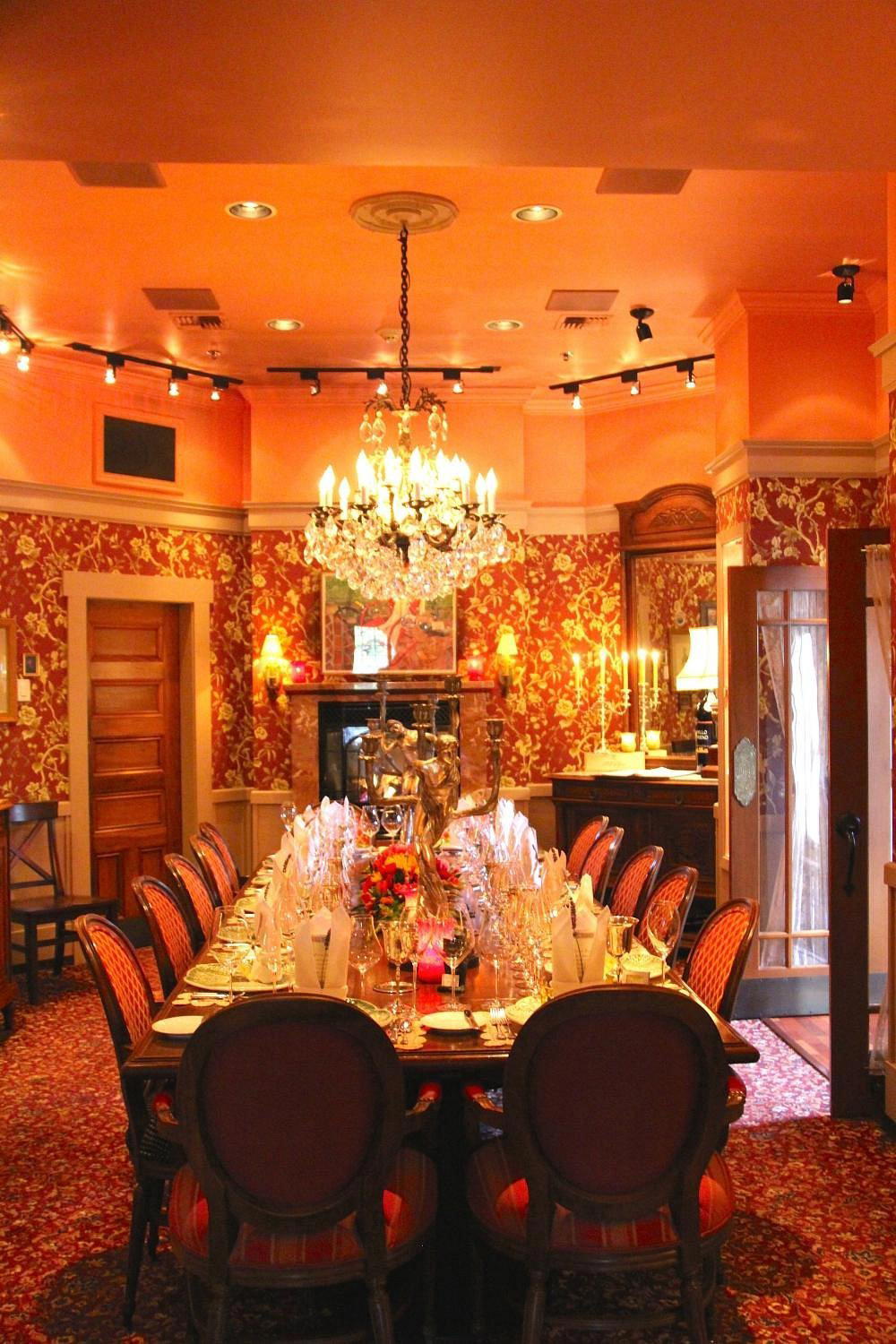
Where the Menu Begins Outside the Kitchen
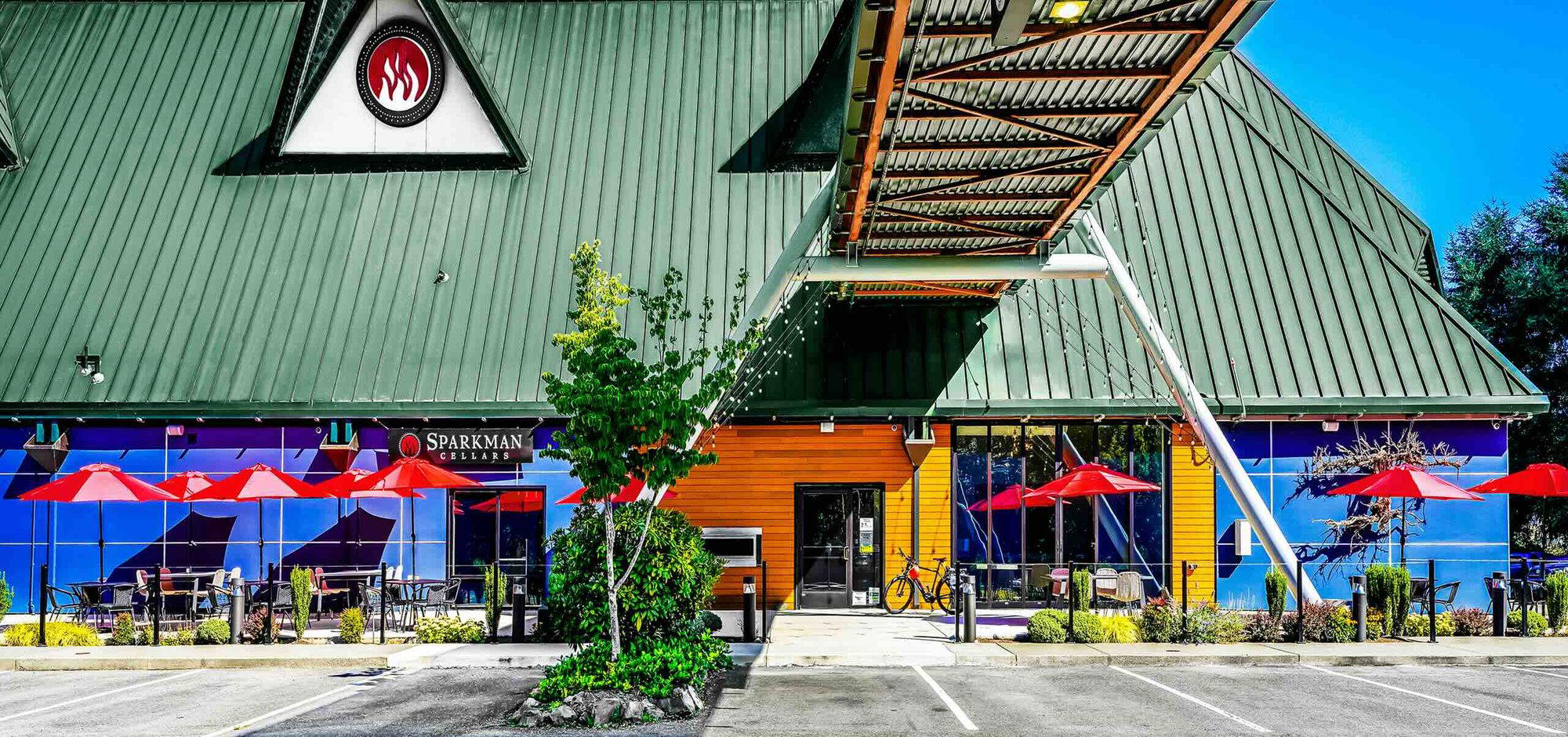
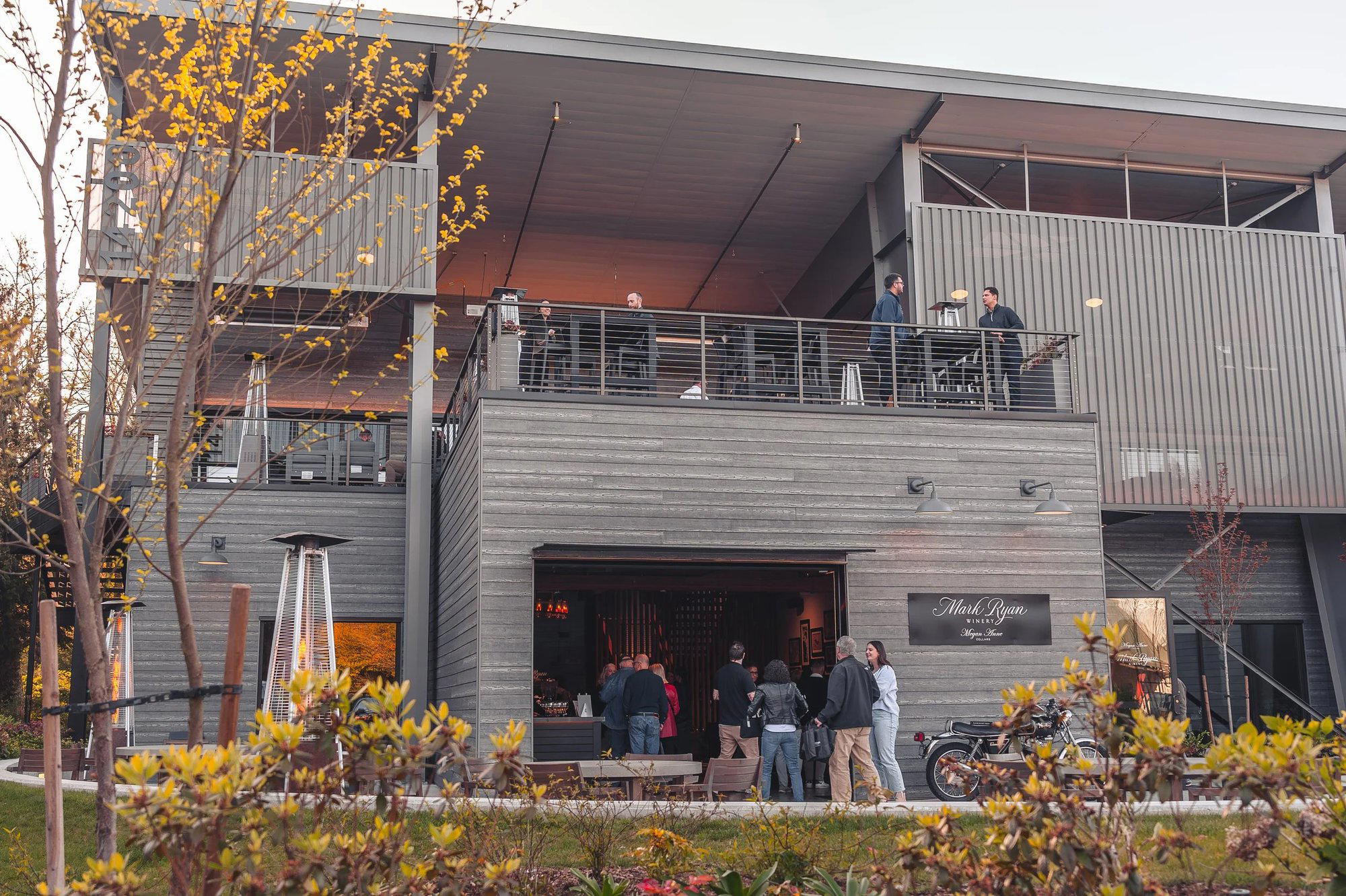
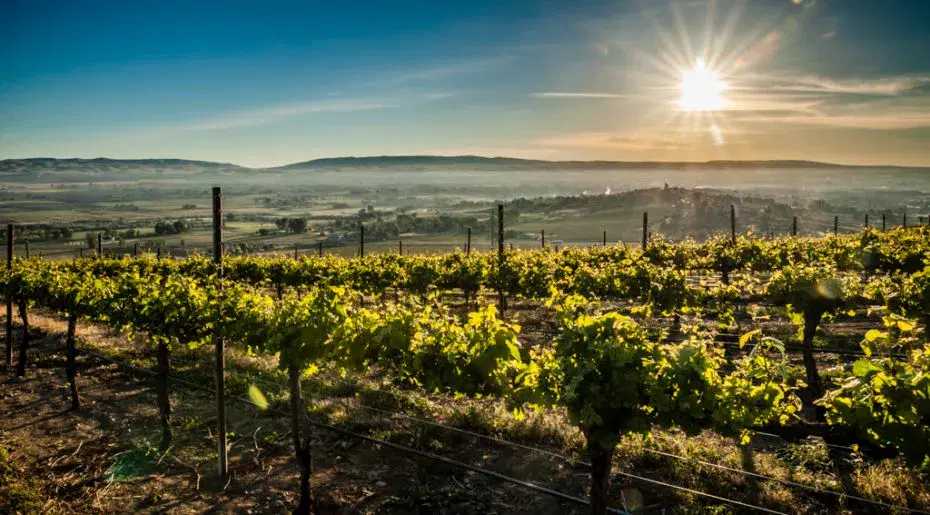
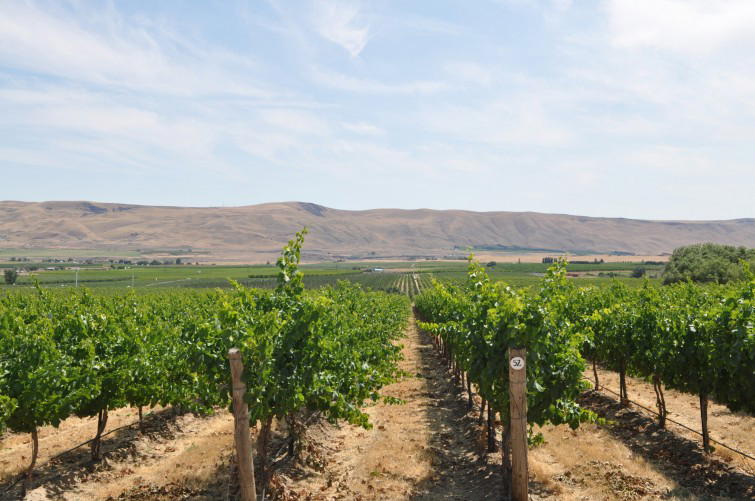
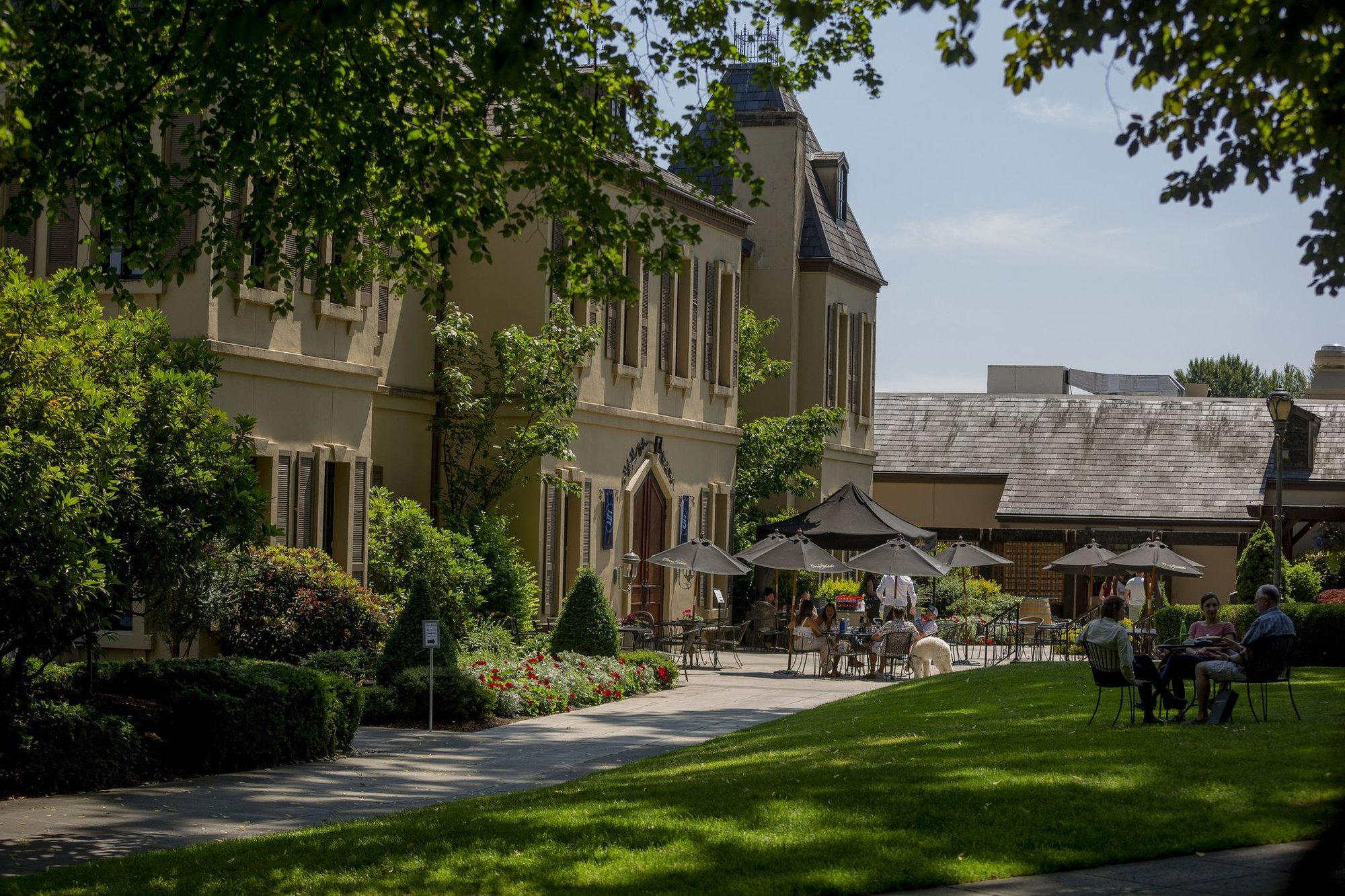
The drive out to Woodinville already signals a different register of dining. As Seattle's wine country corridor, Woodinville hosts a concentration of tasting rooms and winery facilities that give the area a destination character unlike the city's urban restaurant blocks. The Herbfarm, at 14590 NE 145th St, sits within this landscape as something closer to a rural estate experience than a metropolitan restaurant. Arriving here, the setting does the first course of work: gardens, farmland, and the texture of something genuinely removed from the city prepare a guest for a format that does not behave like a conventional dinner service.
That format matters because it is the primary thing that separates this address from Seattle's leading urban rooms. Where Canlis delivers its New American cuisine against a sweeping view of Lake Union, and where Altura operates as an intimate Italian-inflected counter inside the city proper, The Herbfarm structures its menu around an almost agricultural logic. The ingredients do not arrive as beautiful produce from a distributor; they arrive as the point of the evening.
Menu Architecture as Editorial Argument
The tasting-menu format at this tier of American fine dining has become increasingly common over the past decade, with operations from Alinea in Chicago to The French Laundry in Napa treating the fixed progression as both an organizational and philosophical tool. What distinguishes the structure at The Herbfarm is the degree to which the menu's architecture reflects a foraging and seasonal calendar rather than a chef's creative signature.
In many high-format American restaurants, the tasting menu is built around a chef's vision, with provenance serving as a supporting footnote. Here, the structural logic runs in the opposite direction: season and sourcing generate the menu, and the kitchen's job is to interpret what the Pacific Northwest is producing at a given moment. This approach puts The Herbfarm in a narrower peer group nationally. Single Thread Farm in Healdsburg operates from a comparable premise, anchoring a highly formal dinner service to a working farm that sets the ingredient agenda. The difference is geographic philosophy: Single Thread tracks Japanese seasonality through a California agricultural lens; the restaurant is specifically, insistently Northwestern in its reference points.
Chef Chris Weber carries that brief. The menu under his direction is organized not by course type but by what the season permits, with the Pacific Northwest's wild mushroom foraging traditions, coastal seafood, and temperate-climate herbs providing the structural anchors. A menu built this way tends to read differently from month to month, and the restaurant's reputation draws guests who understand that the experience in October is categorically different from one in April. That calendrical depth is part of what gives the format its authority in regional American dining.
How This Sits in the Pacific Northwest Fine Dining Tier
Seattle's serious dining rooms have evolved considerably over the past decade. Archipelago and Atoma represent a newer generation of Pacific Northwest tasting formats, both operating at high levels of technique and sourcing. Joule has built a different kind of credibility on the New Asian side of the city's restaurant identity. The restaurant predates all of them as a formal institution, and its position in the regional hierarchy is distinct: it sits outside the city in a format that demands a level of commitment, in travel time and dining duration, that the urban rooms do not.
That commitment is worth contextualizing against its national peers. The Inn at Little Washington occupies a structurally comparable position on the East Coast: a destination formal American restaurant set apart from metropolitan density, where the journey is built into the premise. Lazy Bear in San Francisco offers a community-table tasting format that shares the restaurant's interest in American seasonal produce, though within the city grid. The distinction with Woodinville is that the removal is total: guests are not eating in a neighborhood. They are eating in a place that required a choice to be there.
Recognition and Where It Places The Herbfarm
The awards record is specific enough to draw clear conclusions. AAA 5 Diamond recognition in 2025 places the restaurant in a small cohort of American restaurants. The La Liste ranking, at 76 points in both 2025 and 2026, positions it as a consistently credentialed formal dining destination on the international scale. The Opinionated About Dining ranking, which moved from Recommended in 2023 to #526 in 2024 and #407 in 2025, reflects growing recognition within the critical community that takes American tasting menus seriously as a category.
Read together, these signals confirm a restaurant operating at the tier where national comparisons are appropriate. Rooms like Le Bernardin in New York City or Emeril's in New Orleans hold different types of institutional authority, but the awards architecture around the restaurant positions it within the serious American fine dining category rather than as a regional standout that happens to do well locally. For comparison, Bayona in New Orleans represents the kind of long-running American fine dining institution that earns consistent peer-set recognition; the restaurant occupies an analogous position for the Pacific Northwest.
Planning a Visit
The address in Woodinville means this is not a spontaneous dinner. Guests coming from central Seattle are looking at roughly a 30-minute drive in normal traffic, and given the multi-hour format of a serious tasting menu evening, planning around the experience is necessary rather than optional. The restaurant's regular hours are Thursday through Saturday from 6:15 to 11 PM and Sunday from 3:45 to 9 PM, with Monday through Wednesday closed; advance reservations are essential for the format itself, a full tasting progression with wine pairings.
Woodinville's position as the center of Washington State's winery-tasting corridor means a visit to the restaurant can anchor a broader day in wine country, pairing an afternoon of cellar visits with an evening at one of the region's most formally structured dinner tables. For guests building a Seattle itinerary around serious dining, this is a separate day-trip rather than one stop among several, and it rewards being treated as such.
Standing Among Peers
Comparable venues nearby, for context on price, style, and recognition.
| Venue | Cuisine | Price | Notes |
|---|---|---|---|
| The HerbfarmThis venue — the venue you are viewing | Pacific Northwest Farm-to-Table Tasting | $$$$ | Not listed |
| Canlis | Modern American Fine Dining | $$$$ | East Queen Anne |
| Nell's | European-Inspired New American | $$$$ | Green Lake Park |
| Bateau | Contemporary Steakhouse | $$$$ | Broadway |
| Café Juanita | Northern Italian Fine Dining | $$$$ | Juanita |
| JOEY U-Village | Modern American Steakhouse with Sushi | $$$ | University Village |
Recognition history
Dated appearances from independent guides and award organizations, with the underlying list record or original source where available.
La Liste Top Restaurants
La Liste
Opinionated About Dining Top Restaurants in North America Recommended
Opinionated About Dining
AAA 5 Diamond
AAA
La Liste Top Restaurants
La Liste
Opinionated About Dining Top Restaurants in North America Ranked #407
Opinionated About Dining
Opinionated About Dining Top Restaurants in North America Ranked #526
Opinionated About Dining
Opinionated About Dining Top Restaurants in North America Recommended
Opinionated About Dining
James Beard Award Best Chefs
James Beard Award
Continue exploring
More in Seattle
Restaurants in Seattle
Browse all →
Bars in Seattle
Browse all →
Hotels in Seattle
Browse all →
At a Glance
- Elegant
- Intimate
- Scenic
- Rustic
- Sophisticated
- Special Occasion
- Date Night
- Celebration
- Garden
- Open Kitchen
- Extensive Wine List
- Sommelier Led
- Farm To Table
- Local Sourcing
- Garden
Current opening hours
- Monday
- Closed
- Tuesday
- Closed
- Wednesday
- Closed
- Thursday
- 6:15–11 PM
- Friday
- 6:15–11 PM
- Saturday
- 6:15–11 PM
- Sunday
- 3:45–9 PM
Hours can change for holidays and private events. Last verified .
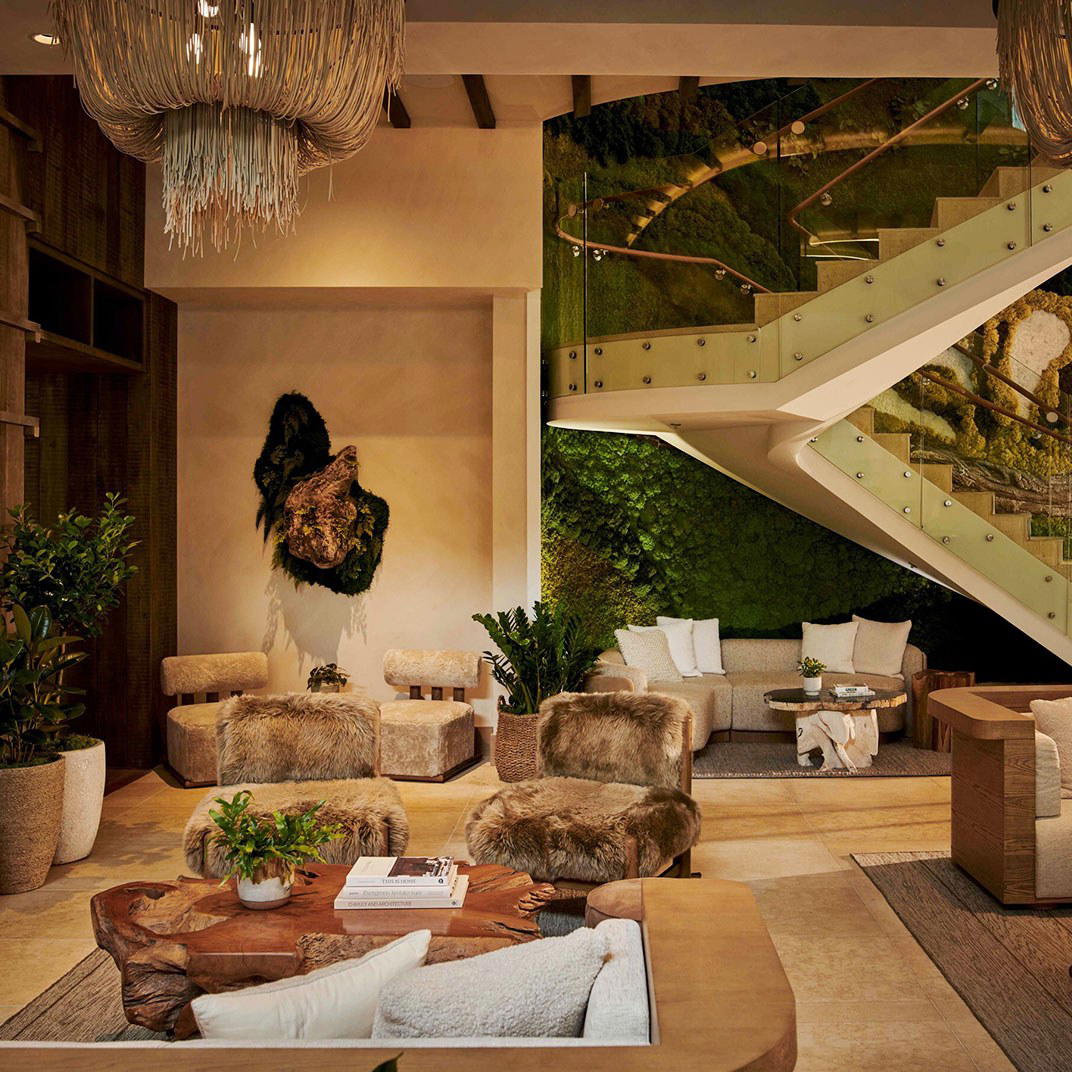
Quaint and provincially charming with eclectic decor, ambient Spanish guitar music, and a fully open kitchen, creating a fairytale-like transportive atmosphere.