
Tabelog 100 #8
Our verdict
Masago is a compact Kanayama ramen counter in Nagoya, selected for Tabelog Ramen AICHI “Tabelog 100” 2025. The draw is the old-school ramen format: counter seating, no reservations, no card payments, and a low-cost bowl culture that sits apart from the city’s higher-spend yakiniku and unagi dining.

Pearl is the En Primeur Club membership app, where members save venues, book tables and use the concierge.
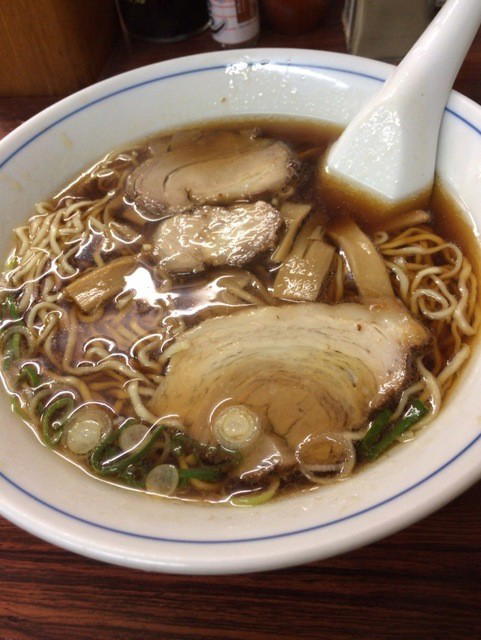
Approaching a ramen shop in Nagoya changes the tempo of dining. The format is typically compressed: quick turnover, close attention, and quiet choreography as bowls move from kitchen to guest without tasting-menu ceremony. In a city outsiders know for miso katsu, hitsumabushi, kishimen, and coffee-shop morning sets, ramen has another role: everyday food with obsessive local followings, where specialist shops draw serious attention without luxury signals.
Masago fits that Nagoya pattern: ramen-focused and recognised in the 2025 Tabelog Hyakumeiten context. That recognition matters because ramen in Japan is judged not only by polish or expense, but by repeatability, clarity of style, queue discipline, and whether a bowl holds its place in a crowded local field. Its Tabelog score of 3.60 puts it in a local-interest bracket informed diners notice, especially when the format stays modest rather than theatrical.
Nagoya ramen without the luxury theatre
Nagoya’s dining identity is broad for a city often treated as a transit point between Tokyo and Kyoto. Its food culture is practical and regional: miso-rich sauces, eel traditions, noodle shops, izakaya cooking, and department-store dining coexist with more reservation-led restaurants. Ramen sits at the democratic end. It needs no white tablecloths or chef biography; it needs a clear bowl, a wait that feels justified, and a room moving at lunch-break and solo-dinner pace.
That is why the ramen-shop format matters. These rooms reduce the experience to fundamentals: bowl, pace, turnover, and the etiquette of eating without lingering. In Nagoya, where higher-spend meals can pull visitors toward Yakiniku Mitsuboshi or the eel tradition represented by Unafuji, a ramen stop offers a lower-cost, lower-friction reading of the city. It is not lesser dining, but a different social contract: arrive, wait if needed, eat with attention, clear the seat.
Masago is useful for travellers wanting Nagoya beyond pure convenience dining. The experience feels closer to local routine than destination-dining theatre, and its appeal rests on the directness of the ramen-shop format. Rather than selling itself through a grand address or elaborate room, it belongs to the category of Nagoya places chosen because the bowl itself has earned attention.
What the Tabelog 100 signal says about the bowl culture
Tabelog’s Hyakumeiten lists are a useful shorthand for Japan’s specialist dining categories. They are not Michelin-style luxury guides and do not reward long menus or formal service. For ramen, the signal is specific: a shop has enough traction, consistency, and category relevance to enter the conversation. In Nagoya, that conversation is competitive because ramen competes not only with other noodle shops but with the city’s strong regional-food identity.
The comparison is not with a luxury tasting counter, but with Nagoya’s other casual formats. Fujimi Tei Honten and THE RISCO occupy accessible price territory in different genres; ramen compresses the decision further: one main category, few distractions, and a turnover-led room. In that context, a Tabelog Hyakumeiten ramen listing tells travellers the stop is not merely convenient; it has been noticed within the category that matters.
Japanese ramen shops have a discipline premium travellers sometimes undervalue. Informality is not a lack of standards. It is a system: limited menus, direct service, minimal ceremony, and a tight rhythm rewarding diners who arrive ready. The format puts diners on similar terms. That egalitarian setup is part of ramen’s force: a bowl can earn attention without a long booking horizon or formal dining budget.
The broader accessibility of ramen also matters in Japan, where shops can feel highly local even when they are easy to understand. That does not make the room a long, sprawling meal; the ramen format still defines the experience. It simply widens the audience for a style often solo-friendly by default.
How to place it in a Nagoya itinerary
For a short Nagoya stay, Masago works well as a focused ramen stop, not the anchor for an elaborate night. Its appeal is precision and brevity. It can sit between a morning of city walking and an evening reserved for a broader Nagoya specialty. Treat it as one piece of a local-food map, not a replacement for the city’s eel, miso, or izakaya traditions.
That distinction matters because Nagoya rewards category-hopping. A ramen shop explains daily dining rhythm; an unagi meal explains ceremonial regional cooking; yakiniku shows appetite for higher-spend group dining. Masago belongs to the first category. Its listed price range and specialist recognition keep it close to ramen-shop norms, where the diner arrives prepared and avoids overcomplicating the visit.
For wider planning, start with Our full Nagoya restaurants guide, then pair it with Our full Nagoya hotels guide if staying in Nagoya. Drinking and after-dinner planning sits better in Our full Nagoya bars guide, while broader regional context can be mapped through Our full Nagoya wineries guide and Our full Nagoya experiences guide.
Readers comparing Japanese dining formats across EP Club can also scan other dining rooms in Japan and beyond, from casual counters to more formal restaurants, without treating them as direct peers. For a Nagoya-specific comparison, keep the focus on allowed local references such as Fujimi Tei Honten, Nishimura, THE RISCO, Unafuji, Yakiniku Mitsuboshi, and other unnamed dining in the city.
The editorial read is clear: this is not a prestige room dressed up as casual dining. It is a Nagoya ramen shop with category recognition, tight format, and a place in everyday noodle culture. For travellers who judge Japanese dining only by reservation difficulty, that may sound slight. For diners who understand ramen, the restraint is the point.
Frequently asked questions
Would Masago be comfortable with kids?
Masago is a ramen shop in Nagoya, so the best fit is diners who are comfortable with a quick-paced noodle-shop setting.
What's the overall feel of Masago?
Masago is a ramen shop in Nagoya. Its 2025 Tabelog Hyakumeiten recognition signals specialist credibility rather than formal dining theatrics.
Is Masago more mid-range or high-end?
Pricing at Masago is listed as - JPY 999 - JPY 999.
When is Masago open?
Check current opening details before visiting Masago in Nagoya, as specific hours are not provided here.
Price and Positioning
Comparable venues to calibrate price, style, and recognition.
| Venue | Cuisine | Price | Awards | Notes |
|---|---|---|---|---|
| MasagoThis venue (the venue you are viewing) | Traditional Nagoya ramen (chuka soba) counter | $10–20 | Tabelog 100 #8 | Not listed |
| Naruto Ya | Ramen & Tsukemen Shop | $1–10 | Tabelog 100 #94 | Naka, Ramen & Tsukemen Shop |
| Taylor Tail | Japanese Bakery-Cafe | $1–10 | Tabelog 100 #88 | Higashi, Japanese Bakery-Cafe |
| Ramen Rikimaru | Nagoya ramen shop specializing in spicy miso | $1–10 | Tabelog 100 #99 | Nakamura, Nagoya ramen shop specializing in spicy miso |
| Ramen Senmon Ten Tokugawa Cho Josui | Ramen & tsukemen shop | $10–20 | Tabelog 100 #87 | Higashi, Ramen & tsukemen shop |
| Tsukemen Maruwa Haruta honten | Tsukemen and ramen shop | $10–20 | Tabelog 100 #69 | Nakagawa, Tsukemen and ramen shop |
Recognition history
Dated appearances from independent guides and award organizations, with the underlying list record or original source where available.
Tabelog 100 #8 · No. 8
Tabelog · Tabelog 100 - Ramen - AICHI - 2025
Continue exploring
More in Nagoya
Restaurants in Nagoya
All restaurants in Nagoya →
Details
- Cozy
- Classic
- Quiet
- Solo
- Family
- Casual Hangout
- After Work
- Standalone
- Chefs Counter
- A La Carte
- Counter Dining
Current opening hours
- Monday
- 11 AM–2 PM, 6–8 PM
- Tuesday
- 11 AM–2 PM, 6–8 PM
- Wednesday
- 11 AM–2 PM
- Thursday
- 11 AM–2 PM, 6–8 PM
- Friday
- 11 AM–2 PM, 6–8 PM
- Saturday
- 11 AM–2 PM, 6–8 PM
- Sunday
- Closed
Hours can change for holidays and private events. Hours as of .
A tiny, non‑smoking, counter‑only ramen shop with around nine seats, relaxed pacing, and a simple, classic atmosphere suited to solo diners and local families rather than a flashy design destination.