Shoun RyuGin operated on the fifth floor of a commercial building in Taipei's Dazhi district, positioning itself within the high-end dining corridor that runs through the Jiannan Road area toward Neihu. The restaurant's central proposition was a precise one: apply Japanese kaiseki technique to Taiwanese seasonal produce, treating local ingredients with the same rigour that the Tokyo RyuGin lineage applies to its own sourcing. That framing placed it in a genuinely narrow category, distinct from both conventional Japanese imports and Taiwan-centric fine dining. The Michelin Guide cited grilled sweetfish as a dish that carried the spirit of Tokyo RyuGin into the Taipei kitchen, a detail that speaks to how deliberately the team maintained continuity with the parent restaurant while adapting to local supply. Head chef Ryohei Hieda, who trained in Japan before leading the kitchen in Taipei, presented at the Asia chefs summit in both 2017 and 2018, a signal of how seriously the broader industry regarded the restaurant's approach during its operating years. The dining room was formal in structure, with private rooms available alongside the main space. Reports consistently described the service format as deliberate and ceremony-conscious, in keeping with kaiseki conventions where the sequence and pacing of a meal carry as much weight as individual dishes. This was not a casual booking: the format, the address, and the price point all pointed to a specific kind of occasion dining that Taipei's Dazhi neighbourhood, with its concentration of corporate venues and high-end residences, was well positioned to support. Shoun RyuGin closed around late 2022. During its years of operation, it held a place in Taipei's upper tier of Japanese fine dining, recognised by the Michelin Guide and discussed regularly in regional food media as a reference point for what cross-cultural kaiseki could look like when executed with genuine technical discipline rather than surface-level fusion.
- Address
- 樂群三路301號5F, 台北市, 10462
- Directions
- Get directions
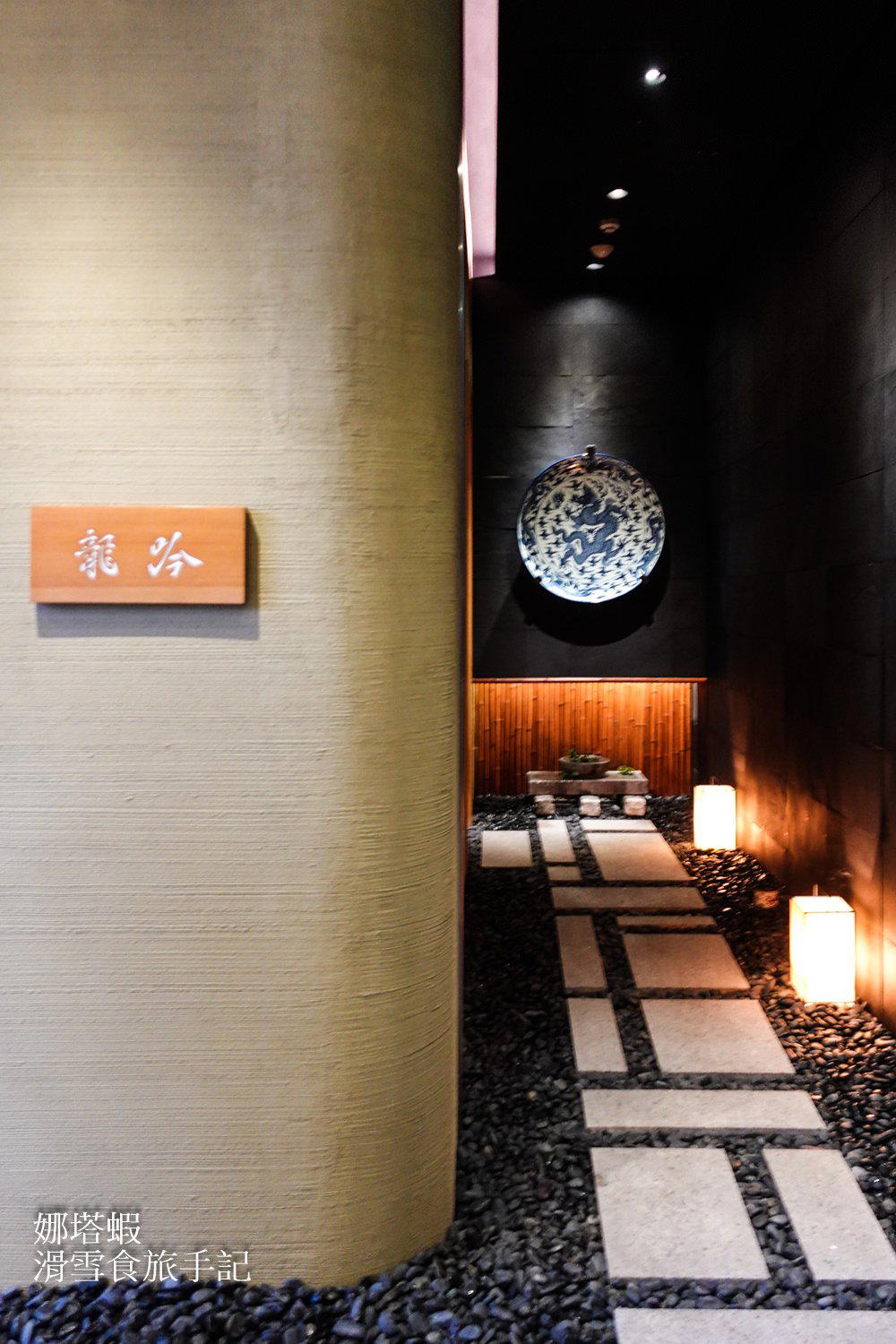
Shoun RyuGin operated on the fifth floor of a commercial building in Taipei's Dazhi district, positioning itself within the high-end dining corridor that runs through the Jiannan Road area toward Neihu. The restaurant's central proposition was a precise one: apply Japanese kaiseki technique to Taiwanese seasonal produce, treating local ingredients with the same rigour that the Tokyo RyuGin lineage applies to its own sourcing. That framing placed it in a genuinely narrow category, distinct from both conventional Japanese imports and Taiwan-centric fine dining.
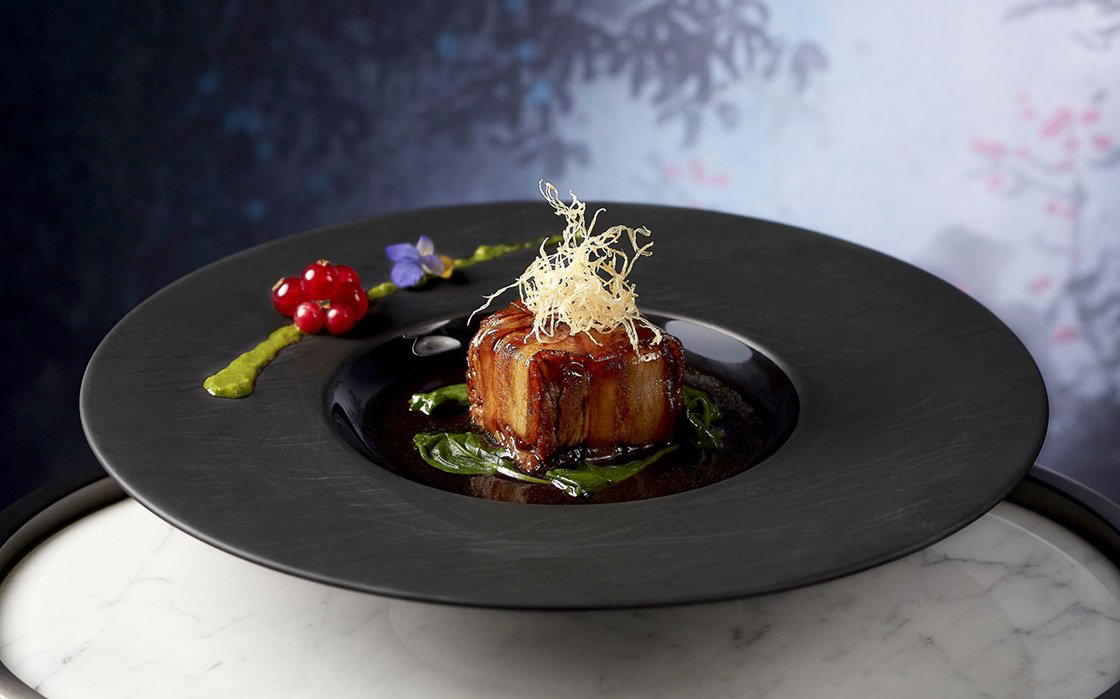
The Michelin Guide cited grilled sweetfish as a dish that carried the spirit of Tokyo RyuGin into the Taipei kitchen, a detail that speaks to how deliberately the team maintained continuity with the parent restaurant while adapting to local supply. Head chef Ryohei Hieda, who trained in Japan before leading the kitchen in Taipei, presented at the Asia chefs summit in both 2017 and 2018, a signal of how seriously the broader industry regarded the restaurant's approach during its operating years.
The dining room was formal in structure, with private rooms available alongside the main space. Reports consistently described the service format as deliberate and ceremony-conscious, in keeping with kaiseki conventions where the sequence and pacing of a meal carry as much weight as individual dishes. This was not a casual booking: the format, the address, and the price point all pointed to a specific kind of occasion dining that Taipei's Dazhi neighbourhood, with its concentration of corporate venues and high-end residences, was well positioned to support.
Shoun RyuGin closed around late 2022. During its years of operation, it held a place in Taipei's upper tier of Japanese fine dining, recognised by the Michelin Guide and discussed regularly in regional food media as a reference point for what cross-cultural kaiseki could look like when executed with genuine technical discipline rather than surface-level fusion.
How It Compares
Comparable venues nearby, for context on price, style, and recognition.
| Venue | Cuisine | Price | Awards | Notes |
|---|---|---|---|---|
| 祥雲龍吟This venue — the venue you are viewing | Michelin Two-Star Japanese Kaiseki with Taiwanese Ingredients | $$$$ | Not listed | Not listed |
| Masa | Seasonal Japanese Kappo | $$$$ | Not listed | Songshan District |
| 笹鮨 Sasa Sushi | Traditional Japanese Omakase | $$$$ | Not listed | Zhongshan District |
| Sushi Nakazawa | Modern Japanese Omakase | $$$$ | Not listed | Zhenghe |
| 合. Shabu | Luxury Shabu-Shabu Hot Pot | $$$$ | Not listed | Xinyi District |
| Robin's Teppanyaki | Classic Teppanyaki | $$$$ | Michelin Plate | Kangle |
Continue exploring
More in Taipei
Restaurants in Taipei
Browse all →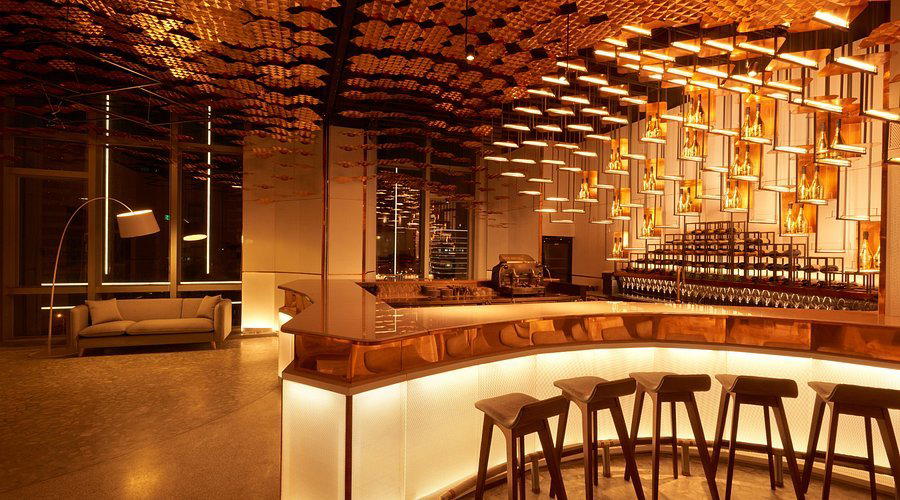
Bars in Taipei
Browse all →
Hotels in Taipei
Browse all →
Wineries in Taipei
Browse all →
At a Glance
- Elegant
- Sophisticated
- Intimate
- Modern
- Special Occasion
- Date Night
- Celebration
- Chefs Counter
- Open Kitchen
- Private Dining
- Sake Program
- Sommelier Led
- Extensive Wine List
- Farm To Table
- Local Sourcing
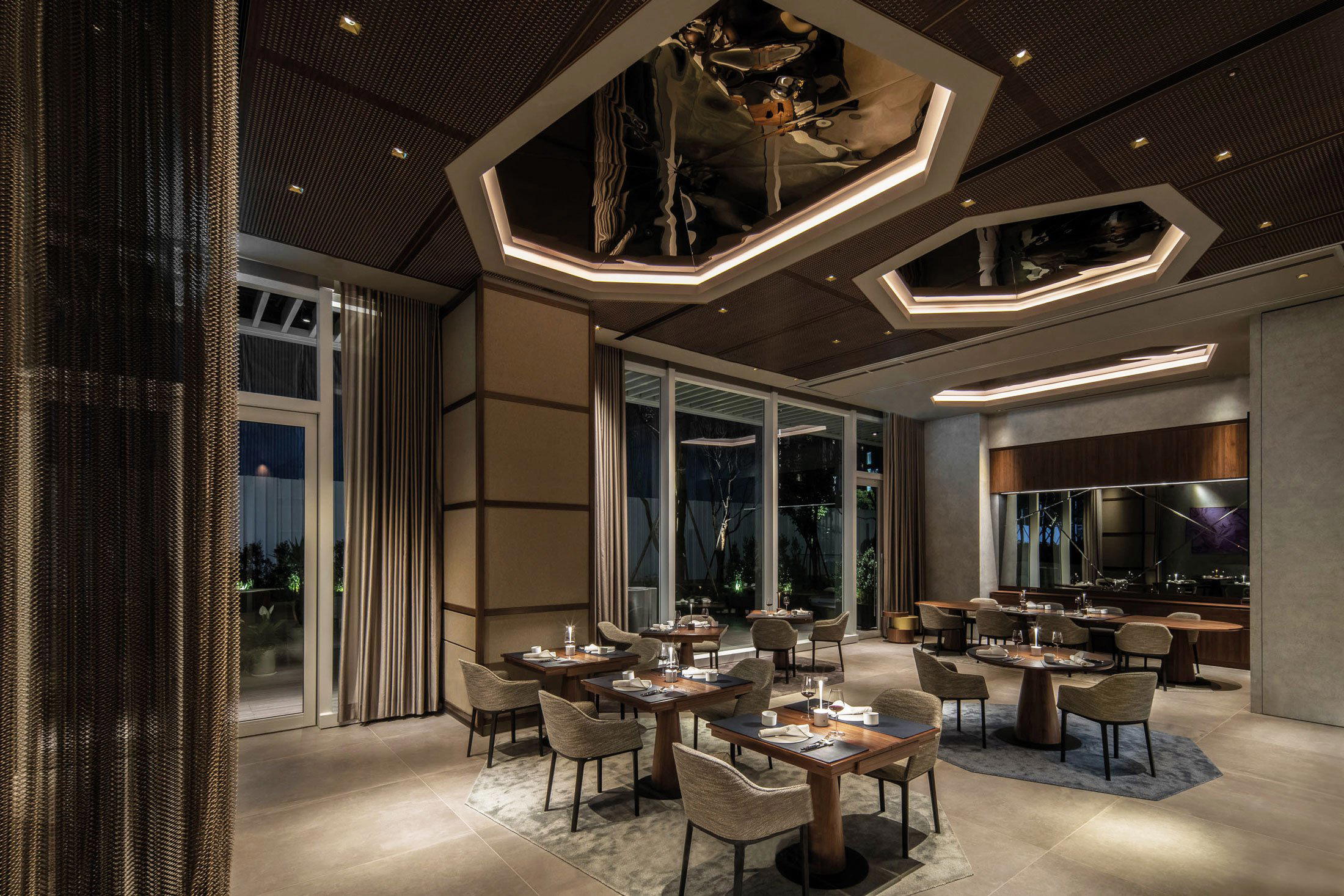
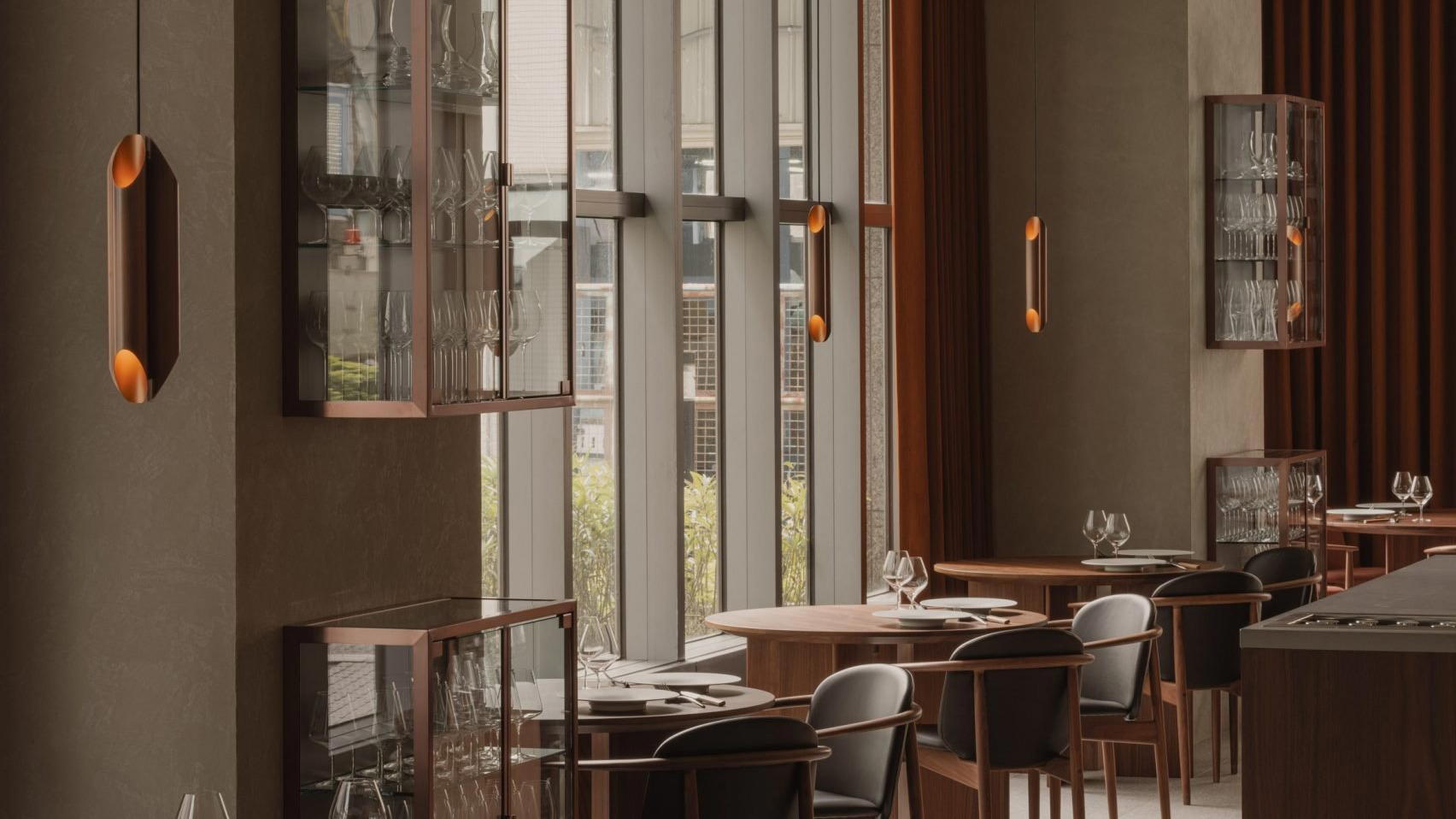
Refined and minimalist Japanese aesthetic with meticulous attention to detail; intimate counter and table seating in a serene, focused dining environment designed to highlight each course.