Our verdict
Positioned on the third floor of a Zhongshan District address along Nanjing West Road, Celestial (天廚菜館) is one of Taipei's longstanding Chinese restaurant institutions. The space draws a clientele that spans business lunches and multi-generational family gatherings, with a menu rooted in northern Chinese and Mandarin-style cooking traditions that have become increasingly rare in the city's contemporary dining scene.

Pearl is the En Primeur Club membership app, where members save venues, book tables and use the concierge.

The menu
What to order
- Peking Duck
- Noodles with Soy Bean Paste
Where Mandarin-Style Cooking Holds Its Ground in Taipei
Taipei's third-floor dining rooms have a particular grammar. Accessed by elevator rather than street-level entrance, they signal a certain kind of formality, a separation from the hawker energy of the pavements below, that has historically defined the city's banquet-hall tradition. Celestial (天廚菜館), on the third floor of a Zhongshan District building along Nanjing West Road, operates squarely within that tradition. The room does not announce itself from the street, and that is partly the point. This is a category of restaurant that has always relied on word of mouth, repeat custom, and institutional memory rather than foot traffic.
The cultural significance here extends beyond the address. Northern Chinese and Mandarin-style cooking, the repertoire associated with restaurants that followed the nationalist migration to Taiwan in the late 1940s, represents a distinct culinary strand within Taipei's food culture. At a moment when the city's dining conversation is dominated by Taiwanese contemporary tasting menus and European-trained chefs working with local ingredients, the older Mandarin restaurant tradition occupies a quieter, more specific niche. Celestial sits in that niche, in a neighbourhood that retains some of Taipei's most concentrated examples of mid-century Chinese restaurant culture.
Zhongshan District and the Geography of Chinese Restaurant Culture in Taipei
Zhongshan District is not where Taipei's current fine-dining conversation is loudest. That energy runs through Da'an and Xinyi, where addresses like logy and L'Atelier de Joël Robuchon concentrate the Michelin-tracked tier. But Zhongshan carries a different kind of authority, one rooted in the establishment dining that defined Taipei's aspirational restaurant culture across several decades. The broad avenues north of the old city centre became the natural home for banquet-format Chinese restaurants serving the professional and political class, and the neighbourhood's restaurant stock still reflects that history.
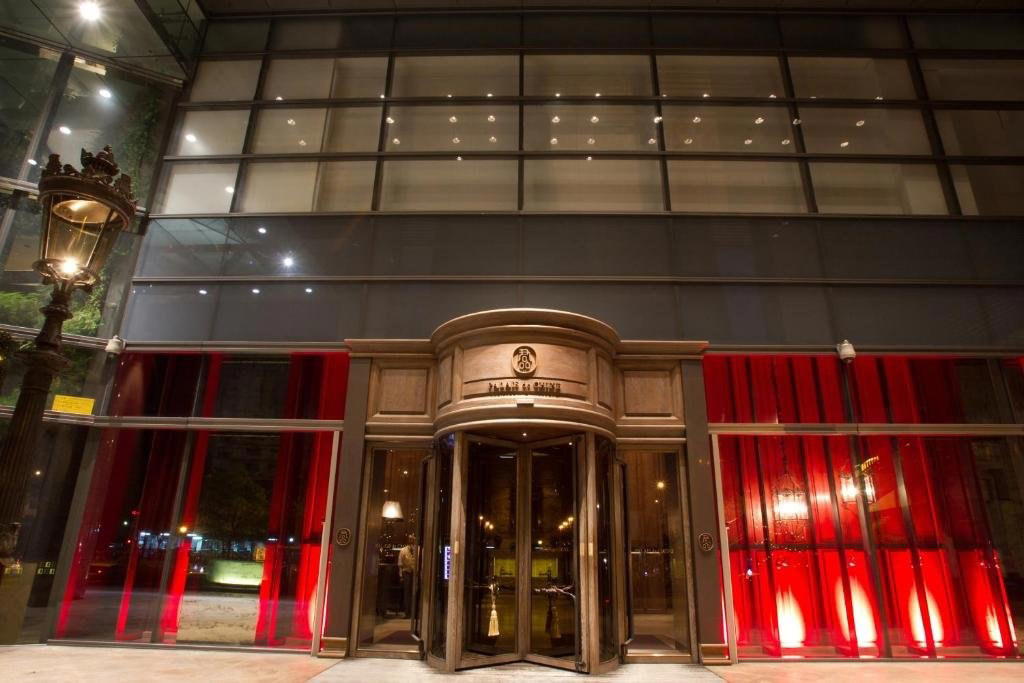
What that means practically is that dining in this part of Zhongshan involves a different set of reference points than the tasting-menu circuit. The comparison set for a restaurant like Celestial is not Molino de Urdániz or Taïrroir. It is the cluster of Cantonese and northern Chinese rooms that have served Taipei's business lunch and family banquet circuits across generations. Le Palais, the three-Michelin-starred Cantonese room in the Palais de Chine Hotel, represents the recognized apex of that broader Chinese fine-dining category in Taipei, a useful point of orientation for understanding where the city's formal Chinese restaurant tradition sits relative to its European-influenced counterparts.
The Mandarin Restaurant Tradition: What It Preserves and Why It Matters
The restaurants that arrived in Taipei with the post-1949 mainland migration carried regional Chinese cooking styles that had no local precedent on the island. Shandong-style cooking, Shanghainese preparations, and the broader Mandarin repertoire associated with Beijing formal dining all took root in the city, carried by chefs who had trained in mainland kitchens before the political rupture. Over decades, these restaurants evolved a Taipei-specific version of northern Chinese cooking, adapted to local ingredients and the preferences of a community that was itself in the process of becoming Taiwanese.
That process of adaptation is part of what makes this dining category culturally specific to Taipei in a way it is not replicated elsewhere. In Hong Kong, Cantonese cooking remained dominant. In Singapore, the Hokkien and Teochew streams shaped the Chinese restaurant tradition. Taipei became the particular repository for northern Chinese formal cooking, and the restaurants that carry that tradition forward occupy a cultural position that has nothing to do with trendiness and everything to do with continuity. Celestial, as a long-established address in this tradition, belongs to a set of restaurants that has become historically significant simply by remaining.
For comparison, Taiwan's broader dining scene now spreads its recognition across multiple cities and formats. JL Studio in Taichung works a Southeast Asian-inflected contemporary angle; Amei in Tainan grounds itself in southern Taiwanese ingredients and techniques; Akame in Wutai Township draws on indigenous Paiwan food culture. Each of these represents a distinct regional food identity. The Mandarin restaurant tradition in Taipei is one strand among many, but it is the strand most directly connected to the specific political and cultural history of the city itself.
Planning Your Visit
Celestial (天廚菜館) is located at 1號 3樓, Nanjing West Road, Zhongshan District, Taipei, a third-floor address accessed from the building lobby on Nanjing West Road. The Zhongshan District location is served by the MRT Zhongshan Station (Red Line), making the approach direct from most parts of the city without the need for a taxi. Given the restaurant's positioning as a banquet and business dining address, larger groups and special-occasion bookings are likely leading arranged directly, as the format tends toward round-table dining suited to shared ordering.
Visitors who want to cross-reference Taipei's Chinese fine-dining tier alongside more contemporary formats will find useful context in our full Taipei restaurants guide, which maps the city's dining scene across price points and categories. Elsewhere in the region, comparable exercises in preserving specific culinary traditions can be found at Chi Yuan in New Taipei and, in a different register, at Shen Yen in Yilan. For those building a broader Taiwan itinerary, Bebu in Hsinchu County, Dongmen Rice Noodle Soup in Hsinchu City, GEN in Kaohsiung, Abura Yakiniku in Taichung City, and Volando Urai Spring Spa and Resort in Wulai District each represent the range of what serious dining looks like across the island. International reference points for similar categories of long-form, tradition-anchored formal dining include Le Bernardin in New York City and Lazy Bear in San Francisco, though the cultural context differs substantially.
Frequently asked questions
Is Celestial (天廚菜館) child-friendly?
The third-floor setting on Nanjing West Road, accessed by elevator rather than a street-level entrance, suits a quieter, more formal style of family dining. Mandarin-style Chinese restaurants of this type in Taipei have historically served multi-generational family gatherings, so children are generally accommodated without issue. Call ahead to confirm private room availability, which typically makes large family groups easier to manage.
What's the vibe at Celestial (天廚菜館)?
Celestial occupies a third-floor space on Nanjing West Road in Zhongshan District, a format that signals occasion dining rather than casual drop-in. The room belongs to a generation of Taipei Chinese restaurants where the architecture and pace reflect the mainland-origin dining culture that shaped the neighbourhood from the 1950s onward. Expect a composed, unhurried atmosphere more aligned with traditional banquet dining than the contemporary open-kitchen formats now common in Da'an and Xinyi.
Does Celestial (天廚菜館) serve authentic northern Chinese cuisine in Taipei?
Celestial is among the Zhongshan District restaurants that trace their culinary lineage to the post-1949 mainland migration, which brought northern and Mandarin-style Chinese cooking styles to Taiwan with no local precedent at the time. That heritage is central to the restaurant's identity and its sustained presence on Nanjing West Road. For diners specifically looking for this regional tradition in Taipei, distinct from Taiwanese, Cantonese, or Shanghainese cooking, Zhongshan District, and addresses like Celestial's, remain the most concentrated area to find it.
What's the best thing to order at Celestial (天廚菜館)?
Celestial's kitchen works within the Mandarin-style tradition brought to Taipei after 1949, a repertoire that draws on northern Chinese techniques largely absent from the island's indigenous food culture. The restaurant's longevity in Zhongshan District points to a core menu that regulars return to rather than seasonal reinvention.
A Pricing-First Comparison
Comparable venues nearby, for context on price, style, and recognition.
| Venue | Cuisine | Price | Awards | Notes |
|---|---|---|---|---|
| Celestial (天廚菜館)This venue (the venue you are viewing) | Traditional Beijing Chinese | Not listed | Not listed | Not listed |
| Longyue | Refined Cantonese | $50–100 | Not listed | Xikang, Refined Cantonese |
| 合. Shabu | Luxury Japanese Shabu-Shabu | $50–100 | Not listed | Xinyi District, Luxury Shabu-Shabu Hot Pot |
| Beef Noodle Soup at Regent Hotel Taipei | Taiwanese Beef Noodle Soup | $20–30 | Not listed | Zhongshan District, Taiwanese Beef Noodle Soup |
| Shing-Peng-Lai | Traditional Taiwanese | $20–30 | Michelin Plate | Tianyu, Traditional Taiwanese Cuisine |
| å°é ä¹å®¶ | Taiwanese Home-Style Restaurant | Not listed | Not listed | Xinzhuang, Taiwanese Home-Style Restaurant |
Continue exploring
More in Taipei
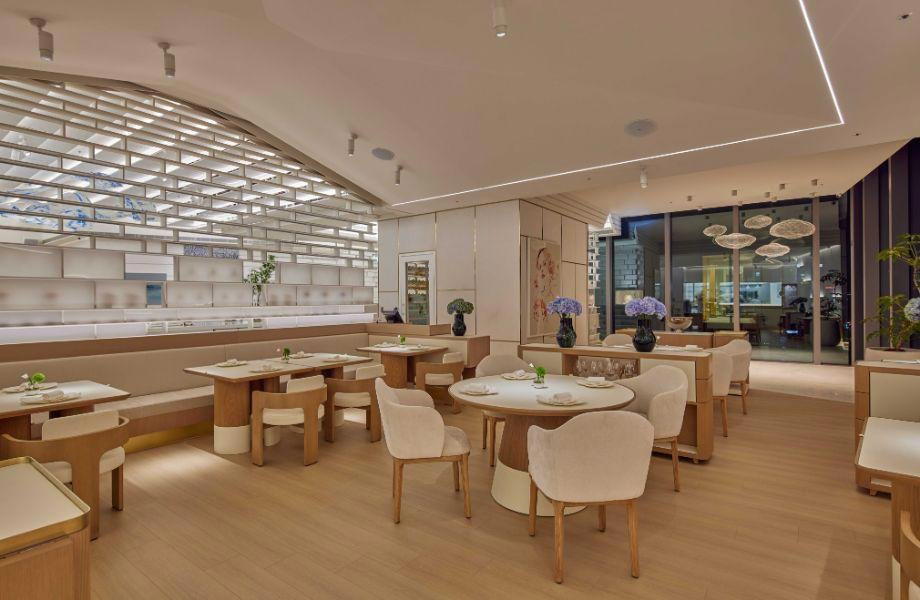
Restaurants in Taipei
All restaurants in Taipei →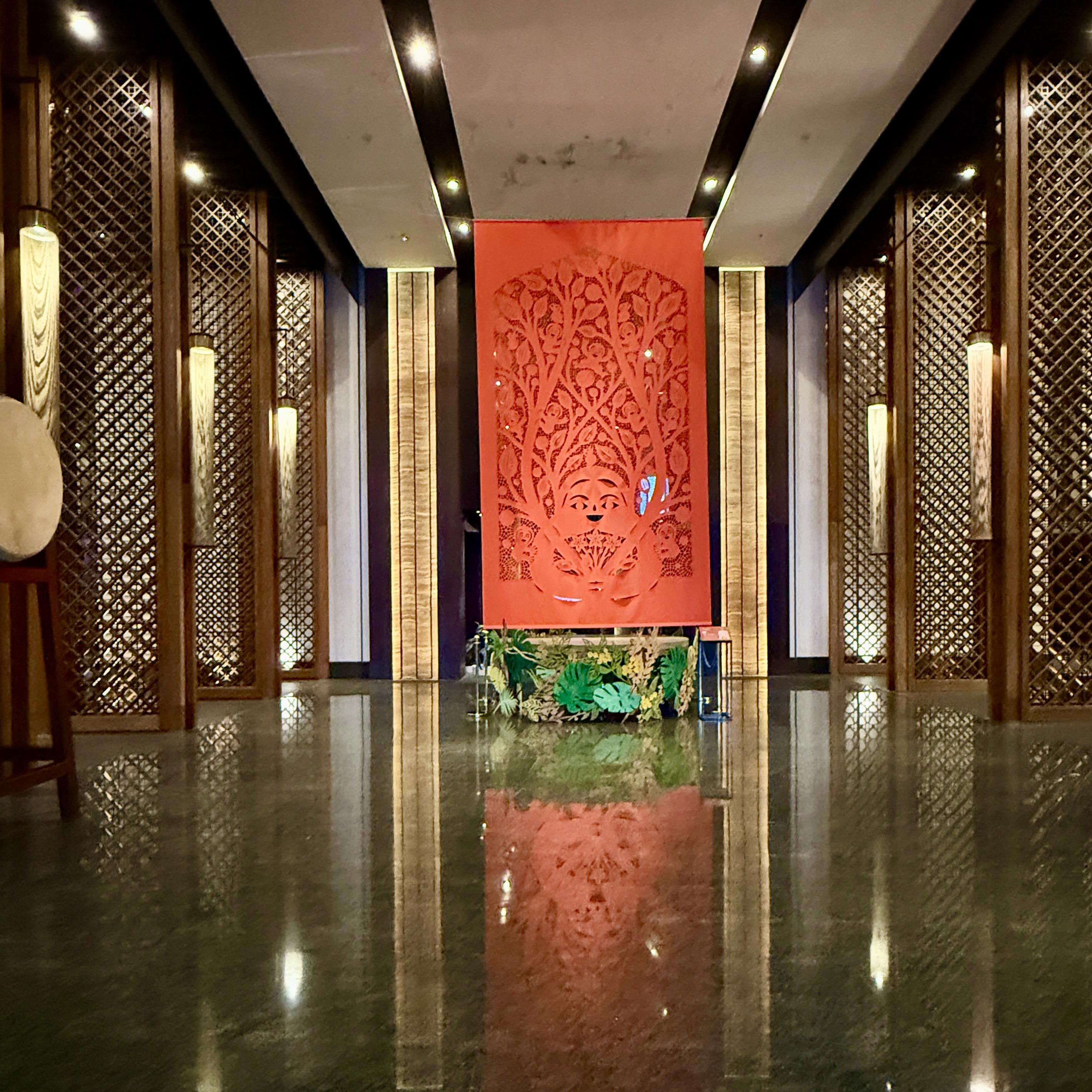
Bars in Taipei
All bars in Taipei →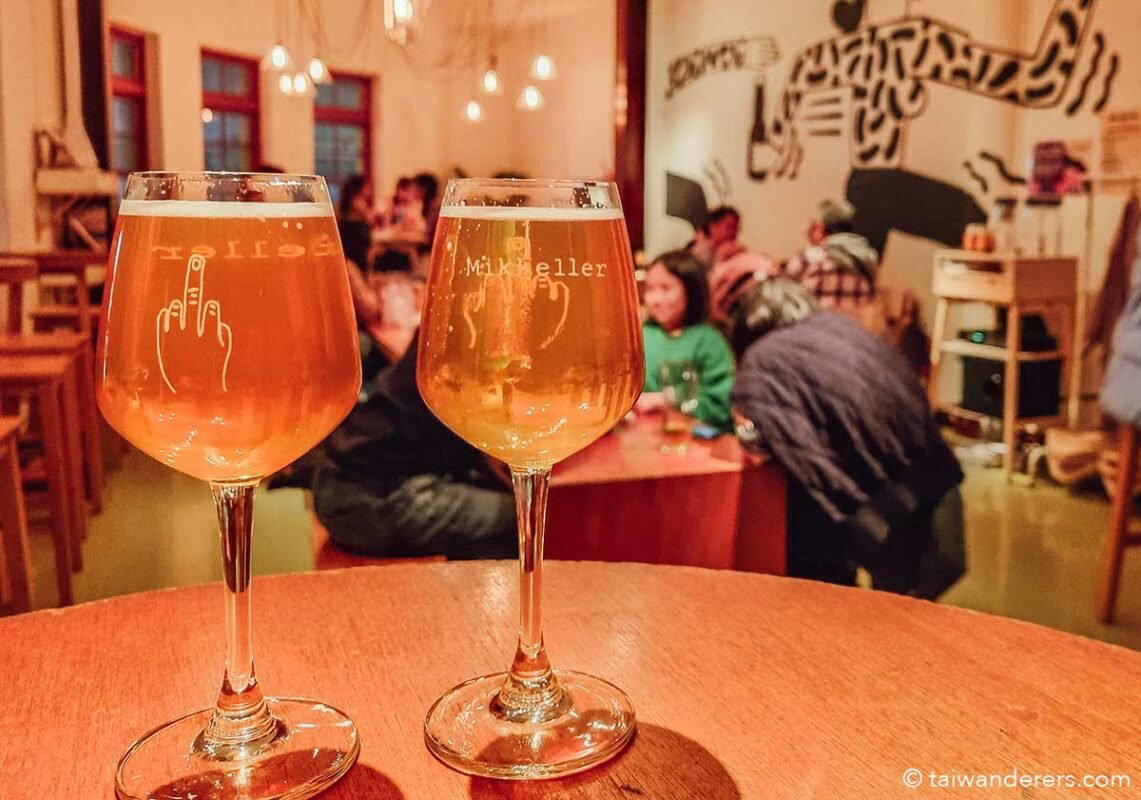
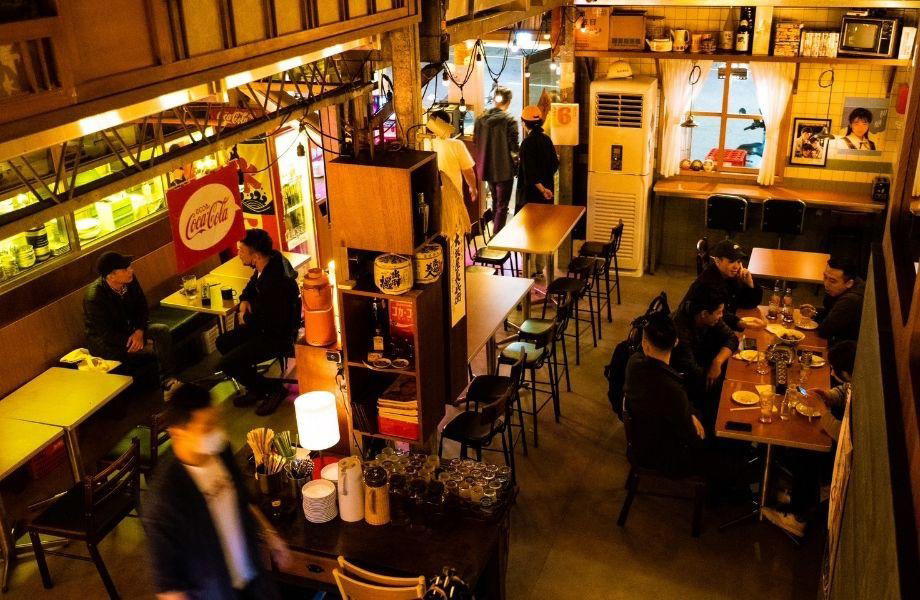
Hotels in Taipei
All hotels in Taipei →
Wineries in Taipei
Browse all →
Details
- Classic
- Elegant
- Business Dinner
- Special Occasion
- Standalone
- Sake Program
- A La Carte
- Vegetarian Friendly
Current opening hours
- Monday
- Closed
- Tuesday
- 11 AM–2 PM, 5–9 PM
- Wednesday
- 11 AM–2 PM, 5–9 PM
- Thursday
- 11 AM–2 PM, 5–9 PM
- Friday
- 11 AM–2 PM, 5–9 PM
- Saturday
- 11 AM–2 PM, 5–9 PM
- Sunday
- 11 AM–2 PM, 5–9 PM
Hours can change for holidays and private events. Hours as of .
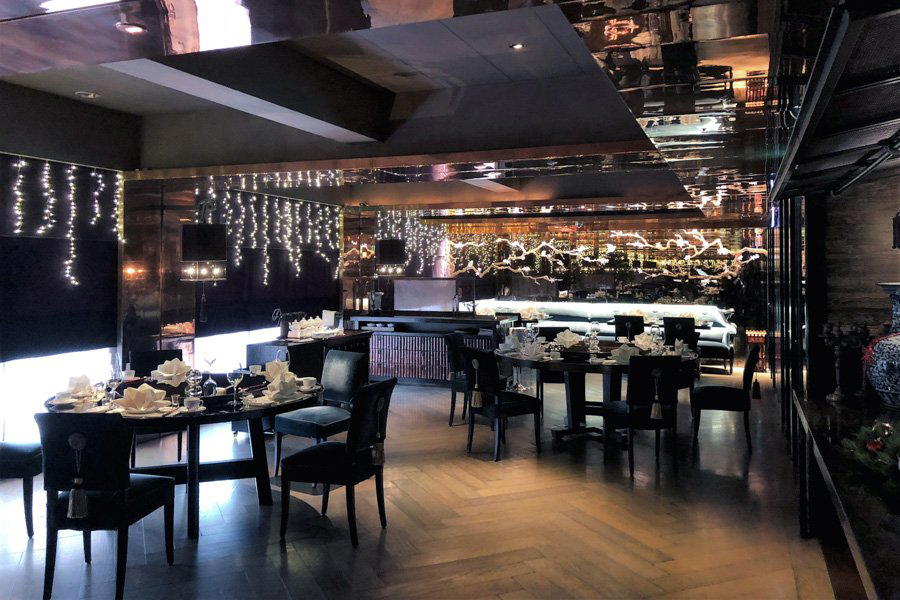
Classic Chinese restaurant atmosphere with warm staff greeting and table service in a clean, established setting.