In Richmond's hyper-competitive seafood and Japanese dining corridor, Masa Ishibashi on Bridgeport Road occupies a quieter register than the banquet halls and BBQ lineups nearby. The kitchen draws a returning local crowd, positioning it closer to neighbourhood staple than destination spectacle. For those tracking Richmond's more considered dining options, it belongs in the same conversation as the city's other low-key specialists.
Pearl is the En Primeur Club membership app — saves, bookings, and concierge access live there. Same editors, same standards.
- Address
- 8411 Bridgeport Rd #130, Richmond, BC V6X 1R7, Canada
- Phone
- +16048213366
- Website
- masaishibashi.ca
- Directions
- Get directions
 Saves & bookings on Pearl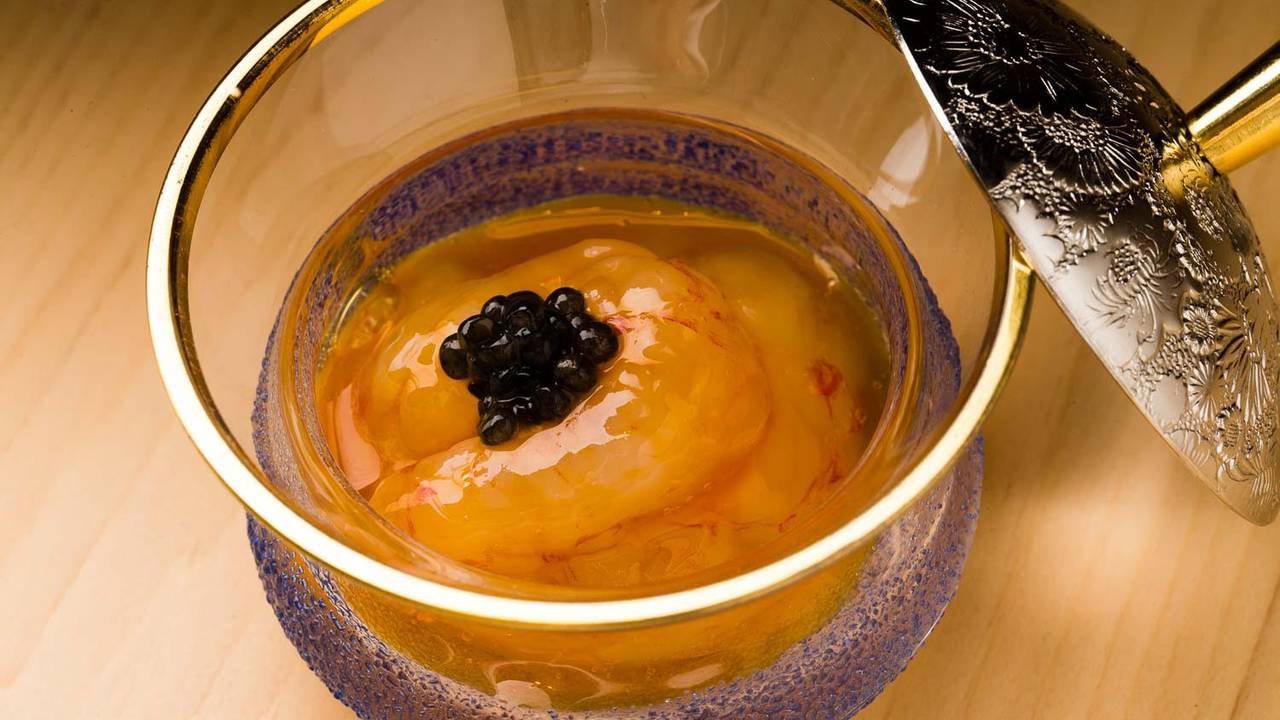
Richmond's Quieter Dining Register
Richmond, BC has among the more concentrated corridors of Chinese seafood, Japanese, and pan-Asian dining in North America outside of East and Southeast Asia itself. The city's dining reputation is built largely on volume and variety: sprawling banquet halls serving Cantonese seafood for hundreds, overnight lineups at roast-meat counters, and bubble tea shops that turn tables faster than most coffee chains. Against that backdrop, venues that operate at a slower, more deliberate pace, smaller rooms, returning regulars, kitchens with a defined culinary identity, occupy a distinct and often underappreciated tier. Masa Ishibashi is a Japanese restaurant in Richmond, BC, located at 8411 Bridgeport Road near the Bridgeport SkyTrain station. It sits in that quieter register.
The address places it in a retail-anchored stretch that draws from both the surrounding residential neighbourhoods and the transit-accessible commuter flow. This is not the gilded restaurant row of downtown Vancouver, nor the spectacle-driven dining of Richmond's Aberdeen and Parker Place malls. The context is deliberately unglamorous, which, in a city where dining credibility often comes from a willingness to look past the exterior, works in the venue's favour. Across Richmond, the pattern repeats: the kitchens earning the loyalty are frequently found in strip-mall units that prioritise the plate over the room. For comparable examples of that format logic applied to seafood, Asian Pearl Seafood Restaurant and Alewife both demonstrate how Richmond's dining culture elevates function over facade.
Japanese Dining in a City That Sets the Bar High
Richmond's Japanese dining scene is anchored by decades of Japanese-Canadian community presence and, more recently, by an influx of Japanese nationals and first-generation immigrants who have raised the technical baseline across sushi, ramen, izakaya, and kappo formats. In that context, operating a Japanese restaurant in Richmond carries a different weight than it might in other Canadian cities. The local audience skews knowledgeable: they distinguish between import-grade neta and domestic substitutes, they notice rice temperature and seasoning, and they return (or don't) based on consistency rather than novelty.
That competitive pressure has a sustainability dimension worth noting. In cities where Japanese ingredient sourcing depends heavily on long-distance supply chains, fish flown from Tokyo's Toyosu market, rice imported from specific prefectures, specialty soy from regional Japanese producers, the carbon and cost implications are significant. Some Richmond operators have responded by sourcing BC coastal seafood through more direct channels, reducing the environmental overhead while also producing a different flavour profile. Vessels operating out of Prince Rupert, Haida Gwaii, and the Fraser River delta offer salmon, halibut, and spot prawns that, at their leading, rival anything sourced from Japanese waters. Whether a given kitchen chooses to lean into that local sourcing or replicate a more classically Japanese import-led model is one of the more telling decisions a Japanese restaurant in BC can make. For a parallel conversation happening at a different scale and price tier, Atomix in New York City has built part of its identity around considered sourcing within the Korean fine-dining format, and Le Bernardin in New York City has long set the standard for seafood-first sourcing discipline in a North American context.
The Sustainability Conversation in Richmond's Dining Scene
Sustainability in restaurant practice is not a uniform standard. It spans everything from composting programmes and reduced plastic use through to full farm-to-table sourcing chains and zero-waste kitchen protocols. In Richmond, where the dining sector is dense and margins in mid-market restaurants are thin, environmental practice tends to be driven by economic logic as much as ideology: local sourcing reduces freight costs, seasonal menus reduce waste, and portion discipline reduces food cost. These are not glamorous sustainability stories, but they are often more durable than the headline-grabbing certifications that larger destination restaurants pursue.
Across Canada, the restaurants earning sustained editorial attention for this kind of considered practice include properties like Tanière³ in Quebec City, which has built an entire culinary identity around hyper-local and foraged Quebec product, and Eigensinn Farm in Singhampton, where the farm itself functions as the sourcing infrastructure for the restaurant. At the other end of the spectrum, neighbourhood restaurants like Narval in Rimouski demonstrate that a disciplined regional sourcing approach is replicable outside major city centres. Restaurant Pearl Morissette in Lincoln and The Pine in Creemore both apply similar logic in Ontario's wine country context. The pattern across all of these: a tight, seasonal menu built around what is actually available nearby, rather than what a global supply chain can deliver year-round.
Richmond's Japanese restaurants that engage seriously with BC coastal sourcing fit into that broader Canadian narrative, even if they rarely receive the same editorial framing. The proximity to some of North America's leading wild salmon, halibut, and shellfish is an advantage that import-dependent competitors in Toronto or Montreal cannot replicate. Venues like Alo in Toronto and AnnaLena in Vancouver have built significant reputations in part by committing to what the local season actually offers, a discipline that translates directly to Japanese cuisine formats when applied with the same rigour.
Placing Masa Ishibashi in the Richmond comparable set
Within Richmond's Japanese dining tier, Masa Ishibashi operates at a neighbourhood rather than destination scale. That distinction matters for setting expectations. The venue draws from a local residential audience rather than from the same visitor pool that travels specifically to Richmond for its acclaimed Cantonese seafood banquet halls or its roast-meat specialists. It shares this positioning with other Bridgeport-area dining options, including Baan Lao, which holds a similar local-anchor role for Thai cuisine in the city. For diners cross-referencing options across Richmond's broader mix, 2207 Macdonald and 8 ½ in The Fan represent adjacent points on the city's dining map.
For those tracking Japanese dining across a wider Canadian and North American frame, the peer comparisons extend further: Jérôme Ferrer - Europea in Montreal and Aux Anciens Canadiens in Quebec represent different culinary traditions but share the same characteristic of drawing sustained loyalty from a local audience rather than depending on tourist traffic. Barra Fion in Burlington similarly anchors its neighbourhood without requiring destination positioning. In a dining city as deep as Richmond, that kind of consistent local relevance is not a consolation prize. It is its own form of credibility.
Planning Your Visit
Masa Ishibashi is located at 8411 Bridgeport Road, unit 130, Richmond, BC, a short walk from Bridgeport SkyTrain station on the Canada Line, which connects directly to Vancouver International Airport and downtown Vancouver in under 30 minutes. The Bridgeport Road strip is accessible by car with surface parking available in the retail complex. Given the venue's neighbourhood positioning and local repeat audience, visiting during off-peak lunch hours or on weekday evenings is generally the lower-friction option. Reservations are essential.
The Quick Read
Comparable venues nearby, for context on price, style, and recognition.
| Venue | Cuisine | Price | Notes |
|---|---|---|---|
| Masa IshibashiThis venue — the venue you are viewing | Bridgeport, Edomae Omakase | $$$$ | Not listed |
| Kuroki Kaiseki Omakase Kitchen 黑木関西会席料理 | Steveston, Japanese Kaiseki Omakase | $$$$ | Not listed |
| 4 Stones Vegetarian Cuisine | Richmond, Taiwanese Vegetarian | $$ | Not listed |
| Globe@YVR | Not listed | $$$ | Vancouver International Airport, Pacific Northwest Seafood |
| Taste of Zen | Gilmore, Vegetarian Chinese Fusion | $$ | Not listed |
| Fortune Terrace Chinese Cuisine | River Road, Cantonese Dim Sum | $$$ | Not listed |
At a Glance
- Elegant
- Sophisticated
- Intimate
- Special Occasion
- Date Night
- Business Dinner
- Celebration
- Chefs Counter
- Standalone
- Sake Program
Current opening hours
- Monday
- Closed
- Tuesday
- 11:30 AM–1 PM, 5–10:30 PM
- Wednesday
- 11:30 AM–1 PM, 5–10:30 PM
- Thursday
- 11:30 AM–1 PM, 5–10:30 PM
- Friday
- 11:30 AM–1 PM, 5–10:30 PM
- Saturday
- 11:30 AM–1 PM, 5–10:30 PM
- Sunday
- 11:30 AM–1 PM, 5–10:30 PM
Hours can change for holidays and private events. Last verified .
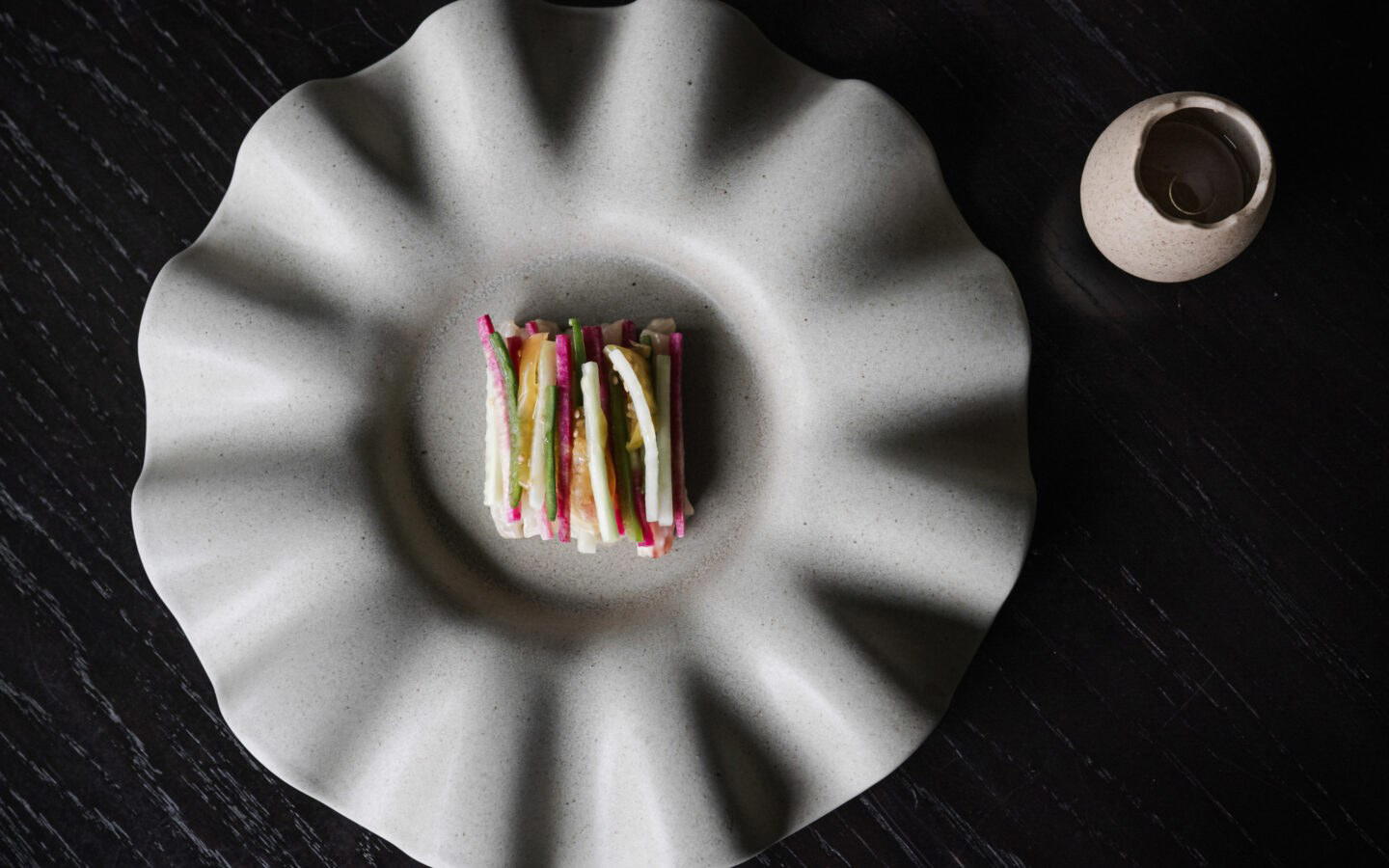
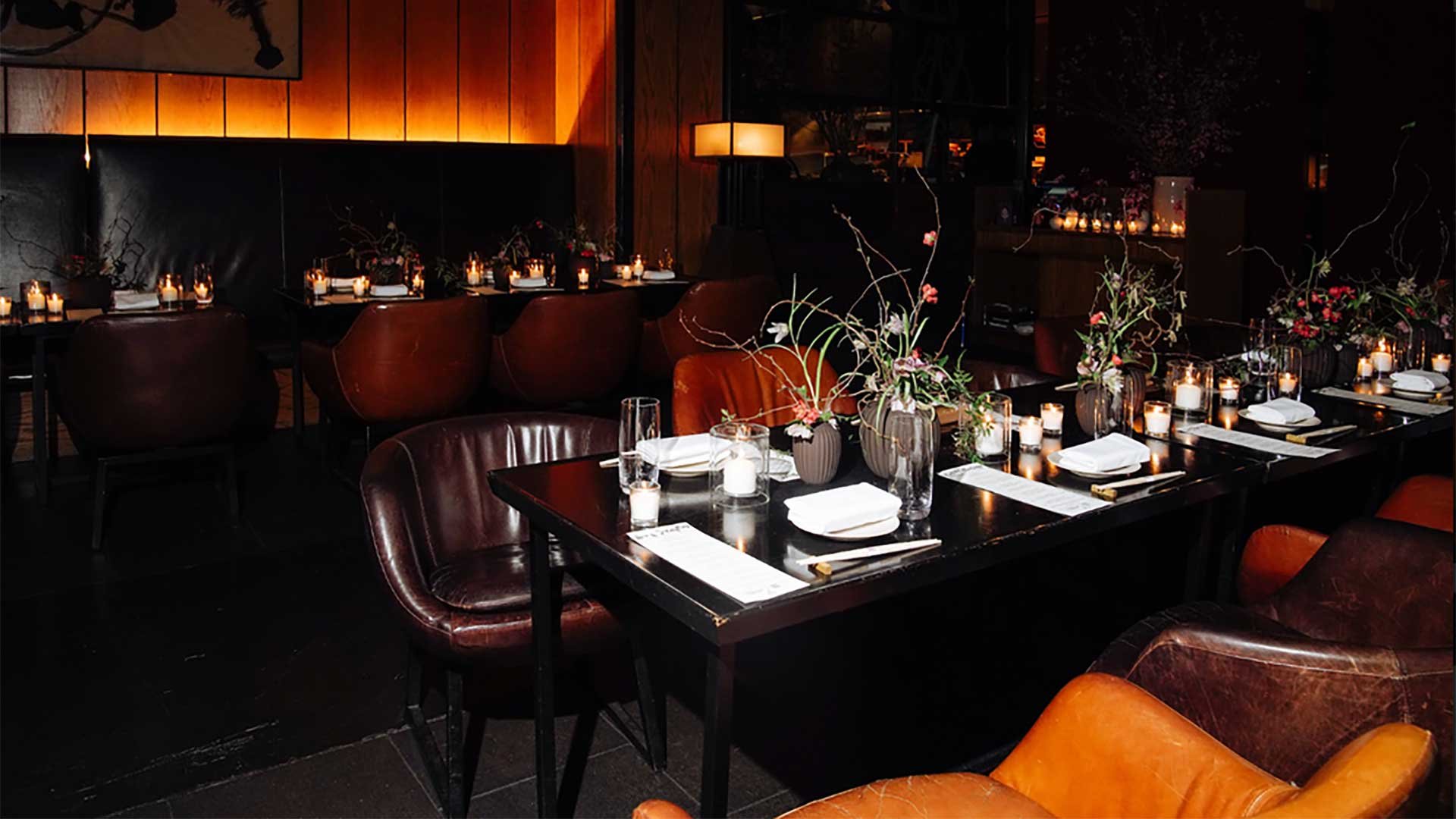
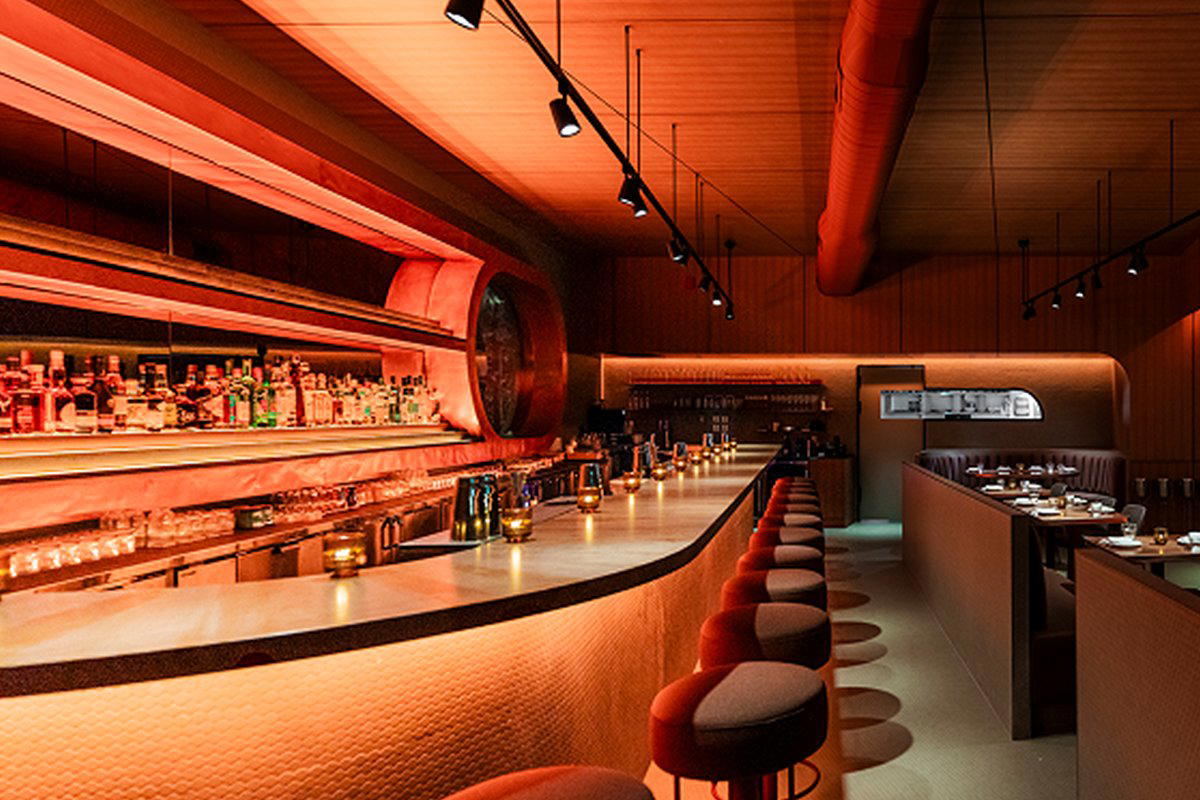
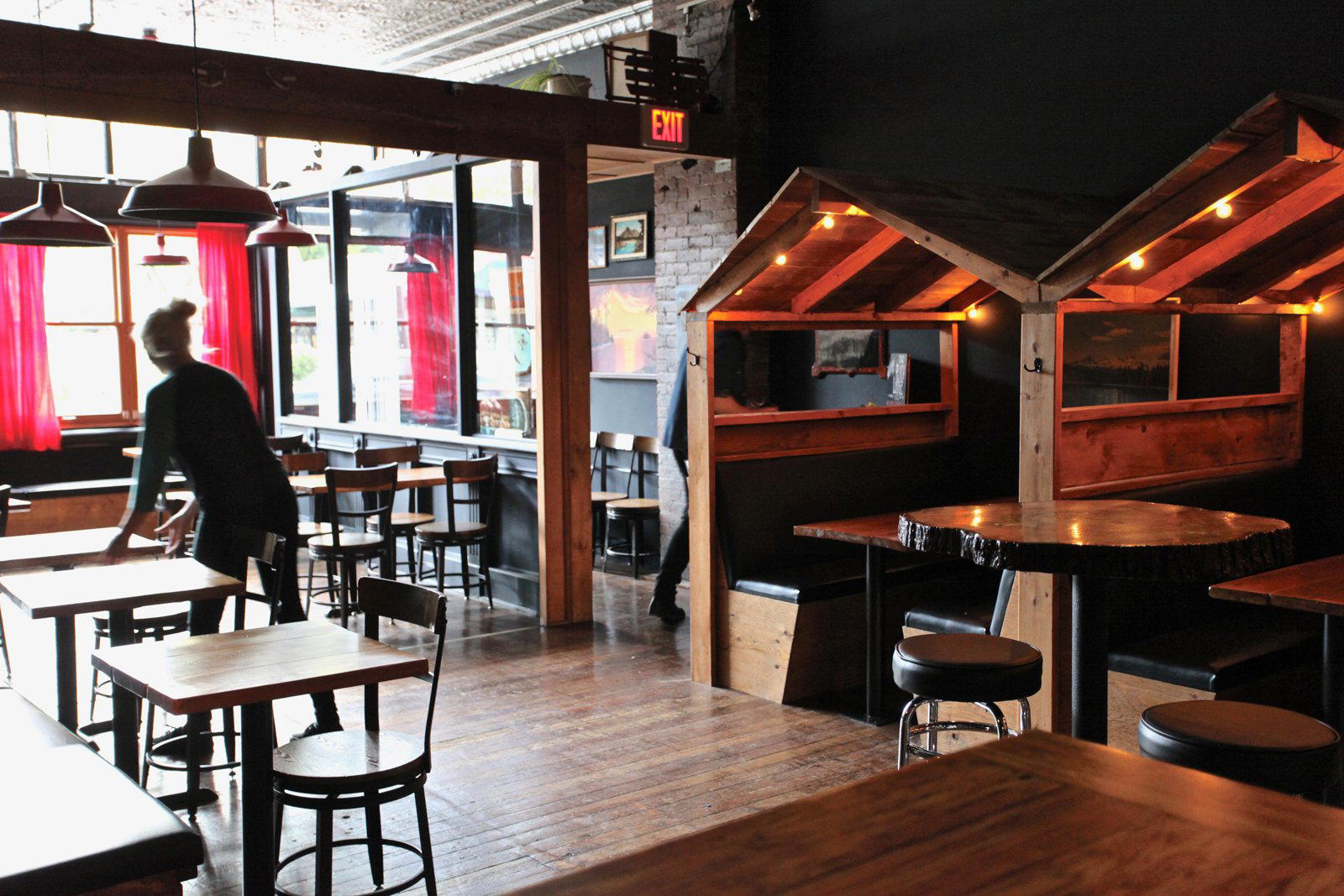
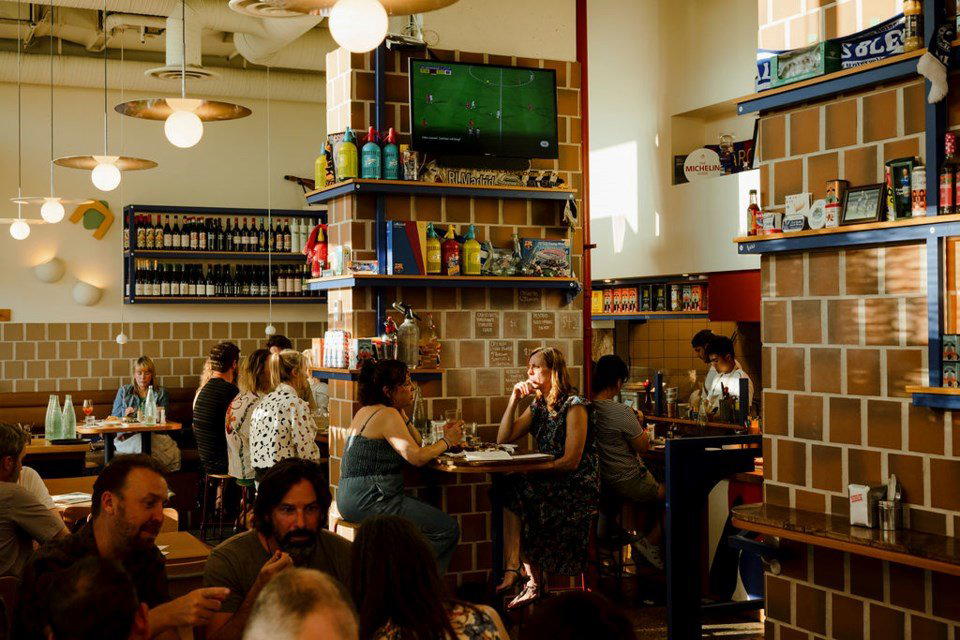
A fine-dining Japanese sushi setting described as fancy and inspired by Tokyo Ginza, integrating Japanese aesthetics with Vancouver nature.