Alewife
Alewife at 3120 E Marshall Street sits in Richmond's Church Hill corridor, a neighbourhood that has quietly redrawn the city's dining map over the past decade. The address alone signals intent: East End Richmond, away from the Fan's established restaurant row, in a district where the physical spaces tend to shape the conversation as much as the menus do.
Pearl is the En Primeur Club membership app — saves, bookings, and concierge access live there. Same editors, same standards.
- Address
- 3120 E Marshall St, Richmond, VA 23223
- Phone
- +18043253426
- Website
- alewiferva.com
- Directions
- Get directions
 Saves & bookings on Pearl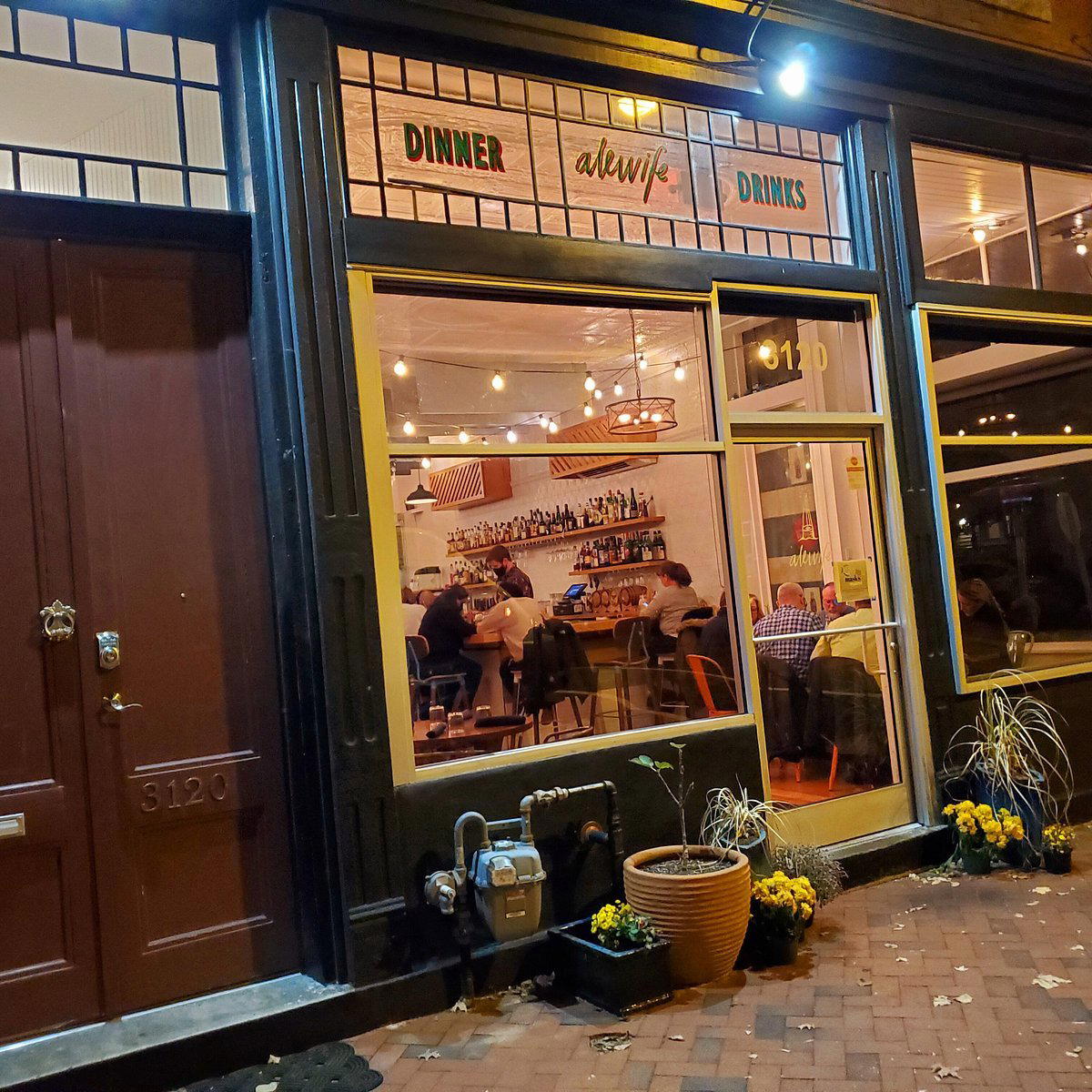
Church Hill and the Architecture of Eating
Richmond's dining geography has reorganised itself more than once in the past fifteen years. The Fan and Carytown held the centre for a long time, then Scott's Addition drew the bar and brewery crowd northward, and more recently Church Hill and the East End have pulled a different kind of operator: smaller, more deliberate, less interested in volume than in the particular quality of a room. Alewife is a restaurant serving Modern Mid-Atlantic Seafood in Richmond, Virginia, at 3120 E Marshall Street, and it belongs to that eastward shift. The address is not incidental. East Marshall Street in Church Hill sits inside a district of nineteenth-century brick rowhouses and rehabilitated industrial stock, where the bones of a building carry as much weight as what goes on the plate.
That physical context matters because the leading dining rooms in this tier of American restaurant culture, the mid-scale independents that sustain a city's culinary reputation between its white-tablecloth anchors, tend to be defined by how well the space frames the experience. Think about how Smyth in Chicago uses its below-grade room, or how Lazy Bear in San Francisco converted warehouse geometry into something theatrical. Richmond's Church Hill operators are working with different material, narrower Federal-era proportions, exposed brick, high ceilings where the original structure permits, and the constraint tends to produce rooms with a specific intimacy that larger, newer builds cannot replicate.
The Space as Argument
Alewife's location on E Marshall positions it within walking distance of Church Hill's small cluster of independent restaurants, a neighbourhood where the physical experience of arriving, the street, the facade, the threshold between outside and in, is part of what you are paying for. Richmond's Church Hill is not a neighbourhood that rewards inattention to detail. Buildings here have histories. Dining rooms carved out of them tend to carry that history in the masonry, the floorboards, the way natural light moves through windows that were not designed with restaurant sightlines in mind.
In the broader American dining conversation, spaces like this occupy a specific niche. They are not the grand-gesture rooms of Le Bernardin in New York City or The French Laundry in Napa, where architecture announces ambition before a single dish arrives. Nor are they the stripped-back counters of hyper-focused tasting formats. They sit in a middle register, historically rooted, neighbourhood-scaled, where the room's character does quiet work, building comfort and familiarity rather than spectacle. The dining rooms of Blue Hill at Stone Barns in Tarrytown or Single Thread Farm in Healdsburg demonstrate what happens when a physical setting is treated as an argument about how food should be consumed. Church Hill's leading operators are making a version of that same argument at a different scale and price register.
Richmond's East End and the Question of comparable venues
Placing Alewife within Richmond's competitive set requires understanding that the city now supports several distinct dining tiers. At the formal end, Lemaire Restaurant anchors the hotel-dining tradition inside the Jefferson Hotel. In the middle register where Alewife operates, the relevant comparisons are independent neighbourhood restaurants rather than destination fine-dining addresses. Locally, that conversation includes 8 ½ in The Fan, which represents the Fan's version of the earnest independent, and the cluster of operators that have opened in Scott's Addition and Church Hill over the past five years.
The East End specifically has attracted operators interested in spaces that predate the restaurant use, converted storefronts, former industrial units, rehabilitated residential ground floors. That architectural inheritance shapes what a room can and cannot do. Seating arrangements in these spaces tend toward the informal: smaller tables set closer together than a white-tablecloth room would permit, bar seating that faces the kitchen or the street, a general compression of space that encourages the kind of overheard conversation and ambient energy that define neighbourhood dining at its most coherent. Compared to the more polished formats at addresses like Addison in San Diego or Providence in Los Angeles, East End Richmond dining rooms trade formality for grain, the visible evidence of a building's previous lives.
What the Address Signals About Approach
Restaurants that choose Church Hill over more established Richmond dining corridors are making a statement about priorities. Lower rents allow for more considered programming. Smaller rooms permit kitchen-to-table distances that reward precision and personality over throughput. The neighbourhood's demographic mix, long-term residents alongside newer arrivals drawn by the housing stock and the dining, creates a different kind of room energy than the tourist-facing blocks of Shockoe Bottom or the destination-dining expectations of Carytown.
That pattern is not distinctive to Richmond. It maps onto how independent operators in cities from New Orleans, where Emeril's helped legitimise a whole district, to Washington, where The Inn at Little Washington operates in a context defined by deliberate remove from the city's core, have used geography as editorial statement. Church Hill is Richmond's version of that move: a neighbourhood that asks diners to be intentional about the journey, and rewards them with rooms that feel earned rather than manufactured.
For visitors covering Richmond's full dining range, the East End warrants dedicated time. The contrast with the city's other districts is instructive. Asian Pearl Seafood Restaurant represents a completely different register of the city's food culture, as does 4 Stones Vegetarian Cuisine, which operates in the plant-forward specialist niche that now exists in most mid-sized American cities. The breadth of what Richmond now offers, from the Chinese BBQ tradition at HK BBQ Master to the neighbourhood-independent tier that Alewife represents, is documented in our full Richmond restaurants guide.
Internationally framed, the hospitality intelligence that informs venues like Atomix in New York City or Atelier Moessmer Norbert Niederkofler in Brunico, the idea that the physical container is inseparable from the experience of the food, filters down through every tier of serious restaurant culture. Church Hill's operators, Alewife among them, are working in that tradition at neighbourhood scale.
Planning Your Visit
Alewife sits at 3120 E Marshall Street in Church Hill, reachable from central Richmond by a short drive east or via the neighbourhood's walkable grid if you are already in the area.
Cuisine and Credentials
Comparable venues nearby, for context on price, style, and recognition.
| Venue | Cuisine | Price | Notes |
|---|---|---|---|
| AlewifeThis venue — the venue you are viewing | Modern Mid-Atlantic Seafood | $$ | Not listed |
| Island Shrimp Co. Rocketts Landing | Tropical Seafood | $$ | Rocketts Landing |
| The Hard Shell | Seafood and Steakhouse | $$$ | Shockoe Slip |
| Kuba Kuba | Authentic Cuban | $$ | The Fan |
| The Boathouse at Rocketts Landing | Seafood & Steakhouse with Waterfront Views | $$$ | Rocketts Landing |
| The Dog Wagon Plus | American Hot Dogs | $$ | Arts District |
Continue exploring
More in Richmond
Restaurants in Richmond
Browse all →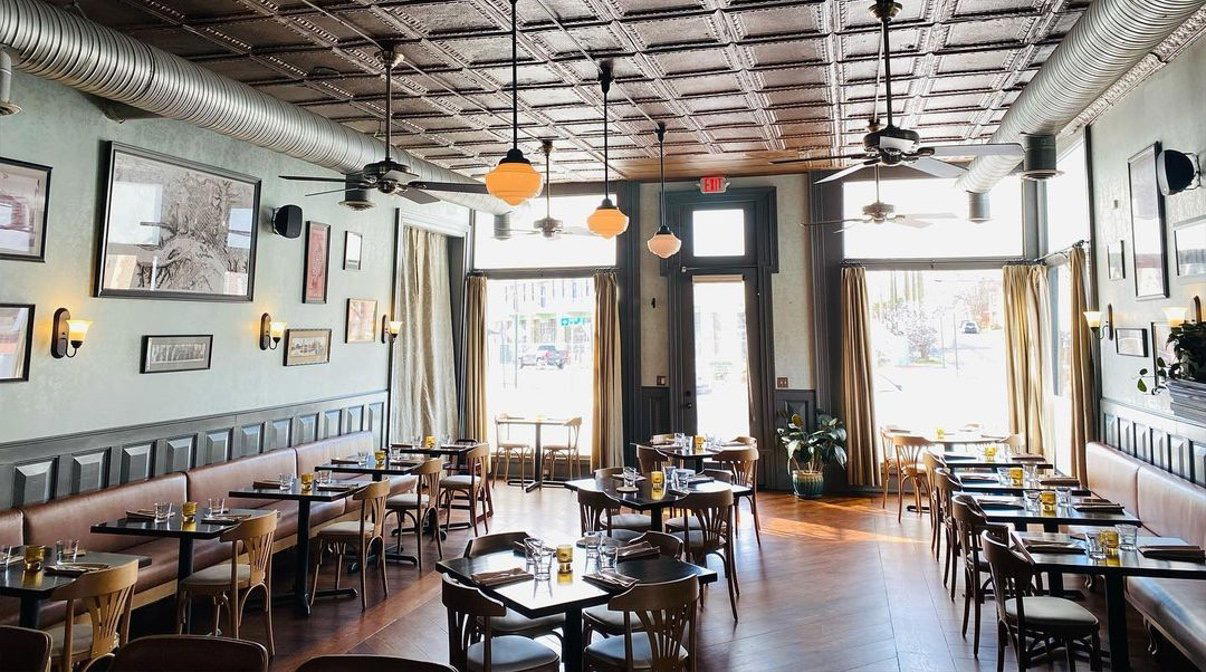
Bars in Richmond
Browse all →
Hotels in Richmond
Browse all →
Wineries in Richmond
Browse all →
At a Glance
- Modern
- Cozy
- Lively
- Sophisticated
- Date Night
- Special Occasion
- Brunch
- Open Kitchen
- Craft Cocktails
- Local Sourcing
- Sustainable Seafood
Current opening hours
- Monday
- 5–9:30 PM
- Tuesday
- 5–9:30 PM
- Wednesday
- 5–9:30 PM
- Thursday
- 5–9:30 PM
- Friday
- 5–9:30 PM
- Saturday
- 5–9:30 PM
- Sunday
- 10:30 AM–1:30 PM
Hours can change for holidays and private events. Last verified .
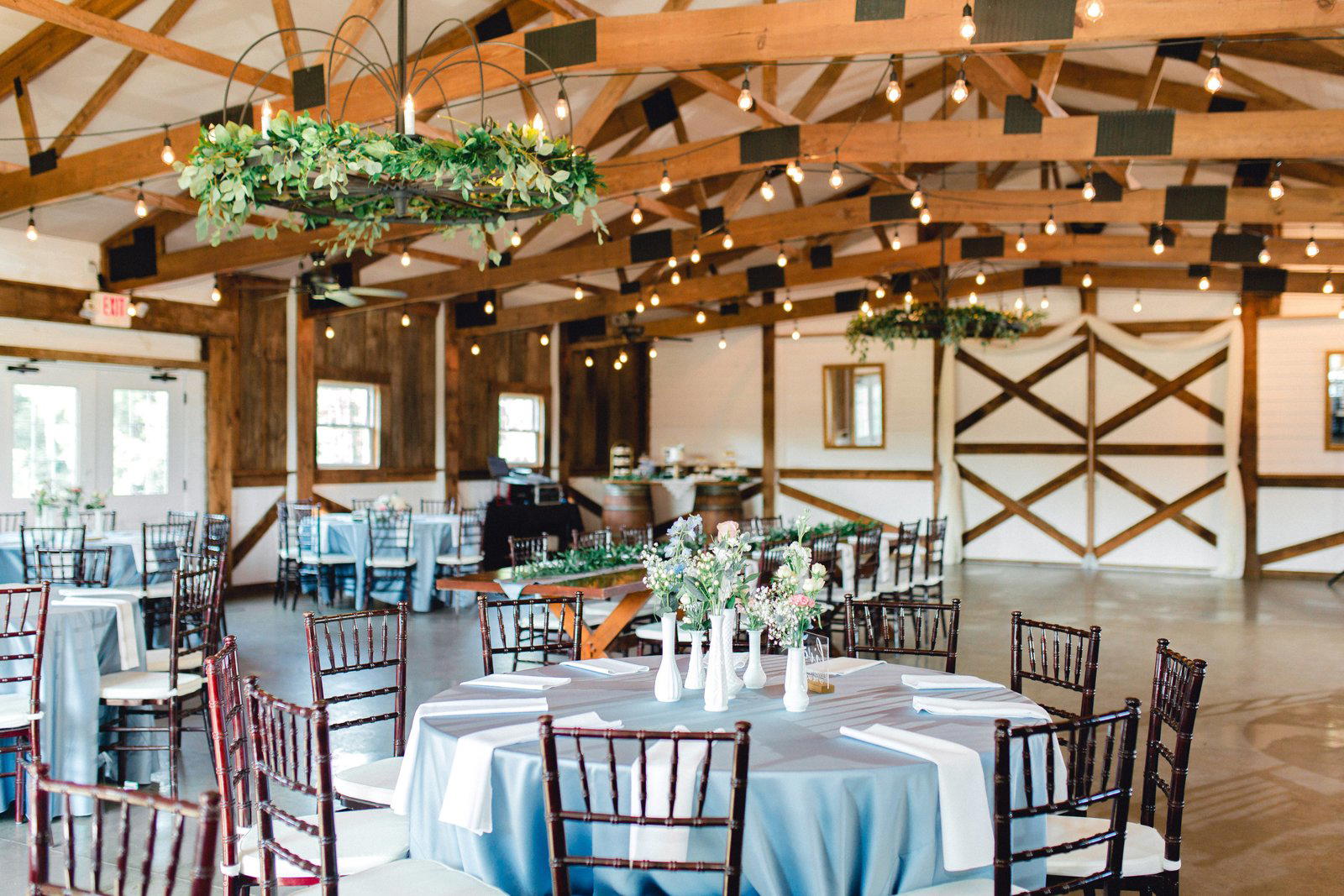
Cozy yet lively atmosphere with inviting and cool ambiance as described in guest reviews.