Taste of Zen sits on Steveston Highway in Richmond, BC, one of Canada's most concentrated corridors for Chinese regional cooking. The name signals a meditative restraint that contrasts with the louder, banquet-hall registers dominant elsewhere on the strip. For visitors working through Richmond's dining scene, it occupies a quieter, more considered position in a neighbourhood where the competition is serious.
Pearl is the En Primeur Club membership app — saves, bookings, and concierge access live there. Same editors, same standards.
- Address
- 9160 Steveston Hwy, Richmond, BC V7A 1M5, Canada
- Phone
- +1 604 274 2822
- Website
- buddhisttemple.ca
- Directions
- Get directions
 Saves & bookings on Pearl
Steveston Highway and the Weight of Richmond's Chinese Dining Scene
Richmond, British Columbia carries a culinary reputation that extends well beyond its size. The city's No. 3 Road corridor and the surrounding grid of strip malls house one of the densest concentrations of Chinese regional cooking outside mainland China and Hong Kong, a fact that shapes how every restaurant in the area positions itself, whether consciously or not. Taste of Zen, addressed at 9160 Steveston Hwy, sits at the quieter southern end of this ecosystem, where the banquet-hall volume drops and the dining register shifts toward something more subdued. The name itself is a signal: where many Richmond competitors lean into abundance and ceremony, this address implies a different register entirely.
That framing matters because Richmond does not reward generic positioning. The city's Chinese dining public is knowledgeable and exacting. Restaurants like 4 Stones Vegetarian Cuisine have staked out specific culinary identities within the broader Chinese tradition, and the street-level competitive pressure from establishments operating across Cantonese seafood, Hong Kong BBQ, and regional Chinese formats is constant. In a market that includes serious operators at every price tier, a name invoking stillness and restraint is either a genuine editorial statement about the food or a positioning risk. Richmond's dining public tends to adjudicate those claims quickly.
The Cultural Architecture of Chinese Vegetarian Cooking
Chinese Buddhist vegetarian cuisine, the tradition most closely associated with the "Zen" framing in restaurant naming, carries centuries of codified technique. Temple kitchens in Fujian, Jiangnan, and Guangdong developed sophisticated vegetable and tofu preparations that prioritised textural contrast and umami depth without relying on meat stocks. The tradition produced dishes where mock-meat constructions using gluten, tofu skin, and mushroom are not approximations of animal protein but distinct preparations with their own logic. That culinary heritage is distinct from Western vegetarian cooking in almost every structural respect: the flavour scaffolding, the use of preserved ingredients, the role of oil temperature in creating textural layering.
In the Vancouver metro area, that tradition has a modest but loyal following. Establishments operating in this register tend to serve a mixed clientele: practicing Buddhists observing dietary precepts, health-oriented diners, and a broader group drawn by the textural range that skilled vegetable cookery in the Chinese tradition can produce. The category sits apart from the dominant Cantonese seafood format, represented locally by operations like those you'd find reviewed alongside 2207 Macdonald and the broader Richmond seafood corridor, and speaks to a different set of priorities around both ethics and technique.
Where Taste of Zen Sits in Richmond's Competitive Map
Richmond's dining grid separates naturally into a few distinct tiers and formats. At one end, large-format Cantonese seafood operations serve multi-generational family groups in rooms that seat hundreds, with live tank seafood priced by the pound and dim sum service running from early morning. At another register, more specialist operations focus on specific regional styles, Shanghainese, Sichuanese, Hong Kong cha chaan teng formats, and serve a more targeted clientele. Chinese vegetarian cooking occupies a smaller tier within this system, one that draws comparisons less to the seafood banquet houses and more to operations like 4 Stones Vegetarian Cuisine, which has built a defined identity in the same register.
The Steveston Highway address places Taste of Zen at some remove from the highest-traffic dining clusters around Alexandra Road and No. 3 Road. That physical position tends to correlate with a more neighbourhood-oriented clientele and less walk-in traffic from dining visitors making a single-night sweep through Richmond's restaurant density. For readers building a Richmond itinerary, this is relevant logistical intelligence: the restaurant is worth a deliberate trip rather than a spontaneous addition to an evening already planned around the central corridor. Richmond is well served by public transit from Vancouver, and the Steveston Highway area is reachable, but it requires directional intent.
Reading the Richmond Scene Against Canada's Broader Chinese Dining Tier
Canada's Chinese restaurant scene has developed unevenly across cities. Toronto's Scarborough and Markham corridors parallel Richmond's density in some respects, and Montreal carries its own Cantonese legacy. But the Richmond concentration remains notable for the breadth of formats it sustains simultaneously, from casual Hong Kong-style BBQ operations like those competing with 8 ½ in The Fan in the casual dining tier, to more considered formats, to the kind of specialist positioning that Chinese Buddhist vegetarian cooking represents.
That breadth makes Richmond a useful reference point for understanding how Chinese culinary traditions migrate and adapt outside their origin cities. The Buddhist vegetarian tradition in particular tends to consolidate around communities with practicing populations and around restaurateurs willing to invest in the technique-intensive preparation the format requires. Where it thrives, it usually signals a dining public with enough depth and culinary literacy to sustain it, a condition Richmond clearly meets. Visitors who have tracked Canada's more celebrated fine dining addresses, from Alo in Toronto to Tanière³ in Quebec City, will find Richmond operating in an entirely different register, less about tasting-menu architecture and more about the depth of a living culinary community sustaining dozens of specialist formats simultaneously.
Planning a Visit
The restaurant is located at 9160 Steveston Hwy in Richmond, BC. The address is in a quieter section of the city compared to the denser restaurant clusters further north, and visitors travelling from central Vancouver should account for the additional distance when planning their evening. The restaurant is walk-in friendly and typically open Mon to Fri from 12:30 to 3 PM, with Saturday and Sunday lunch service extending to 3:30 PM.
A Quick Peer Check
Comparable venues nearby, for context on price, style, and recognition.
| Venue | Cuisine | Price | Notes |
|---|---|---|---|
| Taste of ZenThis venue — the venue you are viewing | Vegetarian Chinese Fusion | $$ | Not listed |
| Lakeside Grill | West Coast Canadian Grill | $$ | Richmond |
| 4 Stones Vegetarian Cuisine | Taiwanese Vegetarian | $$ | Richmond |
| HK BBQ Master | Cantonese BBQ | $$ | City Centre |
| Beijing Hot Pot Restaurant | Traditional Chinese Hot Pot | $$ | Richmond |
| Jamoneria by ARC | Authentic Spanish Tapas & Jamón Ibérico | $$ | industrial area |



At a Glance
- Cozy
- Quiet
- Elegant
- Serene
- Casual Hangout
- Solo
- Family
- Garden
- Historic Building
- Standalone
- Organic
- Garden
Current opening hours
- Monday
- 12:30–3 PM
- Tuesday
- 12:30–3 PM
- Wednesday
- 12:30–3 PM
- Thursday
- 12:30–3 PM
- Friday
- 12:30–3 PM
- Saturday
- 12–3:30 PM
- Sunday
- 12–3:30 PM
Hours can change for holidays and private events. Last verified .
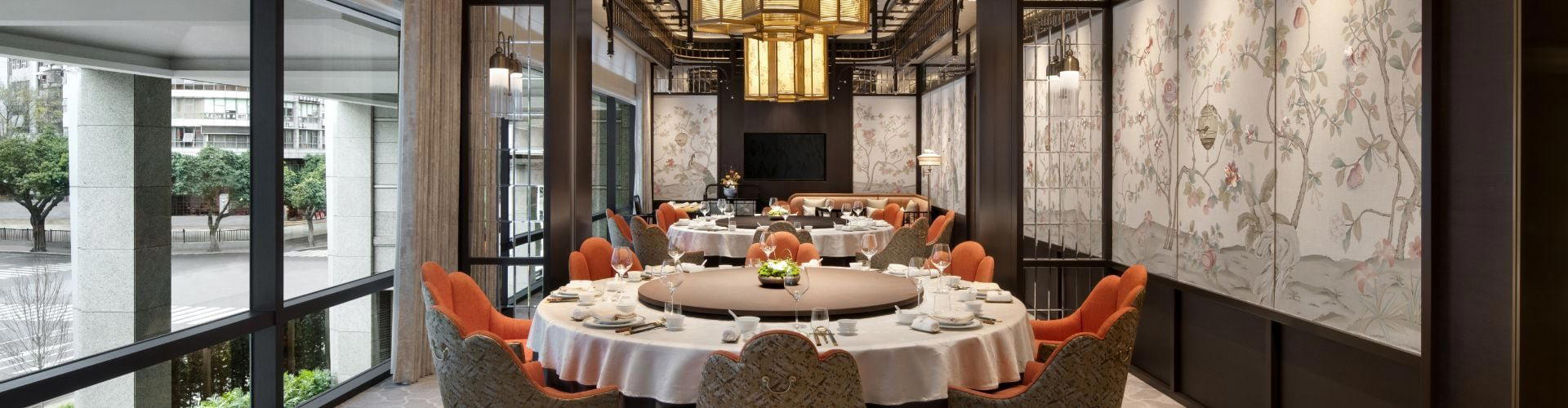
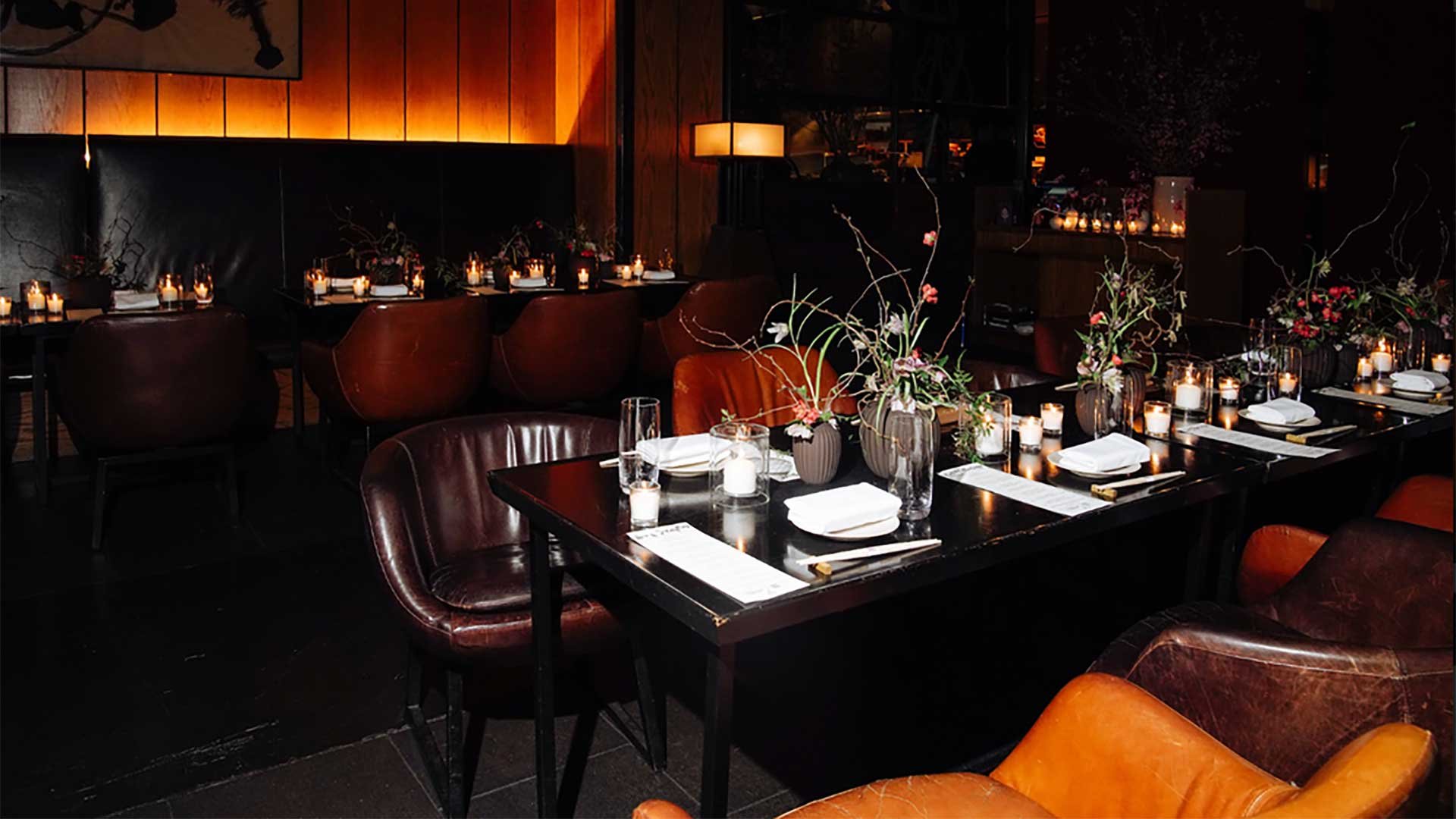
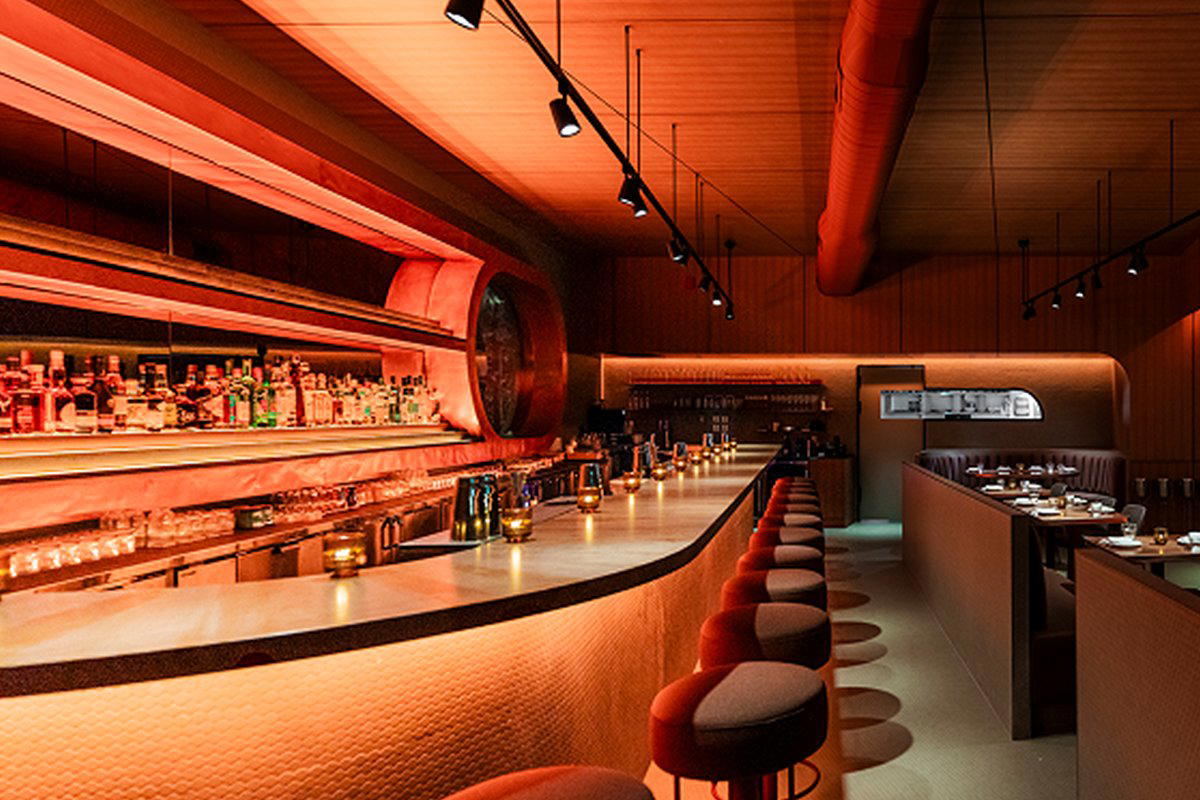
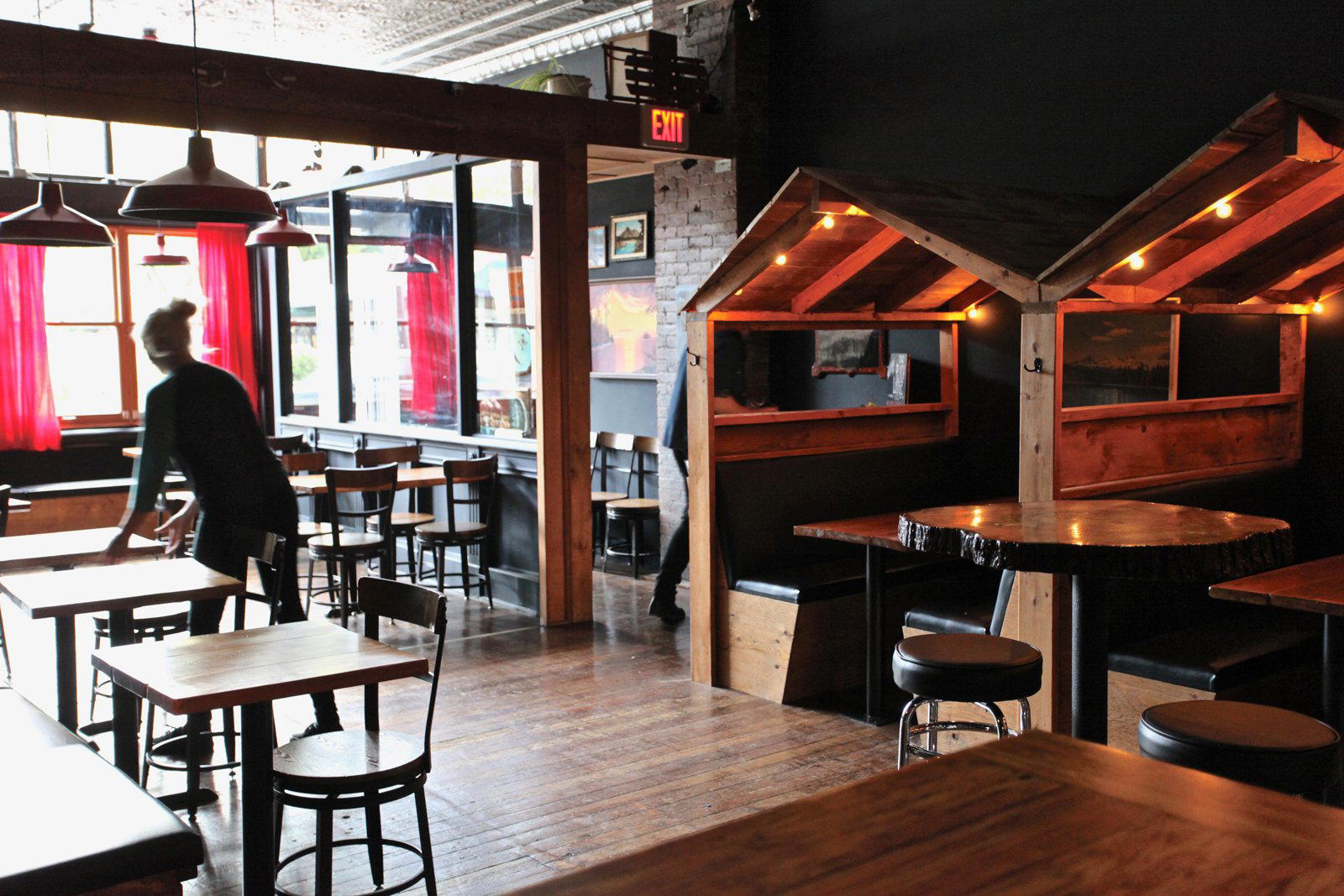
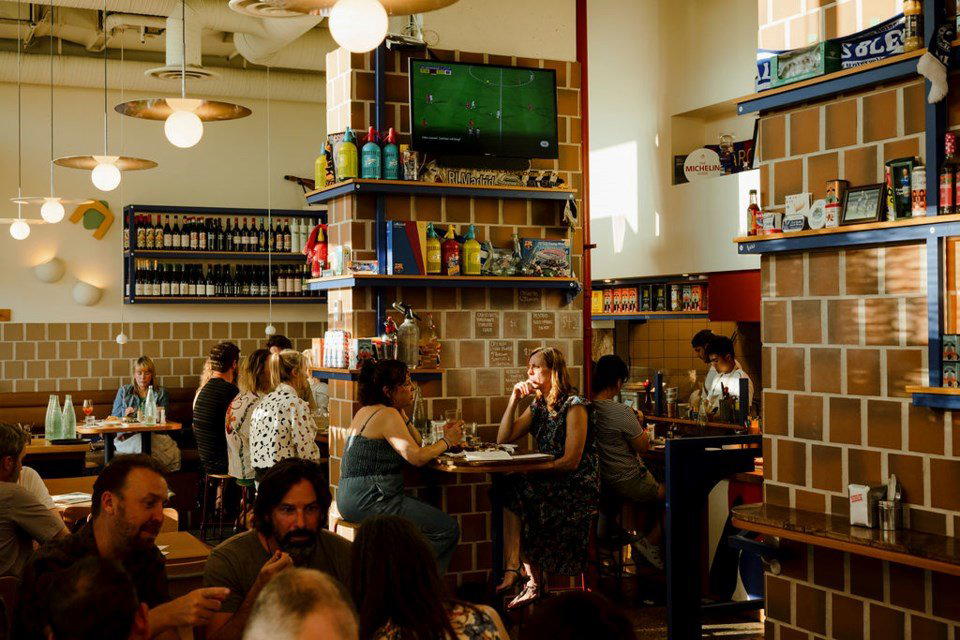
Cozy and natural setting with Buddhist-inspired décor, meditation elements, and serene temple surroundings that create a peaceful, welcoming atmosphere.