Kuroki Kaiseki Omakase Kitchen sits at the intersection of two serious Japanese dining formats, the structured progression of kaiseki and the chef-directed intimacy of omakase, in Richmond, BC, one of Canada's most concentrated hubs for Japanese and broader Asian culinary precision. The address on Chatham Street places it within a neighbourhood where seafood-forward cooking and multi-course formats have found a consistently engaged audience.
Pearl is the En Primeur Club membership app — saves, bookings, and concierge access live there. Same editors, same standards.
- Address
- 3880 Chatham St #110, Richmond, BC V7E 2Z5, Canada
- Phone
- +16046161323
- Directions
- Get directions
 Saves & bookings on Pearl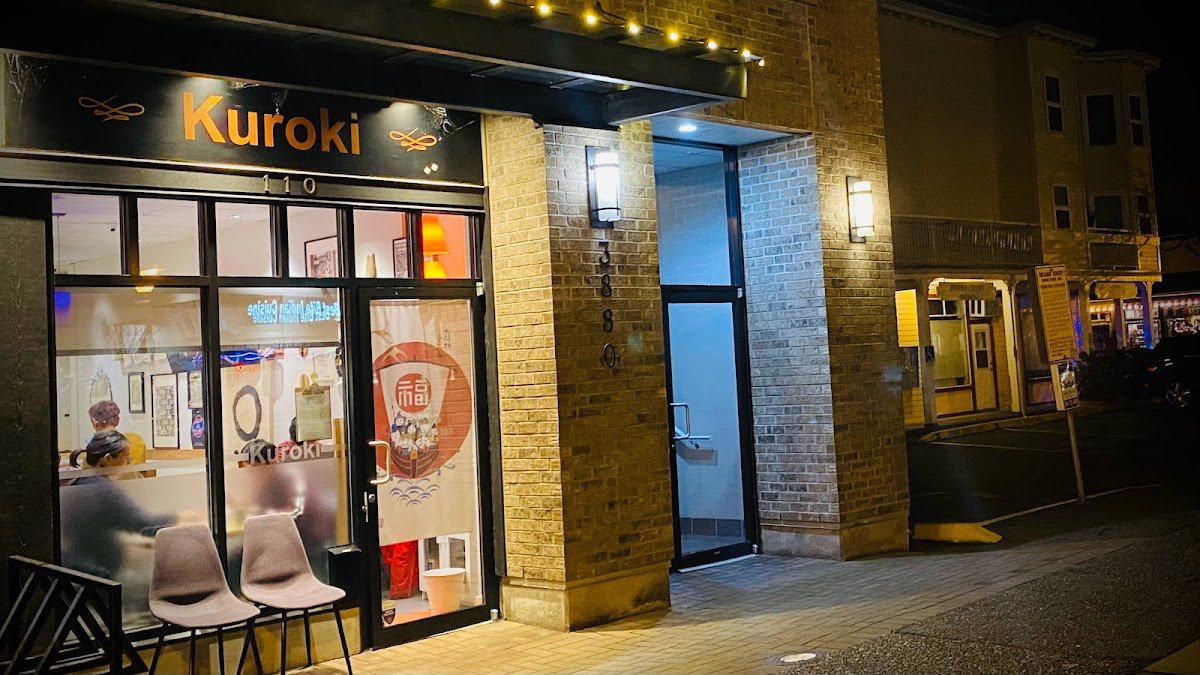
Where Richmond's Japanese Dining Tradition Gets Its Most Structured Expression
Kuroki Kaiseki Omakase Kitchen is a Japanese Kaiseki Omakase restaurant in Richmond, BC. Richmond, BC occupies a particular position in Canadian dining. The city's dense concentration of Chinese seafood houses, among them Asian Pearl Seafood Restaurant 顺峰漁村, alongside Thai specialists like Baan Lao and the broader range covered in our full Richmond restaurants guide reflects a dining culture built around shared-table abundance and multi-dish progression. Against that backdrop, the kaiseki-omakase format represents a deliberate counterpoint: one counter, one sequence, no deviation. Kuroki Kaiseki Omakase Kitchen operates inside that minority format, positioned on Chatham Street in a city that rarely defaults to the formal Japanese tasting tradition.
The kaiseki format itself carries centuries of precedent. Originating in Kyoto's temple cuisine and refined through the tea ceremony tradition, it organises a meal around seasonal ingredients arranged in a fixed sequence of small courses, from light appetisers through soup, grilled, simmered, and steamed preparations, to rice and dessert. The omakase overlay, in which the chef determines the evening's content rather than the guest selecting from a menu, is the contemporary delivery mechanism through which kaiseki principles reach modern diners. The combination is demanding on both sides of the counter: on the kitchen, because every course must function as part of an arc rather than a standalone dish; on the guest, because the format requires a degree of surrender that not every diner finds comfortable.
The Lunch and Dinner Divide in the Omakase Format
In cities with a mature omakase culture, Tokyo's Ginza counters, New York's current wave represented by venues like Atomix, the gap between lunch and dinner service has become among the more analytically useful ways to read a kitchen's priorities. Dinner typically carries the full sequence, the premium ingredients, and the highest price point. Lunch, where it exists, often functions as a shorter, more accessible version of the same kitchen's thinking, priced to draw a broader audience without compromising the sourcing standards that define the format at its upper tier.
This divide matters in Richmond specifically because the city's dining culture skews toward accessible price points and shared formats. A kaiseki kitchen that offers both a lunch and a dinner service is making two distinct arguments simultaneously: that the format deserves a serious evening commitment, and that there is a daytime audience willing to engage with structured Japanese progression outside the context of a special occasion. Venues that execute both services well tend to attract regulars at lunch before they graduate to the full dinner sequence, a pipeline that sustains occupancy across the week in a way that dinner-only counters cannot.
The mood distinction is equally significant. Evening kaiseki in Japan is ceremonial by design, pacing is slower, lighting is lower, and the absence of ambient noise is intentional. Lunch service at the same counter typically accepts a slightly compressed timeline without sacrificing the sequence, accommodating guests who work in the surrounding area or who are newer to the format. Whether Kuroki deploys this two-register approach is worth confirming directly before booking, since the service structure shapes the experience as materially as the food itself.
Richmond in the Canadian Omakase Context
Canada's most celebrated tasting-menu kitchens are concentrated in Toronto and Montreal. Alo in Toronto and Jérôme Ferrer - Europea in Montréal define the upper tier of French-inflected tasting formats, while Quebec City's Tanière³ has built a reputation on foraged, regionally specific progression. The Japanese omakase and kaiseki counter sits in a separate category, one where the comparison set is more likely to be Vancouver's AnnaLena or, internationally, Melbourne's Minamishima, which has set the standard for formal Japanese counter dining in the Southern Hemisphere.
What Richmond offers that central Vancouver does not is a supply-chain advantage. The city's proximity to the Pacific and its established network of Asian ingredient importers means that a kaiseki kitchen operating here has access to the kind of product, specific Japanese varietals, live seafood, premium dried goods, that a comparable operation further from the supply chain would struggle to source consistently. Precision formats depend on precision ingredients, and Richmond's infrastructure supports that dependency in ways that matter at the level of individual courses.
For context on how other serious formats perform outside Canada's major urban centres, Eigensinn Farm in Singhampton and The Pine in Creemore demonstrate that the appetite for structured, chef-directed dining extends well beyond Toronto's core. Richmond's own dining identity, anchored in the seafood tradition represented by venues like Asian Pearl, provides a similarly engaged local audience for high-specification Japanese formats.
How This Counter Sits Within Richmond's Broader Dining Scene
The Chatham Street address places Kuroki away from Richmond's central restaurant corridors, which concentrate along Alexandra Road and in the Aberdeen Centre precinct. That separation is common for omakase-format venues, which require low ambient noise, controlled pacing, and a guest base that has specifically sought out the experience rather than walked in from a busy street. It also means that the surrounding neighbourhood context differs from the high-density Asian dining strip that defines Richmond's international reputation.
Visitors building a Richmond itinerary around more than one meal will find that Kuroki operates in a different register from the other strong options nearby. The American-inflected cooking at 2207 Macdonald, the casual format at 8 ½ in The Fan, and the seafood-focused offering at Alewife all occupy different tonal ground. A kaiseki counter asks for time and attention in quantities that casual-dining Richmond does not typically demand, which makes it a distinct commitment rather than one meal among several.
For readers who want to understand how the kaiseki format performs at the summit of the international market before committing to a local booking, Le Bernardin in New York City offers a comparable degree of sequence-driven formality in a Western idiom, while Atomix in New York presents the Korean fine-dining progression that has become especially closely watched parallel to Japanese kaiseki in North American tasting-menu culture. The comparison is instructive: at that tier, the format is as important as any individual dish.
Planning Your Visit
Kuroki Kaiseki Omakase Kitchen is located at 3880 Chatham Street, Unit 110, Richmond, BC. Given the omakase format, reservations are the operative assumption, walk-in seating at counter-service kaiseki venues is structurally unusual, and advance booking should be confirmed through whatever channel the venue currently uses. The restaurant takes reservations by appointment only and serves dinner daily from 6:30 to 9:30 PM. Visitors arriving from central Vancouver should account for transit or parking logistics to the Chatham Street address, which sits outside the immediate SkyTrain catchment. Those combining the visit with broader Richmond exploration will find our full Richmond restaurants guide a practical reference for building the surrounding itinerary.
Cuisine Lens
Comparable venues nearby, for context on price, style, and recognition.
| Venue | Cuisine | Price | Notes |
|---|---|---|---|
| Kuroki Kaiseki Omakase Kitchen 黑木関西会席料理This venue — the venue you are viewing | Japanese Kaiseki Omakase | $$$$ | Not listed |
| Gordon Ramsay Steak Vancouver | Gordon Ramsay Steakhouse | $$$$ | River Rock Casino Resort |
| Sea Harbour Restaurant | Cantonese Dim Sum & Seafood | $$$ | Richmond |
| Globe@YVR | Pacific Northwest Seafood | $$$ | Vancouver International Airport |
| Little Karp | West Coast Fine Dining with Asian Influences | $$$ | Alexandra Road |
| House of Dawn Steakhouse | Asian Fusion Steakhouse | $$$$ | Ackroyd |
At a Glance
- Intimate
- Elegant
- Cozy
- Special Occasion
- Date Night
- Chefs Counter
- Sake Program
Current opening hours
- Monday
- 6:30–9:30 PM
- Tuesday
- 6:30–9:30 PM
- Wednesday
- 6:30–9:30 PM
- Thursday
- 6:30–9:30 PM
- Friday
- 6:30–9:30 PM
- Saturday
- 6:30–9:30 PM
- Sunday
- 6:30–9:30 PM
Hours can change for holidays and private events. Last verified .
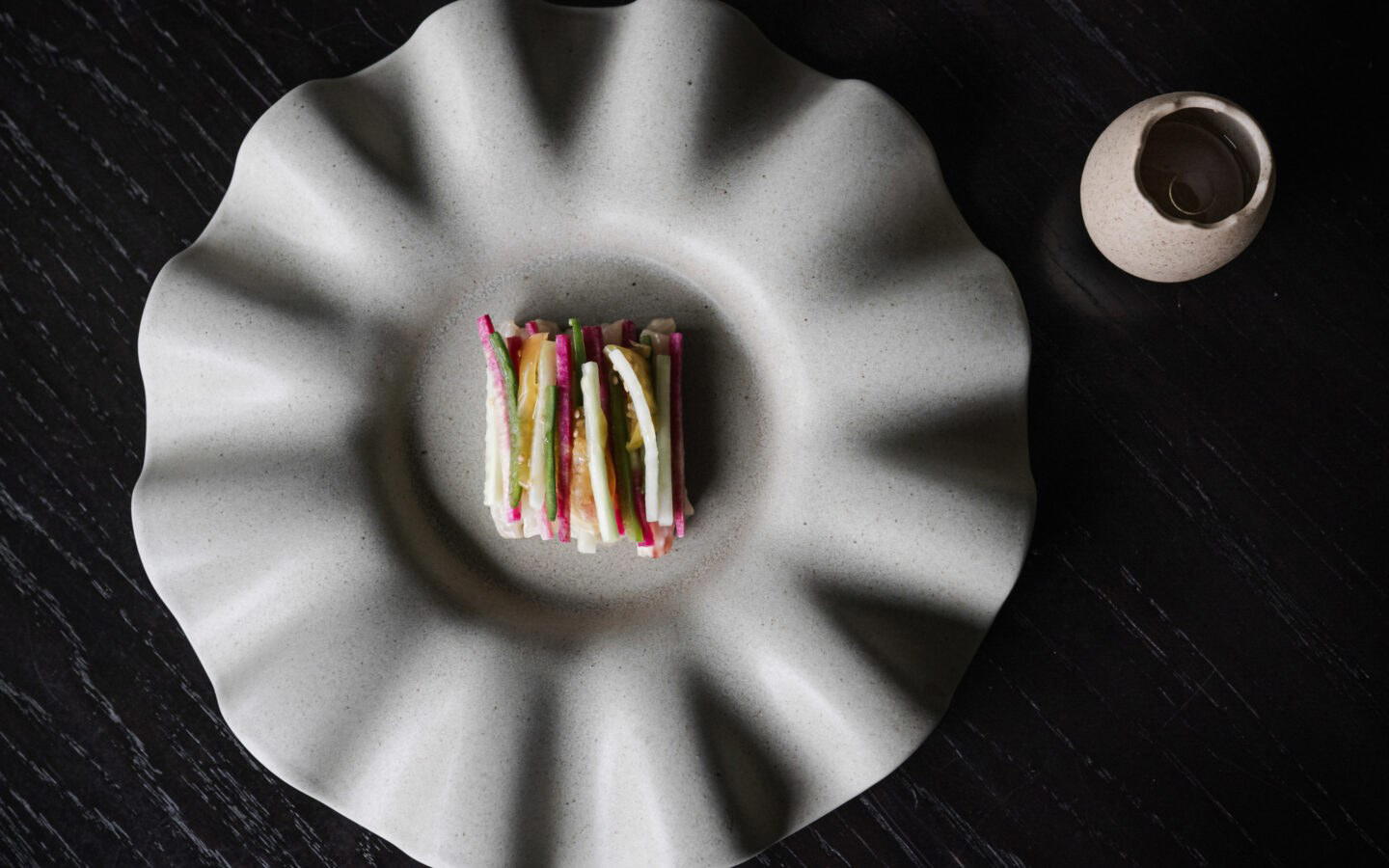
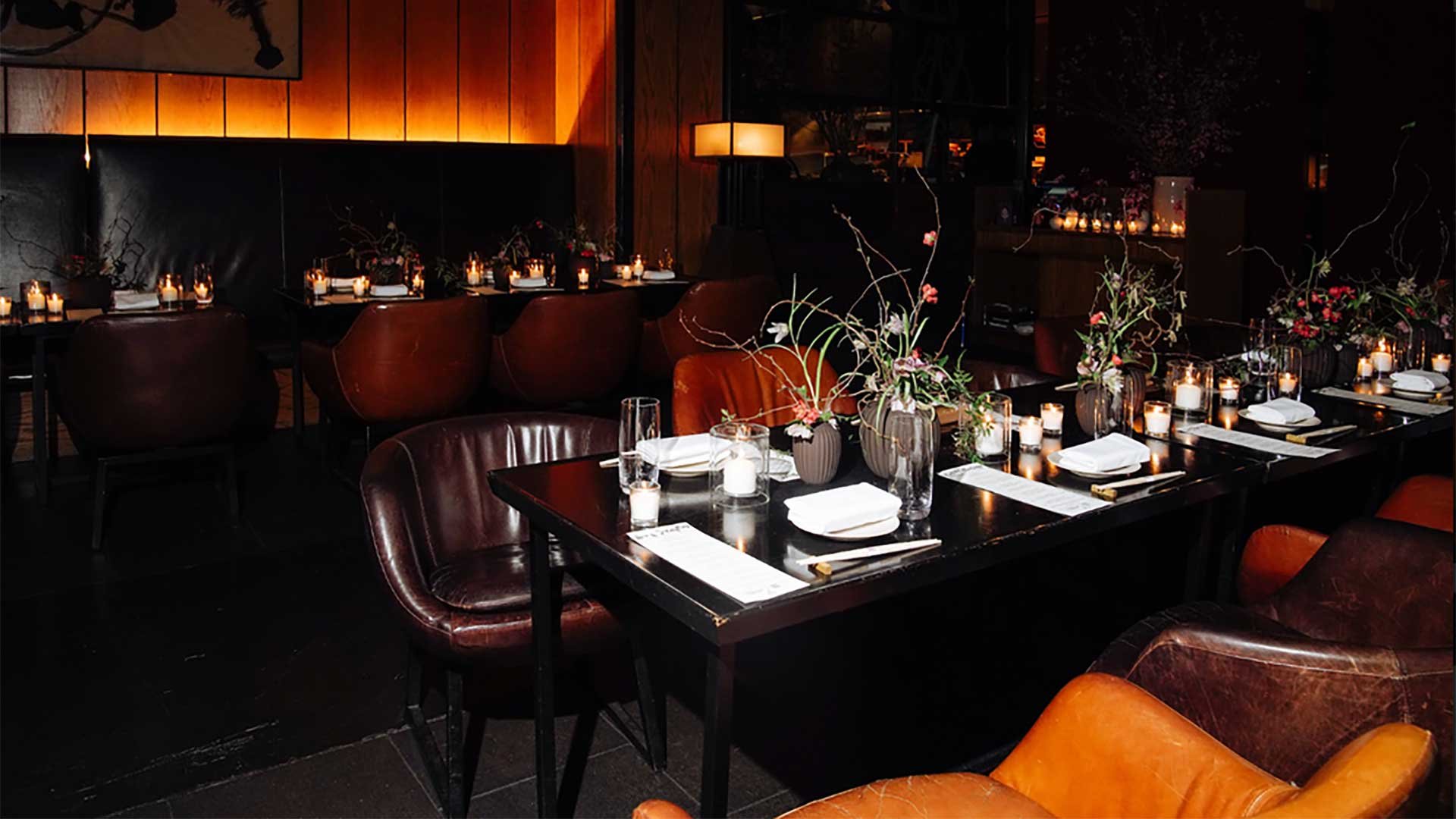
Cozy and intimate atmosphere with notable personal service from the chef and partner.