Central City BBQ
Central City BBQ sits at 1201 S Rampart Street in one of New Orleans' most historically layered neighborhoods, where the smokehouse tradition meets the city's deep well of Southern culinary influence. The menu reads as a deliberate argument about what barbecue means in a city that already has strong opinions about food. For visitors who have worked through the Creole and Cajun institutions, this is the next logical stop.
Pearl is the En Primeur Club membership app — saves, bookings, and concierge access live there. Same editors, same standards.
- Address
- 1201 S Rampart St, New Orleans, LA 70113
- Phone
- +15045584276
- Website
- centralcitybbq.com
- Directions
- Get directions
 Saves & bookings on Pearl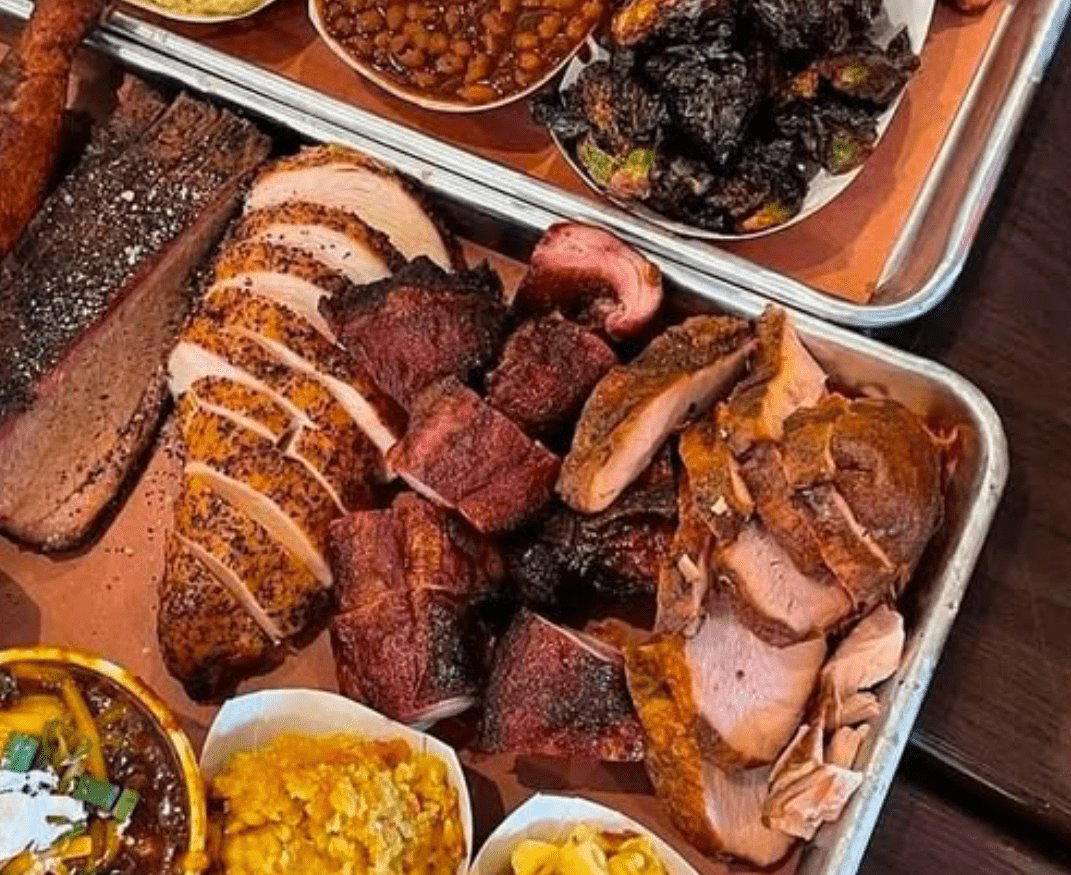
Smoke and Structure on South Rampart
South Rampart Street runs through Central City with the kind of purposeful grit that defines neighborhoods still mid-conversation with gentrification. The blocks around 1201 sit close enough to the downtown corridor to be accessible, far enough from the French Quarter to feel genuinely local. Arriving here, you are not walking into a tourist-facing operation dressed up in neon and souvenir menus. The physical environment announces itself plainly: this is a working smokehouse in a working neighborhood, and the smoke that reaches you before you reach the door is doing the work.
In a city where dining identity is almost entirely organized around Creole and Cajun traditions, a serious barbecue operation occupies an interesting position. New Orleans has always absorbed Southern influences without fully surrendering its own culinary grammar, and a smokehouse on this block inherits that tension by default. The question any such venue has to answer is whether it leans into local idiom, imports a Texas or Tennessee framework wholesale, or finds something in between. Menu architecture, in this context, is not just an organizational choice. It is a statement of culinary allegiance.
What the Menu Structure Tells You
The way a barbecue menu is built reveals almost everything about the kitchen's priorities. At one disciplined end of the American smokehouse spectrum, you find operations that organize around a single protein treated with near-religious consistency, with sides playing a supporting but non-negotiable role. At the more expansive end, menus sprawl across proteins, regional styles, and crossover dishes that make the central argument harder to hear.
Central City BBQ's address in New Orleans gives it access to a larder and a set of flavor references that a barbecue counter in Memphis or Austin simply does not have. The proximity to Gulf seafood, the city's entrenched culture of bold seasoning, and the local appetite for food that functions as both comfort and celebration all press on any kitchen operating in this zip code. A menu that ignores those pressures misses the point of being here. One that integrates them intelligently earns a different kind of attention from the city's regulars.
This is where the comparison with the city's white-tablecloth institutions becomes useful rather than competitive. When Emeril's built its Cajun identity in New Orleans, it did so by treating Louisiana's ingredient traditions as a fine-dining scaffold. When Bayona arrived in the French Quarter as a New American proposition, it navigated the same local ingredient logic from a different angle. A smokehouse at this address is making similar decisions, just through the lens of fire and smoke rather than roux and reduction.
New Orleans Barbecue in Its Competitive Context
American barbecue has fractured into a recognizable tier system over the past decade. At the leading, a small number of destination operations attract the kind of pilgrim traffic once reserved for tasting-menu restaurants. Below that sits a larger cohort of serious regional practitioners who command local loyalty and, increasingly, national press. The bottom of the market is volume-driven and largely undifferentiated. Where a given venue lands in that structure depends on execution consistency, sourcing discipline, and whether the sides and supporting menu are treated as seriously as the primary proteins.
New Orleans as a dining city has strong representation across contemporary American formats. Saint-Germain operates at the fine-dining tier with a Contemporary menu priced accordingly. Zasu and Re Santi e Leoni fill parts of the contemporary middle. What the city has historically lacked is a smokehouse operation treated with the same editorial seriousness as its Creole institutions.
For context on how seriously the national conversation takes American regional cooking at its leading, consider the kind of precision that defines operations like Lazy Bear in San Francisco or Smyth in Chicago, where menu architecture is itself treated as editorial content. The ambition is different in register but not in intent. A smokehouse that thinks carefully about how its menu is organized, what proteins anchor each section, and how Louisiana's pantry inflects the supporting dishes is making the same kind of argument at a different price point.
The Neighborhood as Context
Central City has historically been underrepresented in the guided eating itineraries that funnel visitors from the Garden District to the French Quarter and back. That routing oversight works in the neighborhood's favor for anyone who takes the detour. The blocks around South Rampart carry a cultural density that the more touristed corridors have largely traded away. Eating here is not an act of discovery so much as an act of attention, the kind that rewards visitors who have already worked through the obvious stops.
For those building a multi-day itinerary around New Orleans dining, the logical sequence places the Creole institutions and fine-dining options first, then uses the smokehouse register as a counterpoint. Our full New Orleans restaurants guide maps this sequence across the city's neighborhoods with enough specificity to plan by district rather than by category alone.
Elsewhere in the American dining conversation, venue geography has become increasingly central to how operations define themselves. Blue Hill at Stone Barns in Tarrytown made its address into its primary culinary argument. Single Thread Farm in Healdsburg built its menu around the specific agricultural output of its immediate region. A Central City smokehouse does not operate at those price points or with that level of curatorial control, but the underlying logic, that where you are should determine what you serve and how, applies across every register of serious cooking.
Know Before You Go
Quick Comparison
Comparable venues nearby, for context on price, style, and recognition.
| Venue | Cuisine | Price | Notes |
|---|---|---|---|
| Central City BBQThis venue — the venue you are viewing | New Orleans-Style Wood-Smoked BBQ | $$ | Not listed |
| Rosie's On The Roof | American Small Plates & Bar Bites | $$ | Arts District |
| Green Goddess | Modern New Orleans Eclectic | $$ | French Quarter |
| Cafe Maspero | Cajun & Creole Cafe | $$ | French Quarter |
| New Orleans Hamburger & Seafood Co | New Orleans Cajun Seafood & Burgers | $$ | Milan |
| NOCHI | New Orleans-Inspired Student-Led Dining | $$ | Arts District |
Continue exploring
More in New Orleans
Restaurants in New Orleans
Browse all →
Bars in New Orleans
Browse all →
At a Glance
- Lively
- Rustic
- Energetic
- Group Dining
- Casual Hangout
- Celebration
- Live Music
- Courtyard
- Beer Program
Current opening hours
- Monday
- 11 AM–7 PM
- Tuesday
- 11 AM–7 PM
- Wednesday
- 11 AM–7 PM
- Thursday
- 11 AM–9 PM
- Friday
- 11 AM–9 PM
- Saturday
- 11 AM–9 PM
- Sunday
- 11 AM–9 PM
Hours can change for holidays and private events. Last verified .
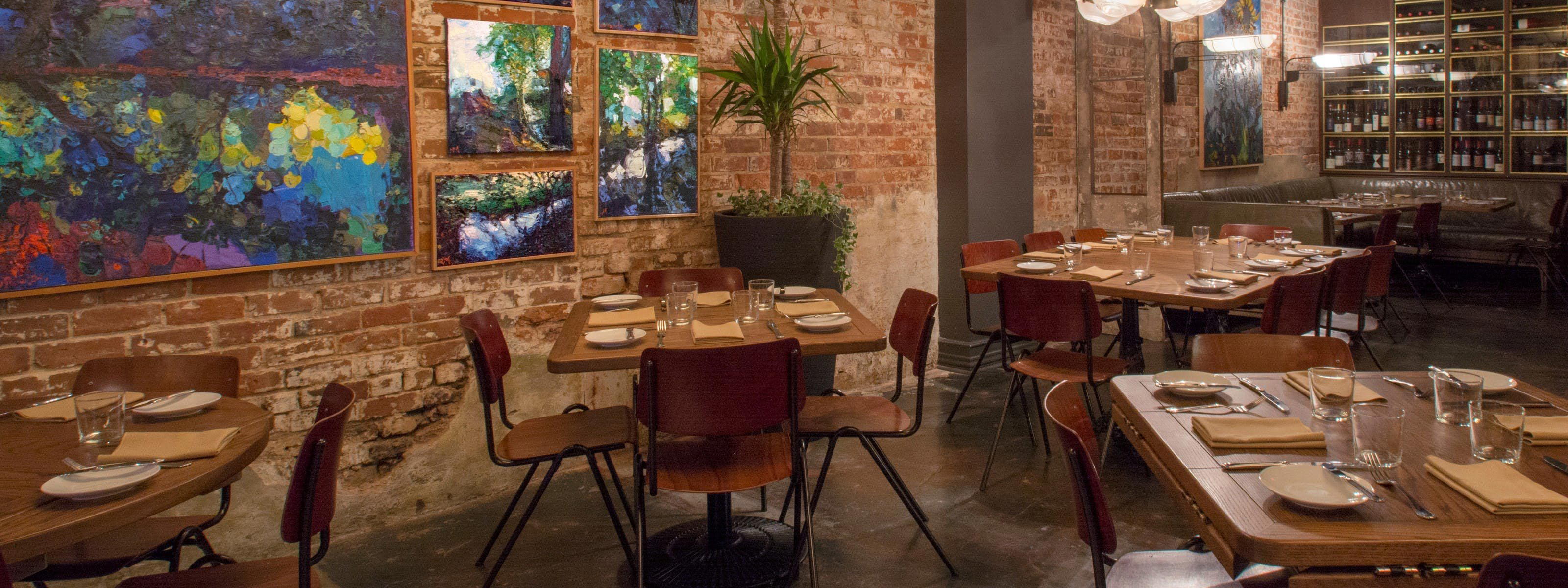
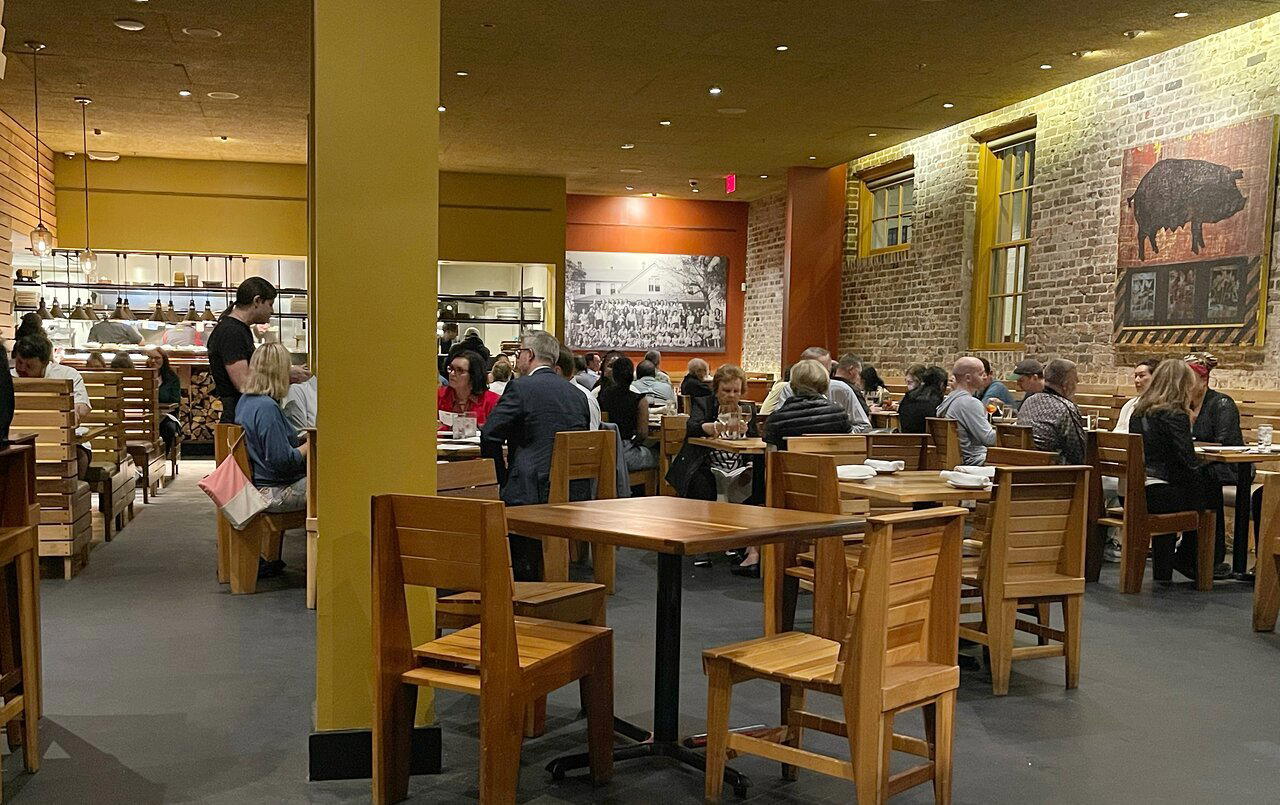
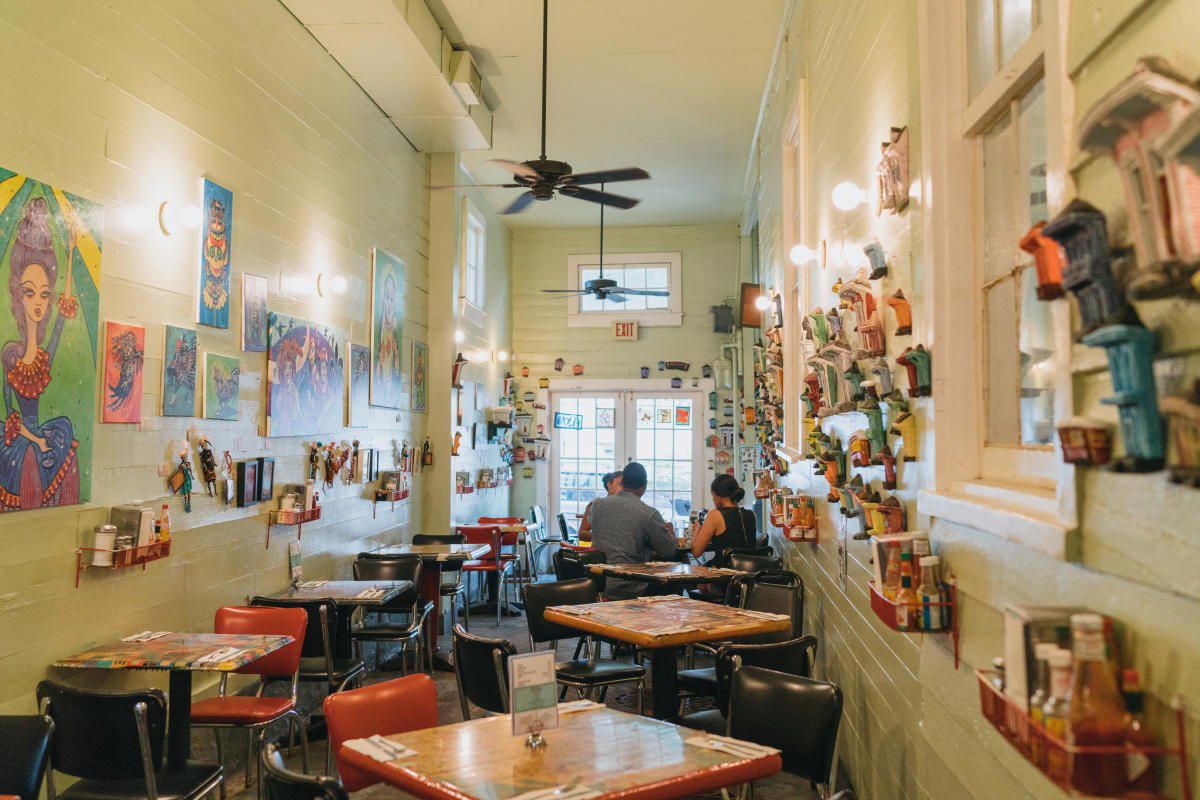
Casual, communal Southern barbecue atmosphere with outdoor decks and yard for hanging out amid smoky flavors.