Gumbo Shop
A French Quarter institution on St. Peter Street, the Gumbo Shop has anchored New Orleans' Creole cooking tradition for decades, drawing locals and visitors alike with a focused menu rooted in the city's deep pantry. It occupies the mid-tier of the Quarter's dining scene, where classic technique and accessible pricing coexist without ceremony. For anyone mapping the city's culinary geography, this is a useful reference point.
Pearl is the En Primeur Club membership app — saves, bookings, and concierge access live there. Same editors, same standards.
- Address
- 630 St Peter, New Orleans, LA 70116
- Phone
- +15045251486
- Website
- gumboshop.com
- Directions
- Get directions
 Saves & bookings on Pearl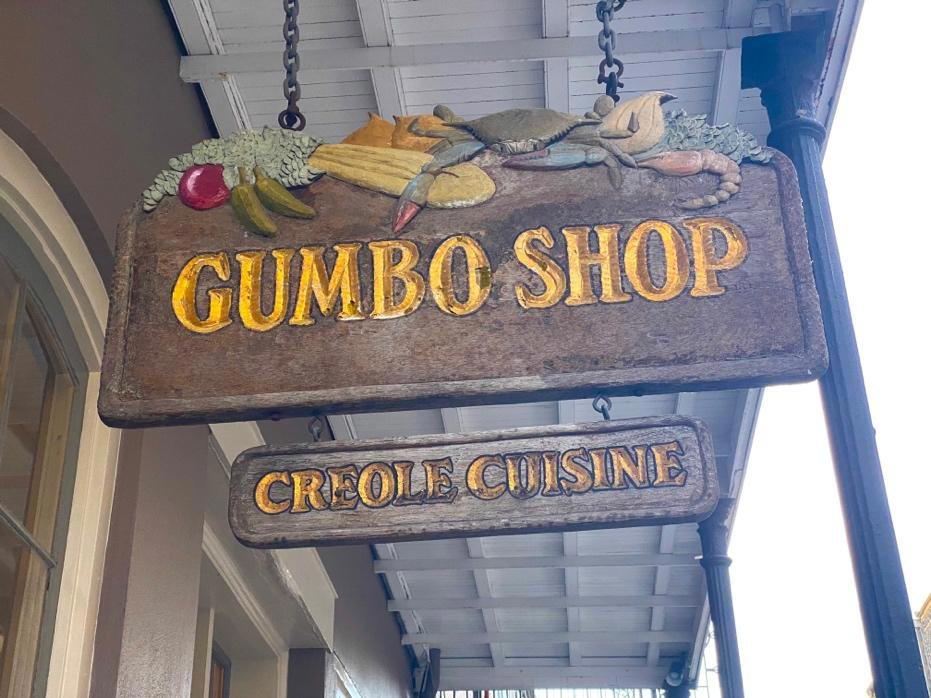
St. Peter Street and the Weight of a Pot
There is a particular quality to entering an old French Quarter dining room in the middle of the afternoon: the wood absorbs the heat, ceiling fans make slow revolutions, and the smell arrives before the menu does. At 630 St. Peter Street, that smell is unmistakably a roux at work, the foundation of nearly everything that matters in Louisiana cooking. The Gumbo Shop occupies a building worn smooth by decades of the same transaction, serving Authentic Creole food at a casual, walk-in-friendly lunch and dinner spot rather than novelty.
The French Quarter's dining scene has fractured considerably in recent years. At one end, high-concept rooms like Saint-Germain and Re Santi e Leoni push contemporary techniques into locally sourced ingredients. At the other, tourist-volume operations churn through Bourbon Street foot traffic with little concern for craft. The Gumbo Shop has long occupied neither of those poles, functioning instead as a working record of what New Orleans actually ate before the city became a destination category unto itself.
The Sourcing Logic Behind Louisiana Gumbo
Gumbo is not a single dish. It is a classification system, and what goes into the pot is determined by season, geography, and proximity to water. The Creole version typical of New Orleans draws heavily on the city's position at the mouth of the Mississippi delta: Gulf shrimp, blue crab, oysters from the shallow waters off Louisiana's coast, and andouille sausage produced in communities west of the city along the River Road. These are not interchangeable ingredients swapped in from a broadline distributor. The Gulf's warm, shallow waters produce shellfish with a salinity and sweetness that differs measurably from Atlantic or Pacific equivalents, and that difference is load-bearing in a Creole gumbo.
File powder, ground from dried sassafras leaves, thickens the pot in one tradition; okra, brought into Louisiana cooking through West African culinary lineage, does the work in another. Both are traceable to specific agricultural and cultural histories in this region, and a kitchen that understands the difference between them is making a statement about where its ingredients belong. New Orleans' leading Creole rooms, from Bayona in the Quarter to Commander's Palace in the Garden District, treat this sourcing logic as a given. The Gumbo Shop operates inside the same framework at a more accessible price register.
This sourcing specificity matters because Creole cuisine is among the more geographically bounded in the United States. Unlike the farm-to-table format that has become a marketing convention across American restaurants from Blue Hill at Stone Barns in Tarrytown to Single Thread Farm in Healdsburg, local sourcing in Louisiana cooking is not a positioning choice. It is how the recipes were originally constructed, because the ingredients existed in this place before the cuisine did.
What the Menu Is Actually Saying
A focused gumbo menu communicates something specific: that the kitchen is not trying to be everything. Chicken and andouille in a dark roux; seafood with okra; a Creole courtbouillon built on Gulf fish and tomato. These are not exercises in creativity, and they are not meant to be. They are accuracy tests, the equivalent of a Parisian bistro that rises or falls on its steak tartare and roast chicken. The question is not whether the dish is inventive, but whether the roux is carried far enough to develop its characteristic nutty depth without scorching, and whether the seasoning has been built in layers across the cooking process rather than added at the finish.
Red beans and rice, served on Mondays in New Orleans by tradition dating to the days when Monday was laundry day and a pot of beans could cook unattended, appears on menus across the city. Its presence here is not incidental. It is a scheduling artifact turned culinary institution, and the quality of the version on offer says something about a kitchen's relationship to its own tradition.
For anyone who has tracked American fine dining across rooms like Le Bernardin in New York, Alinea in Chicago, or The French Laundry in Napa, the restaurant operates at a fundamentally different register, and that difference is the point. New Orleans' culinary identity does not depend on Michelin validation in the way that Providence in Los Angeles or Addison in San Diego do. The city has its own evaluation criteria, rooted in memory, repetition, and the specific weight of a bowl of gumbo that tastes the way it is supposed to.
The French Quarter Context
The blocks between Bourbon and Royal, and the quieter stretches toward Rampart, contain a range of operations that run from genuinely serious to purely transactional. St. Peter Street sits in the residential-adjacent part of the Quarter, away from the densest tourist corridors, which affects both the pacing of service and the composition of the room on any given evening. This is the same geography that places institutions like Emeril's and the more contemporary arrivals tracked in our full New Orleans restaurants guide across a walkable grid, making the Quarter a plausible base for structured eating across multiple registers in a single trip.
New Orleans operates on a different dinner timeline than most American cities. Lunch is taken seriously here, tables fill before 6 p.m. and the kitchen's relationship to the afternoon is more European than the rest of the country. A bowl of gumbo at 1 p.m. in a room with shuttered windows and ambient street noise is not a lesser version of the experience than dinner service; it may be the more appropriate one.
The Inn at Little Washington or 8½ Otto e Mezzo Bombana represent reference points for maximalist fine dining; New Orleans' mid-register Creole rooms represent something architecturally different, where the cooking's authority comes from accumulated practice rather than tasting-menu construction.
Planning Your Visit
Lunch service is worth prioritizing over prime dinner hours, both for pacing and for table availability.
At-a-Glance Comparison
Comparable venues nearby, for context on price, style, and recognition.
| Venue | Cuisine | Price | Notes |
|---|---|---|---|
| Gumbo ShopThis venue — the venue you are viewing | Authentic Creole | $$ | Not listed |
| Cafe Conmigo | Cuban Bakery Cafe | $$ | Freret |
| Spicy Mango | Caribbean-Creole Fusion | $$ | Marigny |
| The Rum House | Caribbean-Inspired Tacos | $$ | Garden District |
| K Pauls | Dining | Not listed | French Quarter |
Continue exploring
More in New Orleans
Restaurants in New Orleans
Browse all →
Bars in New Orleans
Browse all →

At a Glance
- Classic
- Rustic
- Well Known
- Casual Hangout
- Family
- Group Dining
- Historic Building
- Street Scene
Current opening hours
- Monday
- 11 AM–9 PM
- Tuesday
- 11 AM–9 PM
- Wednesday
- 11 AM–9 PM
- Thursday
- 11 AM–10 PM
- Friday
- 11 AM–10 PM
- Saturday
- 11 AM–10 PM
- Sunday
- 11 AM–10 PM
Hours can change for holidays and private events. Last verified .
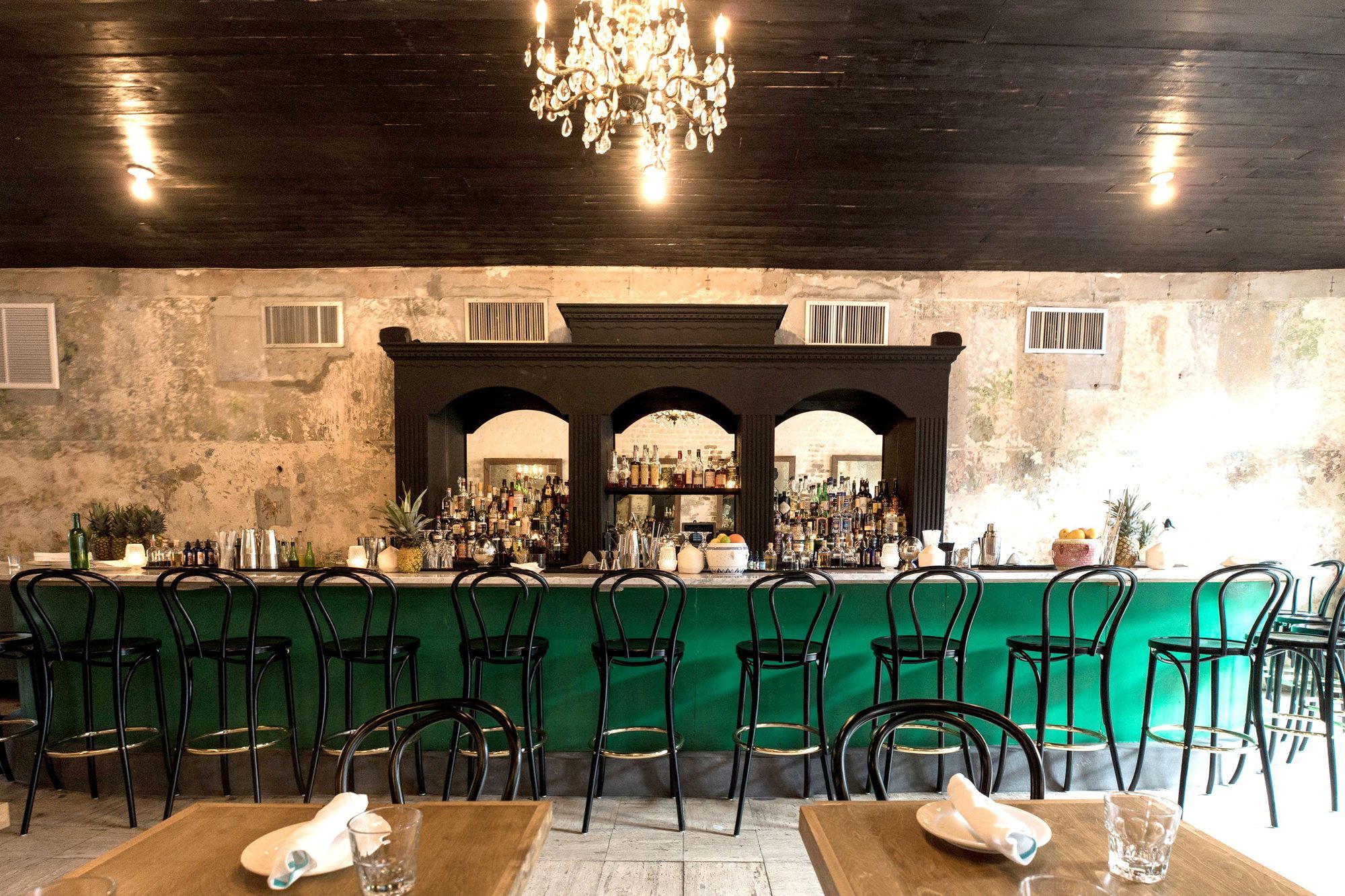
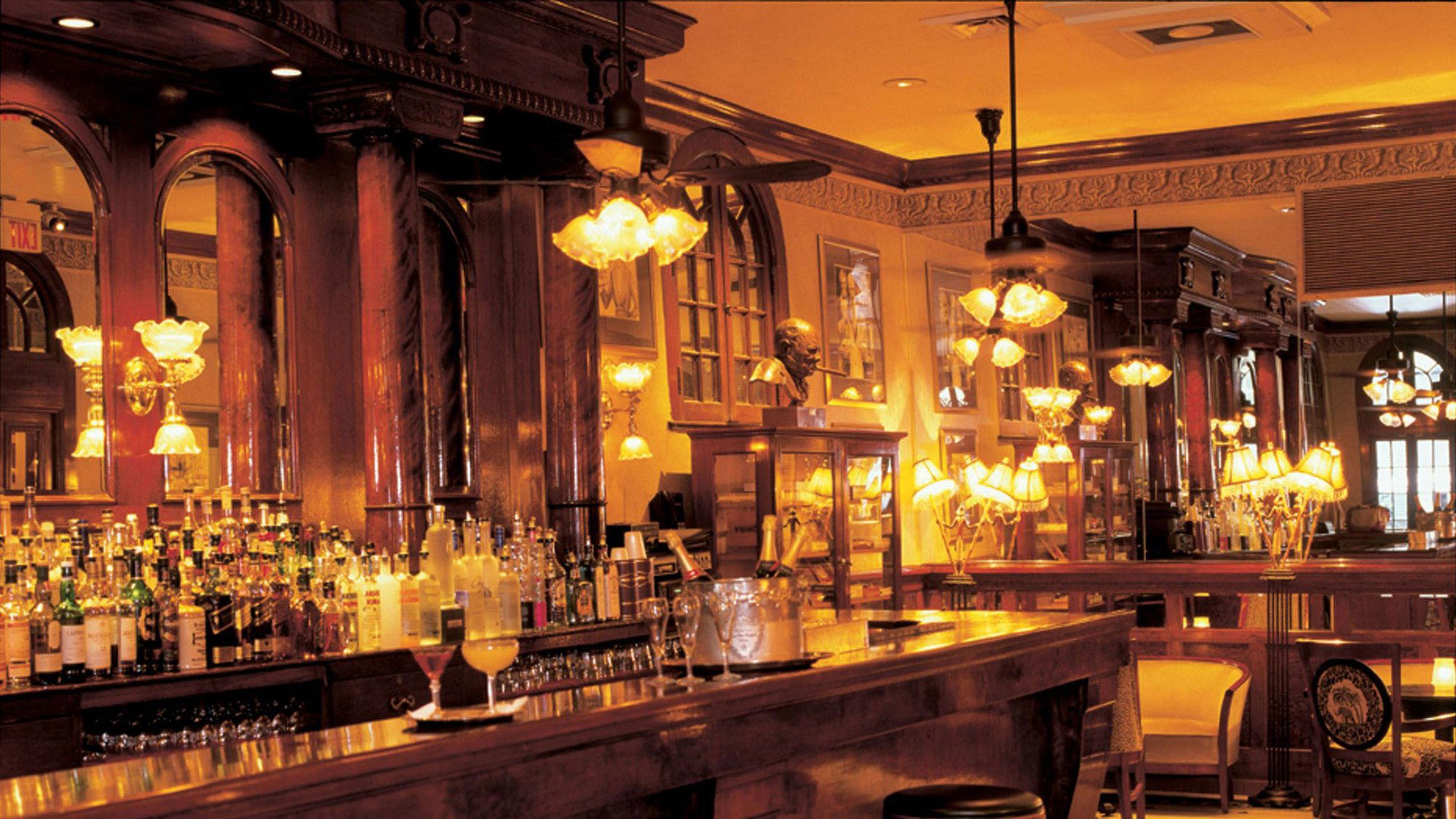
Casual and historic atmosphere in an old French Quarter building with a focus on traditional New Orleans dining.