Alma Café Mid-City
Alma Café Mid-City gives New Orleans dining a Honduran accent in a city better known for Creole, Cajun, Vietnamese, and Gulf seafood traditions. The useful way to read it is through sourcing and migration: Central American cooking meets a local market culture where breakfast, coffee, seafood, plantains, beans, and corn can carry as much identity as a tasting menu.
Pearl is the En Primeur Club membership app — saves, bookings, and concierge access live there. Same editors, same standards.
- Address
- New Orleans, United States
- Directions
- Get directions
 Saves & bookings on Pearl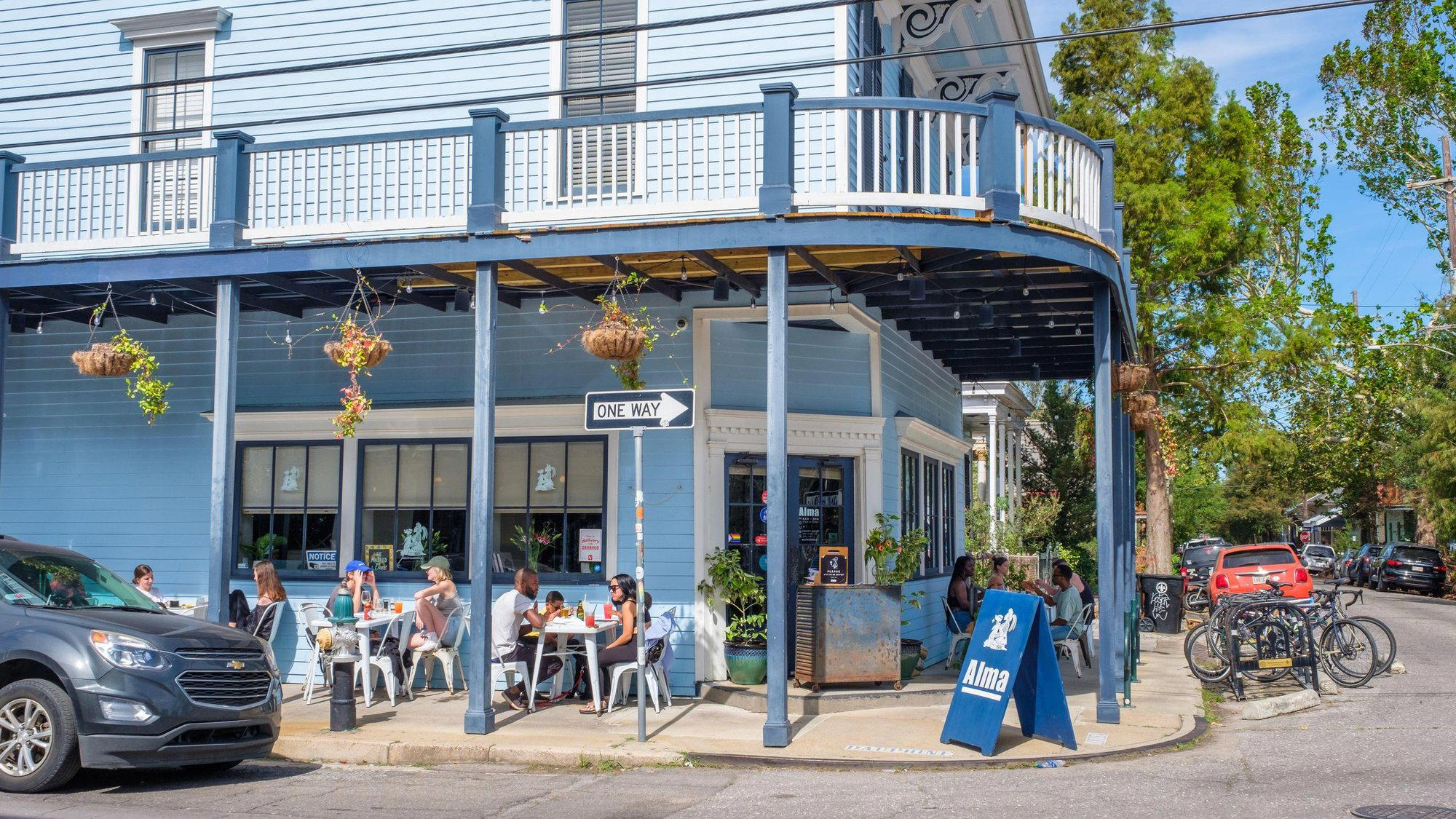
Mid-City is where New Orleans relaxes its posture. The neighborhood’s dining rhythm is less stage-managed than the French Quarter or Warehouse District: corner cafés, family tables, day-to-night rooms, and menus that speak to the city’s immigrant communities as much as its tourist canon. Alma Café Mid-City belongs in that conversation because Honduran cooking gives the area a different register, built around corn, beans, plantains, eggs, tropical fruit, seafood, and slow-cooked comfort rather than the roux-and-remoulade shorthand that still dominates many visitor itineraries.
That matters in New Orleans because the city’s food identity has always been a port-city argument, not a fixed museum piece. Spanish, French, African, Caribbean, Vietnamese, Sicilian, Isleño, and Central American influences have all shaped how the city eats. Honduran food fits naturally into that geography. It brings the Gulf and Caribbean closer to the plate, with ingredients that overlap the region but organize them differently: masa where others might expect French bread, plantains where potatoes might appear, beans as a central structure rather than a side note.
Honduran cooking shifts the New Orleans breakfast map
The city has many breakfast rituals, but Honduran cafés change the terms of the meal. Instead of treating breakfast as a pastry-and-coffee stop or a heavy Creole brunch, the form leans toward plates with starch, protein, beans, cheese, crema, and fresh accompaniments. The pleasure is architectural: each element has a role, and the meal works because fat, acid, heat, and softness are held in balance. In a city where breakfast often becomes spectacle, that kind of structure feels grounded.
Ingredient sourcing is the useful lens here. Honduran cooking depends on staples that can look modest until the kitchen gives them discipline: ripe and green plantains, corn masa, refried beans, eggs, cheeses, fresh herbs, citrus, and seafood when the menu turns coastal. New Orleans gives those ingredients a particular advantage. The city’s market culture already understands Gulf fish, shrimp, pork, citrus, and hot sauce; Honduran food redirects those materials through Central American technique and memory. The result is not fusion as a slogan. It is a reminder that the Gulf is shared by more than one culinary language.
Alma Café Mid-City is listed as Honduran, and that single fact carries more editorial weight than another generic “Latin” label would. New Orleans diners are used to broad categories that blur national cooking into a few familiar dishes. A Honduran identity narrows the frame. It points toward baleada culture, plantain-led plates, Central American breakfast logic, and coastal flavors that sit adjacent to, but not inside, the city’s usual Creole vocabulary.
Why Mid-City is the right setting for this kind of café
Mid-City has become one of the more useful neighborhoods for understanding contemporary New Orleans dining because it absorbs everyday restaurants without forcing them into destination theatrics. The area’s strength is frequency: places built for repeat meals, not only anniversary dinners. That makes it a credible home for a Honduran café, where the argument is less about novelty than about normalizing another culinary tradition inside the city’s weekly routine.
The comparison is not with tasting-menu rooms or expense-account dining. It is with the category of restaurants that expand what locals and travelers think New Orleans food can mean. That category includes Mediterranean neighborhood cooking at 1000 Figs, Mexican seafood at Acamaya, Portuguese cooking at 34 Restaurant & Bar ($$$ · Portuguese), and French Quarter hotel-adjacent dining at 3rd Block Depot. The point is not sameness; it is range. New Orleans is at its strongest when the dining map is allowed to include immigrant cafés, seafood counters, bakeries, bars, and formal rooms without ranking one mode of eating above another.
For travelers, the value is also practical in an editorial sense. A Honduran café offers a different read on the city between heavier meals. It can make breakfast or lunch feel like part of the cultural itinerary rather than a pause between reservations. In New Orleans, that distinction matters: the city rewards diners who treat daytime eating with the same seriousness they give dinner.
The ordering logic is about staples, not spectacle
The smartest way to approach this category is to follow the staple ingredients. Look for the way the kitchen handles masa, beans, plantains, eggs, cheese, crema, and seafood categories when available. Those are the tells. A good Central American plate does not need theatrical plating; it needs proportion, temperature, seasoning, and the confidence to let humble ingredients carry the meal.
That approach also keeps expectations aligned. Alma Café Mid-City should be read as a casual Honduran café within New Orleans’ broader neighborhood-dining culture, not as an awards-driven destination restaurant. There are no listed major awards, chef credentials, tasting-menu format, or price tier attached here, so the editorial case rests on cuisine, context, and the role it plays in widening the city’s food vocabulary. That is a legitimate reason to pay attention.
Readers building a broader New Orleans itinerary can use this stop as a counterweight to the city’s more familiar dining circuit. For nearby planning, see Our full New Orleans restaurants guide, then pair the meal with the city’s hospitality, drinking, wine, and cultural options through Our full New Orleans hotels guide, Our full New Orleans bars guide, Our full New Orleans wineries guide, and Our full New Orleans experiences guide.
For a wider look at how regional and immigrant cuisines reshape American dining outside their home contexts, compare the category signals in Jōdo Saké Bar in Los Angeles, Onigiri Time in Pasadena, ¿Por Qué No? in Portland, 'Ai Love Nalo in Waimanalo Beach, 'āina in San Francisco, 'Ama 'Ama in Kapolei, -Grilled beef Sukiyaki- KAMAKURA TANUKIAN 鎌倉 たぬき庵 in Kamakura, ¡Salud! in Los Angeles, and 13. The through-line is not a cuisine match; it is the way specific food traditions become legible when restaurants resist generic labeling.
How It Compares
Comparable venues nearby, for context on price, style, and recognition.
| Venue | Cuisine | Price | Notes |
|---|---|---|---|
| Alma Café Mid-CityThis venue — the venue you are viewing | Honduran-inspired all-day brunch and Latin American cafe | $$ | Not listed |
| Cafe Conmigo | Cuban Bakery Cafe | $$ | Freret |
| Maïs Arepas | Colombian Arepas | $$ | Central City |
| The Rum House | Caribbean-Inspired Tacos | $$ | Garden District |
| New Orleans Creole Cookery | Traditional Creole | $$ | French Quarter |
| Stein's Market & Deli | New York-Style Deli | $$ | Lower Garden District |
Continue exploring
More in New Orleans
Restaurants in New Orleans
Browse all →
Bars in New Orleans
Browse all →
At a Glance
- Lively
- Cozy
- Trendy
- Energetic
- Brunch
- Casual Hangout
- Family
- Group Dining
- After Work
- Date Night
- Open Kitchen
- Private Dining
- Terrace
- Standalone
- Craft Cocktails
- Beer Program
- Local Sourcing
- Farm To Table
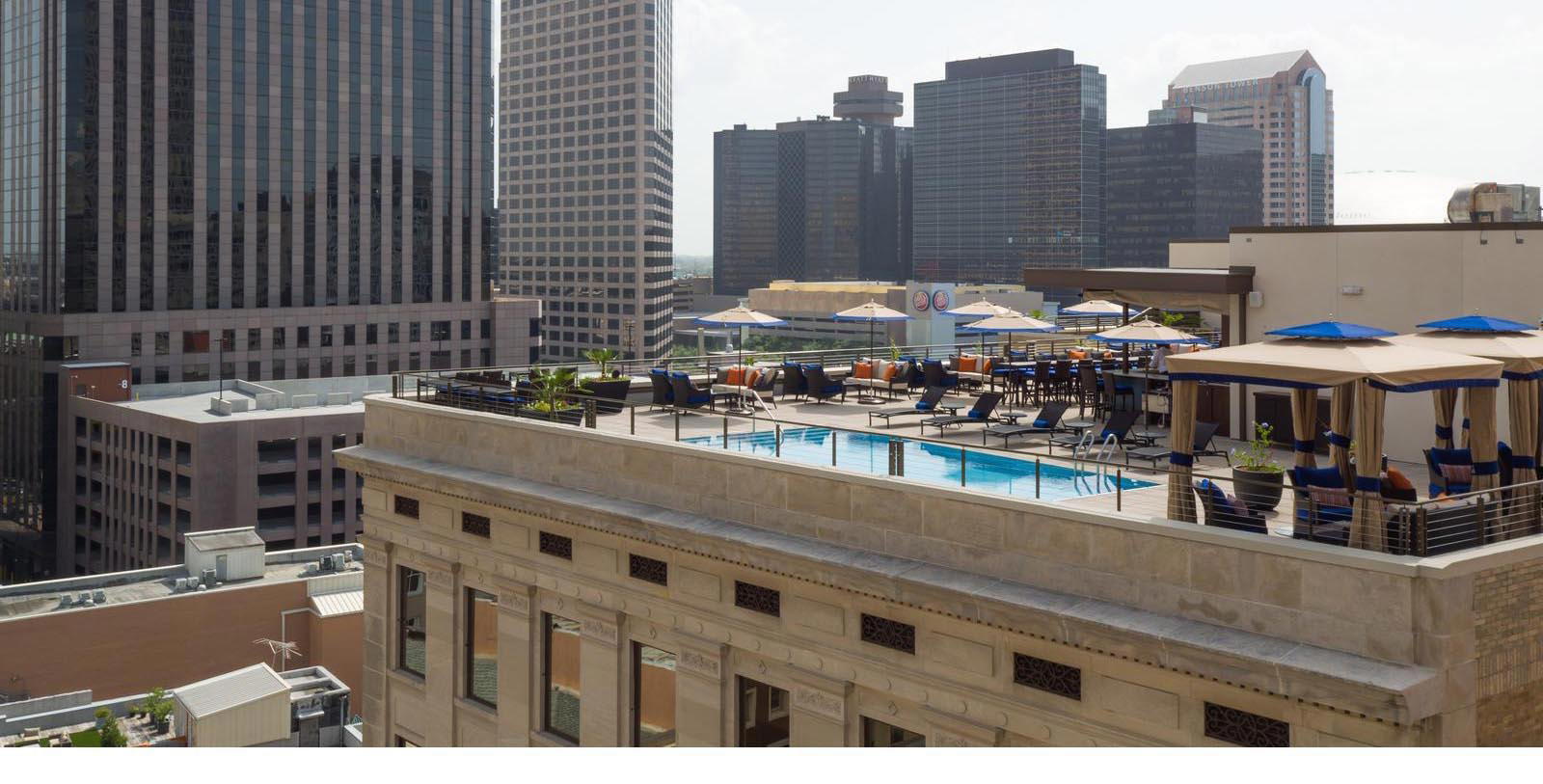
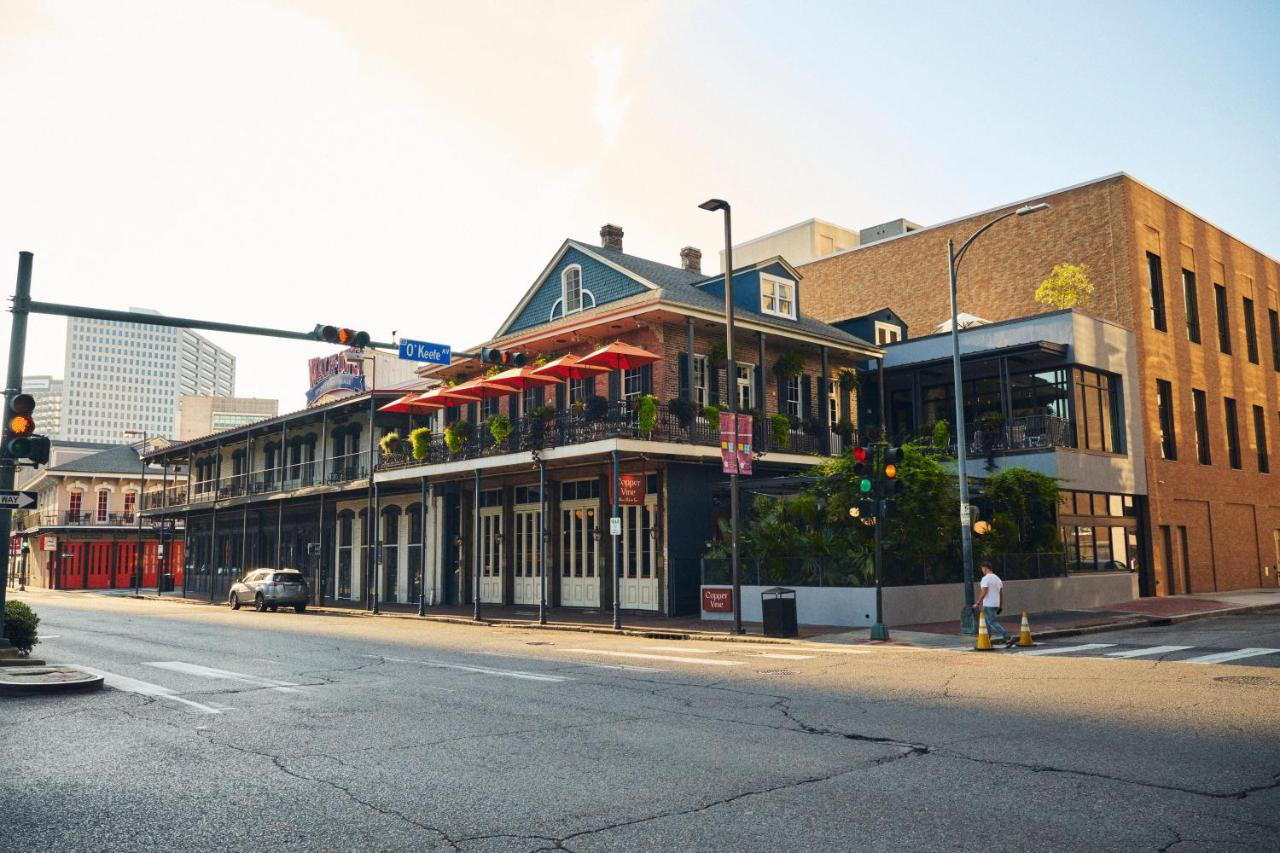
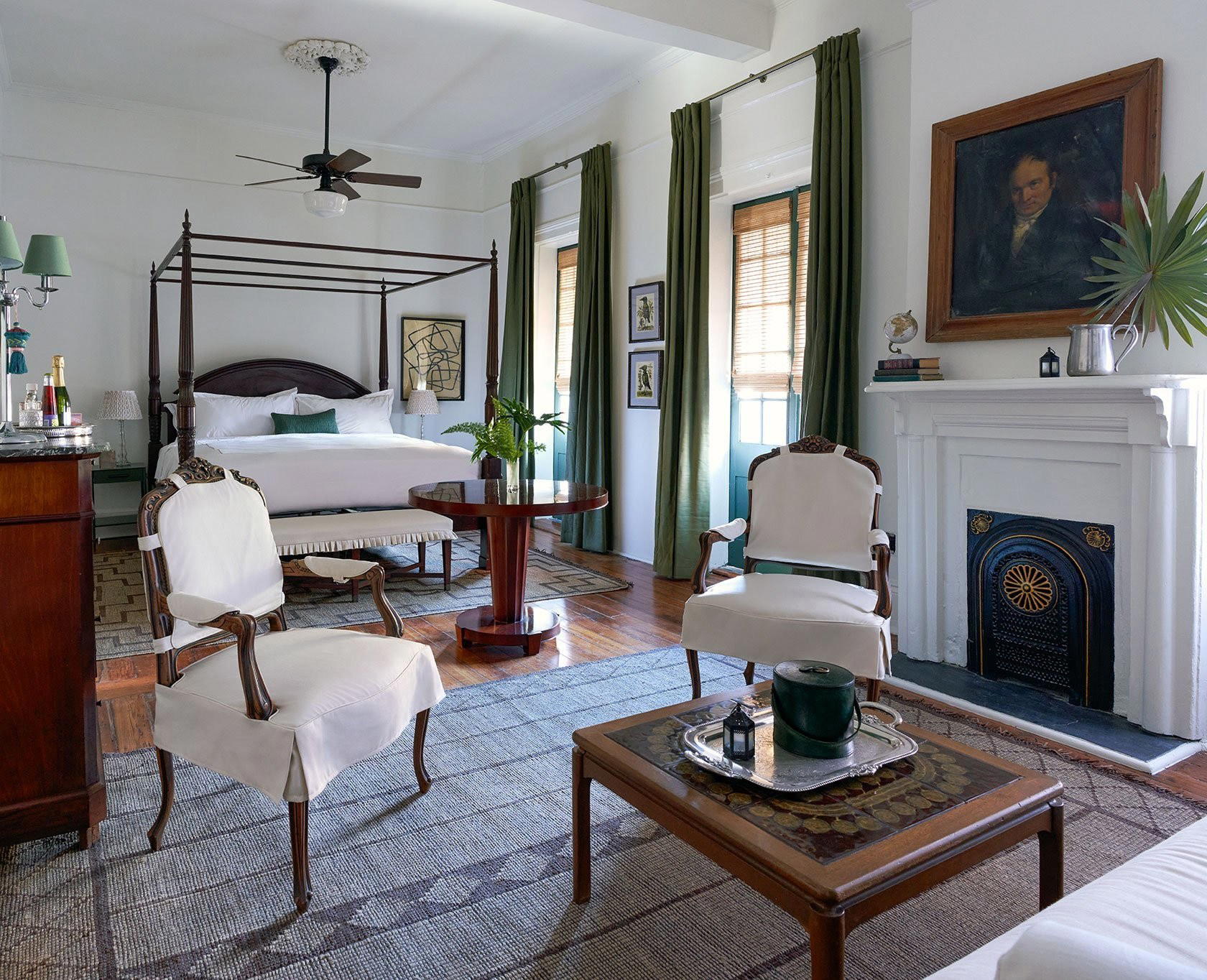
Bustling, colorful Mid-City restaurant with a warm, casual feel, lively bar energy, and a mix of cozy corners and bright indoor-outdoor seating suited to daytime brunch and evening cocktails.