Mas Albereda

A converted farmhouse six kilometres from Vic, Mas Albereda pairs a glass-fronted terrace with updated Catalan cooking bearing Nandu Jubany's quality stamp. The daily menu rotates across sweet and savoury dishes, with a tasting menu available alongside. Michelin Plate recognition in both 2024 and 2025 places it firmly in the region's mid-range serious dining tier, at a price point that makes the quality-to-cost ratio hard to argue with.
Pearl is the En Primeur Club membership app — saves, bookings, and concierge access live there. Same editors, same standards.
- Address
- Avinguda de Sant Llorenç, 68, 08504 Sant Julià de Vilatorta, Barcelona, Spain
- Phone
- +34 938 12 28 52
- Website
- masalbereda.com
- Directions
- Get directions
 Saves & bookings on Pearl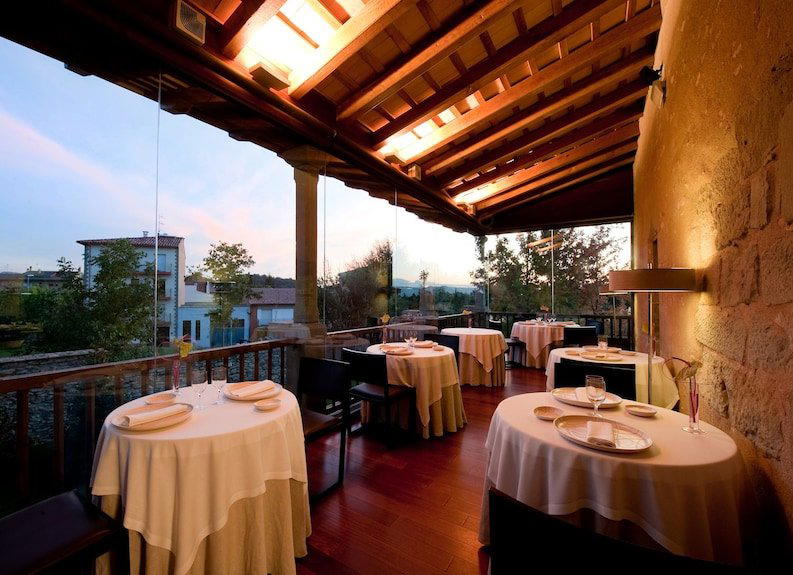
Farmhouse Cooking and the Osona Table
The comarca of Osona sits in the interior of Catalonia, roughly equidistant between the Pyrenean foothills and the industrial ring of Barcelona. El Celler de Can Roca in Girona. But Osona has its own culinary logic, grounded in the land rather than the laboratory: black pigs raised on acorns, sausage traditions that predate refrigeration, wild mushrooms gathered from beech forests, and a honey culture tied to the flowering of the Montseny hills. The cooking at Mas Albereda draws from this supply chain directly, and that rootedness is what gives the kitchen its character.
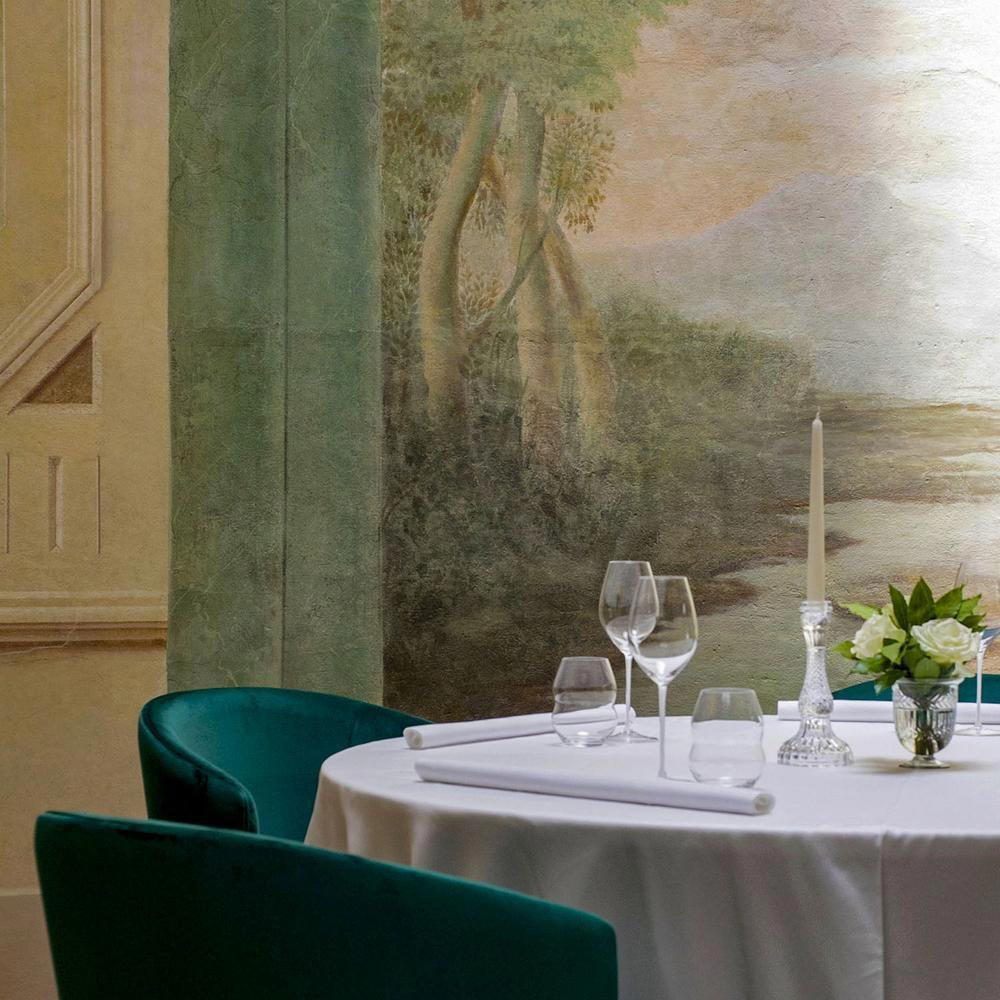
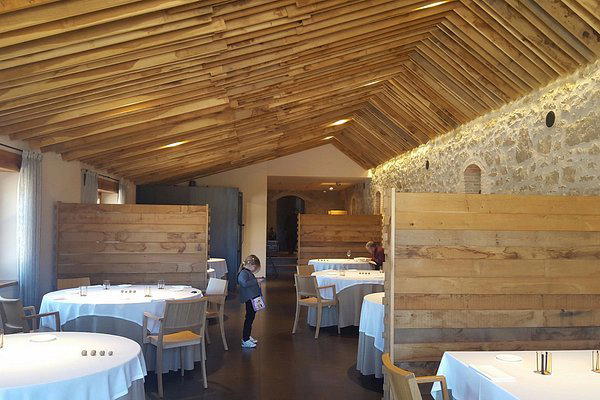
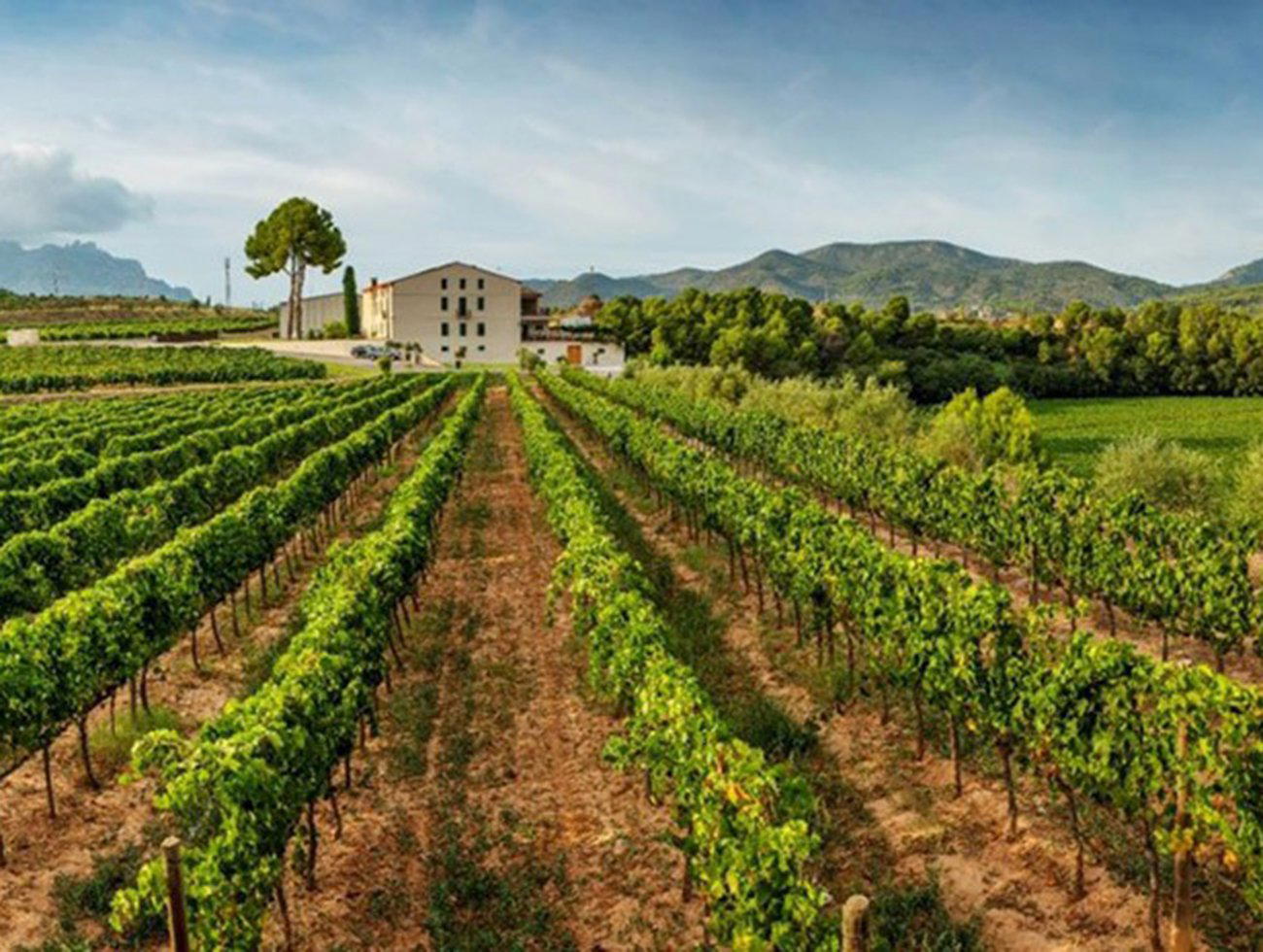
The farmhouse itself sits on the Avinguda de Sant Llorenç in Sant Julià de Vilatorta, a small town six kilometres from Vic. The building is an old masia, and the dining room inside carries the proportions and textures of that tradition: stone, timber, materials that have weight. A glass-fronted terrace runs along the facade, letting in the kind of diffuse natural light that makes the surrounding landscape readable from the table. There is no theatrical threshold to cross here, no industrial conversion or curated brutalism. The arrival is pastoral and direct, which is precisely the register the food is designed to inhabit.
Nandu Jubany's Reach and What It Signals
Spanish fine dining at the highest tier tends to cluster in specific coastal and urban centres. The restaurants that carry international recognition, Arzak in San Sebastián, Disfrutar in Barcelona, DiverXO in Madrid, Quique Dacosta in Dénia, Aponiente in El Puerto de Santa María, operate in a €€€€ tier defined by tasting menus, international press, and the infrastructure of destination dining. Mas Albereda sits at a different coordinate entirely: a €€ price point, a mid-Catalan village address, and a format built around daily market dishes rather than a fixed progression of courses designed for Instagram documentation.
What links it to that higher register is the quality stamp of chef Nandu Jubany. Jubany's flagship, Can Jubany in Calldetenes, holds a Michelin star and has anchored the Osona food scene for years. His influence on Mas Albereda means the kitchen operates with a discipline and sourcing rigour that sits above its price bracket. Michelin's Plate recognition and the 4.6-star Google average across 1,693 reviews suggest a kitchen that delivers consistency. In the context of rural Catalan dining, the Jubany connection acts as the same kind of credential that Basque pedigree provides in the Gipuzkoa interior, or that Galician product obsession signals at somewhere like Auga in Gijón.
Where the Food Comes From
Osona's agricultural identity shapes the menu in specific ways. The comarca is one of Catalonia's primary zones for pig production, with breeds and curing traditions that feed into the sausage and charcuterie vocabulary that underlies much of the region's cooking. The Montseny natural park, which begins at the comarca's southern edge, is among the more productive mushroom territories in the Iberian Peninsula, with ceps, chanterelles, and rovellons arriving in quantity during autumn. Honey production in the area draws on the flowering of heather across the Guilleries hills, a local ingredient that finds its way into the kitchen at the restaurant: the duck breast glazed with heather-infused honey is the dish Michelin's own inspectors chose to call out specifically, a combination that would be impossible to replicate with a supermarket substitute. The sourcing here is not a marketing posture but a geographic fact.
The format reflects the same attention to local rhythm. Rather than fixing a static tasting menu and running it for a full season, the kitchen builds around daily dishes that respond to what the market produces. Both sweet and savoury preparations rotate through this structure, meaning the menu on a Tuesday in late October will read differently from the one available on a Friday in April. This is how farmhouse cooking has always worked in Catalonia, and the approach at the restaurant is an updated rather than nostalgic version of it.
The Tasting Menu and the Daily Format
The kitchen offers a tasting menu alongside daily dishes. At a €€ price point, the tasting menu occupies a different tier from the progression formats at Martin Berasategui in Lasarte-Oria or Mugaritz in Errenteria, but the ambition is different too: this is cooking that earns its authority through product quality and technical honesty rather than conceptual reach.
Rum baba, finished tableside, is the dessert the Michelin record specifically references. Tableside finishing is a detail that signals intent: it is slower, more theatrical in a classical sense, and it requires the kitchen to trust the service team. In a farmhouse dining room in the Catalan interior, it reads as a considered choice rather than a borrowed affectation.
Planning a Visit
The restaurant is on the Avinguda de Sant Llorenç in Sant Julià de Vilatorta, a short drive from Vic, which connects to Barcelona via the C-17 road and Renfe rail services from Passeig de Gràcia. The price tier (€€) makes it accessible for a leisurely lunch without requiring advance budget planning, and the combination of daily dishes and tasting menu means the format can flex around different group sizes and appetites. Reservations are recommended, particularly on weekends.
For comparison across traditional-format cooking elsewhere in Spain, Ricard Camarena in València, Atrio in Cáceres, and Auberge Grand'Maison in Mûr-de-Bretagne (across the border in Brittany) represent different points on the spectrum of European farmhouse-rooted cooking, each shaped by its own regional product base. Azurmendi in Larrabetzu offers a further point of comparison for Iberian kitchens that ground their cooking in local agricultural sourcing at a higher price tier.
In Context: Similar Options
Comparable venues nearby, for context on price, style, and recognition.
| Venue | Cuisine | Price | Awards | Notes |
|---|---|---|---|---|
| Mas AlberedaThis venue — the venue you are viewing | Modern Catalan | $$$ | Michelin Plate | Not listed |
| Vilagut | Traditional Adapted Spanish Mediterranean | $$$ | Michelin Plate | Vilafranca del Penedès |
| Oníric | Modern Spanish Fine Dining | $$$ | Bib Gourmand | la Vila de Gracia |
| Osmosis | Contemporary Catalan | $$$ | Michelin Plate | l'Antiga Esquerra de l'Eixample |
| Fontané | Traditional Catalan Heritage Cuisine | $$$ | Michelin Plate | Sant Julià de Ramis |
| El Hogar Gallego | Galician Seafood | $$$ | Michelin Plate | Calella |
Recognition history
Dated appearances from independent guides and award organizations, with the underlying list record or original source where available.
Michelin Plate
Michelin
Michelin Plate
Michelin
Michelin Plate
Michelin
Continue exploring
More in Sant Julià de Vilatorta
Restaurants in Sant Julià de Vilatorta
Browse all →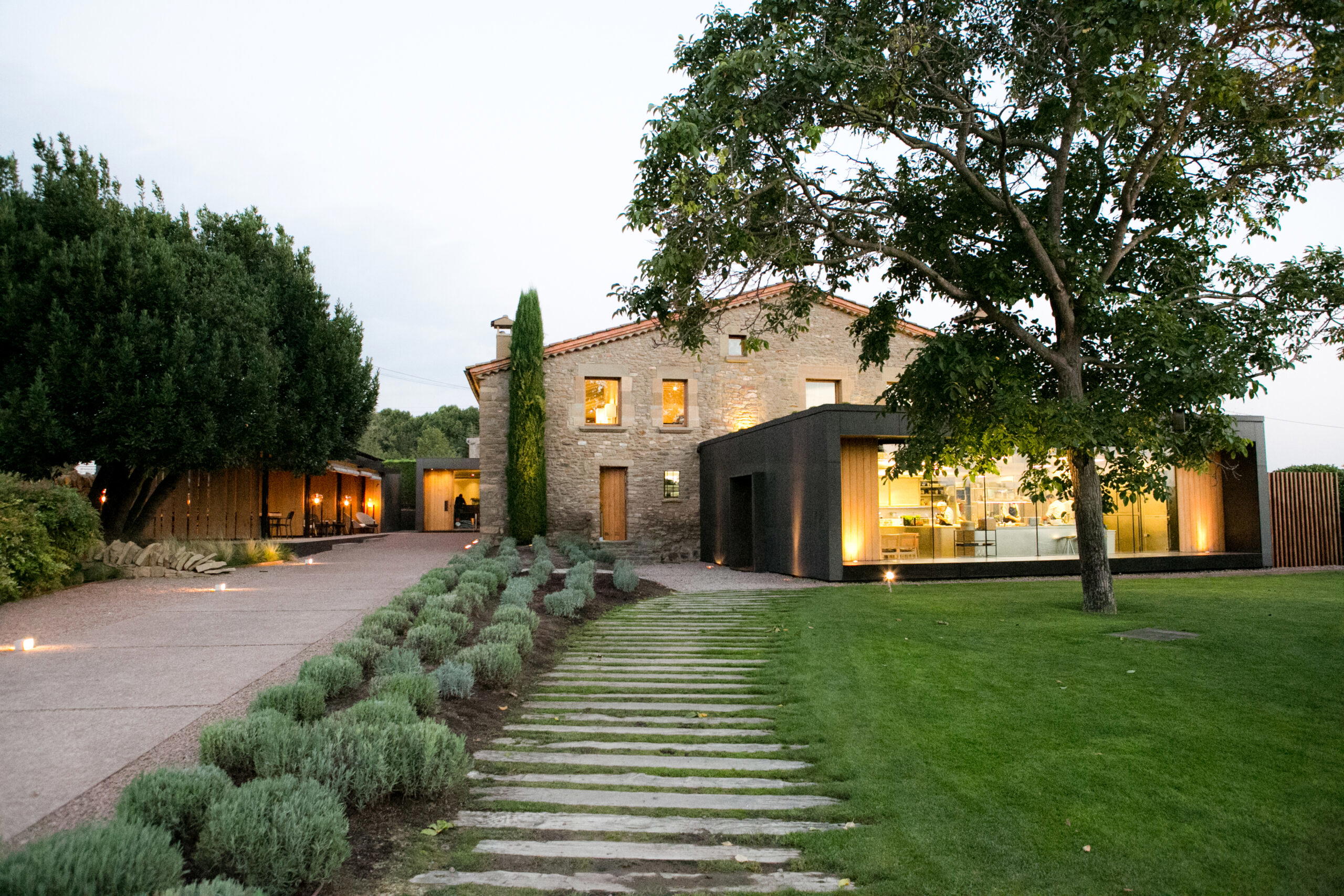
Bars in Sant Julià de Vilatorta
Browse all →
Hotels in Sant Julià de Vilatorta
Browse all →

At a Glance
- Rustic
- Cozy
- Elegant
- Quiet
- Date Night
- Special Occasion
- Terrace
- Garden
- Local Sourcing
- Garden
Pleasantly rustic farmhouse ambience with an attractive glass-fronted terrace, cozy and elegant with modern comforts.