Maru

A Michelin Plate omakase counter on a quiet Mayfair backstreet, Maru serves around 20 courses built largely on British produce, including seafood sourced from Cornish waters. The sake pairing is well-matched to the format, and two dinner sittings keep the rhythm tight. Payment is taken at the time of booking, so commitment is required before you arrive.
Pearl is the En Primeur Club membership app — saves, bookings, and concierge access live there. Same editors, same standards.
- Address
- 18 Shepherd Market, London W1J 7QH, United Kingdom
- Phone
- +44 20 3637 7677
- Website
- marulondon.com
- Directions
- Get directions
 Saves & bookings on Pearl
A Mayfair Backstreet and the Geography of London Omakase
London's Japanese fine dining scene has developed along two distinct lines: a cluster of well-established Mayfair and St. James's addresses with long track records, and a newer generation of intimate counter restaurants that operate on smaller capacities and a more disciplined omakase format. Maru, at 18 Shepherd Market, sits in the latter group. Shepherd Market is one of Mayfair's quieter pockets, a pedestrianised enclave of narrow lanes and low-fronted buildings that has historically attracted independent operators rather than flagship brands. An omakase counter here competes on focus rather than footprint.
The Michelin Plate awarded in 2024 positions Maru clearly within London's recognisable Japanese dining tier, alongside addresses such as Umu and Ginza St James's, though its ingredient sourcing strategy sets it apart from most of that peer group. Where many of London's high-end Japanese restaurants import the majority of their seafood from Japanese waters, Maru builds its menu predominantly around British produce.
The Regional Lens: How Maru's Sourcing Connects to a Broader Japanese Tradition
The debate between Kanto and Kansai approaches to sushi and Japanese cuisine is, at its core, a debate about ingredient origin, preparation orthodoxy, and regional identity. Kanto cooking, rooted in Tokyo's Edo tradition, favours bold soy-forward seasoning, vinegared rice with a sharper profile, and seafood drawn from Tokyo Bay. Kansai cooking, centred on Osaka and Kyoto, leans toward lighter, dashi-based flavours, seasonal vegetables, and a more flexible relationship with what constitutes an appropriate ingredient. Neither tradition is static, and both have evolved considerably as Japanese chefs have worked internationally.
Maru's use of Cornish seafood and largely British ingredients reads as a natural extension of the Kansai spirit of working closely with local, seasonal produce rather than insisting on a fixed geographic canon. Cornwall's cold, clean Atlantic waters produce shellfish and finfish with a flavour intensity that can hold its own against the premium Japanese imports that define many high-end London menus. The decision to source locally is not merely a sustainability gesture; it changes the taste of the rice course, the texture of the fish, and ultimately the character of the 20-course sequence.
Comparable approaches are visible in some of Tokyo's more progressive kaiseki and sushi counters, where chefs have increasingly incorporated non-Japanese proteins and produce into otherwise orthodox formats. The logic is consistent: omakase is a structure and a philosophy of trust between chef and guest, not a fixed ingredient list. Restaurants such as Myojaku and Azabu Kadowaki in Tokyo illustrate how that structure can accommodate deep seasonal and regional specificity without abandoning technical rigour.
Among London's Japanese addresses, Humble Chicken and Chisou each offer points of comparison, though with different formats and price positions. Akira represents another node in the city's Japanese fine dining network. Maru's particular combination of omakase structure, British-sourced ingredients, and a Michelin Plate at the summit end of the London price bracket (££££) makes it a relatively unusual configuration in the market.
Format and Flow: What Twenty Courses Actually Means Here
An omakase sequence of around 20 servings at this price level typically spans two to two and a half hours. The format removes choice from the guest entirely: the kitchen decides the sequence, the pacing, and the balance between raw, cured, and cooked preparations. This places significant weight on the kitchen's ability to build a coherent narrative across the meal, with early courses establishing the tonal register and later courses delivering the more substantive proteins and rice.
The sake pairing at Maru is noted as a strong accompaniment to this format. Sake pairing with sushi and Japanese tasting menus has become more sophisticated across London over the past decade, moving from a novelty offering to a considered alternative to wine. The range of sake styles, from light and floral junmai ginjo to richer, earthier junmai daiginjo, maps well onto the arc of a 20-course omakase, allowing for progression through the meal in the same way a wine pairing sequence would.
Two dinner sittings are the standard structure for high-demand counter restaurants operating at this capacity level. The model maximises throughput without expanding the physical footprint, and it creates a clear time boundary for guests, which is operationally efficient but requires punctuality. The instruction to arrive on time is not incidental: a late arrival at a two-sitting counter compresses the experience for that table and can affect pacing for subsequent courses.
Shepherd Market in Context
The broader Mayfair dining scene at the ££££ tier is anchored by Modern European and French addresses: The Fat Duck in Bray, L'Enclume in Cartmel, Moor Hall in Aughton, Gidleigh Park in Chagford, Hand and Flowers in Marlow, and Le Manoir aux Quat' Saisons set the reference points for destination dining in and around London. Within Mayfair itself, the comparison set for Maru is not the grand European rooms but rather the small, counter-format specialists where the proposition is ingredient quality, technical precision, and an intimate dining ratio.
Shepherd Market, specifically, operates at a remove from the main Mayfair artery. The entrance to Maru is, by multiple accounts, easy to miss. That quality of deliberate discretion is common among the counter-format Japanese restaurants that have succeeded in London's upper price tier: the space serves the format rather than the other way around.
8 from 194 ratings, a high score on a meaningful sample for a small-capacity restaurant. Counter restaurants of this type rarely accumulate large review volumes quickly; 194 reviews at 4.8 represents consistent positive reception over an extended period rather than a short promotional spike.
Know Before You Go
Address: 18 Shepherd Market, London W1J 7QH
Cuisine: Japanese omakase, approximately 20 courses
Price tier: ££££
Awards: Michelin Plate (2024)
8 / 5 (194 reviews)
Sittings: Two dinner sittings; punctuality required
Booking: Payment taken at time of booking
Sake pairing: Available and recommended alongside the omakase sequence
Ingredients: Largely British, including Cornish seafood
A Pricing-First Comparison
Comparable venues nearby, for context on price, style, and recognition.
| Venue | Cuisine | Price | Awards | Notes |
|---|---|---|---|---|
| MaruThis venue — the venue you are viewing | Japanese | $$$$ | Michelin Plate | Not listed |
| Aragawa | Mayfair, Premium Japanese Tajima Wagyu | $$$$ | Michelin Plate | Not listed |
| Ginza St James's | Not listed | $$$$ | Michelin Plate | St. James's, Modern Japanese Omakase & Fine Dining |
| The Fuji Grill | Not listed | $$$$ | Michelin Plate | Knightsbridge, Modern Japanese Omakase and Sushi |
| Roketsu | Marble Arch, Kyoto-Style Kaiseki | $$$$ | Michelin Plate | Not listed |
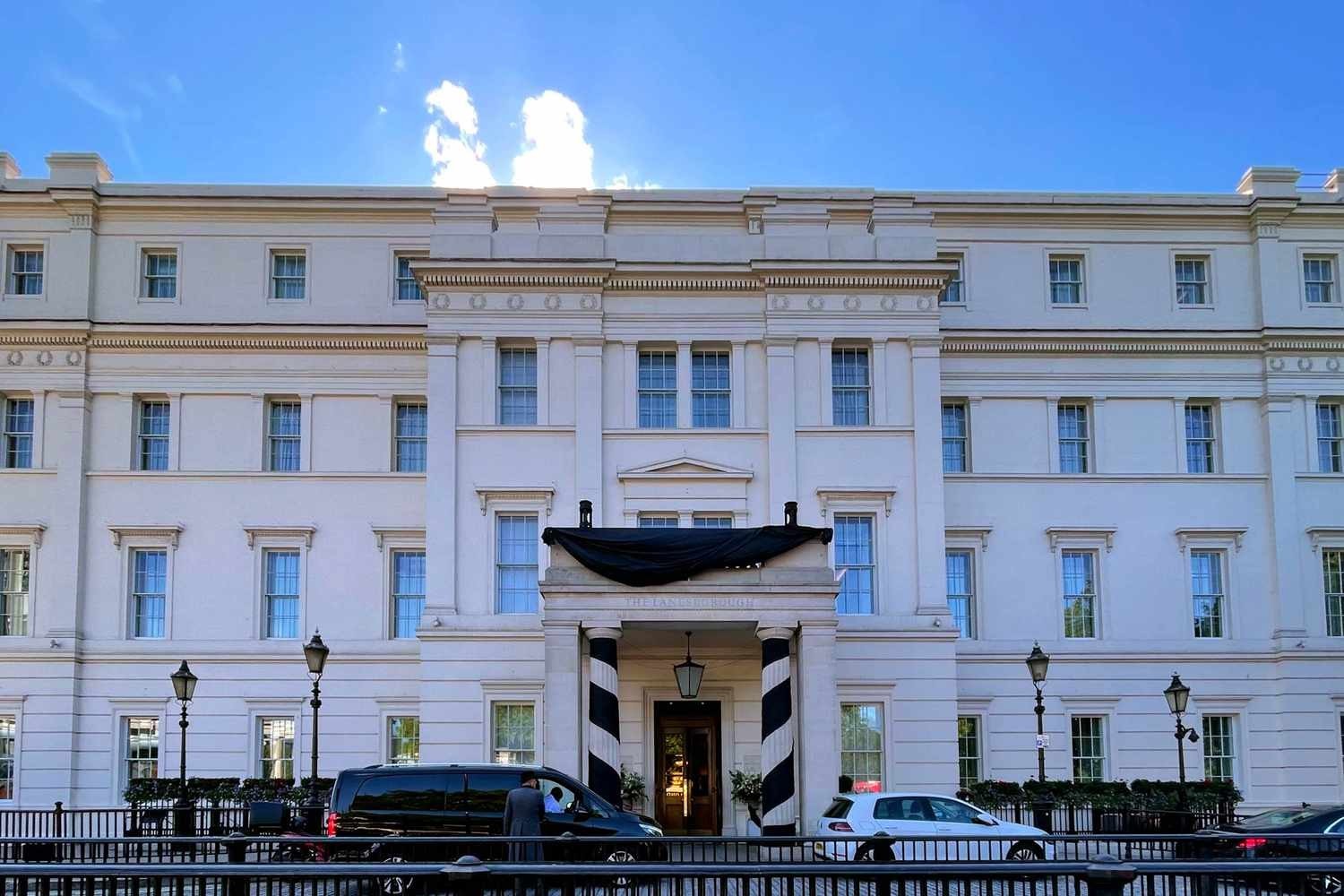
| The Lanesborough Grill | Belgravia, Modern British Grill | $$$$ | Michelin Plate | Not listed |
Recognition history
Dated appearances from independent guides and award organizations, with the underlying list record or original source where available.
Michelin Plate
Michelin
Michelin Plate
Michelin
Michelin Plate
Michelin
Continue exploring
More in London
Restaurants in London
Browse all →
Bars in London
Browse all →
Hotels in London
Browse all →


At a Glance
- Intimate
- Elegant
- Modern
- Sophisticated
- Minimalist
- Date Night
- Special Occasion
- Celebration
- Chefs Counter
- Open Kitchen
- Sake Program
- Sommelier Led
- Local Sourcing
- Zero Waste
Current opening hours
- Monday
- Closed
- Tuesday
- Closed
- Wednesday
- 5:30–11 PM
- Thursday
- 5:30–11 PM
- Friday
- 5:30–11 PM
- Saturday
- 12:30–3 PM, 5:30–11 PM
- Sunday
- Closed
Hours can change for holidays and private events. Last verified .
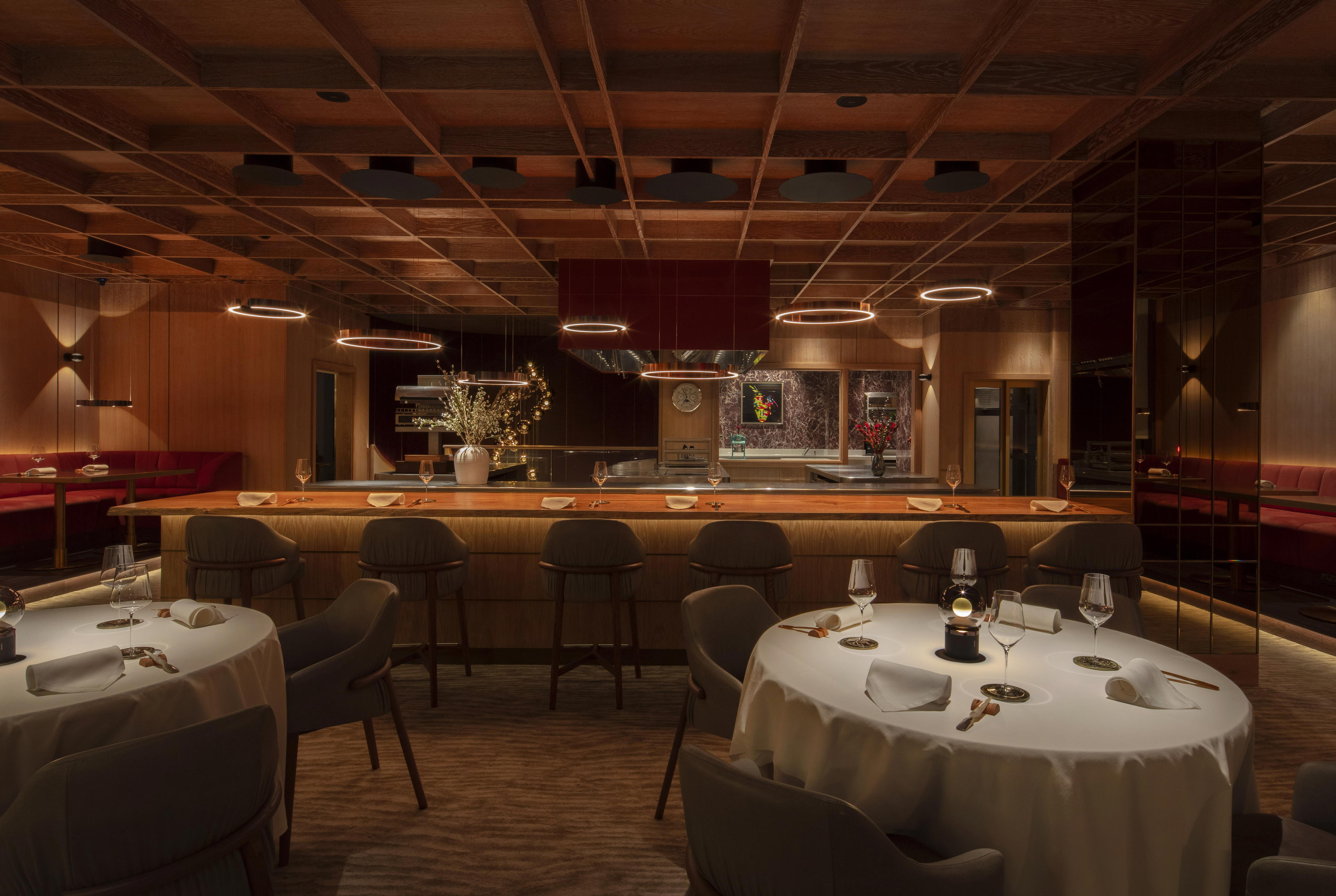
Quiet, studious atmosphere with focus on the chef's preparation at the counter, dimly lit for an intimate fine-dining experience.