Marmota
Our verdict
Marmota occupies a corner of Plaza Río de Janeiro in Colonia Roma Norte, one of Mexico City's most densely layered dining neighbourhoods. The address places it in immediate conversation with some of the capital's most-discussed tables, from neighbourhood bistros to destination restaurants. For visitors mapping the Roma dining scene, it earns a place on the itinerary alongside the broader wave of contemporary Mexican cooking reshaping the city.

Pearl is the En Primeur Club membership app, where members save venues, book tables and use the concierge.
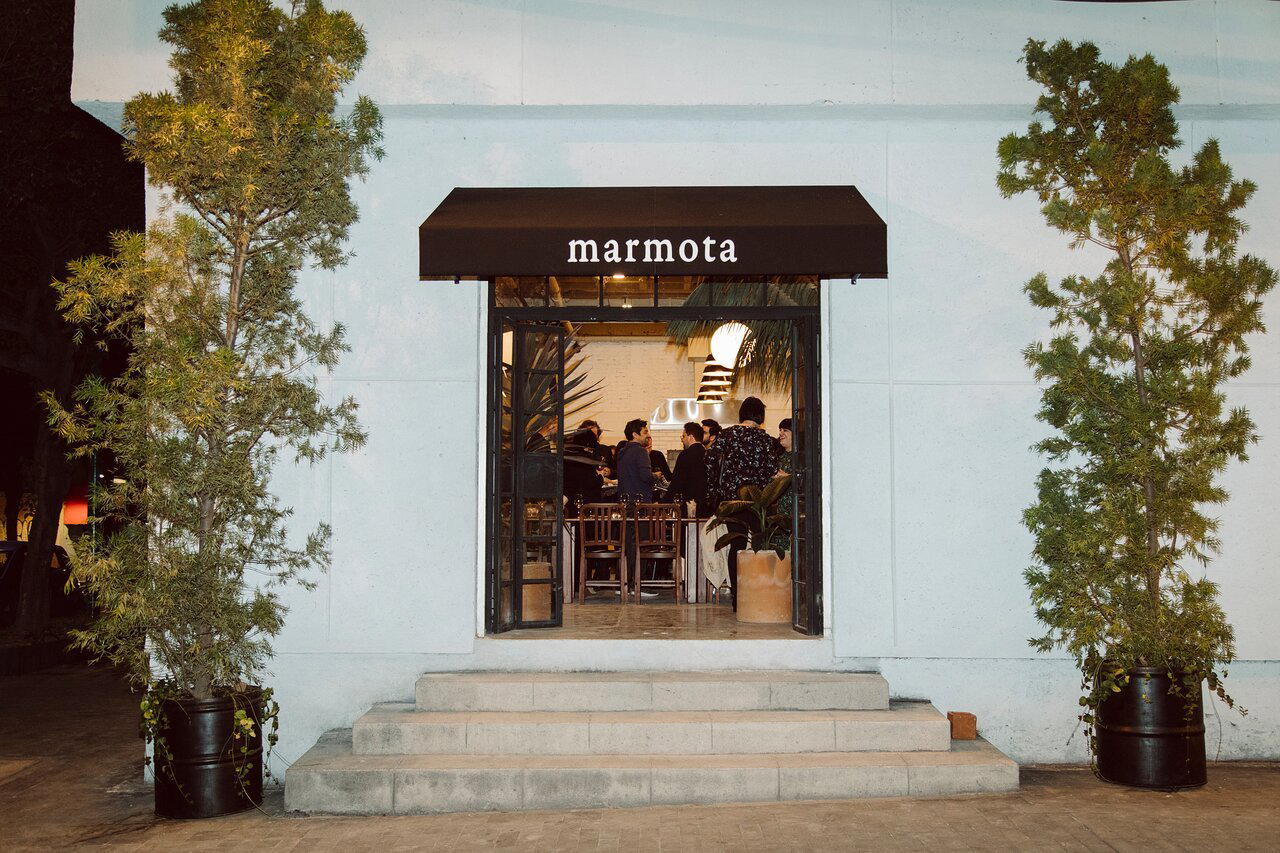
Where Roma Norte Sets the Table
Plaza Río de Janeiro is one of those addresses that does the framing before you arrive. The square itself, with its replica of Michelangelo's David at the centre and its ring of early-twentieth-century buildings, functions as a kind of social barometer for Colonia Roma Norte: unhurried in the morning, gradually populated through the afternoon, and fully alive by early evening when the surrounding restaurants and cafés draw in a mix of residents, creative professionals, and visitors who have done their homework. Marmota sits at Plaza Río de Janeiro 53, planted directly in that current.
Roma Norte's dining identity has shifted considerably over the past decade. What was once primarily a residential neighbourhood with a handful of reliable cantinas and neighbourhood spots has become one of the capital's most actively watched dining zones, the kind of area where a new opening generates immediate attention and where the competition between formats, price points, and culinary approaches is played out at close quarters. The neighbourhood now holds everything from destination-level tasting menus to the kind of casual, well-sourced neighbourhood restaurant that a certain kind of food-aware traveller specifically hunts for.
The Physical Reality of the Space
The sensory experience of eating near Plaza Río de Janeiro is shaped as much by what surrounds you as what arrives on the plate. Colonia Roma's architecture is predominantly Porfiriato-era, with high ceilings, tiled floors, and a general preference for interior courtyards and generous windows. These structural features create a particular acoustic environment: conversations carry, street noise drifts in, and the boundary between interior and exterior stays permeable in a way that purely modern restaurant spaces rarely achieve. Evening light through the square's tree canopy shifts the whole register.
The neighbourhood's physical density also means that the walk to or from Marmota at Plaza Río de Janeiro 53 is itself part of the experience. Roma Norte rewards slow movement: the bookshops on Álvaro Obregón, the coffee bars that have opened along Orizaba and Colima, the organic market that sets up near Parque México on weekends. The address places Marmota squarely inside this texture rather than apart from it.
Roma Norte Inside Mexico City's Wider Dining Conversation
Understanding where a Roma Norte address sits requires some sense of the city's broader restaurant geography. The upper tier of Mexico City dining is currently anchored by a handful of destination restaurants that draw international visitors specifically: Pujol in Polanco operates at the $$$$ price point with a globally recognised tasting menu format, while Quintonil holds a comparable position with its market-driven contemporary Mexican approach. Both sit in Polanco, the neighbourhood that historically concentrated the capital's highest-end dining.
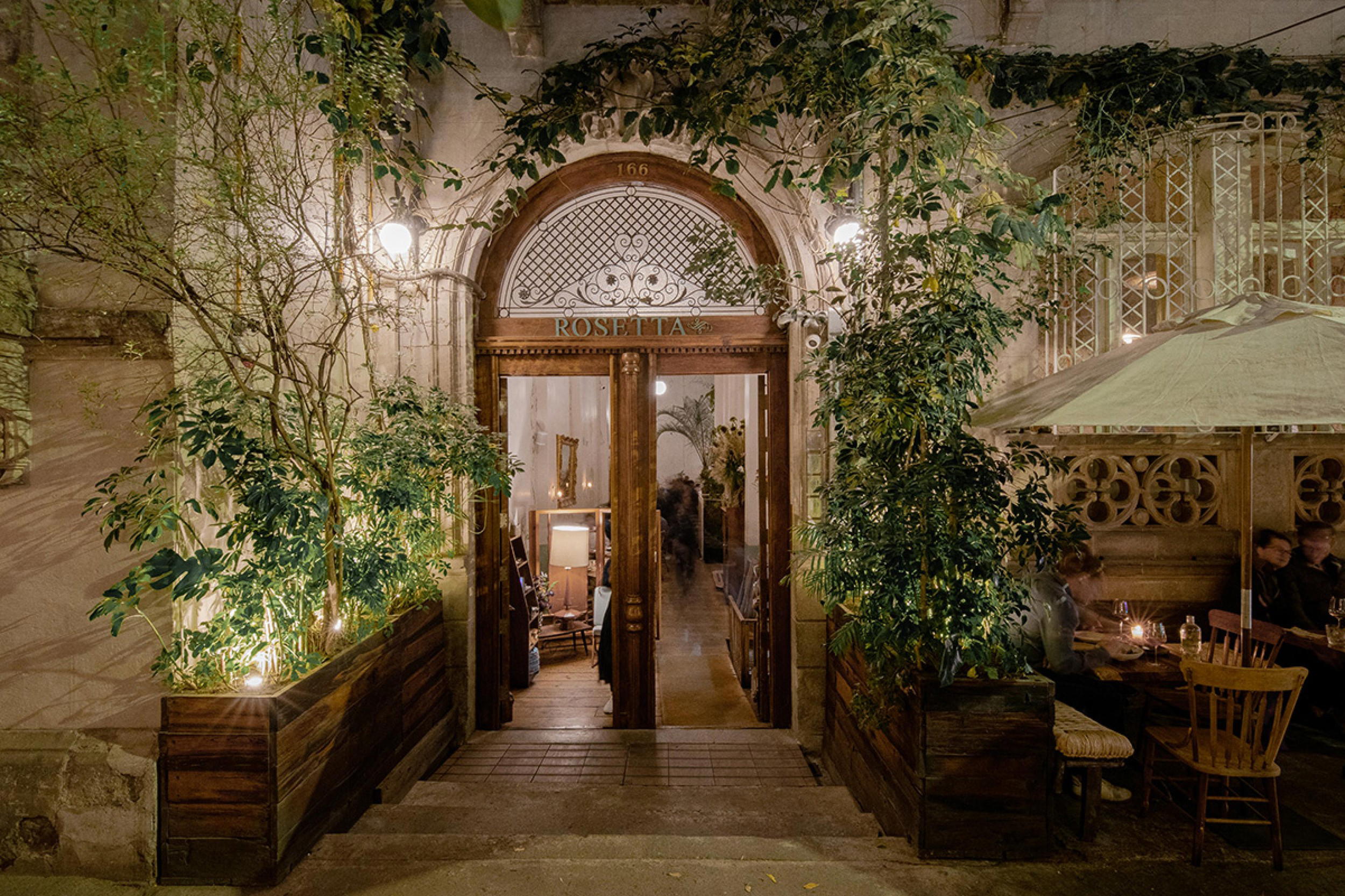
Roma Norte represents a different register. The neighbourhood's restaurants tend to operate with more casual formats and, generally, more accessible price points. Rosetta, the Italian-leaning creative restaurant from Elena Reygadas on Colima, is the clearest reference point for what Roma Norte dining can achieve at its ceiling: a $$ price point, a neighbourhood feel, and serious critical attention. Em offers another angle, with a Mexican tasting menu at $$$ that sits somewhere between neighbourhood restaurant and destination ambition. These are the coordinates that define the competitive set for any serious Roma Norte address.
For visitors wanting the full picture of what Mexico City's restaurant scene has become, our full Mexico City restaurants guide maps the city's dining zones, price tiers, and current wave of openings in detail.
Mexico's Regional Dining Scene: The Wider Frame
Mexico City absorbs influences from across the country, but a complete picture of contemporary Mexican cooking requires travel. Animalón in Valle de Guadalupe represents the Baja California approach: open-air, fire-driven, anchored to the valley's wine production. Levadura de Olla in Oaxaca works within one of Mexico's most codified regional traditions. Alcalde in Guadalajara has built a regional reputation through market sourcing and open-kitchen cooking. KOLI Cocina de Origen in Monterrey and Pangea in San Pedro Garza García show how northern Mexico's dining ambition has developed its own distinct identity.
On the coasts, HA' in Playa del Carmen, Le Chique in Puerto Morelos, and Huniik in Mérida have established the Yucatán Peninsula as a serious dining destination rather than merely a resort corridor. Olivea Farm to Table in Ensenada anchors the Baja farm-to-table movement alongside Animalón. Lunario in El Porvenir offers another angle on the wine country restaurant format that has made Valle de Guadalupe a reference point for the whole region.
For visitors arriving in Mexico City from or before international trips, the contrast with dining cultures elsewhere sharpens the local picture. Le Bernardin in New York City and Atomix in New York City represent the kind of technically rigorous tasting-menu format that Mexico's leading restaurants now engage with as peers rather than aspirational models. Sud 777 in Mexico City's Pedregal neighbourhood offers a further local comparison point, with a creative format that sits outside Roma Norte's particular residential energy.
Planning a Visit
How does Marmota's Roma Norte location compare to other Mexico City dining neighbourhoods?
Roma Norte operates at a different register from Polanco, which houses Mexico City's highest-profile destination restaurants including Pujol and Quintonil. Roma Norte's draw is its density of well-sourced, neighbourhood-scaled restaurants in a walkable, architecturally coherent area, making it the neighbourhood most visitors use as a base for exploring the capital's mid-tier dining. Plaza Río de Janeiro 53 places Marmota at the centre of that zone rather than on its periphery.
Quick Comparison
Comparable venues nearby, for context on price, style, and recognition.
| Venue | Cuisine | Price | Notes |
|---|---|---|---|
| MarmotaThis venue (the venue you are viewing) | Pacific Northwest-Inspired Seafood & Grill | Not listed | Not listed |
| Fisher's | Mexican Avant-Garde Seafood | $30–50 | Ampl Napoles |
| Ramma | Seafood and Grill | Not listed | San Ángel Inn |
| Camaron Buchon - Condesa | Mexican Seafood - Shrimp Specialists | $20–30 | Bosque de Chapultepec |
| The Spicy Crab | Cajun-Mexican Seafood Fusion | $20–30 | Ampl Napoles |
| Lampuga | Modern Mediterranean Seafood | $30–50 | Polanco Chapultepec |
Continue exploring
More in Mexico City
Restaurants in Mexico City
All restaurants in Mexico City →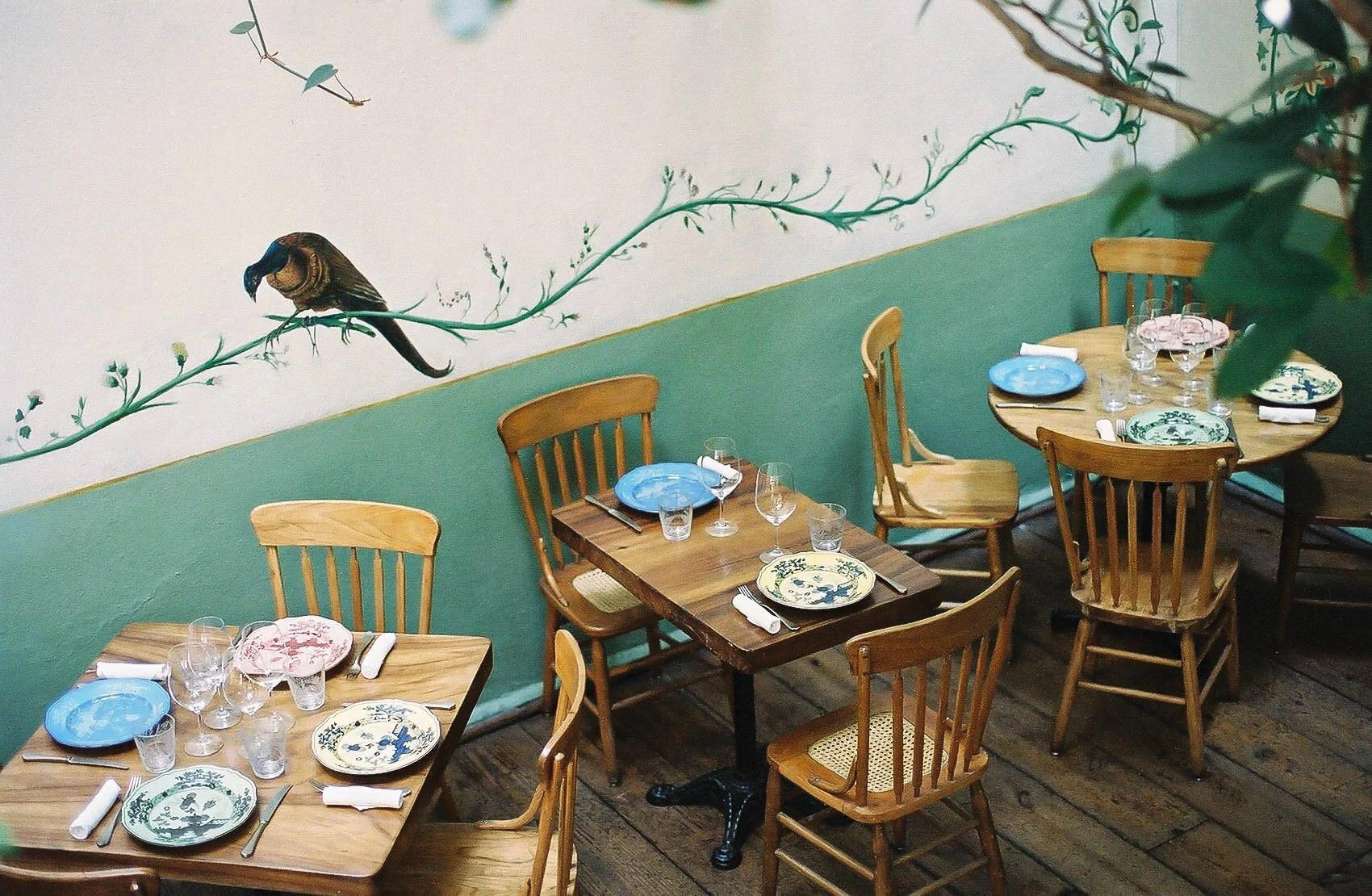
Bars in Mexico City
All bars in Mexico City →
Details
- Cozy
- Trendy
- Intimate
- Modern
- Date Night
- Special Occasion
- Open Kitchen
- Natural Wine
- Local Sourcing
- Street Scene
- A La Carte
- Natural Wine
- Craft Cocktails
Current opening hours
- Monday
- 2–11 PM
- Tuesday
- 2–11 PM
- Wednesday
- 2–11 PM
- Thursday
- 2–11 PM
- Friday
- 2–11 PM
- Saturday
- 2–11 PM
- Sunday
- 2–9 PM
Hours can change for holidays and private events. Hours as of .
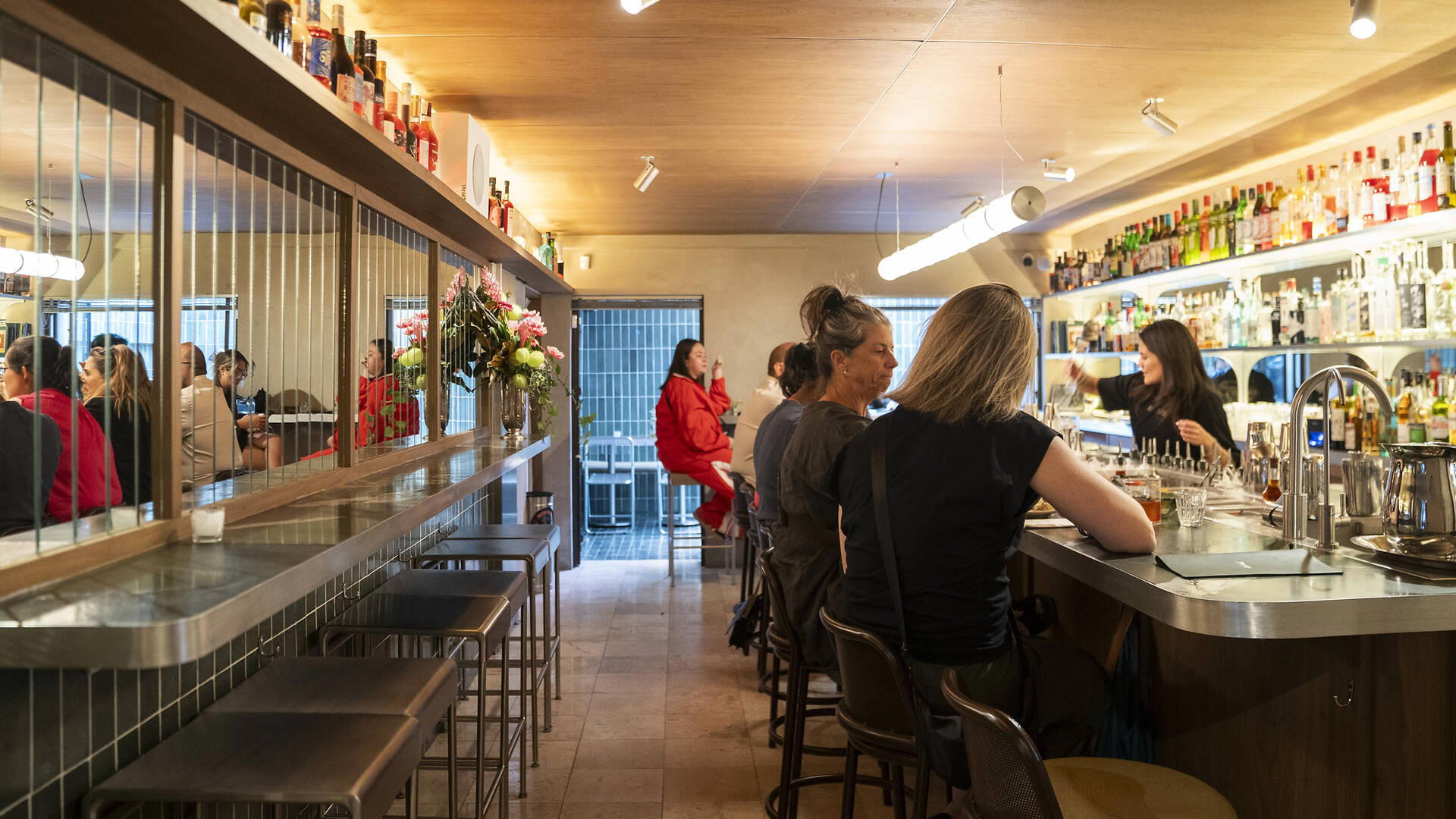
Cozy and warm with dim lighting, centered around a wood-fired chimney and communal chef's table