MaoBao
MaoBao sits on Skyttegade 5 in Copenhagen's Nørrebro district, a neighbourhood that has consistently absorbed international culinary influences without losing its local density. The restaurant's name signals a hybrid ambition, bao meets something broader, placing it in a tier of Copenhagen dining where cross-cultural technique is the editorial premise rather than the exception. Booking ahead is advisable for what is becoming a notable address in the city's mid-to-upper casual dining conversation.

Pearl is the En Primeur Club membership app — saves, bookings, and concierge access live there. Same editors, same standards.
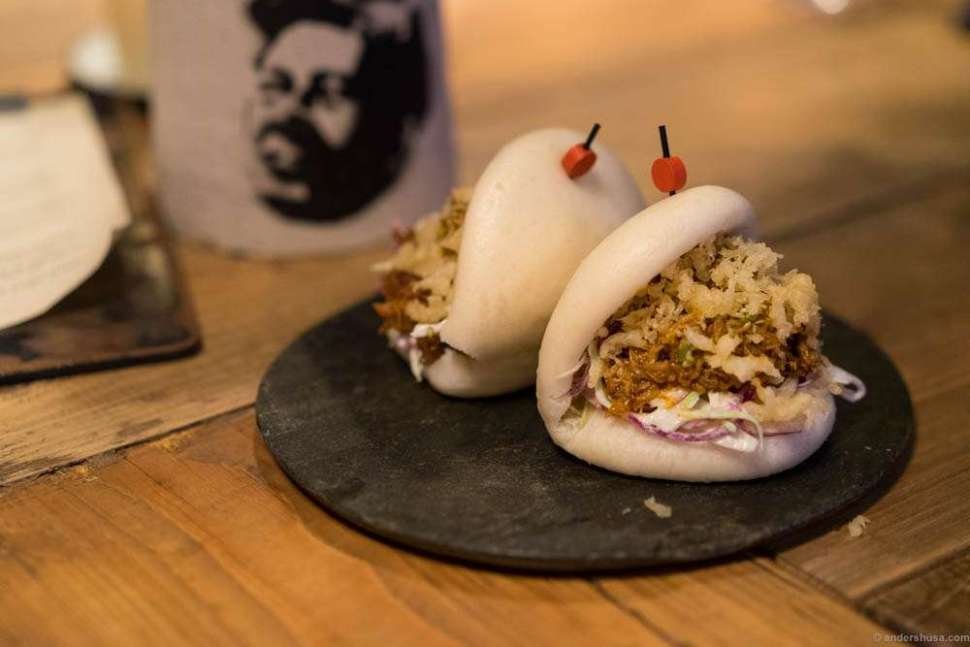
Where Nørrebro's Appetite for the Cross-Cultural Meets Considered Craft
Copenhagen's most commercially visible restaurants cluster around the inner city and the waterfront, where the New Nordic movement built its international reputation through venues like Geranium and the now-closed, still-referenced Noma. But the city's more restless dining energy has migrated north, into Nørrebro, where Skyttegade and its neighbouring streets have accumulated a concentration of restaurants that read less as monuments to a single culinary doctrine and more as working propositions about what cooking in 2024 actually looks like. MaoBao is a restaurant in Copenhagen serving Taiwanese Steam Buns (Gua Bao) at Skyttegade 5 in Nørrebro, with a casual dress code, recommended reservations, and an estimated spend of about USD 25 per person. MaoBao at Skyttegade 5 sits inside that current: a restaurant whose name alone announces that it operates at the intersection of traditions rather than in service of one.
The name combines references that span Central Asian and East Asian culinary lineage, maо, as in the steamed or braised preparations common across the region, and bao, the filled bun format that has become shorthand internationally for the broader category of Chinese-influenced bread and filling combinations. That duality is, in itself, a statement of where Copenhagen's more adventurous mid-market dining has arrived: not in imitation of the New Nordic blueprint established by Kadeau or the technical intensity of Alchemist, but in a different register entirely, one where the creative premise is dialogue between traditions.
The Nørrebro Context: A Neighbourhood That Earns Its Reputation
Nørrebro has functioned as Copenhagen's most demographically mixed district for decades, and that heterogeneity shows directly in its food. The area's restaurant culture is less curated than Vesterbro's and less tourist-facing than the Latin Quarter, which means the venues that survive here do so because they serve a local population with genuine knowledge and genuine alternatives. That competitive pressure tends to produce restaurants with sharper identities than those in more visitor-dependent postcodes. MaoBao occupies a street, Skyttegade, that connects into a grid of similar venues, all of which have had to earn loyalty rather than foot traffic.
For Copenhagen diners already familiar with the kaiseki-inflected cross-culturalism of Koan, MaoBao represents a different angle on the same broad question: what happens when a Scandinavian city with a sophisticated dining public absorbs Asian culinary structures? Where Koan answers that through formal kaiseki progression, MaoBao's framing, implicit in its bao-centred identity, suggests something more casual in format but no less deliberate in conception.
Team Dynamic as Editorial Premise
In Copenhagen's tighter dining economy, the difference between a restaurant that consolidates over time and one that disappears within eighteen months rarely comes down to a single chef. It comes down to whether the front-of-house, kitchen, and service rhythm operate as a coherent system. The cities that have produced durable mid-market restaurants, from Copenhagen to New York's more considered operators, share a recognition that hospitality is a collective craft. At venues like Atomix in New York, the interplay between kitchen precision and a front-of-house capable of explaining unfamiliar ingredients and preparations is inseparable from the restaurant's reputation. The same logic applies in Copenhagen.
At MaoBao, the cross-cultural premise only functions if the team bridging the gap between format and guest is fluent in what the kitchen is doing. A menu built around bao and related preparations from Chinese and Central Asian traditions requires a front-of-house that can contextualise without lecturing, that can tell a guest the difference between a steamed bao and a baked one, or explain why a particular filling combination works, without making the meal feel like an educational exercise. That kind of hospitality fluency is a discipline in itself, and it is what separates restaurants with interesting menus from restaurants with interesting dining experiences.
Copenhagen has trained enough front-of-house talent through its high-end sector, through the service cultures at venues like Geranium and across the broader fine dining circuit that extends to Jordnær in Gentofte and Frederikshøj in Aarhus, that this expertise is filtering downward into smaller, more casual rooms. MaoBao, operating in a neighbourhood with high local standards, is positioned to benefit from that pipeline.
Cross-Cultural Formats in the Nordic Context
The bao format's international moment has been well-documented: from London's Bao restaurants to New York's proliferation of Taiwanese-influenced counters, the filled steamed bun has become one of the more travelled formats in global casual dining over the past decade. What distinguishes the Copenhagen interpretation is the city's existing infrastructure for thinking carefully about sourcing and technique. Danish producers, particularly in vegetables, dairy, and smoked or cured proteins, offer a material base that interacts interestingly with East and Central Asian preparations. The question MaoBao implicitly poses is whether those two supply chains, Nordic and Asian, can generate something that neither tradition would produce alone.
That is the same question, at a different price point and scale, that restaurants like Le Bernardin in New York have long asked about French technique and non-European ingredients: whether classical structures can hold new materials without distorting either. In Copenhagen, that experiment is now happening across multiple price tiers, from the formal multi-course formats at the summit of the market down to neighbourhood restaurants like MaoBao where the format is more accessible but the underlying ambition is comparable.
Across Denmark's broader dining circuit, from Henne Kirkeby Kro in the west to Alimentum in Aalborg, from ARO in Odense to LYST in Vejle and Domæne in Herning, there is a consistent pattern of chefs and teams revisiting what it means to cook from a Danish base in 2024. MaoBao's Nørrebro address places it in that conversation, but from the cross-cultural rather than the terroir-led angle. It shares intellectual company with Dragsholm Slot Gourmet and Frederiksminde in the sense that all are asking what cooking in Denmark means now, they simply answer from different starting points.
Know Before You Go
- Address: Skyttegade 5, 2200 København, Denmark
- Neighbourhood: Nørrebro, accessible by metro (Nørrebroparken) or bus from the city centre
- Booking: Reservations are recommended
- Price range: about USD 25 per person
Where the Accolades Land
Comparable venues nearby, for context on price, style, and recognition.
| Venue | Cuisine | Price | Notes |
|---|---|---|---|
| MaoBaoThis venue — the venue you are viewing | Taiwanese Steam Buns (Gua Bao) | $$ | Not listed |
| Chiba | Indo-Chinese Dim Sum | $$ | Vesterbro-Kongens Enghave |
| Hidden Dimsum | Cantonese Dim Sum | $$ | Indre By |
| Vinfar Deli | Mediterranean Bistro with Natural Wine | $$ | Amager Øst |
| Killer Kebab | Middle Eastern Kebabs | $$ | Indre By |
| Borgergade 16 | Modern Mediterranean Fusion Bistro | $$ | Indre By |
Continue exploring
More in Copenhagen
Restaurants in Copenhagen
Browse all →


Bars in Copenhagen
Browse all →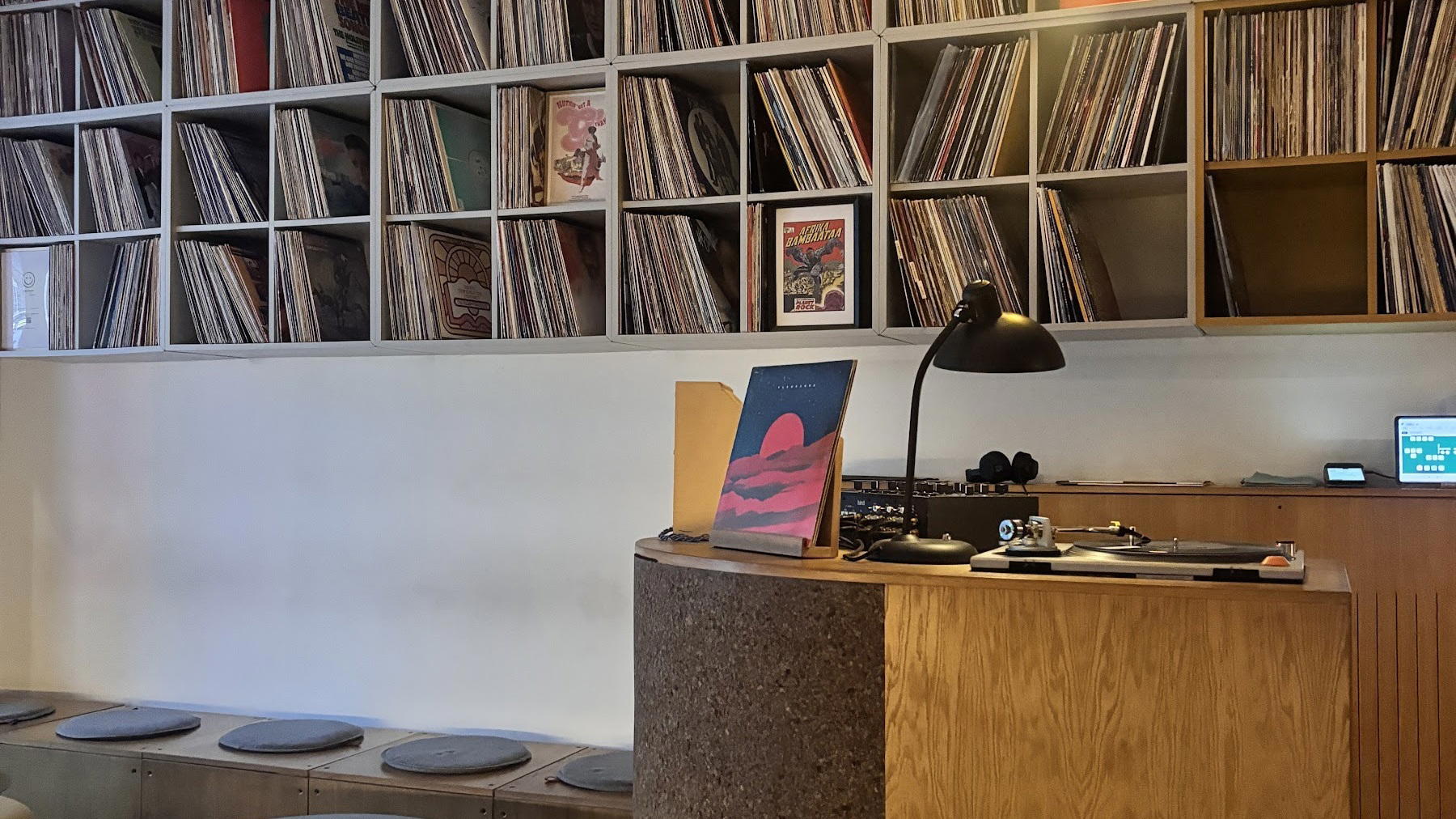



At a Glance
- Trendy
- Cozy
- Casual Hangout
- Date Night
- Craft Cocktails
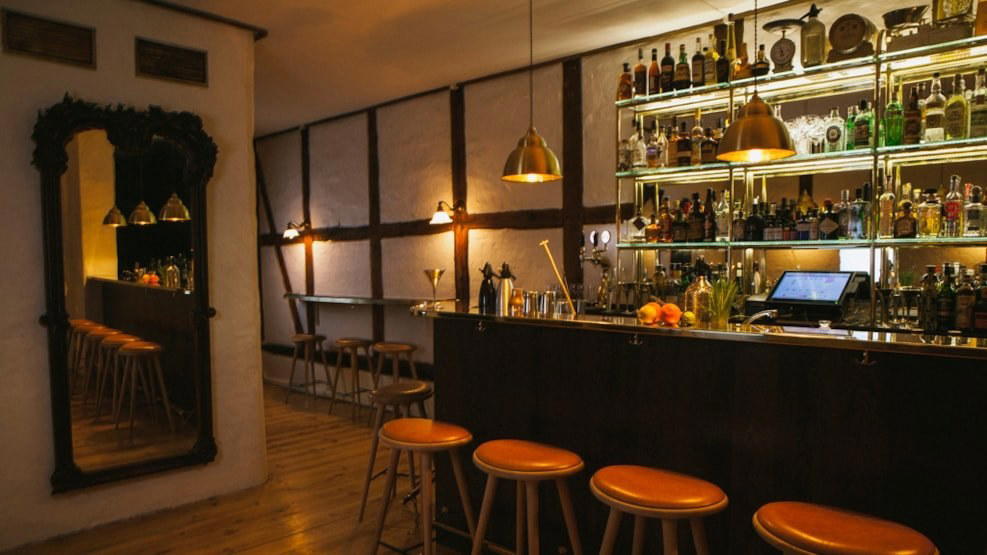
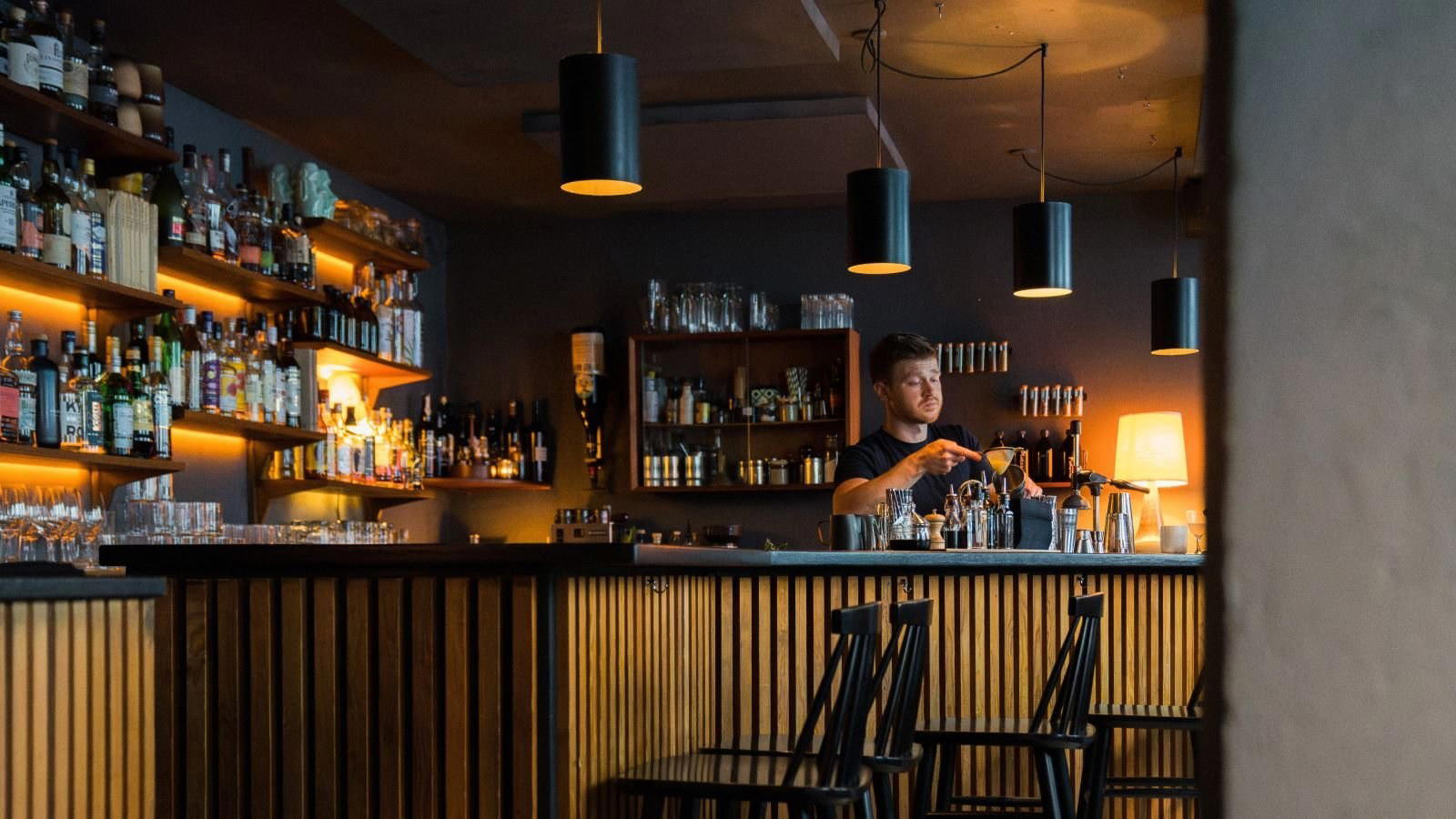
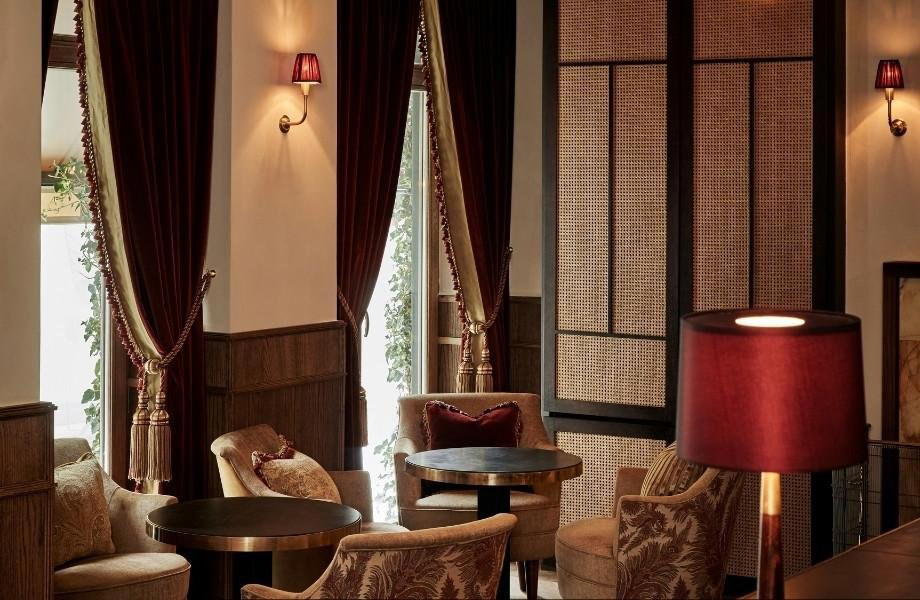
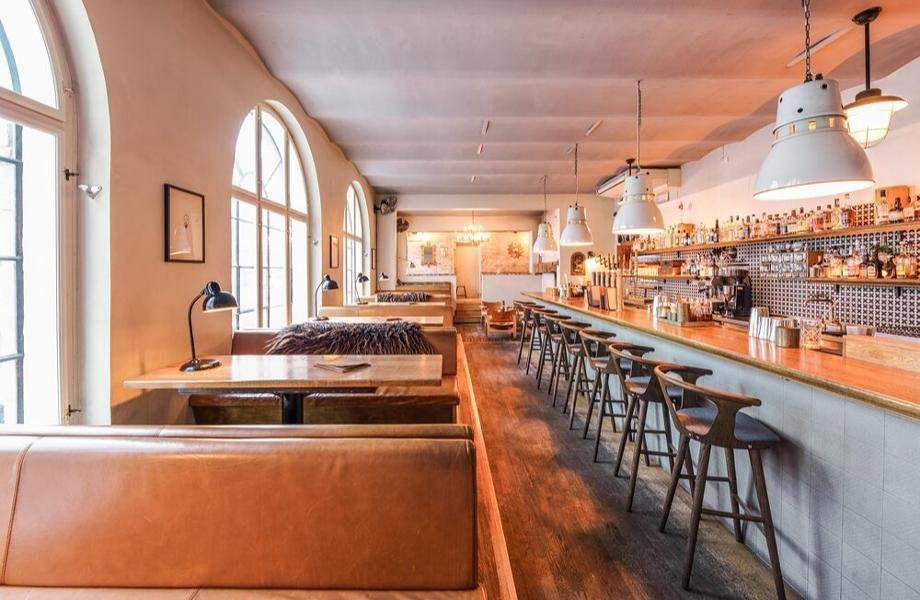
Casual neighborhood cocktail bar atmosphere with a focus on intimate dining experiences during evening pop-up hours.