Chiba
Chiba occupies a Vesterbro address at Vesterbrogade 56, sitting inside Copenhagen's most competitive dining corridor. The venue operates within a city that has reshaped how multi-course tasting menus read globally, placing it alongside a comparable set defined by precision and seasonal discipline. Contact and booking details are best confirmed directly with the venue.
Pearl is the En Primeur Club membership app — saves, bookings, and concierge access live there. Same editors, same standards.
- Address
- Vesterbrogade 56, 1620 København, Denmark
- Phone
- +4593983888
- Website
- dimsumchiba.com
- Directions
- Get directions
 Saves & bookings on Pearl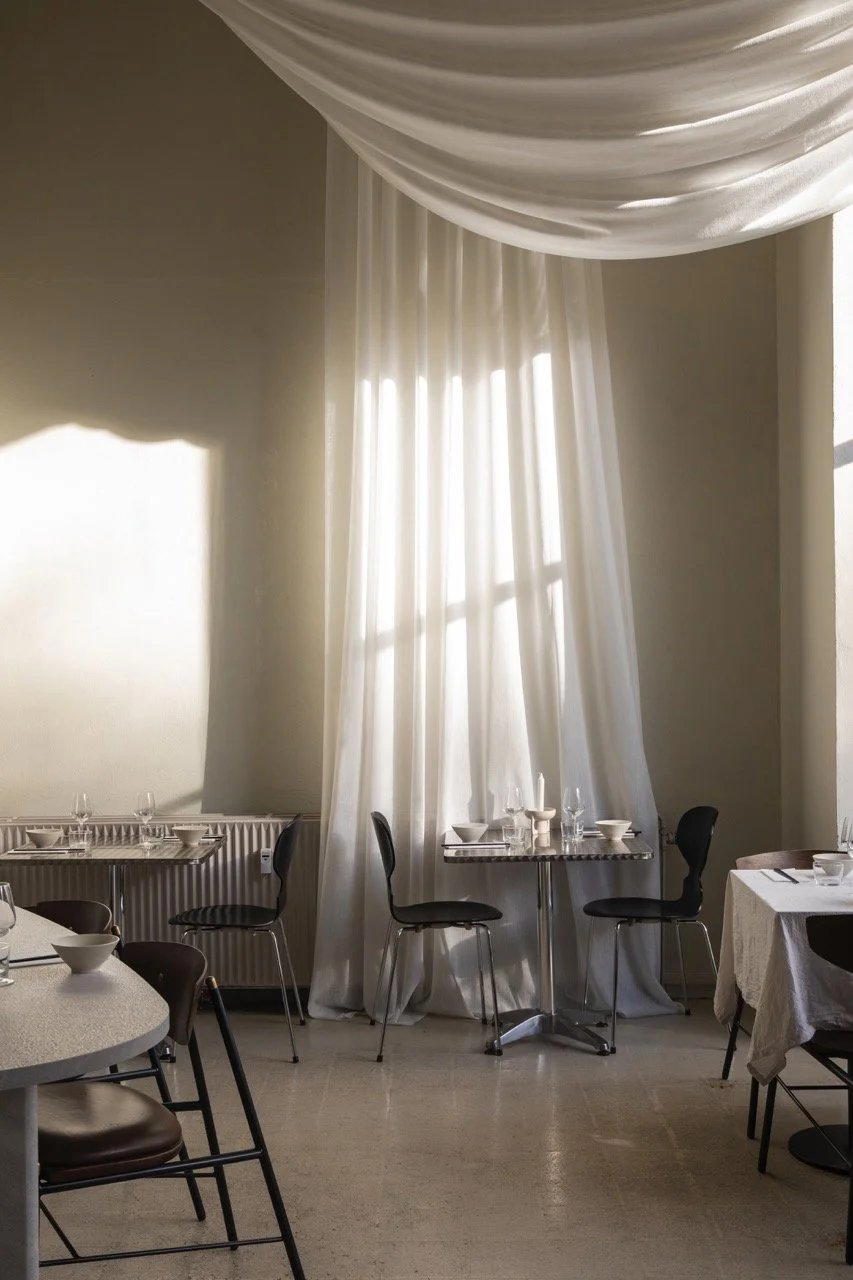
Where Vesterbro Places You
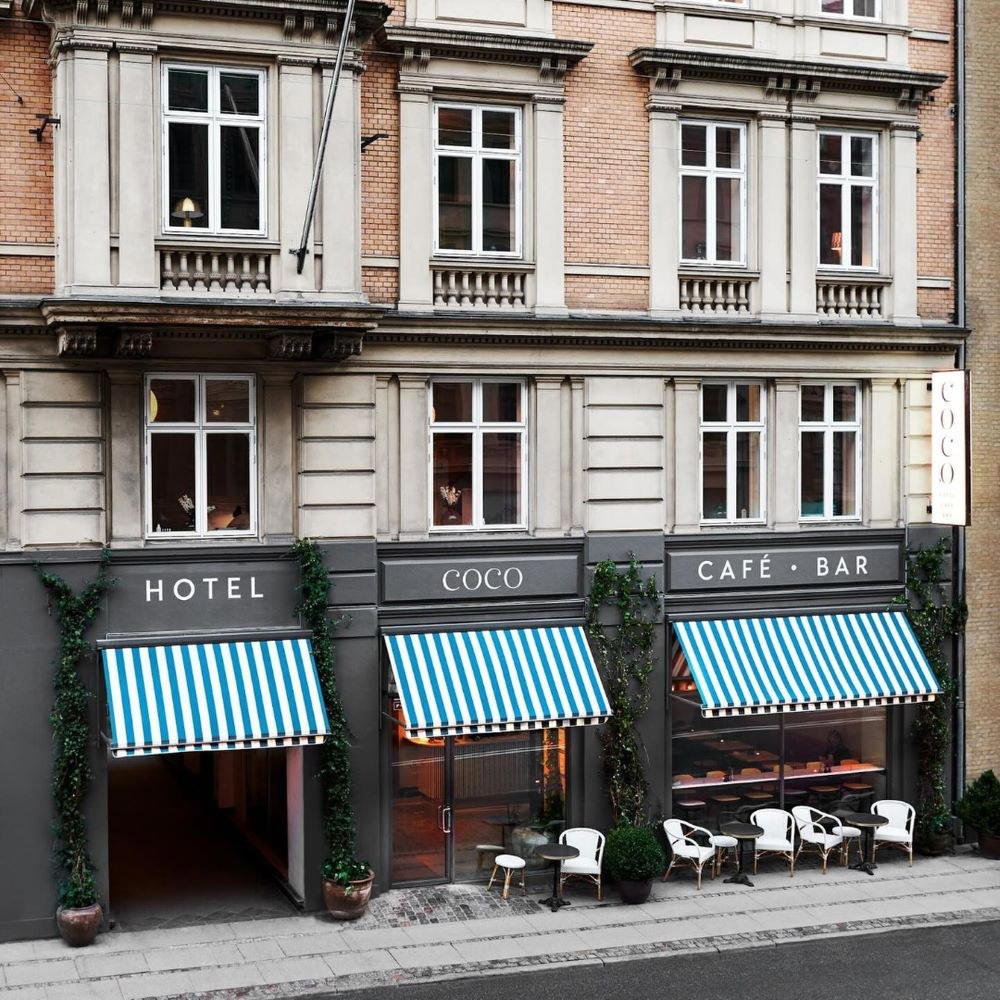
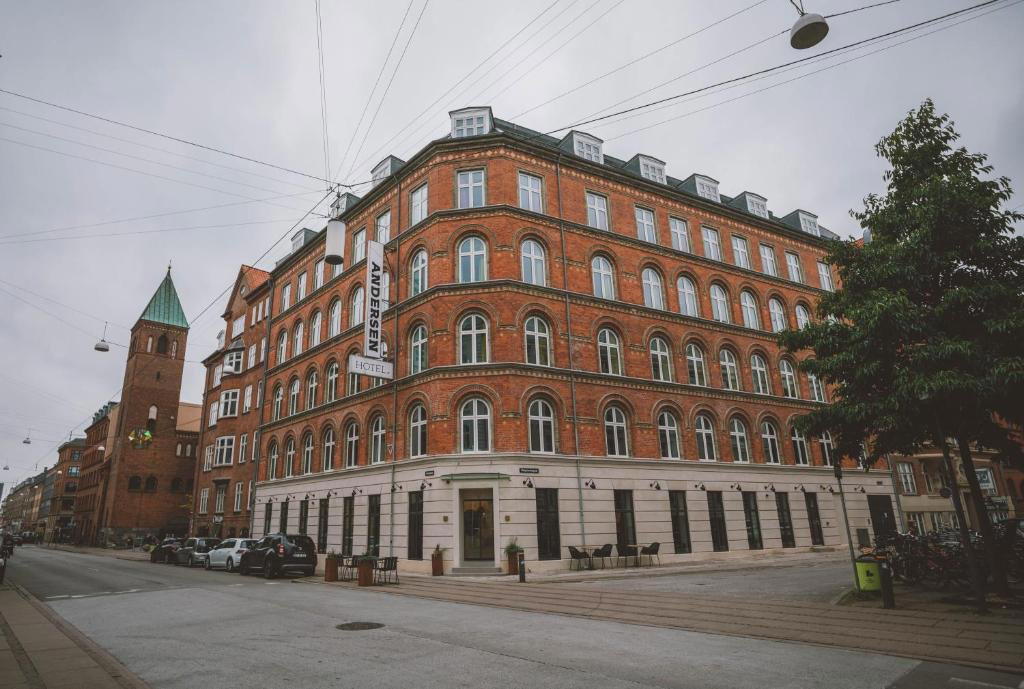
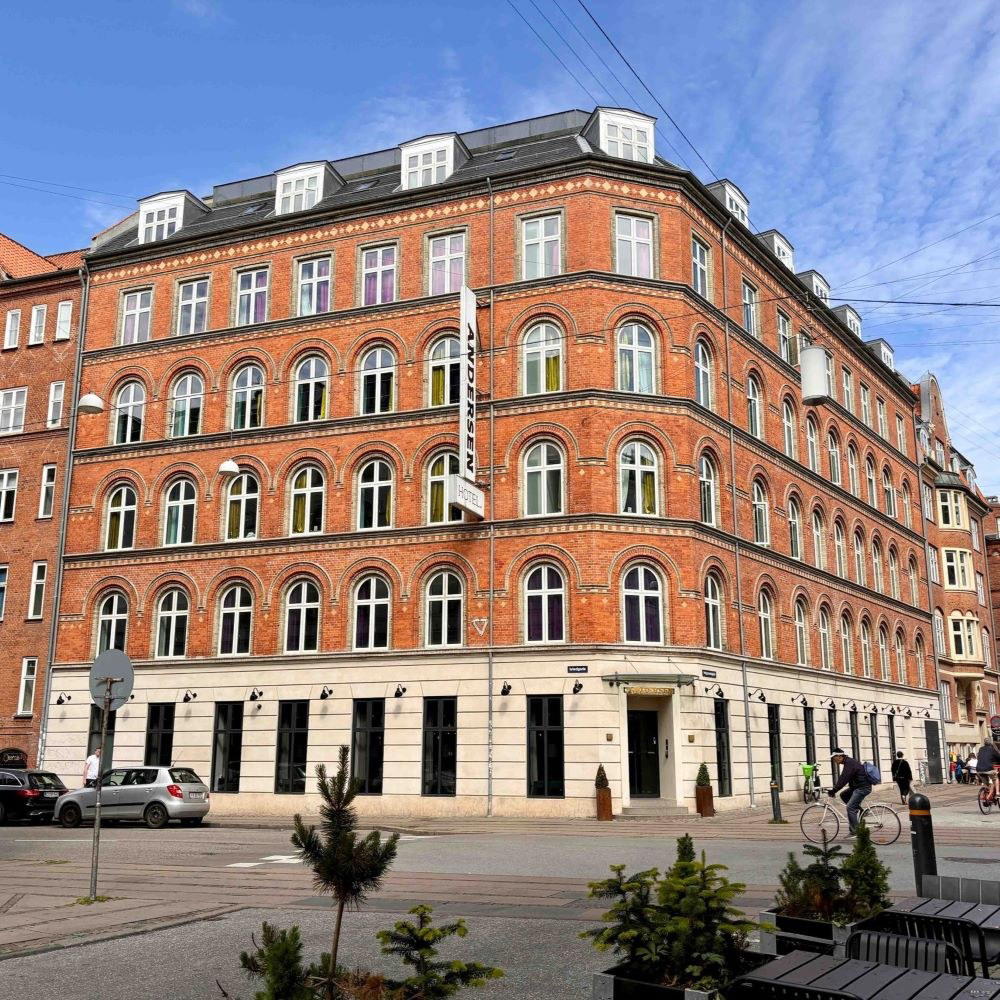
Vesterbrogade runs long and purposeful through one of Copenhagen's most occupied dining neighbourhoods. By the time you reach number 56, the street has moved past the tourist-facing cafes of the inner city and into the denser, more local rhythm of Vesterbro proper, a district that has absorbed a serious share of the city's mid-to-upper dining investment over the past decade. The building frontage here tends toward the undemonstrative: muted facades, close-set windows, interiors that signal their intentions through restraint rather than spectacle. That register, underplayed outside and considered within, runs through much of Copenhagen's serious dining at every price tier.
Chiba is an Indo-Chinese dim sum restaurant at Vesterbrogade 56, 1620 København, Denmark. What that address means in practical terms is access to a neighbourhood that walks between ambition and locality without resolving the tension too cleanly. The guests arriving for a long tasting dinner share the pavement with people heading to wine bars and neighbourhood restaurants that have no interest in the Michelin conversation. That friction is part of what makes Vesterbro a useful place to eat seriously.
The Copenhagen Tasting Format: What the City Expects of a Meal
Copenhagen has, over roughly two decades, done more to standardise the architecture of the multi-course tasting menu than almost any other city. Noma established the template that made seasonal sequencing and foraged material the baseline expectation. Geranium, holding three Michelin stars, refined that into something more technically precise. Alchemist pushed the format into theatrical territory with a fifty-course progression that treats the dining room as an installation. Koan has absorbed Japanese kaiseki discipline into the New Nordic frame, producing a hybrid sequencing logic that is now genuinely its own category.
The result is a city where guests arrive with a high baseline of format literacy. A tasting progression in Copenhagen is not explained to diners; it is assumed they understand how a meal builds, why a palate-cleanser appears where it does, what a fermented dairy course signals about what comes next. That context shapes what any kitchen in the city is working against, and what it is working with.
Within that frame, the tasting progression is not just a list of dishes. It is an argument. The opening courses establish a register, usually lighter, more acidic, more textural, before the kitchen moves into richer, longer-cooked material in the middle third. The close tends toward sweetness, but Copenhagen kitchens have largely abandoned the European tradition of ending on pure sugar; a final savoury note, or a dessert built around cultured dairy and preserved fruit, is closer to the current convention. Kadeau, which draws from Bornholm's island pantry, is one of the clearest examples of a kitchen that treats the arc of a meal as its primary medium.
Chiba in That Context
What the Vesterbrogade address makes clear is that it operates within a city where the tasting menu format carries accumulated weight and where guests are comparing any progression they experience against a reference set that includes particularly discussed restaurants of the past two decades.
That competitive pressure tends to sharpen kitchens. Copenhagen's density of serious cooking, combined with a relatively small domestic market, means that restaurants in the serious-dining tier do not have the luxury of a forgiving local audience. The city's diners have eaten at Jordnær in Gentofte, have taken the trip to Frederikshøj in Aarhus, have spent a weekend at Henne Kirkeby Kro or Dragsholm Slot Gourmet in Hørve. Any kitchen that wants to hold a place in that conversation needs to do more than execute competently.
For visitors arriving from outside Denmark, the comparison points extend further. The tasting format that Copenhagen refined has been absorbed globally, and guests who have eaten at Le Bernardin in New York City or at Lazy Bear in San Francisco will recognise the structural logic even if the specific ingredients and flavour registers differ substantially.
The Vesterbro Dining Pattern
One practical consequence of eating in Vesterbro rather than the inner city is the before-and-after question. The neighbourhood has a functional wine bar culture and a number of casual restaurants that work well as a lower-key follow-up to a long tasting dinner. Arriving early and walking the street before a reservation gives a reasonable read on the district's character: it is residential enough that the restaurants feel embedded rather than destination-built, which tends to produce a different service register than the more tourist-facing parts of the city.
Seasonality matters in Copenhagen in ways that have become structural rather than incidental. The January-to-March window is when the city's kitchens work hardest against a genuinely sparse ingredient calendar, and the results of that constraint, preserved, fermented, and aged material carrying most of the flavour weight, are often more technically interesting than the summer abundance of May through August. Guests who want to see how a Copenhagen kitchen argues with winter should book accordingly. Those seeking the more direct pleasure of peak-season Nordic produce are better served in late spring or early autumn.
For broader orientation across Denmark's serious dining circuit, venues like Frederiksminde in Præstø, Ti Trin Ned in Fredericia, LYST in Vejle, Tri in Agger, Pearl by Paul Proffitt in Kruså, and Syttende in Sønderborg represent how the country's serious-dining culture has distributed beyond the capital. Copenhagen remains the densest single node, but the map has expanded considerably.
Know Before You Go
- Address: Vesterbrogade 56, 1620 København, Denmark
- Neighbourhood: Vesterbro, Copenhagen
- Booking: Reservation recommended
- Price range: Not confirmed; positioned within a city whose serious-dining tier typically runs DKK 1,500 to 3,000+ per person with wine pairing
- Hours: Tue to Thu 5 to 11 PM; Fri to Sat 12 to 4 PM and 5 to 11 PM
- Dress code: Smart casual
- Timing: Winter bookings (January–March) tend to show the kitchen's depth; summer (June–August) offers peak Nordic produce
Cost and Credentials
Comparable venues nearby, for context on price, style, and recognition.
| Venue | Cuisine | Price | Notes |
|---|---|---|---|
| ChibaThis venue — the venue you are viewing | Not listed | $$ | Not listed |
| WokXpress Vesterbrogade | Not listed | $$ | Vesterbro-Kongens Enghave, Authentic Thai Wok Cuisine |
| Restaurant Cofoco | Not listed | $$ | Vesterbro-Kongens Enghave, Modern Danish with Mediterranean influences |
| MaMeMi | Not listed | $$ | Vesterbro-Kongens Enghave, Authentic Roman-Style Pizza |
| Aamanns Deli & Takeaway | Østerbro | Indre By, Modern Danish Smørrebrød | $$ | Not listed |
| Osteria16 | Not listed | $$ | Vesterbro-Kongens Enghave, Authentic Italian Antipasti |
Continue exploring
More in Copenhagen
Restaurants in Copenhagen
Browse all →
Bars in Copenhagen
Browse all →

At a Glance
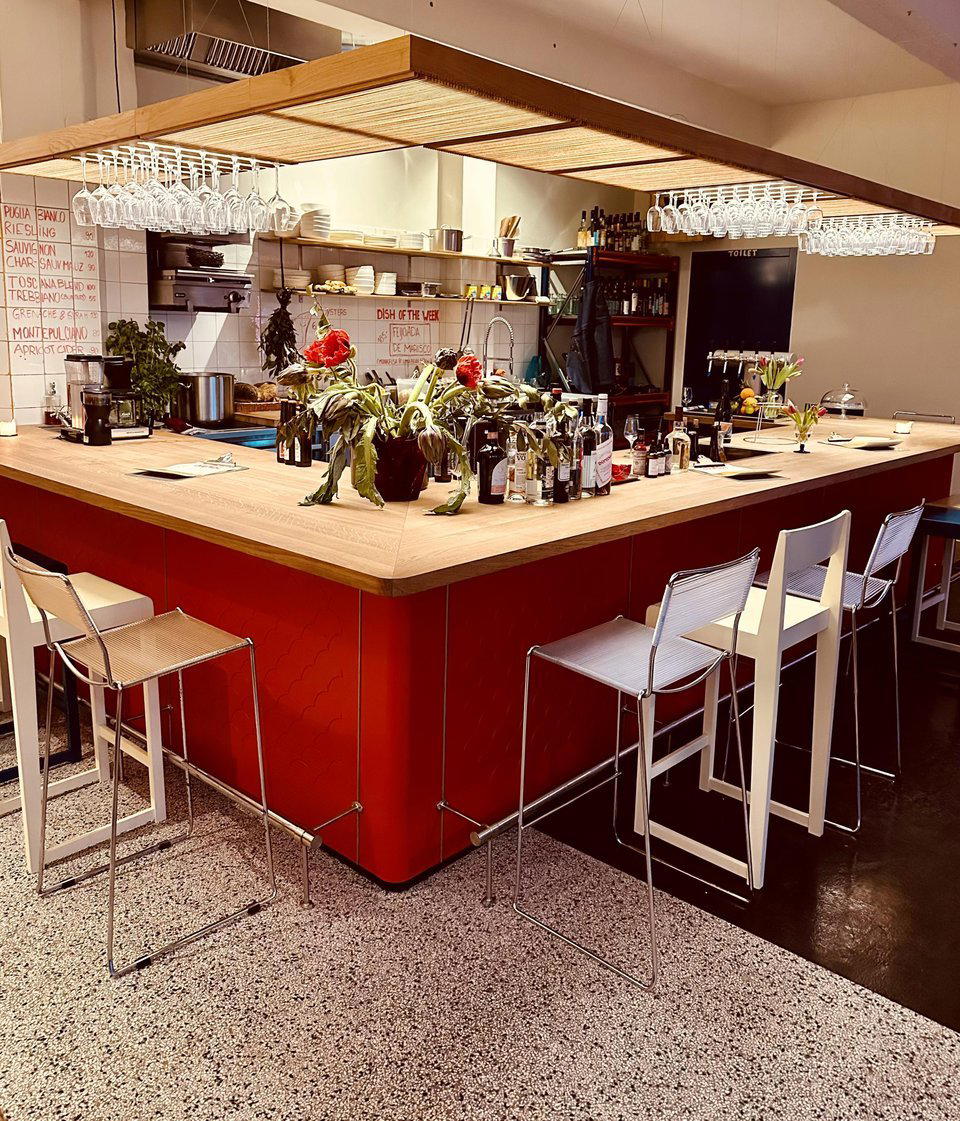
- Cozy
- Modern
- Intimate
- Date Night
- Casual Hangout
- Open Kitchen
- Craft Cocktails
Current opening hours
- Monday
- Closed
- Tuesday
- 5–11 PM
- Wednesday
- 5–11 PM
- Thursday
- 5–11 PM
- Friday
- 12–4 PM, 5–11 PM
- Saturday
- 12–4 PM, 5–11 PM
- Sunday
- Closed
Hours can change for holidays and private events. Last verified .
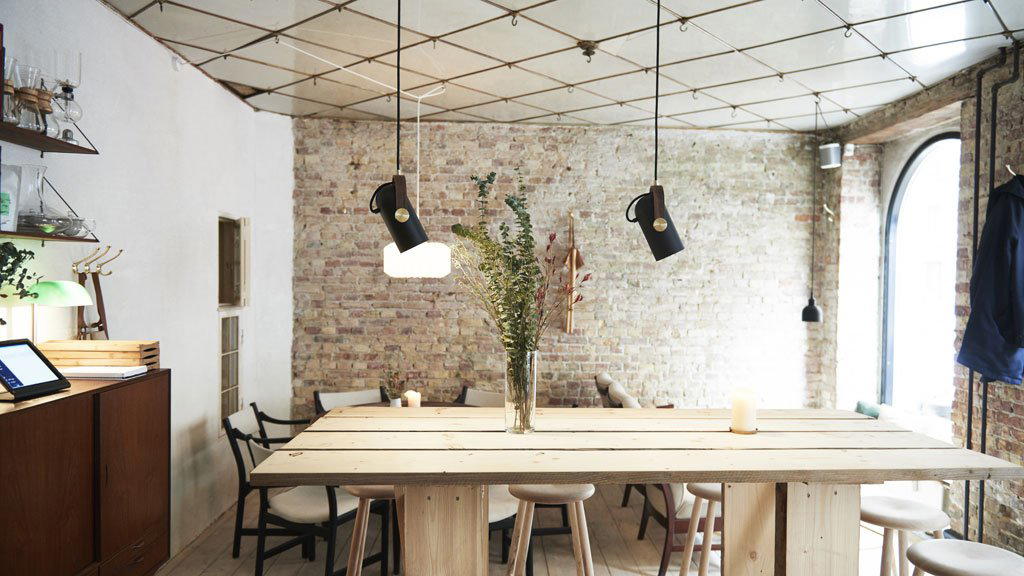
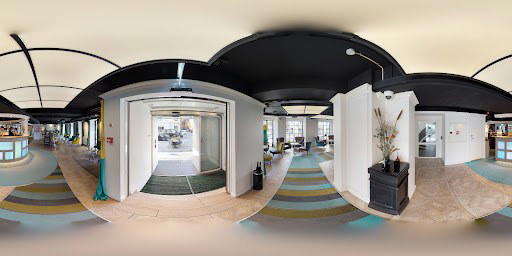
Bright, high-ceilinged dining room with soft sheer curtains creating a celestial calm.