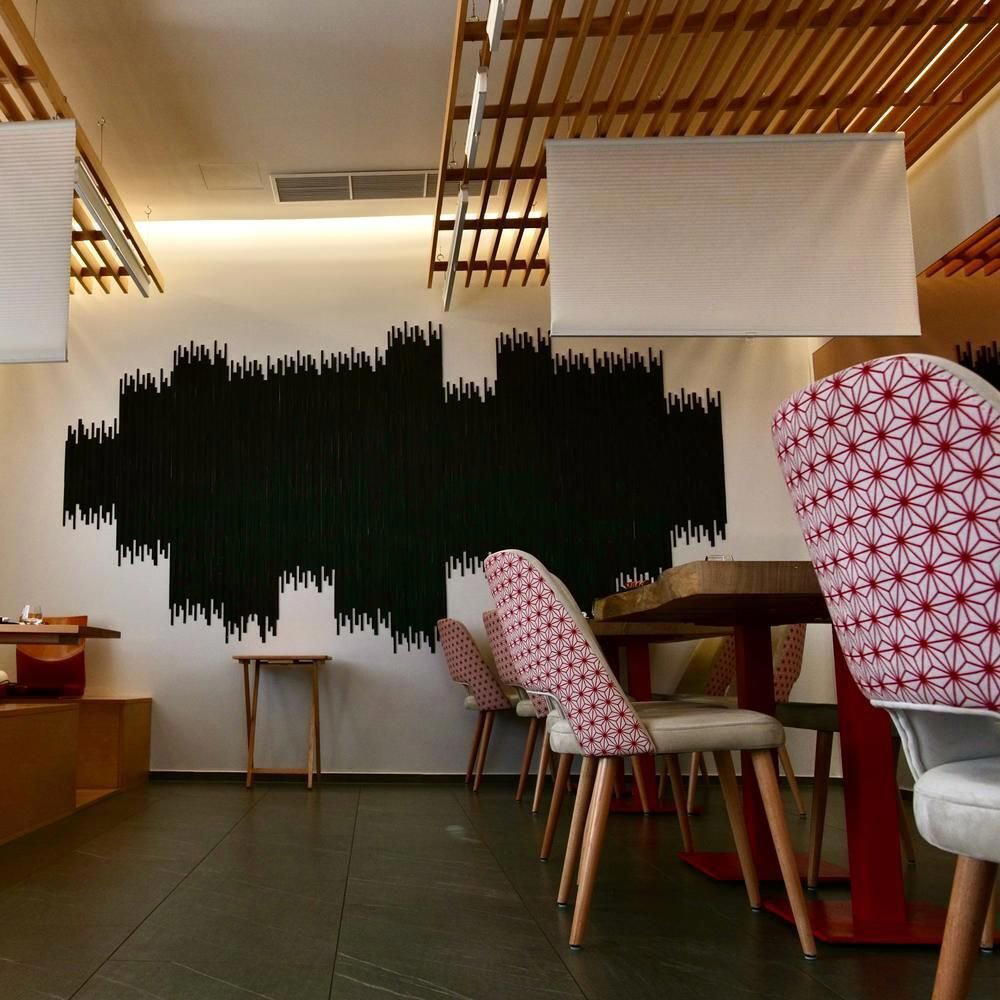
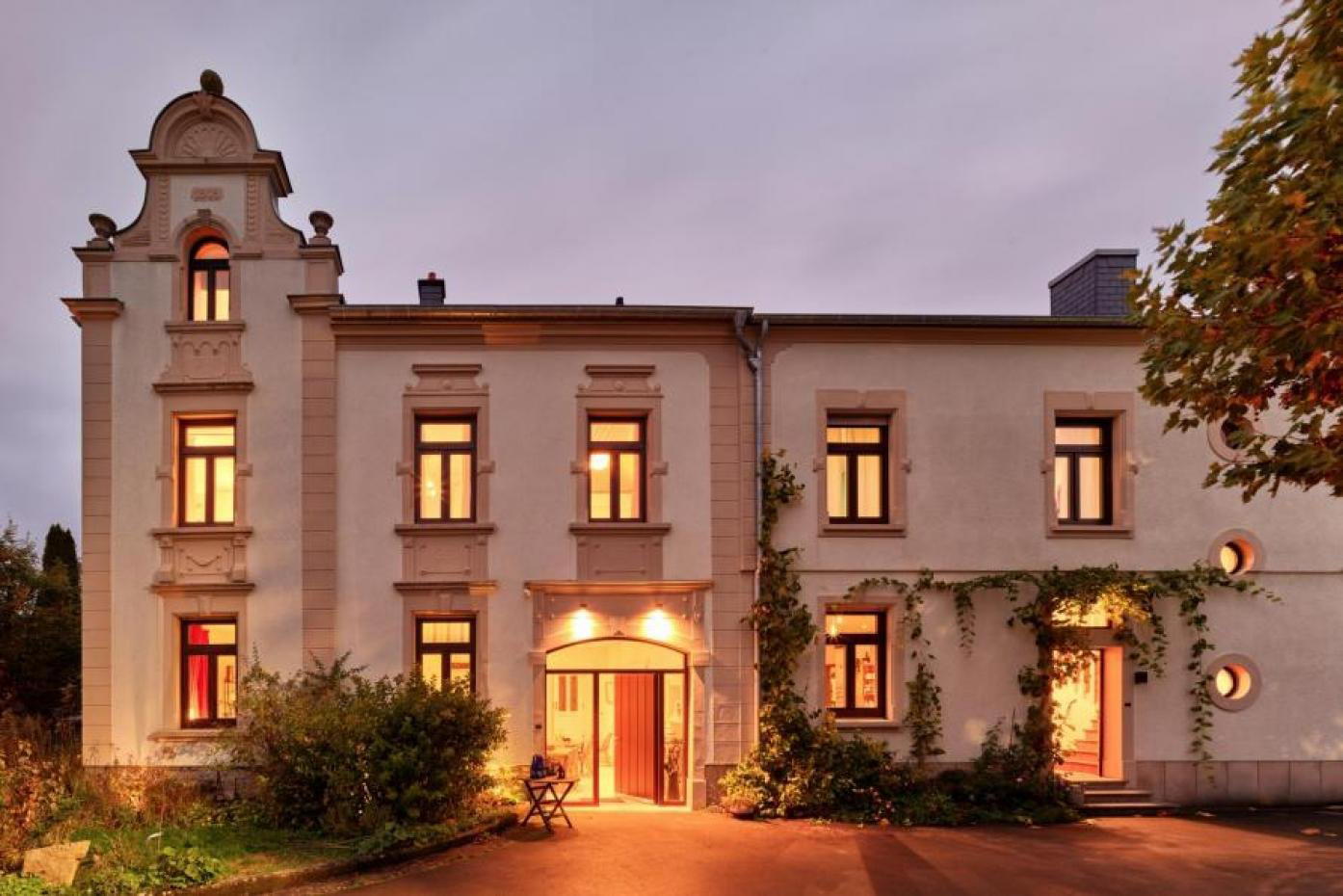
Manzoku
Our verdict
On Avenue du Dix Septembre in Hollerich, Manzoku occupies a neighbourhood that has become one of Luxembourg City's more interesting dining corridors, drawing a crowd that takes the ritual of sitting down to eat seriously. The address places it outside the Grand Duchy's established fine-dining circuit, which is precisely what makes it worth attention for anyone tracking where the city's restaurant culture is actually moving.

Pearl is the En Primeur Club membership app — saves, bookings, and concierge access live there. Same editors, same standards.
- Address
- 153 Av. du Dix Septembre, 2551 Hollerich Luxembourg
- Hours
- Mon–Tue ClosedWed–Thu 11:30 AM–2 PMFri 11:30 AM–2 PM, 6–9 PMSat 6–10 PMSun Closed
- Website
- manzoku.lu
- Directions
- Get directions
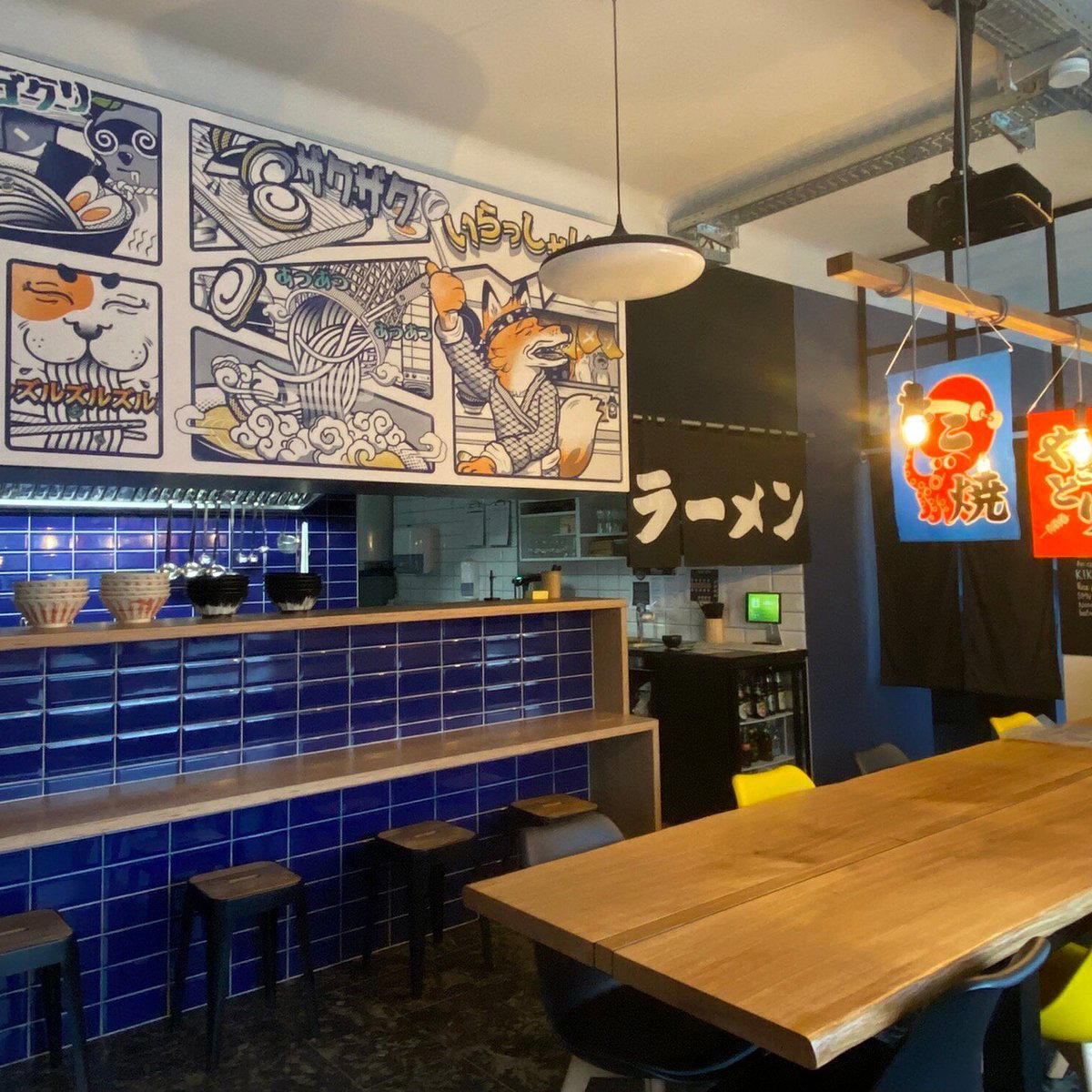
Hollerich and the Changing Geography of Luxembourg Dining
Luxembourg City's restaurant scene has long concentrated its ambitions in the Grund, Kirchberg, and the historic centre, leaving districts like Hollerich to operate at a quieter frequency. That distribution is shifting. Avenue du Dix Septembre and its surroundings have gathered a cluster of addresses that draw regulars rather than tourists, and the dining there tends to be driven by habit and neighbourhood loyalty rather than occasion or itinerary. Manzoku, at number 153, fits that pattern: a Hollerich address that functions as a local institution in a district that rewards repeat visits over single-destination tourism.
For context, Luxembourg's premium dining tier is anchored by a handful of names with established international credentials. Ma Langue Sourit and Léa Linster operate at the €€€€ tier with contemporary French and modern French cuisine respectively, both positioned toward the formal occasion end of the spectrum. Creative formats like Apdikt at the €€€ level and organic-focused addresses like Archibald De Prince complete a relatively compact upper-middle tier. Manzoku sits in a different register, shaped more by neighbourhood rhythm than by positioning within that fine-dining architecture.
The Ritual of the Meal in a Neighbourhood Setting
There is a particular kind of dining ritual that only neighbourhood restaurants make possible, and it is different in character from what a destination tasting menu delivers. It involves returning. Knowing where to sit. Understanding the pace without being told. Luxembourg's Hollerich district has developed enough residential density and enough international population (the Grand Duchy's workforce draws heavily from France, Germany, Belgium, and Portugal) that restaurants here build their rhythms around regulars who eat out frequently rather than visitors treating dinner as a scheduled attraction.
At an address like Manzoku, the structure of a meal is shaped by that regularity. The dining ritual is familiar rather than ceremonial: arrival without the formality of a tasting menu's scripted progression, courses that reflect what a kitchen does consistently rather than what it performs for special occasions. Across much of urban Europe, this model has proven more durable than the theatrical tasting format. Cities from Brussels to Berlin have seen neighbourhood restaurants with focused menus outlast more ambitious contemporaries that burned bright on opening-year press and faded. Luxembourg, small enough that word travels fast, tends to validate that pattern efficiently.
Asian dining in Luxembourg operates within a broader European trend toward restaurants that bridge the gap between casual and considered. Pan-Asian and Japanese-inflected formats in particular have expanded significantly across the Benelux region over the past decade, with cities like Antwerp, Brussels, and Luxembourg City all developing more sophisticated demand for cuisine beyond the standard sushi-and-teriyaki template. Bo Zai Fan and Laotse in Moutfort represent other points in that regional spread, each responding to a different facet of the demand. Manzoku's name, rooted in Japanese vocabulary for satisfaction or contentment, signals an orientation toward that culinary tradition, even if the specific format of the menu requires direct verification before a visit.
What Hollerich Tells You About the City
Reading a city's dining culture through its neighbourhood addresses is often more instructive than reading it through its starred establishments. The Grand Duchy's formal dining sector, impressive relative to its population of roughly 660,000, is well documented through Michelin's Luxembourg coverage and the international press that follows it. What is less documented is the texture of everyday dining for the 250,000-plus people who live and work in Luxembourg City and its immediate surroundings, many of them eating out three or four times a week as a function of long working hours and the density of international residents accustomed to dining out regularly.
Hollerich serves that population. The district sits southwest of the city centre, accessible by tram and on foot from the Gare quarter, and has been changing character as development has followed the tram line. Avenue du Dix Septembre itself is a long boulevard that connects the inner districts to the western suburbs, and the dining addresses along it skew toward the practical and the habitual rather than the occasional. That context matters when deciding when and how to visit Manzoku. This is not a restaurant that rewards a special-occasion mindset so much as a regular-visit approach.
Comparing Notes: Luxembourg Beyond the City
Anyone building a serious eating itinerary through the Grand Duchy will find that the most interesting meals often require leaving the capital. Beim Bertchen in Wahlhausen and Côté Cour in Bourglinster represent the country tradition, while Les Roses in Mondorf-les-Bains and Domaine La Forêt in Remich anchor the Moselle wine corridor. Suburban options like Beefbar Smets in Strassen, Kore in Steinfort, B13 in Bertrange, and Der Napf in Wilwerdange fill in the picture further. Against that spread, Manzoku's city address and neighbourhood character place it in the everyday urban tier, useful for a meal that is not the centrepiece of an evening but very much part of how Luxembourg actually eats.
For international reference on what serious Asian dining looks like at the highest level, Atomix in New York City and Le Bernardin represent the kind of format and precision that has reshaped expectations globally, including in smaller European markets where diners return from New York, Tokyo, or Seoul with recalibrated standards. That trickle-down effect is visible in Luxembourg, where even neighbourhood restaurants now face a clientele with considerable international dining experience.
Planning a Visit
Manzoku is located at 153 Avenue du Dix Septembre, 2551 Hollerich, Luxembourg. The Hollerich tram stop places the address within walking distance of central Luxembourg City, making it reachable without a car, which matters in a city where parking near the centre is constrained. Given the neighbourhood character of the address, visiting earlier in the week may offer a more relaxed experience than peak Friday and Saturday evening sittings, when Hollerich's residential dining crowd tends to concentrate. Contact details, current hours, and booking arrangements are best confirmed directly with the restaurant before visiting, as these specifics are subject to change. For a fuller picture of where Manzoku sits within the city's options, the EP Club Luxembourg restaurants guide maps the broader scene across price points and cuisine types, including Fani for Italian at the €€€€ tier and the creative formats that have emerged at the city's mid-upper level.
Frequently asked questions
How do I find Manzoku?
Manzoku is located at 153 Av. du Dix Septembre, 2551 Hollerich Luxembourg, Luxembourg.
Is Manzoku a good option for dining near the Hollerich tram stop in Luxembourg City?
Manzoku at 153 Avenue du Dix Septembre is one of the few sit-down addresses within walking distance of the Hollerich tram stop, placing it in a part of Luxembourg City that is seeing gradual dining interest after years of concentration in the Grund and city centre. No cuisine type or price range is currently listed in public records, so contacting the venue directly before visiting is advisable. For travellers already in the Hollerich area, it represents an accessible local option without requiring a trip back into the more trafficked restaurant districts.
What dish is Manzoku famous for?
For current menu information, visiting in person at 153 Avenue du Dix Septembre, Hollerich, or checking directly with the restaurant is the most reliable approach. Hollerich's dining scene tends toward regulars-first cooking rather than headline dishes designed for press coverage.
Can I walk in to Manzoku?
No booking policy is documented for Manzoku. The Hollerich tram stop puts the address at 153 Avenue du Dix Septembre within easy reach, making a walk-in attempt straightforward logistically. Neighbourhood restaurants in Luxembourg City at this kind of address typically operate with some walk-in capacity, though calling ahead is the safer move for weekend evenings.
What's the standout thing about Manzoku?
Location is the clearest differentiator on record. Manzoku sits in Hollerich, a district that has historically been overlooked by the capital's dining press in favour of the Grund, Kirchberg, and the historic centre. That position outside the main corridors shapes the kind of meal it offers: less destination-driven, more integrated into the rhythm of the neighbourhood.
Price and Positioning
Comparable venues nearby, for context on price, style, and recognition.
| Venue | Cuisine | Price | Notes |
|---|---|---|---|
| ManzokuThis venue — the venue you are viewing | Authentic Japanese Ramen Bar | $20–30 | Not listed |
| Wine Not | European Wine Bar | Not listed | Merl, European Wine Bar |
| Bo Zai Fan | Hong Kong Clay Pot Rice & Dim Sum | Not listed | Limpertsberg, Hong Kong Clay Pot Rice & Dim Sum |
| Boutique Léa Linster Delicatessen | Luxembourg Delicatessen | $10–20 | Ville Haute, Luxembourg Delicatessen |
| Namur | Luxembourgish Pâtisserie & Café | $20–30 | Gasperich, Luxembourgish Pâtisserie & Café |
| Mama Shelter-Rooftop | Mediterranean Tapas Rooftop | $20–30 | Kirchberg, Mediterranean Tapas Rooftop |