
Tabelog 100 #75
Our verdict
Manpuku belongs to Nagoya’s serious yakiniku tier: a grill-focused room in Nakagawa-ku with repeat selection in Tabelog’s Yakiniku EAST “Tabelog 100” in 2020, 2021, 2022, and 2025. The appeal is less ceremony than control, with the table grill putting beef, heat, smoke, sauce, and drinks into a format built for groups rather than quiet tasting-menu choreography.

Pearl is the En Primeur Club membership app, where members save venues, book tables and use the concierge.
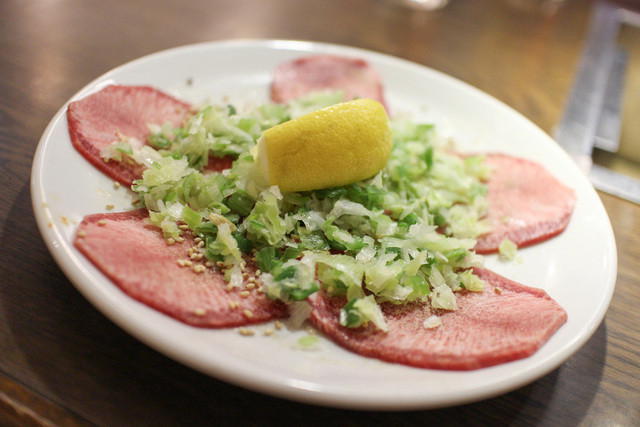
The first signal at a serious yakiniku table is not a chef’s counter or a polished tasting-menu preamble. It is the grill: heat in the middle of the table, plates moving in sequence, smoke managed by the room rather than hidden by the kitchen. Nagoya’s dining culture makes space for both formal Japanese cuisine and practical, meat-led evenings, and Manpuku sits in the latter camp with enough recognition to separate it from a casual neighborhood grill.
Yakiniku rewards a different kind of attention from sushi or tempura. Timing shifts from the kitchen to the table, and the meal depends on how well cuts are ordered, cooked, shared, and paced. That makes beverage choice more than an afterthought. Beer, highballs, shochu, sake, and wine all have roles in Japanese grill rooms, but the useful question is not cellar size alone. It is whether the drinks can handle rendered fat, tare, salt, smoke, and repeated heat without flattening the meal.
Nagoya yakiniku with recognition beyond the usual neighborhood grill
The Tabelog Hyakumeiten recognition gives this restaurant a clear reference point inside Japan’s crowded beef-grill category. Manpuku was selected in 2025, a signal that matters because yakiniku is a category where local loyalty can hide uneven execution. The listing supports reading it as more than an everyday grill stop, while still keeping the focus on the meal itself rather than on ceremony.
Within Nagoya, the comparison is useful. Oryori Hisamatsu and Shunsai Tempura Shinra speak to more formal Japanese dining, with a stronger sense of chef-controlled sequencing. Tebiki Soba Isshin occupies a different register, built around noodles and a tighter spend. Yakiniku sits between those modes: less ceremonial than kaiseki, more social than tempura, and more dependent on guest participation than ramen. That is the point. A grill table turns dinner into a shared rhythm rather than a procession of finished plates.
Nagoya also changes the reading. This is not simply dining driven by an obvious visitor corridor or a famous address. The pull here is category credibility: a meat-focused room in the city, recognized in a specialist selection, and suited to diners who treat yakiniku as a meal with technique rather than a fallback plan. For broader mapping, Our full Nagoya restaurants guide gives the city context, while Our full Nagoya hotels guide, Our full Nagoya bars guide, Our full Nagoya wineries guide, and Our full Nagoya experiences guide help place dinner inside a wider trip.
The drinks question at a grill table
The wine-list angle at yakiniku is often misunderstood. A deep cellar can be impressive, but grill dining needs bottles and pours that can take abrasion: char, garlic, soy, sweetness, chili, richer cuts if ordered, and the clean fat of grilled beef. In that setting, acidity, tannin management, chill, and glass size matter more than prestige labels. The table moves quickly, and a drink that works for the first salted bite may not carry the sauced courses that follow.
Japan’s yakiniku rooms have long been friendly to beer and highball culture because carbonation resets the palate and keeps the meal casual. Wine, when chosen well, shifts the experience: lighter reds can stay nimble with salt-grilled beef, fuller bottles can handle tare and richer cuts, and sake or shochu can bridge both. Without a public sommelier narrative or named cellar program attached here, the sound editorial stance is to treat beverage selection as functional rather than ornamental. Order for the grill, not for status.
That makes Manpuku more appealing to a specific diner: someone who wants a recognized yakiniku meal without turning it into a luxury-theatre performance. The format says something about the meal’s energy: this is table-led eating, closer to the democratic rhythm of a proper grill house than to the insulation of a staged tasting-menu suite. For travelers comparing Japanese dining formats across cities, the contrast with other beef-centered rooms is instructive: some meals are guided by simmering and sweetness, while yakiniku is defined by direct heat and table control.
How to read it against Japan's broader dining map
For visitors building an itinerary, Nagoya rewards specificity. The city’s food reputation is often reduced to familiar local shorthand, but its serious dining range is wider than any single category suggests. A recognized yakiniku room in Nagoya belongs to that wider picture: local, meat-led, and better judged by consistency signals than by spectacle.
Useful cross-reading comes from other Japanese formats rather than from generic “where to eat” lists. Grill culture has little in common with compact cafe formats, bar-and-seafood dining, regional casual rooms, or Japanese-adjacent drinking culture overseas. Those comparisons underline the point: yakiniku is not just beef on a grill; it is a social technology for pacing protein, alcohol, and conversation.
Within Nagoya’s own EP Club map, reference points such as Manpuku, Oryori Hisamatsu, Ramen, Ramen Daruma Shokudo, Shunsai Tempura Shinra, and Tebiki Soba Isshin show how fragmented the city’s restaurant scene can be across formats. Other Japanese dining rooms elsewhere can add perspective, but Manpuku is best read first through Nagoya’s own mix of specialist meals, formal counters, noodle shops, and grill tables.
The editorial case is simple: Manpuku is for diners who want Nagoya yakiniku with proven category recognition, a table-centered format, and a meal where drink choices should be made around heat and fat rather than ceremony. It is not the city’s formal Japanese dining answer, and it does not need to be. Its value lies in a more direct pleasure: beef, fire, pacing, and the discipline of ordering well.
Frequently asked questions
What's the pricing like at Manpuku?
Pricing at Manpuku is listed as JPY 6,000 - JPY 7,999.
What's Manpuku's location?
Nagoya.
When can I go to Manpuku?
Check directly with Manpuku for current opening times before you go.
What is Manpuku known for?
Manpuku is known for yakiniku in Nagoya and was included in the 2025 Tabelog Hyakumeiten selection, with a listed score of 3.60.
Style and Standing
Comparable venues in the metro at similar price points.
| Venue | Cuisine | Price | Awards | Notes |
|---|---|---|---|---|
| ManpukuThis venue (the venue you are viewing) | Yakiniku (Japanese BBQ) | $50–100 | Tabelog 100 #75 | Not listed |
| Cutlet Matsumura | Modern Tonkatsu | $20–30 | Tabelog 100 #5 | Nakamura |
| Unagi Okafuji | Nagoya-style eel and hitsumabushi | $30–50 | Tabelog 100 #4 | Naka |
| Tatsufumi Shiten | Traditional Sushi Omakase Counter | $100–150 | Tabelog 100 #5 | Higashi |
| Shuho | Japanese BBQ (Yakiniku) | $30–50 | Tabelog 100 #79 | Nishi |
| Yakitori Sensho | Nagoya Cochin Yakitori | $50–100 | Tabelog 100 #72 | Higashi |
Recognition history
Dated appearances from independent guides and award organizations, with the underlying list record or original source where available.
Tabelog 100 #75 · No. 75
Tabelog · Tabelog 100 - Yakiniku - EAST - 2025
Continue exploring
More in Nagoya
Restaurants in Nagoya
All restaurants in Nagoya →
Details
- Lively
- Cozy
- Group Dining
- Casual Hangout
- After Work
- Celebration
- Date Night
- Standalone
- A La Carte
- Family Style
Current opening hours
- Monday
- Closed
- Tuesday
- 5 PM–12 AM
- Wednesday
- 5 PM–12 AM
- Thursday
- 5 PM–12 AM
- Friday
- 5 PM–12 AM
- Saturday
- 5 PM–12 AM
- Sunday
- 5–11 PM
Hours can change for holidays and private events. Hours as of .
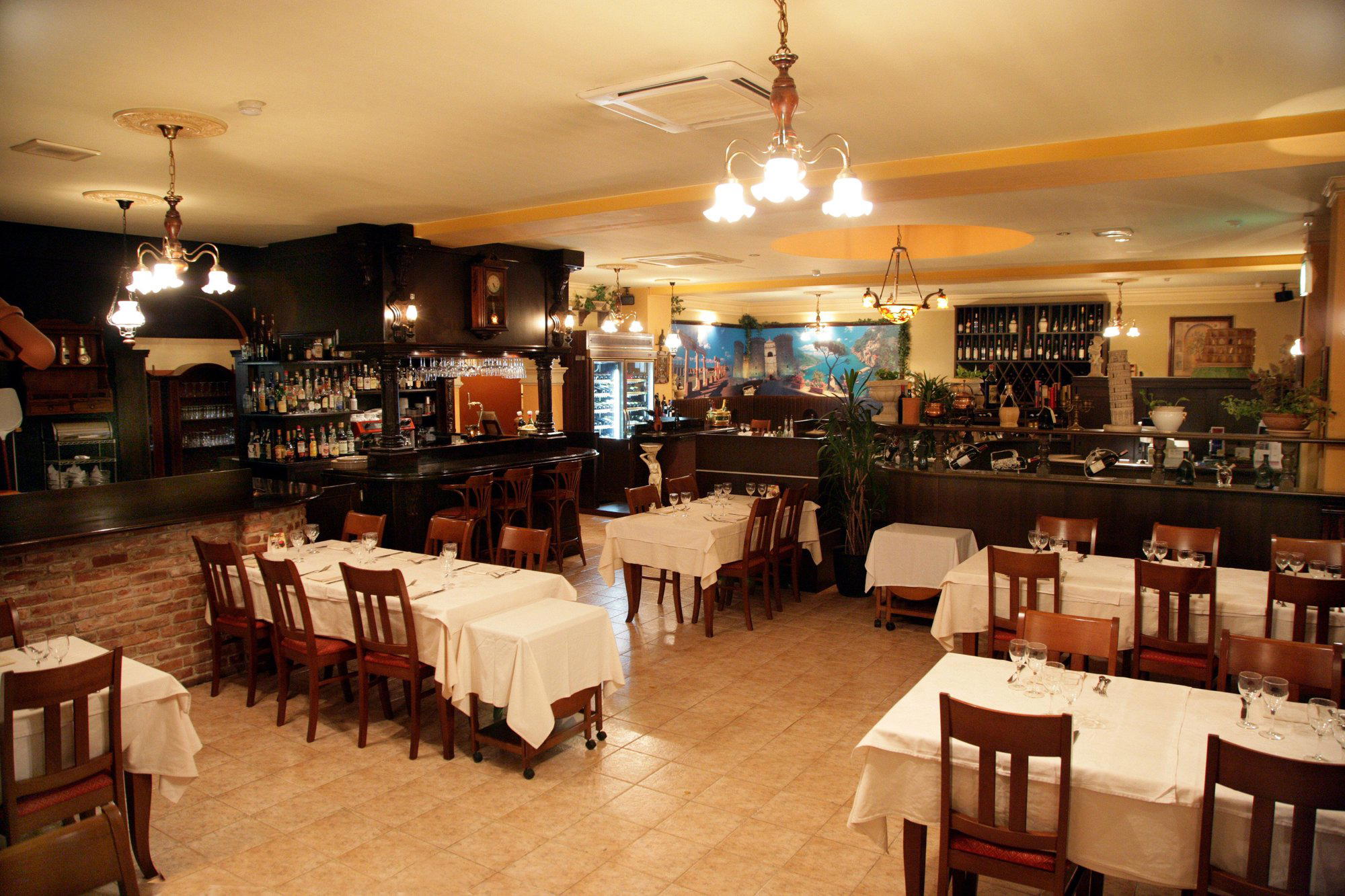
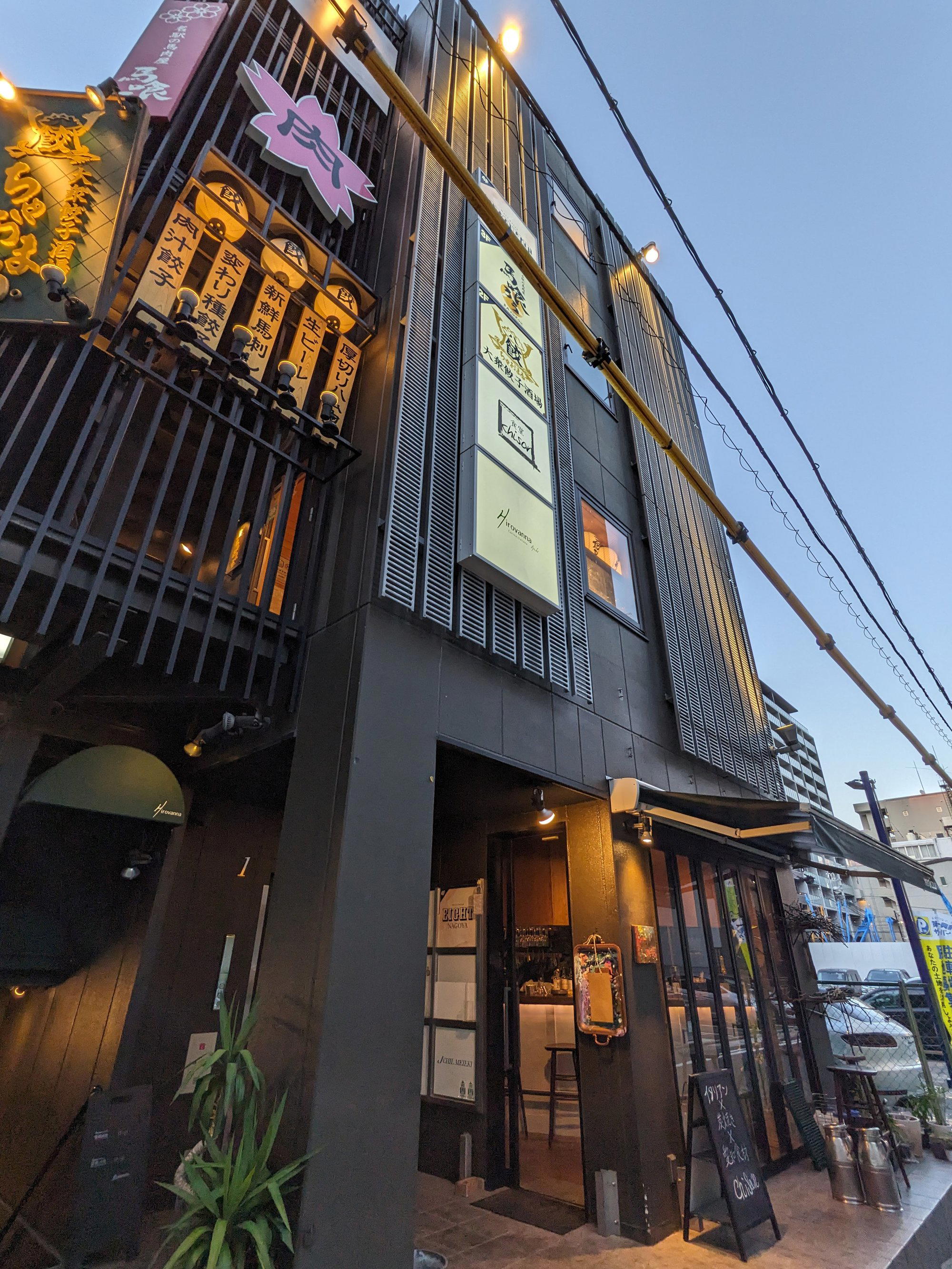
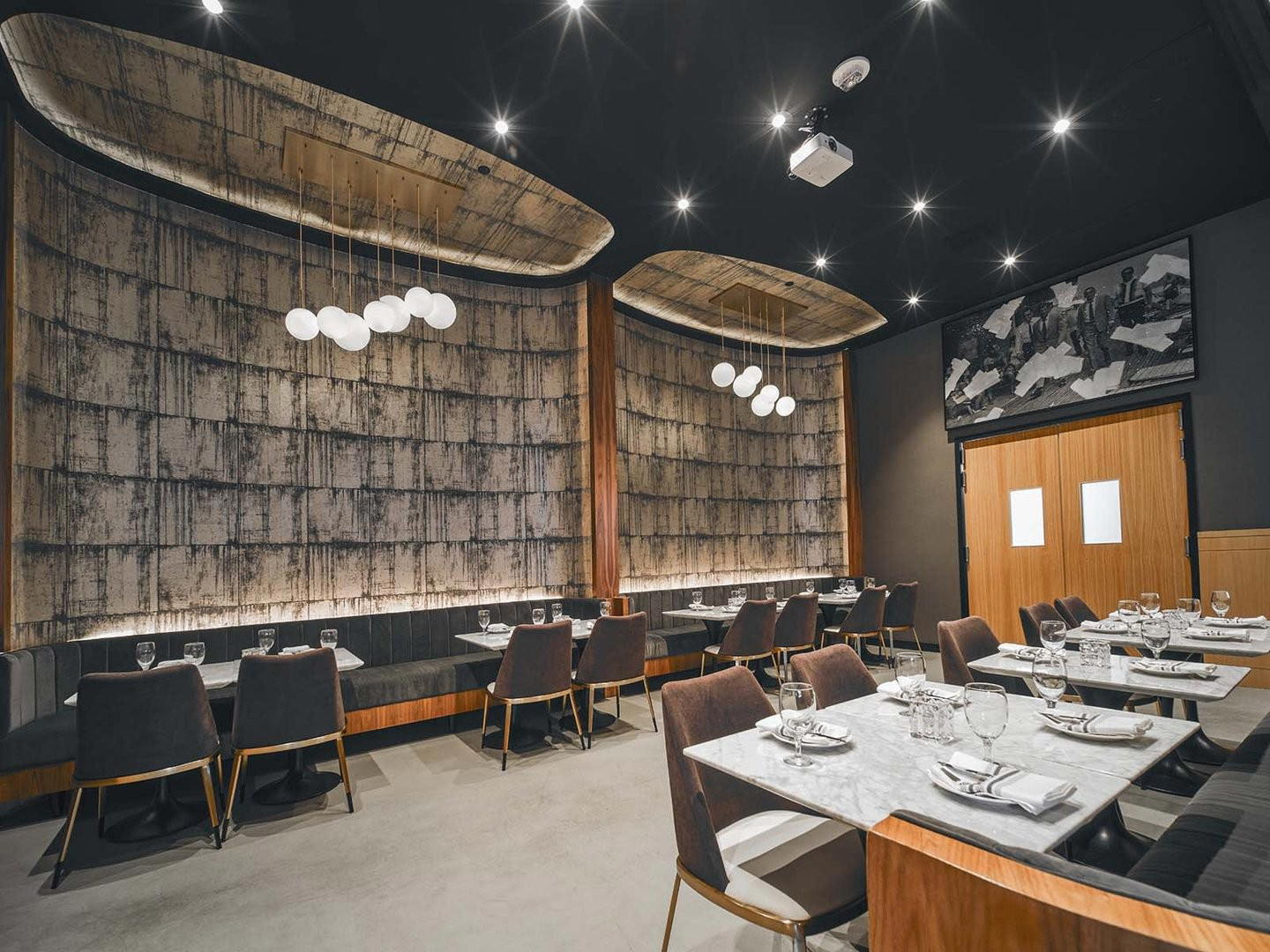
Casual, lively neighborhood yakiniku with a cozy dining room, bright interior, and the energetic atmosphere typical of popular Japanese BBQ spots where guests grill their own meat at the table.