Maïno Taberna
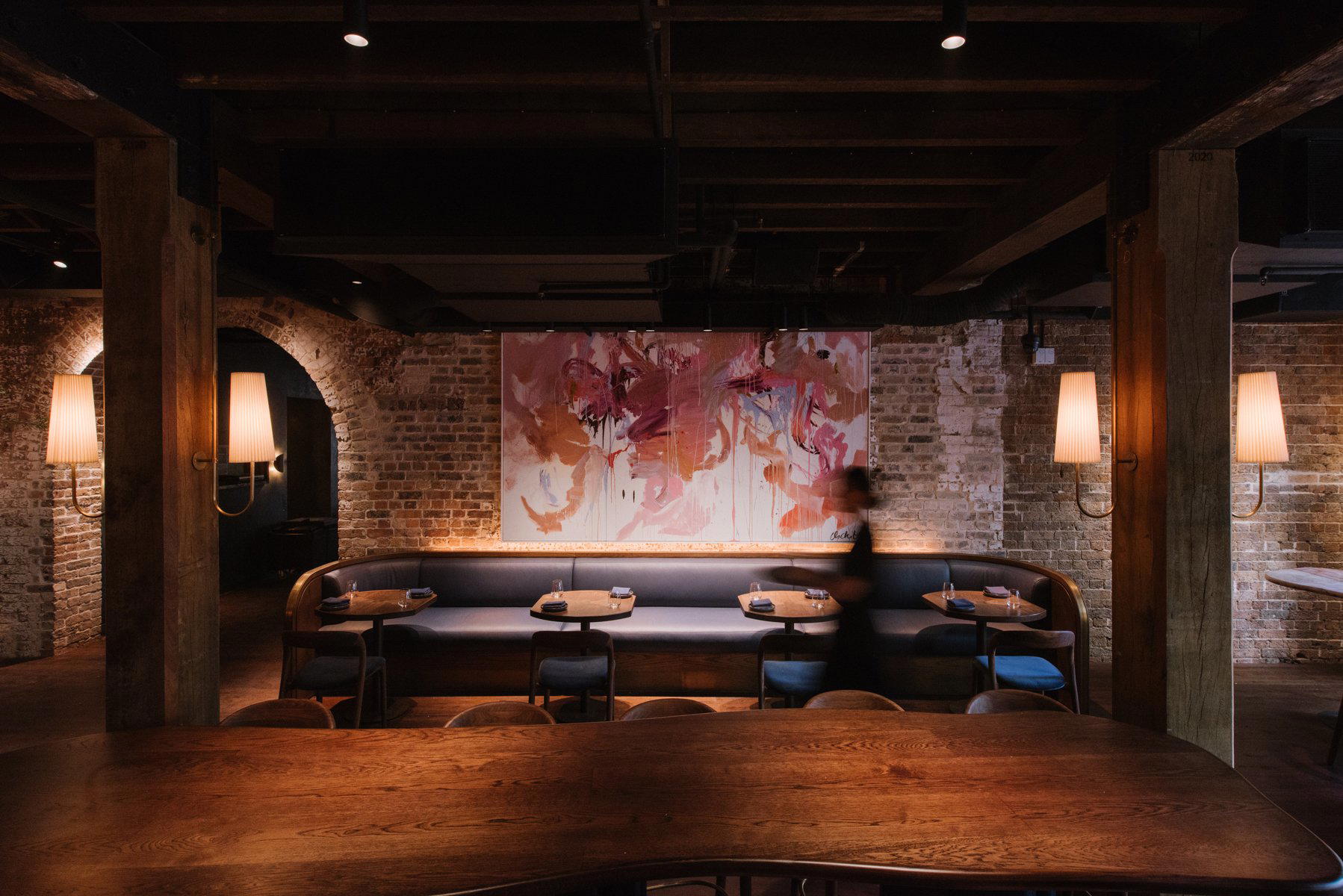
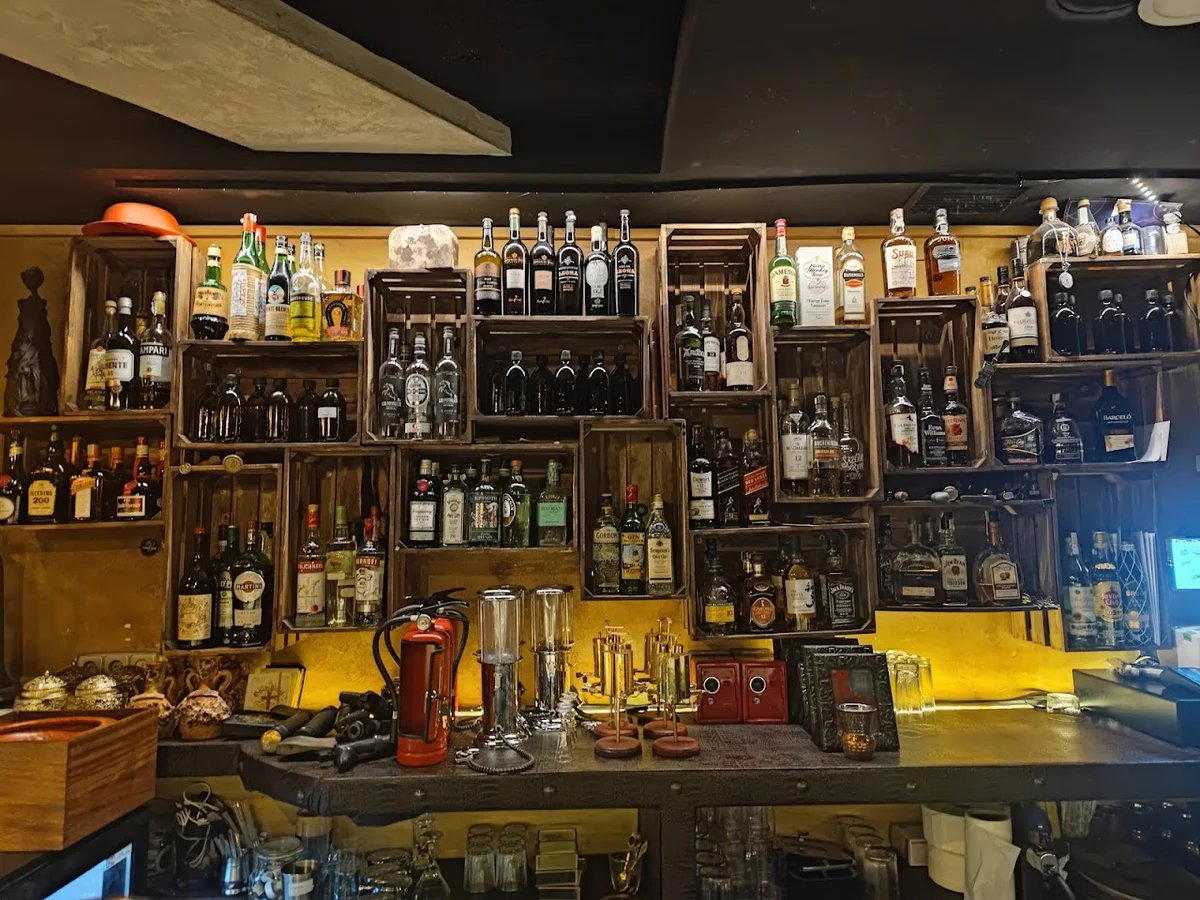
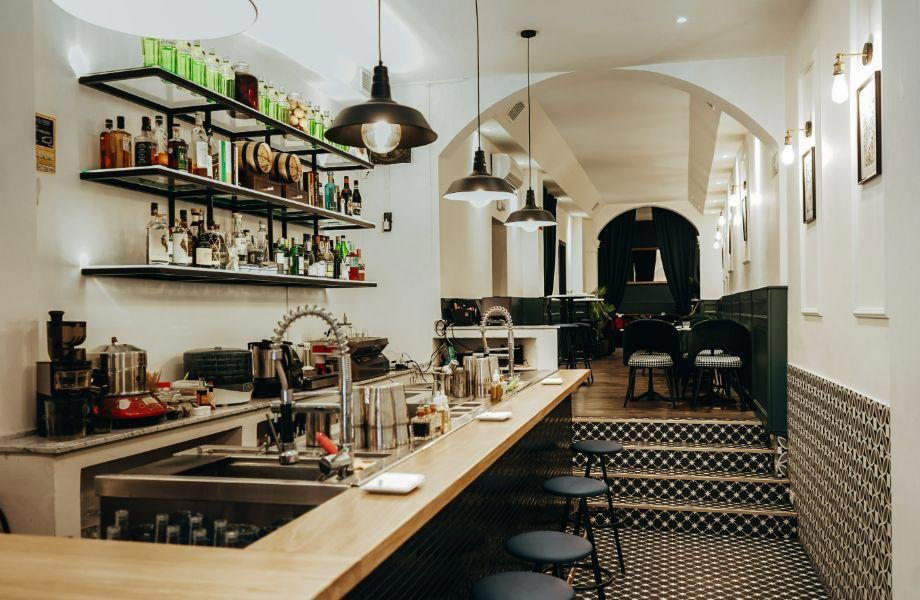
A taberna in the old quarter of Colmenar Viejo, roughly 35 kilometres north of Madrid, Maïno Taberna sits within a dining tradition that prizes local product over spectacle. The surrounding sierra shapes what lands on the plate, placing it in a category of Madrid-adjacent restaurants where proximity to mountain agriculture is a genuine kitchen asset rather than a marketing claim.
Pearl is the En Primeur Club membership app — saves, bookings, and concierge access live there. Same editors, same standards.
- Address
- C. del Corazón de María, 8, 28770 Colmenar Viejo, Madrid, Spain
- Phone
- +34614282057
- Website
- mainotaberna.com
 Saves & bookings on Pearl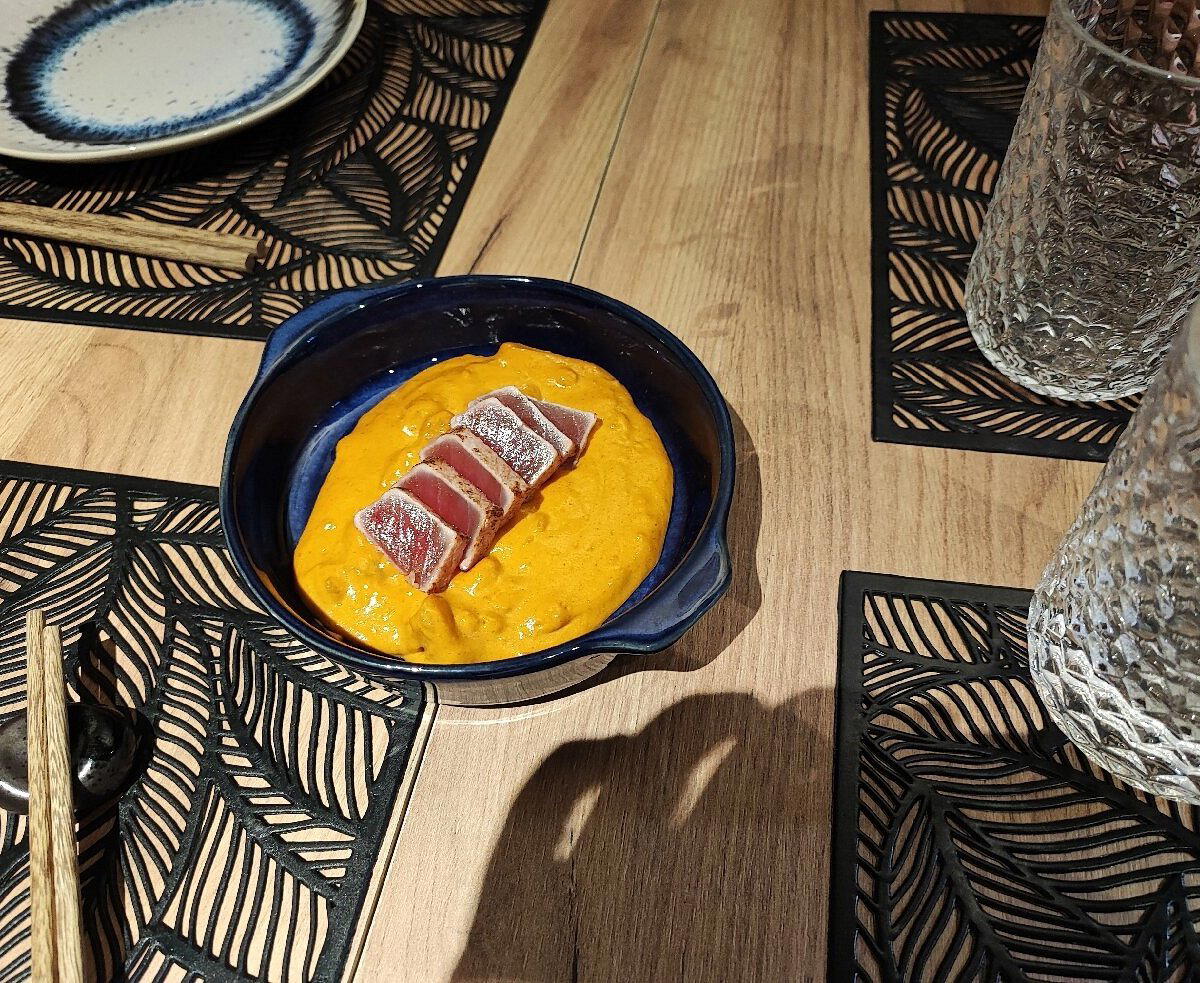
Where the Sierra Meets the Table
Colmenar Viejo sits at the foothills of the Sierra de Guadarrama, a position that defines the character of its food more than any single restaurant's philosophy could. At elevations approaching 900 metres, the town sits above the Madrid basin in a landscape historically shaped by livestock grazing, beekeeping, and smallholder agriculture. The name itself, colmenar means apiary in Castilian, signals a centuries-old relationship between this plateau town and its natural surround. Restaurants that operate here, including Maïno Taberna on Calle del Corazón de María, inherit that relationship whether they choose to or not. The restaurant serves Japanese with Mediterranean inspiration in Colmenar Viejo and is priced at the highest tier in the record.
The taberna format across the Madrid region has historically functioned as a middle register between the roadside venta and the formal restaurant: a place where the sourcing is local by default, the portions are generous by custom, and the menu shifts with the season because there is no supply chain sophisticated enough to override it. That model is less common now than it was a generation ago, but the towns ringing Madrid, Colmenar Viejo among them, have preserved it more faithfully than the capital itself.
Product Before Technique
The ingredient-first approach that characterises this tier of Spanish regional cooking is not a philosophical statement; it is an economic and geographical reality. Colmenar Viejo's proximity to sierra pasture means that lamb, kid, and local pork have historically moved from producer to kitchen with minimal intermediary. The same applies to seasonal vegetables from the vegas, the irrigated smallholdings in the river valleys below, and to honey, dairy, and foraged herbs from the higher slopes.
This is the sourcing logic that distinguishes a place like Maïno Taberna from its Madrid city equivalents in important ways. A taberna operating 35 kilometres from the capital at this elevation is not positioning against the €€€€ creative tasting menus of DiverXO in Madrid or the progressive seafood of Aponiente in El Puerto de Santa María. It operates in a different register entirely, one where the measure of quality is fidelity to local product rather than technical ambition, and where the kitchen's credibility rests on what it can source within a short radius rather than what it can import.
That distinction matters when positioning Maïno Taberna within Spain's broader dining spectrum. The country's highest-profile restaurants, Arzak in San Sebastián, Azurmendi in Larrabetzu, El Celler de Can Roca in Girona, Mugaritz in Errenteria, Martin Berasategui in Lasarte-Oria, Quique Dacosta in Dénia, Cocina Hermanos Torres in Barcelona, Ricard Camarena in València, Atrio in Cáceres, Casa Marcial in Arriondas, and Cenador de Amós in Villaverde de Pontones, each represent the refined end of a national tradition that begins, in practical terms, at places like this: tabernas where the kitchen's first decision each morning is what the local producer brought in, not what the international tasting menu requires.
Colmenar Viejo's Dining Scene in Context
The town's restaurant options span a range that reflects its dual identity as a working Madrid-province municipality and a weekend destination for city residents seeking sierra air and a long lunch. Maïno Taberna sits within that ecosystem alongside El 22, which operates in the fusion register, and NYO Casa de Comidas, which leans into the casa de comidas format. Together, these three represent different strategies for how a restaurant outside the capital can position itself: creative cross-referencing, daily-menu accessibility, or taberna-style regional grounding.
The taberna category in this part of the Comunidad de Madrid tends to draw two distinct customer profiles: locals eating on weekday lunchtimes, when the menú del día is the operative format, and weekend visitors from the capital who arrive specifically for the slower pace and the cooking style that the city's restaurants cannot replicate at the same price point. The economics of that model favour high turnover at lunch and a more relaxed pace at dinner, a rhythm that most tabernas in towns of this size have settled into over decades.
Planning Your Visit
Colmenar Viejo is accessible from Madrid by commuter rail on the C-4 line, which connects the town to Atocha and Chamartín in under an hour, making it a realistic half-day or full-day excursion from the capital. For visitors arriving by car, the A-1 motorway runs north from Madrid, with the town accessible in 30 to 40 minutes depending on traffic. Maïno Taberna sits on Calle del Corazón de María 8, in the older part of town. Contacting them directly before visiting is advisable for table availability, particularly on weekends when demand from Madrid visitors is higher.
Quick Comparison
Comparable venues nearby, for context on price, style, and recognition.
| Venue | Cuisine | Price | Awards | Notes |
|---|---|---|---|---|
| Maïno TabernaThis venue — the venue you are viewing | Japanese with Mediterranean Inspiration | $$$$ | , | |
| NYO Casa de comidas | Traditional Spanish | $$ | , | Colmenar Viejo |
| El 22 | Modern Mediterranean-Spanish-Japanese Fusion | $$ | Michelin Plate | Colmenar Viejo |
| Nanako | Japanese Omakase with Brazilian Fusion | $$$$ | , | Almagro |
| Matsuhisa | Nikkei Japanese | $$$$ | , | Punta Negra |
| Ikigai Gran Vía | Modern Japanese-Spanish Fusion | $$$ | , | Universidad |
Continue exploring
More in Colmenar Viejo
Restaurants in Colmenar Viejo
Browse all →

Bars in Colmenar Viejo
Browse all →



At a Glance
- Rustic
- Date Night