Our verdict
Among Spain's Mediterranean resort towns, Nikkei cuisine of Matsuhisa's calibre occupies a category of its own. Operating under the Nobu Matsuhisa name, the Calvia outpost brings the same raw-materials discipline that defines the global brand's top-tier counters, positioning it well outside the island's seafood taverna circuit and closer in peer terms to fine-dining rooms in Barcelona or Madrid.

Pearl is the En Primeur Club membership app — saves, bookings, and concierge access live there. Same editors, same standards.
- Address
- Calvia, Spain
- Directions
- Get directions
The menu
What to order
- Sashimi
- Sushi
Japanese Precision on the Balearic Coast
Resort dining in the Balearic Islands follows a familiar pattern: grilled fish, Mallorcan sobrassada, alfresco terraces angled toward the sea. Matsuhisa in Calvia breaks that pattern entirely. The restaurant operates under the Nobu Matsuhisa name, a global brand whose culinary identity is built on Nikkei technique — the century-old fusion of Japanese knife work and Peruvian ingredient culture that emerged from Lima's Japanese diaspora and has since shaped fine-dining menus from London to Los Angeles. On a coastline better known for paella and sunset cocktails, that pedigree places Matsuhisa in a different competitive category altogether.
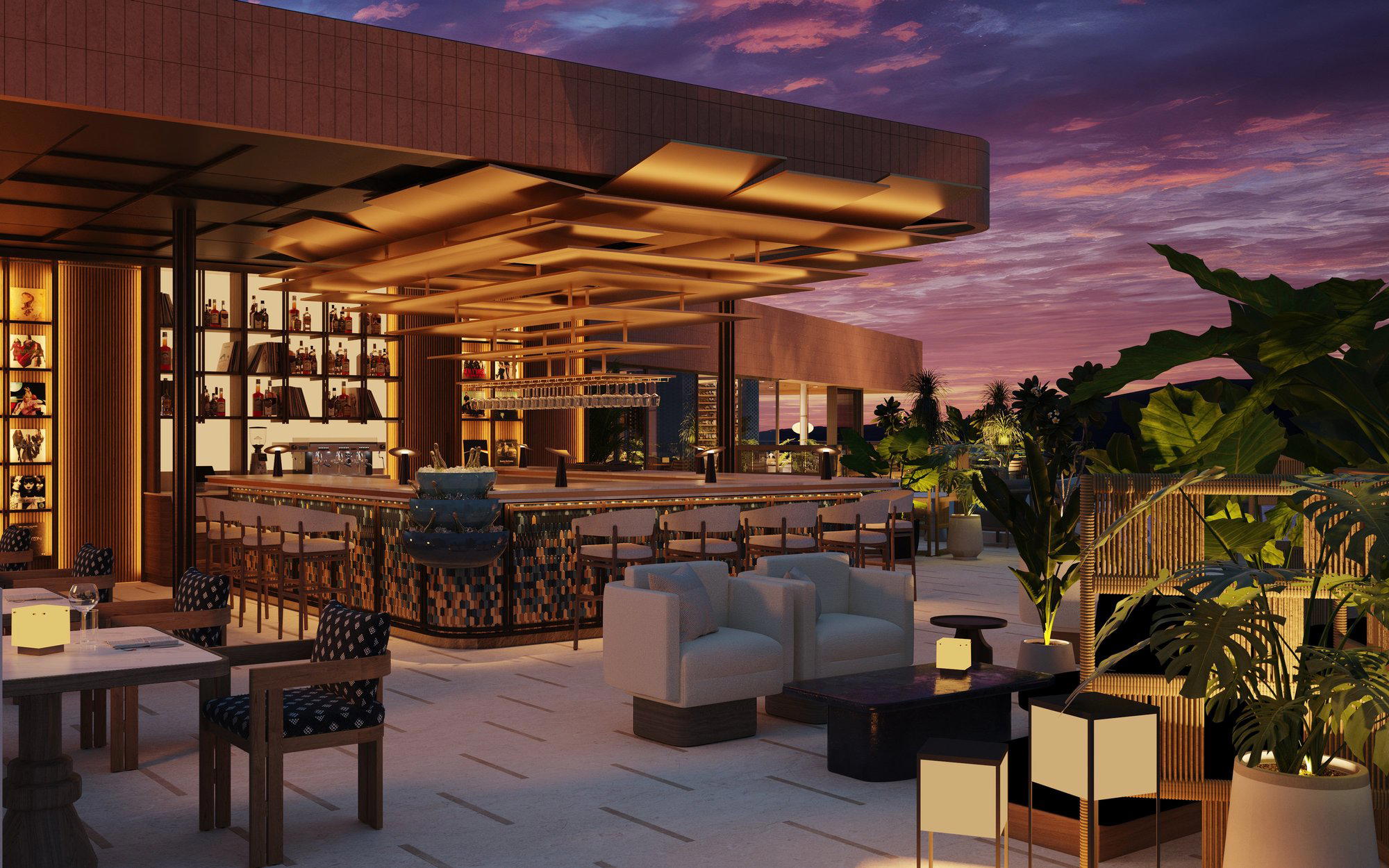
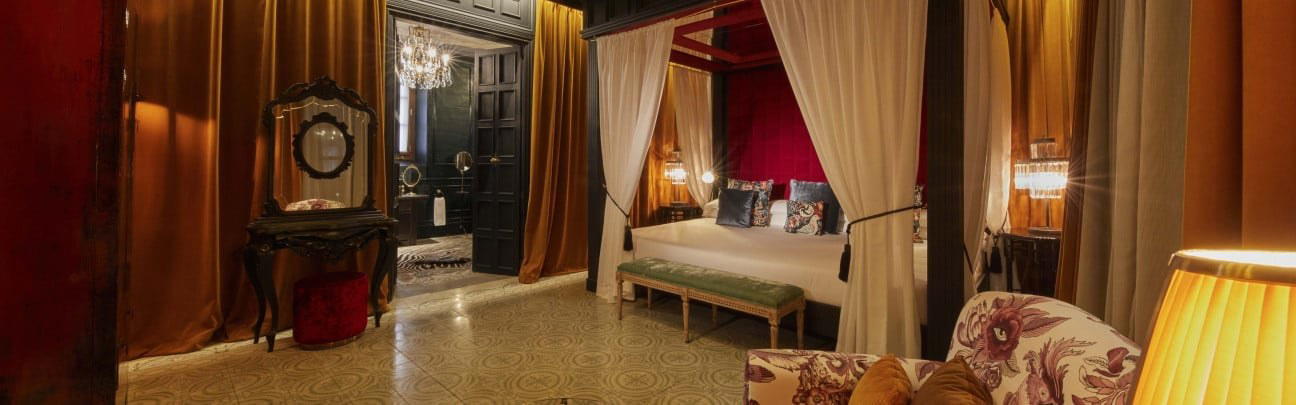
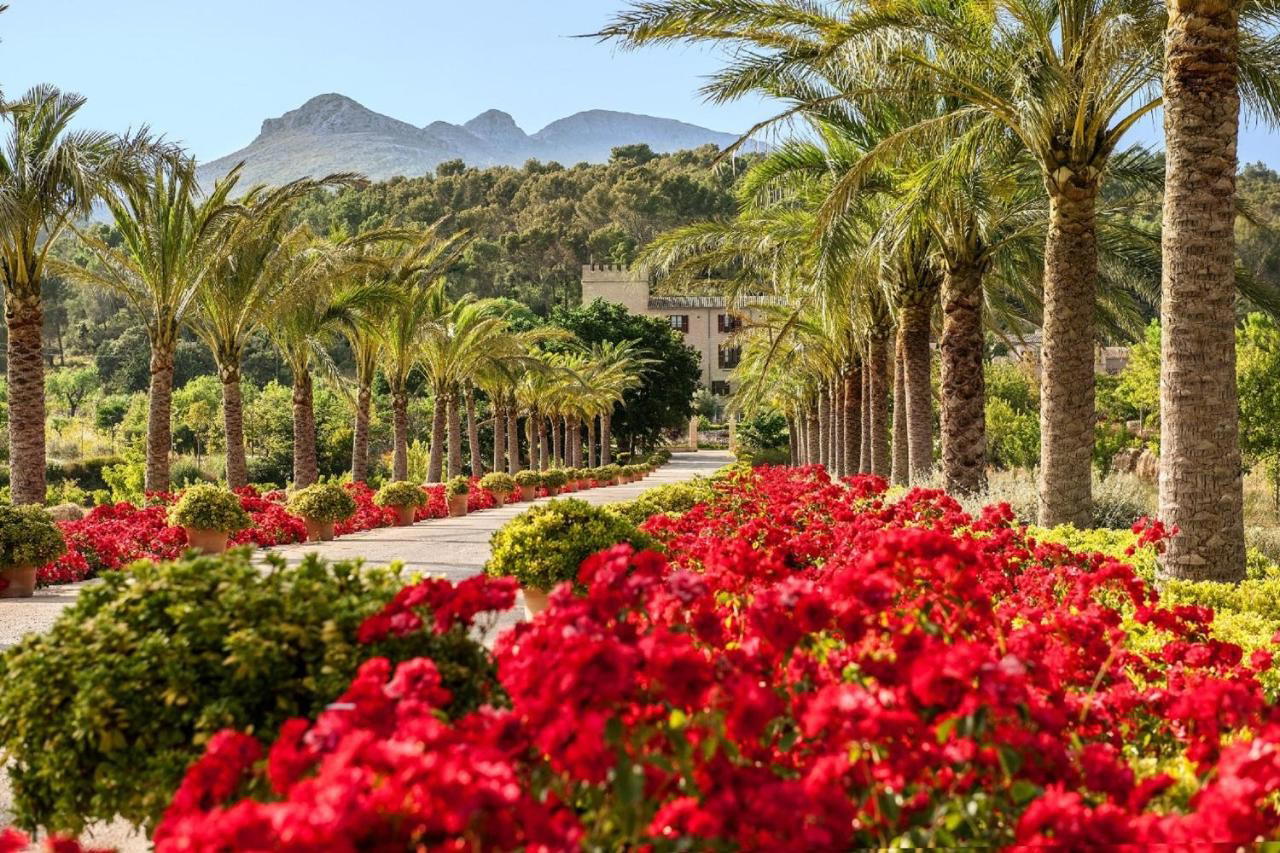
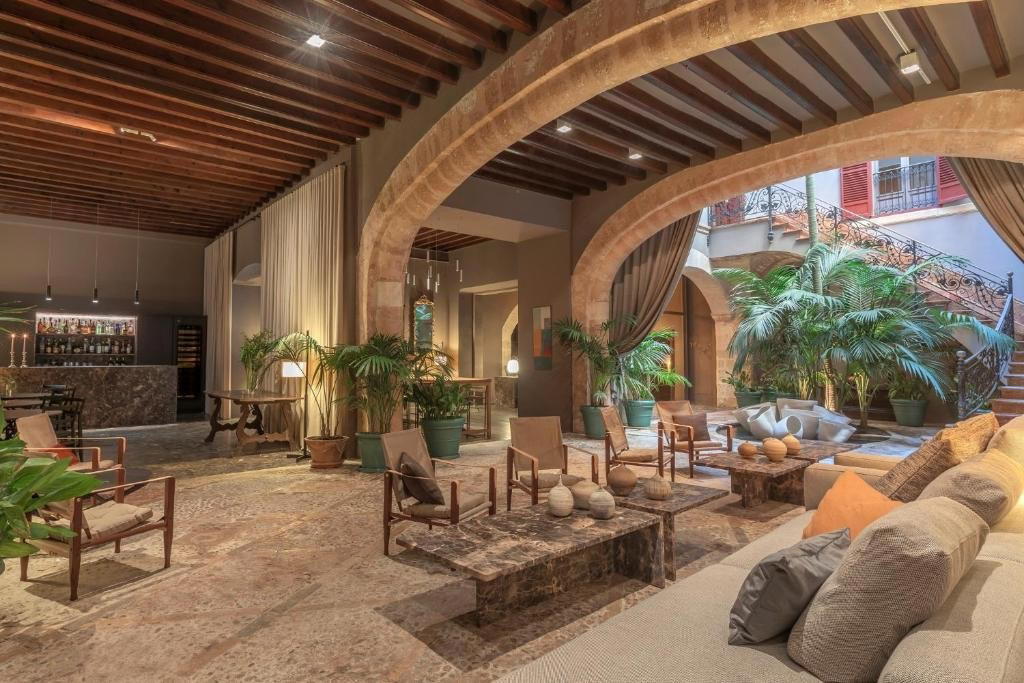
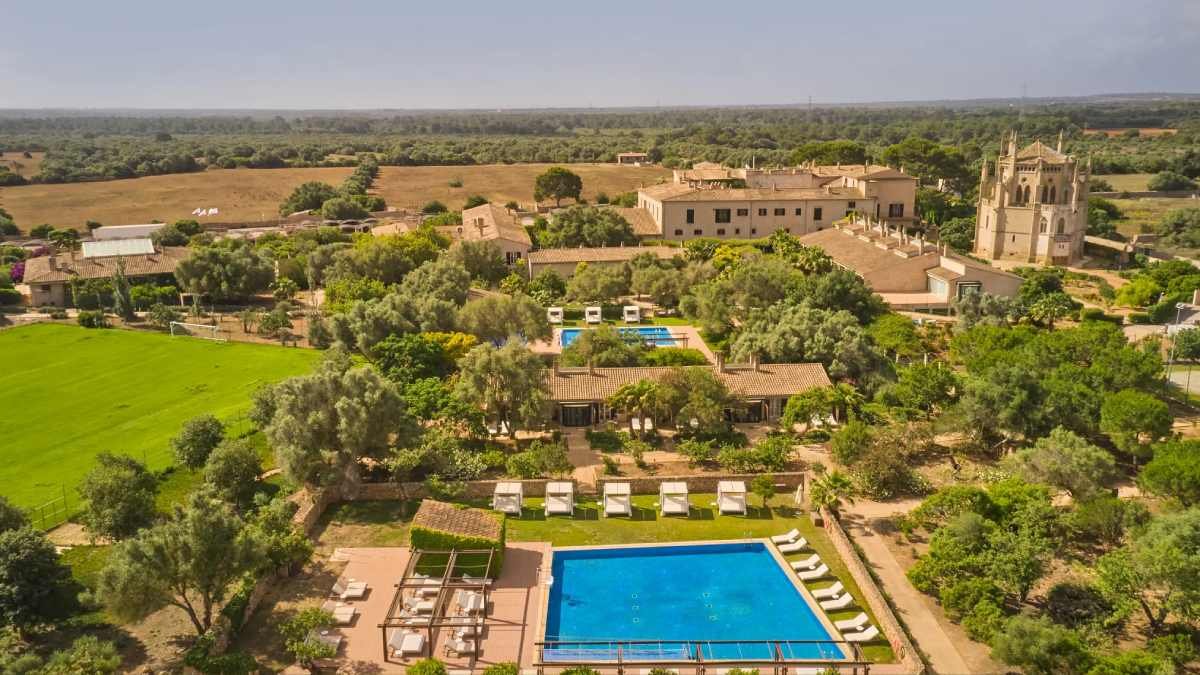
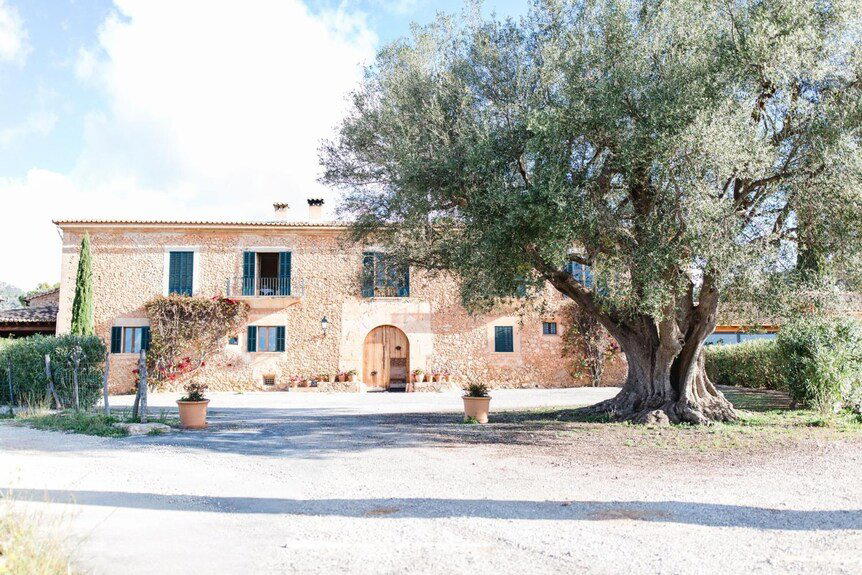
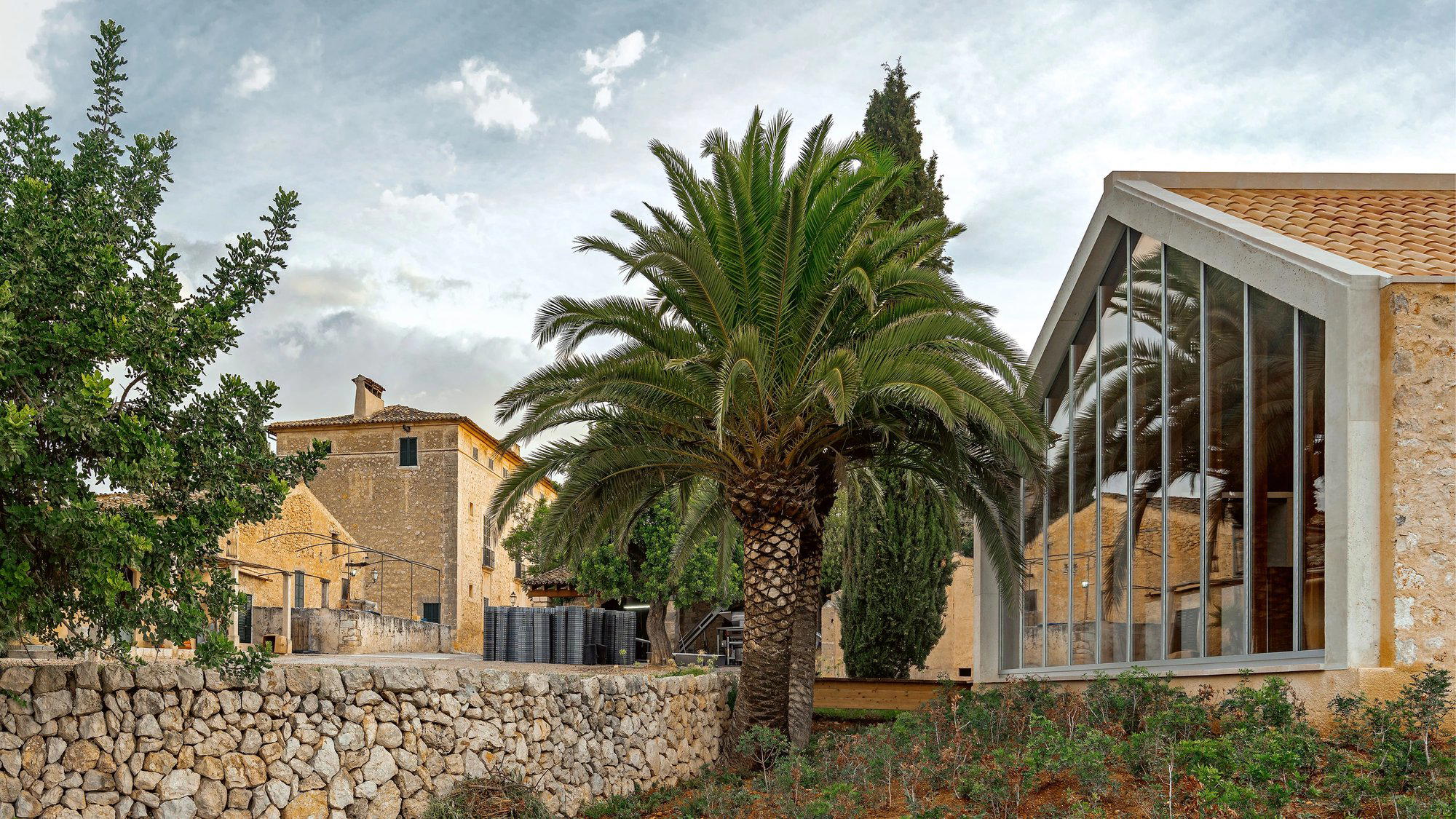
Approaching the restaurant, you move through the textures of a high-end Mallorcan resort property: stone, landscaped green, the particular quietness that comes with private access and controlled capacity. The dining room itself reflects the Nobu aesthetic — clean lines, warm timber, the kind of spatial restraint that signals the kitchen intends to be the loudest thing in the room. Natural light shapes the early dinner hours; by evening the space shifts toward something more intimate. The physical environment is composed rather than dramatic, which is exactly the point for a cuisine that asks you to pay close attention to what's on the plate.
The Raw Materials Argument
Nikkei cooking, at its most disciplined, is an argument about ingredients: what happens when Japanese respect for the integrity of raw fish meets South American citrus, chilli, and ferment. The format demands produce of the highest order, because there is little to hide behind. Sashimi presented in the Nobu house style, with yuzu-inflected sauces, with black cod that has been marinated in miso for days rather than hours, with tiradito cuts that owe as much to Peruvian cevicherías as to Tokyo counters, works only when the underlying protein justifies the technique.
The Mediterranean context is not incidental here. The Balearic Sea offers tuna, sea bass, and red prawn of genuine quality, the same raw material that drives respected fish-forward restaurants elsewhere in Spain. Quique Dacosta in Dénia, three Michelin stars and one of the country's most technically precise kitchens, built much of its identity on the red prawn of nearby Denia. Aponiente in El Puerto de Santa María won three stars by treating Andalusian sea life as the entire premise of a tasting menu. Spain, in other words, is not a country that takes its seafood lightly. A Nikkei kitchen operating in this geography has access to serious raw material, and the obligation to honour it.
Where Matsuhisa Sits in Spain's Fine-Dining Map
Spain's top-tier restaurant scene clusters in a handful of cities and regions: San Sebastián, Barcelona, Madrid, Valencia, the Basque country. El Celler de Can Roca in Girona, Mugaritz in Errenteria, DiverXO in Madrid, Arzak in San Sebastián, Azurmendi in Larrabetzu, Martin Berasategui in Lasarte - Oria, Cocina Hermanos Torres in Barcelona, Ricard Camarena in València, these are the reference points for serious dining in the country. Mallorca sits outside that primary circuit.
Resort towns rarely sustain fine-dining operations of genuine ambition; the economics of seasonal tourism tend to push kitchens toward volume and accessibility. The Nobu network's model inverts that logic by importing a fixed culinary identity rather than adapting to local demand. The result is a restaurant that references Tokyo and Lima more than Palma, and prices and positions itself accordingly.
Within Calvia's own dining circuit, the range is considerable. Leña by Dani García brings fire-based cooking and dry-aged meat from one of Spain's most decorated chefs. Jacinta offers a Mexican kitchen as a counterpoint to the Mediterranean default. Leppoc covers all-day Mediterranean dining. Sobretaula and MAR Y MAR complete a local picture that is more varied than the resort-town label suggests. Among that set, Matsuhisa occupies the position furthest from Mediterranean convention, which, depending on what you're after, is either the point or the limitation. See our full Calvia restaurants guide for the complete picture.
The Global Reference Frame
To understand what Matsuhisa in Calvia is attempting, it helps to calibrate against the broader Nobu network. The brand's benchmark locations, New York, Tokyo, London, set the standard against which all outposts are measured. Le Bernardin in New York City and Lazy Bear in San Francisco represent the kind of ingredient-precise, technique-led dining that Nobu Matsuhisa's original counters helped pioneer in the West. The Calvia outpost inherits that lineage and the expectations that come with it.
Resort-based fine dining of this kind works well when the location amplifies rather than dilutes the experience. The Balearic light, the access to Mediterranean seafood, the rhythm of a resort stay, these are assets if a kitchen treats them as such. The Nikkei format, with its reliance on pristine raw fish and a tight vocabulary of Japanese technique applied to non-Japanese produce, is well suited to a coastal setting where quality seafood arrives with some regularity.
Planning Your Visit
Matsuhisa operates as part of a resort property in Calvia, which means access and booking logistics are likely tied to the hotel operation. Guests staying at the property will have the most direct path to a reservation; visitors coming specifically for dinner should confirm availability directly through the hotel. Seasonal patterns matter in any Mallorcan context: the summer months compress demand, and tables at the property's restaurants will reflect that pressure. The shoulder seasons, May, June, September, early October, offer the same Mediterranean setting with fewer competing reservations and more consistent kitchen focus. Dress code at Nobu-affiliated restaurants globally tends toward smart casual; the resort context reinforces that expectation.
Frequently asked questions
Is Matsuhisa in Calvia the only Nikkei restaurant of its kind in the Balearic Islands?
Nikkei cuisine — the Japanese-Peruvian hybrid built around sashimi, sushi, and South American seasoning — has very limited dedicated representation across the Balearic Islands. Mallorca's restaurant scene is anchored in Mediterranean cooking, with Japanese options mostly confined to casual sushi bars in Palma. Matsuhisa in Calvia, operating within a resort setting, occupies an unusual position in this geography by running a format more commonly found in Madrid, Barcelona, or major European capitals.
What should I eat at Matsuhisa?
Matsuhisa's menu is rooted in Nikkei cooking — the Japanese-Peruvian tradition built on sashimi and sushi as primary formats, where the discipline lies in sourcing and cutting rather than heavy preparation. The Calvia location draws on the same culinary framework as the broader Matsuhisa network, which means cold dishes and raw preparations tend to be the reference point. Cooked dishes exist, but the raw materials argument is where the kitchen makes its case.
How hard is it to get a table at Matsuhisa?
Matsuhisa in Calvia operates within a resort property, which means table access is partly structured around hotel guests. Outside guests can typically reserve, but priority often flows to in-house visitors during peak Balearic summer months — July and August in particular. Contacting the hotel directly is the most reliable route to a confirmed booking.
What do critics highlight about Matsuhisa?
The Matsuhisa brand globally is associated with Nikkei precision — the controlled application of Japanese fish-handling technique to ingredients sourced outside Japan. In a Balearic context, critics tend to note the contrast: resort dining in Mallorca defaults to Mediterranean grills and local charcuterie, so a kitchen running disciplined sashimi service occupies a distinct position on the island.
Is Matsuhisa worth the price?
The value proposition rests on Nikkei cuisine executed at a standard not widely available in the Balearic Islands, where comparable Japanese fine dining is thin on the ground. Whether that premium makes sense depends largely on how much weight you place on format consistency across a well-established international kitchen.
A Minimal comparable set
Comparable venues nearby, for context on price, style, and recognition.
| Venue | Cuisine | Price | Awards | Notes |
|---|---|---|---|---|
| MatsuhisaThis venue — the venue you are viewing | Nikkei Japanese | Not listed | Not listed | Not listed |
| Sobretaula | Authentic Spanish Tapas | Not listed | Not listed | Punta Negra, Authentic Spanish Tapas |
| Jacinta | Contemporary Mexican | Not listed | Not listed | Calvià, Contemporary Mexican |
| MAR Y MAR | Mediterranean Seafood Fusion | $50–100 | Not listed | Peguera, Mediterranean Seafood Fusion |
| Leppoc | Mediterranean and Levantine All-Day Dining | Not listed | Not listed | Calvià, Mediterranean and Levantine All-Day Dining |
| Sa Clastra | Modern Mallorcan Fine Dining | $150–200 | 1 Michelin Star · Guía Repsol 1 Sol | Es Capdellà, Calvià, Modern Mediterranean Fine Dining |
Continue exploring
More in Calvia
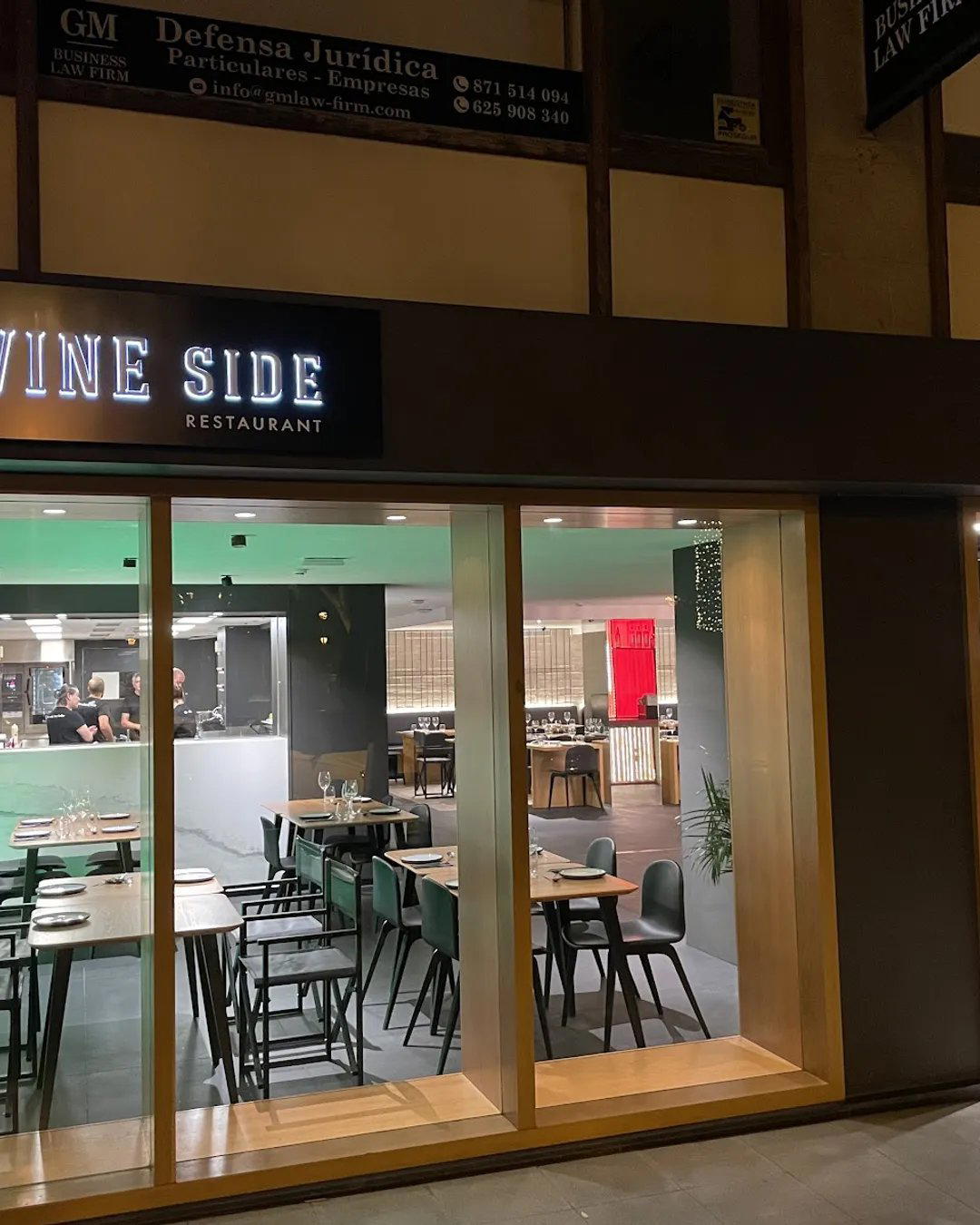
Restaurants in Calvia
Browse all →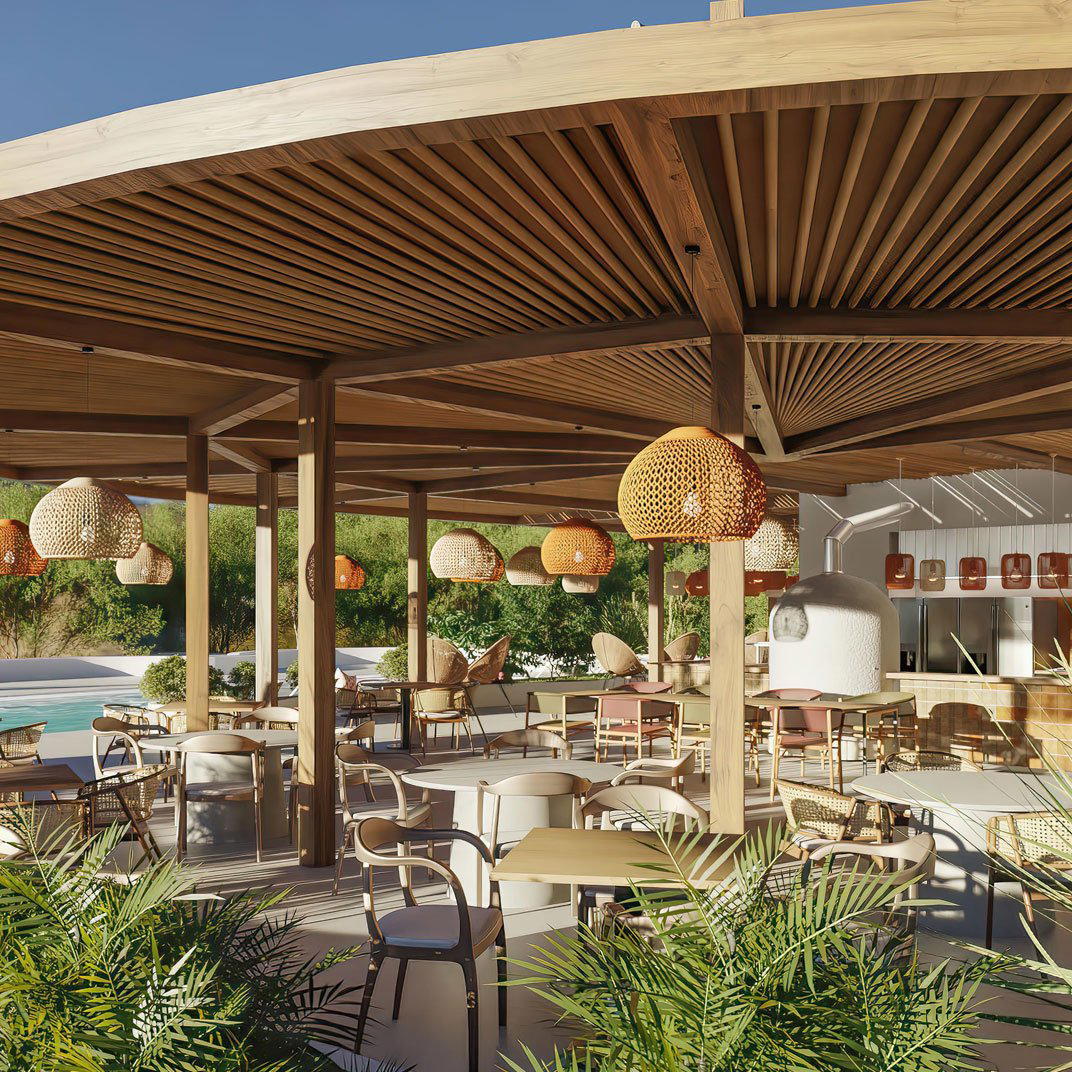
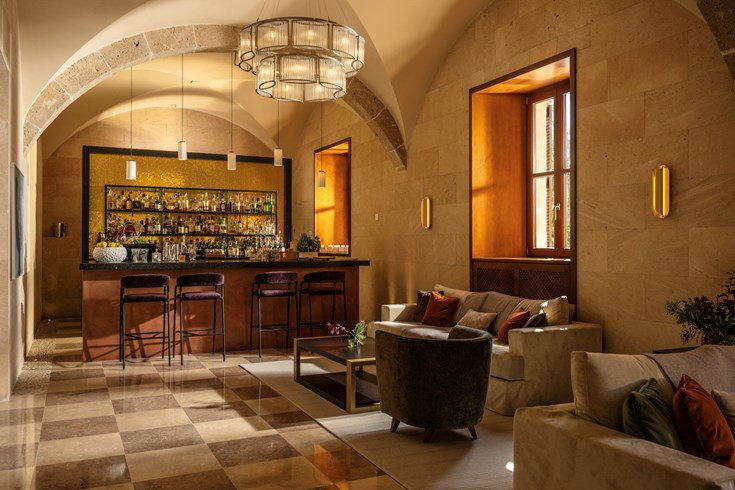
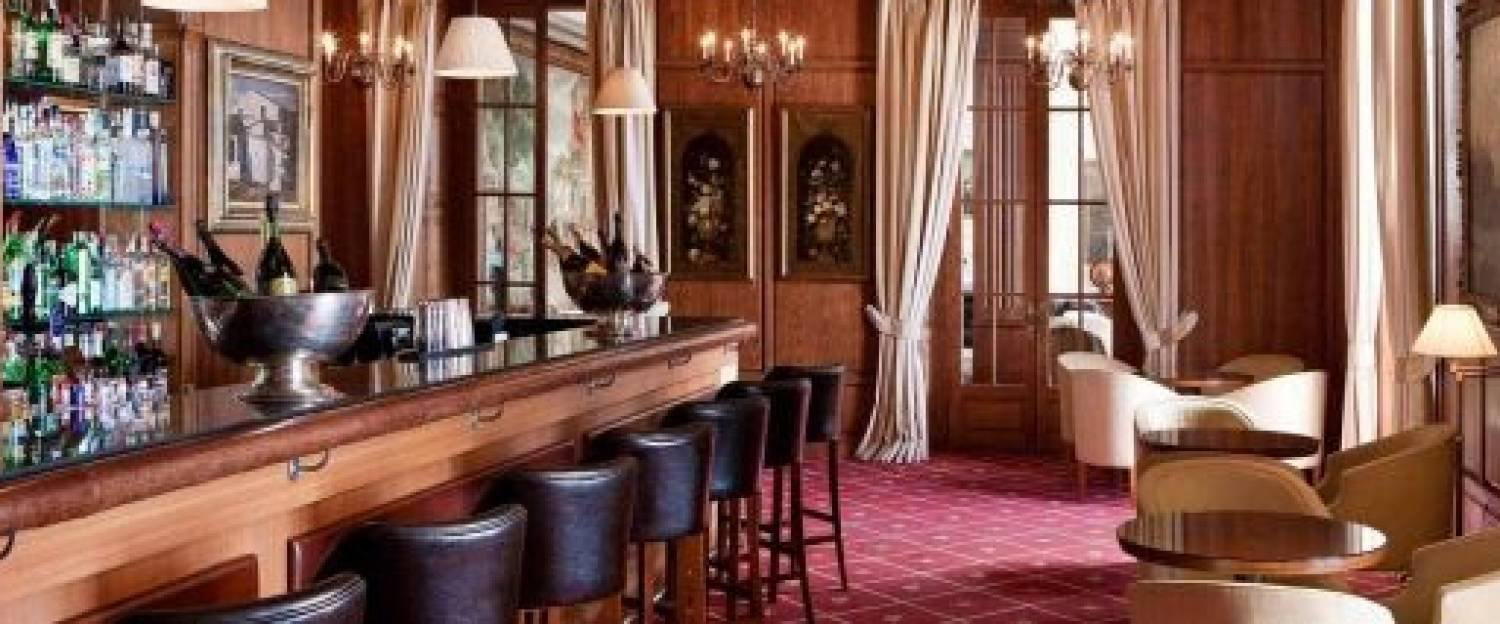
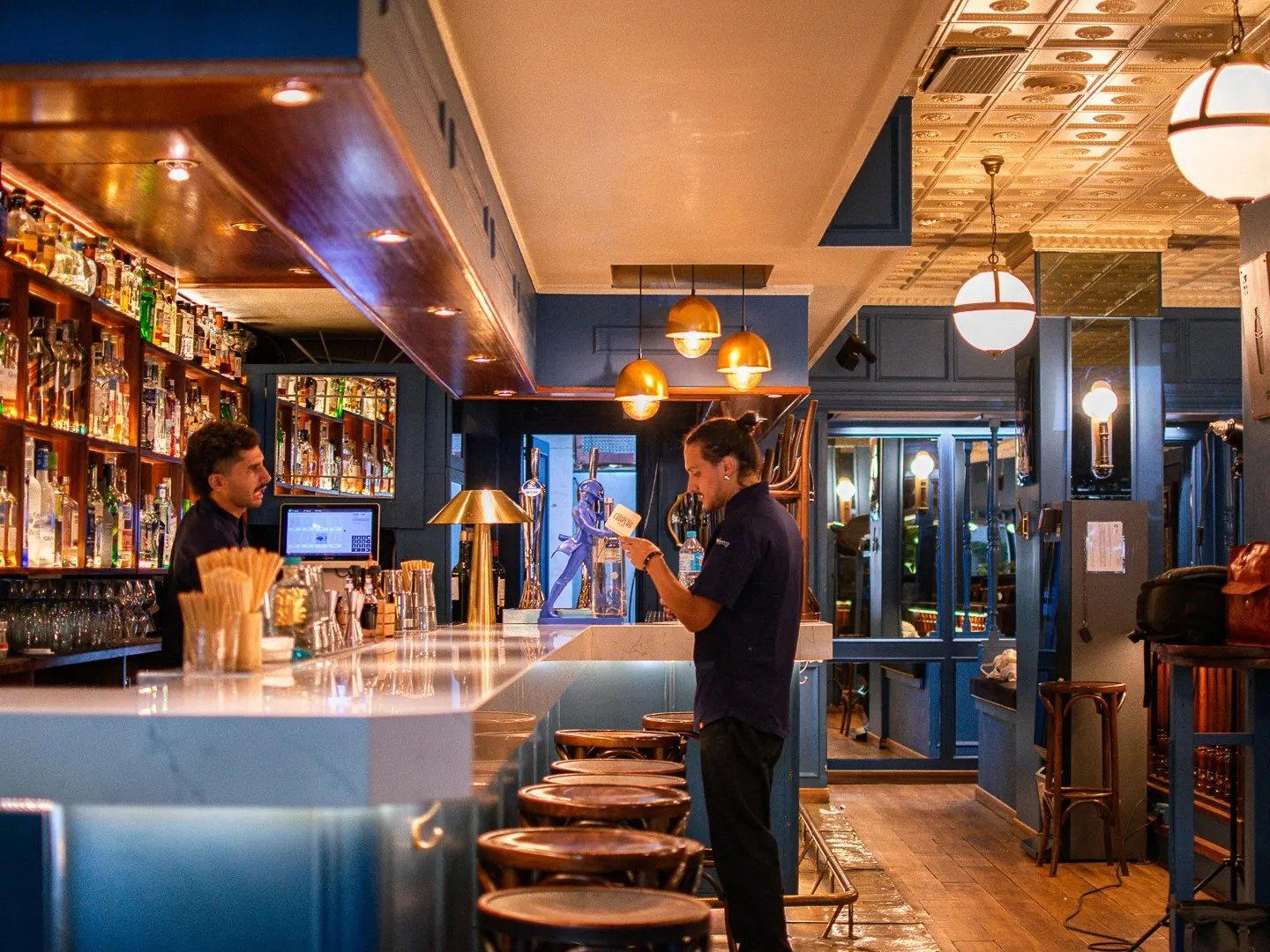
Bars in Calvia
Browse all →
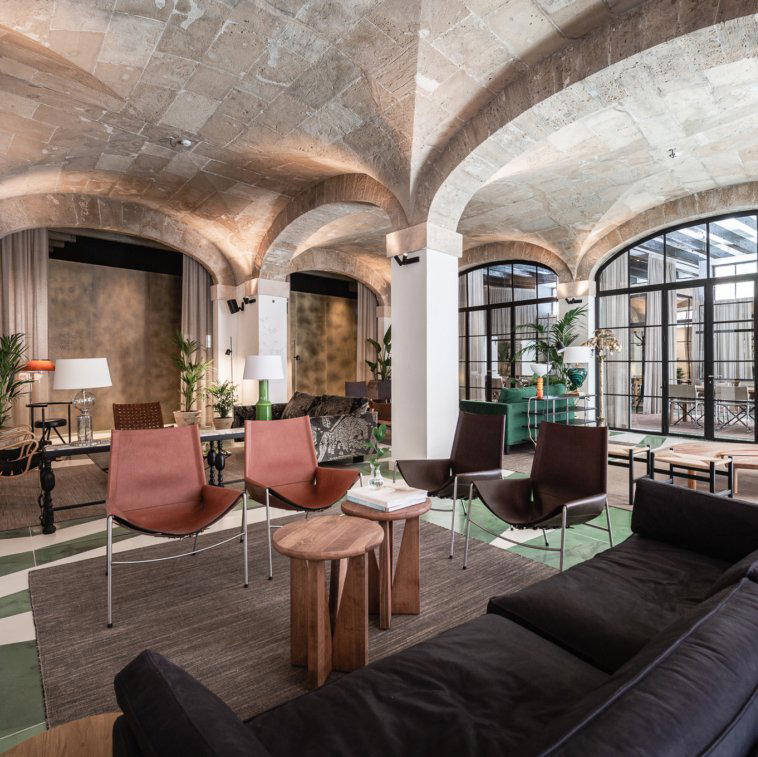
Hotels in Calvia
Browse all →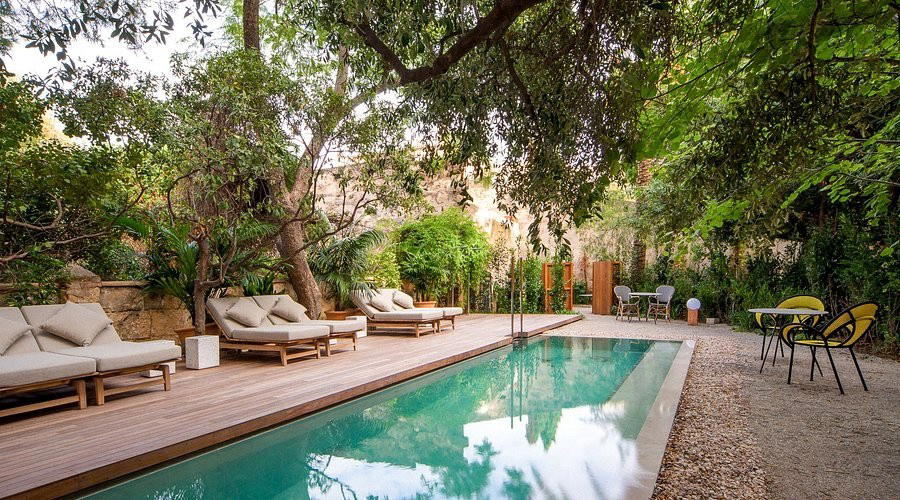
Details
- Elegant
- Sophisticated
- Relaxed
- Modern
- Date Night
- Special Occasion
- Open Kitchen
- Terrace
- Hotel Restaurant
- Craft Cocktails
- Sake Program
- Waterfront
- A La Carte
- Small Plates
- Counter Dining
- Japanese Inspired Cocktails
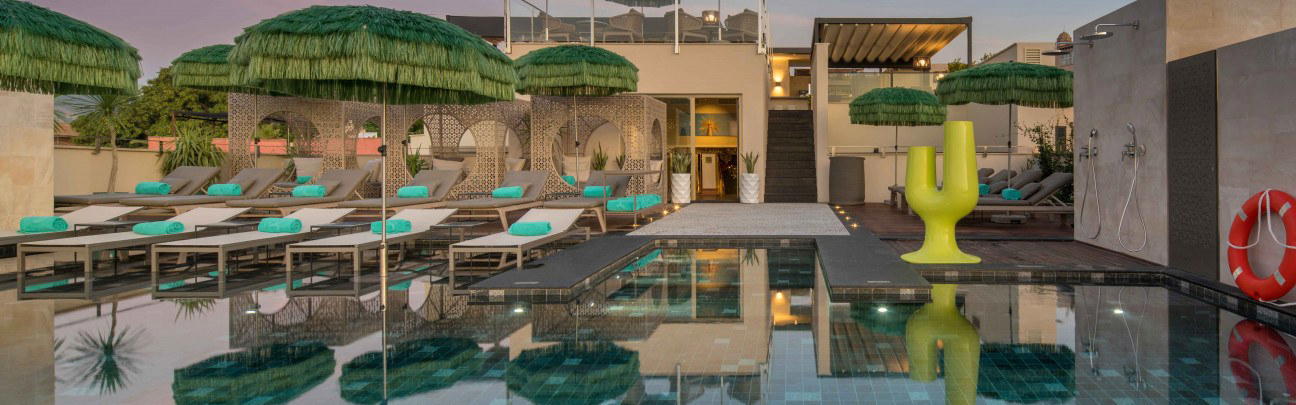
Stylish yet tranquil atmosphere blending sophistication with ease, featuring dramatic sea views, sushi counter, and elegant outdoor bar.